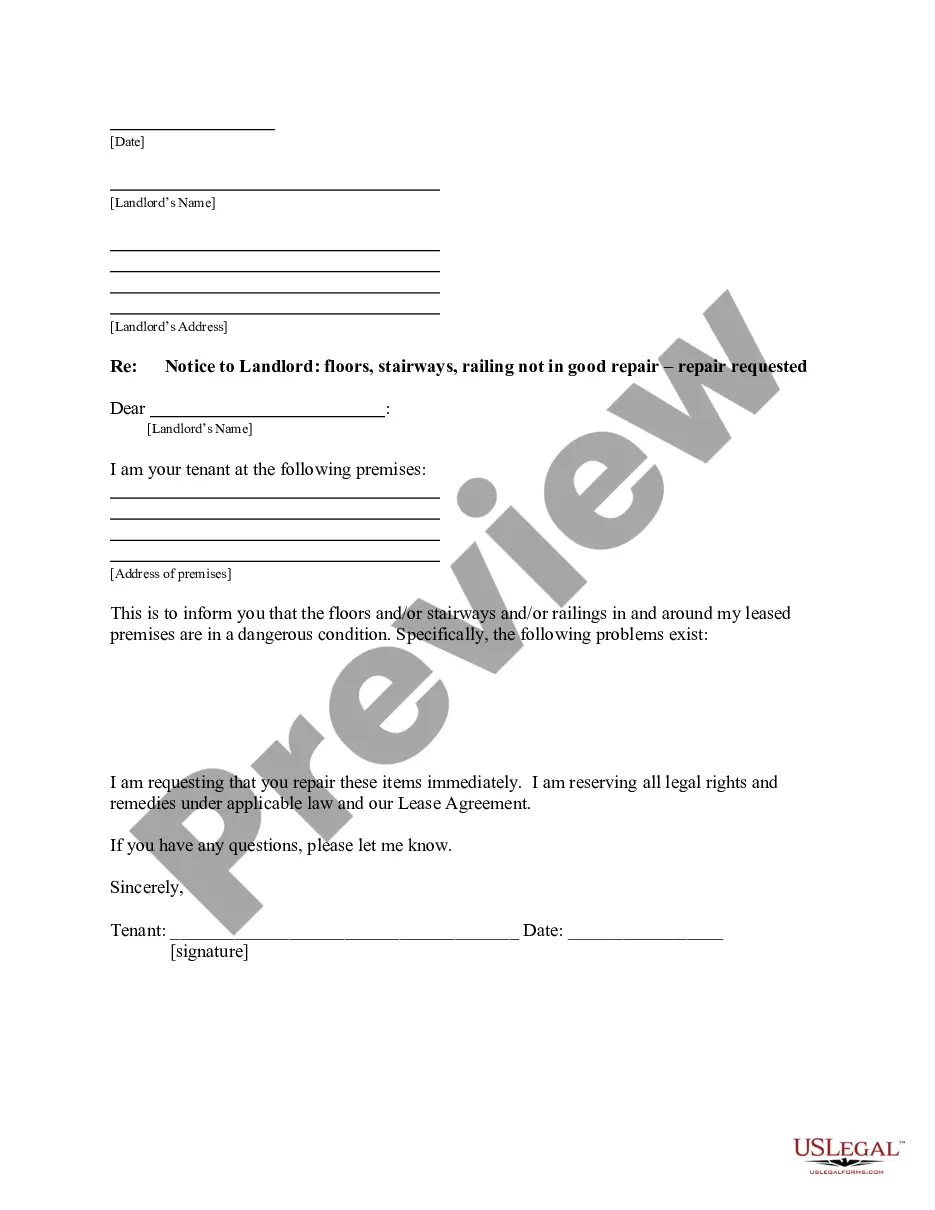
Tenant Letter To Landlord
Description



Get your form ready online
Our built-in tools help you complete, sign, share, and store your documents in one place.
Make edits, fill in missing information, and update formatting in US Legal Forms—just like you would in MS Word.
Download a copy, print it, send it by email, or mail it via USPS—whatever works best for your next step.
Sign and collect signatures with our SignNow integration. Send to multiple recipients, set reminders, and more. Go Premium to unlock E-Sign.
If this form requires notarization, complete it online through a secure video call—no need to meet a notary in person or wait for an appointment.
We protect your documents and personal data by following strict security and privacy standards.

Make edits, fill in missing information, and update formatting in US Legal Forms—just like you would in MS Word.

Download a copy, print it, send it by email, or mail it via USPS—whatever works best for your next step.

Sign and collect signatures with our SignNow integration. Send to multiple recipients, set reminders, and more. Go Premium to unlock E-Sign.

If this form requires notarization, complete it online through a secure video call—no need to meet a notary in person or wait for an appointment.

We protect your documents and personal data by following strict security and privacy standards.
Looking for another form?








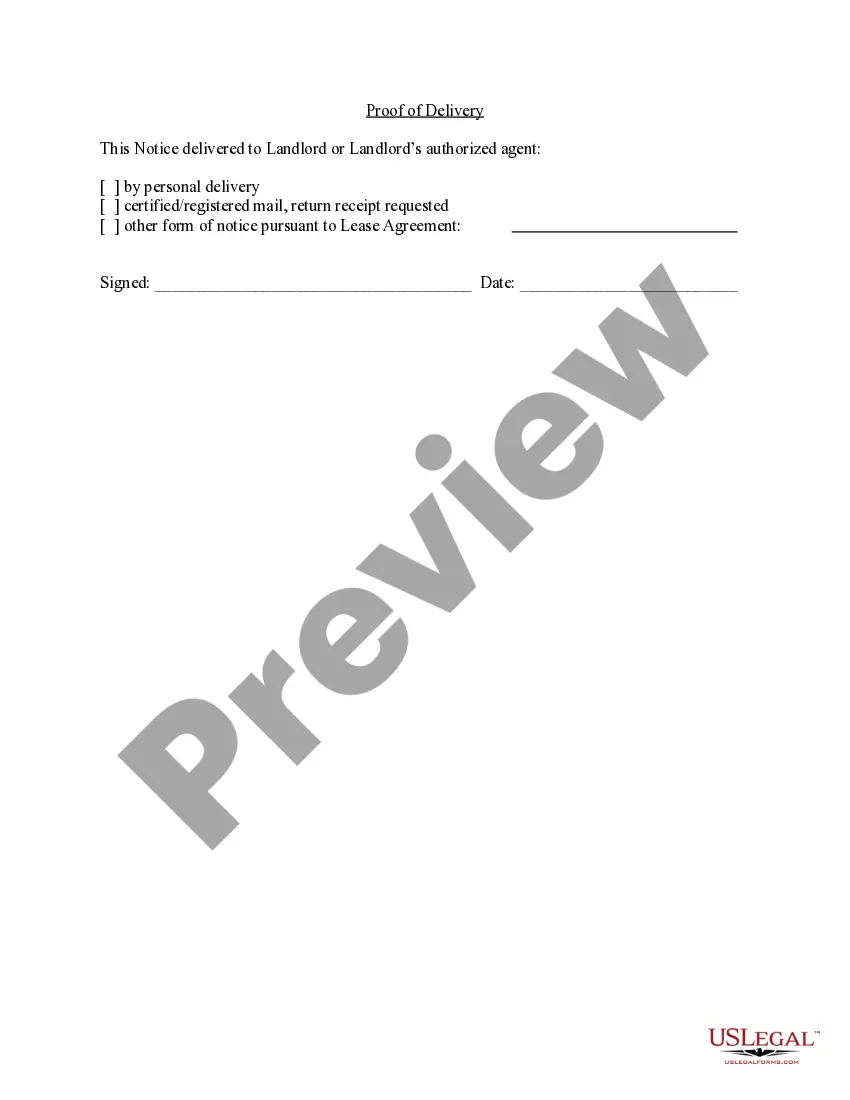
How to fill out Tennessee Letter From Tenant To Landlord With Demand That Landlord Repair Floors, Stairs Or Railings?
- Start by logging in to your US Legal Forms account. If you don't have one yet, create an account first to access their extensive resources.
- Browse through the template library and search for 'tenant letter to landlord'. Preview the options to ensure you find the one that fits your requirements.
- After selecting the appropriate template, click on the 'Buy Now' button and choose your preferred subscription plan.
- Proceed to checkout by entering your payment details. You can opt for a credit card payment or use PayPal to secure your subscription.
- Once your payment is processed, you can download the document directly to your device and begin filling it out. Alternatively, you can access it anytime from the 'My Forms' section in your profile.
In conclusion, using US Legal Forms for your tenant letter to landlord empowers you to communicate effectively and ensures that your forms are legally sound. With their robust library and expert support, you can complete your legal documents with confidence. Visit US Legal Forms today and take the first step towards simplifying your legal needs!
Form popularity
FAQ
When writing a notification letter to your landlord, start with your name and rental address followed by the date. Clearly articulate the matter you are notifying them about, be it maintenance requests or lease queries, to ensure proper attention. Using a structured approach can make your notification more impactful.
To craft a notice letter to a landlord, ensure you include your address, the date, and a clear statement of your intent. Be specific about any actions you wish the landlord to take and include your contact information for follow-up. A clear, concise format can help in making your message more effective.
Writing a letter to your landlord requires straightforward communication. Start with a respectful greeting and clearly state your purpose, whether it be a request or concern. Provide relevant details and possible solutions, as this shows initiative and fosters a cooperative relationship.
To write a notice from a tenant to a landlord, start with your contact details and the date. Clearly state your request or concern, referencing any relevant issues. Make sure to express your wish for a prompt response. Utilizing form templates can streamline this process and ensure you don’t miss important points.
A move out letter to a landlord should include essential details. Begin with your address, the date, and your landlord's name. Clearly state that you are moving out, mention your move-out date, and provide a forwarding address for any future correspondence. This ensures clarity and professionalism.
Informing a tenant to move out nicely requires a respectful approach. Consider writing a tenant letter to landlord that is polite yet firm. State the reason for the request, set a clear deadline for moving out, and provide assistance if possible. Maintaining a respectful tone fosters good relations and smooth transitions for both parties.
Writing a notice to vacate a letter to a landlord involves clear communication. Start with your address and the date. Clearly state your intent to vacate, include your move-out date, and express gratitude for the residence. Using a well-structured template can help ensure you cover all necessary points effectively.
To write a strong demand letter, begin by clearly stating your issue and the desired outcome. Use facts and evidence to support your case, while maintaining a professional tone throughout. A solid tenant letter to landlord includes specific details that clarify your position and urges prompt action.
Yes, you can write a demand letter without hiring a lawyer. Many tenants choose to draft their own letters using templates to ensure they cover all necessary points. A well-structured tenant letter to landlord can effectively convey your demands while remaining within legal boundaries.
An effective tenant letter to landlord typically starts with the tenant's contact information, followed by the landlord’s details and the date. It should then clearly state the purpose of the letter, such as a repair request or a lease renewal inquiry. Conclude with a polite closing and provide your contact information for follow-up.