South Carolina Right For You
Description
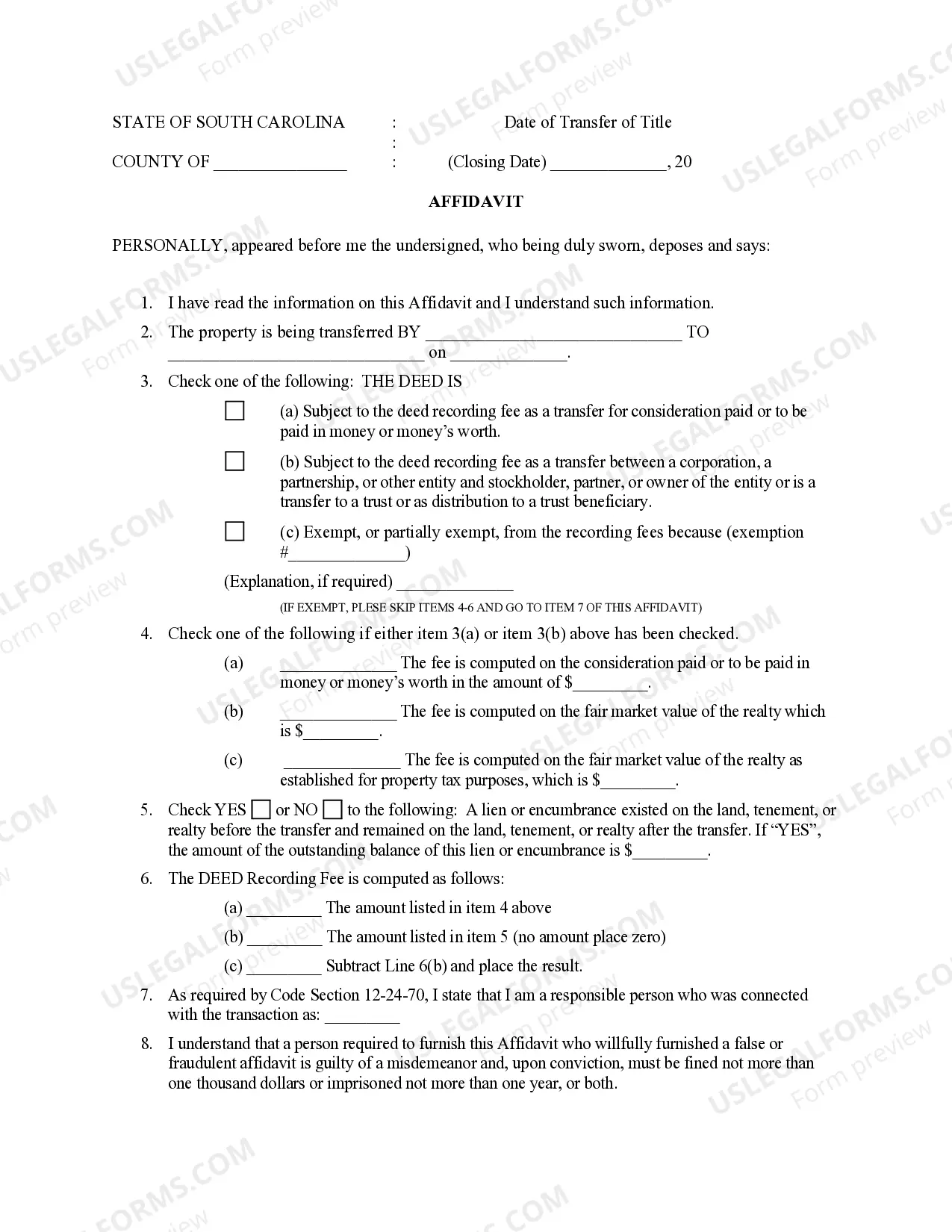
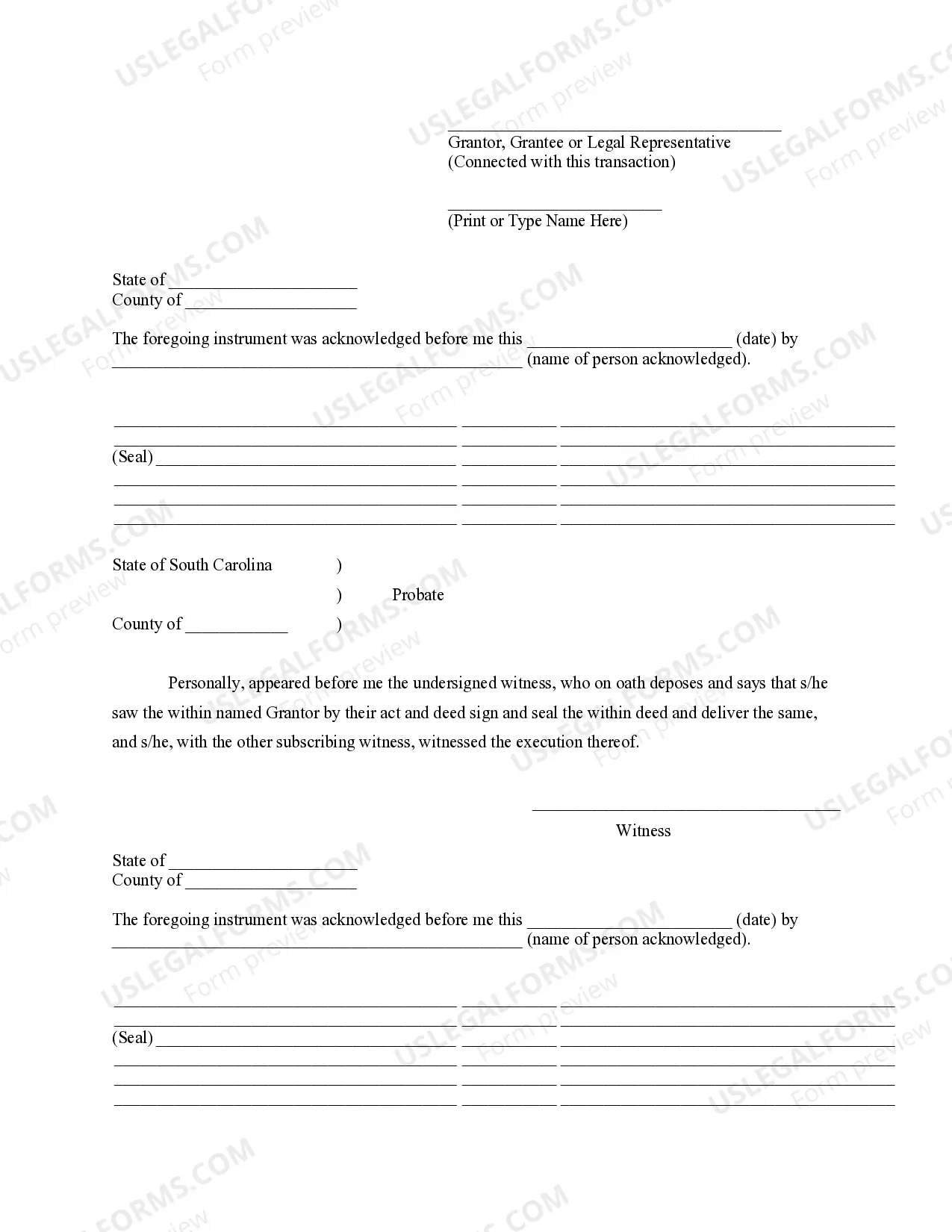

Get your form ready online
Our built-in tools help you complete, sign, share, and store your documents in one place.
Make edits, fill in missing information, and update formatting in US Legal Forms—just like you would in MS Word.
Download a copy, print it, send it by email, or mail it via USPS—whatever works best for your next step.
Sign and collect signatures with our SignNow integration. Send to multiple recipients, set reminders, and more. Go Premium to unlock E-Sign.
If this form requires notarization, complete it online through a secure video call—no need to meet a notary in person or wait for an appointment.
We protect your documents and personal data by following strict security and privacy standards.

Make edits, fill in missing information, and update formatting in US Legal Forms—just like you would in MS Word.

Download a copy, print it, send it by email, or mail it via USPS—whatever works best for your next step.

Sign and collect signatures with our SignNow integration. Send to multiple recipients, set reminders, and more. Go Premium to unlock E-Sign.

If this form requires notarization, complete it online through a secure video call—no need to meet a notary in person or wait for an appointment.

We protect your documents and personal data by following strict security and privacy standards.
Looking for another form?


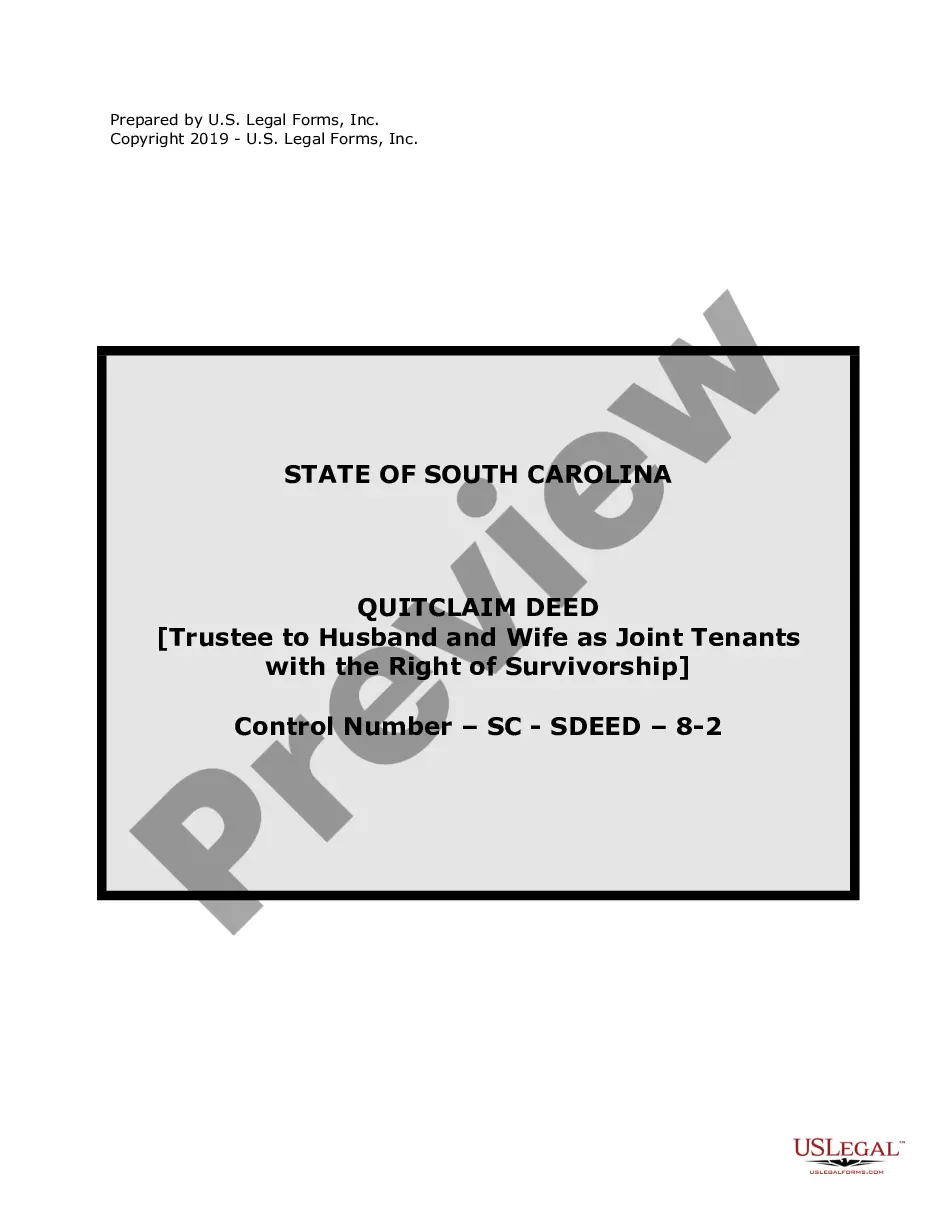
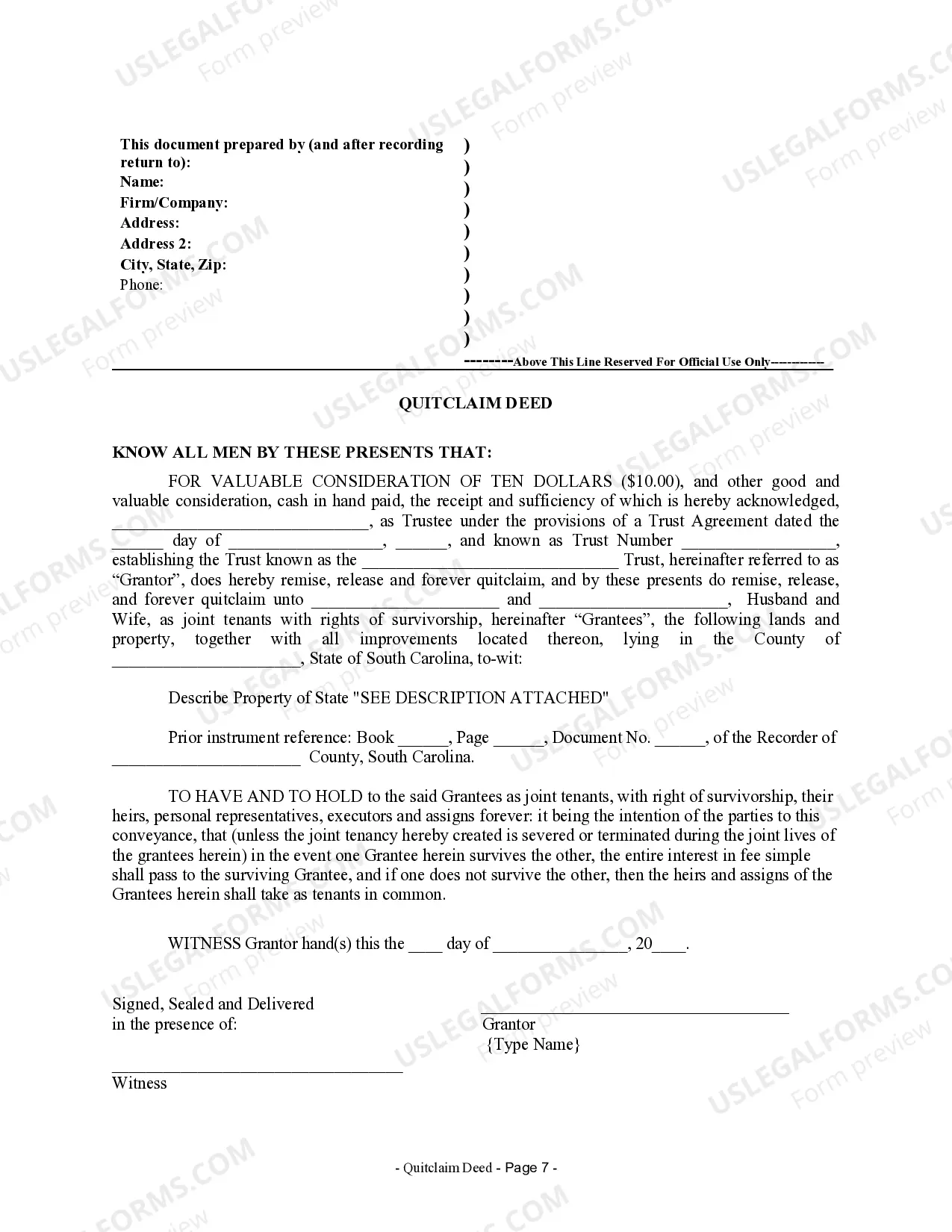
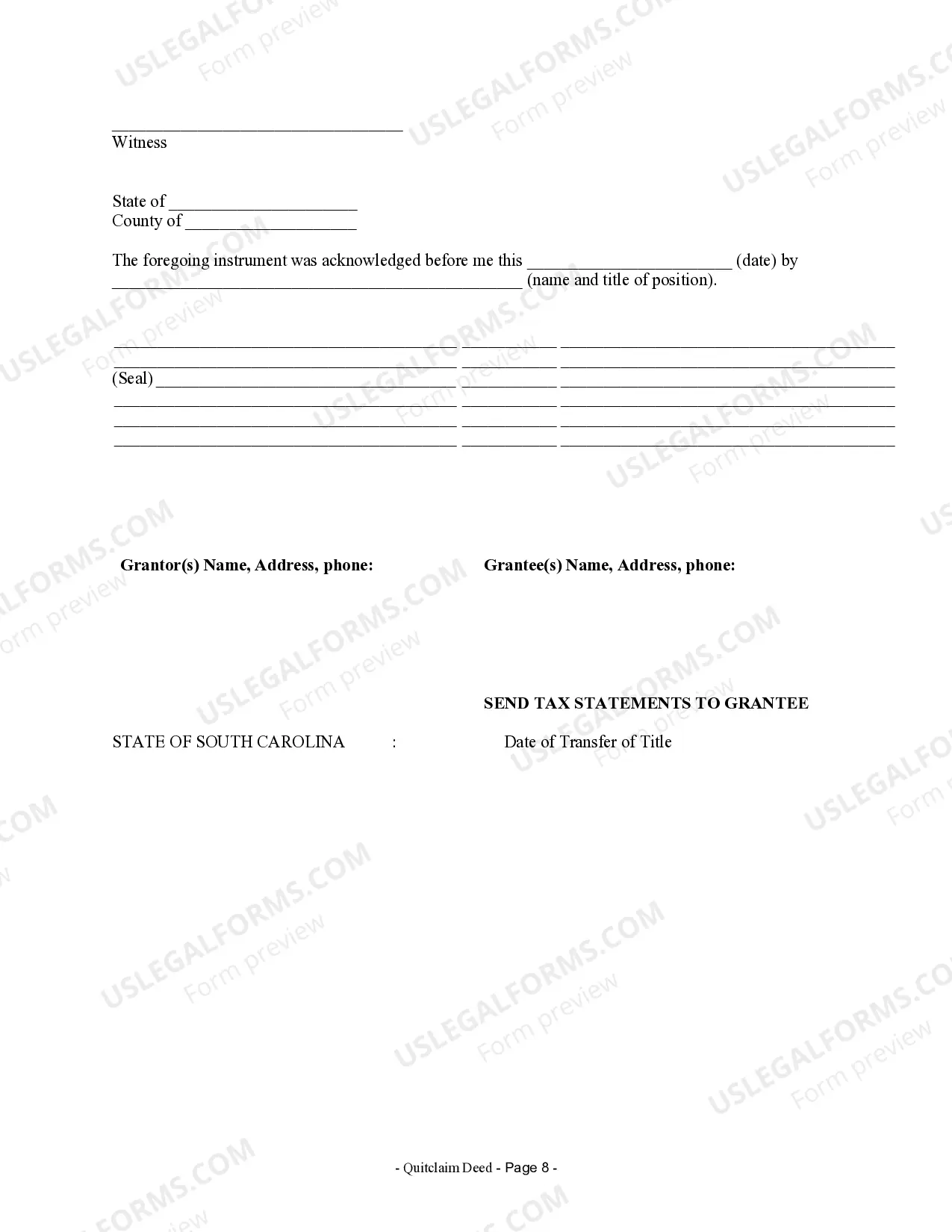
How to fill out South Carolina Quitclaim Deed For Trustee To Husband And Wife As Joint Tenants With The Right Of Survivorship?
- Start by logging into your US Legal Forms account if you're a returning user. If not, you'll need to create one.
- Browse through the extensive library of forms and select the one that best fits your legal needs, ensuring it complies with South Carolina laws.
- If you can't find the right form, use the search function to help locate the appropriate document.
- Select your document and click the 'Buy Now' button to choose your preferred subscription plan.
- Complete the payment process using your credit card or PayPal to finalize your subscription.
- After purchase, download your form directly to your device and access it anytime through the 'My Forms' section in your profile.
With US Legal Forms, you benefit from a vast collection of over 85,000 editable legal forms. This extensive resource allows you to confidently complete legal documents with precision.
Take control of your legal needs today—and see why US Legal Forms could be the ideal solution for you. Start your journey now!
Form popularity
FAQ
Legal residence in South Carolina means establishing your primary home in the state and showing your intent to remain. This typically involves living in South Carolina for over half the year, having an established address, and fulfilling state tax obligations. If South Carolina feels like the right place for you, understanding these requirements will help you confirm your legal standing.
Proof of residency in South Carolina can include documents such as a state-issued driver’s license, utility bills, or lease agreements that display your name and address. Official records showcasing long-term residence support your residency claim. If you’re ready to make South Carolina the right choice for you, gathering these documents will help confirm your status.
Moving to South Carolina typically involves arranging housing, employment, and necessary documentation, but the state is generally welcoming to newcomers. While navigating the legalities can seem daunting, understanding residency and legal requirements simplifies the process. The right information and assistance can help you determine if South Carolina is the optimal fit for you.
To qualify as a resident of South Carolina, you must establish a physical presence in the state and demonstrate your intent to remain. This often includes securing employment, registering for local services, or buying property. If you’re thinking about making South Carolina the right choice for you, focusing on establishing these ties will be vital.
A resident in South Carolina lives in the state for more than half the year and considers it their permanent address, while a nonresident does not meet that criteria. This distinction affects various legal matters, such as tax obligations and eligibility for state benefits. Knowing whether you fit into these categories can help you determine if South Carolina is the right place for you.
Numerous states, including South Carolina, have stop and ID laws, which require individuals to identify themselves to law enforcement during a stop. It's crucial to familiarize yourself with the specific laws in each state, as they can vary significantly. Knowing your rights can guide you in legal situations across the country. If you are considering moving, understanding these aspects can confirm if South Carolina is the right fit for you.
The common enemy rule in South Carolina relates to property rights and drainage. This rule allows property owners to take measures against natural water flow if it harms their property. If you're dealing with water drainage issues, exploring your rights can lead to resolutions. Understanding these laws can help determine if South Carolina is the right place for your needs.
You may wonder if you can refuse to show your ID in South Carolina. In most cases, refusal may not be ideal, as the law requires compliance when an officer asks for identification. Knowing the legal obligations can help you navigate interactions with law enforcement. Being informed about your rights can empower you in South Carolina.
One quirky law in South Carolina maintains that it’s illegal to keep a horse in a bathtub. While it may seem bizarre, such laws often reflect the region's unique history. You might find that South Carolina's blend of charm and tradition adds to its appeal. If you enjoy quirky facts, South Carolina may just be the right place for you.
South Carolina is primarily known as a Republican state, but it has a diverse political landscape. Many residents appreciate the state's emphasis on conservative values, especially in fiscal matters. However, there are also communities with liberal views, particularly in urban areas. Understanding the political climate can help you determine if South Carolina is the right fit for you.