South Carolina Liens Fort Jackson
Description
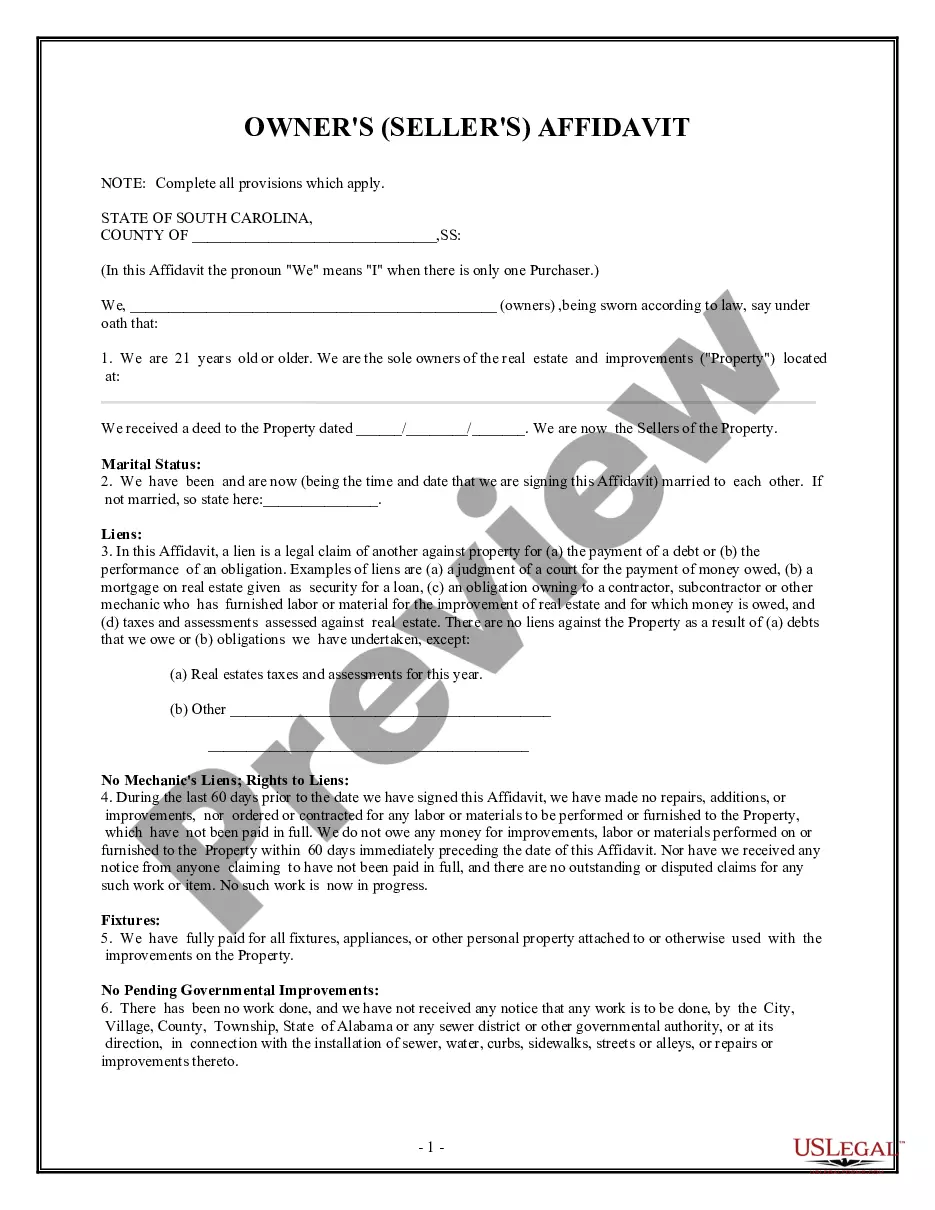
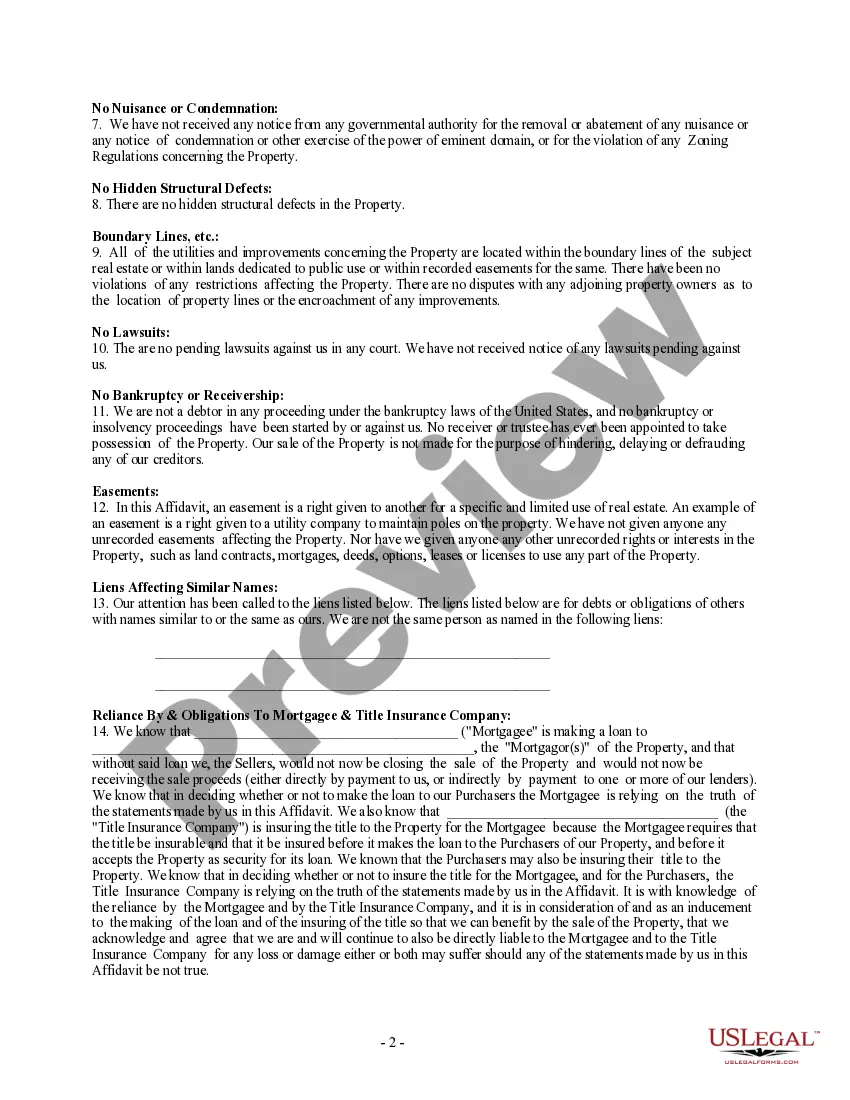
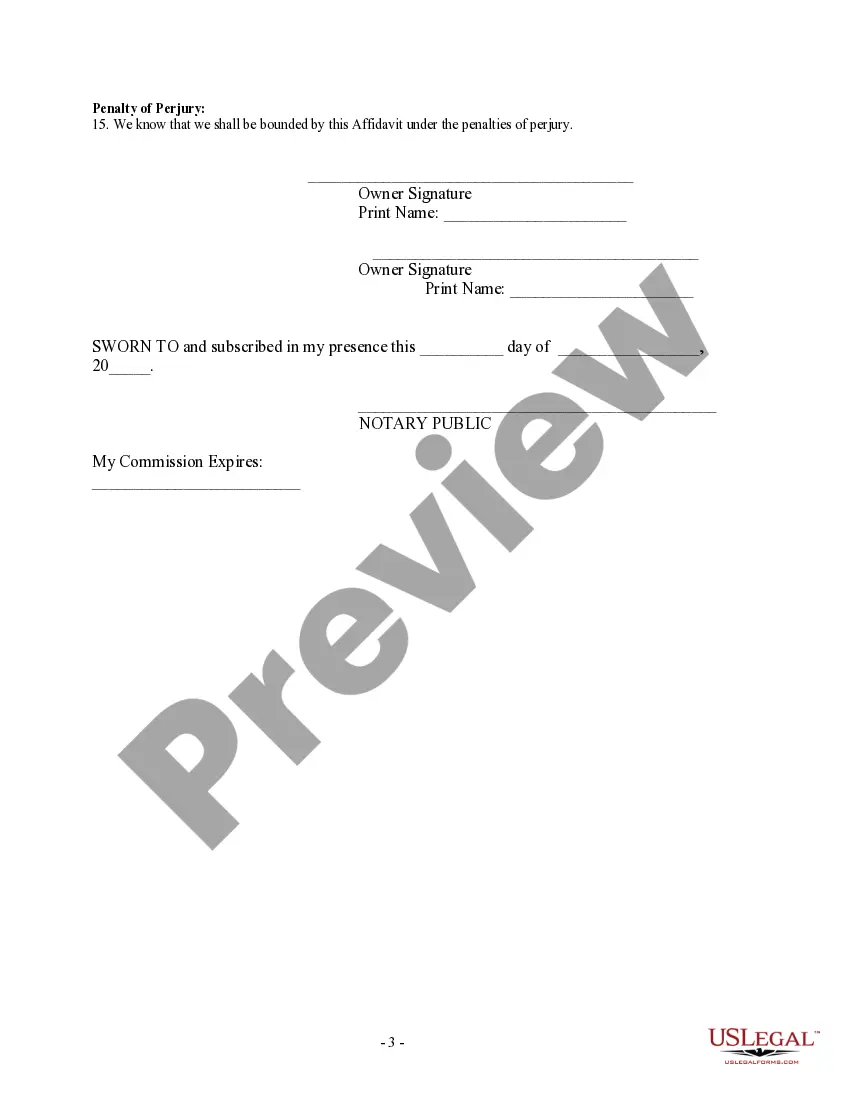

Get your form ready online
Our built-in tools help you complete, sign, share, and store your documents in one place.
Make edits, fill in missing information, and update formatting in US Legal Forms—just like you would in MS Word.
Download a copy, print it, send it by email, or mail it via USPS—whatever works best for your next step.
Sign and collect signatures with our SignNow integration. Send to multiple recipients, set reminders, and more. Go Premium to unlock E-Sign.
If this form requires notarization, complete it online through a secure video call—no need to meet a notary in person or wait for an appointment.
We protect your documents and personal data by following strict security and privacy standards.

Make edits, fill in missing information, and update formatting in US Legal Forms—just like you would in MS Word.

Download a copy, print it, send it by email, or mail it via USPS—whatever works best for your next step.

Sign and collect signatures with our SignNow integration. Send to multiple recipients, set reminders, and more. Go Premium to unlock E-Sign.

If this form requires notarization, complete it online through a secure video call—no need to meet a notary in person or wait for an appointment.

We protect your documents and personal data by following strict security and privacy standards.
Looking for another form?







Form popularity
FAQ
In South Carolina, property taxes can typically go unpaid for up to one year before the county starts tax lien proceedings. Once the lien is obtained, it remains in effect for a period, allowing the county to collect owed taxes. Staying updated on property tax regulations is essential for homeowners in Fort Jackson to avoid liens.
Fort Jackson is a U.S. Army training installation that has played a significant role in military readiness. It regularly hosts Basic Combat Training and is vital for new recruits. Events at Fort Jackson often shape community and economic aspects in the surrounding areas, impacting homeownership and property values regarding South Carolina liens.
To find out if there’s a lien on a property in South Carolina, conduct a title search through the county’s Register of Deeds office. You can also search online or request a record search through a real estate attorney. Understanding existing liens is essential, especially for properties in Fort Jackson, to avoid legal issues.
Tax lien sales in South Carolina occur when property taxes go unpaid. Counties sell tax liens at public auctions, allowing investors to bid on these liens. The winning bidder pays the owed taxes and gains the right to collect interest from the property owner. Knowing how tax lien sales work in Fort Jackson can open investment opportunities.
To find tax liens in South Carolina, you can access public records at the county tax office. Many counties provide online databases where you can search for tax liens by property address or owner name. This is crucial for anyone dealing with South Carolina liens in Fort Jackson, as it helps you verify any outstanding debts on a property.
To determine if a property in South Carolina has a lien, start by checking public property records through your county's office or their website. Additionally, you can contact local title companies which have expertise in this area. They can assist you in fetching information specific to Fort Jackson properties. Using uslegalforms, you can also find resources on how to conduct a thorough search for South Carolina liens in Fort Jackson.
To file a lien in South Carolina, you must prepare a lien document that includes specific details such as the property description and the amount owed. After completing the document, file it with the appropriate county office where the property is located. It's crucial to follow the local requirements to ensure the lien is valid. If you need guidance, uslegalforms can provide templates and support for filing South Carolina liens in Fort Jackson.
Yes, property records in South Carolina are public. This means you can access information about real estate, including liens on properties in Fort Jackson. By visiting your local county office or searching online, you can find detailed records. Knowing the property history helps ensure you understand any South Carolina liens related to Fort Jackson.
A lien can stay on your property in South Carolina for up to ten years, unless satisfied or removed earlier. Some liens may also come with renewal options, extending their time. If you are concerned about South Carolina liens in Fort Jackson and their duration, consulting a legal expert can be beneficial.
The lien laws in South Carolina govern how liens are placed, enforced, and removed. Specific statutes outline the rights of lienholders and obligors, giving clear guidance on how to navigate these matters. For those dealing with South Carolina liens in Fort Jackson, understanding these laws is essential for proper compliance.
