Rhode Island Divorce Law For Hazardous Waste Management
Description
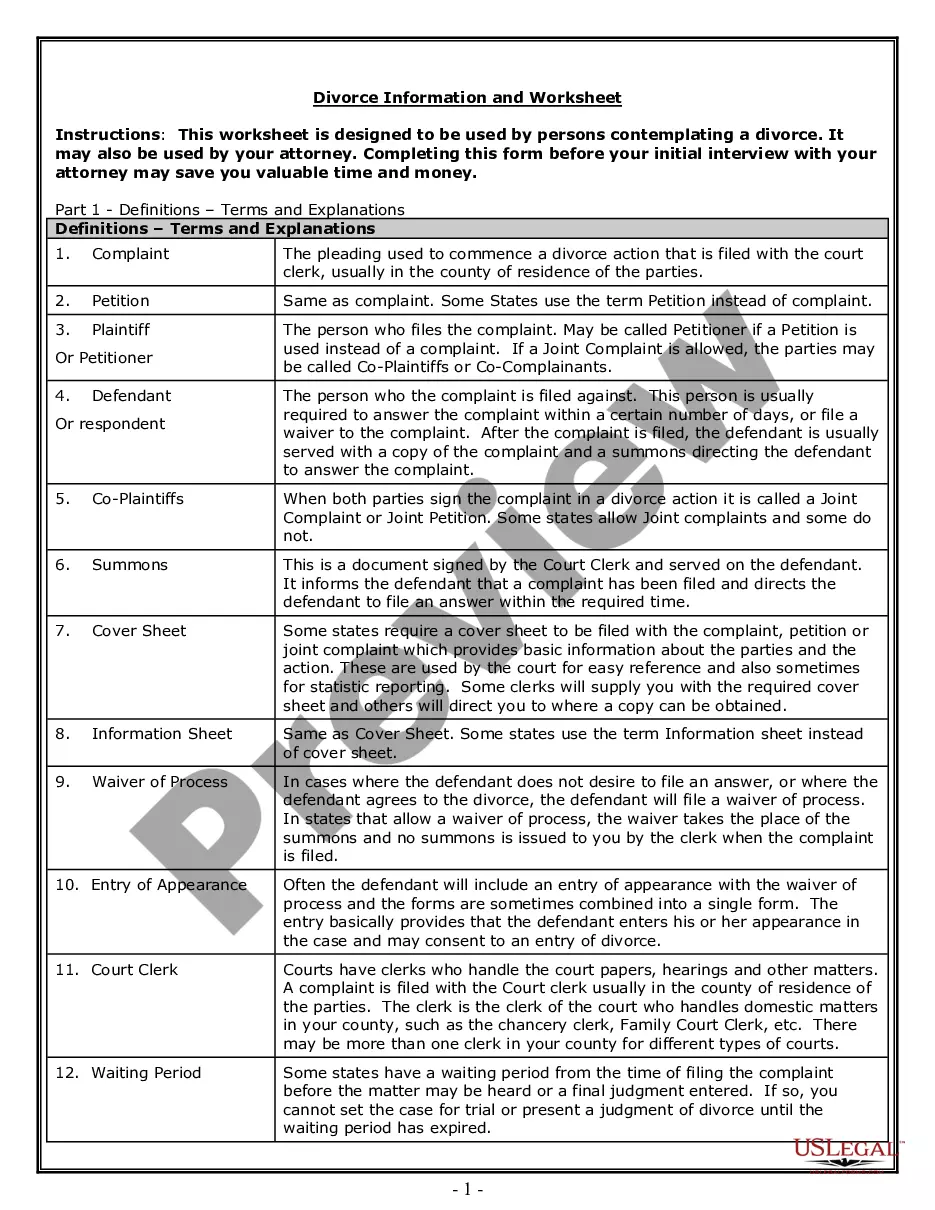
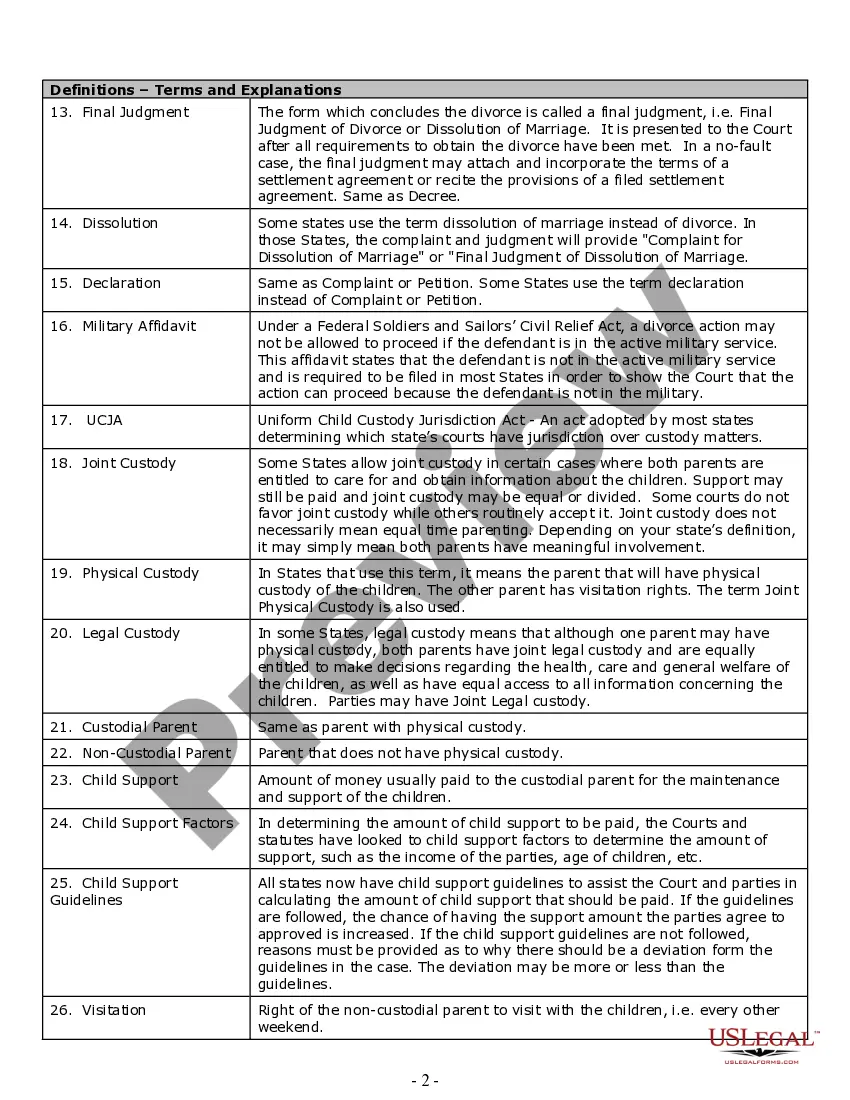
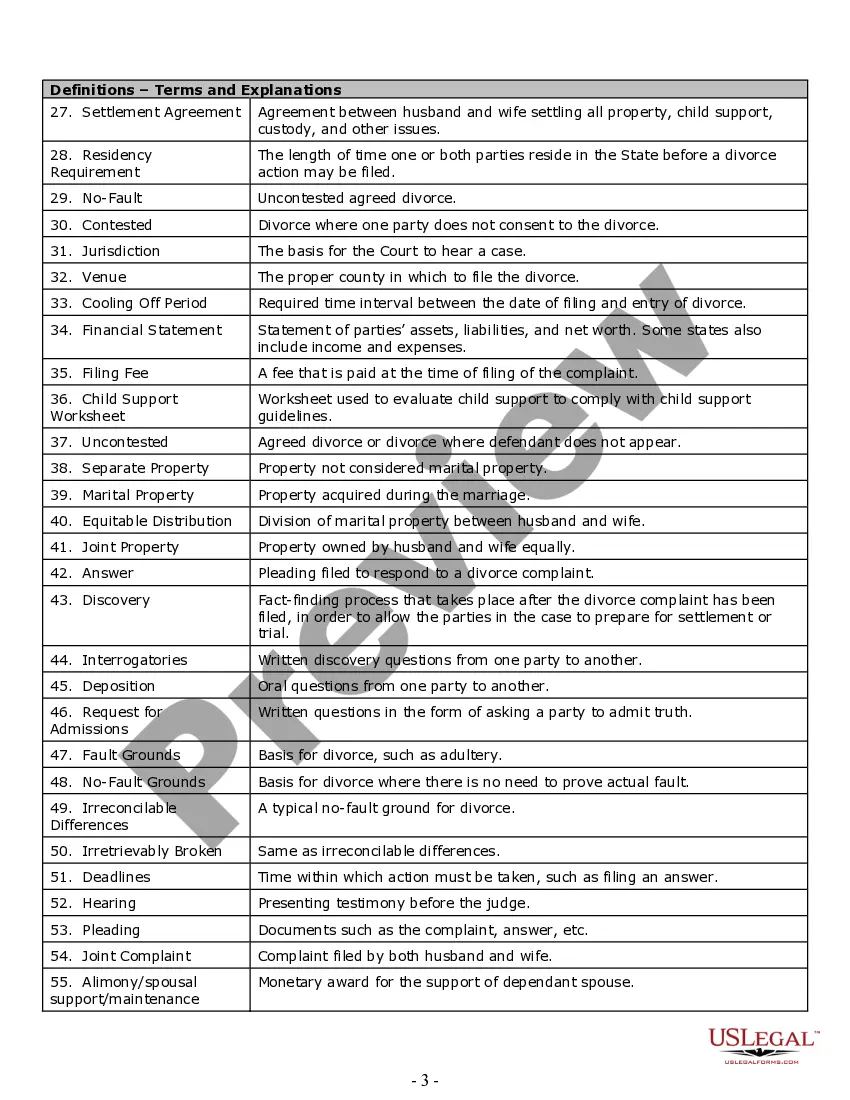
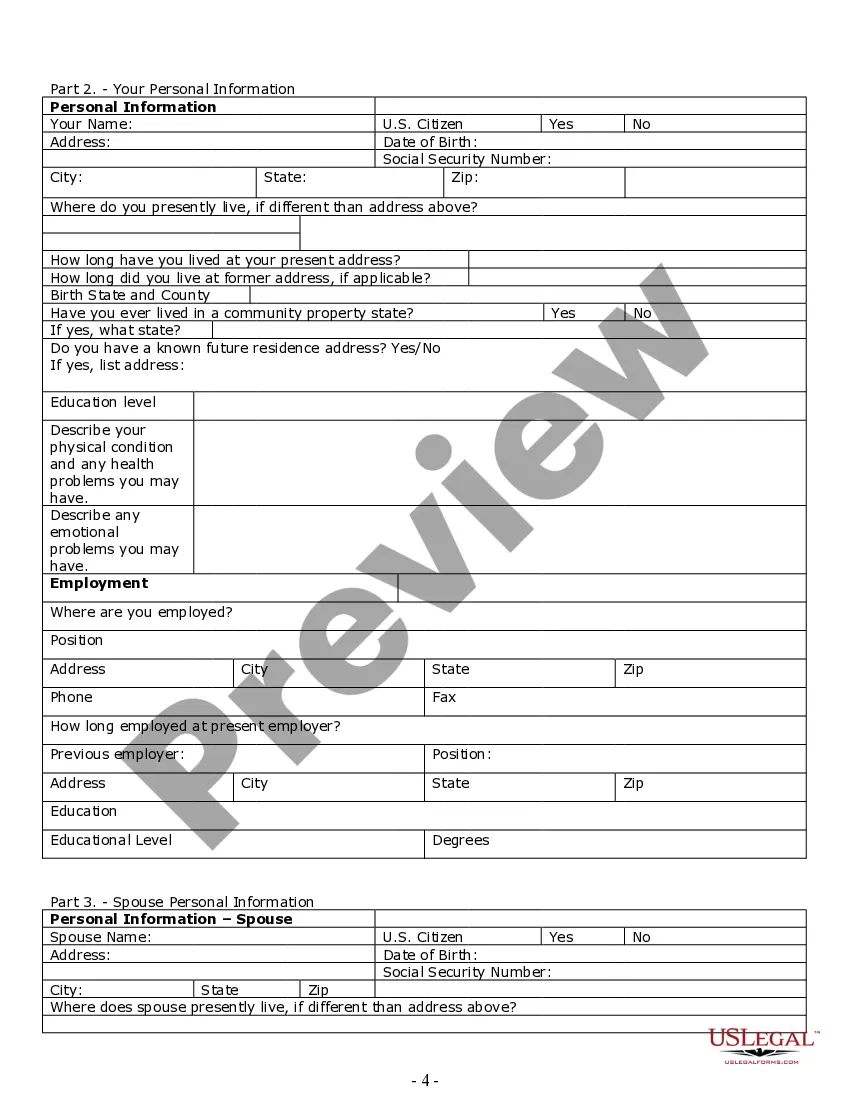
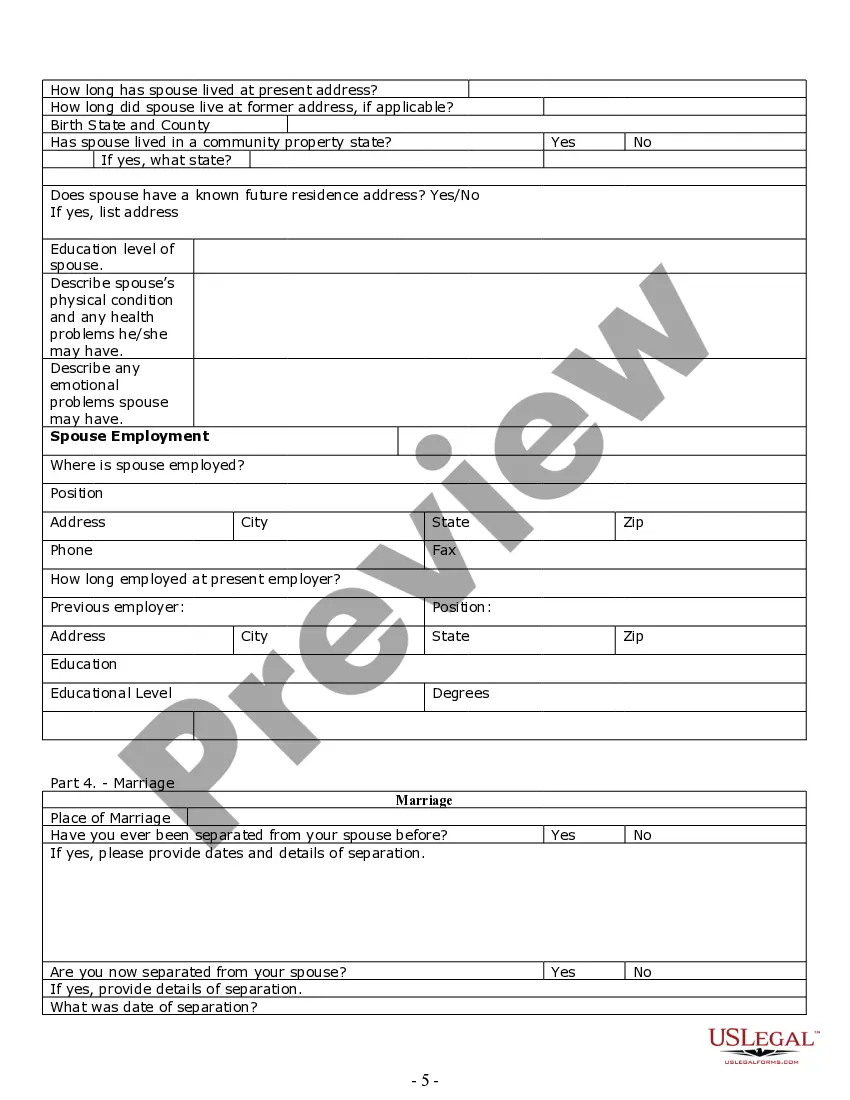
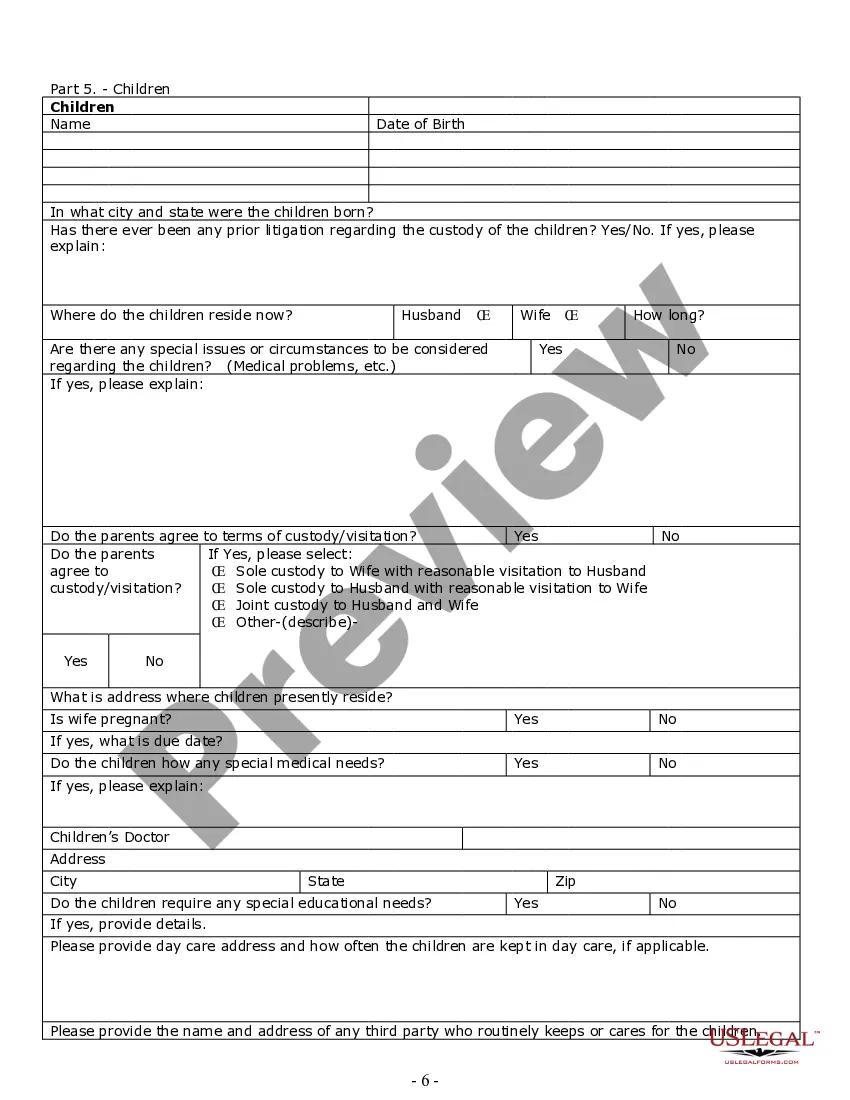
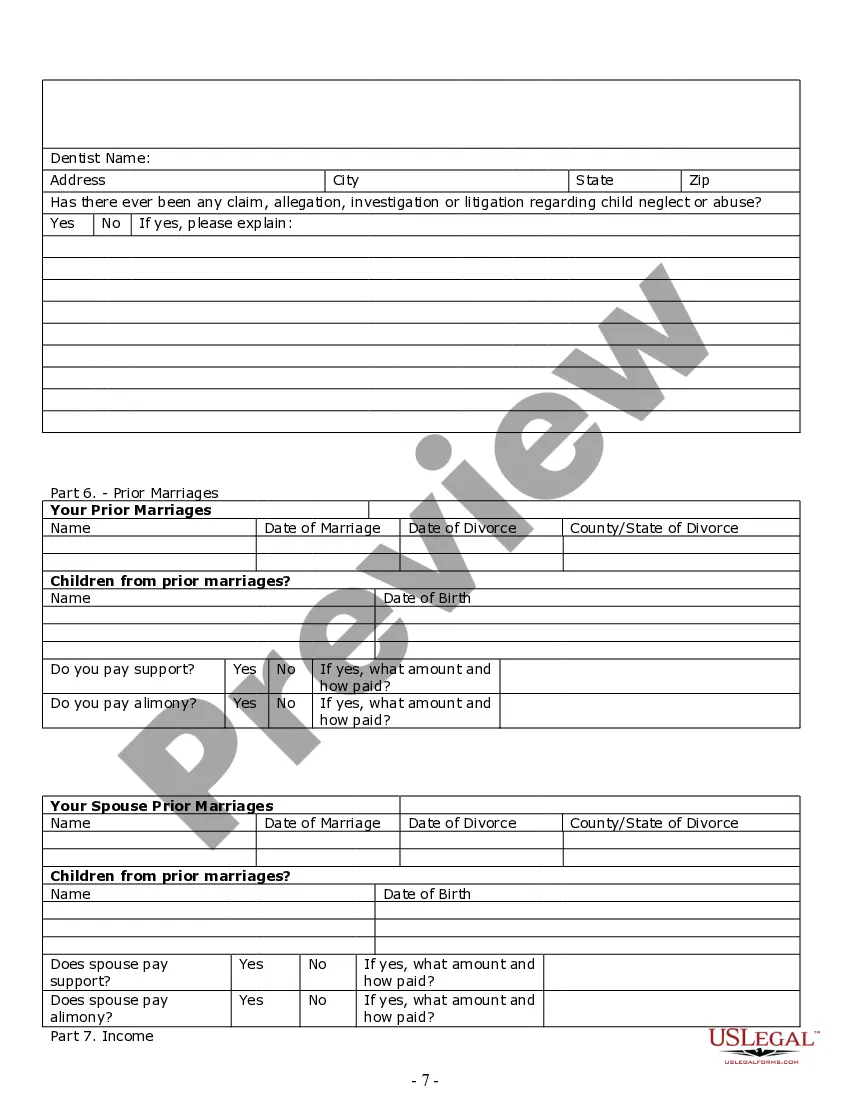
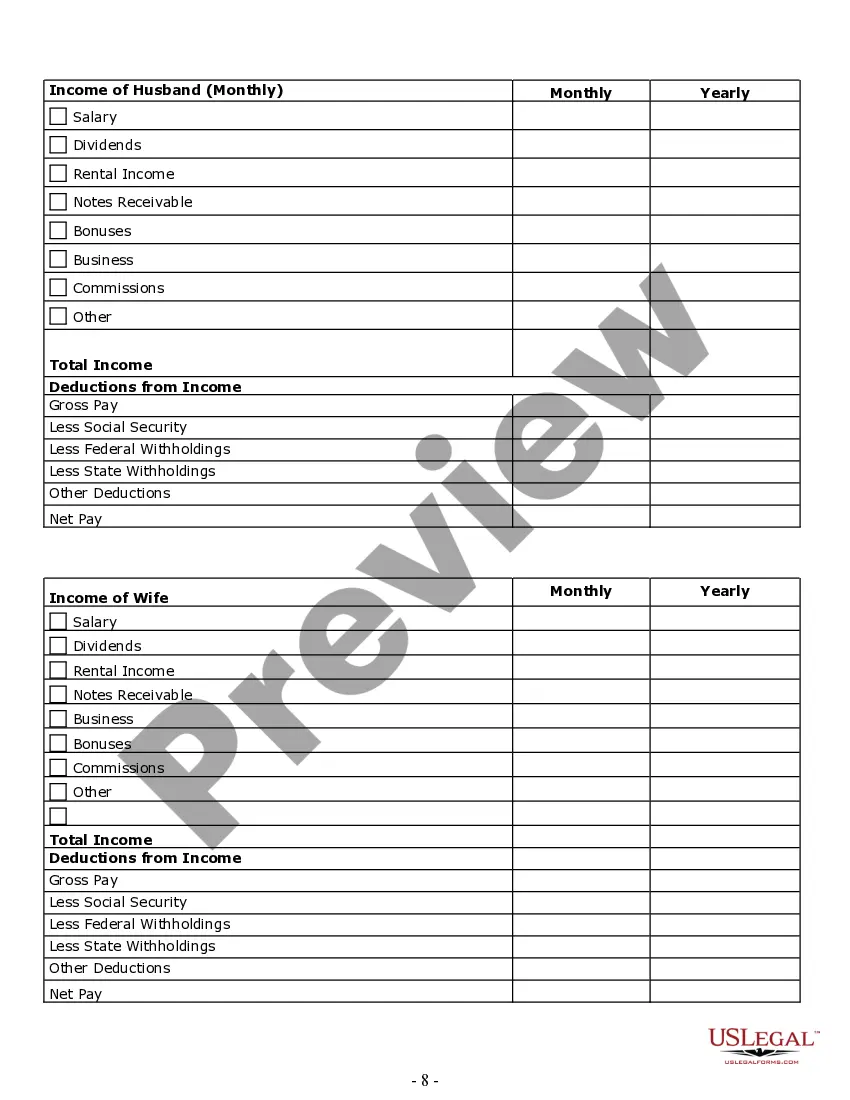
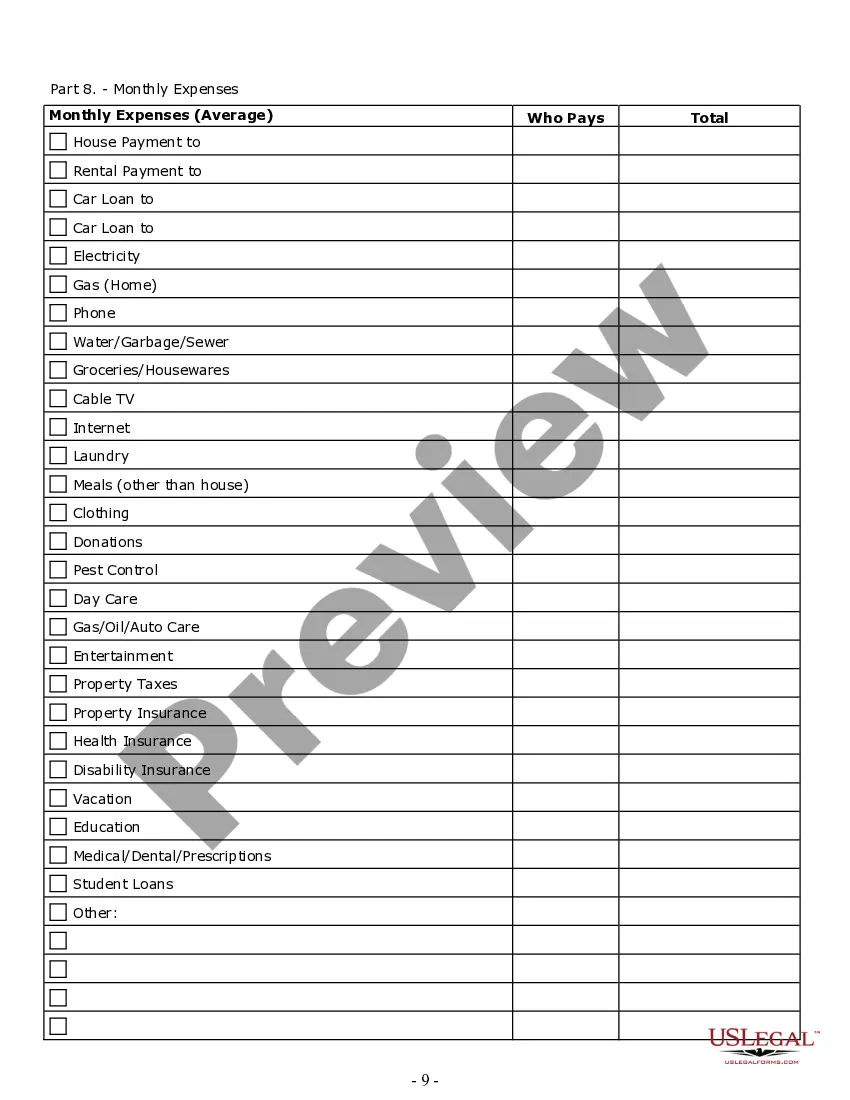
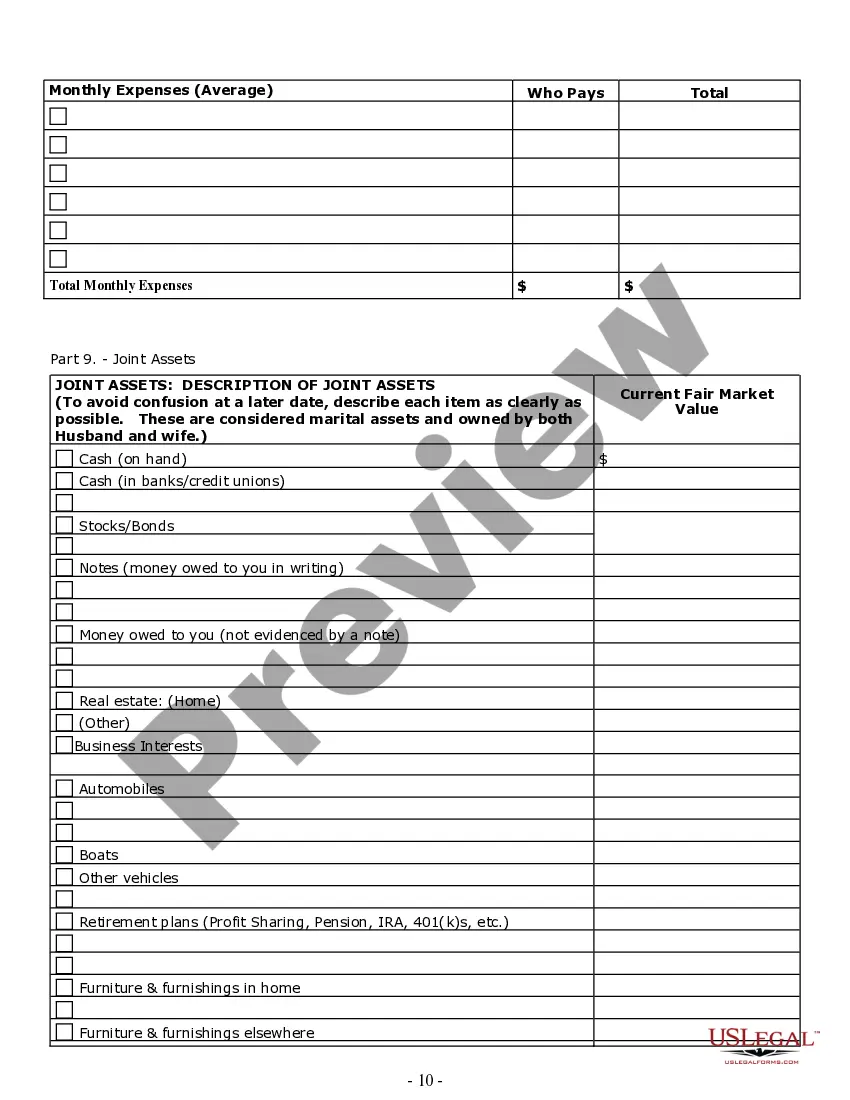

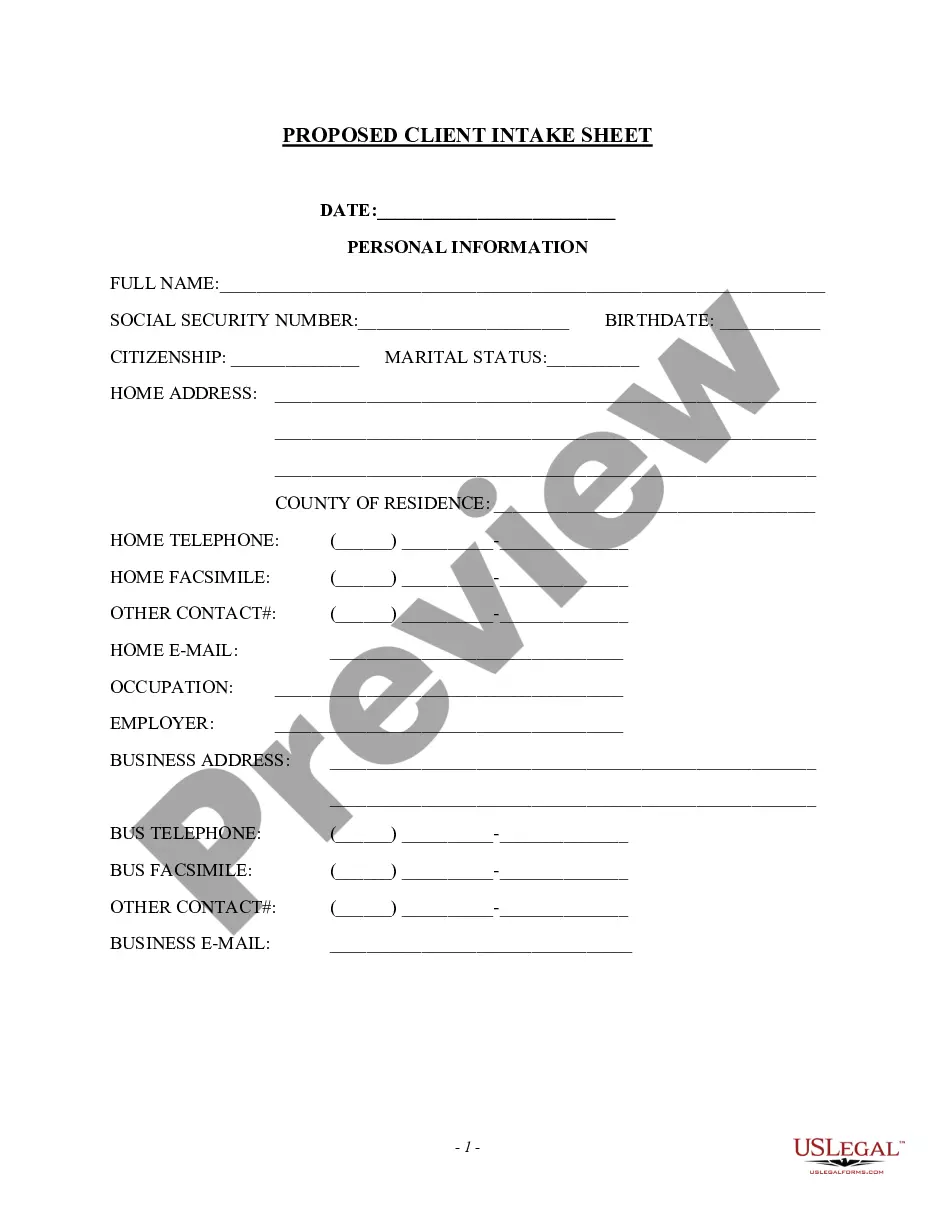
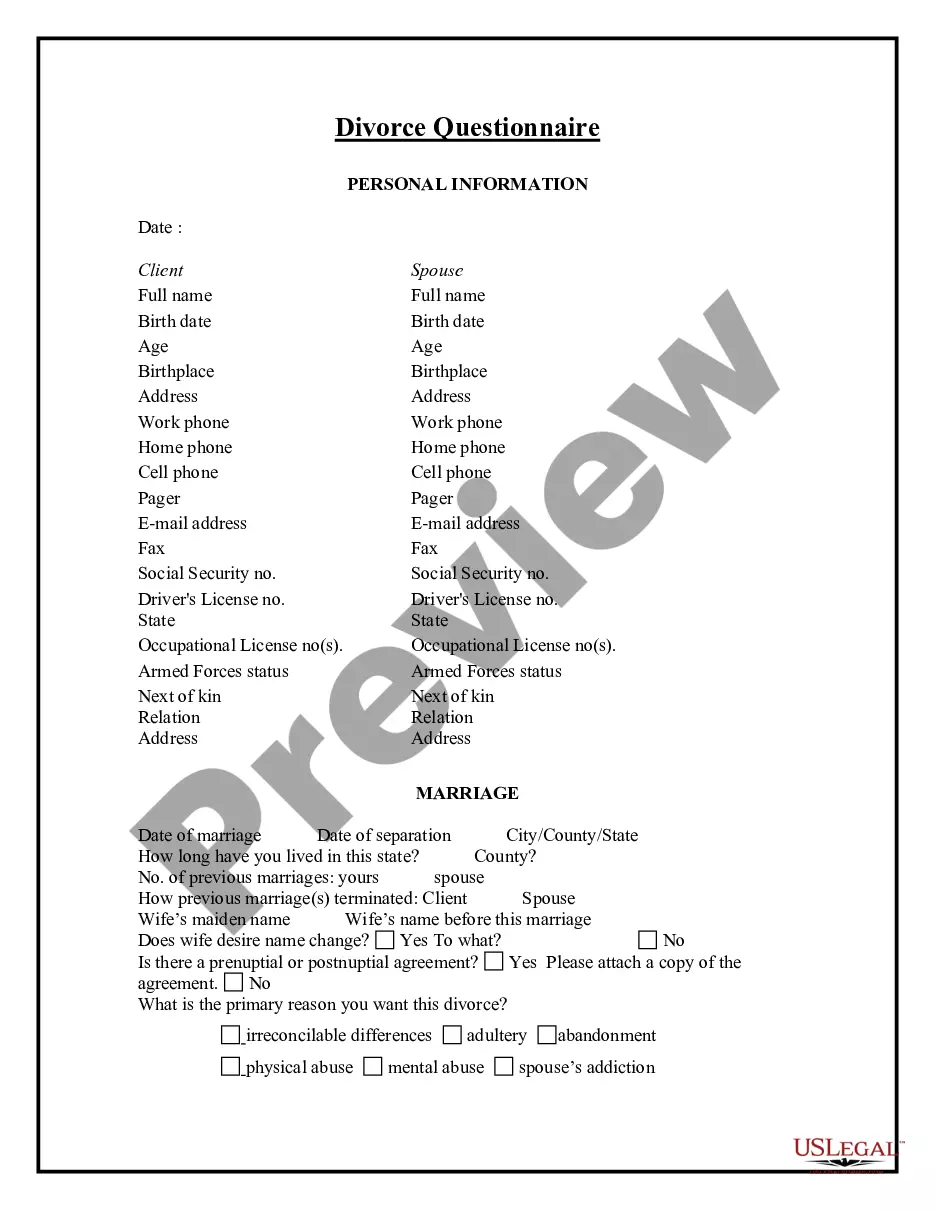

Get your form ready online
Our built-in tools help you complete, sign, share, and store your documents in one place.
Make edits, fill in missing information, and update formatting in US Legal Forms—just like you would in MS Word.
Download a copy, print it, send it by email, or mail it via USPS—whatever works best for your next step.
Sign and collect signatures with our SignNow integration. Send to multiple recipients, set reminders, and more. Go Premium to unlock E-Sign.
If this form requires notarization, complete it online through a secure video call—no need to meet a notary in person or wait for an appointment.
We protect your documents and personal data by following strict security and privacy standards.

Make edits, fill in missing information, and update formatting in US Legal Forms—just like you would in MS Word.

Download a copy, print it, send it by email, or mail it via USPS—whatever works best for your next step.

Sign and collect signatures with our SignNow integration. Send to multiple recipients, set reminders, and more. Go Premium to unlock E-Sign.

If this form requires notarization, complete it online through a secure video call—no need to meet a notary in person or wait for an appointment.

We protect your documents and personal data by following strict security and privacy standards.
Looking for another form?






How to fill out Rhode Island Divorce Worksheet And Law Summary For Contested Or Uncontested Case Of Over 25 Pages - Ideal Client Interview Form?
Handling legal documents and processes can be a lengthy addition to the day.
Rhode Island Divorce Law For Hazardous Waste Management and similar forms typically necessitate you to search for them and figure out how to properly complete them.
Consequently, whether you are managing financial, legal, or personal issues, utilizing a comprehensive and user-friendly online library of forms at your disposal will significantly help.
US Legal Forms is the leading online platform for legal templates, offering over 85,000 state-specific forms and a variety of resources that will aid you in completing your paperwork swiftly.
Is this your first experience with US Legal Forms? Sign up and establish your account in just a few minutes and you’ll gain access to the form library and Rhode Island Divorce Law For Hazardous Waste Management. Then, follow the steps below to complete your form: Ensure you have the correct form by utilizing the Review option and examining the form description. Click Buy Now when ready, and select the monthly subscription plan that suits you. Choose Download and then fill out, eSign, and print the form. US Legal Forms has 25 years of experience assisting users with their legal documents. Locate the form you need today and simplify any process effortlessly.
- Explore the collection of relevant documents available to you with just one click.
- US Legal Forms provides state- and county-specific forms available for download at any time.
- Streamline your document management processes with a premium service that allows you to create any form in minutes without any additional or hidden fees.
- Simply Log In to your account, locate Rhode Island Divorce Law For Hazardous Waste Management and obtain it immediately in the My documents section.
- You can also access previously downloaded forms.
Form popularity
FAQ
In Rhode Island, it does not significantly impact the outcome of the divorce who files first. The court treats both parties fairly, regardless of the filing order. However, the person who files may have some strategic advantages, especially in matters involving hazardous waste management under Rhode Island divorce law. Utilizing US Legal Forms can help you navigate these complexities and ensure that all aspects, including hazardous waste responsibilities, are properly addressed.
Household hazardous waste includes common items found in homes that can be harmful to health or the environment. This category encompasses products like paints, batteries, and cleaners that are not safe for regular disposal. When dealing with Rhode Island divorce law for hazardous waste management, it's important to understand how these materials are handled during property division. US Legal Forms offers resources that can help clarify these responsibilities in a divorce context.
Hazardous waste in Rhode Island falls into four main categories: listed waste, characteristic waste, universal waste, and mixed waste. Listed waste includes specific materials identified by the EPA, while characteristic waste exhibits hazardous traits like ignitability or corrosivity. Understanding these categories is crucial for those navigating Rhode Island divorce law for hazardous waste management, especially if divorce involves shared responsibilities for hazardous materials. For assistance, consider using US Legal Forms to ensure compliance and proper handling.
Blue laws typically restrict activities related to commerce, especially on Sundays. These include prohibiting the sale of alcohol and limiting business hours for certain types of establishments. Familiarity with these restrictions is beneficial for those involved in Rhode Island divorce law for hazardous waste management, as it can influence various legal outcomes.
Blue laws in Rhode Island encompass regulations that limit specific activities on Sundays, such as the sale of alcohol and retail operations. These laws aim to promote a day of rest and reflection. Understanding this context is important for anyone dealing with Rhode Island divorce law for hazardous waste management.
Sunday laws restrict various activities, including the sale of certain goods and services. In Rhode Island, these laws may affect business operations and commercial transactions. Awareness of such restrictions can be crucial when navigating Rhode Island divorce law for hazardous waste management.
The blue law in Rhode Island prohibits certain activities, primarily on Sundays. Common restrictions include the sale of alcohol and specific business operations. Knowing these laws is essential when considering their implications in Rhode Island divorce law for hazardous waste management.
In Rhode Island, grounds for divorce include irreconcilable differences, adultery, and abandonment, among others. Each ground requires specific evidence and documentation. Understanding these grounds is important, particularly in cases involving environmental concerns under Rhode Island divorce law for hazardous waste management.
The Lead Hazard Mitigation Act in Rhode Island aims to reduce lead exposure in homes and properties. It requires landlords to address lead hazards to protect tenants, especially children. This act plays a crucial role in Rhode Island divorce law for hazardous waste management, as ensuring a safe living environment is vital during divorce proceedings.
A blue law refers to legislation that restricts certain activities on Sundays and religious holidays. These laws often pertain to the sale of alcohol or specific types of commerce. Understanding blue laws is essential, especially for those navigating Rhode Island divorce law for hazardous waste management, as compliance can impact legal proceedings.