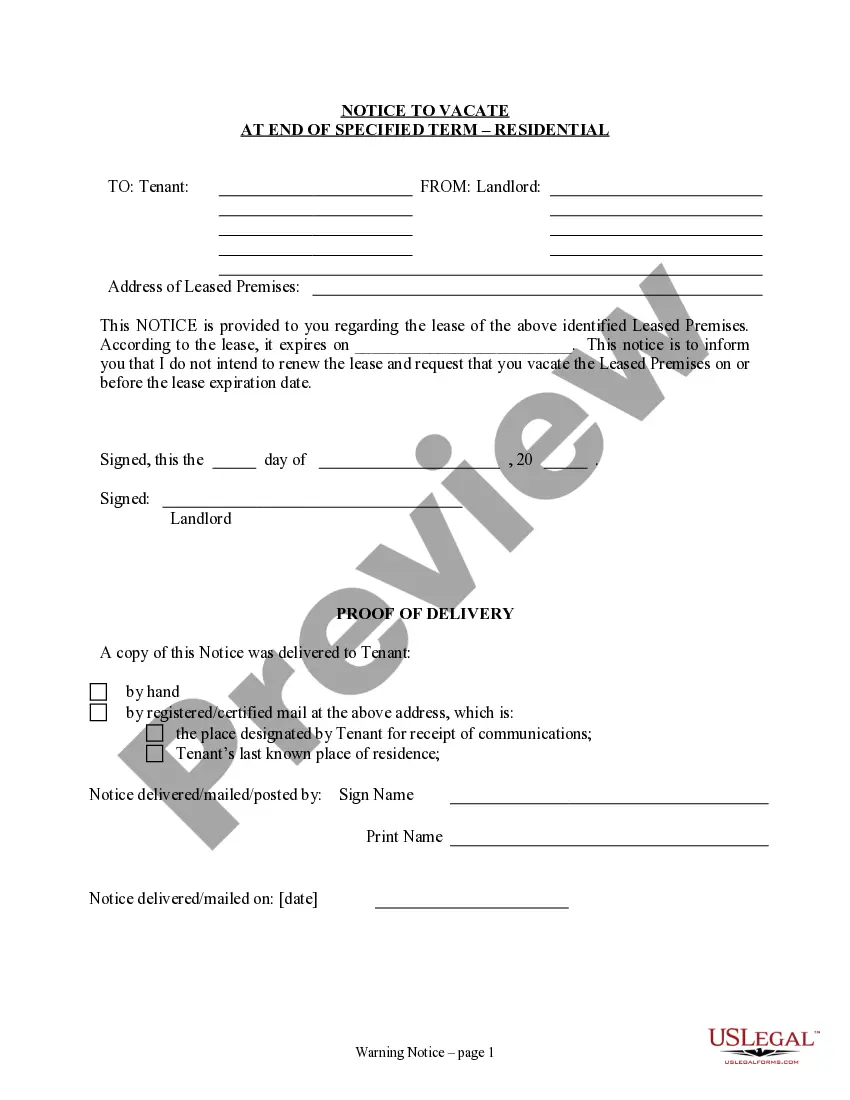
Notice Intent Tenant For Theft
Description
Get your form ready online
Our built-in tools help you complete, sign, share, and store your documents in one place.
Make edits, fill in missing information, and update formatting in US Legal Forms—just like you would in MS Word.
Download a copy, print it, send it by email, or mail it via USPS—whatever works best for your next step.
Sign and collect signatures with our SignNow integration. Send to multiple recipients, set reminders, and more. Go Premium to unlock E-Sign.
If this form requires notarization, complete it online through a secure video call—no need to meet a notary in person or wait for an appointment.
We protect your documents and personal data by following strict security and privacy standards.

Make edits, fill in missing information, and update formatting in US Legal Forms—just like you would in MS Word.

Download a copy, print it, send it by email, or mail it via USPS—whatever works best for your next step.

Sign and collect signatures with our SignNow integration. Send to multiple recipients, set reminders, and more. Go Premium to unlock E-Sign.

If this form requires notarization, complete it online through a secure video call—no need to meet a notary in person or wait for an appointment.

We protect your documents and personal data by following strict security and privacy standards.
Looking for another form?








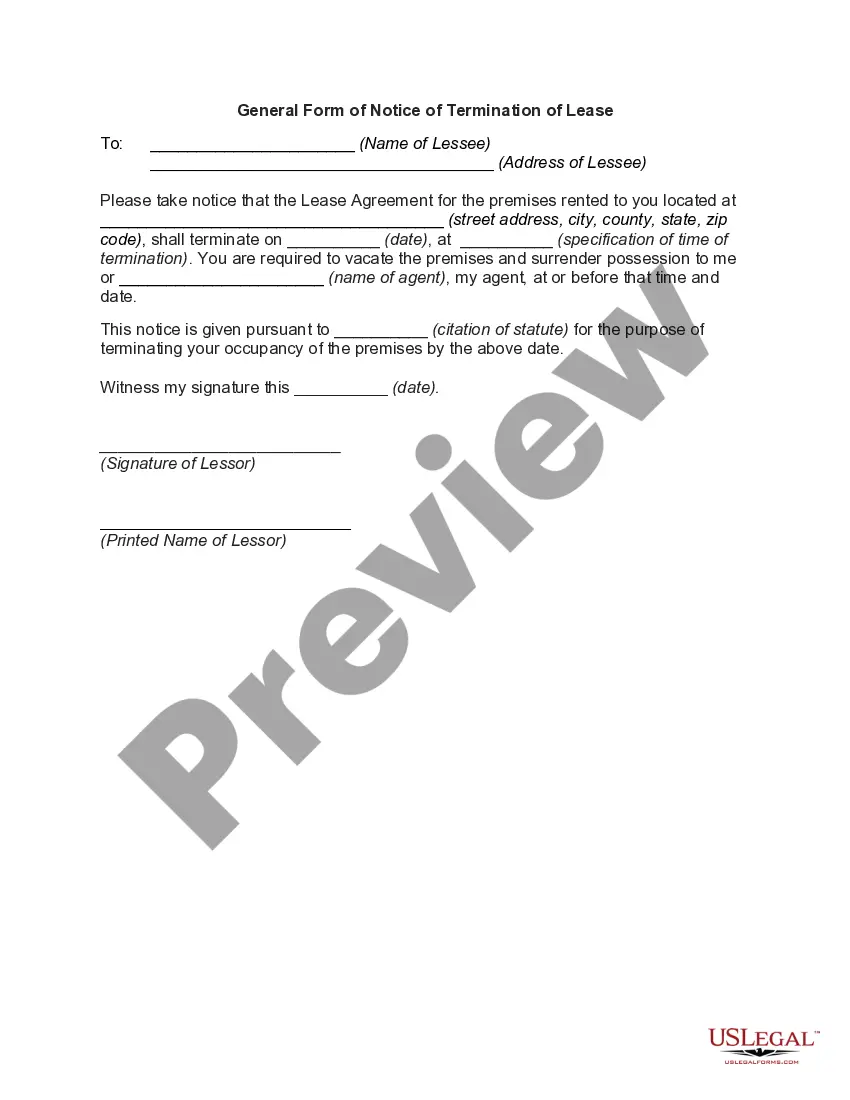
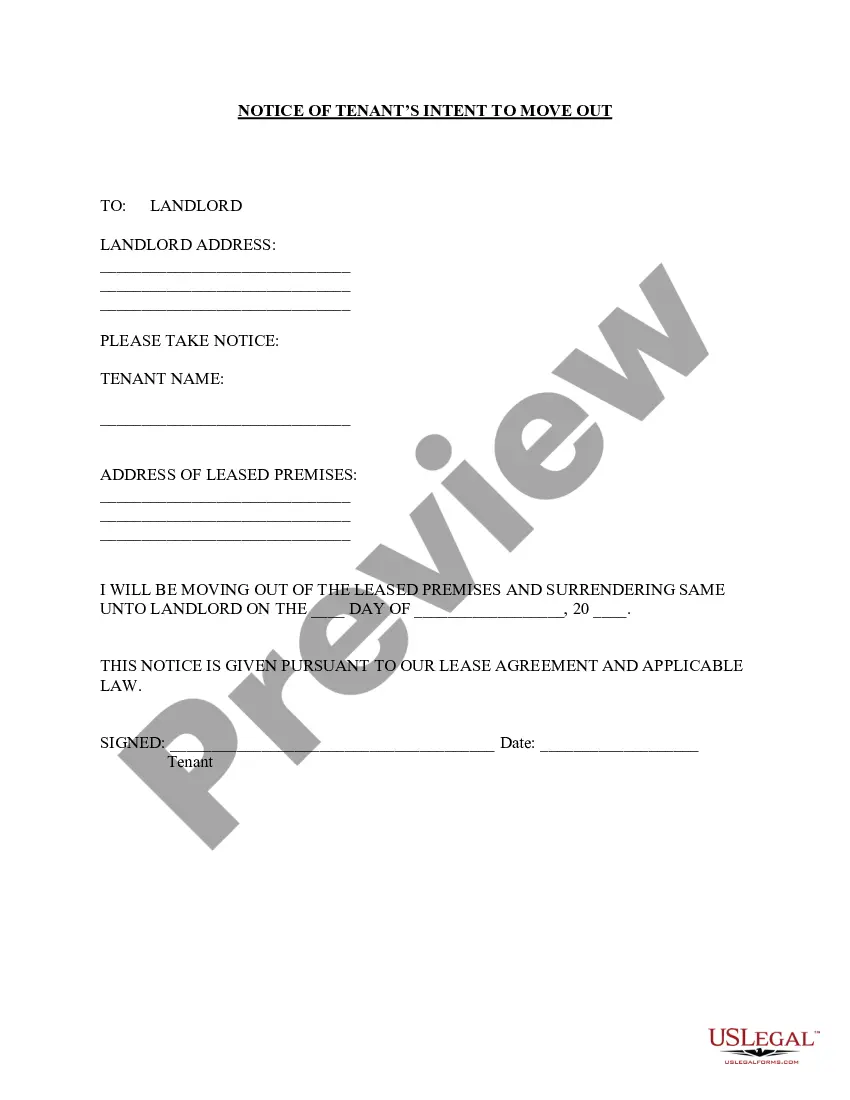
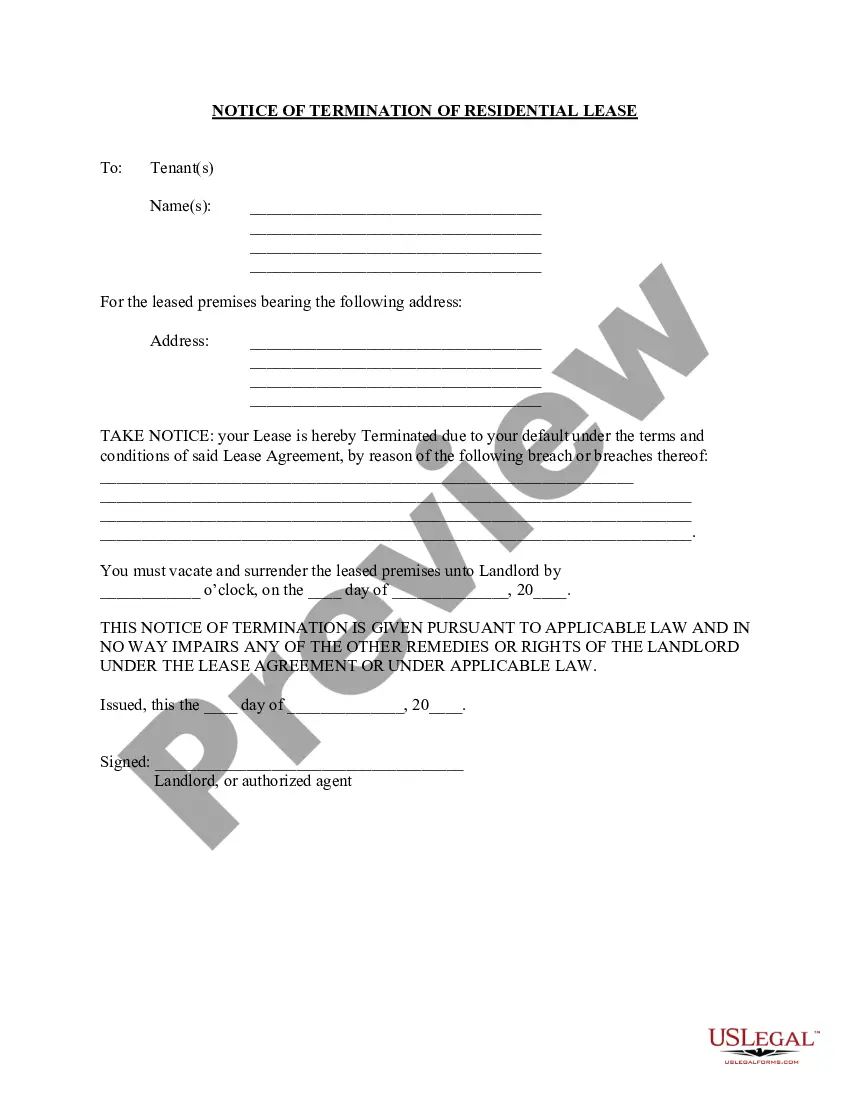
How to fill out Pennsylvania Notice Of Intent Not To Renew At End Of Specified Term From Landlord To Tenant For Residential Property?
- Visit the US Legal Forms website and log into your account if you're a returning user; ensure your subscription is active.
- If you’re new, browse the form collection and locate the 'Notice intent tenant for theft' template. Use the Preview mode to verify its suitability for your needs.
- Should you find discrepancies, utilize the Search feature to find the correct template aligned with your local laws.
- Proceed to purchase the selected document by clicking 'Buy Now' and selecting your preferred subscription plan.
- Complete the payment using your credit card information or PayPal account.
- Download the template directly to your device. You can access it anytime in the 'My Forms' section of your account.
US Legal Forms provides an extensive library featuring over 85,000 legal documents, enabling individuals and legal practitioners to effortlessly prepare their paperwork. With a diverse collection, you’re likely to find the exact forms suited for your legal needs.
Take advantage of our premium support to ensure your documents are accurately completed. Start your journey of legally sound documentation today!
Form popularity
FAQ
To write a quick notice to a tenant, keep the language clear and direct. Include essential details such as the date, the reason for the notice, and any necessary actions the tenant must take. By being concise, you minimize confusion and encourage prompt understanding and reaction to the message, fostering a better landlord-tenant relationship.
A letter of intent from a landlord is a formal communication expressing the landlord's position regarding rental agreements or tenant behaviors. It outlines expectations and obligations, and can address various issues, including compliance with lease terms or notices regarding intent to vacate. Such letters can help clarify your intentions and provide the tenant with guidelines for their future actions.
To tell a tenant to move out nicely, structure your message respectfully and empathetically. Begin by explaining the circumstances that require their departure, such as issues related to theft, and show understanding of their situation. Offer assistance with the transition, such as helping them find alternative housing or scheduling a convenient inspection, to maintain goodwill.
Writing an intent to vacate letter involves a few key elements. First, clearly identify yourself as the tenant and state your intention to vacate on a specific date. You may also want to express your gratitude for the time spent in the property and confirm you will comply with any lease instructions regarding the move-out process, ensuring a positive closure.
To write a quick notice for a tenant, keep the message straightforward and to the point. State the reason for the notice, such as overdue rent or a notice intent tenant for theft, and include any deadlines or actions required. By delivering a concise and clear message, you help ensure that the tenant understands their responsibilities and the consequences of not addressing the notice.
When you write a notice letter to your tenant, start by including your name, contact information, and the tenant's name. Clearly state the purpose of the letter, whether it's regarding rent payment or a notice of intent to vacate. Ensure you specify any relevant dates or deadlines, and provide guidance on steps the tenant should take next, whether it’s returning a key or scheduling a move-out inspection.
To write a notice letter for moving out, start by clearly stating your intention to vacate the premises. Include the date you plan to leave, and reference the lease agreement to confirm your compliance with any required notice periods. You may also mention the condition of the property and arrange for a walkthrough to address any potential concerns, making the process smoother for both parties.
When a landlord breaches a contract, they may face legal repercussions such as penalties or lawsuits from tenants. Common breaches include failing to provide habitable living conditions or violating lease terms. Tenants have the right to issue a notice intent tenant for theft or other legal actions in response. Platforms like US Legal Forms can provide templates and guidance for both landlords and tenants in these situations.
The most common landlord-tenant dispute often arises over issues of unpaid rent. Tenants sometimes fail to make timely payments, leading landlords to issue a notice intent tenant for theft as a formal response. Other common disputes include disagreements over maintenance responsibilities, security deposits, and lease terms. Clear communication and solid documentation can help prevent such conflicts.
To write an effective warning notice to a tenant, begin by clearly stating the issue, such as a breach of lease agreement or unauthorized activities. Include specific details about the violation and a reference to your rights as a landlord. Make sure to use the phrase notice intent tenant for theft if applicable to emphasize the seriousness of the situation. Finally, specify a timeframe for the tenant to respond or rectify the issue.