Pennsylvania Special Limited Forestry
Description


Get your form ready online
Our built-in tools help you complete, sign, share, and store your documents in one place.
Make edits, fill in missing information, and update formatting in US Legal Forms—just like you would in MS Word.
Download a copy, print it, send it by email, or mail it via USPS—whatever works best for your next step.
Sign and collect signatures with our SignNow integration. Send to multiple recipients, set reminders, and more. Go Premium to unlock E-Sign.
If this form requires notarization, complete it online through a secure video call—no need to meet a notary in person or wait for an appointment.
We protect your documents and personal data by following strict security and privacy standards.

Make edits, fill in missing information, and update formatting in US Legal Forms—just like you would in MS Word.

Download a copy, print it, send it by email, or mail it via USPS—whatever works best for your next step.

Sign and collect signatures with our SignNow integration. Send to multiple recipients, set reminders, and more. Go Premium to unlock E-Sign.

If this form requires notarization, complete it online through a secure video call—no need to meet a notary in person or wait for an appointment.

We protect your documents and personal data by following strict security and privacy standards.
Looking for another form?


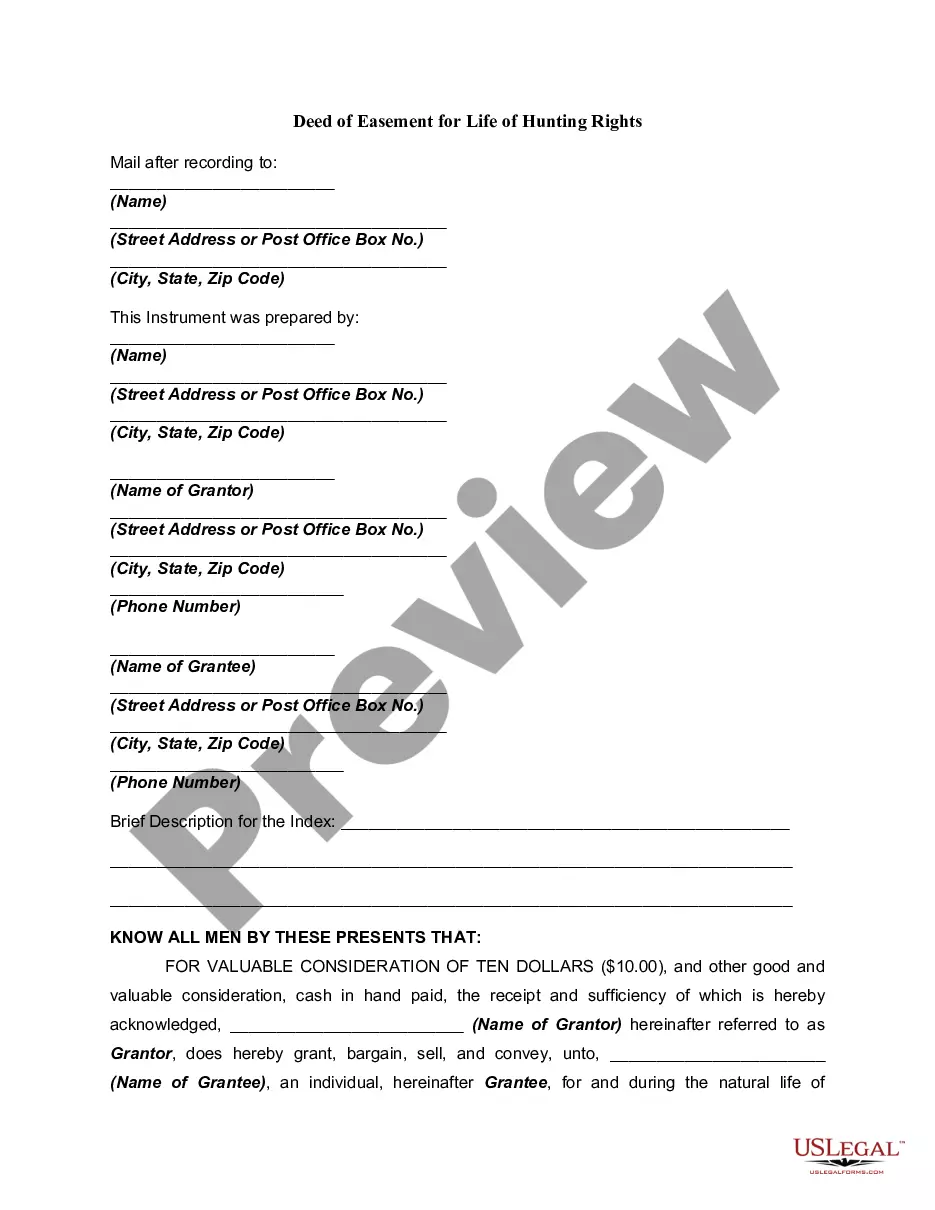

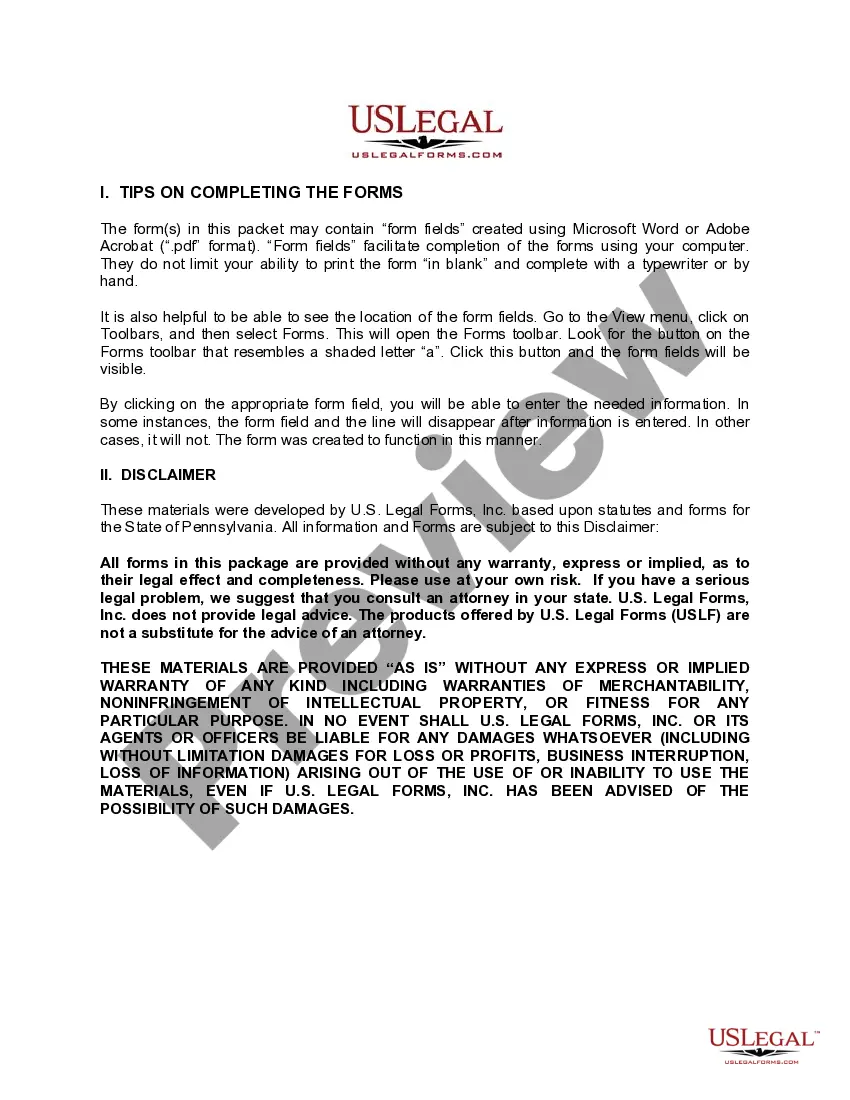
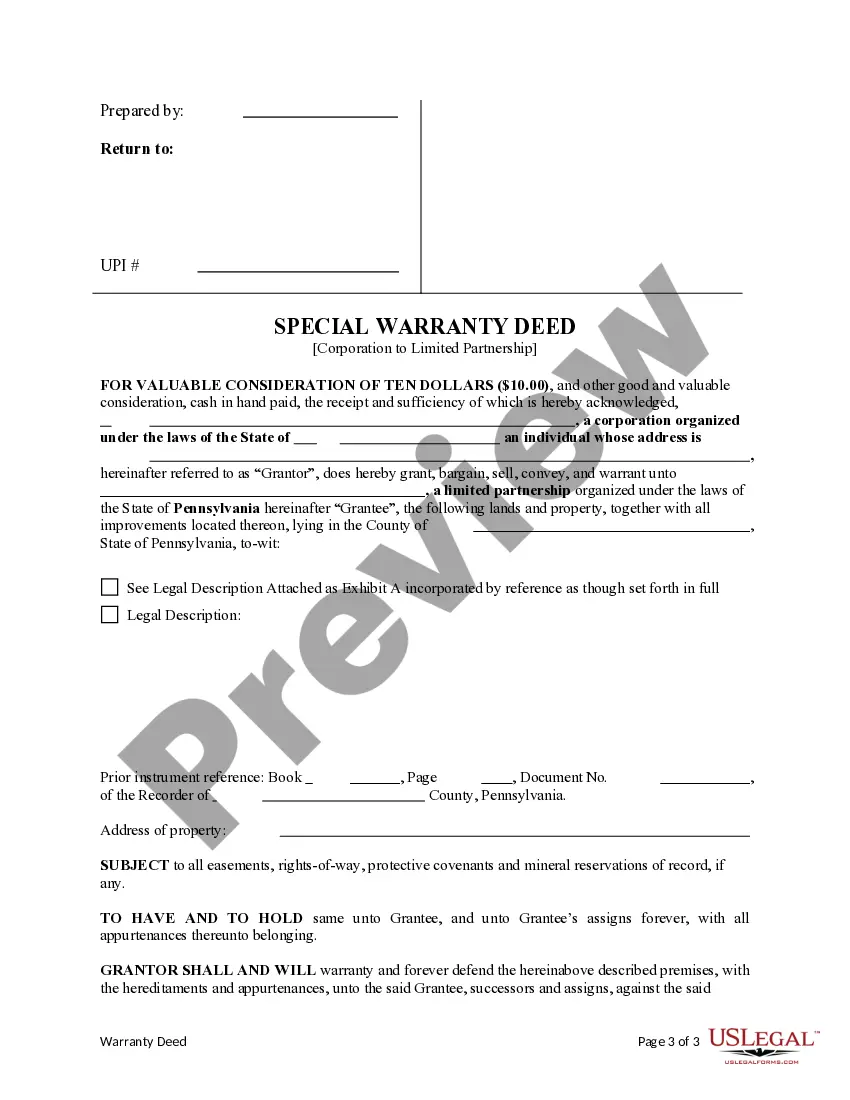
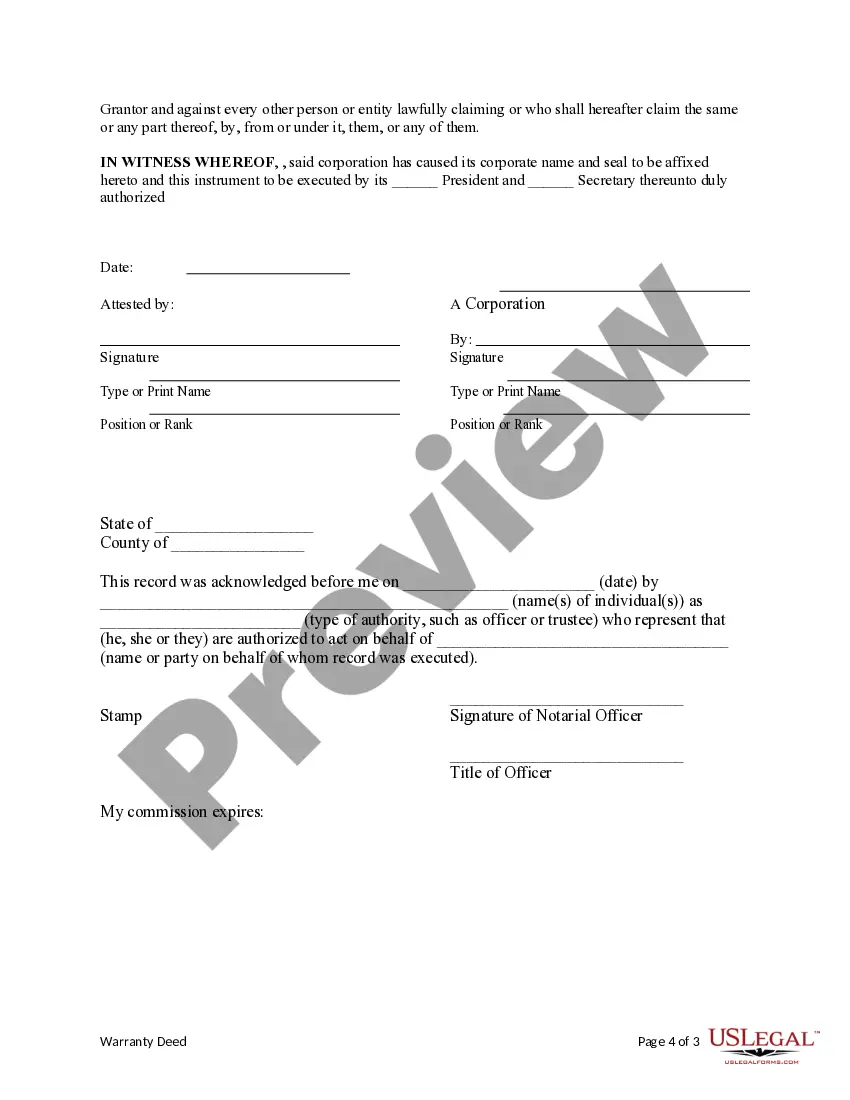
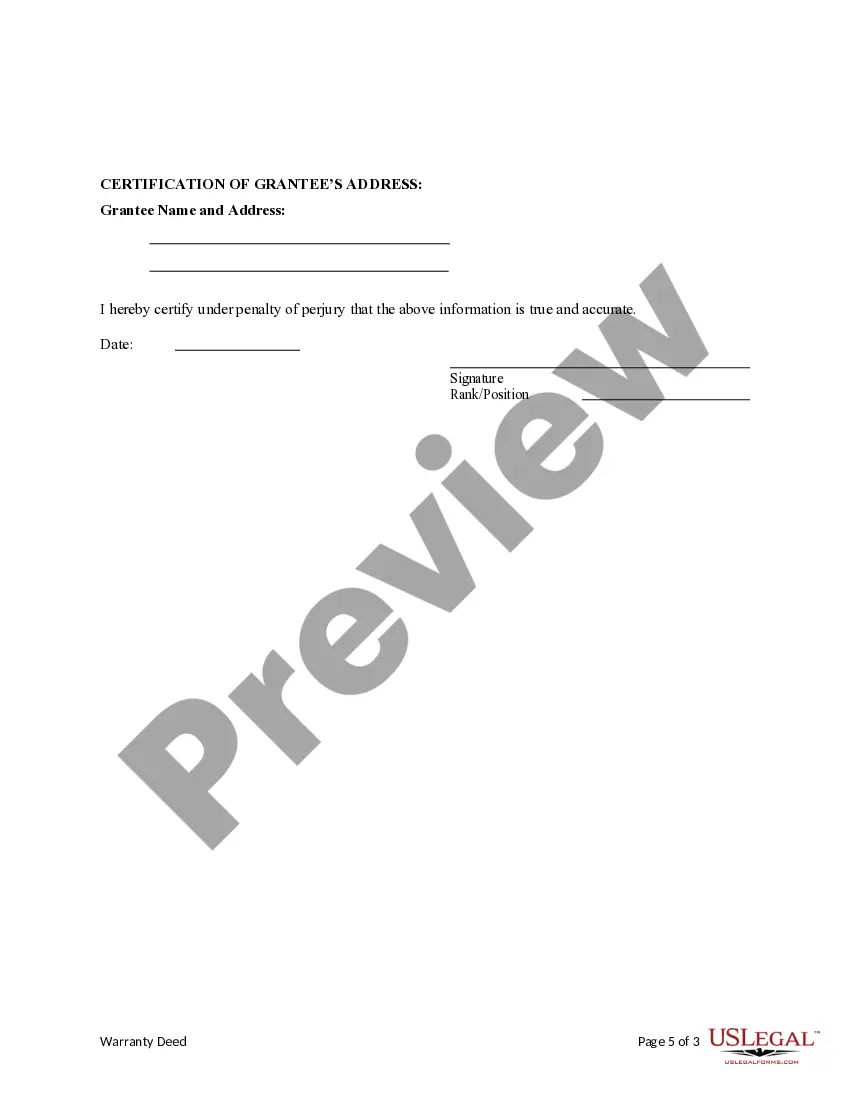
How to fill out Pennsylvania Special Warranty Deed From Corporation To Limited Partnership?
- If you already have an account, simply log in to your dashboard and locate the desired form template. Check that your subscription is active, or renew it as needed.
- For new users, begin by assessing the Preview mode and read the form description carefully to ensure it aligns with your requirements and local jurisdiction.
- If the current form doesn't meet your needs, utilize the Search tab to find alternative templates that better suit your situation.
- Proceed by selecting the preferred form and clicking the Buy Now button. Choose your subscription plan and create an account to unlock access to the expansive library.
- Complete your purchase by entering your payment details, either through credit card or PayPal, to finalize your subscription.
- Once confirmed, download your form directly to your device and find it later in the My Forms section of your profile for easy retrieval.
By following these steps, you'll have access to over 85,000 customizable legal forms, ensuring you're fully equipped to handle your legal needs with precision.
Start your journey today with US Legal Forms for a hassle-free legal documentation experience that empowers you to make informed decisions.
Form popularity
FAQ
In Pennsylvania, you will find hardwoods and softwoods as the primary types of woods. Hardwoods include species like oak and maple, while softwoods include pine and fir, each playing a significant role in Pennsylvania special limited forestry. Understanding these differences can enhance your appreciation of Pennsylvania's diverse forest ecosystems.
Joining the forestry service typically requires application to specific job openings, often found on state or federal government websites. Pursuing relevant education and gaining experience in Pennsylvania special limited forestry can improve your chances. Networking with professionals in the field can also provide insights and opportunities for entry into this rewarding line of work.
Approximately 60% of Pennsylvania is covered in trees, making it one of the most forested states in the U.S. This rich landscape plays a crucial role in the state's ecology and economy, particularly in areas related to Pennsylvania special limited forestry. Understanding the extent of forest cover can help in planning conservation and management efforts.
Typically, a bachelor's degree in forestry, environmental science, or a related field is required to work for the Forest Service. Programs that focus on Pennsylvania special limited forestry can provide relevant knowledge and skills needed for your career. Additionally, hands-on experience, such as internships or volunteering, can greatly enhance your qualifications.
Careers in forestry include forest managers, conservation scientists, wildlife biologists, urban foresters, and environmental educators. Each role contributes uniquely to the management and preservation of forests, including those involved in Pennsylvania special limited forestry. There are diverse opportunities based on your interests and education, allowing you to make an impact in this vital area.
To get involved in forestry, you can start by researching local forestry programs and volunteer opportunities. Many communities offer initiatives focused on tree planting and conservation, especially within the Pennsylvania special limited forestry framework. Engaging with local organizations not only helps the environment but also provides you with valuable experience in the field.
The demand for forestry jobs varies, but there has been a steady increase due to growing concerns about environmental sustainability and forest management. Many organizations are focusing on conservation efforts, leading to more available positions in Pennsylvania special limited forestry. This trend indicates a promising job market for individuals looking to forge a career in forestry.
Deforestation poses challenges in Pennsylvania, primarily due to development and land-use changes. However, ongoing initiatives, including those focused on Pennsylvania special limited forestry, aim to combat this issue by promoting sustainable management practices. Through education and responsible forestry, we can work together to protect our forests and maintain their vital roles in our environment.
The largest forest in Pennsylvania is the Lycoming State Forest, which covers over 36,000 acres of diverse habitats. This expansive area provides ample opportunities for outdoor recreation and conservation. Pennsylvania special limited forestry practices are employed here to ensure that this vast forest remains healthy and sustainable for generations to come.
Yes, Pennsylvania still boasts some old growth forests, which are rare and valuable ecosystems. These forests are vital for biodiversity and serve as important habitats for various wildlife species. Efforts related to Pennsylvania special limited forestry help preserve these ancient woodlands while promoting healthy forest growth throughout the state.