Force Or Will
Description

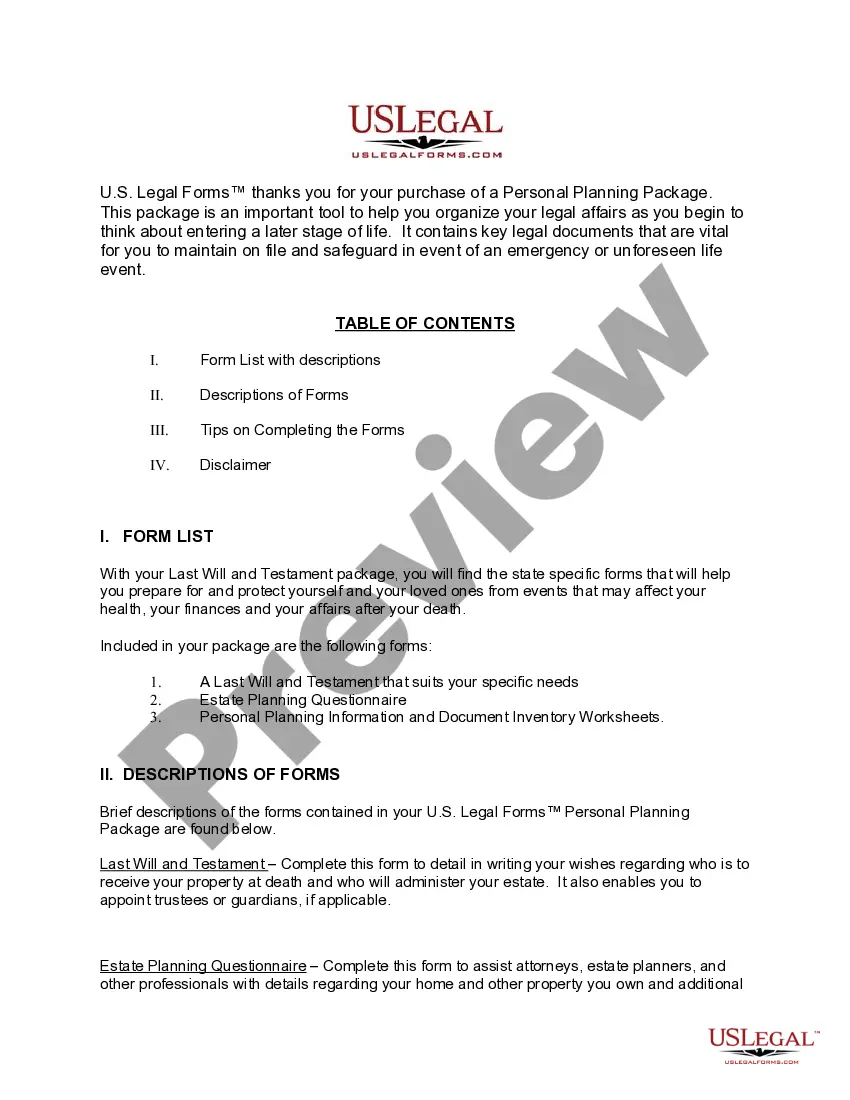
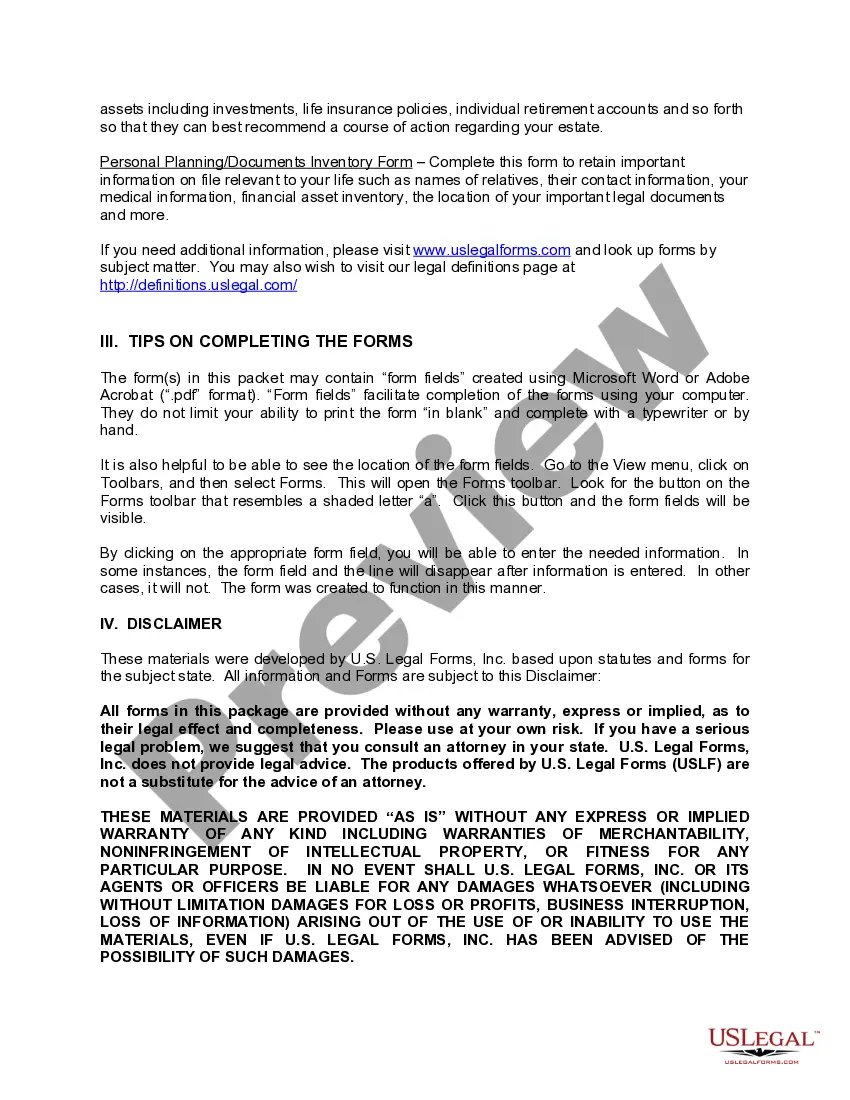

Get your form ready online
Our built-in tools help you complete, sign, share, and store your documents in one place.
Make edits, fill in missing information, and update formatting in US Legal Forms—just like you would in MS Word.
Download a copy, print it, send it by email, or mail it via USPS—whatever works best for your next step.
Sign and collect signatures with our SignNow integration. Send to multiple recipients, set reminders, and more. Go Premium to unlock E-Sign.
If this form requires notarization, complete it online through a secure video call—no need to meet a notary in person or wait for an appointment.
We protect your documents and personal data by following strict security and privacy standards.

Make edits, fill in missing information, and update formatting in US Legal Forms—just like you would in MS Word.

Download a copy, print it, send it by email, or mail it via USPS—whatever works best for your next step.

Sign and collect signatures with our SignNow integration. Send to multiple recipients, set reminders, and more. Go Premium to unlock E-Sign.

If this form requires notarization, complete it online through a secure video call—no need to meet a notary in person or wait for an appointment.

We protect your documents and personal data by following strict security and privacy standards.
Looking for another form?
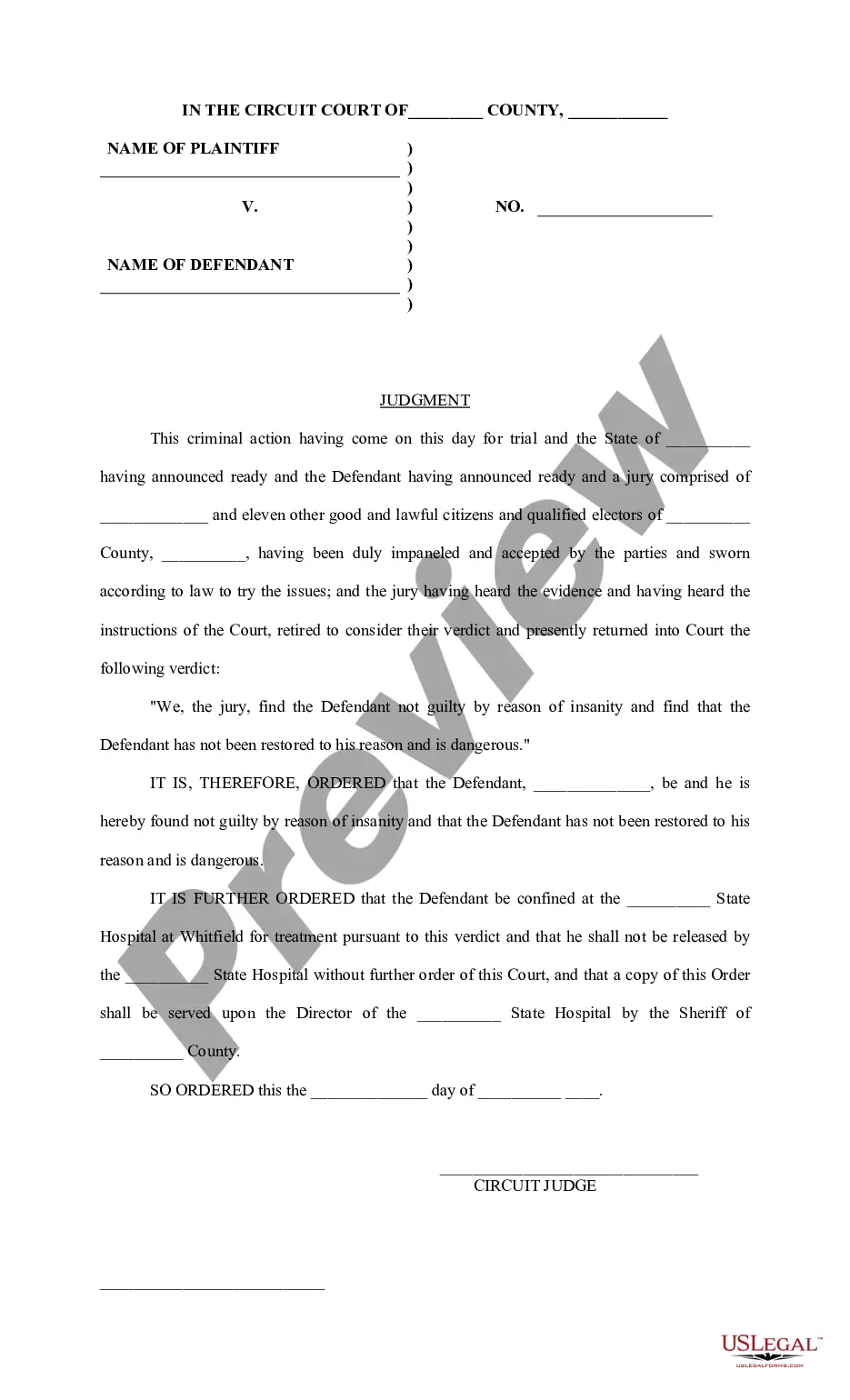

How to fill out Oregon Last Will And Testament Package?
Accessing legal documents that adhere to federal and state laws is crucial, and the internet provides numerous choices.
However, what’s the use of squandering time searching for the properly drafted Force Or Will example online when the US Legal Forms digital library already compiles such documents in a single location.
US Legal Forms is the largest virtual legal repository with more than 85,000 customizable forms crafted by lawyers for various business and personal situations. These documents are simple to navigate, categorized by state and intended use. Our experts keep pace with legal changes, ensuring that you can rest assured your document is current and compliant when obtaining a Force Or Will from our site.
Click Buy Now when you've located the right form and choose a subscription option. Establish an account or Log In and process your payment through PayPal or a credit card. Select the format for your Force Or Will and download it. All templates you find on US Legal Forms are reusable. To re-download and complete previously saved documents, access the My documents section in your account. Enjoy the most comprehensive and user-friendly legal document service!
- Securing a Force Or Will is straightforward and prompt for both existing and new users.
- If you already possess an account with an active subscription, Log In and save the document sample you need in the appropriate format.
- If you are visiting our website for the first time, adhere to the steps below.
- Review the template using the Preview feature or through the text outline to verify it suits your needs.
- Search for another example using the search feature at the top of the page if necessary.
Form popularity
FAQ
The most recognized formula for calculating force is F = m a, where F represents force, m is mass, and a is acceleration. This equation simplifies the relationship between the weight of an object and how it moves, helping you analyze different motions in everyday life. If you seek clarity on physical principles or need legal documentation related to force-related events, consider exploring the resources available on the US Legal Forms platform, where you can find assistance tailored to your needs.
The three primary formulas for calculating force involve different contexts: the classic formula, F = m a, illustrates force as mass times acceleration; the gravitational force formula, F = G (m1 m2) / r^2, applies to objects attracting each other; and the frictional force formula, F = µ N, refers to the force resisting motion between two surfaces. Using these formulas allows you to engage with various physics scenarios related to 'force or will' effectively.
To calculate force, you can use Newton's second law of motion, which states that force equals mass multiplied by acceleration. In simple terms, if you know how much an object weighs and how quickly it is speeding up or slowing down, you can easily find the force acting on it. Remember, understanding this basic principle of 'force or will' can help you navigate many real-world situations involving physical movement.
A will is considered valid in Arkansas when it meets certain criteria, including being written, signed by the testator, and properly witnessed. The testator must also have the legal capacity to make decisions regarding their estate, which reinforces the force or will of their intent. Ensuring that a will adheres to these standards prevents disputes and legal challenges. Using services like US Legal Forms can guide you through the drafting process, ensuring compliance with state laws.
In Arkansas, a legal will must comply with specific legal standards to be recognized. It must be in writing, signed by the testator, and witnessed by at least two people. This process ensures that the testator’s force or will reflects their true intent. It is advisable to consult platforms like US Legal Forms, which provide templates and resources to help you draft a will that adheres to these requirements.
To create a valid will, it must meet three essential criteria: the testator must be of sound mind, the document should be in writing, and it must be signed by the testator or an authorized representative. These elements ensure that the force or will of the testator is clear and unambiguous. Additionally, the will needs to be witnessed by at least two individuals who are not beneficiaries. Ensuring these requirements are met establishes the legal validity of the will.
A last will and testament is a legal document that outlines what you want to happen to your assets and estate once you pass away. A simple will is the most basic form a will can take. This type of will can be used to do the following: Name an executor for the will.
A will is a document that approves you to designate how your property and property are allotted upon your death. The easiest structure of a will is a ?holographic? or handwritten will, which does not require witnesses or lawyers. A holographic will be written absolutely in the testator's personal handwriting.
Essential Information Write a title. ... Name the executor of your will. ... Name a guardian for any minors. ... Organize and inventory assets. ... Name the beneficiaries. ... Write your residuary clause. ... Sign your will with witnesses. ... Store your will someplace safe and update it when necessary.
In your will, you should: State that the document is your will and reflects your final wishes. ... Name the people you want to inherit your property after you die. ... Choose someone to carry out the wishes in your will. ... Name guardians to care for your minor children or pets, if you have them. Sign the will.