View Easement Without Permission
Description
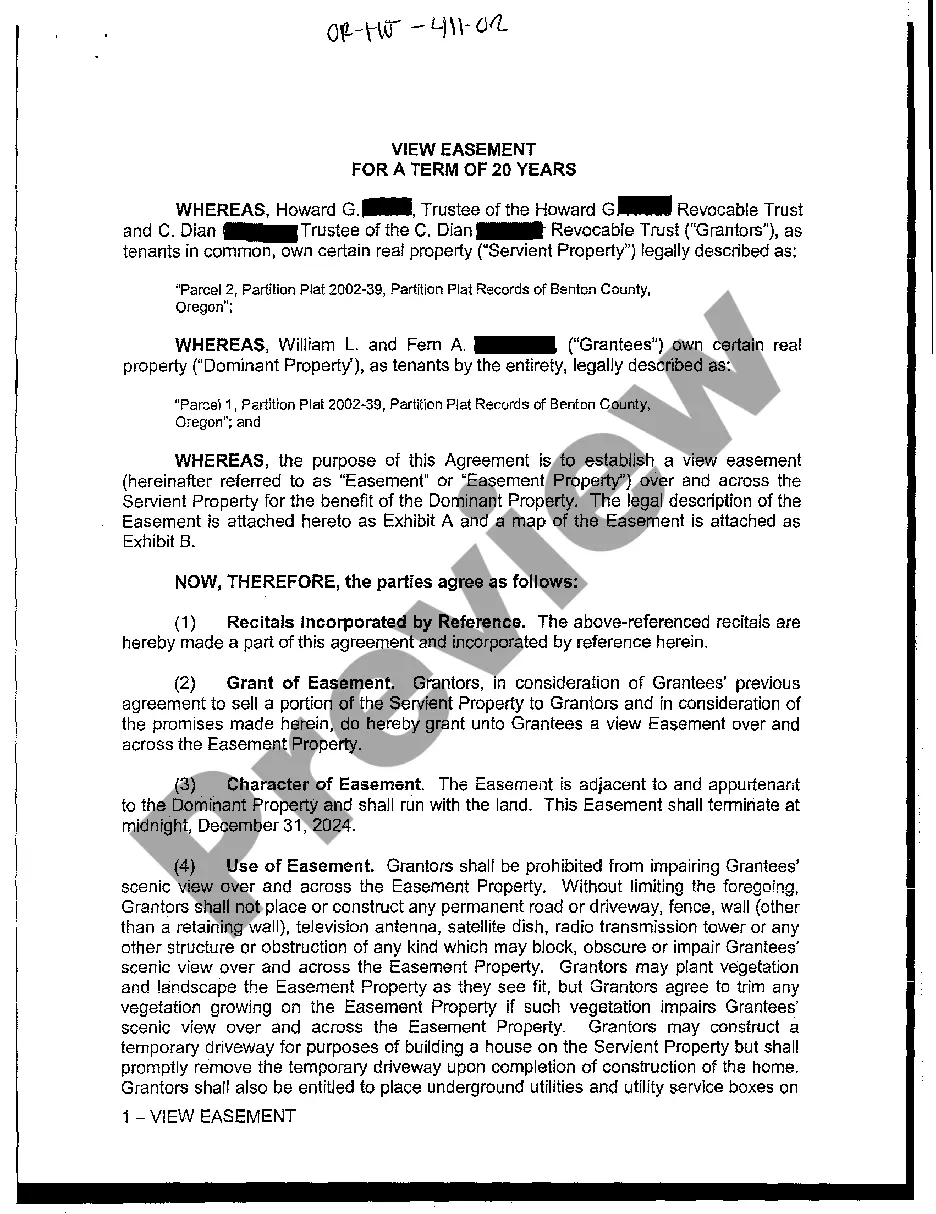
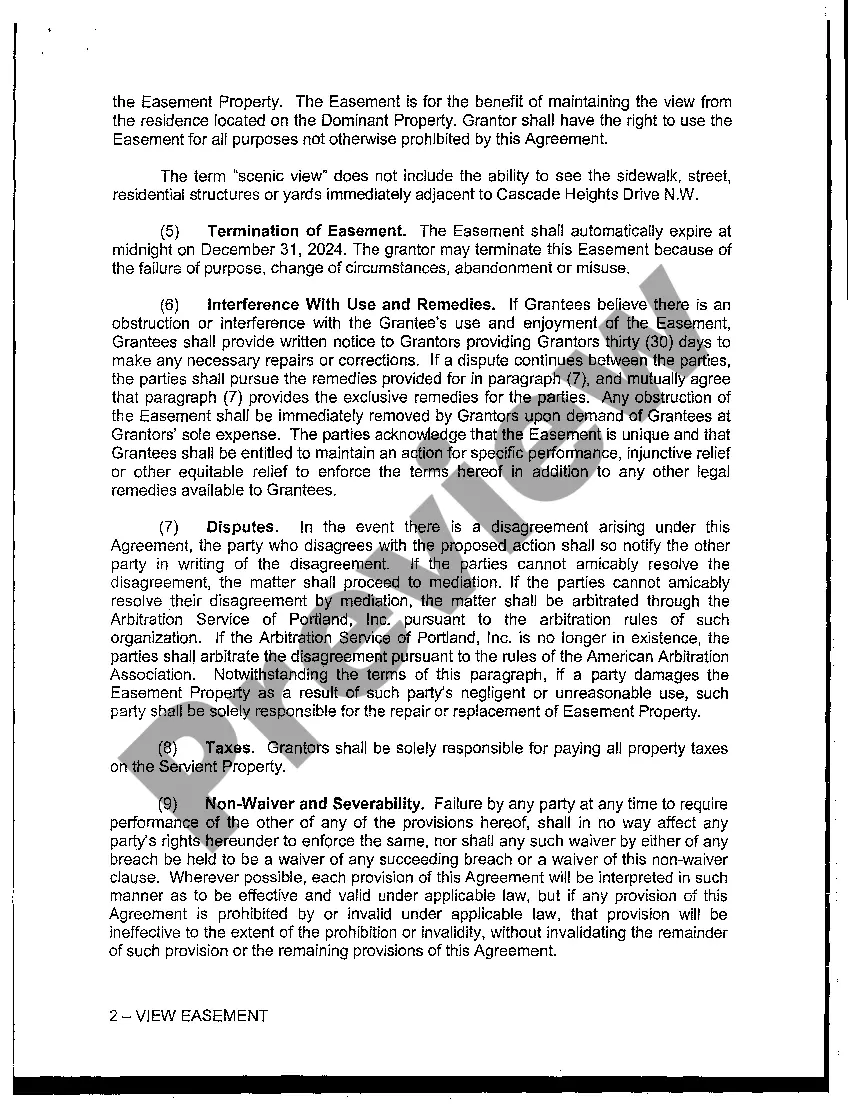
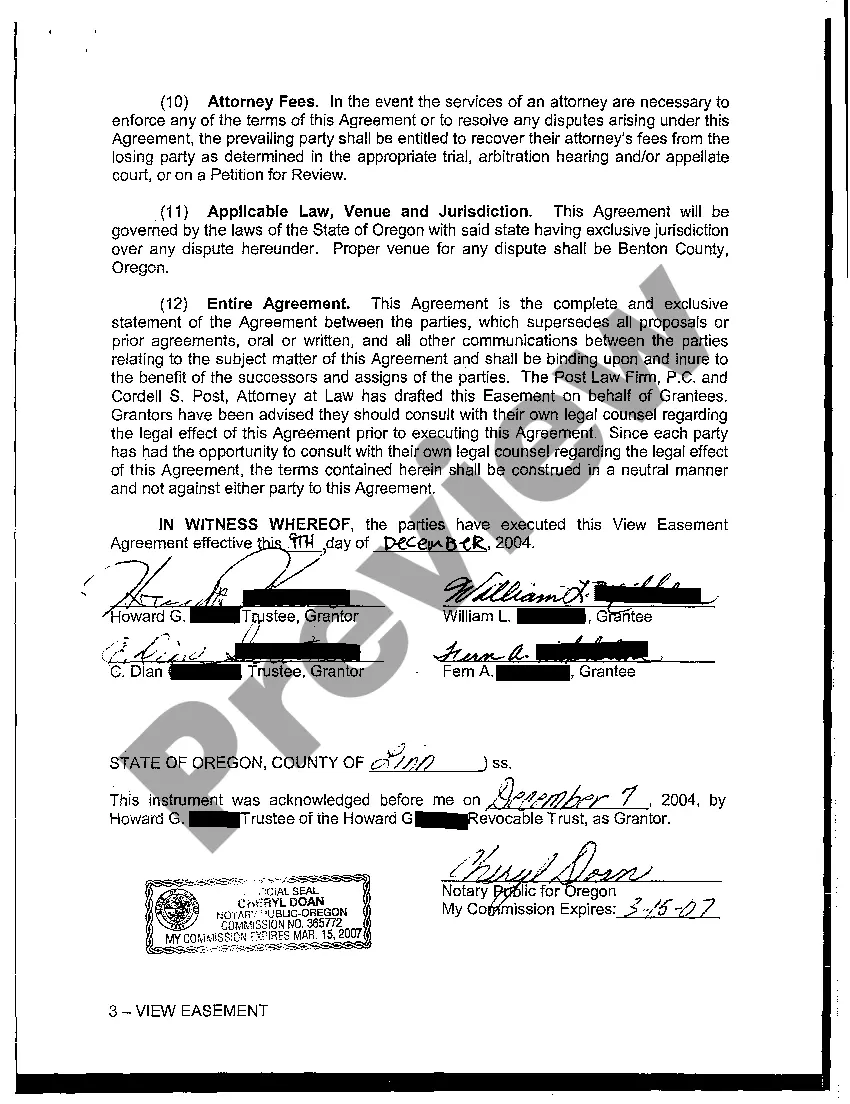
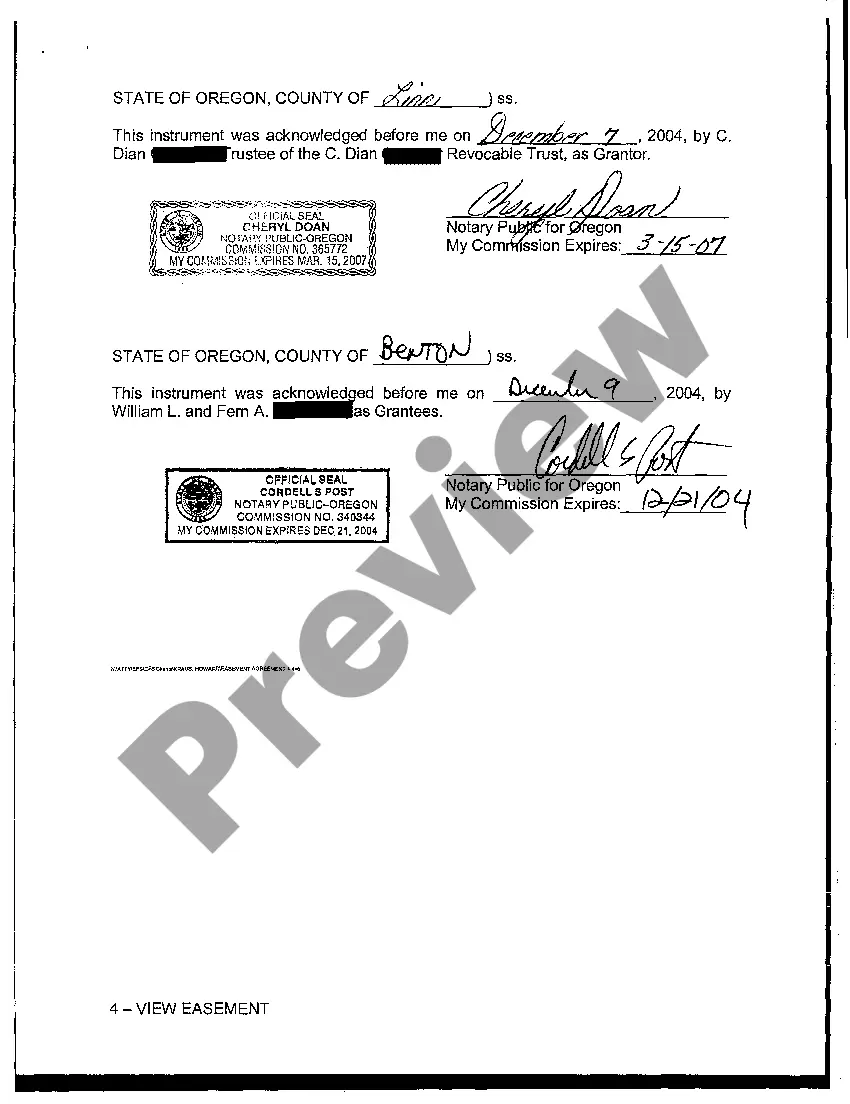
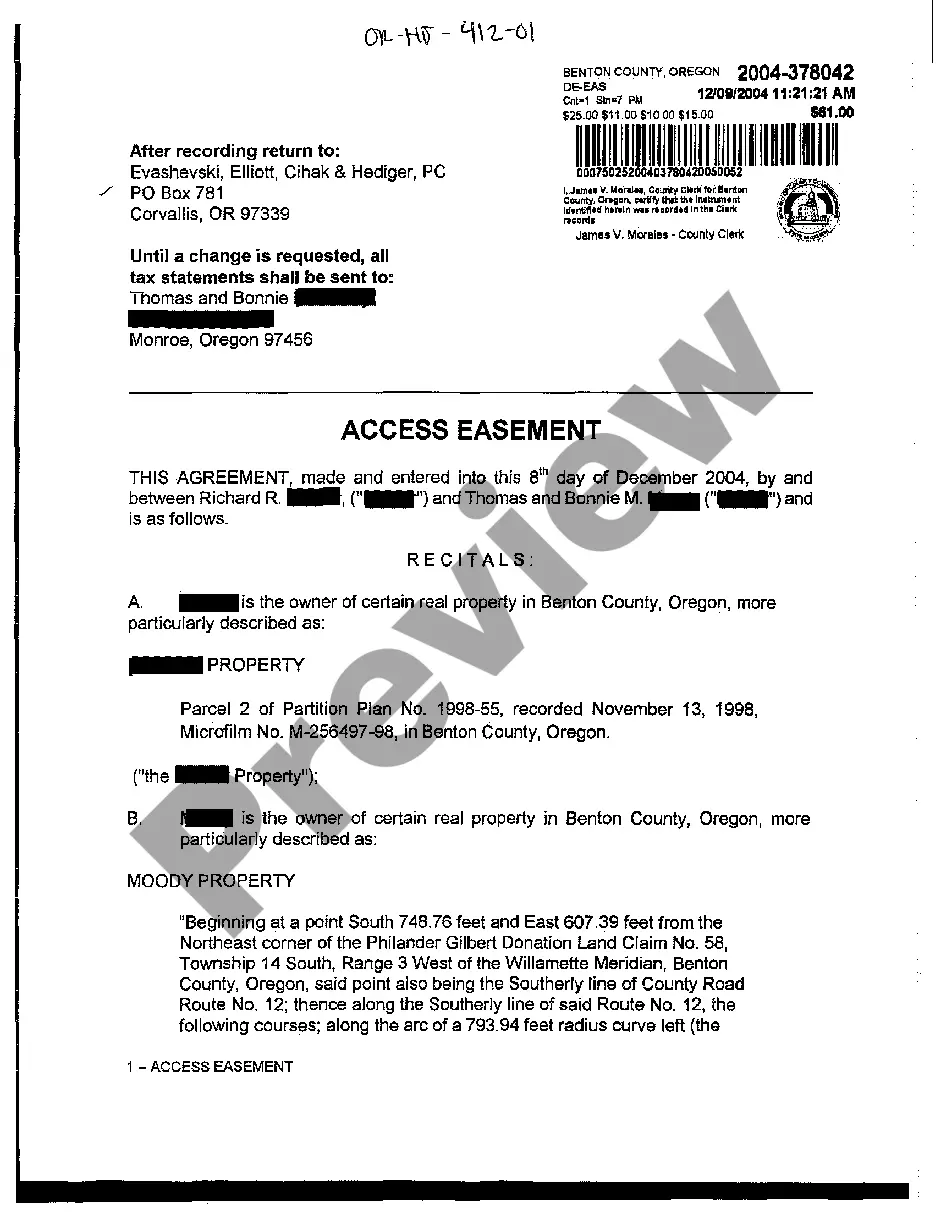






How to fill out Oregon View Easement For A Term Of 20 Years?
Regardless of whether it's for corporate reasons or personal issues, everyone encounters legal circumstances at some stage in their life.
Filling out legal documents requires meticulous focus, starting from selecting the right form template.
With an extensive US Legal Forms collection available, you never need to waste time searching for the right template online. Utilize the library’s user-friendly navigation to find the ideal template for any circumstance.
- For instance, if you choose an incorrect version of the View Easement Without Permission, it will be declined upon submission.
- Thus, it is imperative to have a reliable source for legal forms like US Legal Forms.
- To acquire a View Easement Without Permission template, adhere to these straightforward steps.
- Locate the template you require using the search bar or catalog navigation.
- Review the form’s details to confirm it aligns with your circumstances, state, and locality.
- Click on the form’s preview to examine it.
- If it is the wrong form, return to the search tool to find the View Easement Without Permission example you need.
- Download the template once it meets your requirements.
- If you have a US Legal Forms account, simply click Log in to access previously saved documents in My documents.
- Should you not have an account yet, you can acquire the form by clicking Buy now.
- Choose the suitable payment option.
- Complete the account registration form.
- Select your payment method: use a debit/credit card or PayPal account.
- Choose the file format you prefer and download the View Easement Without Permission.
- After downloading, you can fill out the form using editing software or print it and complete it by hand.
Form popularity
FAQ
Easement holders have the right to access and use the easement as specified in the agreement. These rights can include maintaining the easement area and making necessary repairs. If you wish to view easement without permission, knowing these rights ensures you can act confidently and legally.
A property owner generally cannot block access to an easement, as it violates the rights granted to the easement holder. Doing so could lead to legal disputes and the need for enforcement actions. If you need to view easement without permission, understanding these rights will help you navigate potential conflicts.
Easement rules in Ohio dictate how easements can be utilized and enforced. Property owners must adhere to the terms set in the easement agreement. To view easement without permission, familiarize yourself with Ohio's specific laws to ensure compliance and protect your interests.
Abuse of an easement occurs when the holder uses it in a way that exceeds the intended purpose. For example, using an easement for activities not allowed under the agreement may constitute abuse. If you are concerned about how to view easement without permission, knowing what constitutes abuse is vital for protecting your rights.
Enforcing easement rights typically involves legal action if the rights are violated. You can start by documenting any infringements and seeking guidance from a legal professional. If you need to view easement without permission, understanding your legal rights is crucial for effective enforcement.
Blocking an easement can lead to legal issues. Easements grant specific rights to access land, and blocking these rights may be considered illegal. If you want to view easement without permission, it’s essential to understand the legal implications of obstructing that access.
Filling out an easement involves detailed documentation of the rights being granted. You need to specify the terms, including the location, purpose, and duration of the easement. Be sure to include all necessary parties' information and signatures to validate the document. For a seamless experience, you can view easement without permission by using the resources offered by US Legal Forms.
To establish an easement, certain requirements must be met, including a clear description of the easement, the parties involved, and the purpose of use. The easement should also be in writing and signed by both parties to ensure enforceability. Familiarizing yourself with these requirements can save you from future disputes. You can easily view easement without permission by accessing templates through US Legal Forms.
Easements are governed by specific legal rules that vary by state. Generally, easements must be recorded to be enforceable, and they typically remain attached to the property, not the owner. Understanding these rules helps protect your property rights and informs you of your obligations. To view easement without permission, you can refer to legal documents and guidelines on the US Legal Forms website.
To draw up an easement, begin by defining the purpose and scope of the easement clearly. Include the rights and responsibilities of both parties involved. It is vital to have the document notarized and recorded with the county to ensure its legality. If you need a template to help you, you can view easement without permission using the resources available on US Legal Forms.