Oregon Temporary Custody Forms For Child
Description
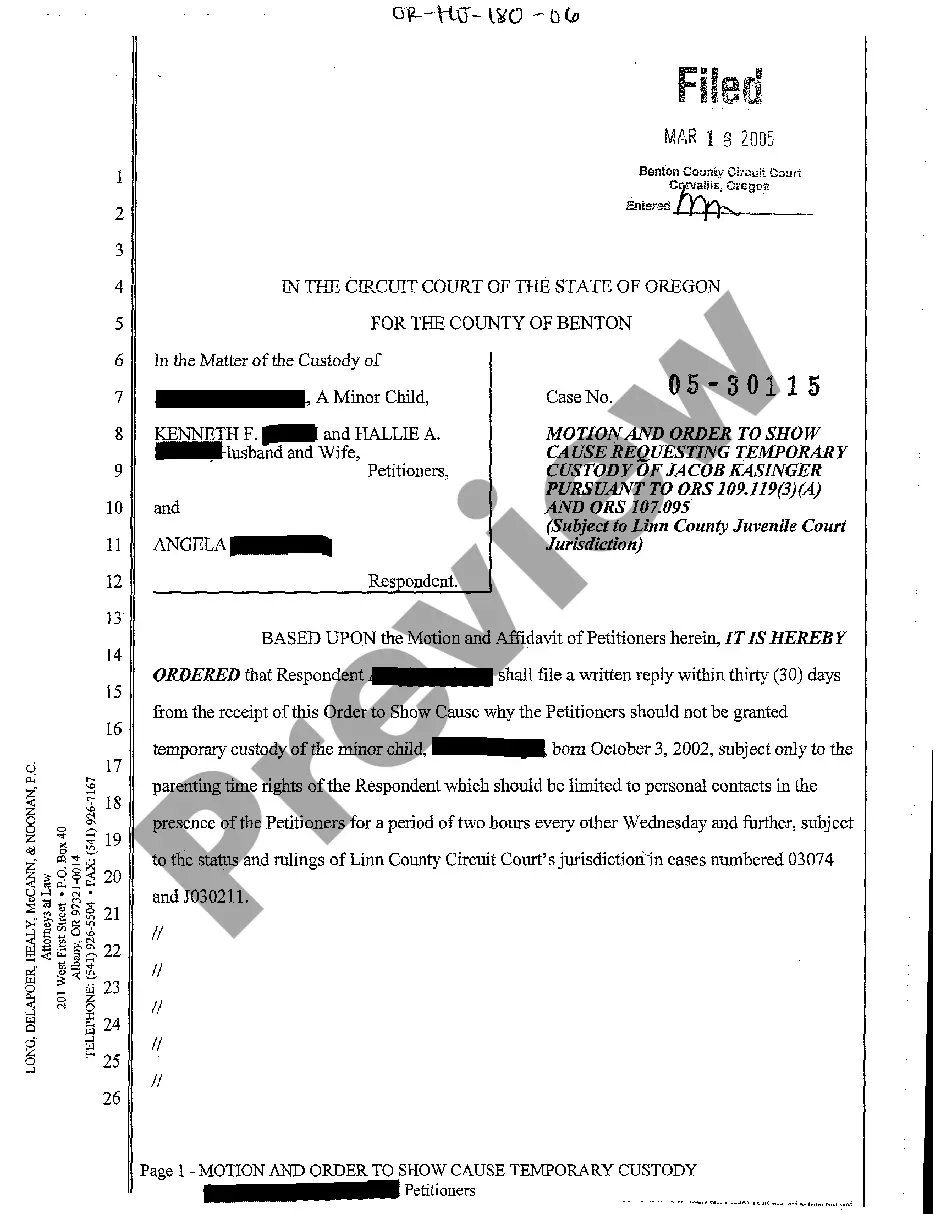
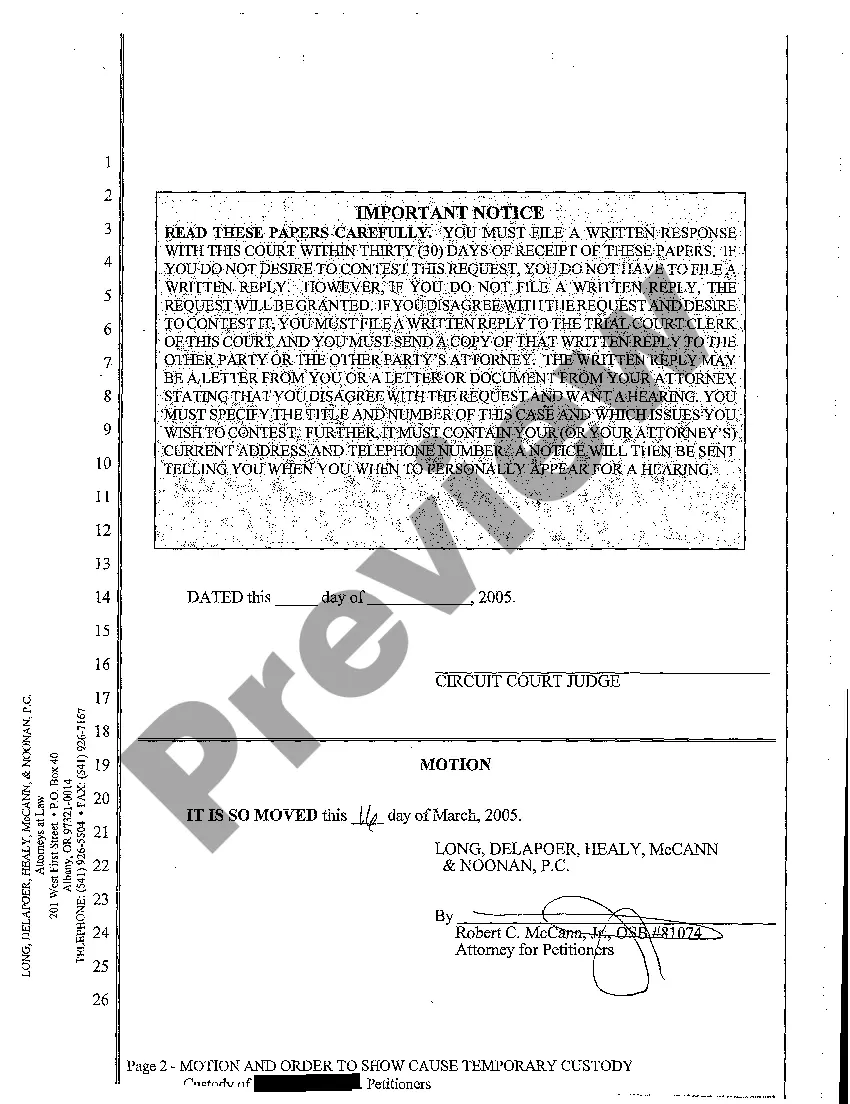
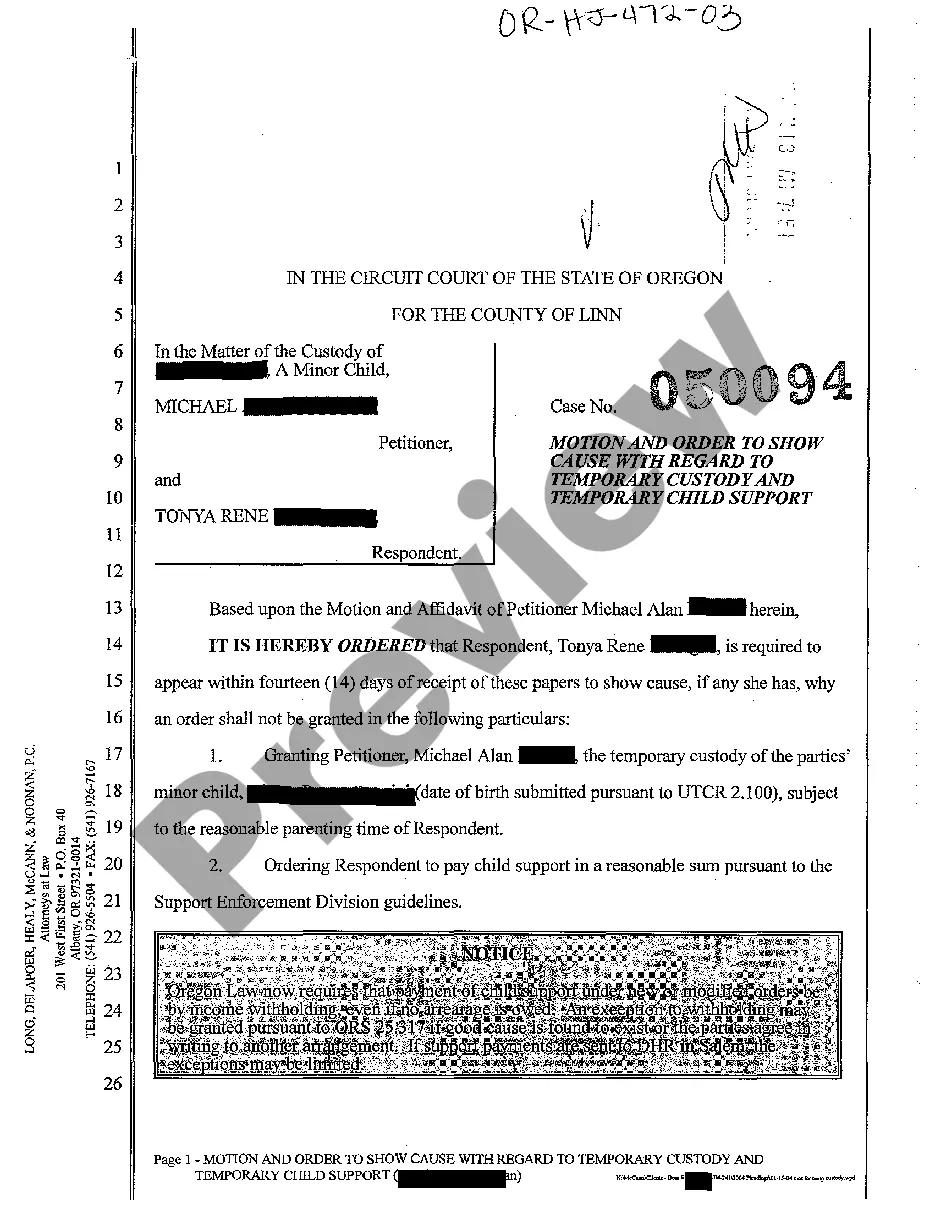
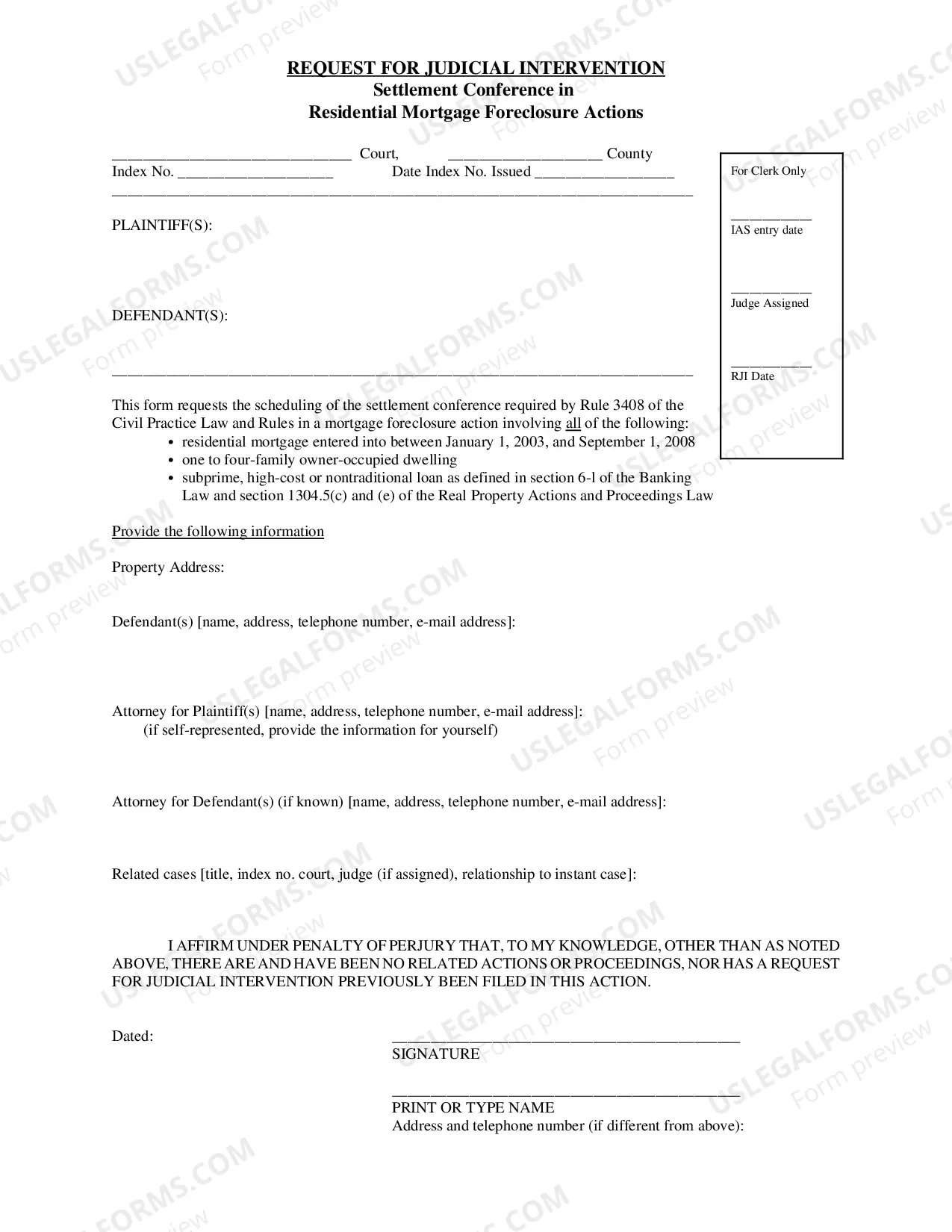
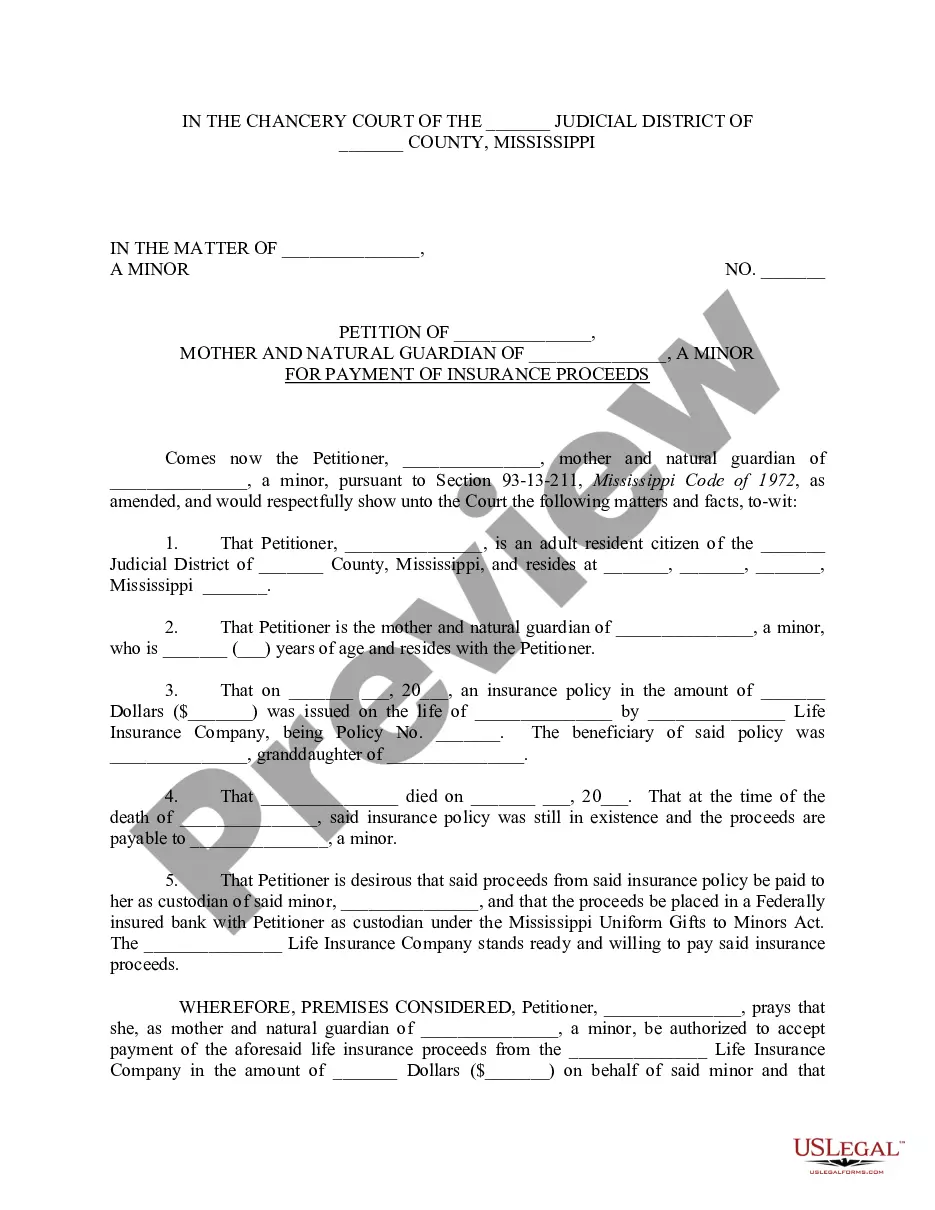

How to fill out Oregon Motion And Order To Show Cause Requesting Temporary Custody Pursuant To ORS 109.119(3)(A) And ORS 107.095?
Regardless of whether for professional objectives or personal issues, everyone must handle legal circumstances at some stage in their life.
Completing legal documents demands meticulous attention, starting with selecting the correct form template. For instance, if you choose an incorrect version of the Oregon Temporary Custody Forms For Child, it will be rejected upon submission. Thus, it is crucial to have a reliable source of legal documents such as US Legal Forms.
Once it is downloaded, you can fill out the form using editing software or print it and complete it manually. With a vast US Legal Forms catalog available, you do not have to waste time searching for the suitable sample across the internet. Utilize the library’s straightforward navigation to find the correct template for any occasion.
- Obtain the sample you require by using the search bar or catalog navigation.
- Review the form’s description to ensure it aligns with your situation, state, and locality.
- Click on the form’s preview to view it.
- If it is not the correct form, return to the search option to find the Oregon Temporary Custody Forms For Child sample you need.
- Acquire the file if it satisfies your criteria.
- If you already possess a US Legal Forms account, simply click Log in to access previously stored files in My documents.
- In case you don’t have an account yet, you can download the form by clicking Buy now.
- Choose the appropriate pricing option.
- Fill out the profile registration form.
- Select your payment method: you can use a credit card or PayPal account.
- Choose the document format you prefer and download the Oregon Temporary Custody Forms For Child.
Form popularity
FAQ
When Can My Child Refuse Visitation? There is no specific age at which a child can decide to refuse to visit with a parent or change custody arrangements without the court's approval.
You can ask the court to make temporary orders after you file a Petition. In a post-judgment action, you can ask the court to make temporary orders after you file a Motion (request). Either Petitioner or Respondent may ask for temporary orders. Temporary orders are effective as soon as a judge signs the order.
ORS 107.139(1) authorizes post-judgment ex parte temporary orders of custody and parenting time if a parent of the child is present in court and presents a declaration alleging that the child is in immediate danger. A good faith effort to confer is required. Clear and convincing evidence is required.
There is also a process allowed by Oregon law to request temporary custody for certain cases involving child custody issues where the children are in ?immediate danger.? It may also be possible to ask the court to set up a temporary parenting plan while your divorce, legal separation, or custody case is pending.
In both Washington and Oregon, a child can only choose which parent they'd like to live with when they turn 18 or are otherwise emancipated. Minor children are not considered capable of making such decisions for themselves and are not permitted to ?choose? living with one parent over another.