Oregon Estate Or Form Or-w4
Description
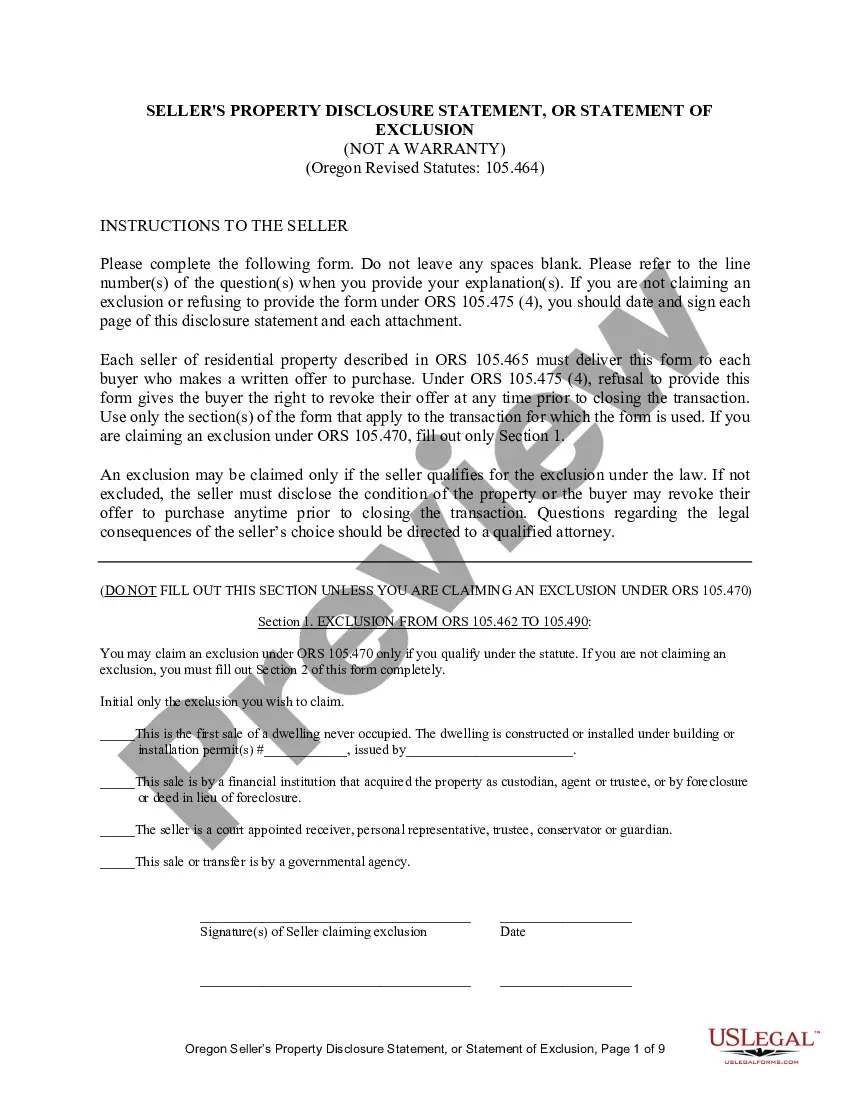
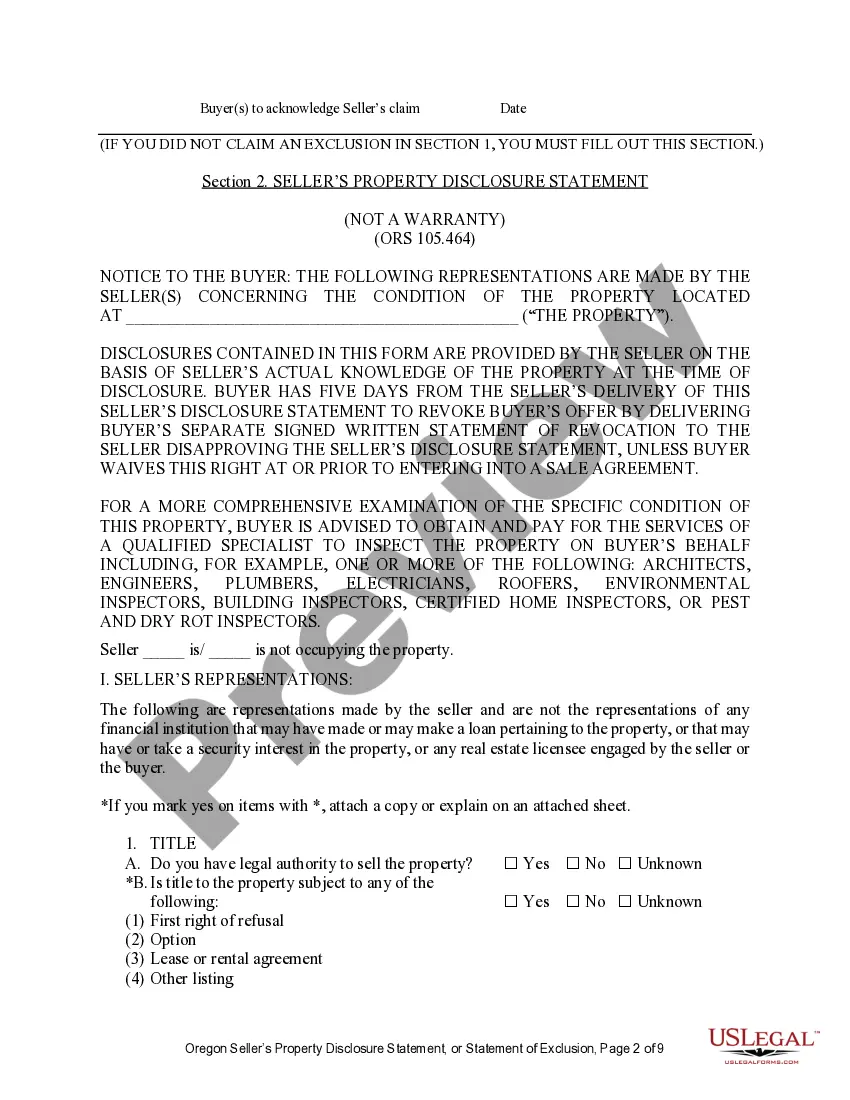
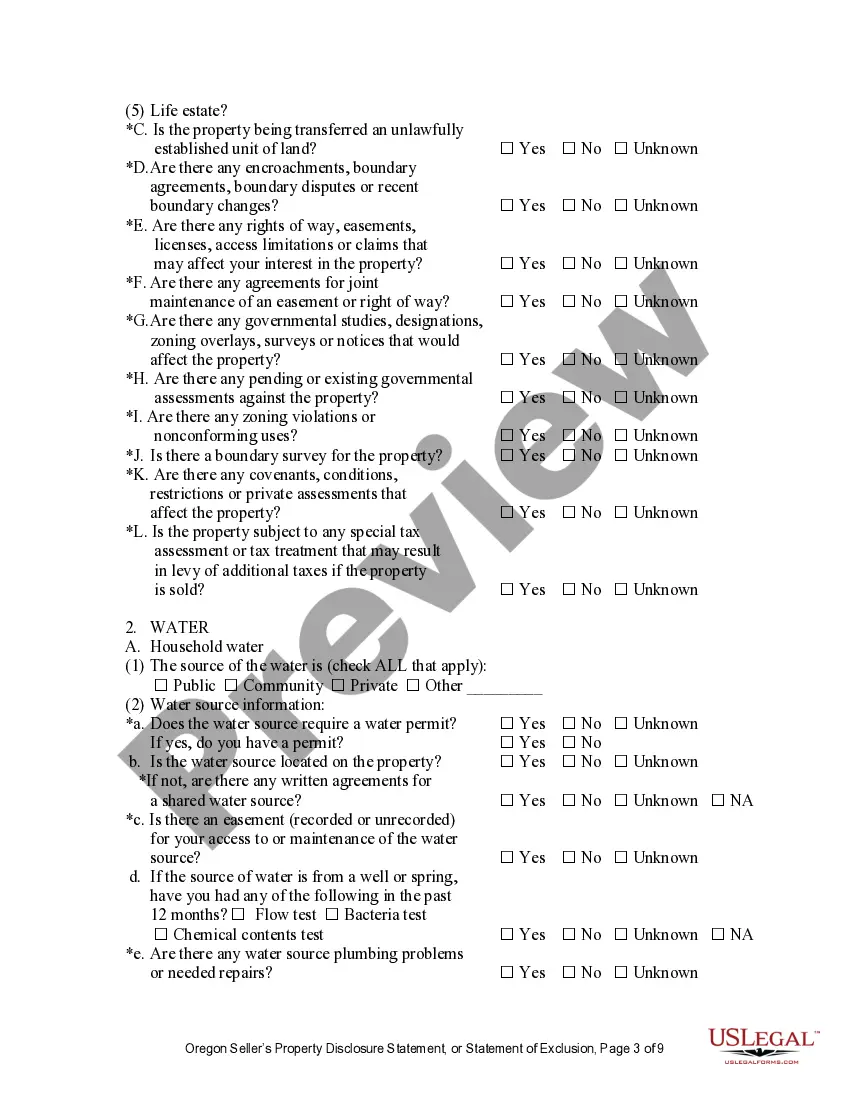
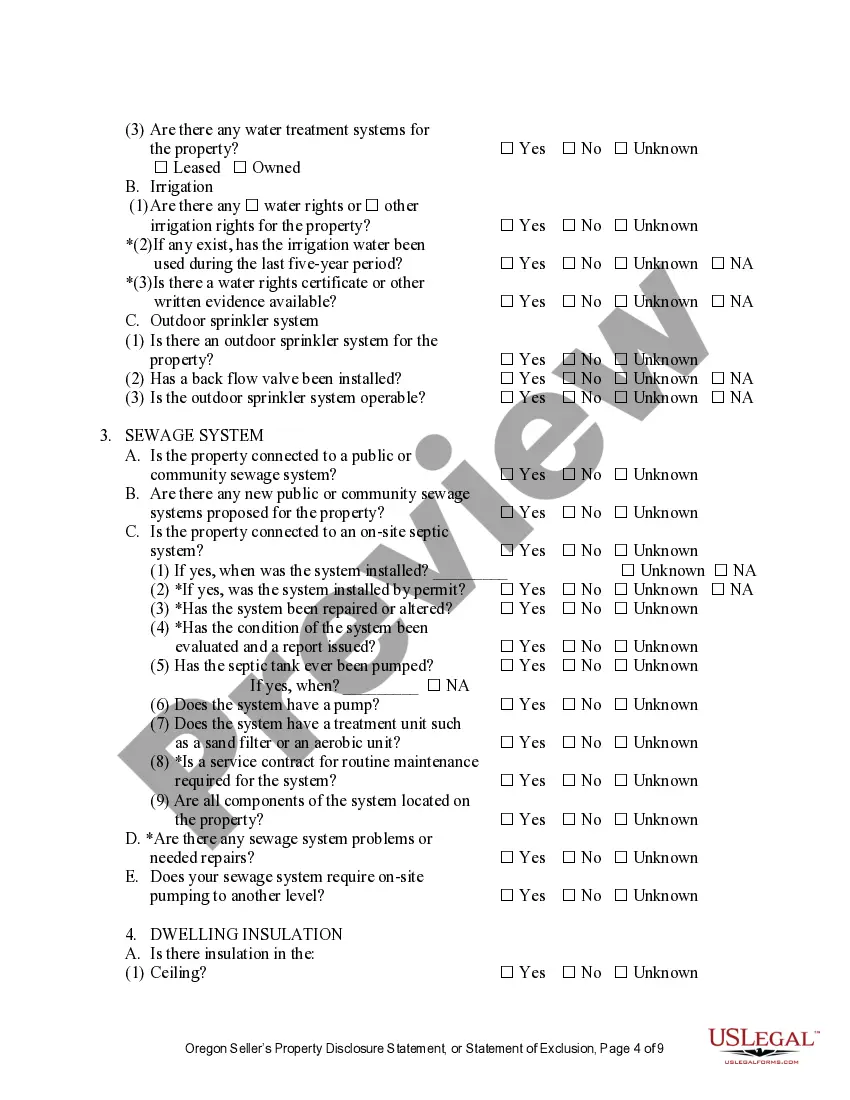

Get your form ready online
Our built-in tools help you complete, sign, share, and store your documents in one place.
Make edits, fill in missing information, and update formatting in US Legal Forms—just like you would in MS Word.
Download a copy, print it, send it by email, or mail it via USPS—whatever works best for your next step.
Sign and collect signatures with our SignNow integration. Send to multiple recipients, set reminders, and more. Go Premium to unlock E-Sign.
If this form requires notarization, complete it online through a secure video call—no need to meet a notary in person or wait for an appointment.
We protect your documents and personal data by following strict security and privacy standards.

Make edits, fill in missing information, and update formatting in US Legal Forms—just like you would in MS Word.

Download a copy, print it, send it by email, or mail it via USPS—whatever works best for your next step.

Sign and collect signatures with our SignNow integration. Send to multiple recipients, set reminders, and more. Go Premium to unlock E-Sign.

If this form requires notarization, complete it online through a secure video call—no need to meet a notary in person or wait for an appointment.

We protect your documents and personal data by following strict security and privacy standards.
Looking for another form?







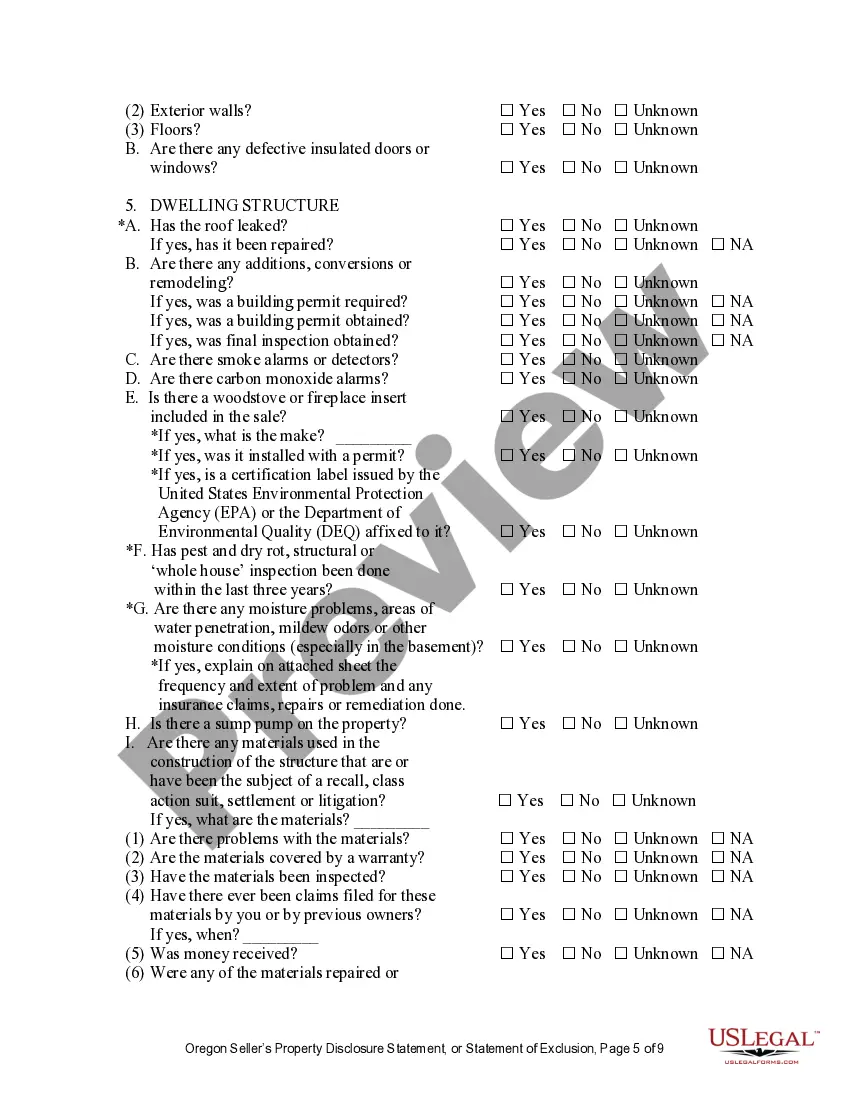
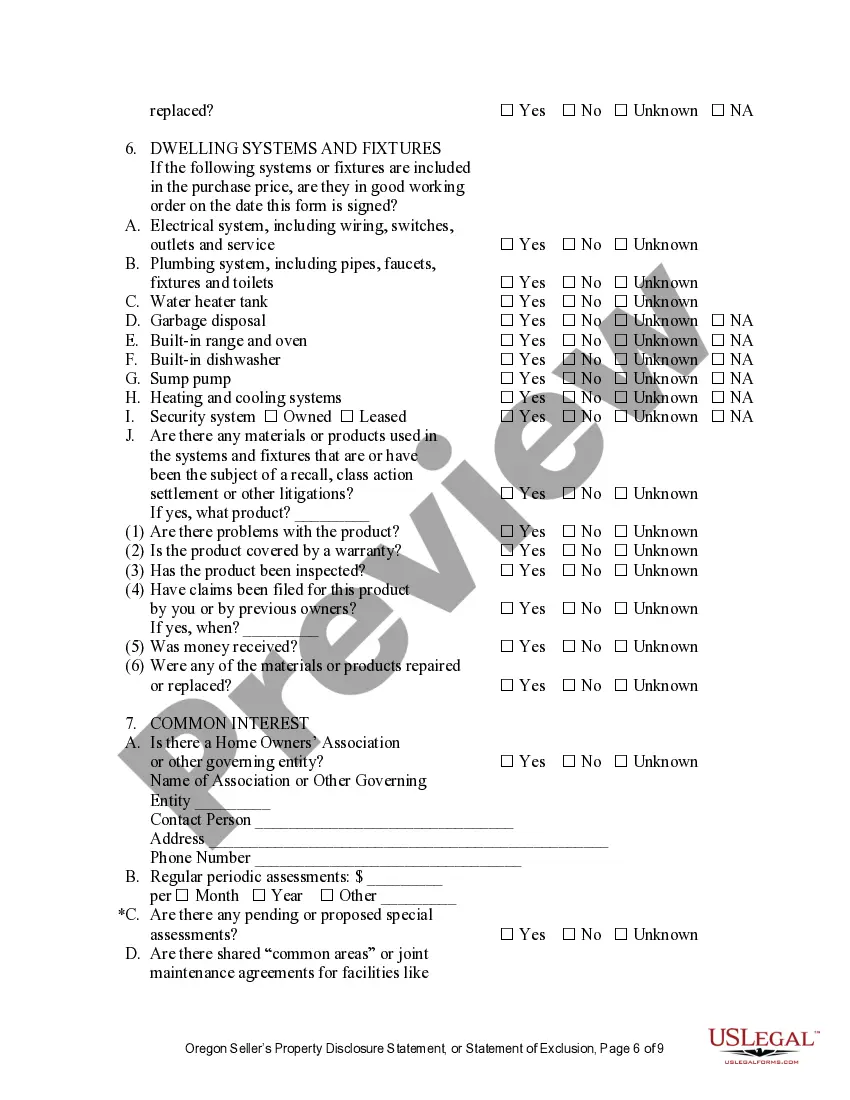
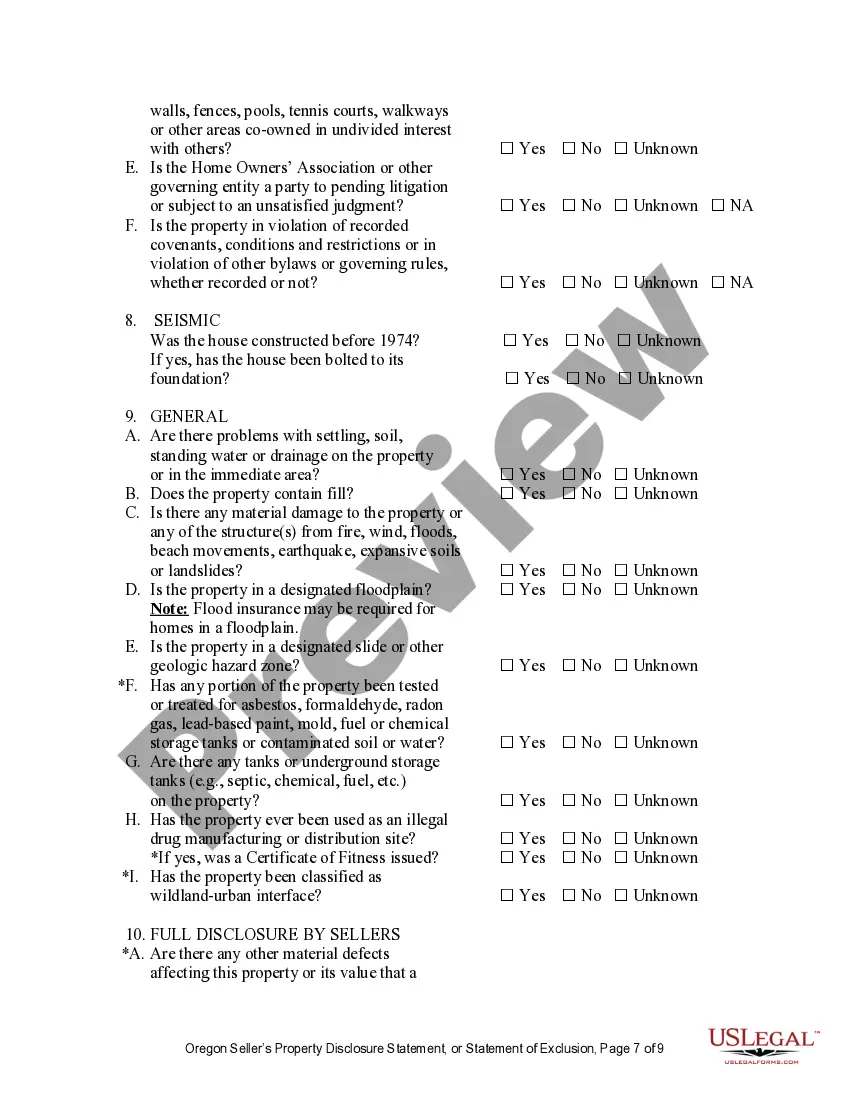
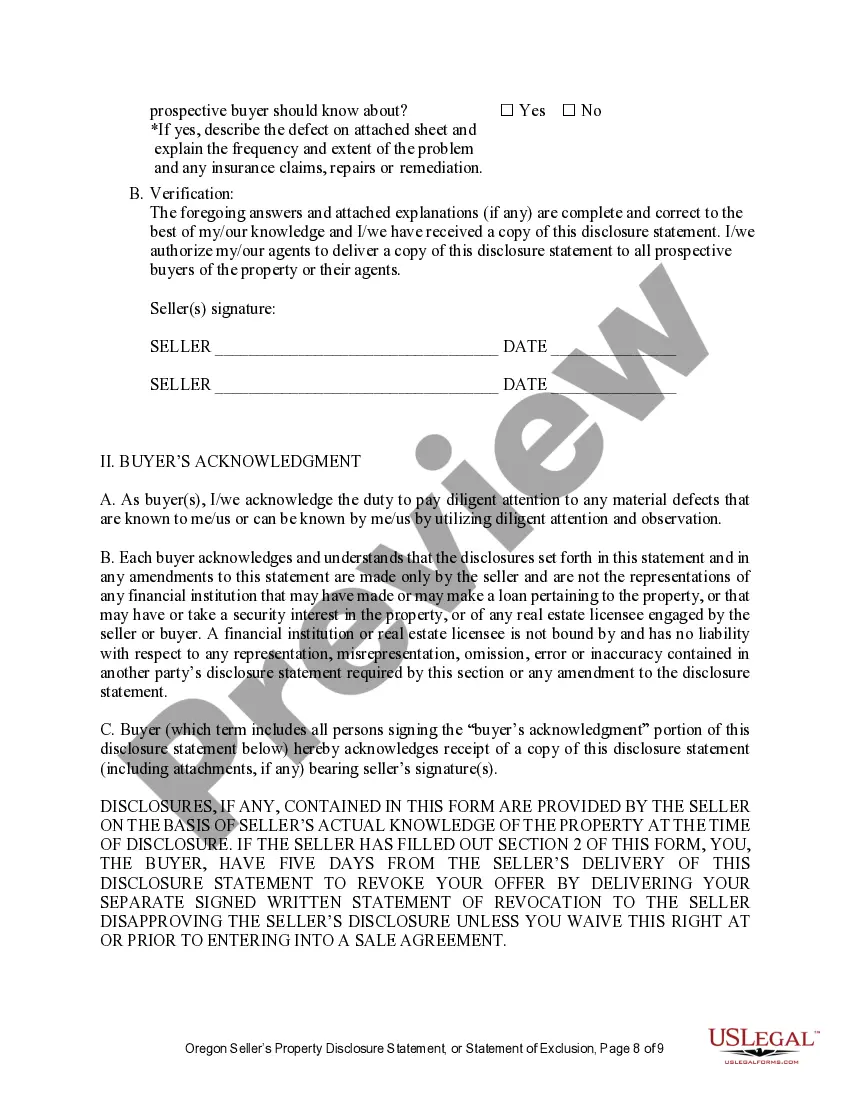
How to fill out Oregon Residential Real Estate Sales Disclosure Statement?
Utilizing legal document examples that comply with federal and state regulations is crucial, and the web provides countless choices to select from.
However, what’s the use of spending time searching for the accurately drafted Oregon Estate Form or W-4 sample online when the US Legal Forms digital repository has such formats gathered in one location.
US Legal Forms is the most comprehensive online legal repository with over 85,000 fillable formats prepared by lawyers for any business or personal situation.
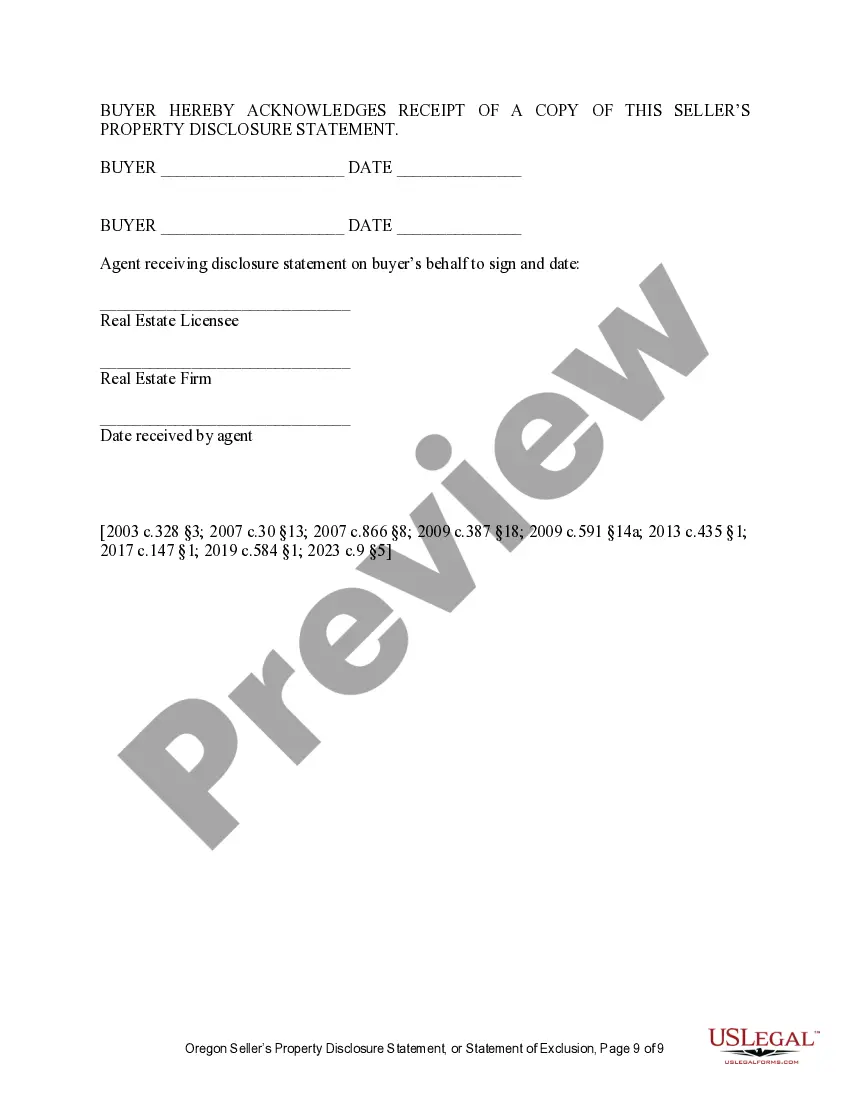
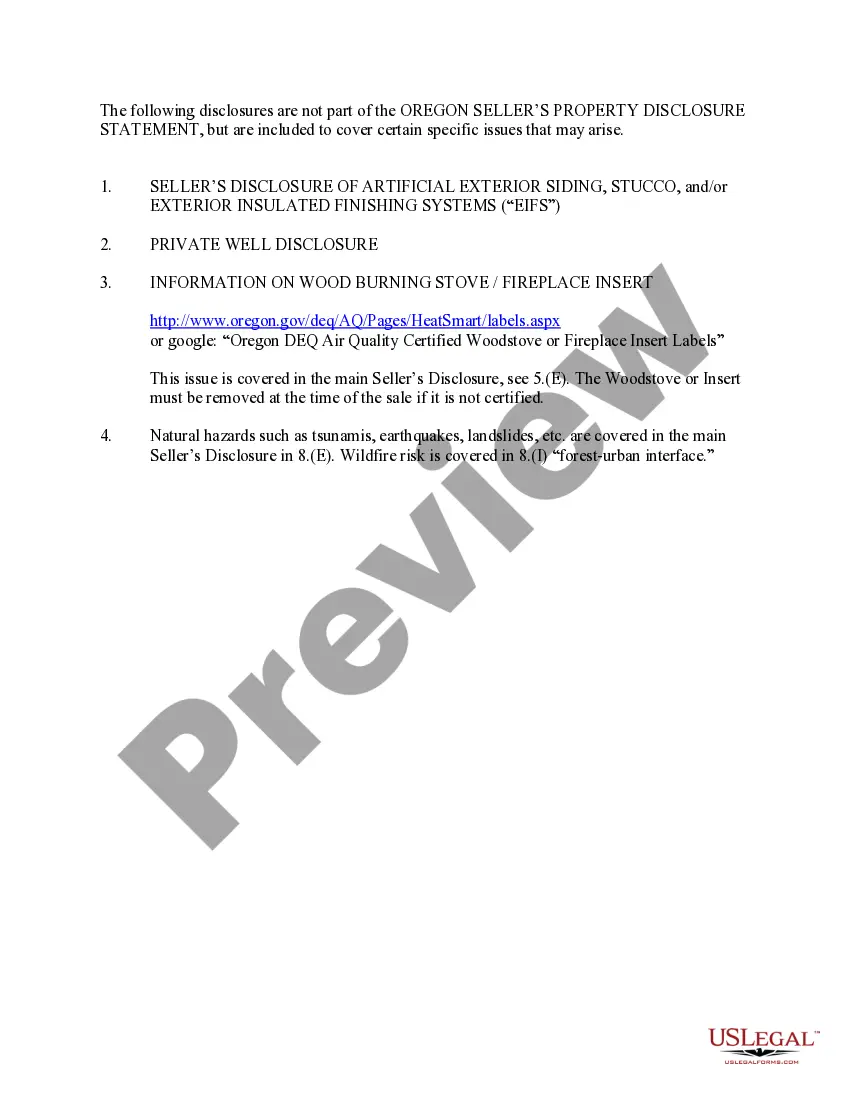
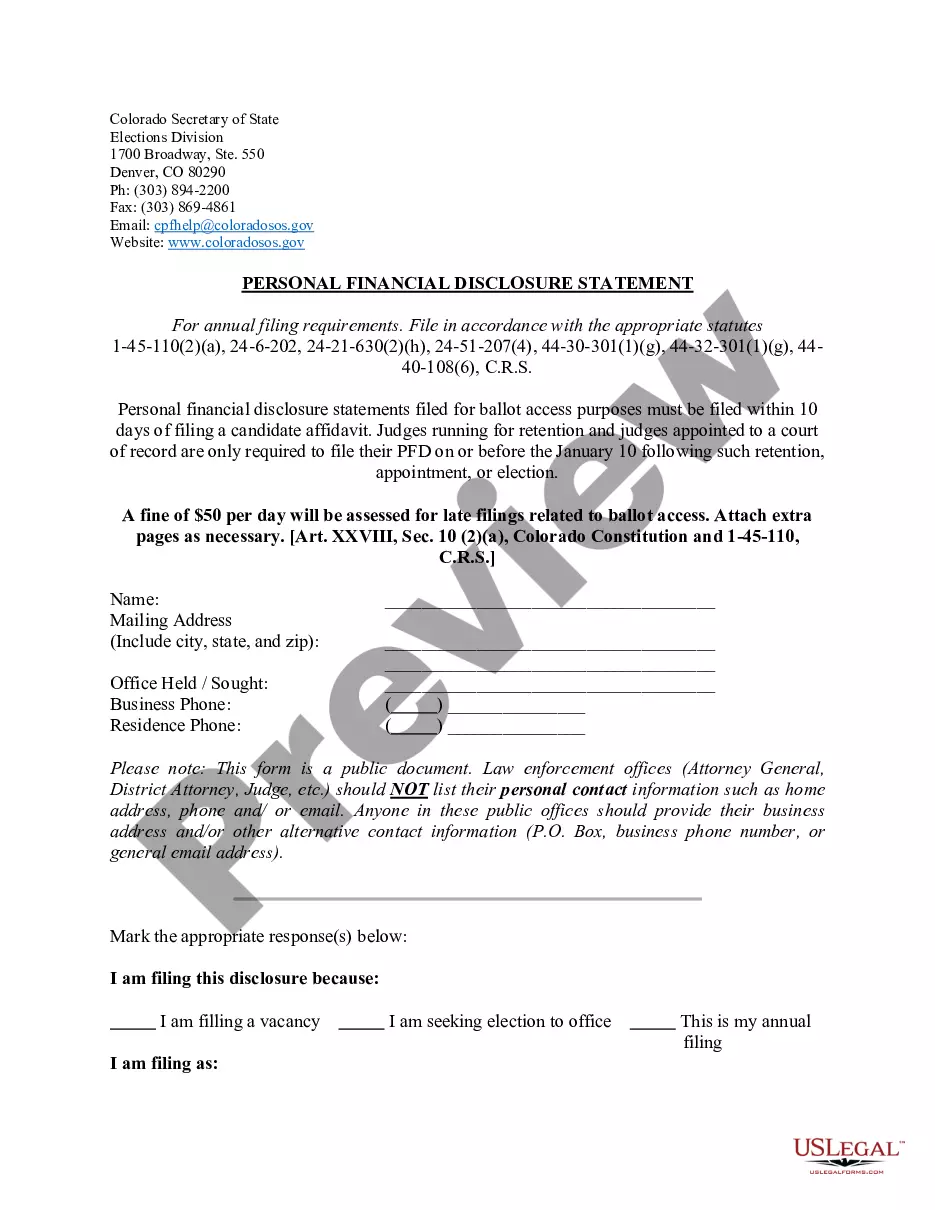
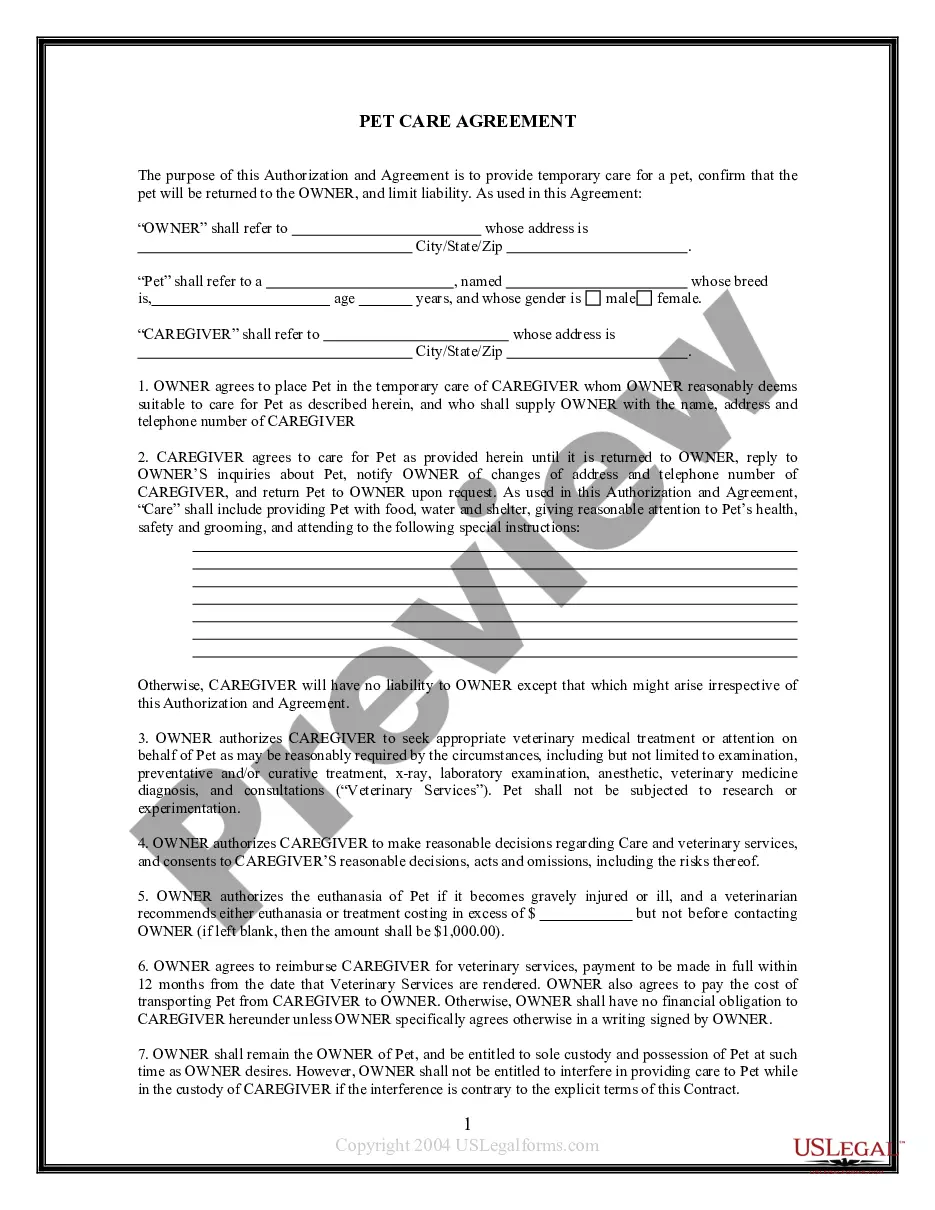
Review the template using the Preview feature or through the text description to verify it meets your requirements.
- They are easy to navigate with all documents organized by state and intended use.
- Our specialists stay informed about legislative changes, ensuring that your form is current and compliant when obtaining an Oregon Estate Form or W-4 from our site.
- Acquiring an Oregon Estate Form or W-4 is quick and straightforward for both existing and new users.
- If you already possess an account with an active subscription, sign in and download the document format you require in your desired style.
- If you're new to our site, follow the steps below.
Form popularity
FAQ
Filling out the Oregon form or W-4 involves entering your personal information, including your filing status and allowances. Carefully follow each section, ensuring accuracy to reflect your tax situation. If you're uncertain, platforms like uslegalforms can simplify the process and provide guidance tailored to your needs.
In Oregon, you must file an estate tax return if the gross estate exceeds a certain threshold, which is currently set at $1 million. This includes all assets, such as property, bank accounts, and investments. If your estate's value is below this limit, you generally do not need to file a return. It is advisable to consult a tax professional to ensure compliance with Oregon estate laws.
Nevada law recognizes three general types of deeds for transferring real estate: a general warranty deed form; a grant, bargain, and sale deed form; and a quitclaim deed form. These three forms vary ing to the guaranty the current owner provides?if any?regarding the quality of the property's title.
As with any conveyance of real estate, a gift deed requires a complete legal description of the parcel. Recite the source of title to establish a clear chain of title, and detail any restrictions associated with the property. A Declaration of Value form must accompany all real property documents.
Typically, you would need to record a new conveyance document in the Washoe County Recorder's Office to change how title is held on your property. You can obtain document forms from your title company, local office supply stores, or an attorney.
"Quitclaim deed" means a deed of conveyance operating by way of release, that is, intended to pass any title, interest or claim which the grantor may have in the premises, but not professing that the title is valid nor containing any warranty or covenants for title.
A special warranty deed is a deed to real estate where the seller of the property?known as the grantor?warrants only against anything that occurred during their physical ownership. In other words, the grantor doesn't guarantee against any defects in clear title that existed before they took possession of the property.
Nevada requires: A Declaration of Value form with each document that will transfer property. You are required to pay Real Property Transfer Tax (RPTT) or provide a reason for an exemption. You must fill out all the lines on the Declaration of Value form even if it is an exempt transfer.
Nevada deeds must satisfy certain criteria established by the state legislature to be recorded. State statutes govern the formatting, content, and execution of deeds necessary for a valid conveyance. A county recorder may also have rules and guidelines for deeds in a particular county.
Upon the transfer of any real property in the State of Nevada, a special tax called the Real Property Transfer Tax is imposed. The County Recorder in the county where the property is located is the agency responsible for the imposition and collection of the tax at the time the transfer is recorded.