60 Days Away
Description
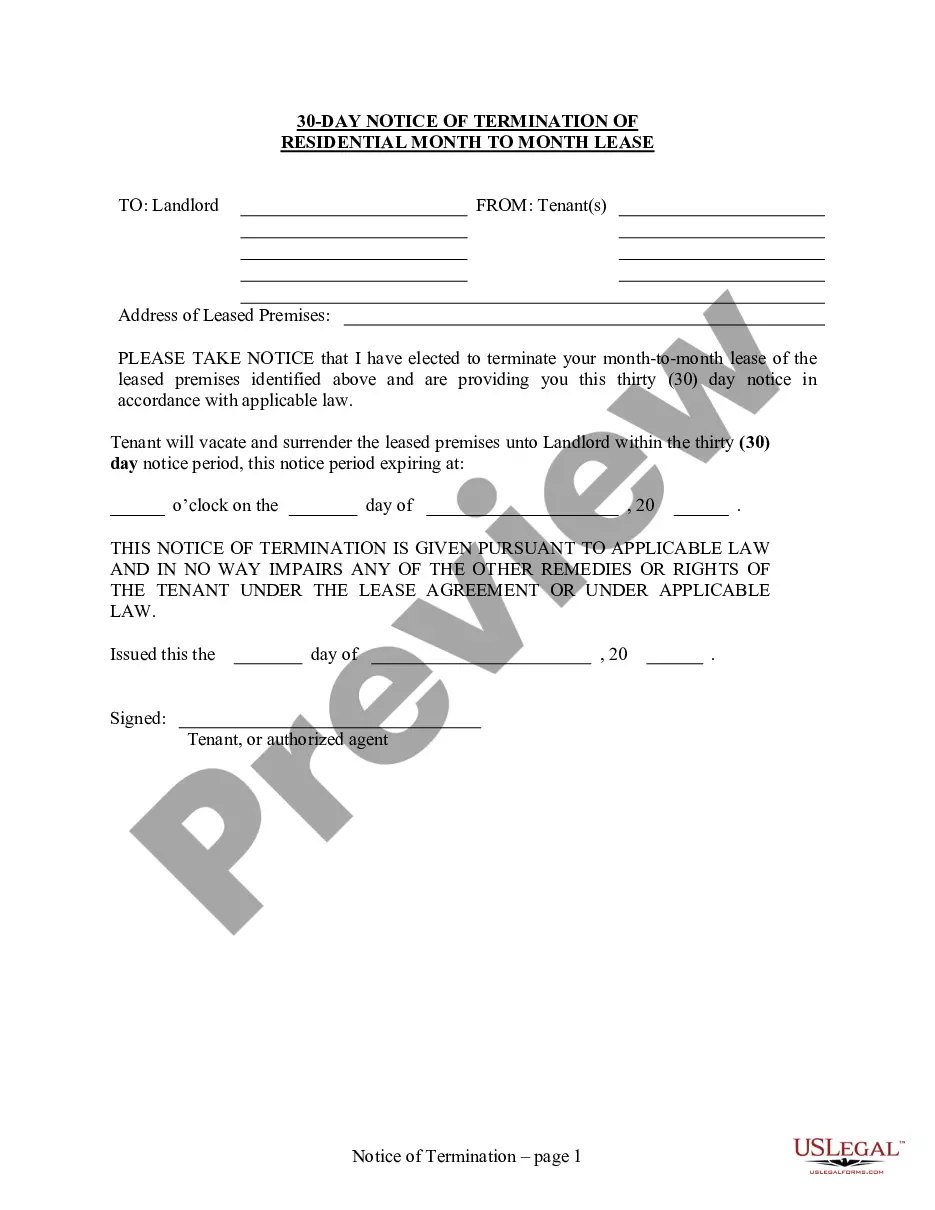
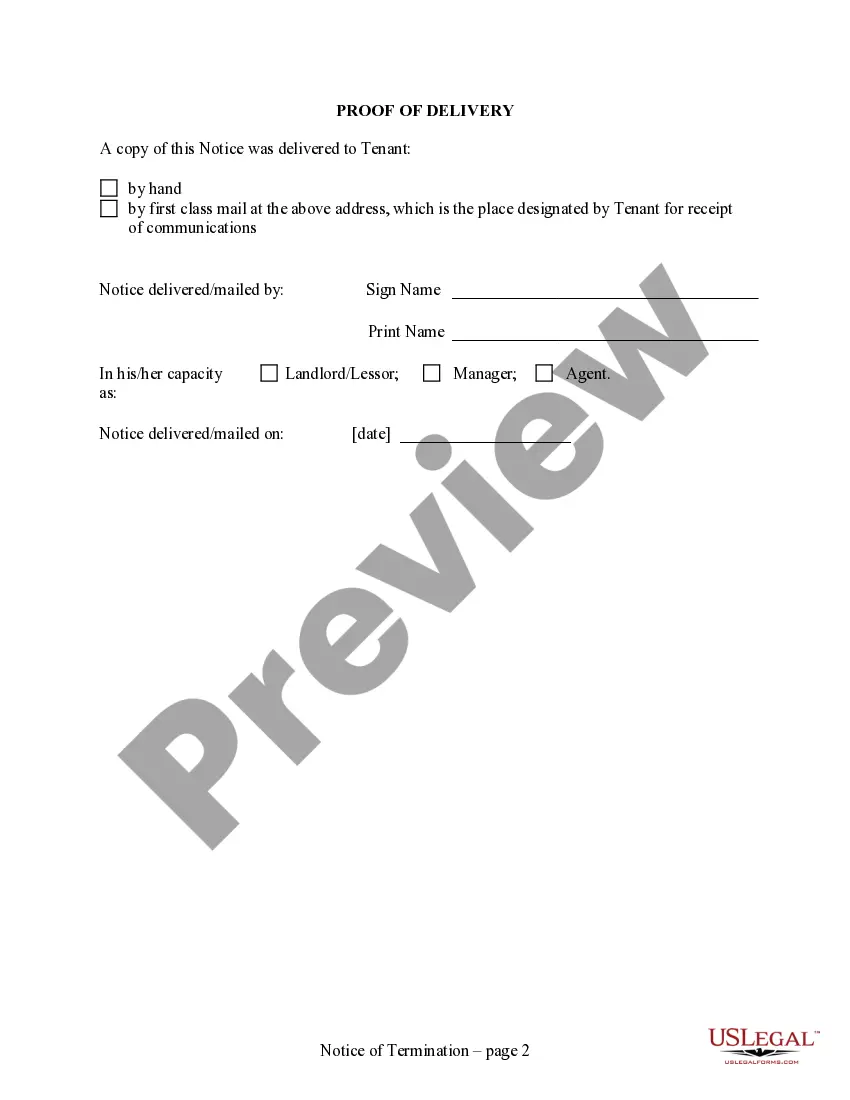
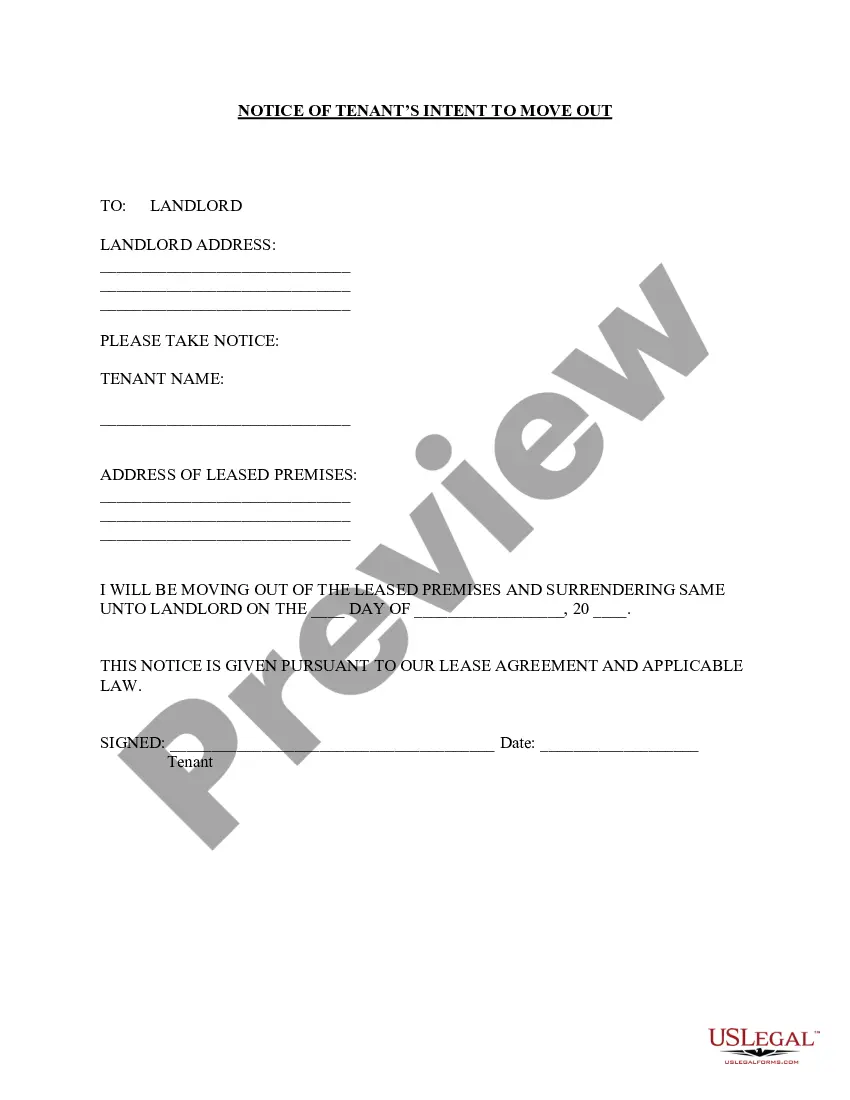
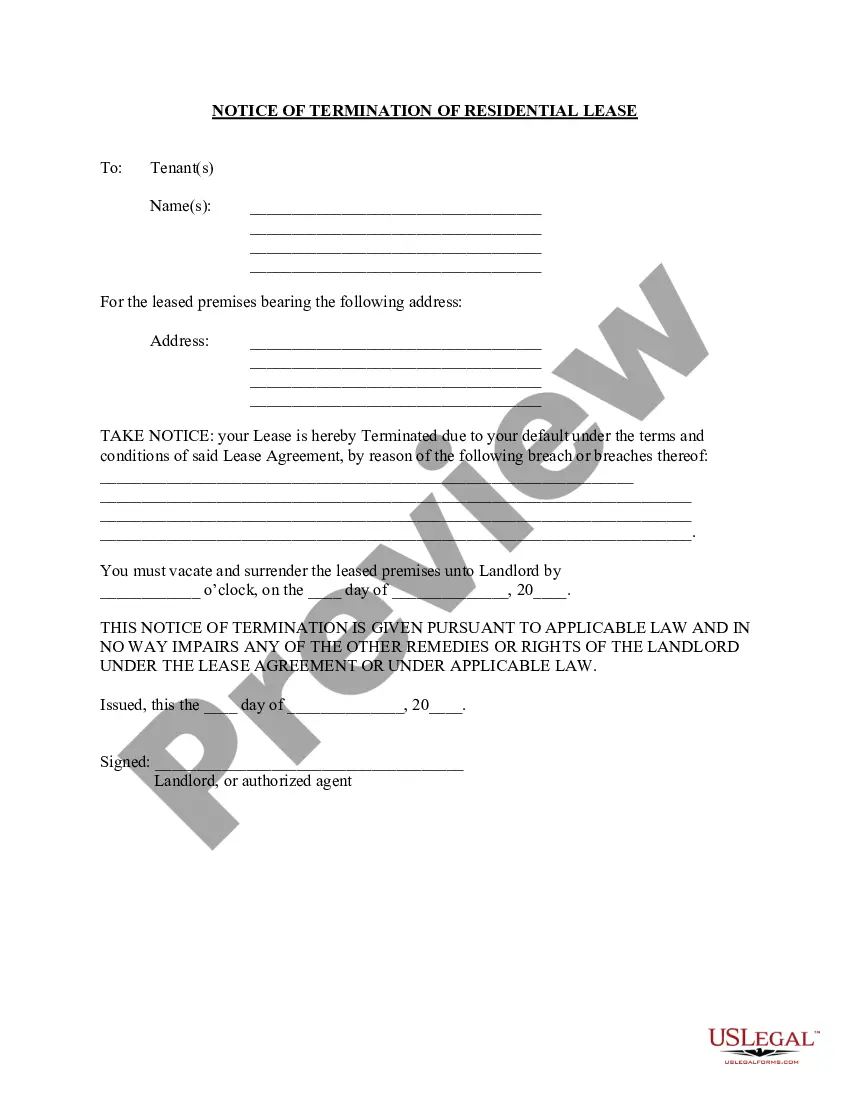
Get your form ready online
Our built-in tools help you complete, sign, share, and store your documents in one place.
Make edits, fill in missing information, and update formatting in US Legal Forms—just like you would in MS Word.
Download a copy, print it, send it by email, or mail it via USPS—whatever works best for your next step.
Sign and collect signatures with our SignNow integration. Send to multiple recipients, set reminders, and more. Go Premium to unlock E-Sign.
If this form requires notarization, complete it online through a secure video call—no need to meet a notary in person or wait for an appointment.
We protect your documents and personal data by following strict security and privacy standards.

Make edits, fill in missing information, and update formatting in US Legal Forms—just like you would in MS Word.

Download a copy, print it, send it by email, or mail it via USPS—whatever works best for your next step.

Sign and collect signatures with our SignNow integration. Send to multiple recipients, set reminders, and more. Go Premium to unlock E-Sign.

If this form requires notarization, complete it online through a secure video call—no need to meet a notary in person or wait for an appointment.

We protect your documents and personal data by following strict security and privacy standards.
Looking for another form?







How to fill out Oregon 30 Day Or 60 Day Notice To Terminate Month To Month Lease For Residential From Tenant To Landlord?
- Log in to your US Legal Forms account to access your previously used documents. Ensure your subscription is active; if not, renew as per your payment plan.
- In case this is your first time, start by reviewing the form descriptions and Preview mode to confirm that your selection meets your needs and adheres to local jurisdiction rules.
- If the form isn't the right one, utilize the Search tab to find a more suitable document.
- Once you've selected the correct template, click on the Buy Now button and choose your subscription plan. Remember to create an account for full access.
- Complete the purchase with your credit card details or use PayPal, then download your form and save it for easy access later through the My Forms section.
In conclusion, utilizing US Legal Forms is a straightforward and worthwhile investment for anyone needing legal documentation. With an extensive library and expert assistance available, you can achieve document completion with confidence.
To get started, choose your plan and unlock the potential of your legal needs today!
Form popularity
FAQ
If you feel that providing a 60-day notice to vacate is too long, consider discussing your situation with your landlord for potential exceptions. Negotiating can sometimes lead to a mutually agreed shorter notice period. Understanding your rights and options with the help of platforms like US Legal Forms can empower your approach, ensuring you are legally informed and prepared.
Writing a 60-day notice involves clearly stating your intent to vacate, the address of the property, and the date your notice takes effect. Include your contact information and any specific details required by your lease agreement. A well-written notice helps ensure a smooth transition as you prepare for moving day, keeping you 60 days away from potential rental challenges.
To calculate simple interest over 60 days, first determine the principal amount, the interest rate, and the time, which in this case is 60 days. Use the formula: Interest = Principal x Rate x Time. Remember to convert 60 days into a fraction of a year, usually 60/365, to complete your calculation accurately.
Calculating a 60 days notice follows the same steps as the previous question. Identify the date your notice takes effect, then count 60 days back, ensuring each day is counted fully. Clarity in this calculation will help you stay organized as you manage your moving plans.
To calculate the notice period, first identify the ending date of your lease or rental agreement. Then, count the required days backwards from that termination date, ensuring you include each day in the calculation. This process is crucial as you plan your move and gives you a clear timeline for your 60 days away.
The 60-day notice clause is a provision in a lease or rental agreement that requires tenants to provide 60 days notice before vacating the property. This clause protects both tenants and landlords by ensuring clear communication of intent to leave. Understanding this clause can help you avoid misunderstandings as you prepare for your transition.
To calculate 60 days notice, start by identifying the day you would like the notice to take effect. Count 60 days backward from that date to determine the last day you need to give notice. Make sure to consider both the start and end dates, as this will ensure full compliance with the 60 days away requirement.
Sixty working days generally equate to about 2 to 3 months, depending on how many weekdays fall within that period. This does not count weekends and holidays, making the calculation slightly more complex. When managing schedules or projects, being aware of how long 60 days away will take can help you stay organized. You might find legal forms services helpful for timelines involving 60 days to manage documentation efficiently.
In most cases, yes, 60 days typically equals 2 months. This is especially true for months with 30 or 31 days. However, if February is included in your timeframe, it could result in fewer days. To navigate these timeframes effortlessly, consider using tools that remind you when you are 60 days away from important dates.
Not always; while 60 days is often associated with 2 months, the actual day count can change based on the specific months. For instance, if February is involved, you might end up with 59 days instead. To gain clarity in your planning, always verify the dates to ensure your calculations align with being 60 days away.