Oregon Marriage And Divorce Laws

Description
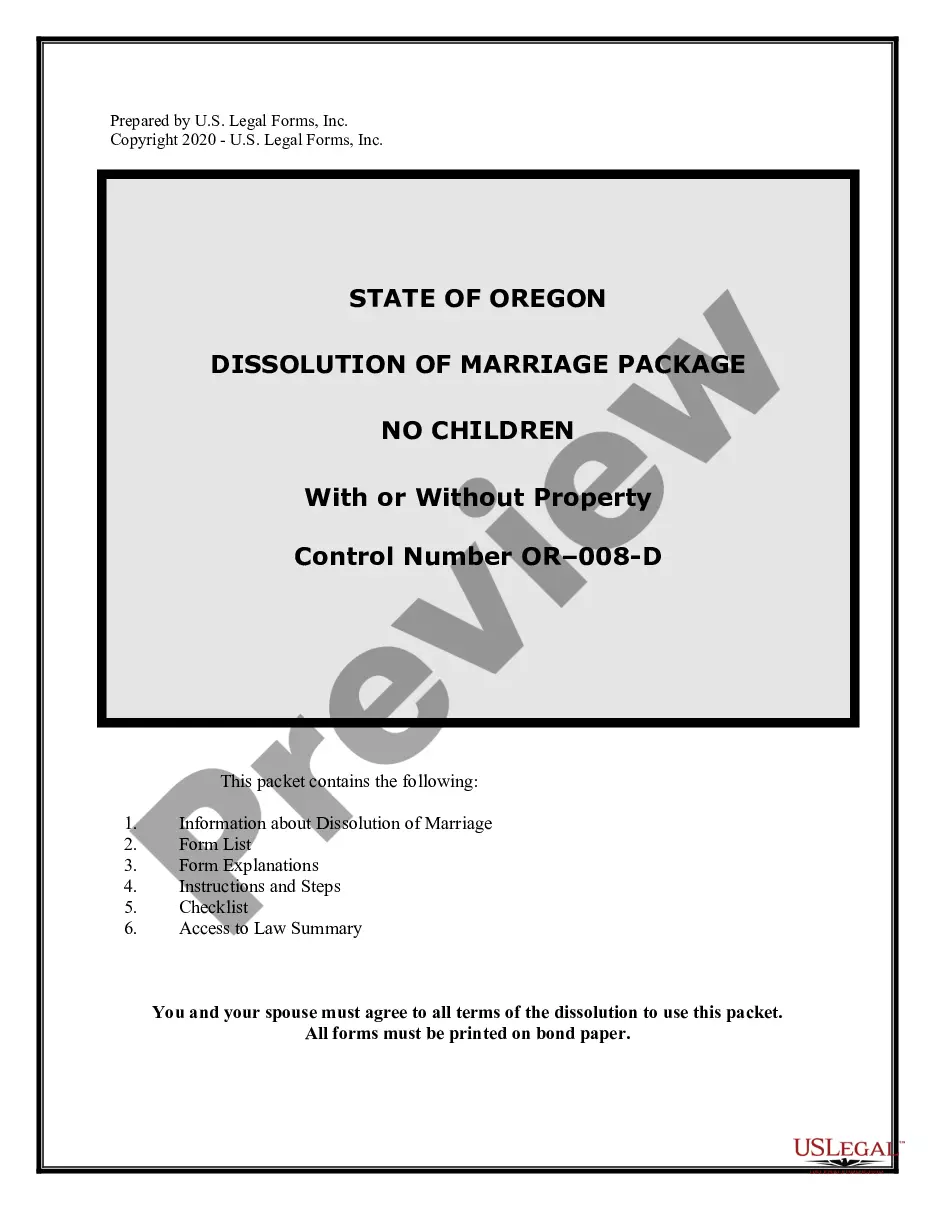
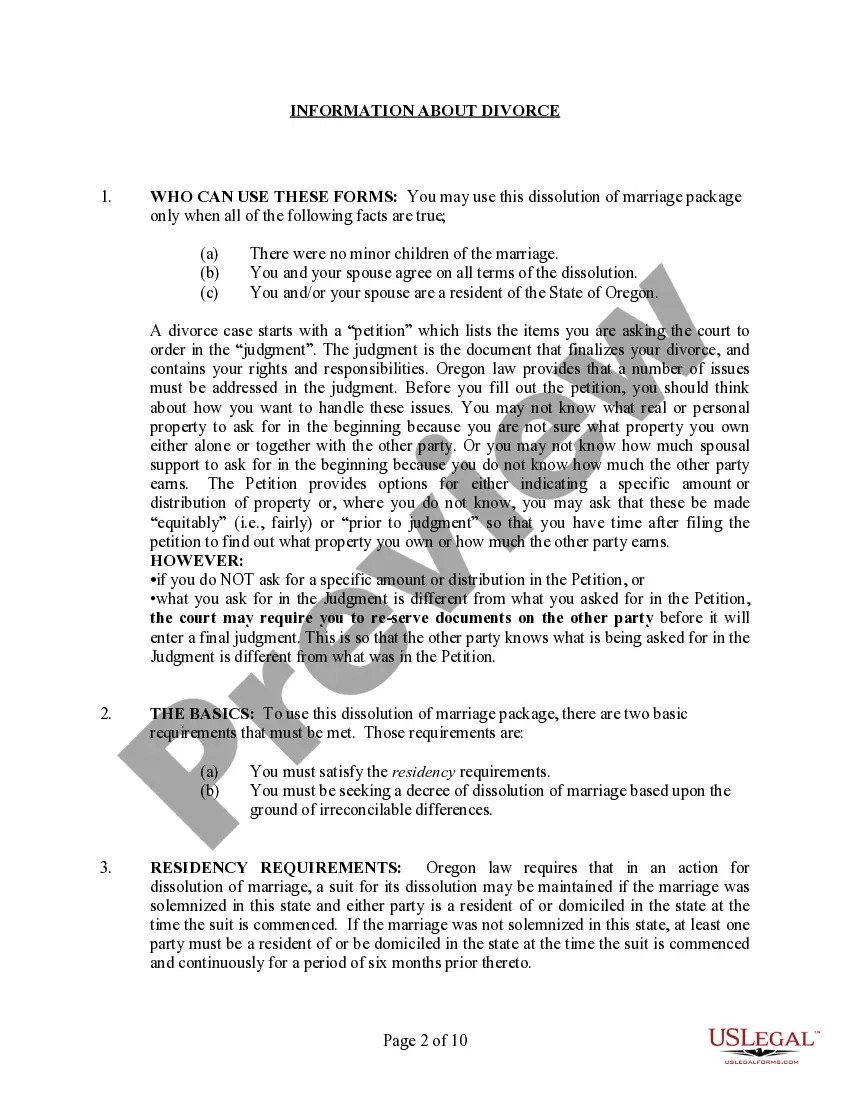
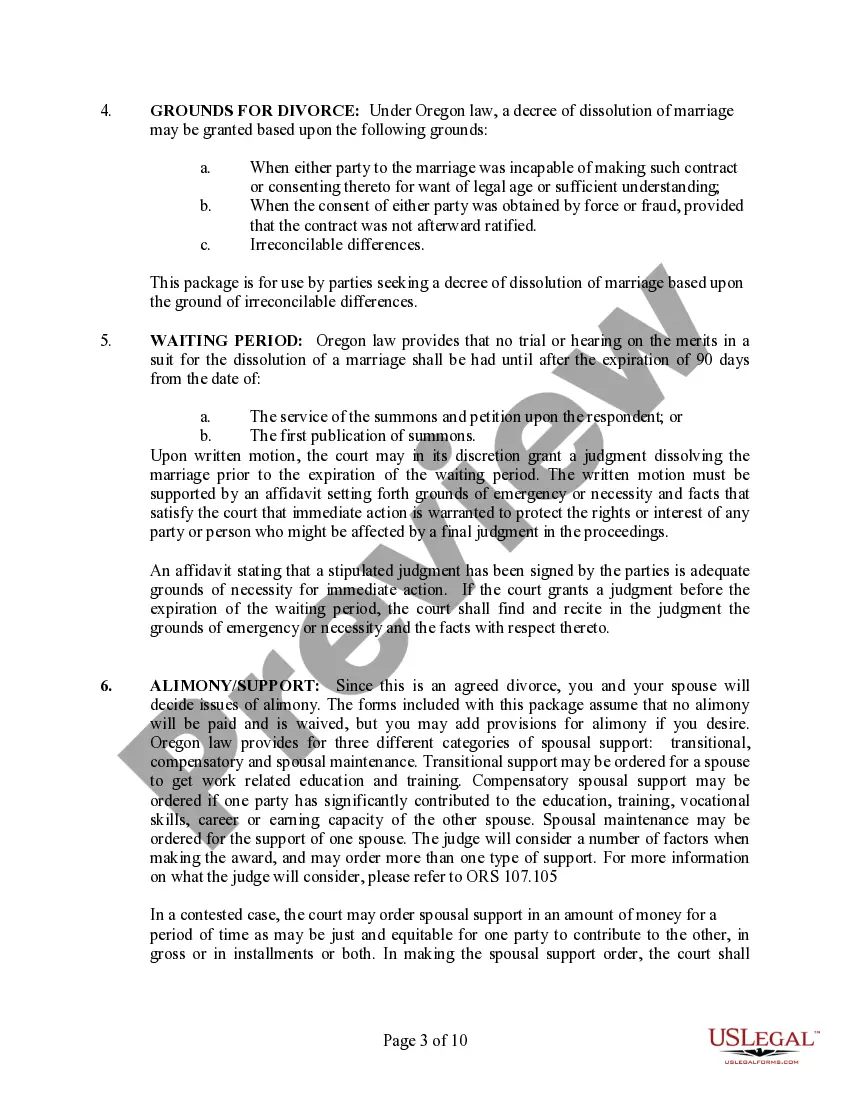
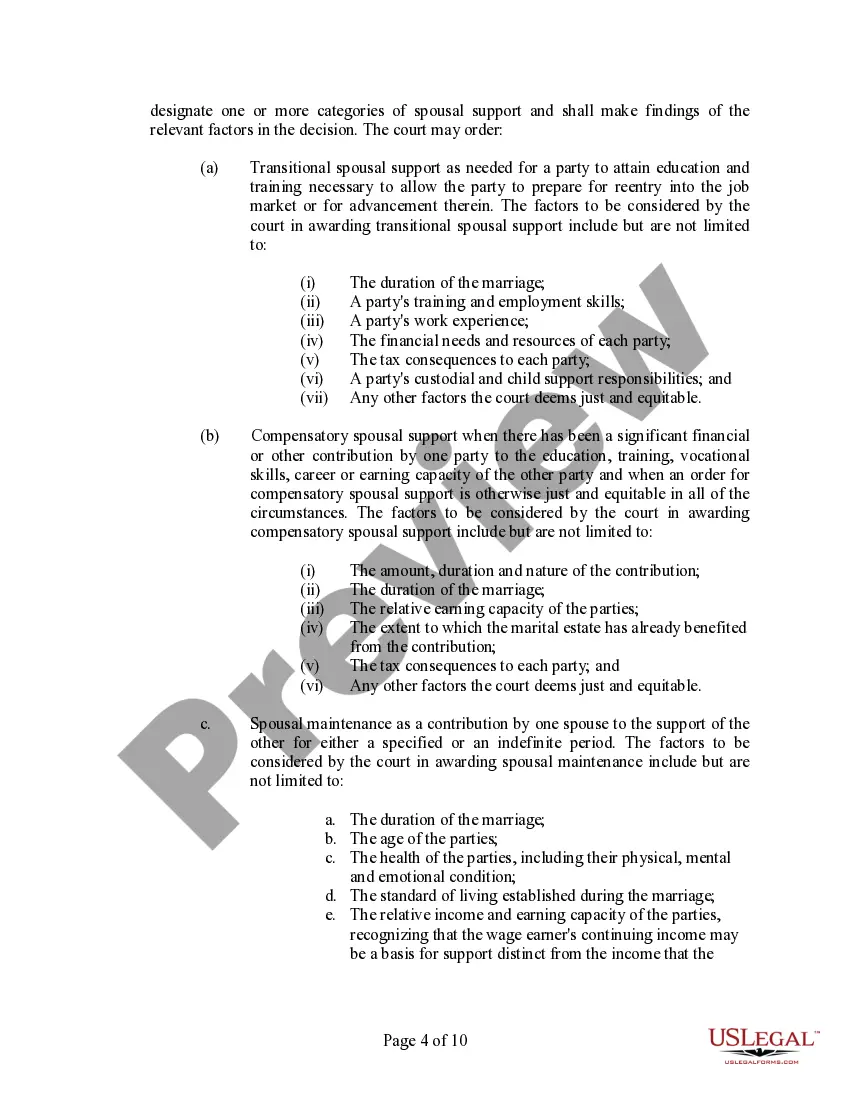



Get your form ready online
Our built-in tools help you complete, sign, share, and store your documents in one place.
Make edits, fill in missing information, and update formatting in US Legal Forms—just like you would in MS Word.
Download a copy, print it, send it by email, or mail it via USPS—whatever works best for your next step.
Sign and collect signatures with our SignNow integration. Send to multiple recipients, set reminders, and more. Go Premium to unlock E-Sign.
If this form requires notarization, complete it online through a secure video call—no need to meet a notary in person or wait for an appointment.
We protect your documents and personal data by following strict security and privacy standards.

Make edits, fill in missing information, and update formatting in US Legal Forms—just like you would in MS Word.

Download a copy, print it, send it by email, or mail it via USPS—whatever works best for your next step.

Sign and collect signatures with our SignNow integration. Send to multiple recipients, set reminders, and more. Go Premium to unlock E-Sign.

If this form requires notarization, complete it online through a secure video call—no need to meet a notary in person or wait for an appointment.

We protect your documents and personal data by following strict security and privacy standards.
Looking for another form?
Form popularity
FAQ
The timeframe for getting divorced in Oregon can vary significantly, depending on whether the divorce is contested or uncontested. An uncontested divorce can take as little as a few months, while a contested divorce may take longer. By utilizing platforms like USLegalForms, you can streamline the paperwork process and better understand the timeline associated with Oregon marriage and divorce laws.
In Oregon, a wife is entitled to a fair portion of marital assets acquired during the marriage. This includes property acquired, debts, and any spousal support deemed appropriate by the court. Familiarizing yourself with Oregon marriage and divorce laws ensures you understand your rights, and platforms like USLegalForms can help you document your claims.
The party who tends to lose the most in a divorce often varies based on individual circumstances, such as financial stability and emotional investment. Typically, individuals may experience emotional distress and financial hardships. Understanding Oregon marriage and divorce laws can help mitigate losses, as proper planning and information can lead to a more balanced outcome.
Yes, you can get divorced in Oregon without going to court if both spouses agree on the terms of the divorce. This process is often referred to as an uncontested divorce. You can complete the necessary paperwork and submit it to the court through resources like USLegalForms, which simplifies the filing process under Oregon marriage and divorce laws.
To file for divorce in Oregon, at least one spouse must be a resident of the state for six months prior to filing. This requirement is part of the Oregon marriage and divorce laws designed to establish jurisdiction for the court. If you or your spouse has not lived in Oregon for this duration, you may need to consider where to file. Make sure to check residency requirements to avoid complications in your divorce process.
The duration for finalizing a divorce in Oregon can vary based on several factors. Generally, if both spouses agree on the divorce terms, it may take about 90 days from filing until the court's final approval under Oregon marriage and divorce laws. However, disputes on terms can extend this process significantly, sometimes taking several months or even years. Staying informed and potentially seeking mediation can help expedite the process.
In Oregon, property division does not automatically mean everything is split 50/50. Instead, Oregon marriage and divorce laws require an equitable distribution of assets, which means that the division should be fair but not necessarily equal. Factors such as the duration of the marriage, contributions of each spouse, and economic circumstances can influence the final decision. Thus, it's essential to understand these nuances when navigating divorce proceedings.
In Oregon, a spouse does not automatically receive half of the assets just for having committed infidelity. Oregon marriage and divorce laws emphasize equitable distribution, and while infidelity may be considered in some contexts, it usually does not alter the division of property significantly. Factors such as contributions to the marriage and financial circumstances have much greater relevance in the court's decisions.
In Oregon, several factors may disqualify an individual from receiving alimony under the Oregon marriage and divorce laws. For instance, if the requesting spouse has been found to have committed severe misconduct, or if it is determined that they have the ability to support themselves, a court may deny alimony. The specifics of each case can considerably influence these decisions, so it's wise to seek professional legal advice.
While many assume that Oregon marriage and divorce laws enforce a strict 50/50 split of assets, the reality is more nuanced. Oregon follows the principle of equitable distribution, which means that property is divided fairly, but not necessarily equally. The court considers various factors, such as the length of the marriage and the financial situation of each party, when making these decisions.