Sold To And Bill To Difference
Description
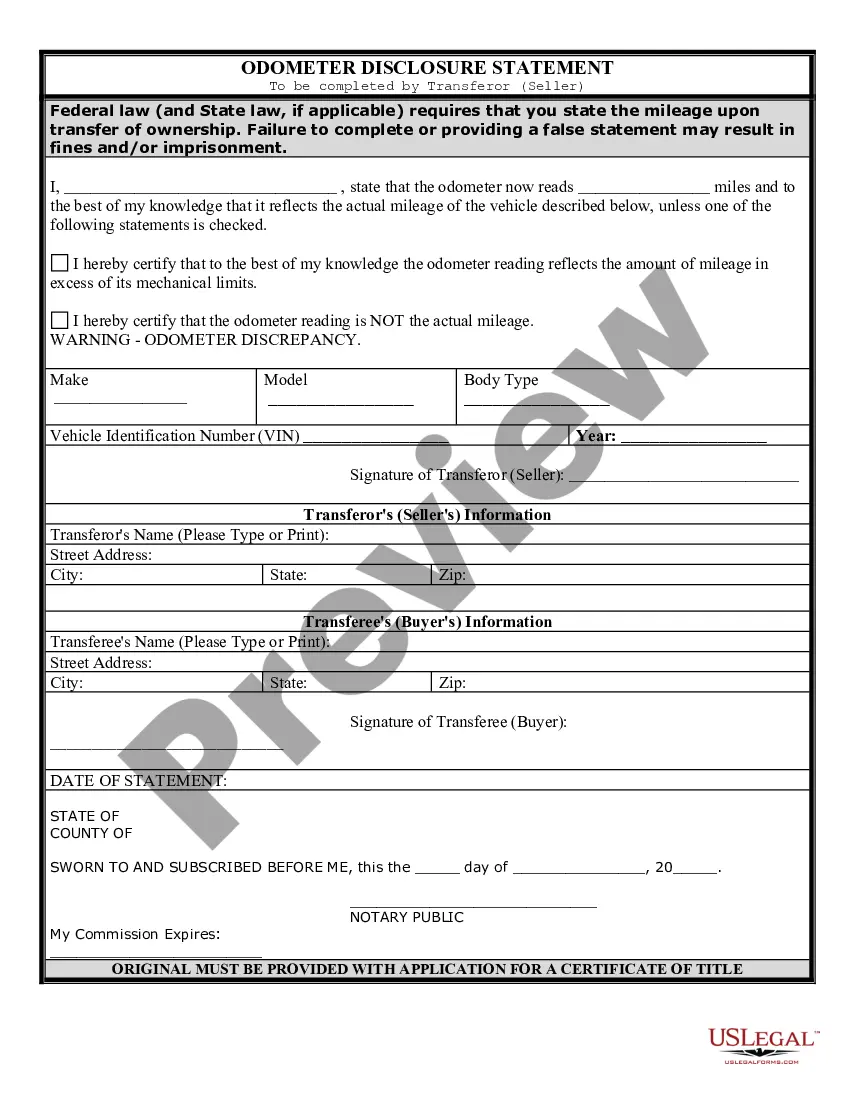
Get your form ready online
Our built-in tools help you complete, sign, share, and store your documents in one place.
Make edits, fill in missing information, and update formatting in US Legal Forms—just like you would in MS Word.
Download a copy, print it, send it by email, or mail it via USPS—whatever works best for your next step.
Sign and collect signatures with our SignNow integration. Send to multiple recipients, set reminders, and more. Go Premium to unlock E-Sign.
If this form requires notarization, complete it online through a secure video call—no need to meet a notary in person or wait for an appointment.
We protect your documents and personal data by following strict security and privacy standards.

Make edits, fill in missing information, and update formatting in US Legal Forms—just like you would in MS Word.

Download a copy, print it, send it by email, or mail it via USPS—whatever works best for your next step.

Sign and collect signatures with our SignNow integration. Send to multiple recipients, set reminders, and more. Go Premium to unlock E-Sign.

If this form requires notarization, complete it online through a secure video call—no need to meet a notary in person or wait for an appointment.

We protect your documents and personal data by following strict security and privacy standards.
Looking for another form?
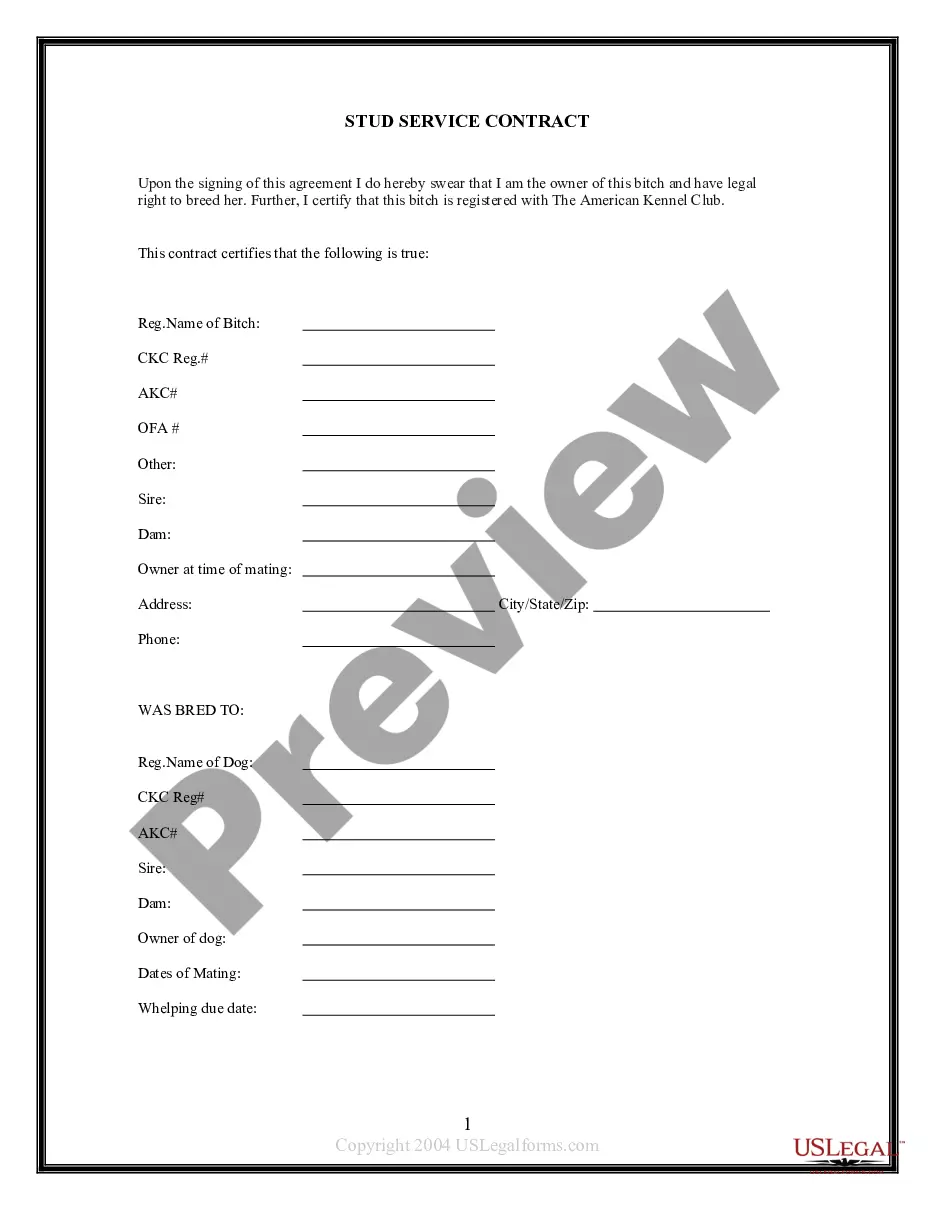


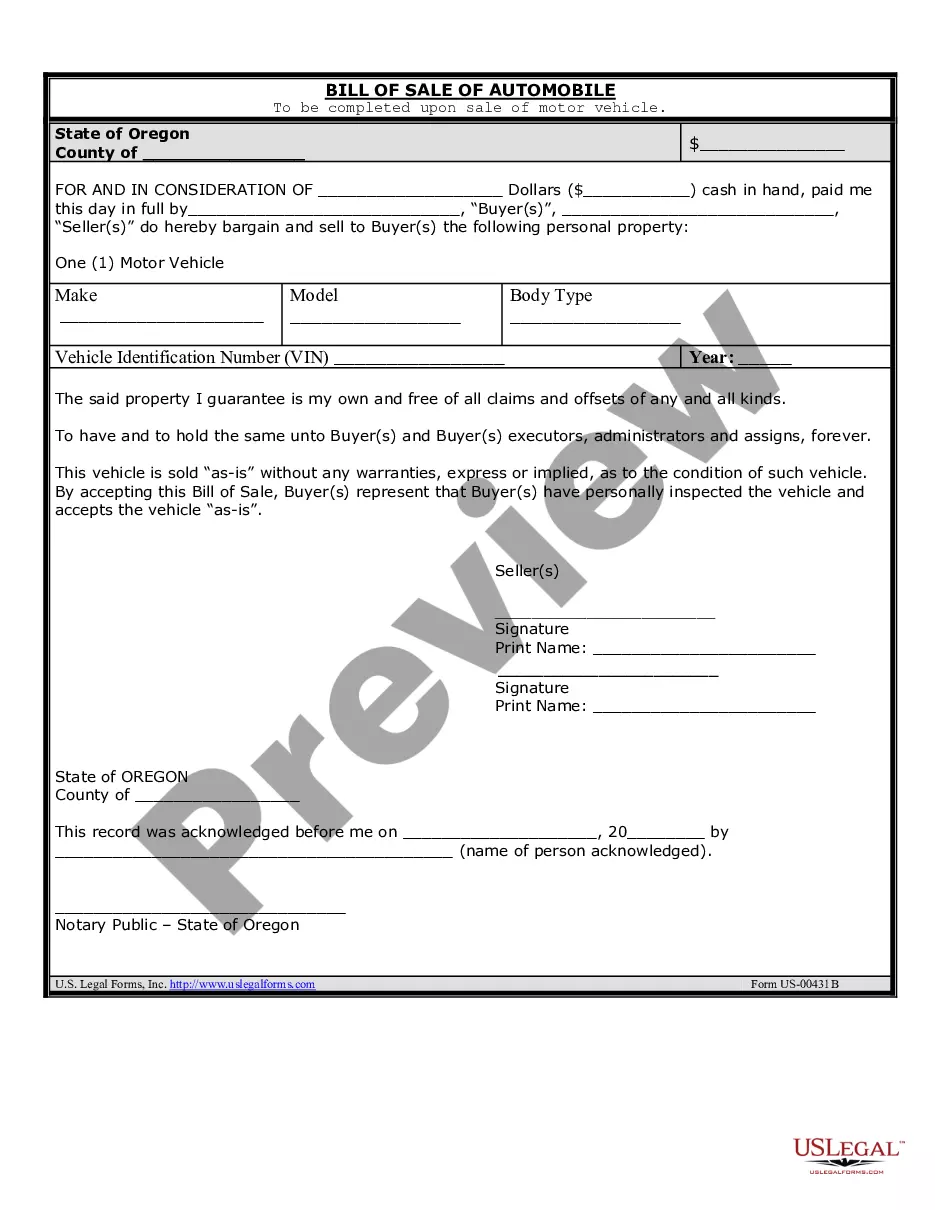
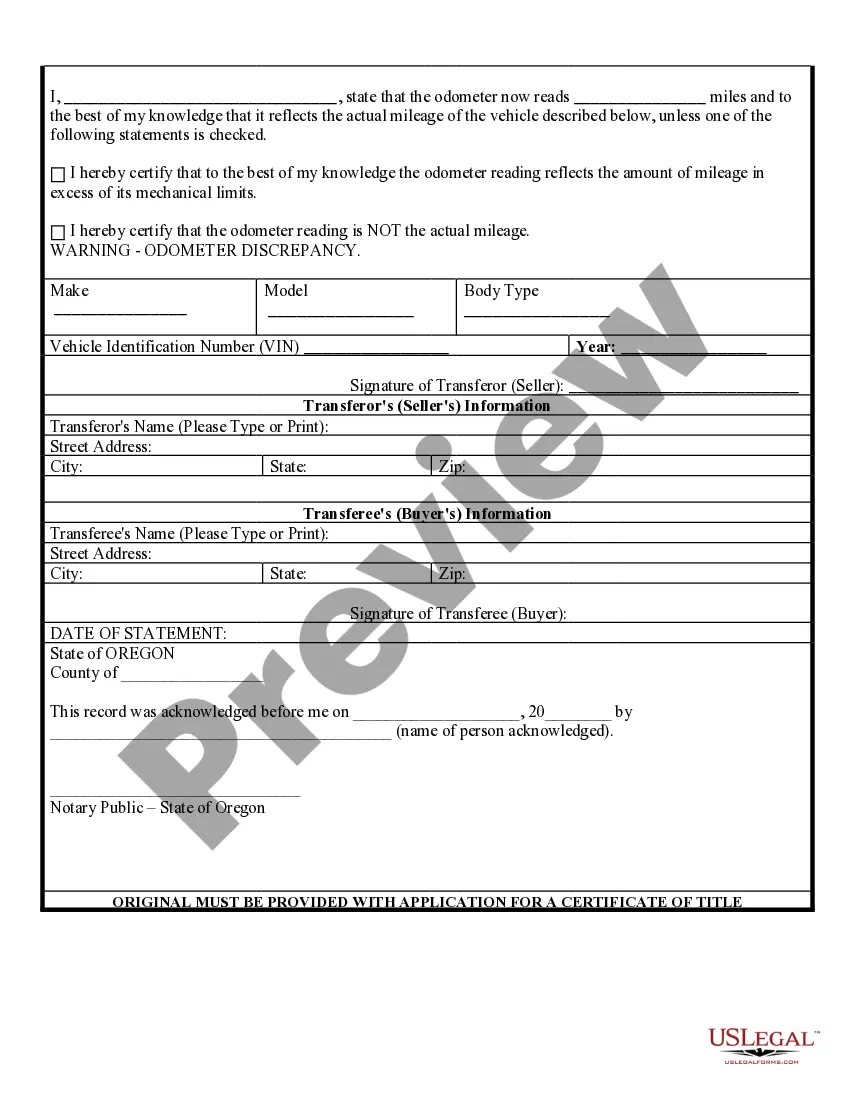
How to fill out Oregon Bill Of Sale Of Automobile And Odometer Statement For As-Is Sale?
The distinction between Sold To and Bill To that you observe on this page is a versatile formal template created by experienced attorneys in accordance with federal and state regulations.
For over 25 years, US Legal Forms has supplied individuals, businesses, and legal professionals with more than 85,000 validated, state-specific documents for any commercial and personal event. It’s the quickest, easiest, and most dependable method to acquire the documents you require, as the service ensures the utmost level of data security and anti-malware safeguards.
Pick the format you desire for your Sold To And Bill To Difference (PDF, DOCX, RTF) and download the example onto your device.
- Examine the document you require and assess it.
- Scan through the example you searched for and view it or check the form description to ensure it meets your needs. If it falls short, use the search bar to find the appropriate one. Click Buy Now when you have identified the template you need.
- Select and Log Into your account.
- Choose the pricing plan that best fits you and create an account. Use PayPal or a credit card to make an immediate payment. If you already possess an account, Log In and verify your subscription to proceed.
- Obtain the editable template.
Form popularity
FAQ
Bill-to Party: The bill-to is the party to whom the bill is sent. Again, the bill-to can differ from the sold-to and ship-to. For example, it might be the accounts payable department at the customer's company. Payer: The fourth mandatory partner is the payer.
When using the sold to party and bill to party concept, the accounting entries posted along with branch account. i.e bill to party is the main Customer and sold to party is the Branch. While checking the customer balance, we can change the layout to get the branch account detail.
The key difference between a billing address and a shipping address is this: The shipping address calculates shipping costs and delivers the product to customers. The billing address verifies that the customer is an authorized user of the purchasing credit card.
Customer Type Relationships (Sold-to) customer places and pays for order, but directs shipment to another (Temporary Ship-to) person. (Sold-to) customer orders for one or more (Permanent Ship-to) locations, and directs bill to a separate (Bill-to) accounting function.
Sold-to Party ? The account/address with whom the sales agreement is negotiated (i.e. who signed the paper) Bill-to Party ? The account/address to which the invoice will be sent. Ship-to Party ? The account/address to which the goods are sent or services are rendered.