Transfer Death Estate For A Child
Description
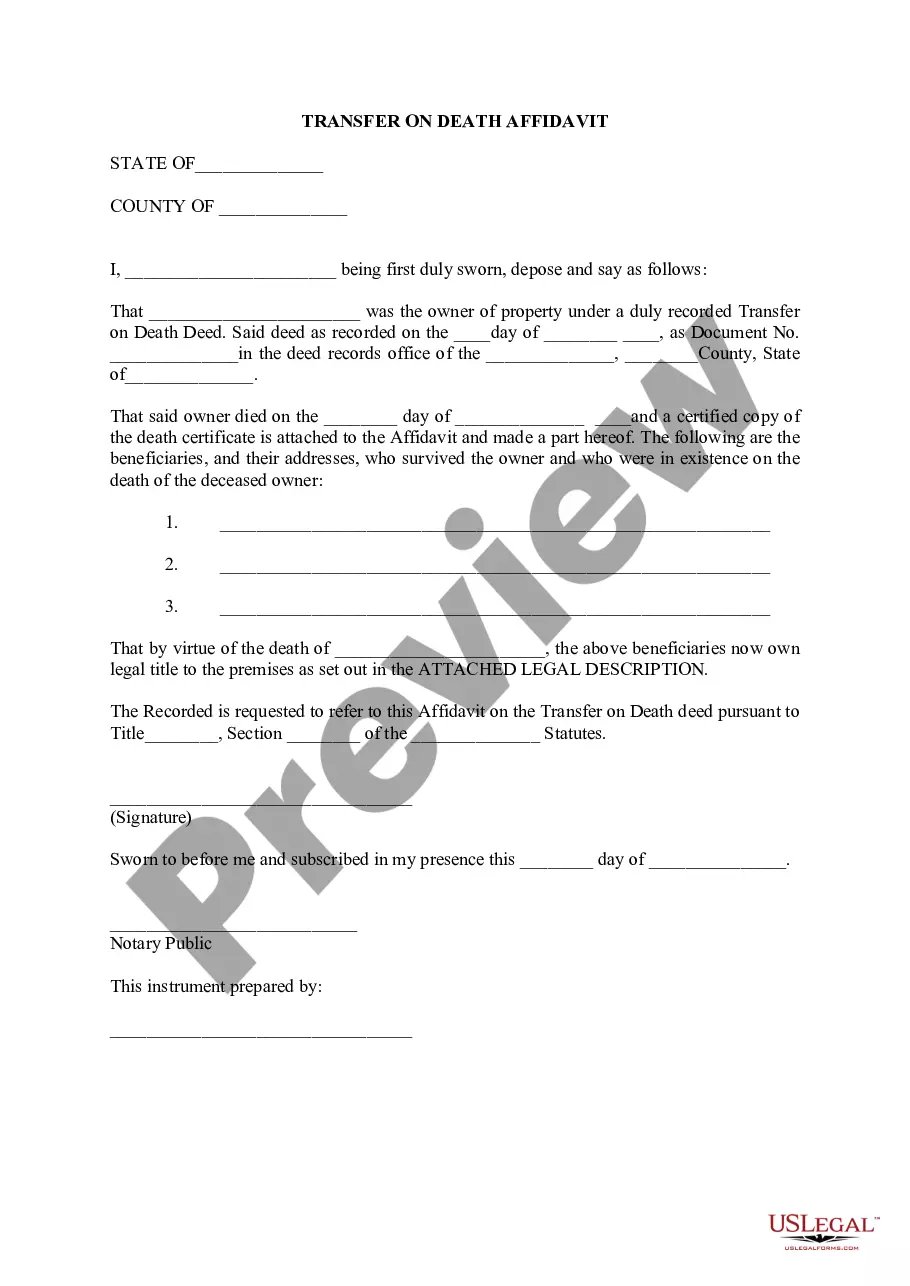
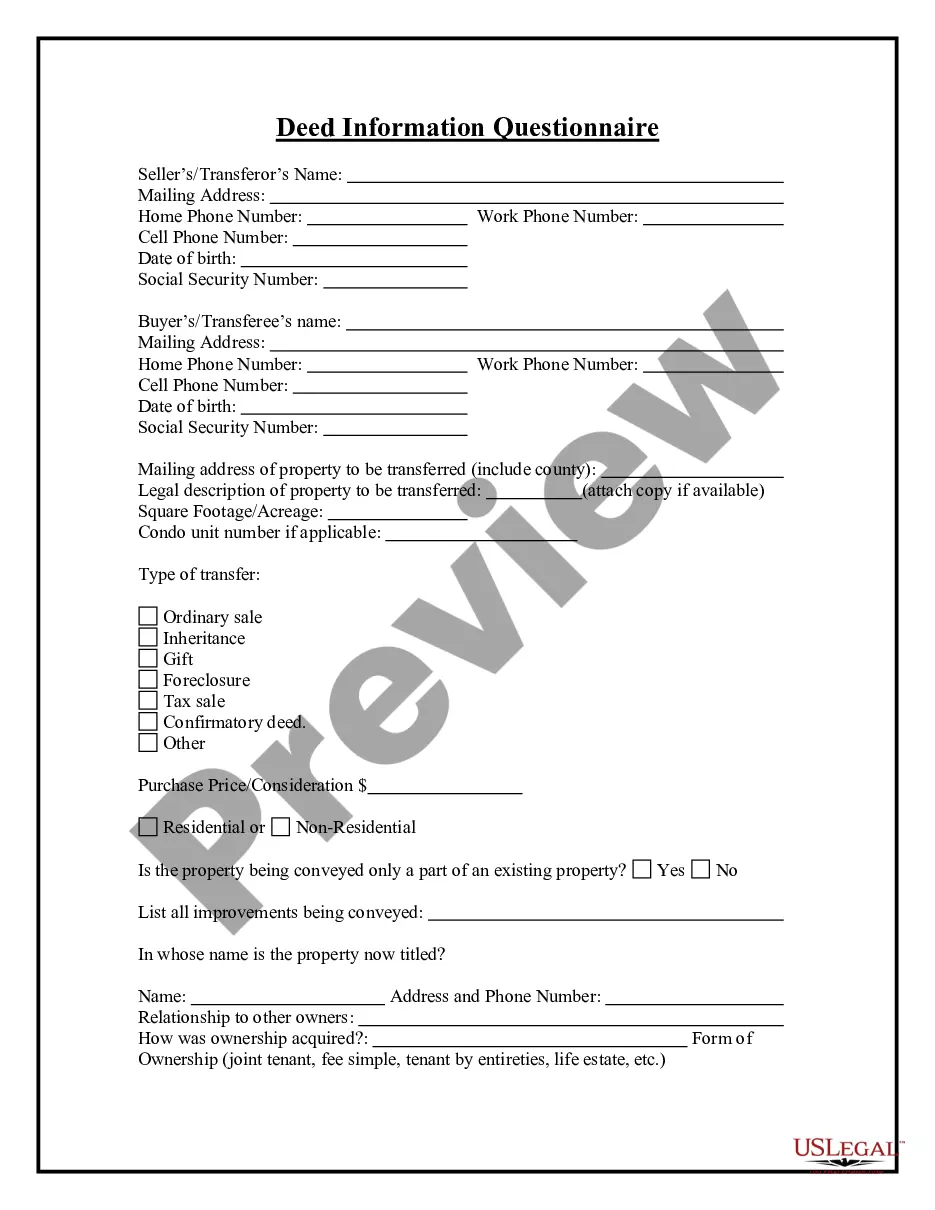
Get your form ready online
Our built-in tools help you complete, sign, share, and store your documents in one place.
Make edits, fill in missing information, and update formatting in US Legal Forms—just like you would in MS Word.
Download a copy, print it, send it by email, or mail it via USPS—whatever works best for your next step.
Sign and collect signatures with our SignNow integration. Send to multiple recipients, set reminders, and more. Go Premium to unlock E-Sign.
If this form requires notarization, complete it online through a secure video call—no need to meet a notary in person or wait for an appointment.
We protect your documents and personal data by following strict security and privacy standards.

Make edits, fill in missing information, and update formatting in US Legal Forms—just like you would in MS Word.

Download a copy, print it, send it by email, or mail it via USPS—whatever works best for your next step.

Sign and collect signatures with our SignNow integration. Send to multiple recipients, set reminders, and more. Go Premium to unlock E-Sign.

If this form requires notarization, complete it online through a secure video call—no need to meet a notary in person or wait for an appointment.

We protect your documents and personal data by following strict security and privacy standards.
Looking for another form?







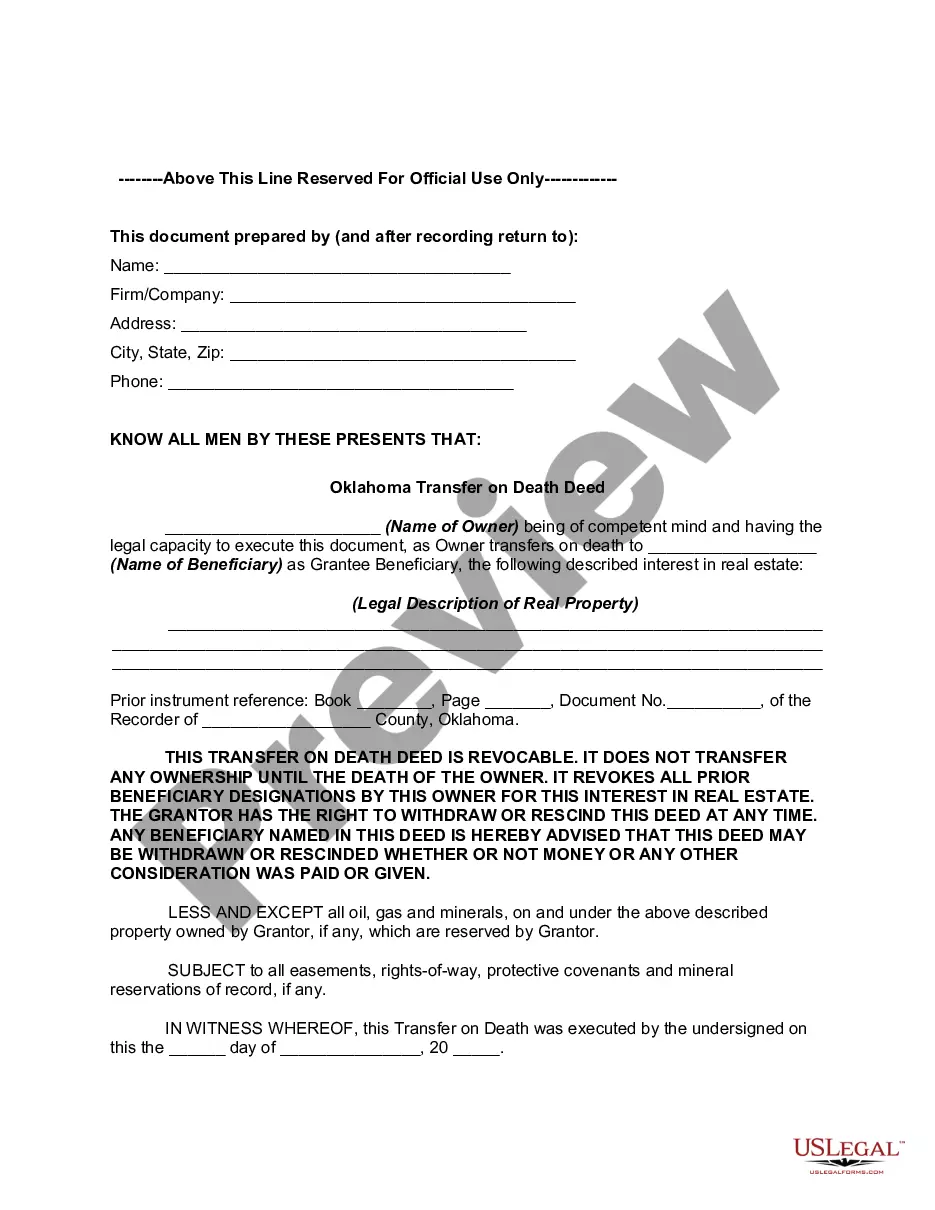
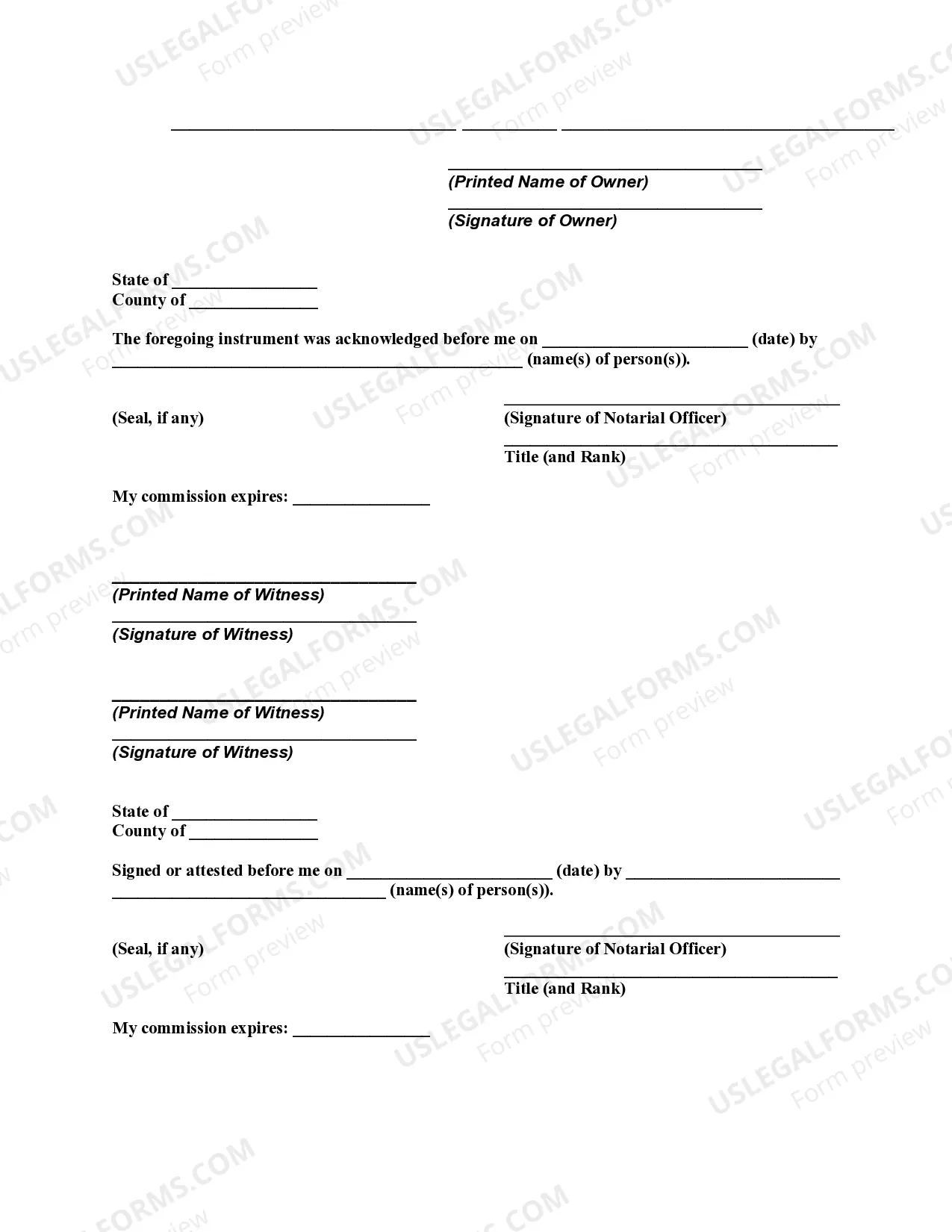
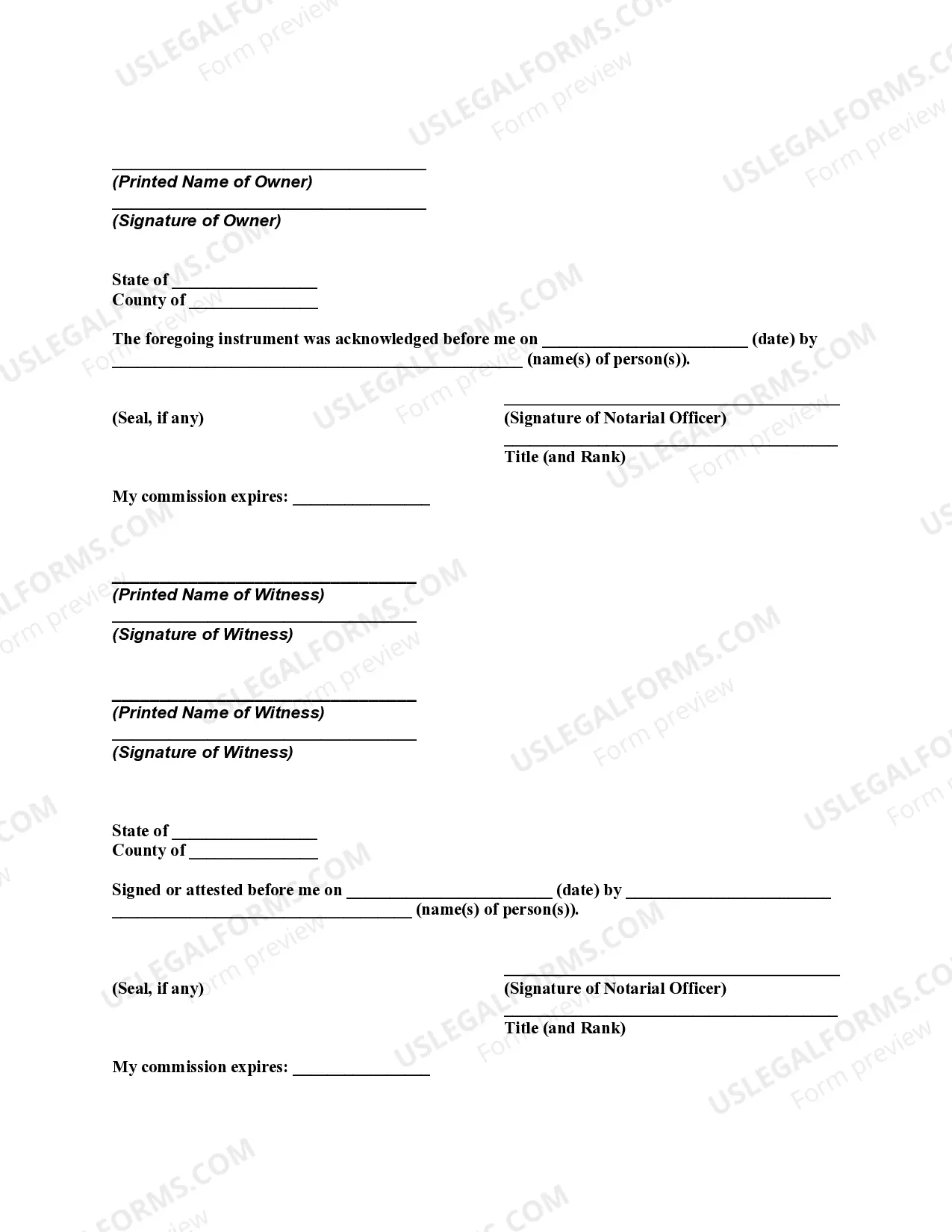
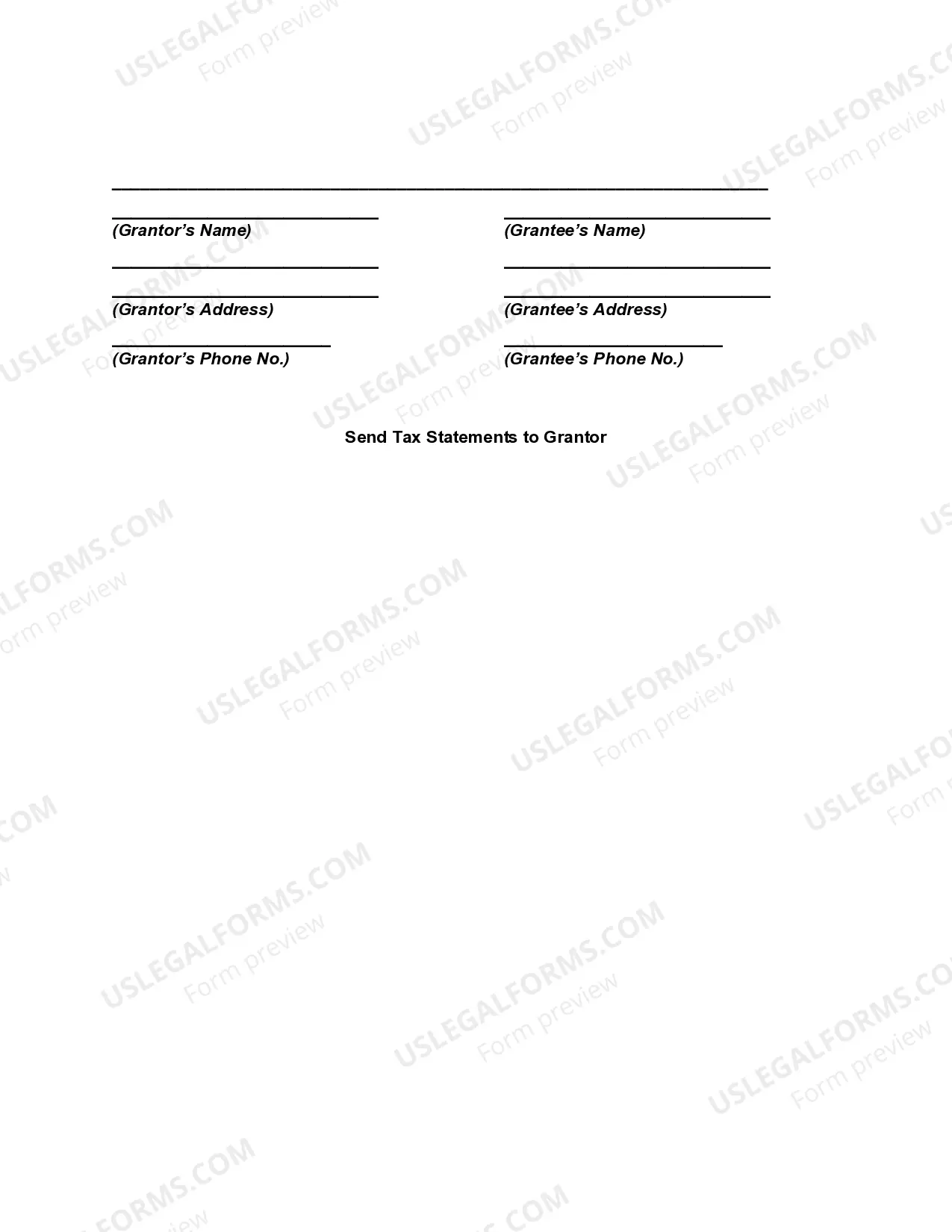
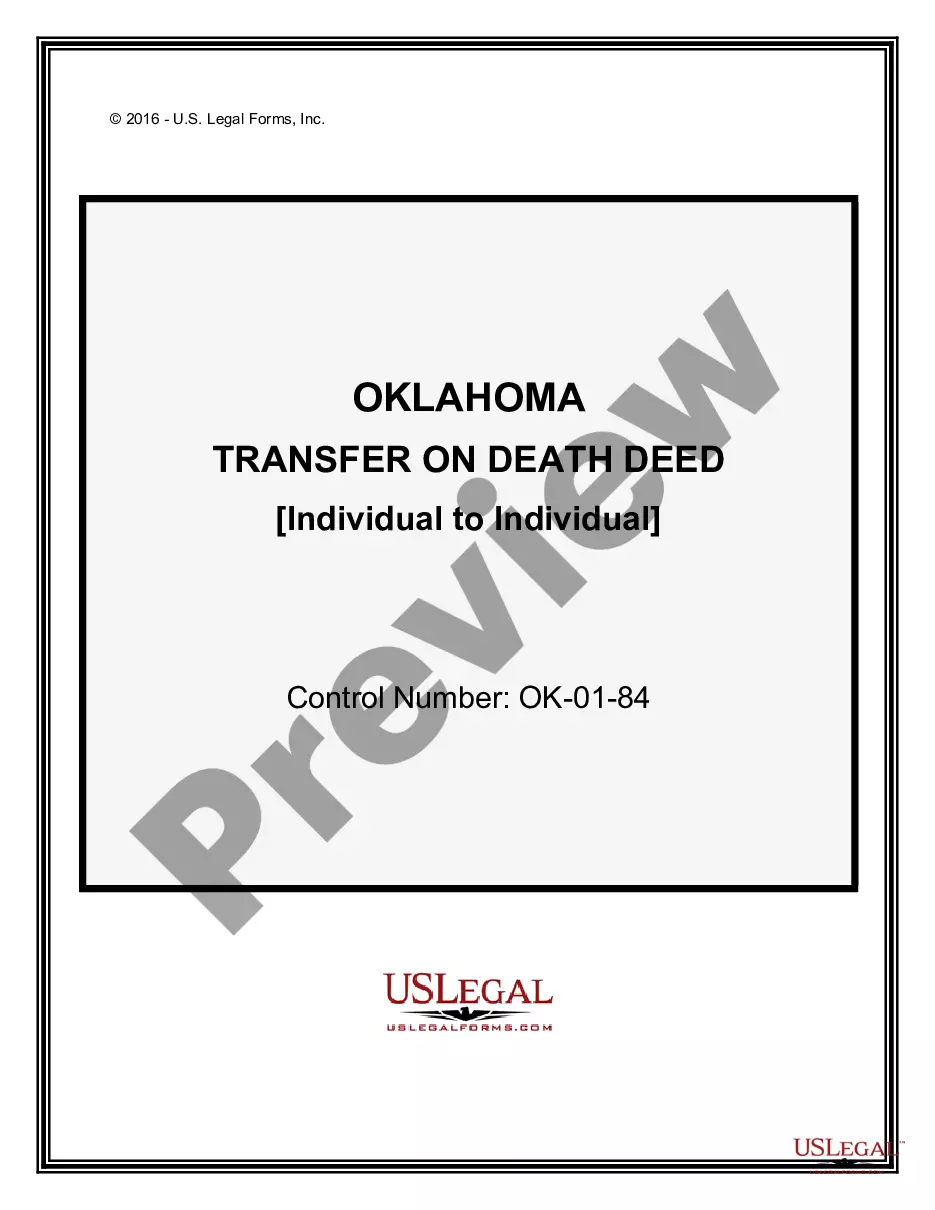
How to fill out Oklahoma Transfer On Death Deed?
- Begin by logging into your existing US Legal Forms account. If you're a new user, you'll need to create an account first.
- Navigate to the form library and search for 'death estate transfer' to find the appropriate template that meets your specific jurisdiction requirements.
- Review the form in Preview mode to ensure it aligns with your needs. If it doesn’t, utilize the Search tab for alternatives until you locate the correct document.
- Select your desired form and click the Buy Now button. Choose a suitable subscription plan if you need access to more than one document.
- Complete your purchase by entering your payment details, either via credit card or PayPal.
- Once your order is confirmed, download the completed template directly to your device for immediate access.
By following these steps, you can smoothly navigate the process of transferring a death estate for a child. Utilizing US Legal Forms not only ensures you have access to a wide variety of legal documents but also provides expert guidance for completion.
Get started today and simplify your legal journey by visiting US Legal Forms!
Form popularity
FAQ
The time it takes to transfer a deed after someone's death can vary depending on state laws and the complexity of the estate. Generally, if you use a Transfer on Death deed, the process can be relatively quick and allows for a smoother transition of ownership directly to your child. Engaging with forms and assistance from platforms like USLegalForms can aid in expediting the overall transfer process.
Yes, it is possible to transfer a deed without the assistance of an attorney, especially when using a straightforward process like a Transfer on Death deed. However, be cautious to follow all legal requirements, as any mistakes could lead to challenges later. The USLegalForms platform offers resources that guide you through creating and filing the necessary documents to securely transfer a death estate for a child.
Passing real estate to your children can be effectively managed through various methods, including living trusts or Transfer on Death deeds. Each method offers unique benefits depending on your circumstances. For many, choosing to transfer a death estate for a child via a TOD deed provides simplicity and avoids probate, ensuring your wishes are fulfilled promptly.
While you can complete a Transfer on Death deed without an attorney, consulting a legal expert is often beneficial. An attorney can help you navigate state-specific requirements and ensure your intentions are accurately reflected in the deed. They can also assist you in understanding the implications of transferring a death estate for a child, making the process smoother and more secure.
A Transfer on Death (TOD) deed can create complications if your estate changes after you establish the deed. For instance, if you want to transfer your property to another child or beneficiary, you must revoke the existing deed and create a new one. Additionally, it does not provide asset protection from creditors, making it less ideal for those concerned about liability issues while transferring a death estate for a child.
The best way to transfer inheritance often depends on circumstances and preferences. Options include creating a trust, direct gifts, and naming beneficiaries on accounts. Understanding how to transfer death estate for a child can play a crucial role in making informed decisions and ensuring a smooth transition of assets.
Yes, transferring your inheritance to your child is possible and can be done through gifting or creating a trust. It's important to be aware of any tax implications during the transfer process. Using platforms like US Legal Forms can guide you in understanding how to transfer death estate for a child and ensure that your intentions are properly executed.
Passing an inheritance to a child entails choosing between direct gifts, setting up a trust, or ensuring proper beneficiary designations on accounts. Think about what method aligns best with your family's needs. Keeping in mind how to transfer death estate for a child will help ensure that the process is straightforward and beneficial for their future.
If there is no will, obtaining heir property involves a legal process like intestate succession. Gather necessary documents and consult a legal expert to understand rights and options. Resources from platforms like US Legal Forms can assist in exploring ways to transfer death estate for a child in the absence of a will and simplify the legal procedures involved.
Transferring property from parent to child can include options like gifting, establishing a trust, or using a transfer on death deed. Each method has its legal and tax implications. To streamline the process, consider using resources like US Legal Forms to navigate how to transfer death estate for a child effectively.