Cost Plus Fee Agreement For Supply
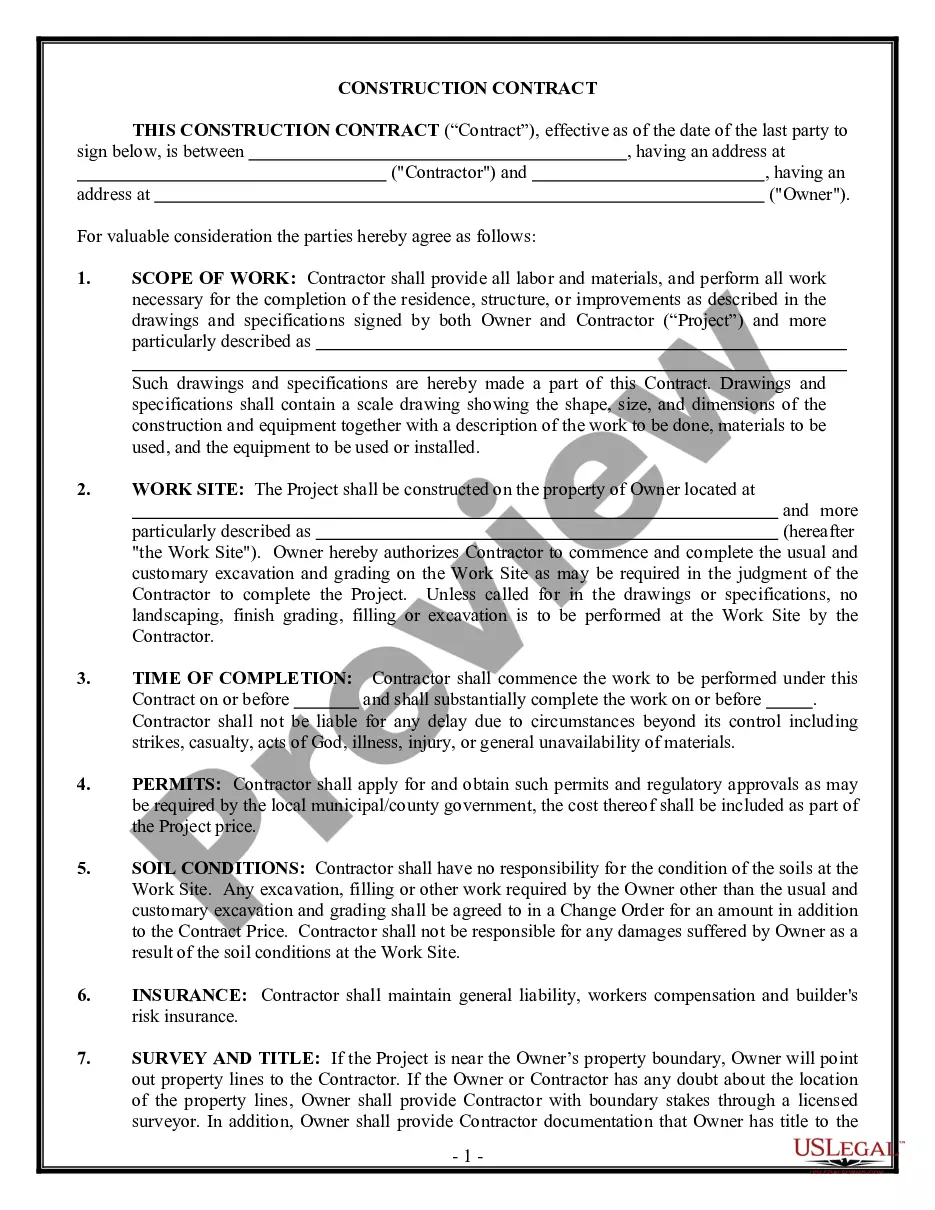
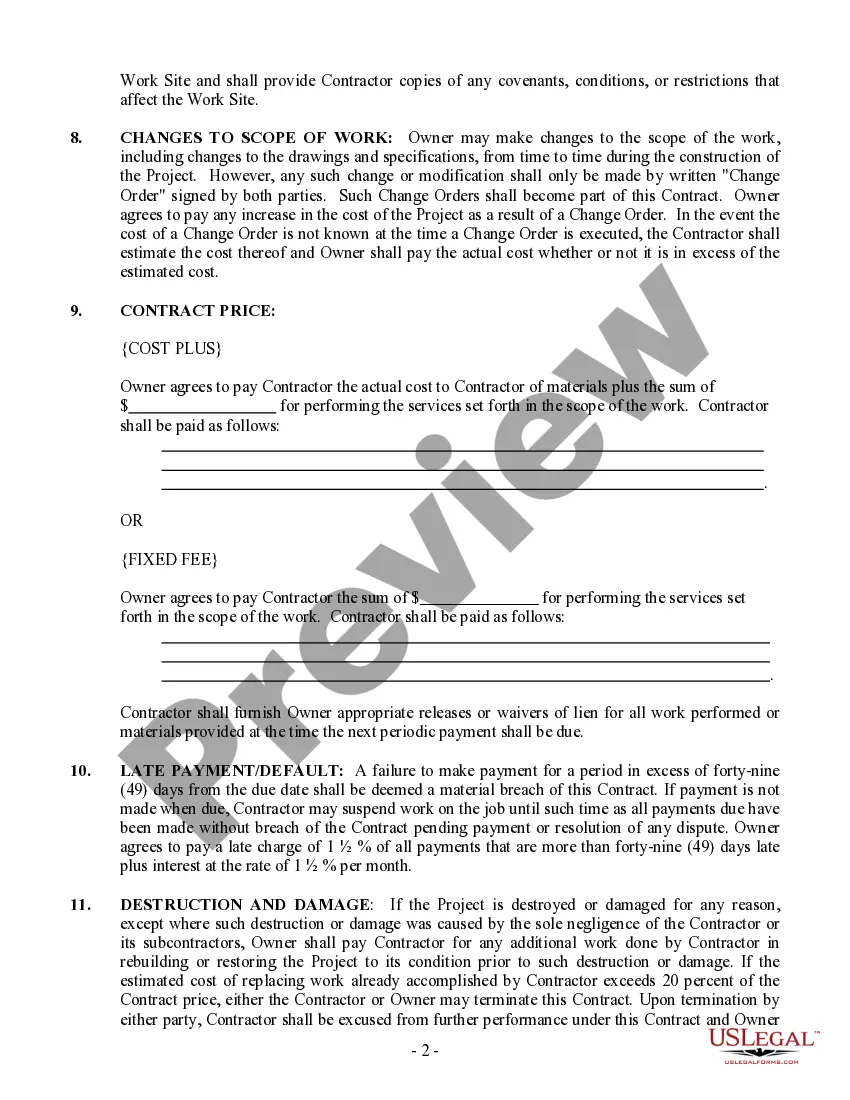
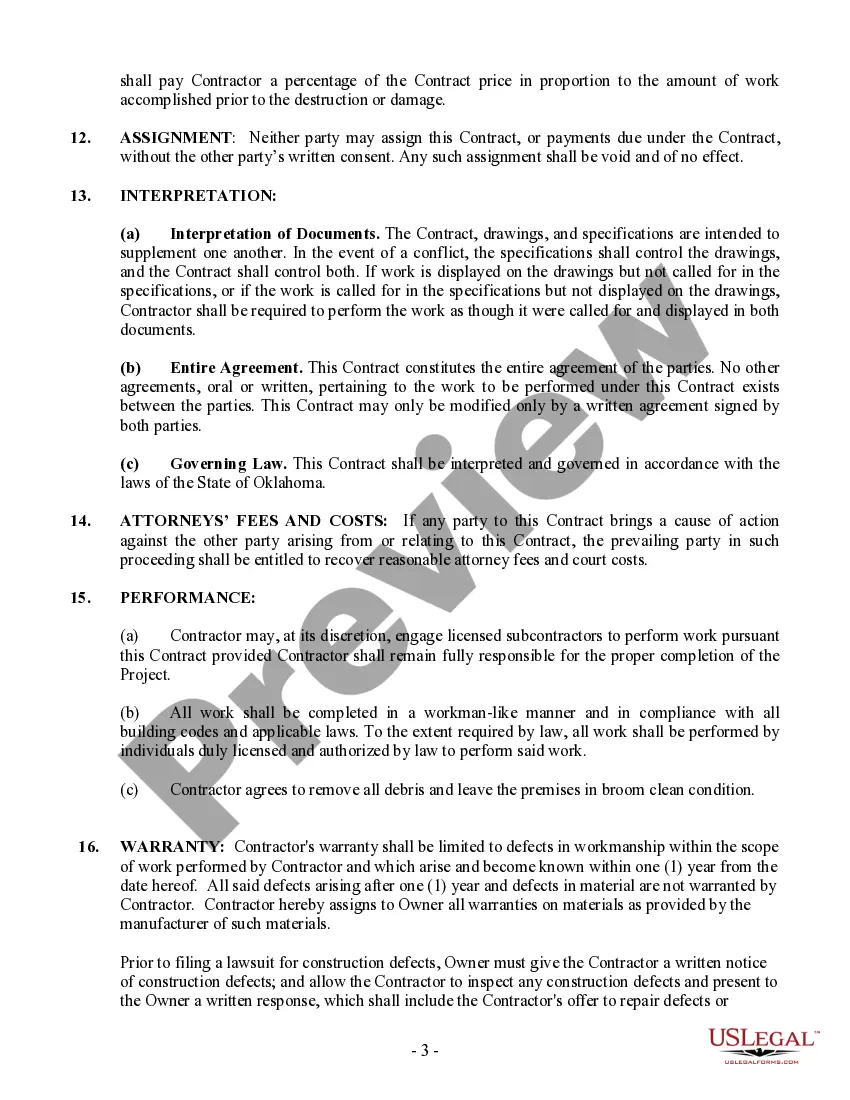
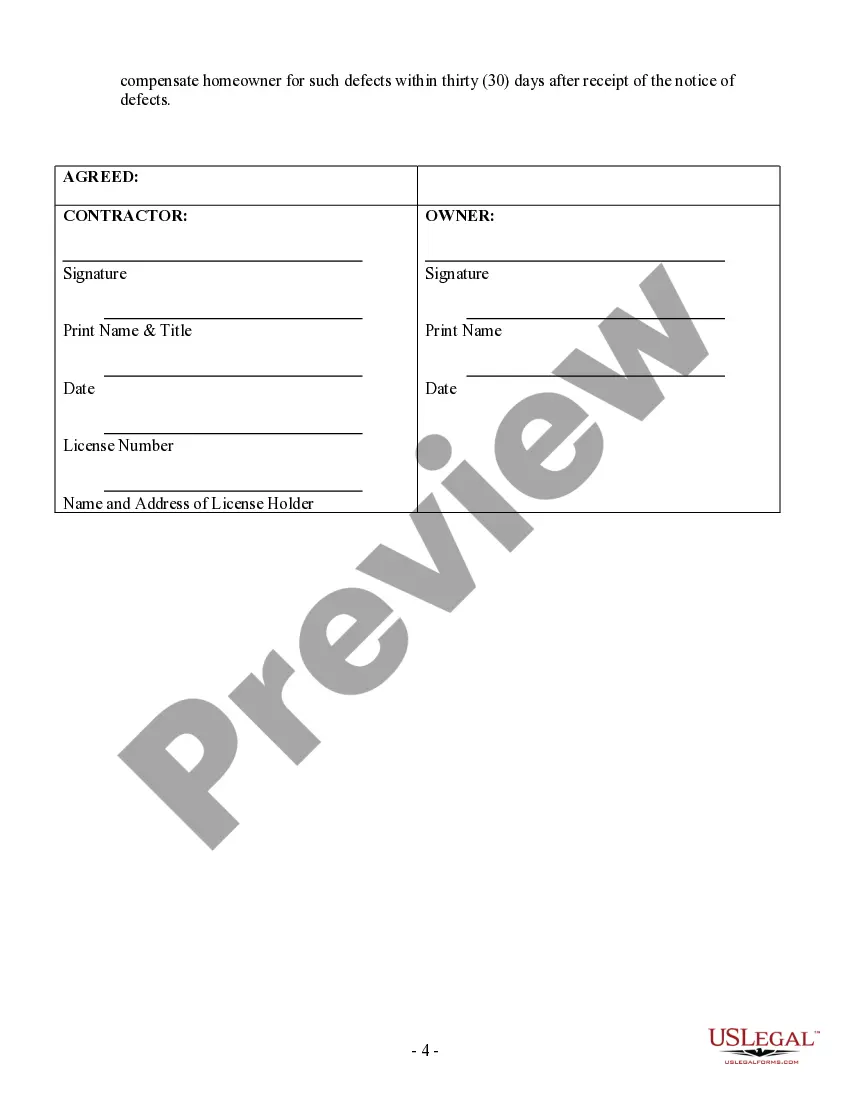
Description
Get your form ready online
Our built-in tools help you complete, sign, share, and store your documents in one place.
Make edits, fill in missing information, and update formatting in US Legal Forms—just like you would in MS Word.
Download a copy, print it, send it by email, or mail it via USPS—whatever works best for your next step.
Sign and collect signatures with our SignNow integration. Send to multiple recipients, set reminders, and more. Go Premium to unlock E-Sign.
If this form requires notarization, complete it online through a secure video call—no need to meet a notary in person or wait for an appointment.
We protect your documents and personal data by following strict security and privacy standards.

Make edits, fill in missing information, and update formatting in US Legal Forms—just like you would in MS Word.

Download a copy, print it, send it by email, or mail it via USPS—whatever works best for your next step.

Sign and collect signatures with our SignNow integration. Send to multiple recipients, set reminders, and more. Go Premium to unlock E-Sign.

If this form requires notarization, complete it online through a secure video call—no need to meet a notary in person or wait for an appointment.

We protect your documents and personal data by following strict security and privacy standards.
Looking for another form?
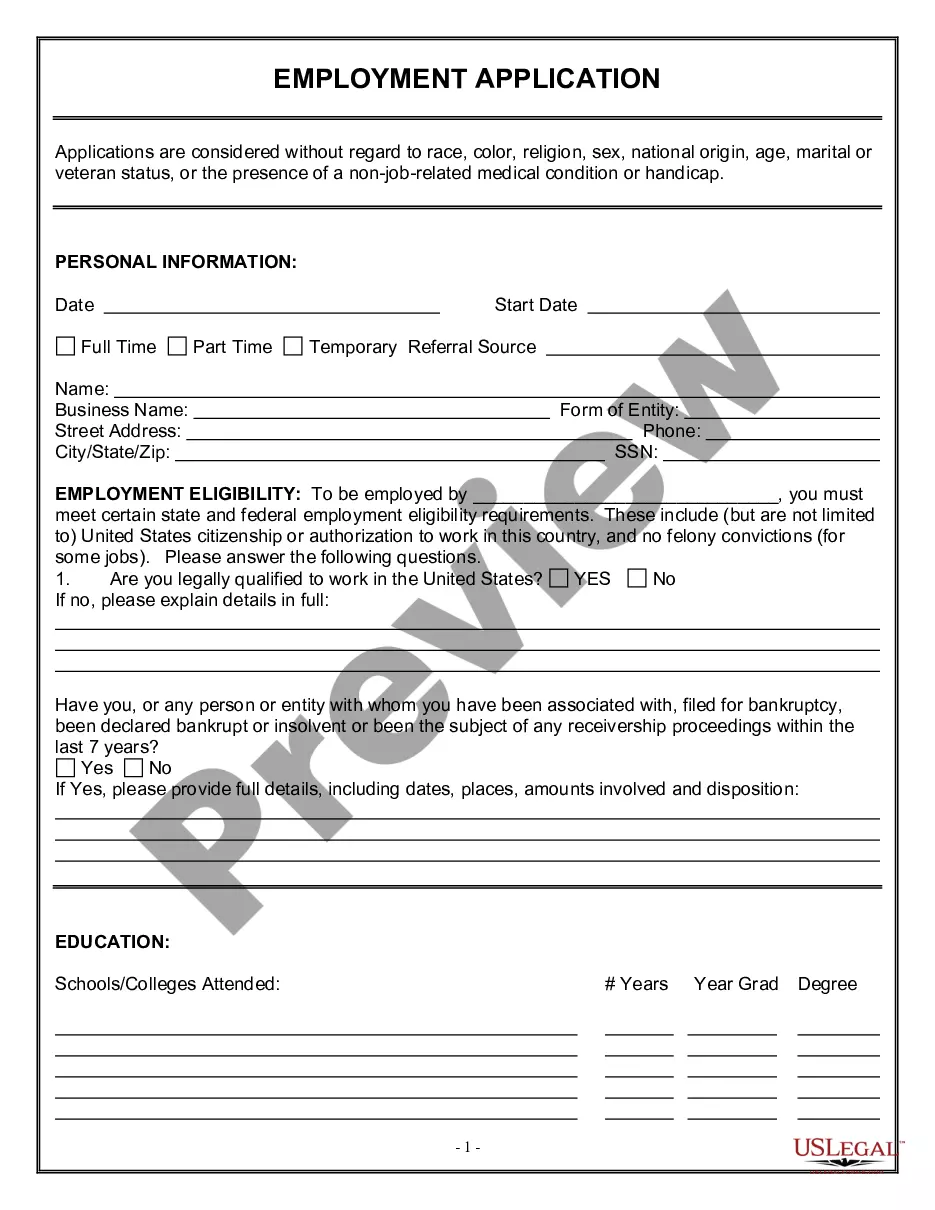
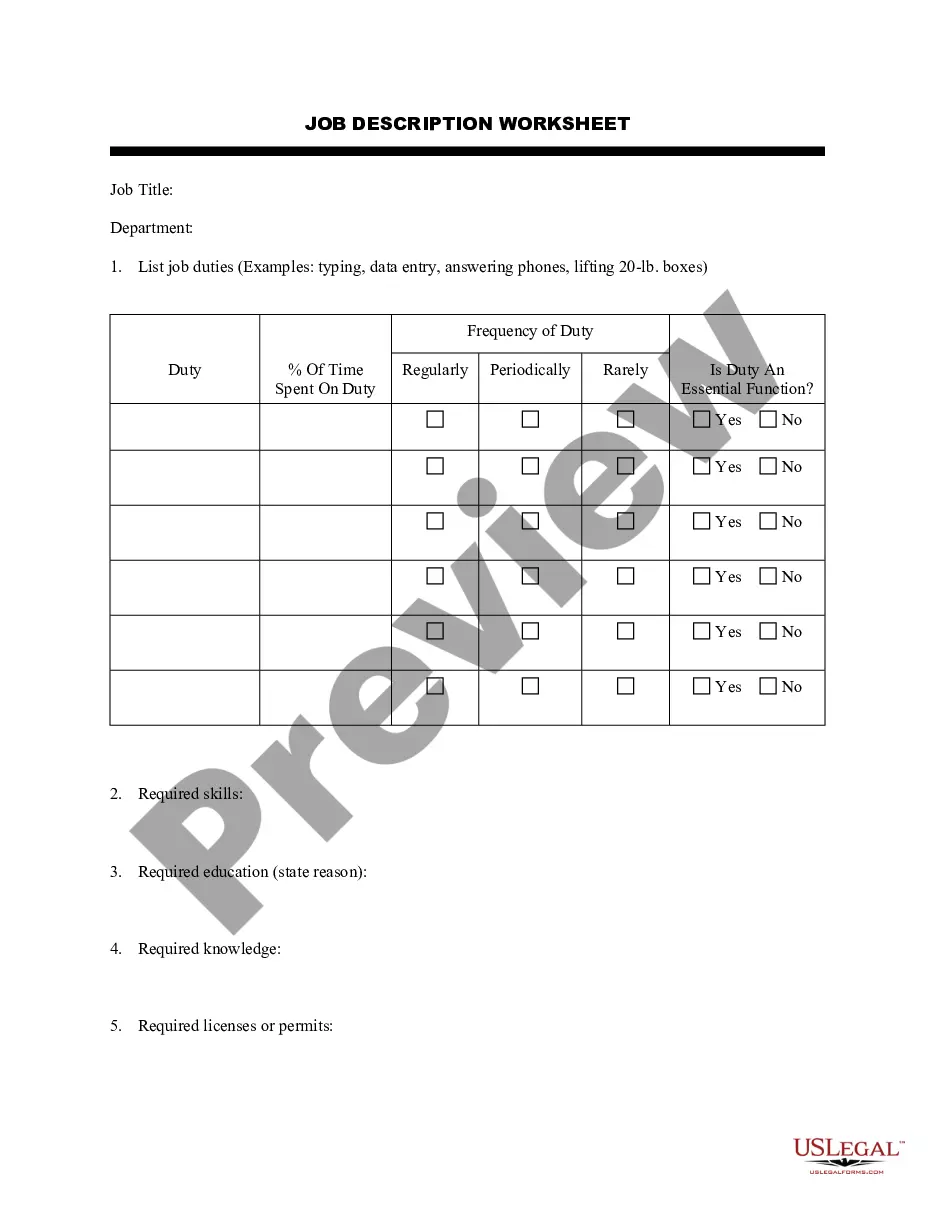



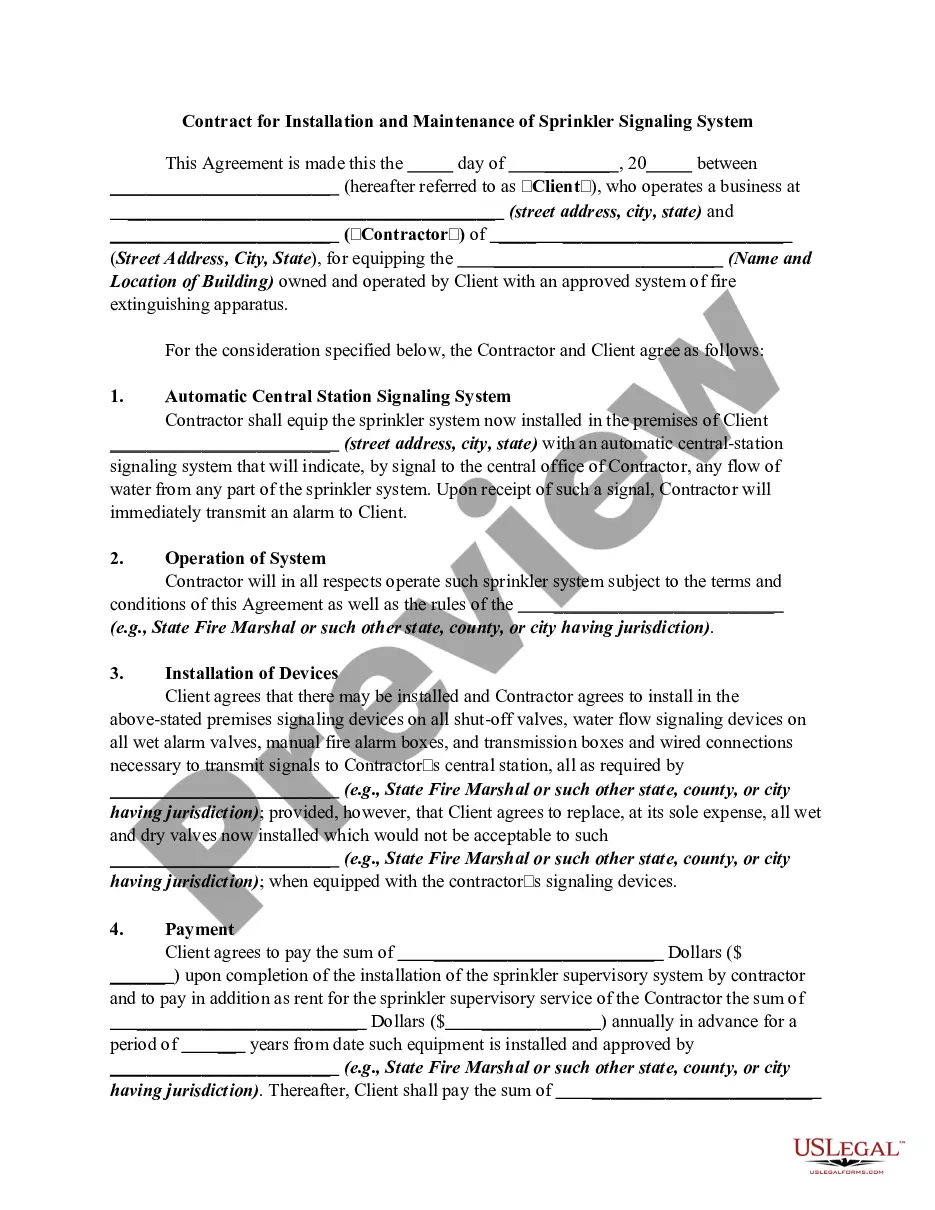




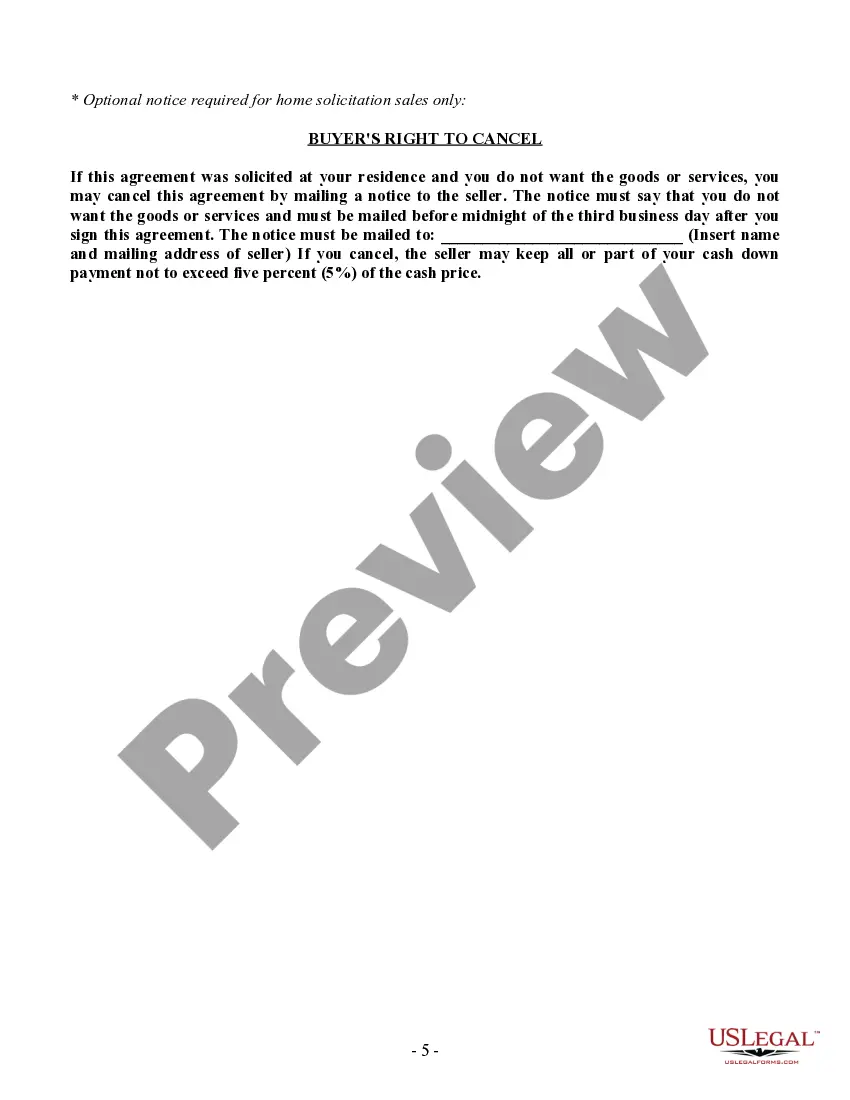
How to fill out Oklahoma Construction Contract Cost Plus Or Fixed Fee?
Individuals commonly link legal documentation with a complex process that only an expert can manage.
In some respects, this is accurate, as composing a Cost Plus Fee Agreement For Supply requires a comprehensive grasp of subject specifics, including state and local regulations.
However, with US Legal Forms, everything has become simpler: a collection of ready-to-use legal templates for various life and business circumstances tailored to state laws is gathered in one online library, now accessible to all.
Select the desired format for your file and click Download. You can print your document or upload it to an online editor for expedited completion. All templates in our library are reusable; once purchased, they remain accessible in your profile. You can retrieve them whenever necessary via the My documents tab. Explore all the advantages of utilizing the US Legal Forms platform. Subscribe today!
- US Legal Forms presents over 85,000 current forms categorized by state and purpose, so searching for a Cost Plus Fee Agreement For Supply or any other specific template takes only a few minutes.
- Users who have previously registered with a valid subscription should Log In to their account and click Download to obtain the form.
- New users to the platform must first create an account and subscribe before saving any files.
- Here is a step-by-step guide on obtaining the Cost Plus Fee Agreement For Supply.
- Review the page content thoroughly to confirm it aligns with your requirements.
- Examine the form description or check it using the Preview feature.
- If the previous sample does not meet your needs, search for another using the Search bar above.
- Once you find the suitable Cost Plus Fee Agreement For Supply, click Buy Now.
- Choose a pricing plan that suits your needs and financial capability.
- Create an account or Log In to advance to the payment page.
- Pay for your subscription using PayPal or a credit card.
Form popularity
FAQ
Cost plus percentage of cost is a method contractors often use to price services. This type of contract specifies that the buyer must pay all the project costs incurred by the seller, plus an additional amount for profit.
Although there is no industry standard, the "plus" part of cost-plus contracts is usually in the range of 10 to 20 percent of the project's total cost.
A: As an example, a cost-plus contract may establish that the total estimated cost of a building project is $10 million plus a fixed fee of $1.5 million, roughly 15% of the total cost, as the contractor's profit. So the total expense to the buyer would be approximately $11.5 million the cost plus the fee.
Although there is no industry standard, the "plus" part of cost-plus contracts is usually in the range of 10 to 20 percent of the project's total cost.
The cost-plus pricing formula is calculated by adding material, labor, and overhead costs and multiplying it by (1 + the markup amount). Overhead costs are costs you can't directly trace back to material or labor costs, and they're often operational costs involved with creating a product.