Power Attorney For Health Care
Description
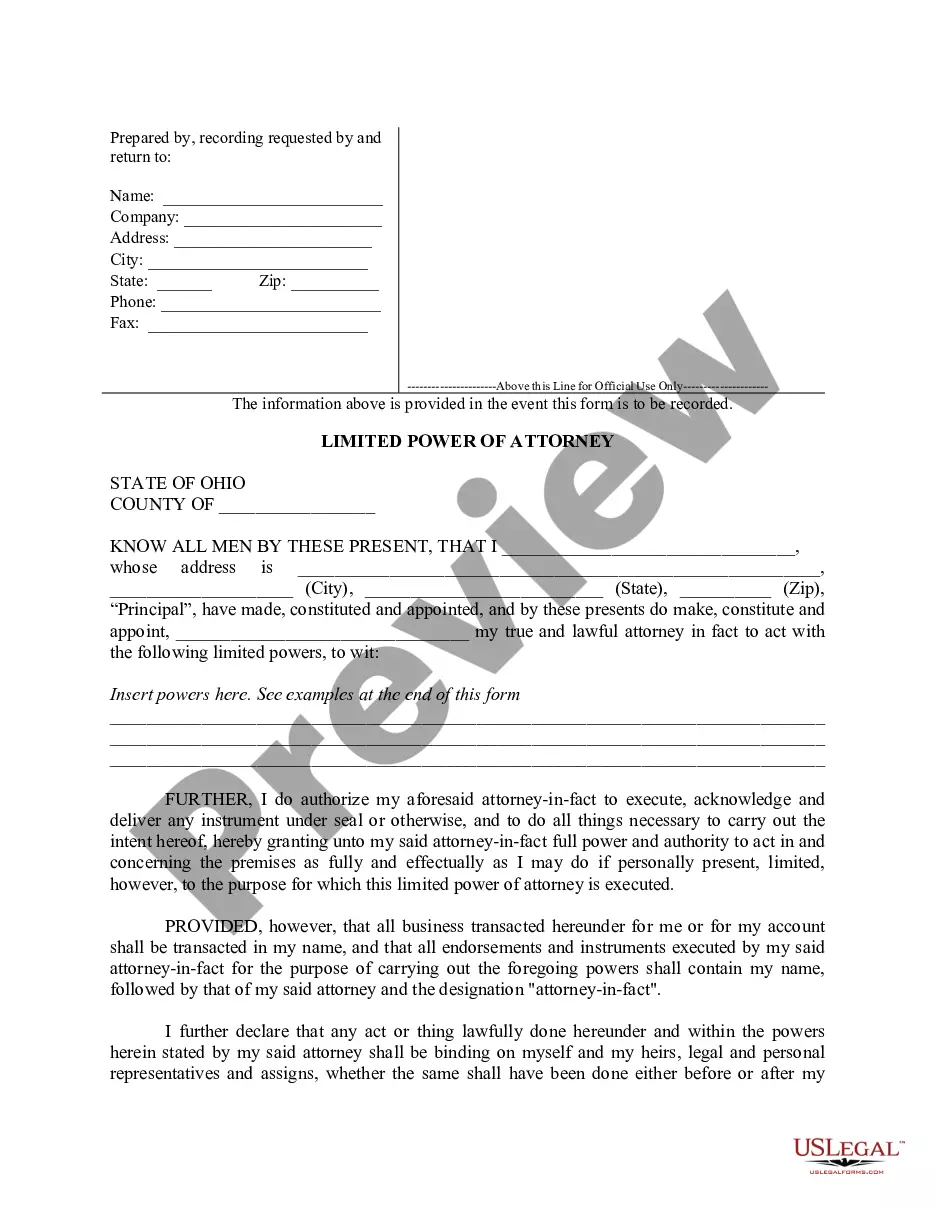
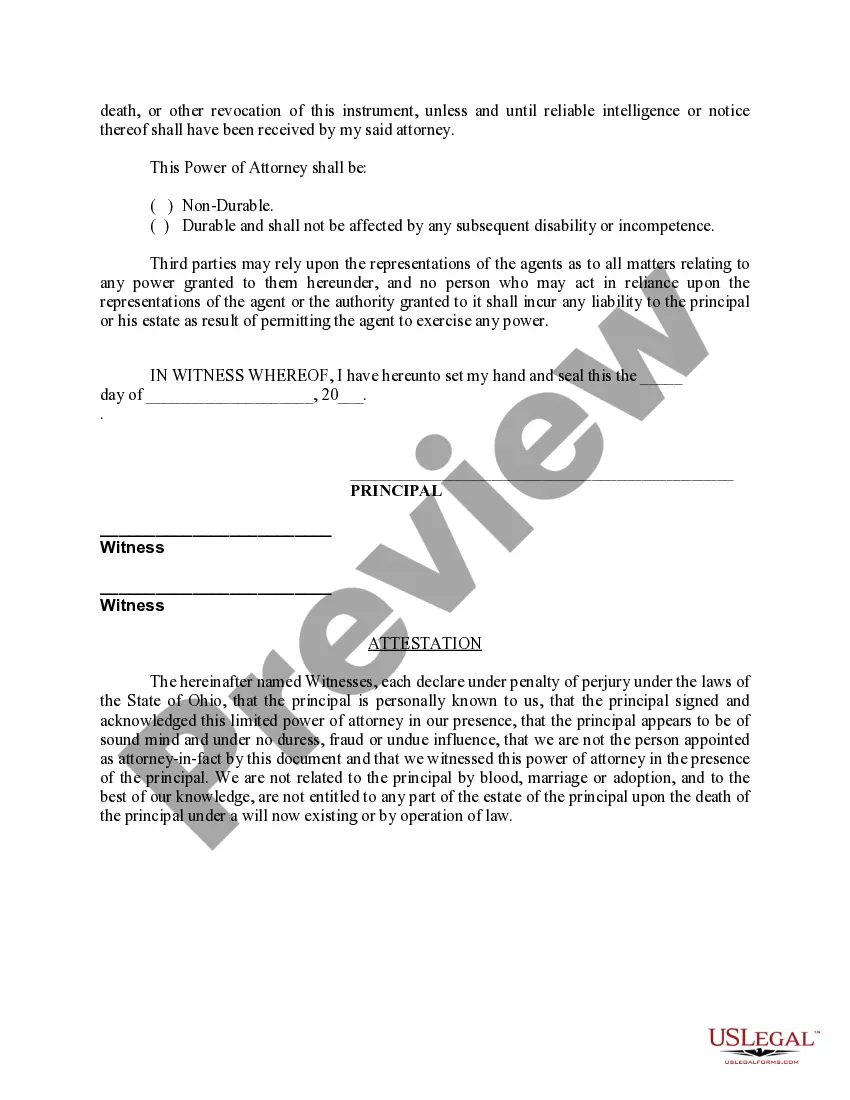
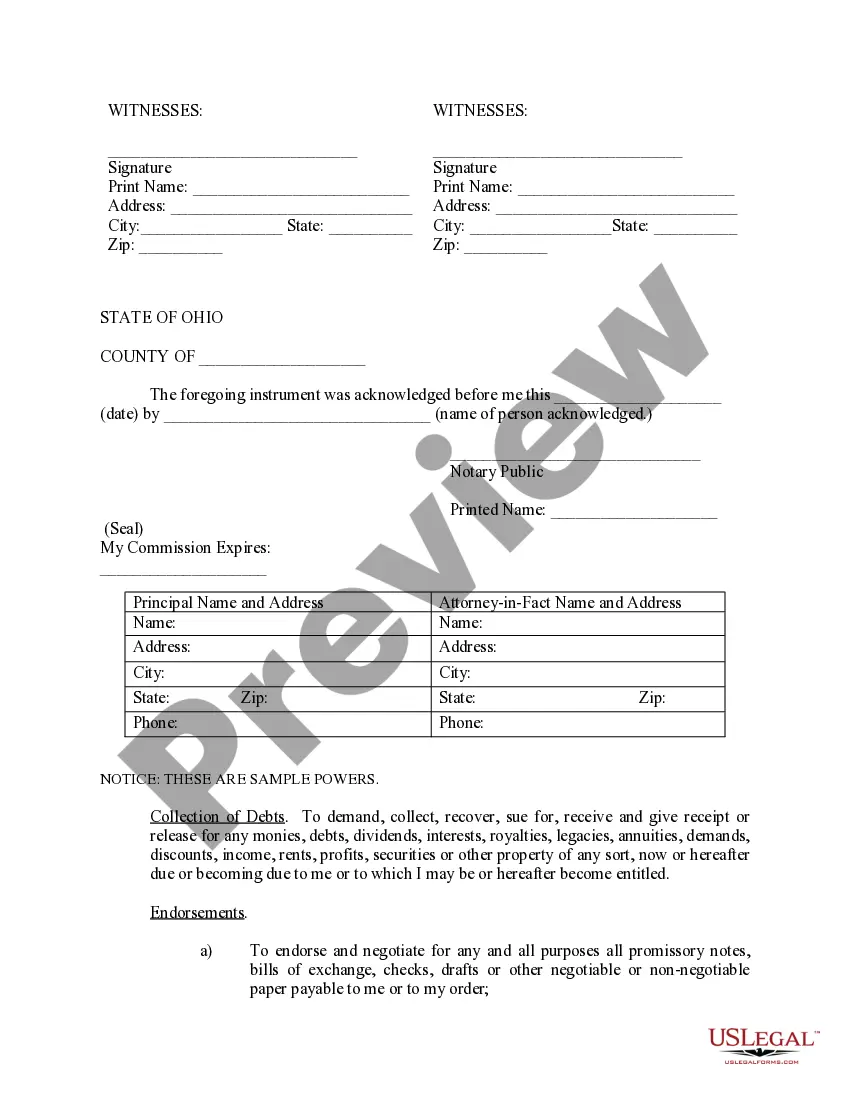

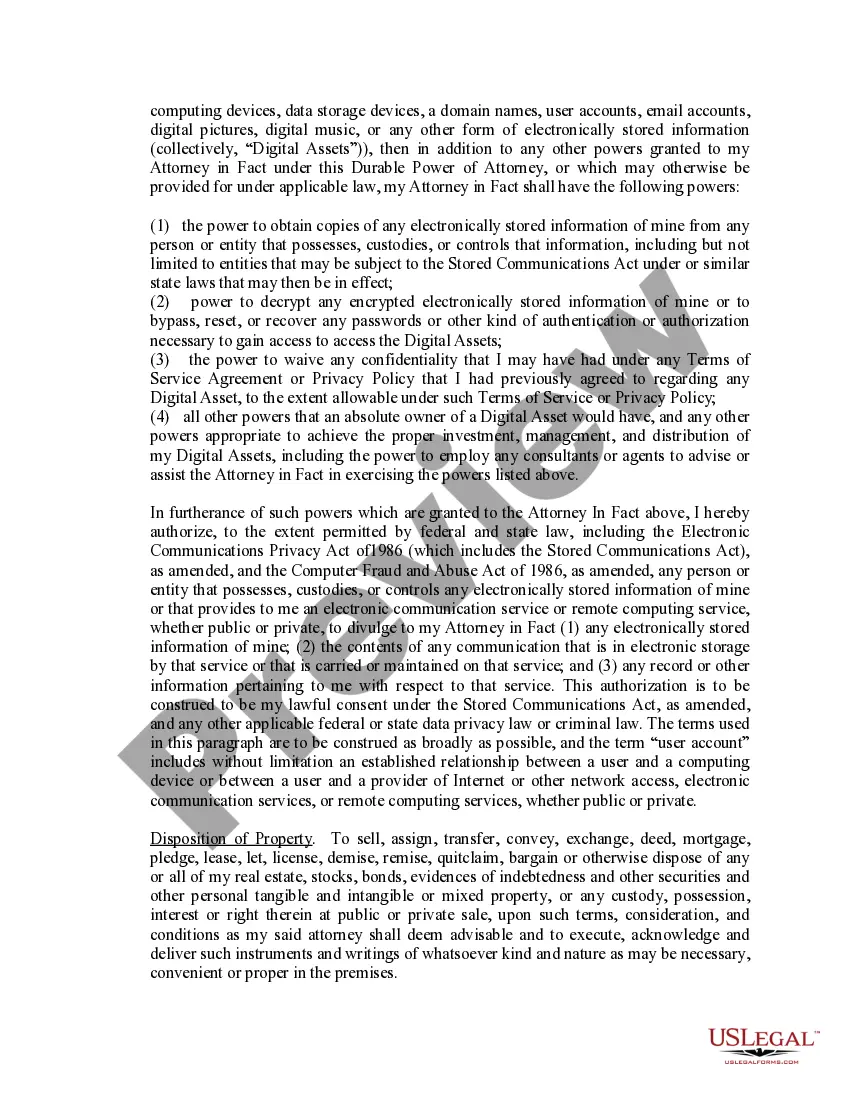

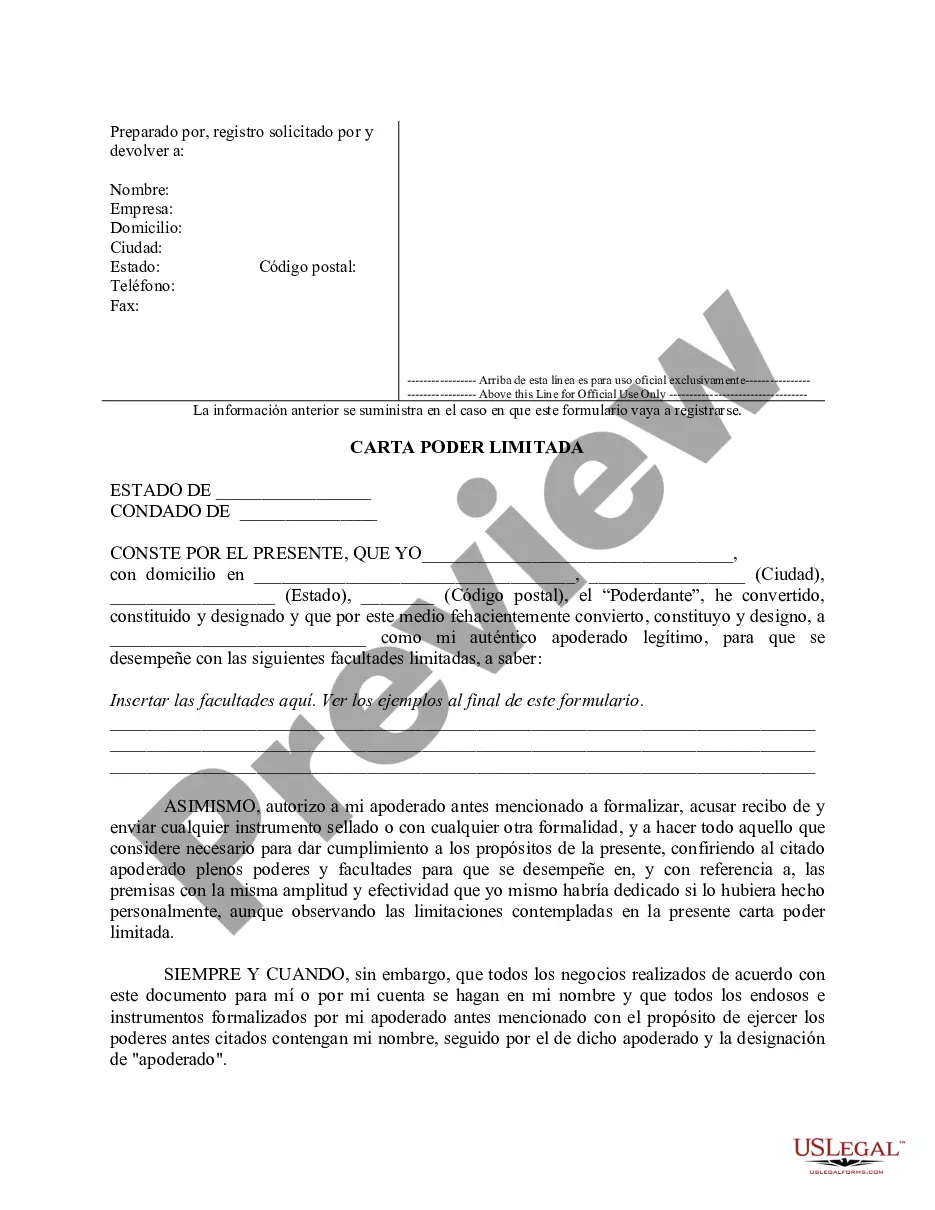
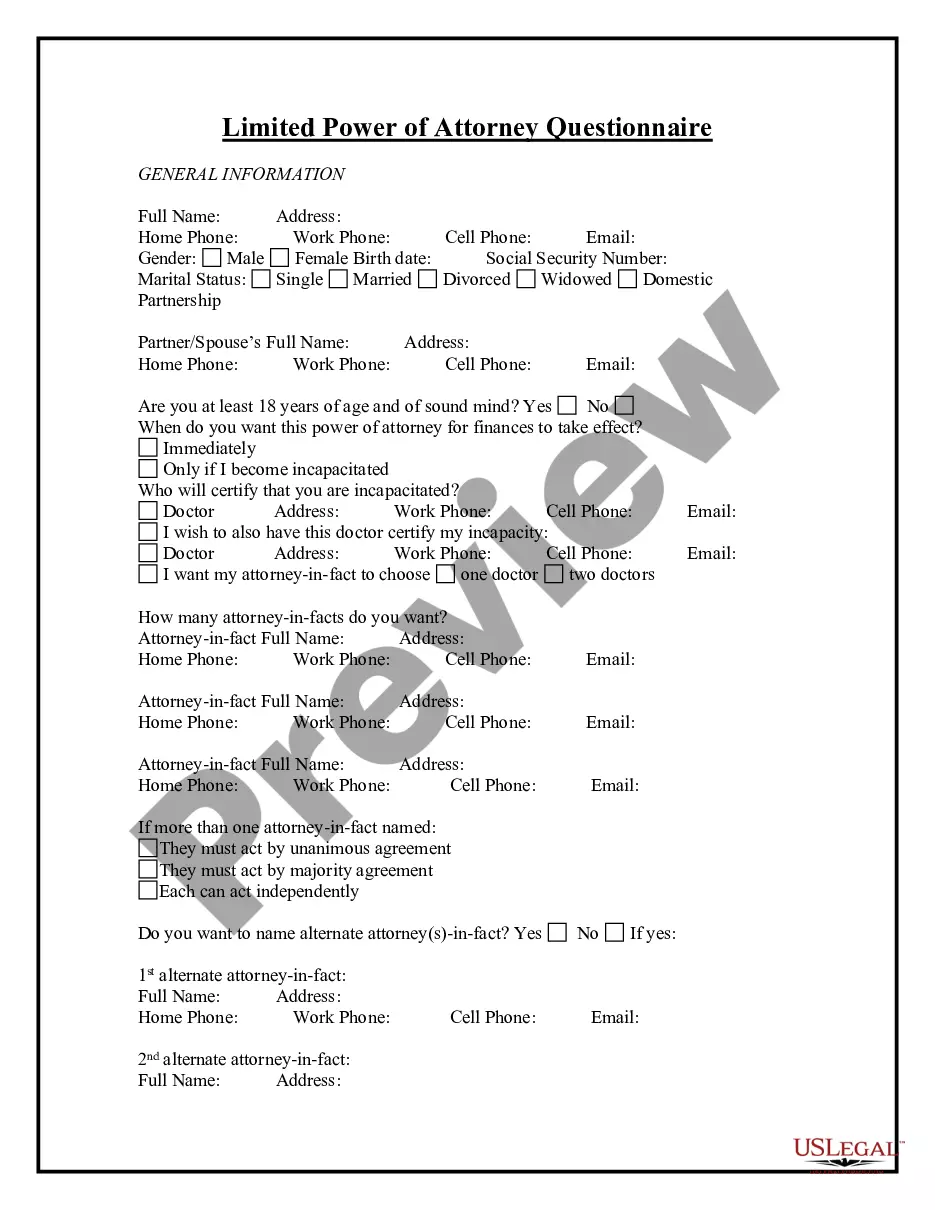
Get your form ready online
Our built-in tools help you complete, sign, share, and store your documents in one place.
Make edits, fill in missing information, and update formatting in US Legal Forms—just like you would in MS Word.
Download a copy, print it, send it by email, or mail it via USPS—whatever works best for your next step.
Sign and collect signatures with our SignNow integration. Send to multiple recipients, set reminders, and more. Go Premium to unlock E-Sign.
If this form requires notarization, complete it online through a secure video call—no need to meet a notary in person or wait for an appointment.
We protect your documents and personal data by following strict security and privacy standards.

Make edits, fill in missing information, and update formatting in US Legal Forms—just like you would in MS Word.

Download a copy, print it, send it by email, or mail it via USPS—whatever works best for your next step.

Sign and collect signatures with our SignNow integration. Send to multiple recipients, set reminders, and more. Go Premium to unlock E-Sign.

If this form requires notarization, complete it online through a secure video call—no need to meet a notary in person or wait for an appointment.

We protect your documents and personal data by following strict security and privacy standards.
Looking for another form?

How to fill out Ohio Limited Power Of Attorney Where You Specify Powers With Sample Powers Included?
- If you're a returning user, log in to your account and access the relevant form template directly from your library.
- For first-time users, start by reviewing the form previews and descriptions to find the correct power attorney for health care that aligns with your state laws.
- If you don't find what you need, utilize the Search tab to explore other templates. Ensure that your choice fully fits your requirements.
- Make your purchase by clicking the Buy Now button. Choose a subscription plan that caters to your needs and create an account for access.
- Complete your transaction with your credit card or PayPal. Once your payment is confirmed, you will be able to download your form.
- Download and save your health care power attorney template to your device. You can access it anytime from the My Forms section of your profile.
In conclusion, securing a power attorney for health care ensures your medical decisions are in trusted hands. US Legal Forms makes this process straightforward, providing robust and reliable legal documentation.
Take the first step towards peace of mind by visiting US Legal Forms today!
Form popularity
FAQ
Typically, a medical power of attorney is not automatically assigned; you must designate someone in your health care power of attorney document. It is often a family member or close friend who understands your medical preferences. Be sure to choose someone you trust to respect your decisions and act in your best interests. If you need guidance in drafting this document, consider using US Legal Forms for professional assistance.
Using your power of attorney for health care is straightforward. First, ensure that you have properly chosen a trusted person to act on your behalf. This individual will make medical decisions for you when you are unable to do so. Keep your document accessible and inform your family and healthcare providers about your health care power of attorney to ensure they follow your wishes.
Certain decisions fall outside the authority of a power of attorney for health care. For instance, your agent cannot make decisions about your finances, create or alter your will, or consent to voluntary euthanasia if it conflicts with your expressed wishes. It's vital to specify what your agent can and cannot do in your documents to prevent misunderstandings about their role.
A hospital cannot override a power of attorney for health care without legal justification. However, if emergency situations arise or if there are concerns about the validity of the document, hospitals may seek additional guidance. It's important to stay proactive by discussing your power of attorney with your health care providers to avoid potential conflicts. This dialogue helps ensure your agent's decisions align with your wishes.
To invoke a power of attorney for health care, you typically need to provide your health care providers with a copy of the document. You should also clearly communicate your agent's authority to make decisions when you cannot. If questions arise, a written explanation of your wishes can help clarify your desires. Platforms like USLegalForms can guide you through this process and ensure your documentation is correct.
A significant downfall of a power of attorney for health care is the potential for misunderstandings between you and your appointed agent. If your agent has different beliefs or can misinterpret your wishes, it could lead to decisions that go against your preferences. Furthermore, a power of attorney can be revoked at any time, which might affect continuity of care. Therefore, clear communication of your desires is crucial.
A medical power of attorney primarily grants authority to make health care decisions on your behalf when you are unable to do so. However, it does not allow the agent to make decisions outside the scope of your health care needs. Moreover, some jurisdictions may impose additional restrictions on certain treatments or procedures. It's essential to understand these boundaries to ensure your wishes are respected.
To give someone power of attorney in Pennsylvania, start by deciding on the specific powers you wish to grant, especially for health care decisions. Next, complete the power of attorney document, ensuring it meets state guidelines. After signing, it's important to provide copies to your agent and any relevant health care providers. Using resources from USLegalForms can streamline this process and ensure everything is done correctly.
To establish a valid power of attorney in Pennsylvania, you need to be mentally competent when you sign the document. The law requires that you clearly state the powers being granted, particularly regarding health care. Additionally, the document must be signed by you and, in most cases, notarized. USLegalForms provides templates and guides to assist you with the requirements for a power attorney for health care.
A health care power of attorney specifically allows an agent to make medical decisions on your behalf when you are unable to do so. In contrast, a durable power of attorney covers a wider range of financial and legal matters. While both documents authorize someone to act on your behalf, their focuses differ significantly. Understanding these distinctions is crucial for anyone looking to set up a power attorney for health care.