Child Laws In Ohio
Description
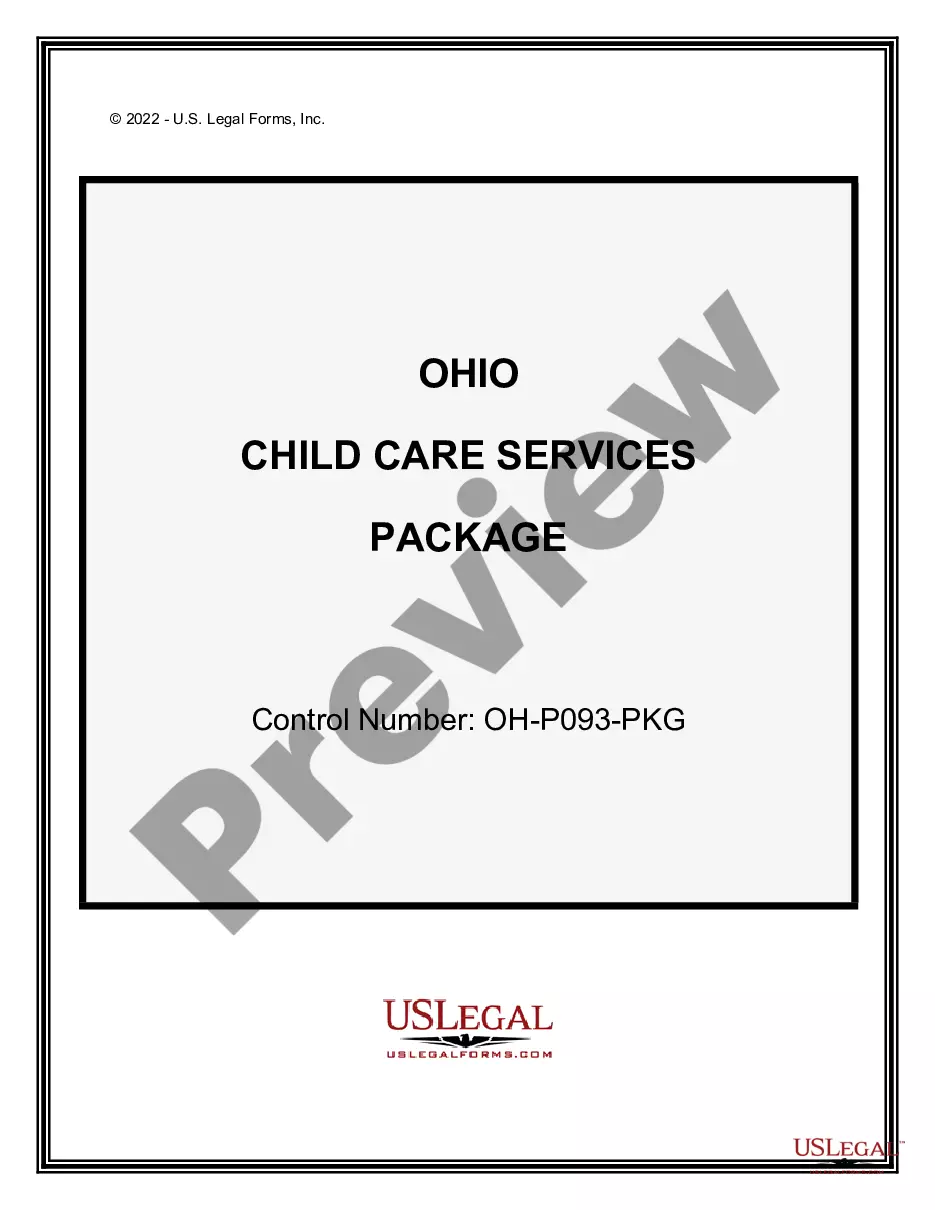
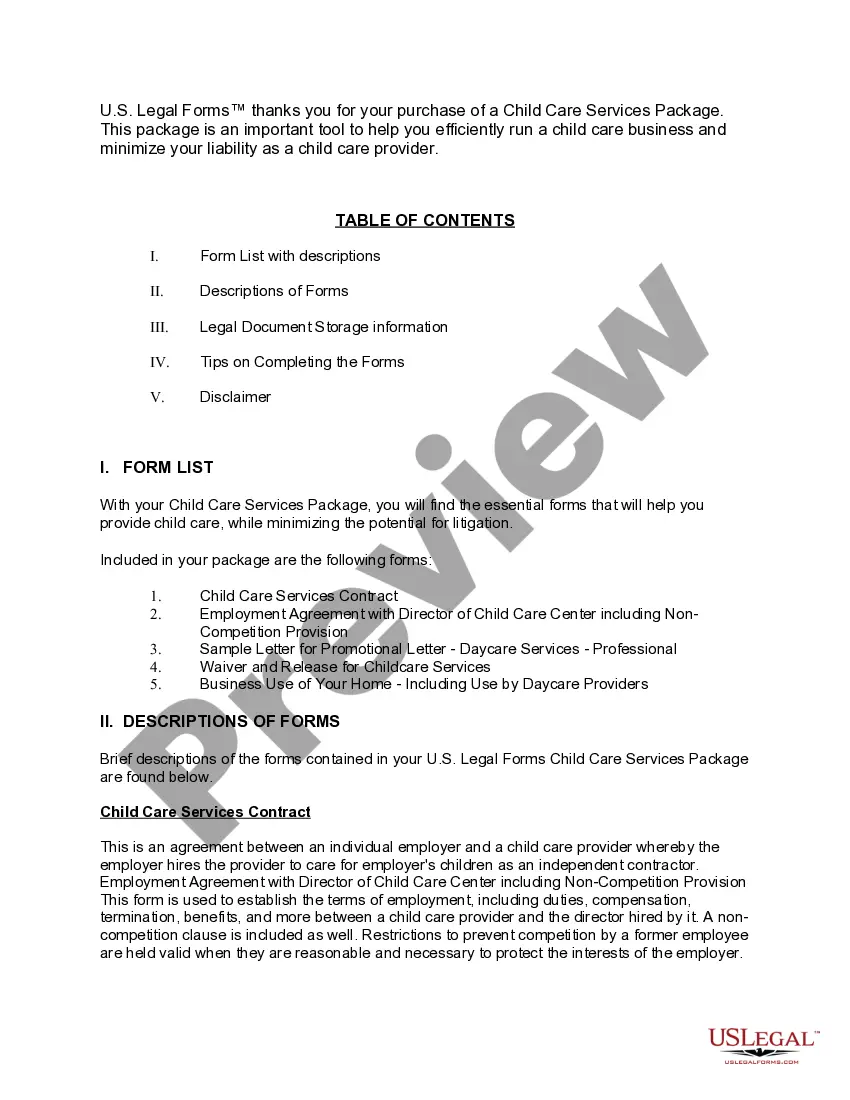
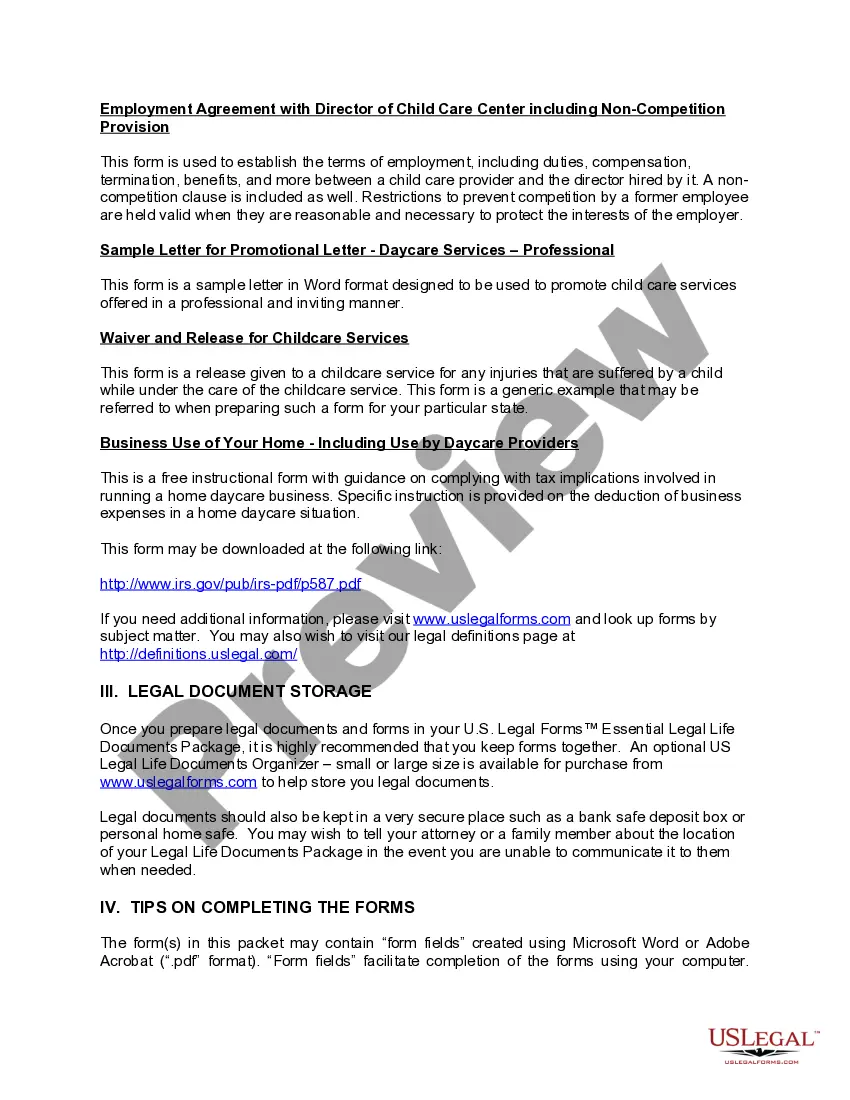
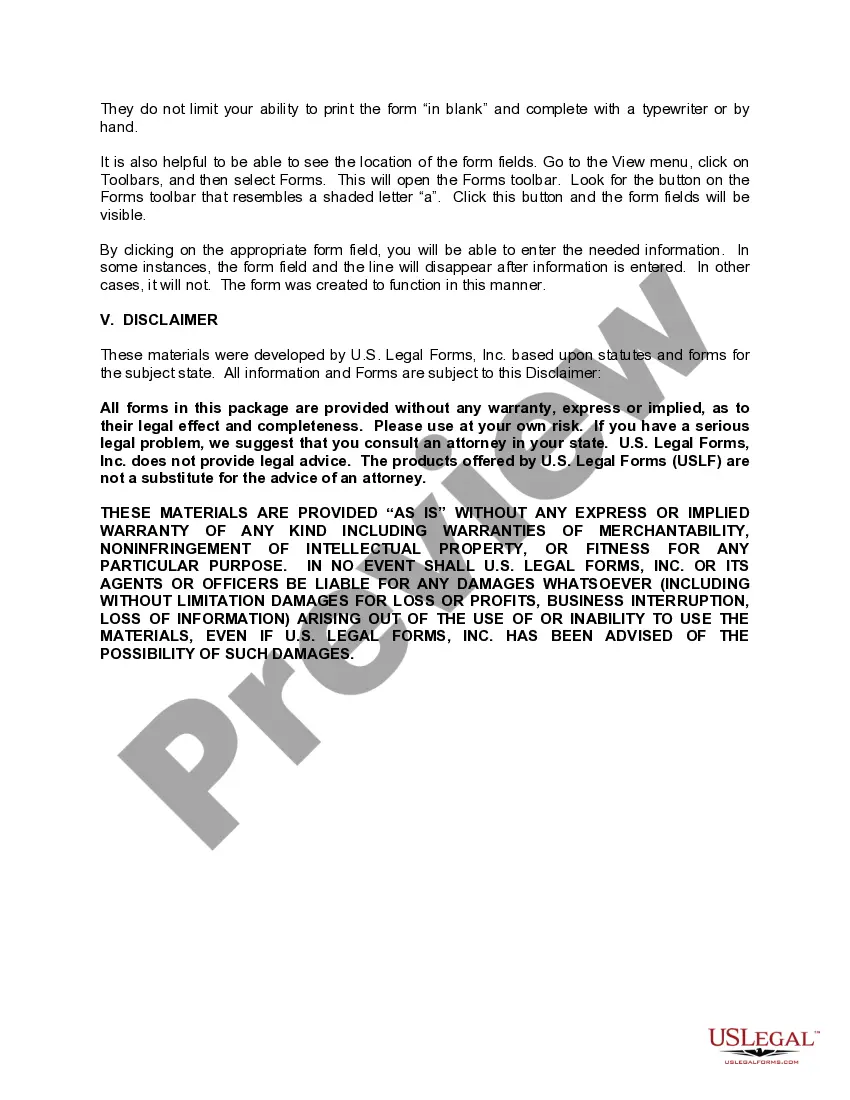
Get your form ready online
Our built-in tools help you complete, sign, share, and store your documents in one place.
Make edits, fill in missing information, and update formatting in US Legal Forms—just like you would in MS Word.
Download a copy, print it, send it by email, or mail it via USPS—whatever works best for your next step.
Sign and collect signatures with our SignNow integration. Send to multiple recipients, set reminders, and more. Go Premium to unlock E-Sign.
If this form requires notarization, complete it online through a secure video call—no need to meet a notary in person or wait for an appointment.
We protect your documents and personal data by following strict security and privacy standards.

Make edits, fill in missing information, and update formatting in US Legal Forms—just like you would in MS Word.

Download a copy, print it, send it by email, or mail it via USPS—whatever works best for your next step.

Sign and collect signatures with our SignNow integration. Send to multiple recipients, set reminders, and more. Go Premium to unlock E-Sign.

If this form requires notarization, complete it online through a secure video call—no need to meet a notary in person or wait for an appointment.

We protect your documents and personal data by following strict security and privacy standards.
Looking for another form?









How to fill out Ohio Child Care Services Package?
Acquiring legal document examples that comply with federal and state regulations is crucial, and the internet provides numerous choices to select from.
However, what is the advantage of squandering time searching for the suitable Child Laws In Ohio template online if the US Legal Forms digital library already contains such resources gathered in one location.
US Legal Forms is the largest online legal repository with over 85,000 editable templates crafted by attorneys for any business and personal situation.
Review the template using the Preview function or through the text summary to confirm it meets your needs.
- They are simple to navigate with all documents organized by state and intended use.
- Our experts stay updated with legal modifications, ensuring you can trust that your form is current and adheres to regulations when acquiring a Child Laws In Ohio from our platform.
- Securing a Child Laws In Ohio is straightforward and quick for both existing and new users.
- If you are already registered with a valid subscription, Log In and save the necessary document template in your desired format.
- If you are new to our site, follow the steps outlined below.
Form popularity
FAQ
In our state, unmarried mothers automatically have sole custody ? until paternity is established through a voluntary declaration or a court order.
Ohio law does not provide a predetermined age, though many counties do in their local rules. Often they are addressed in the county's standard order of parenting time. The majority of counties appear to choose the age of 16 as the age in which the minor child may make the choice on their own behalf.
This is up to the discretion of the Columbus, Ohio court system. While a child may prefer one parent over the other, the judge will decide what is the most beneficial for the child in question. However, a child may decide they do not want to visit a certain parent before they turn 18.
A parent who is not the custodial parent of a child will be almost guaranteed to have visitation rights, referred to as "parenting time" in Ohio. At the same time that the court determines custody custody, the court will issue an order ensuring the non-custodial parent will have parenting time with the child.
The Ohio child custody laws and courts most often prefer to grant joint legal custody to co-parents. Joint legal custody means that both co-parents are actively involved in the decision-making process for the child, such as for educational, health, and religious decisions.