Ohio Landlord Tenant Without Lease

Description


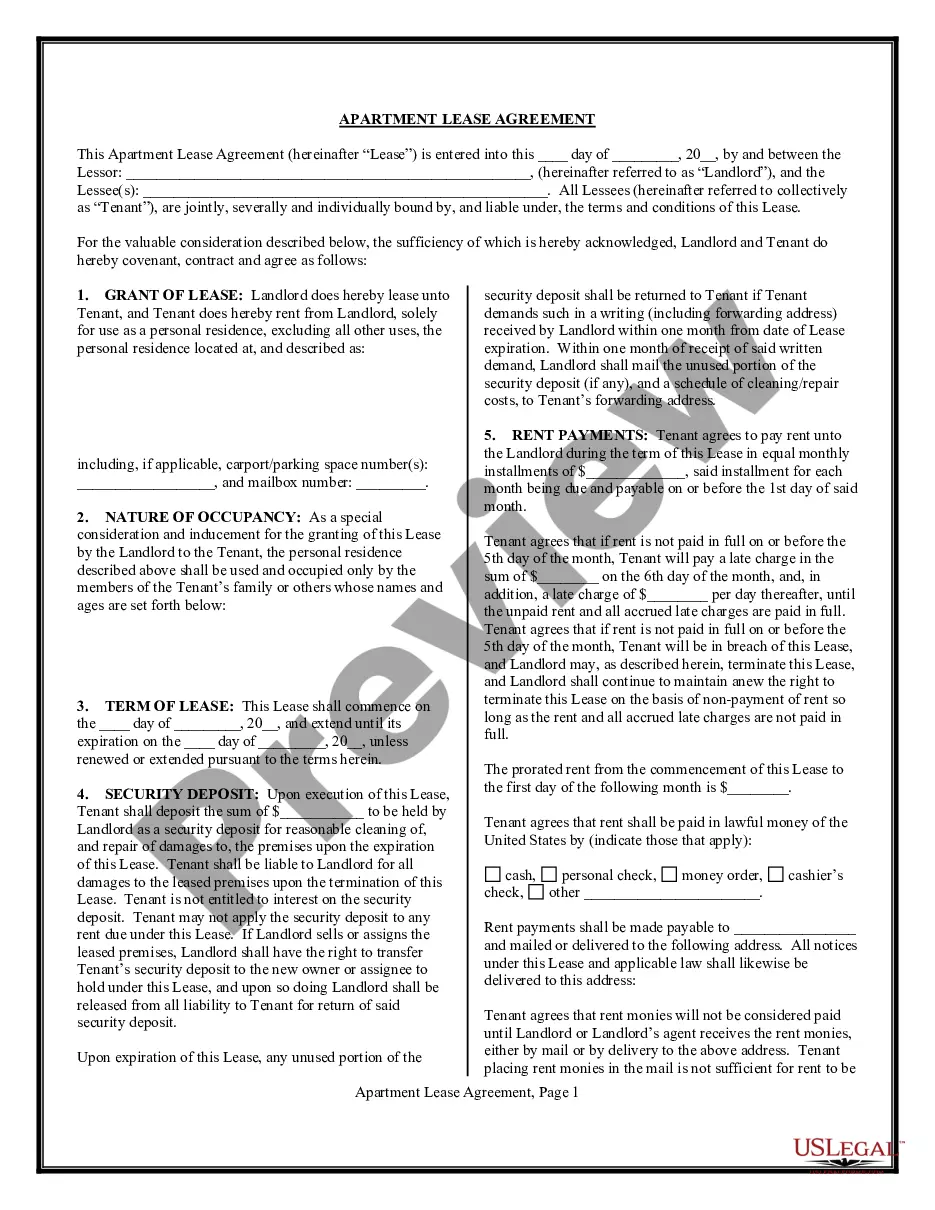
Get your form ready online
Our built-in tools help you complete, sign, share, and store your documents in one place.
Make edits, fill in missing information, and update formatting in US Legal Forms—just like you would in MS Word.
Download a copy, print it, send it by email, or mail it via USPS—whatever works best for your next step.
Sign and collect signatures with our SignNow integration. Send to multiple recipients, set reminders, and more. Go Premium to unlock E-Sign.
If this form requires notarization, complete it online through a secure video call—no need to meet a notary in person or wait for an appointment.
We protect your documents and personal data by following strict security and privacy standards.

Make edits, fill in missing information, and update formatting in US Legal Forms—just like you would in MS Word.

Download a copy, print it, send it by email, or mail it via USPS—whatever works best for your next step.

Sign and collect signatures with our SignNow integration. Send to multiple recipients, set reminders, and more. Go Premium to unlock E-Sign.

If this form requires notarization, complete it online through a secure video call—no need to meet a notary in person or wait for an appointment.

We protect your documents and personal data by following strict security and privacy standards.
Looking for another form?


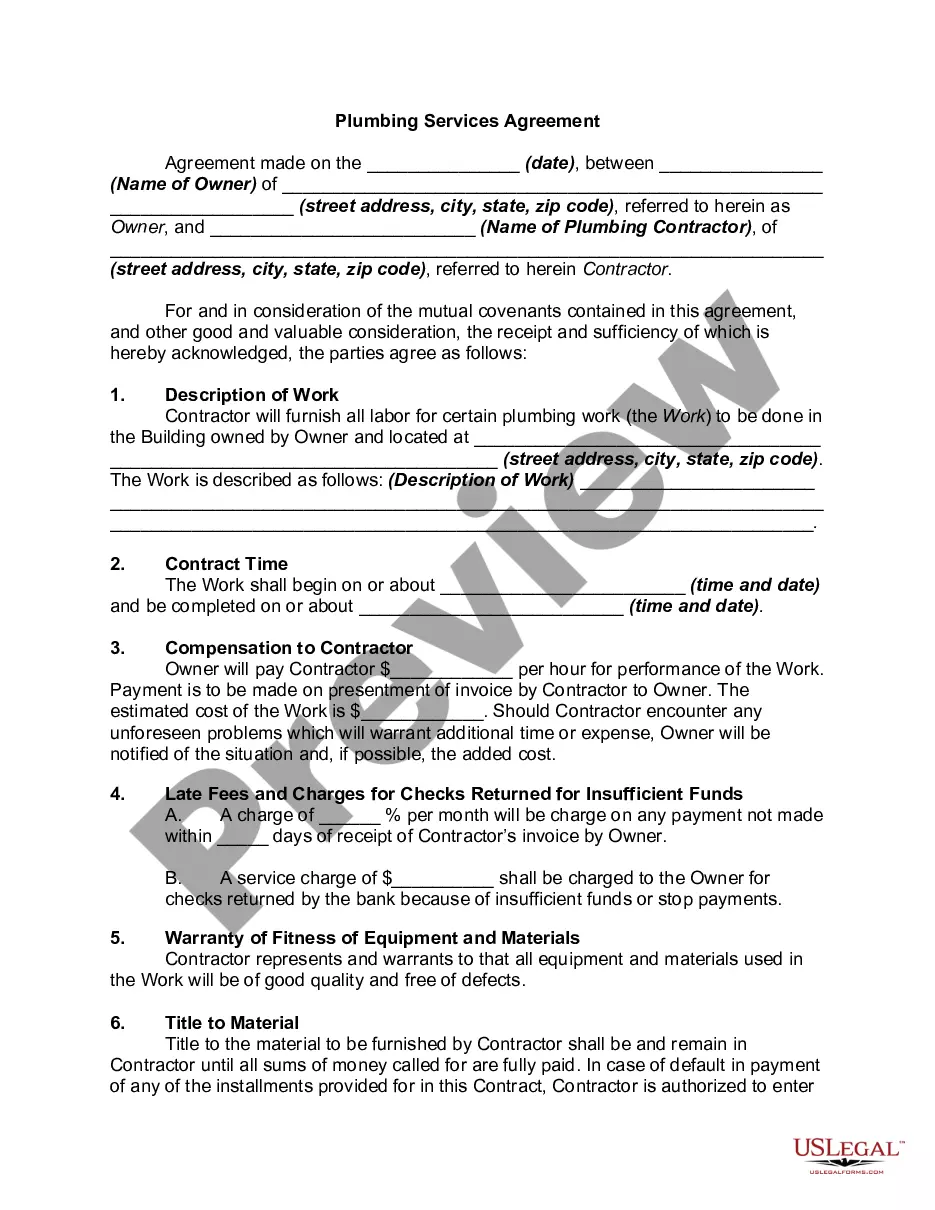


How to fill out Ohio Residential Landlord Tenant Rental Lease Forms And Agreements Package?
Whether for business purposes or for personal matters, everybody has to deal with legal situations at some point in their life. Completing legal paperwork needs careful attention, starting with choosing the appropriate form template. For example, when you select a wrong edition of a Ohio Landlord Tenant Without Lease, it will be declined once you send it. It is therefore crucial to get a dependable source of legal files like US Legal Forms.
If you need to obtain a Ohio Landlord Tenant Without Lease template, follow these simple steps:
- Find the sample you need by utilizing the search field or catalog navigation.
- Examine the form’s information to make sure it fits your case, state, and region.
- Click on the form’s preview to examine it.
- If it is the wrong document, return to the search function to locate the Ohio Landlord Tenant Without Lease sample you require.
- Get the file when it meets your needs.
- If you have a US Legal Forms account, simply click Log in to gain access to previously saved templates in My Forms.
- In the event you don’t have an account yet, you can download the form by clicking Buy now.
- Select the correct pricing option.
- Finish the account registration form.
- Pick your payment method: use a bank card or PayPal account.
- Select the document format you want and download the Ohio Landlord Tenant Without Lease.
- After it is downloaded, you are able to complete the form by using editing software or print it and finish it manually.
With a vast US Legal Forms catalog at hand, you never have to spend time searching for the appropriate sample across the web. Make use of the library’s easy navigation to find the correct form for any situation.
Form popularity
FAQ
(A) "Tenant" means a person entitled under a rental agreement to the use and occupancy of residential premises to the exclusion of others.
Tenants in the state of Ohio are granted certain rights by the state's landlord-tenant code, including the right to fair housing, the right to a return of the security deposit, and the right to notice before landlord entry. Other laws control habitability and retaliation. Tenants' Rights in the State of Ohio - Landlords - LiveAbout LiveAbout ? Industries ? Landlords LiveAbout ? Industries ? Landlords
The landlord must hand a written copy of the notice to the tenant in person, or leave the notice at the tenant's residence. In most other cases, except those dealing with drugs, the landlord must give the tenant 30 days notice of termination, prior to giving the 3 day notice.
Without a written lease, the landlord or the tenant may end a week-to-week tenancy by giving the other party at least seven days' notice before the termination date. Either party may end a month-to-month tenancy by notifying the other party of the intent not to renew the tenancy.
For the reasons listed below, you must first issue the tenant with a Form 12: Notice of Leave. If the tenant does not comply with the notice by not leaving on the desired date, the landlord can apply to the court for an order that requires the tenant to leave.