Landlord Tenant Lease Without Cause
Description


Get your form ready online
Our built-in tools help you complete, sign, share, and store your documents in one place.
Make edits, fill in missing information, and update formatting in US Legal Forms—just like you would in MS Word.
Download a copy, print it, send it by email, or mail it via USPS—whatever works best for your next step.
Sign and collect signatures with our SignNow integration. Send to multiple recipients, set reminders, and more. Go Premium to unlock E-Sign.
If this form requires notarization, complete it online through a secure video call—no need to meet a notary in person or wait for an appointment.
We protect your documents and personal data by following strict security and privacy standards.

Make edits, fill in missing information, and update formatting in US Legal Forms—just like you would in MS Word.

Download a copy, print it, send it by email, or mail it via USPS—whatever works best for your next step.

Sign and collect signatures with our SignNow integration. Send to multiple recipients, set reminders, and more. Go Premium to unlock E-Sign.

If this form requires notarization, complete it online through a secure video call—no need to meet a notary in person or wait for an appointment.

We protect your documents and personal data by following strict security and privacy standards.
Looking for another form?








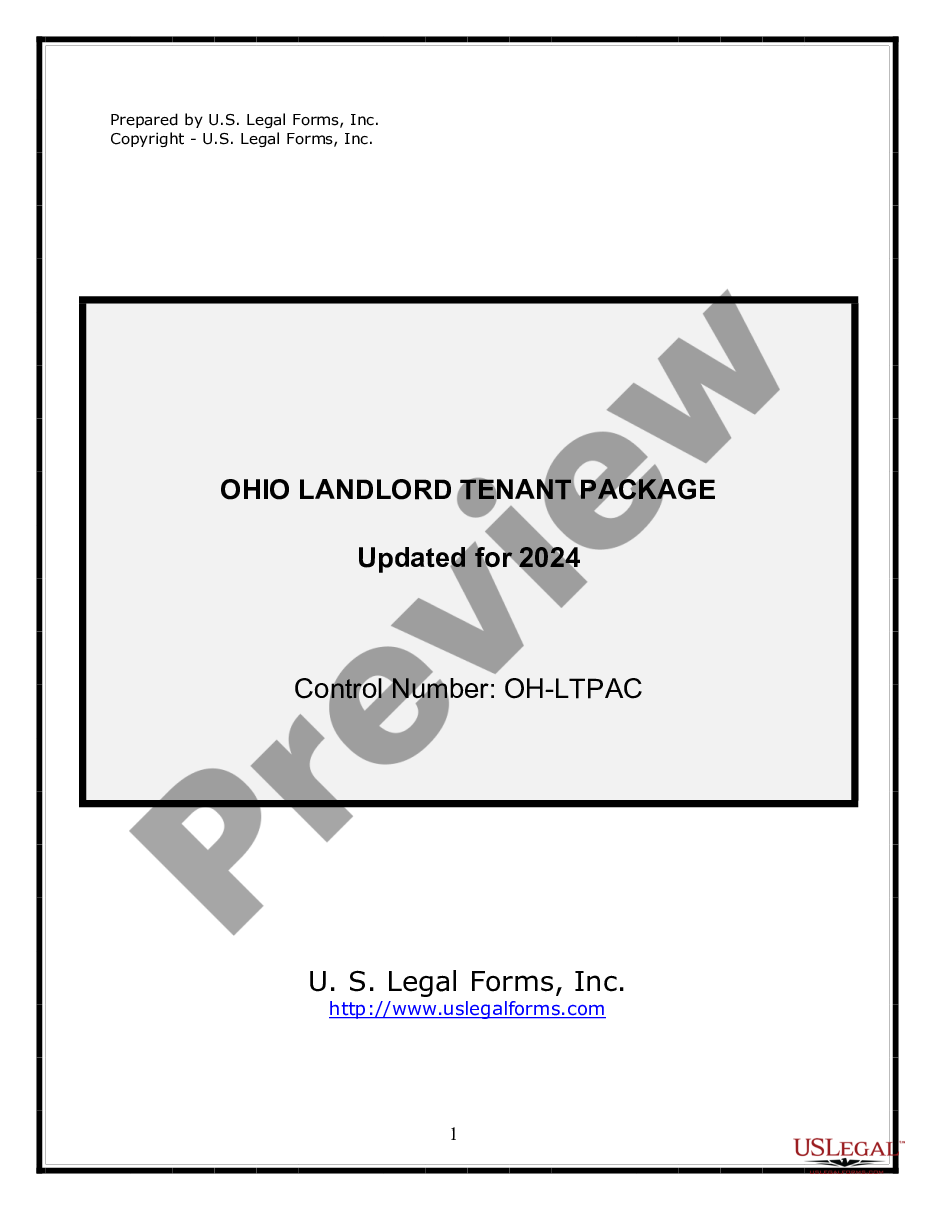
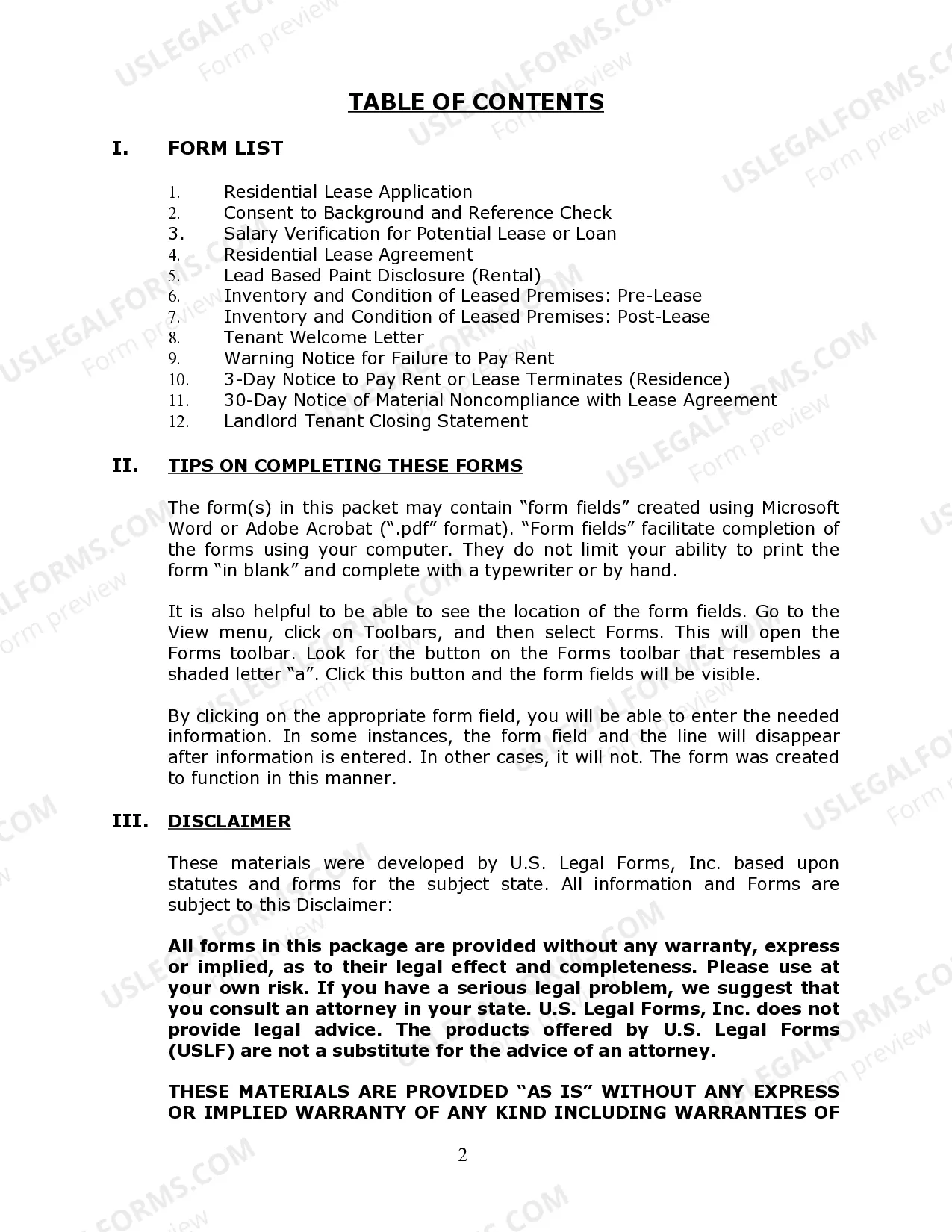
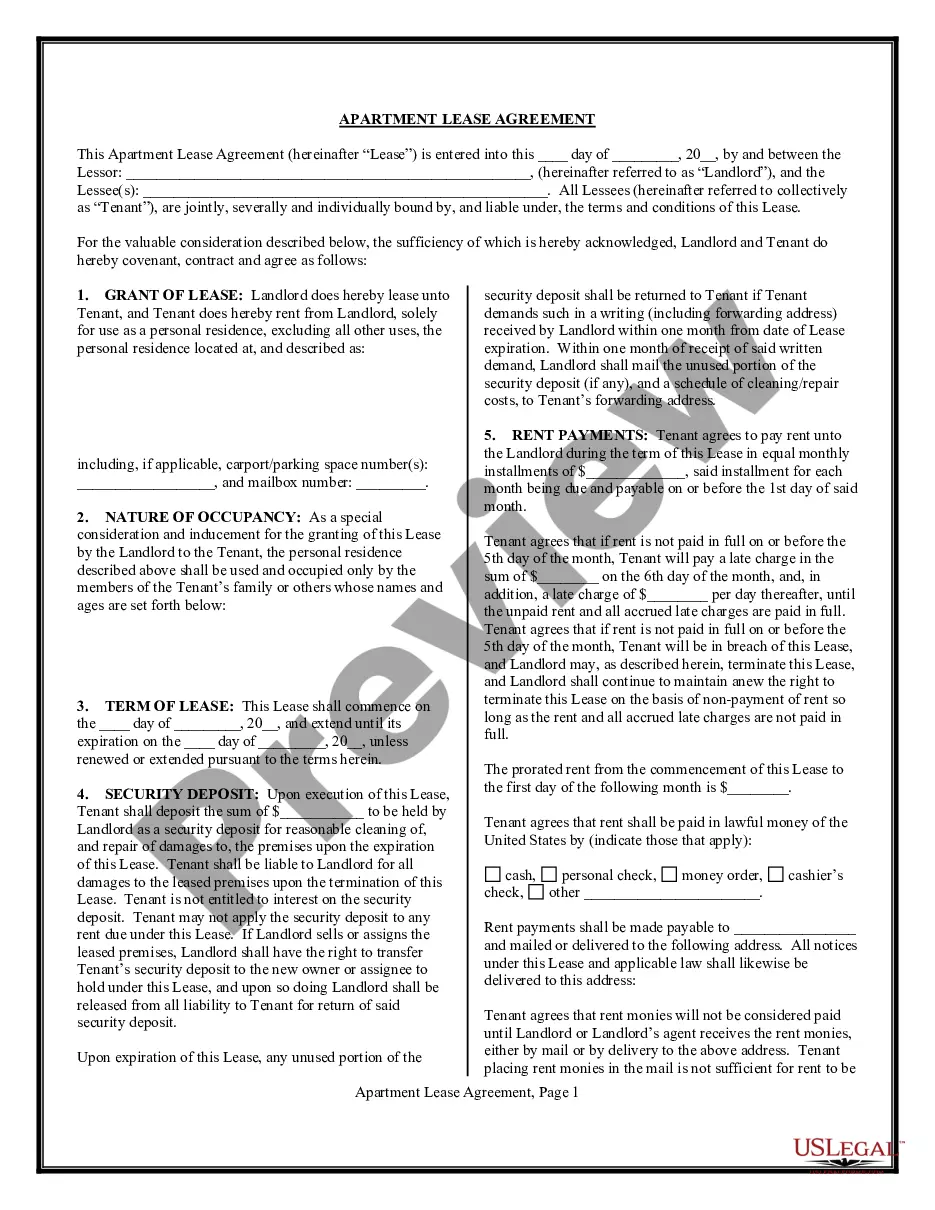
How to fill out Ohio Residential Landlord Tenant Rental Lease Forms And Agreements Package?
Finding a reliable source for the most up-to-date and pertinent legal templates is a significant part of dealing with bureaucracy. Identifying the correct legal documents requires accuracy and meticulousness, which is why it is essential to obtain samples of Landlord Tenant Lease Without Cause solely from trustworthy sources, such as US Legal Forms. An incorrect template will squander your time and prolong the issue you are facing. With US Legal Forms, you have minimal concerns. You can access and examine all the specifics regarding the document’s application and relevance for your situation and in your state or region.
Follow these steps to finalize your Landlord Tenant Lease Without Cause.
Once you have the form on your device, you may edit it using the editor or print it and complete it manually. Eliminate the inconvenience associated with your legal documentation. Browse the comprehensive US Legal Forms catalog where you can discover legal templates, assess their relevance to your circumstances, and download them immediately.
- Utilize the library navigation or search bar to find your template.
- Review the form’s details to verify if it aligns with the requirements of your state and locality.
- Check the form preview, if available, to confirm it is the document you need.
- Return to the search and find the correct document if the Landlord Tenant Lease Without Cause does not meet your needs.
- When you are confident about the form’s relevance, download it.
- If you are a registered client, click Log in to verify and access your selected templates in My documents.
- If you do not have an account yet, click Buy now to purchase the template.
- Select the pricing plan that fits your needs.
- Proceed to registration to complete your transaction.
- Finalize your purchase by choosing a payment method (credit card or PayPal).
- Select the file format for downloading the Landlord Tenant Lease Without Cause.
Form popularity
FAQ
In Michigan, landlords cannot evict tenants without cause, especially under a landlord tenant lease without cause agreement. They must follow legal procedures and provide proper notice before taking any action. Additionally, landlords cannot retaliate against tenants for exercising their rights, such as reporting health violations or requesting repairs. Understanding these laws is crucial, and using resources like US Legal Forms can help you navigate landlord-tenant issues effectively.
If your landlord refuses to provide you with a lease, you can still assert your rights as a tenant. Document your conversations and request a written agreement for clarity on terms. You may also want to consider using a service like US Legal Forms to create a landlord tenant lease without cause, which can help establish clear expectations and protect your interests.
In South Dakota, tenants have several rights, including the right to a safe and habitable living environment. Additionally, tenants cannot be discriminated against or retaliated against for exercising their rights. It's beneficial to familiarize yourself with state laws regarding rental agreements and eviction processes. If you face issues managing your landlord tenant lease without cause, you can seek assistance from local legal resources.
To get someone out of your house quickly, you should first communicate your intent to have them leave. If they refuse, you may need to issue a formal notice to vacate. If the situation escalates, consider legal action through the appropriate eviction process. Having a written landlord tenant lease without cause can simplify this process and provide legal backing for your request.
In Pennsylvania, a landlord can terminate a month-to-month lease without cause by providing the tenant with a 15-day notice. This flexibility allows landlords to adjust their rental agreements as needed. However, it is crucial to follow the legal requirements to ensure the process is valid. Understanding the terms of a landlord tenant lease without cause can help both parties navigate these situations effectively.
The quickest way to evict a tenant typically involves following your state's specific eviction process. Generally, you must provide a notice to vacate, allowing the tenant time to leave. If they refuse, you may then file an eviction lawsuit. Remember that if your tenant has no lease, you might be dealing with a landlord tenant lease without cause scenario, which can streamline the eviction process.
If your landlord never provided you with a lease, you still have rights as a tenant. It's essential to document your communication with your landlord regarding the lease. Consider reaching out to your local housing authority for guidance on your situation. You may also want to explore the option of creating a landlord tenant lease without cause to clarify your rental agreement.