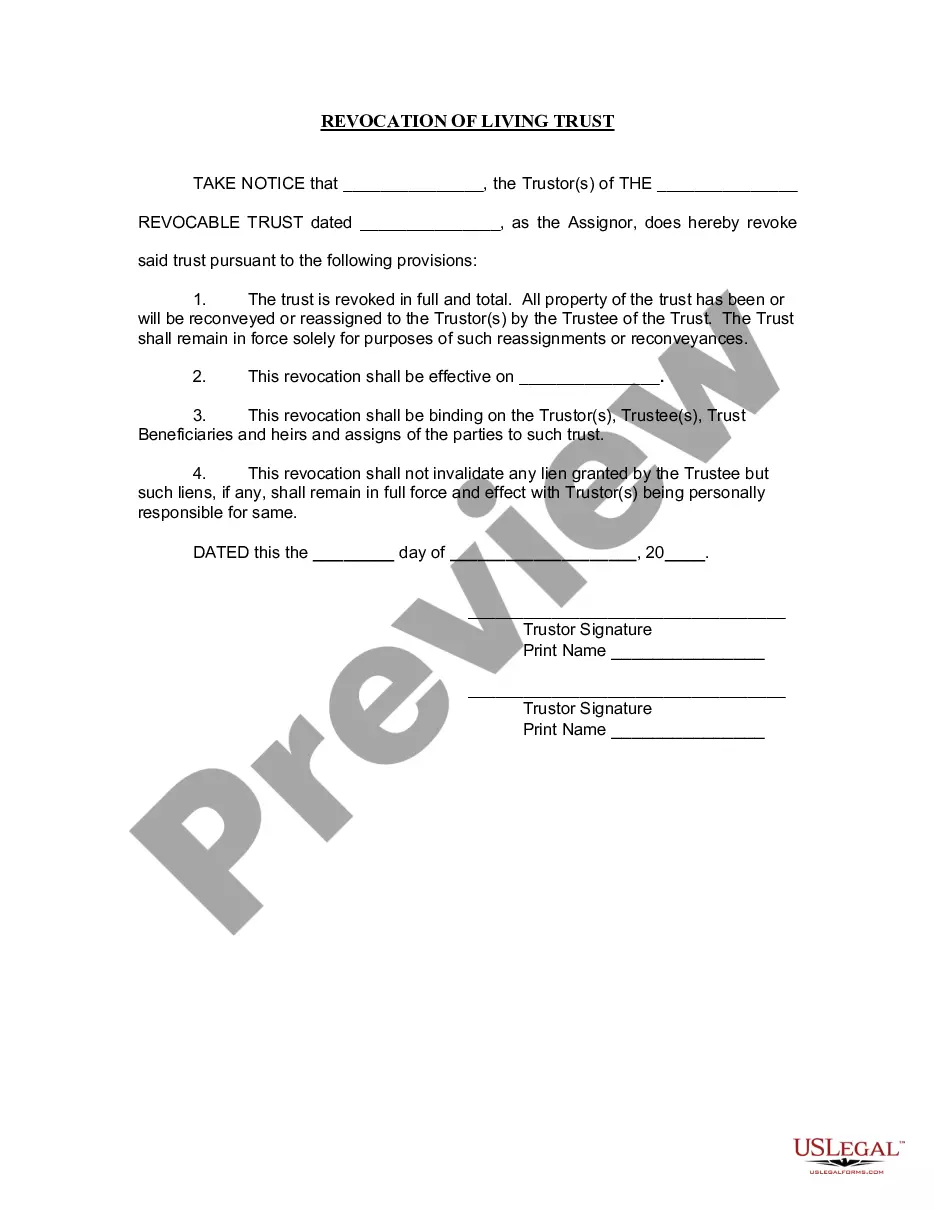
Revocation Living Trust With A Family Member
Description

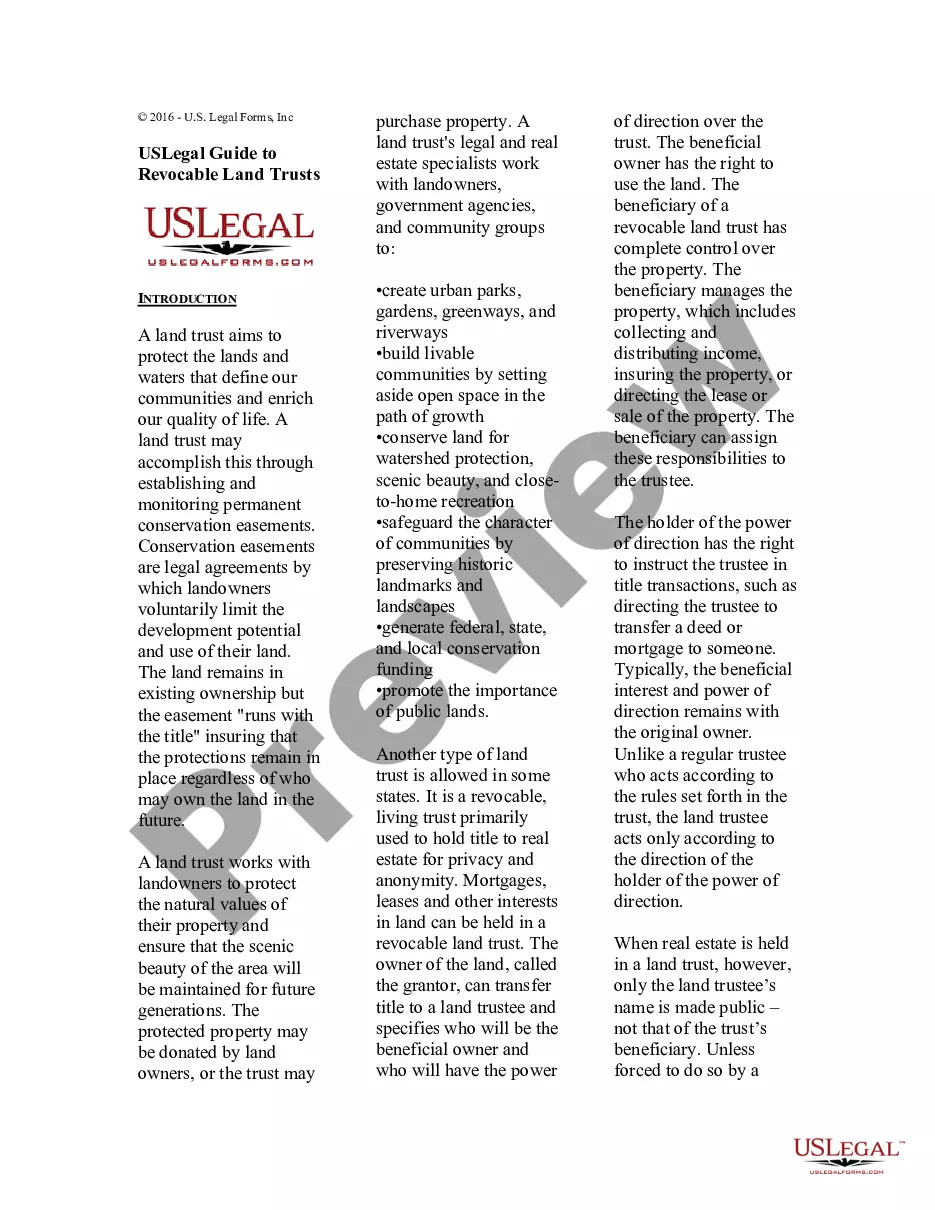
Get your form ready online
Our built-in tools help you complete, sign, share, and store your documents in one place.
Make edits, fill in missing information, and update formatting in US Legal Forms—just like you would in MS Word.
Download a copy, print it, send it by email, or mail it via USPS—whatever works best for your next step.
Sign and collect signatures with our SignNow integration. Send to multiple recipients, set reminders, and more. Go Premium to unlock E-Sign.
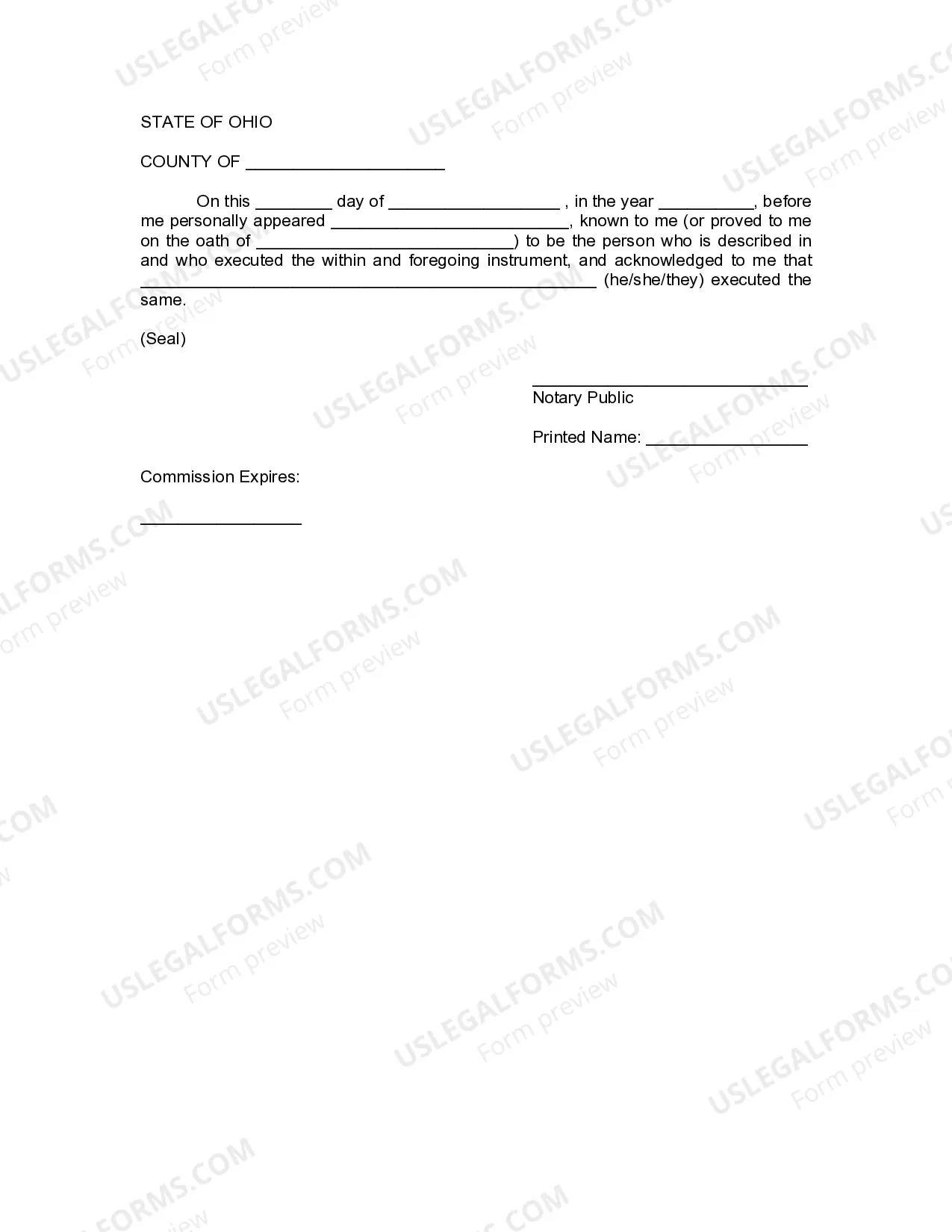
If this form requires notarization, complete it online through a secure video call—no need to meet a notary in person or wait for an appointment.
We protect your documents and personal data by following strict security and privacy standards.

Make edits, fill in missing information, and update formatting in US Legal Forms—just like you would in MS Word.

Download a copy, print it, send it by email, or mail it via USPS—whatever works best for your next step.

Sign and collect signatures with our SignNow integration. Send to multiple recipients, set reminders, and more. Go Premium to unlock E-Sign.

If this form requires notarization, complete it online through a secure video call—no need to meet a notary in person or wait for an appointment.

We protect your documents and personal data by following strict security and privacy standards.
Looking for another form?
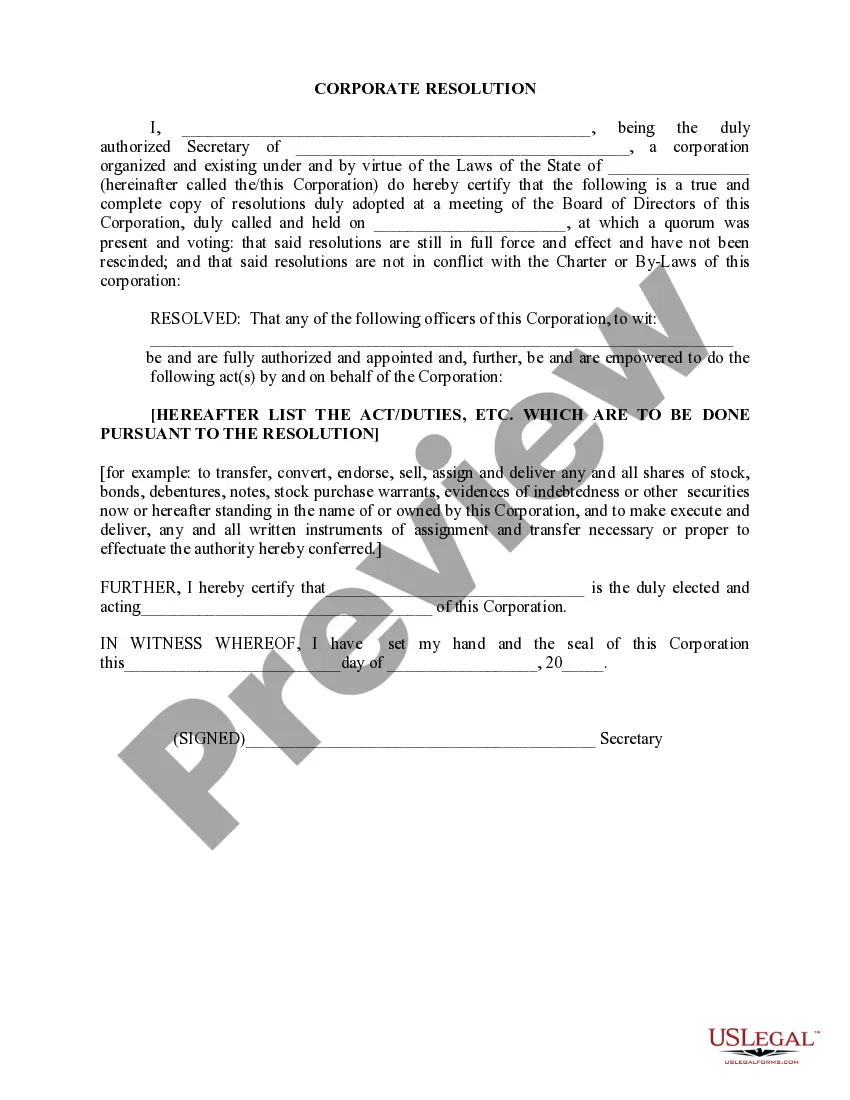





How to fill out Ohio Revocation Of Living Trust?
- Log into your US Legal Forms account to access your existing documents, ensuring your subscription is up to date.
- Explore the Preview mode and form descriptions to confirm that you have selected the right revocation form that aligns with your local jurisdiction requirements.
- If necessary, use the Search tab to find alternative templates that meet your needs and ensure accuracy.
- Purchase the document by clicking on the Buy Now button, selecting your preferred subscription plan, and creating an account for full access.
- Complete your purchase by entering your payment information via credit card or PayPal.
- Download the revocation form to your device, and you can revisit it anytime through the My Forms section of your account.
By following these simple steps, you empower yourself to efficiently handle the revocation process while ensuring all legal requirements are met.
Start your journey towards effective legal management today—visit US Legal Forms to access your document needs!
Form popularity
FAQ
A form to dissolve a revocable trust, often referred to as a revocation document, allows a trust creator to terminate the trust and distribute its assets. This is particularly important if you are considering revocation of a living trust with a family member due to changing circumstances or relationships. Completing this form ensures the proper legal steps are followed, protecting both you and your loved ones. You can find user-friendly templates for trust revocation on platforms like USLegalForms, providing a smooth way to manage your estate planning.
A trust can be declared void for reasons such as lack of capacity or if it was created under undue influence. For instance, if a revocation living trust with a family member was established while the grantor was not mentally competent, it may be contested. Additionally, failing to properly fund the trust can lead to its dissolution. It’s important to create a trust with clarity and intention to avoid these pitfalls.
A trust can become invalid due to several reasons, including improper creation or lack of legal requirements. For instance, if a revocation living trust with a family member does not meet state-specific regulations, it may not hold up in court. Moreover, an unclear intention of the grantor can cast doubt on the trust's validity. Recognizing these factors can help ensure your trust remains enforceable.
The 5 year rule relates to how assets in a trust may be treated for tax purposes. Generally, if a person transfers assets into a revocation living trust with a family member, those assets may be excluded from their taxable estate after five years. This rule helps in estate planning, allowing individuals to minimize potential estate taxes. Understanding this rule is essential when considering how to structure your trust effectively.
A trust can be terminated in three primary ways: by revocation, by reaching its designated end, or through operations of law. For those dealing with a revocation living trust with a family member, revoking the trust requires both parties to agree on terminating it. Being informed about your options will help you manage your trust effectively.
Generally, nursing homes cannot directly take your revocable trust, but the assets within it may be considered for your financial eligibility for assistance programs. If you create a revocation living trust with a family member, consider how it affects your available resources when entering long-term care. Consulting with an elder law attorney can provide clarity on this matter.
Trusts can be terminated through several methods: revocation by the trust creator, reaching the trust's designated expiration date, or fulfilling the purpose of the trust. A revocation living trust with a family member may also end by mutual agreement between the parties involved. Always consult legal advice to navigate this process properly.
A trust can become null and void due to several factors, including lack of proper execution or failure to meet legal requirements. Additionally, if the creator of the trust lacked mental capacity or was under undue influence, the trust may not be valid. In matters involving revocation living trust with a family member, these concerns often require careful review by legal experts.
Revoking a revocable trust is generally straightforward. You need to follow the guidelines set forth in the trust document, which may involve signing a formal revocation document. If you have created a revocation living trust with a family member, it's important to communicate your intentions clearly to avoid misunderstandings.
To shut down a trust, you must follow specific steps outlined in the trust document. Typically, this process includes notifying all beneficiaries and taking legal action to dissolve the trust formally. If the trust is a revocation living trust with a family member, communication with family is crucial to ensure everyone understands the changes being made.