Material Noncompliance By Landlord
Description
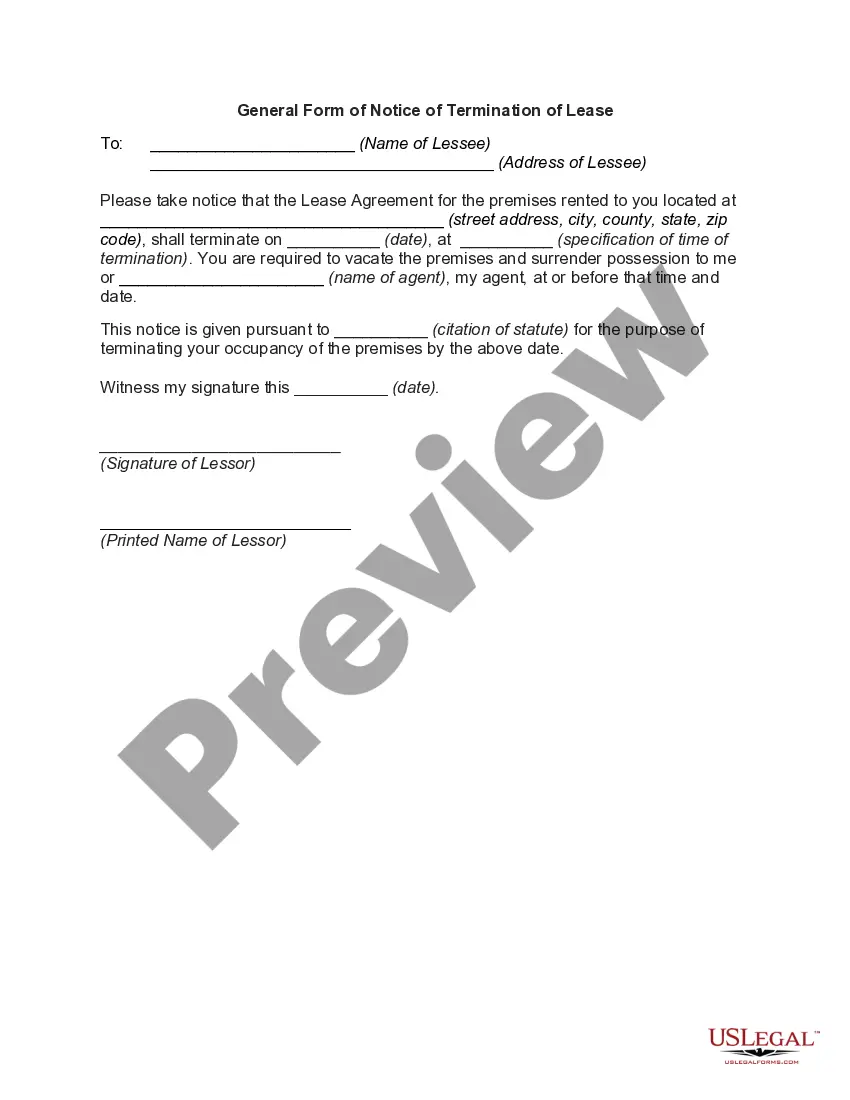
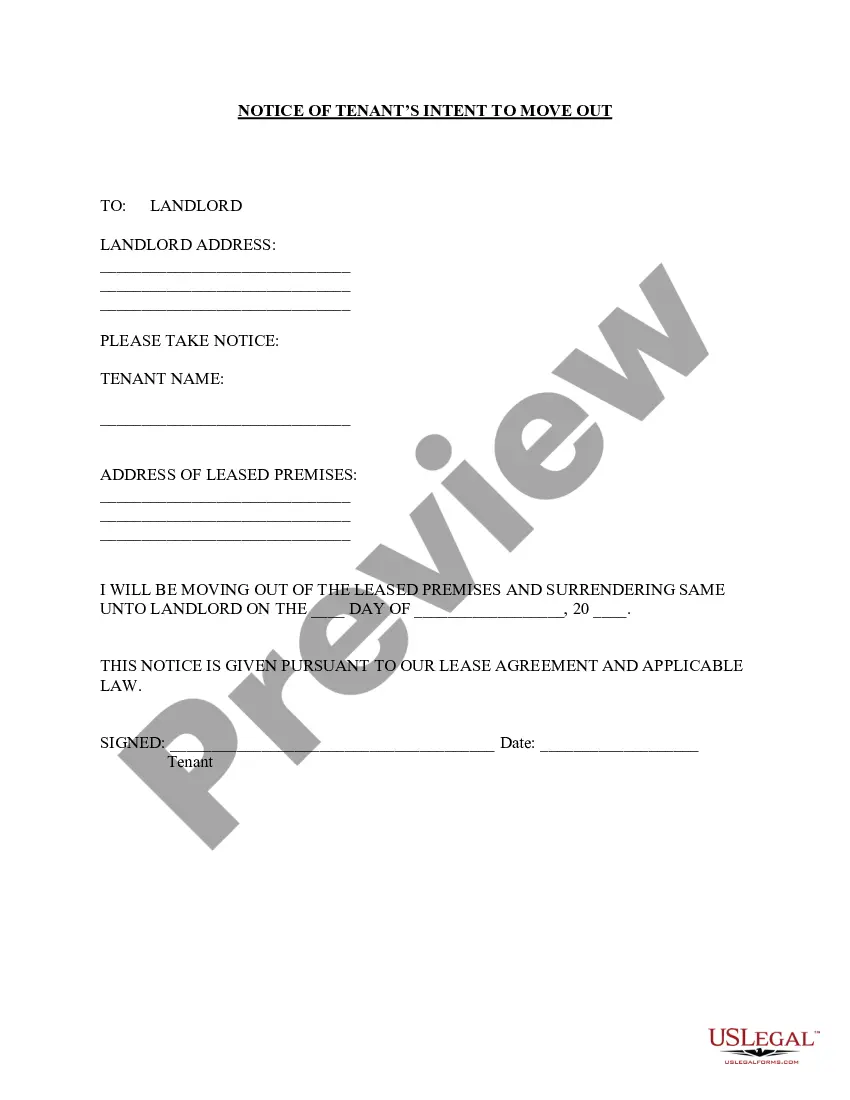
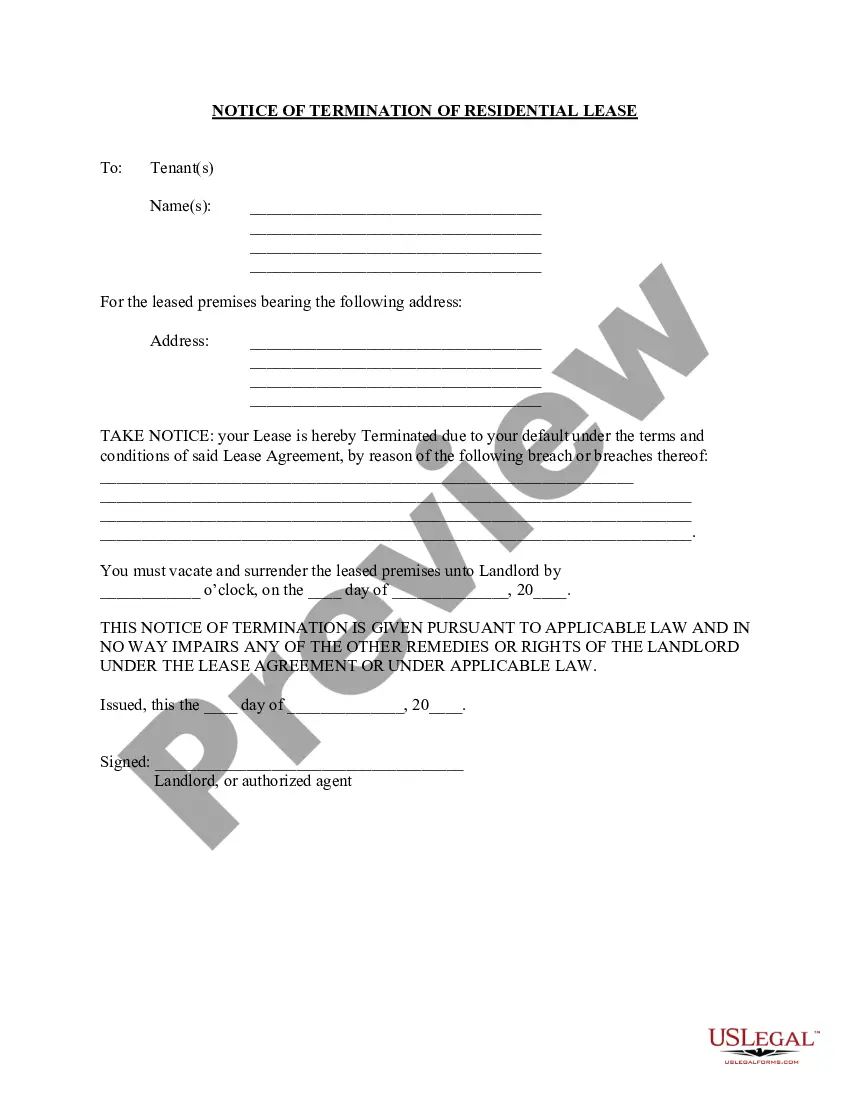
Get your form ready online
Our built-in tools help you complete, sign, share, and store your documents in one place.
Make edits, fill in missing information, and update formatting in US Legal Forms—just like you would in MS Word.
Download a copy, print it, send it by email, or mail it via USPS—whatever works best for your next step.
Sign and collect signatures with our SignNow integration. Send to multiple recipients, set reminders, and more. Go Premium to unlock E-Sign.
If this form requires notarization, complete it online through a secure video call—no need to meet a notary in person or wait for an appointment.
We protect your documents and personal data by following strict security and privacy standards.

Make edits, fill in missing information, and update formatting in US Legal Forms—just like you would in MS Word.

Download a copy, print it, send it by email, or mail it via USPS—whatever works best for your next step.

Sign and collect signatures with our SignNow integration. Send to multiple recipients, set reminders, and more. Go Premium to unlock E-Sign.

If this form requires notarization, complete it online through a secure video call—no need to meet a notary in person or wait for an appointment.

We protect your documents and personal data by following strict security and privacy standards.
Looking for another form?








Form popularity
FAQ
Accidental damage refers to events that are not a normal part of using the property, like breaking a window or damaging a door. On the other hand, wear and tear involves the gradual deterioration that occurs from regular use, such as faded paint or scuffed floors. Recognizing this distinction is crucial as material noncompliance by landlord cases often hinge on understanding these differences. If you're ever in doubt, consulting resources on lease agreements can provide clarity.
In your appeal letter to your landlord, succinctly state the reason for your appeal regarding a decision, often related to material noncompliance by landlord. Provide details and any supporting documentation to strengthen your case. It’s crucial to remain polite and express your willingness to discuss the matter further.
To write an apology to a landlord, express your regret regarding any misunderstandings related to material noncompliance by landlord. Acknowledge the issue and clarify your intention to correct your behavior or resolve the problem. Keeping a respectful tone helps maintain a positive landlord-tenant relationship.
Yes, a non-compliance letter provided by a landlord can serve as a warning to tenants. This letter typically outlines the material noncompliance by landlord that requires attention. It is important for tenants to address these concerns promptly to avoid further complications.
Begin your dispute letter to an apartment complex by clearly identifying yourself and the lease details. Describe the material noncompliance by landlord and provide specific examples or evidence. It’s essential to request a solution and clarify your expectations moving forward.
When writing a letter to dispute charges, outline the specific charges that you believe are incorrect. Reference any documentation or previous conversations regarding material noncompliance by landlord that support your case. Remember to express your desire for clarity and resolution, and include your contact details.
To write an effective dispute letter to a landlord, start by clearly stating the issue of material noncompliance by landlord. Mention specific incidents that demonstrate the noncompliance and include any relevant lease agreement clauses. Be sure to include your contact information and ask for a timely response.
The responsibility for enforcement against a landlord or landlord agent for non-compliance falls on local authorities. They take action against material noncompliance by landlords to protect tenants' rights. Tenants can report issues to their local council, which will investigate complaints and enforce standards. It is essential for tenants to be aware of their rights and take action when necessary.
Section 66 of the Housing Wales Act 2014 outlines the regulations surrounding the maintenance of rental properties. It specifically addresses the measures landlords must take to avoid material noncompliance by landlord standards. This section ensures that tenants receive adequate living conditions. Landlords who neglect these obligations may face enforcement actions to ensure compliance.
Section 75 of the Housing Wales Act 2014 covers the requirements for landlords to ensure their properties are fit for human habitation. It aims to protect tenants against material noncompliance by landlords regarding property conditions. Should a landlord neglect their legal duties, tenants have the right to seek remedies. This section plays a vital role in fostering quality housing standards across Wales.