Transfer Death Individuals For Injury
Description


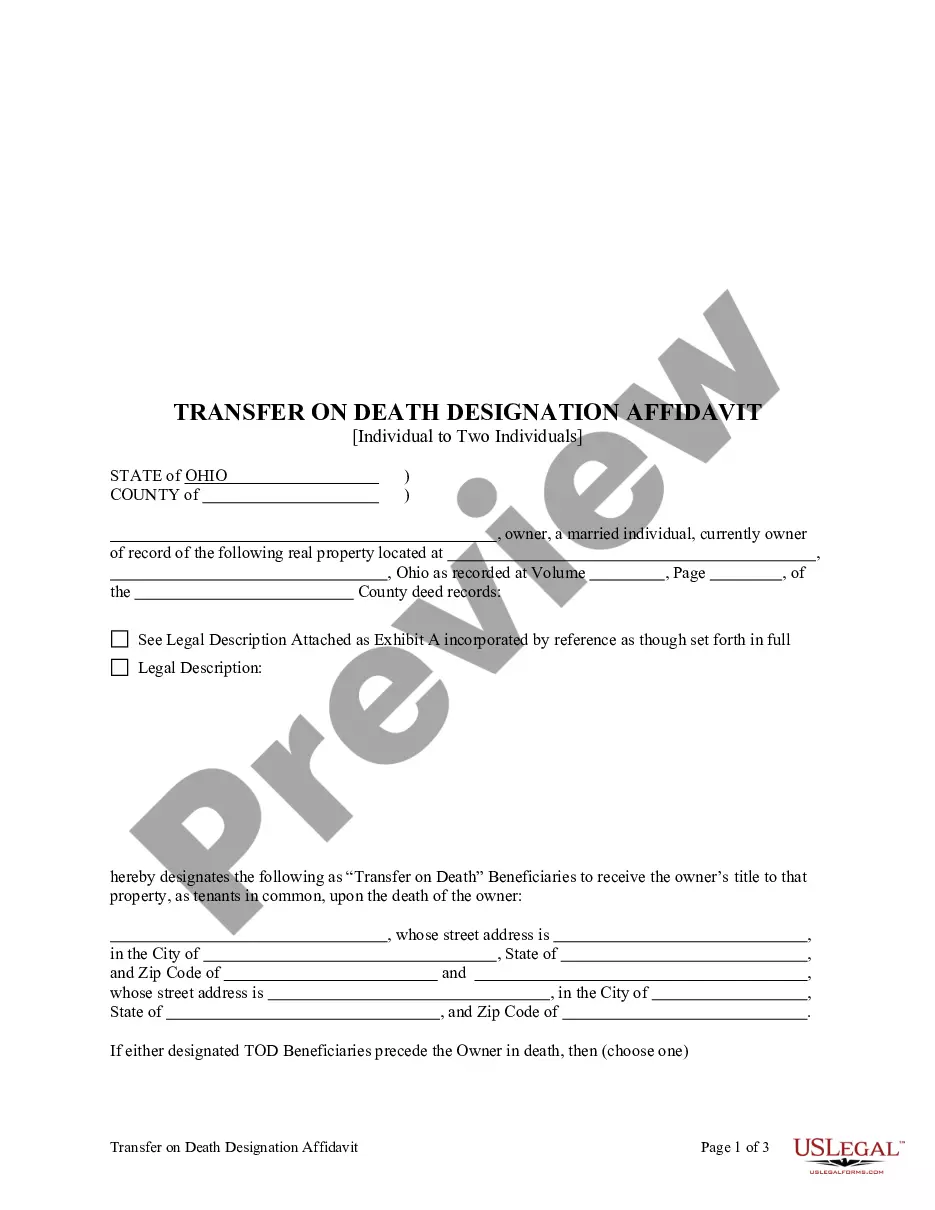
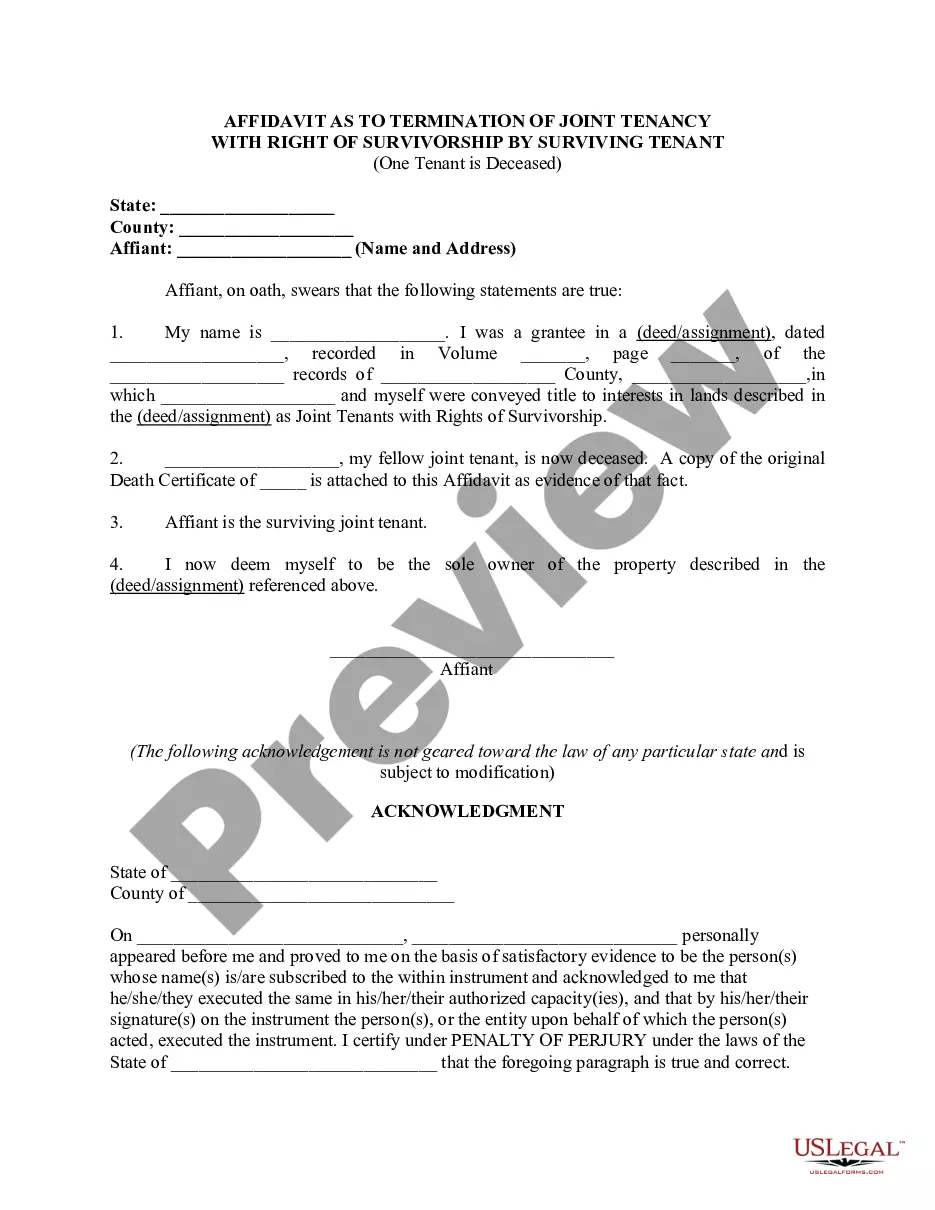
Get your form ready online
Our built-in tools help you complete, sign, share, and store your documents in one place.
Make edits, fill in missing information, and update formatting in US Legal Forms—just like you would in MS Word.
Download a copy, print it, send it by email, or mail it via USPS—whatever works best for your next step.
Sign and collect signatures with our SignNow integration. Send to multiple recipients, set reminders, and more. Go Premium to unlock E-Sign.
If this form requires notarization, complete it online through a secure video call—no need to meet a notary in person or wait for an appointment.
We protect your documents and personal data by following strict security and privacy standards.

Make edits, fill in missing information, and update formatting in US Legal Forms—just like you would in MS Word.

Download a copy, print it, send it by email, or mail it via USPS—whatever works best for your next step.

Sign and collect signatures with our SignNow integration. Send to multiple recipients, set reminders, and more. Go Premium to unlock E-Sign.

If this form requires notarization, complete it online through a secure video call—no need to meet a notary in person or wait for an appointment.

We protect your documents and personal data by following strict security and privacy standards.
Looking for another form?

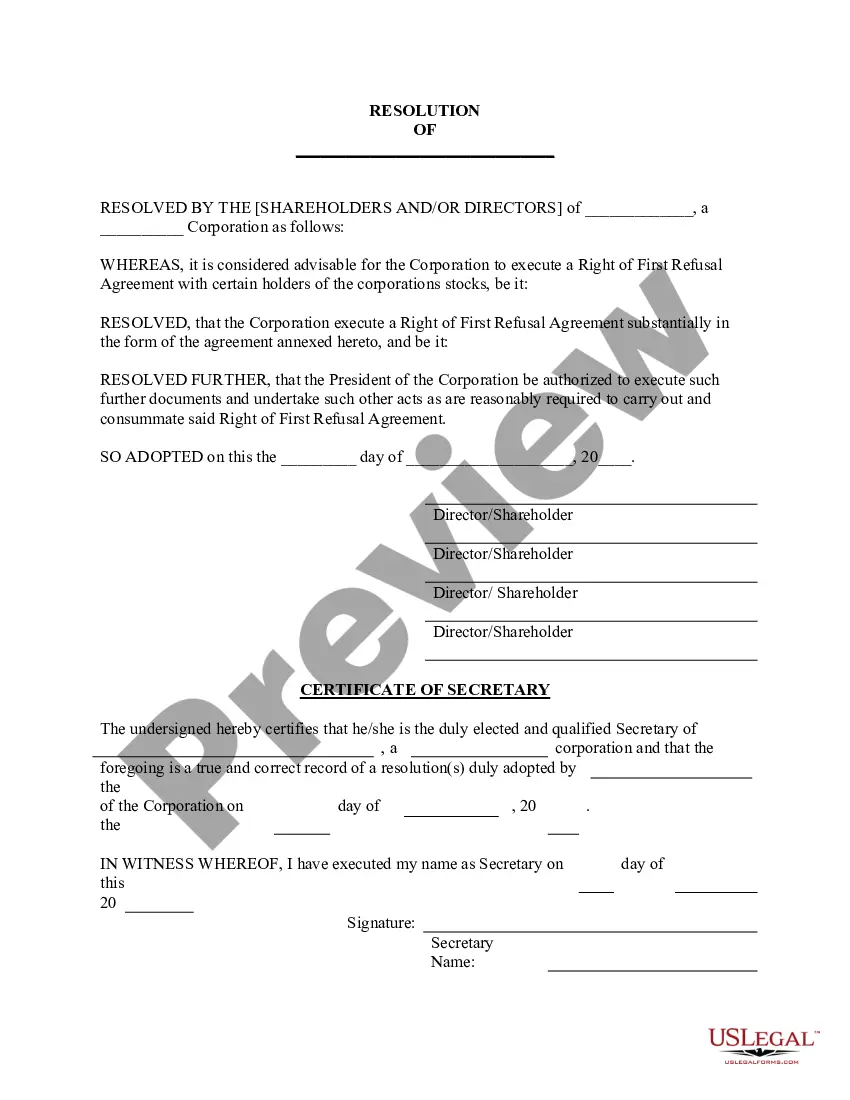





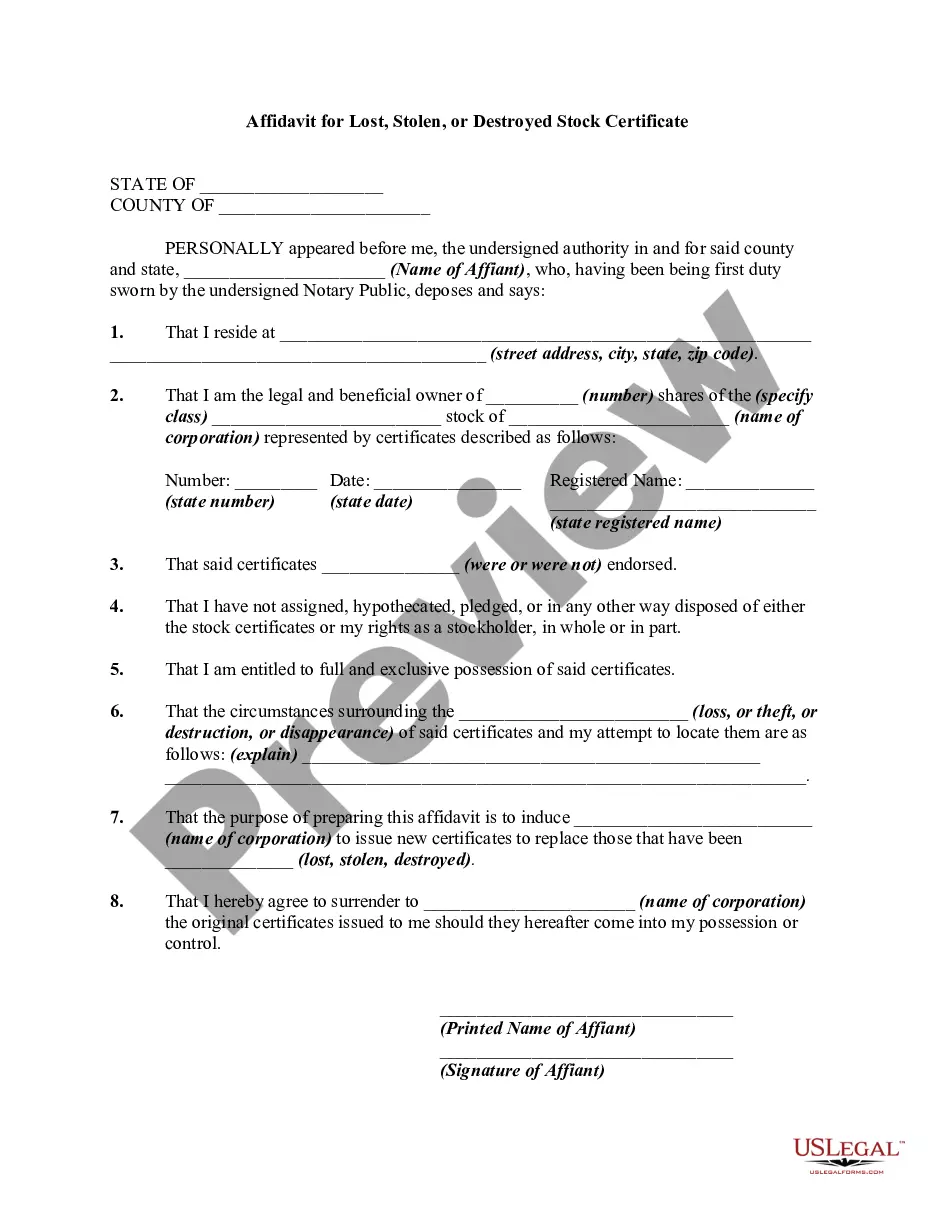

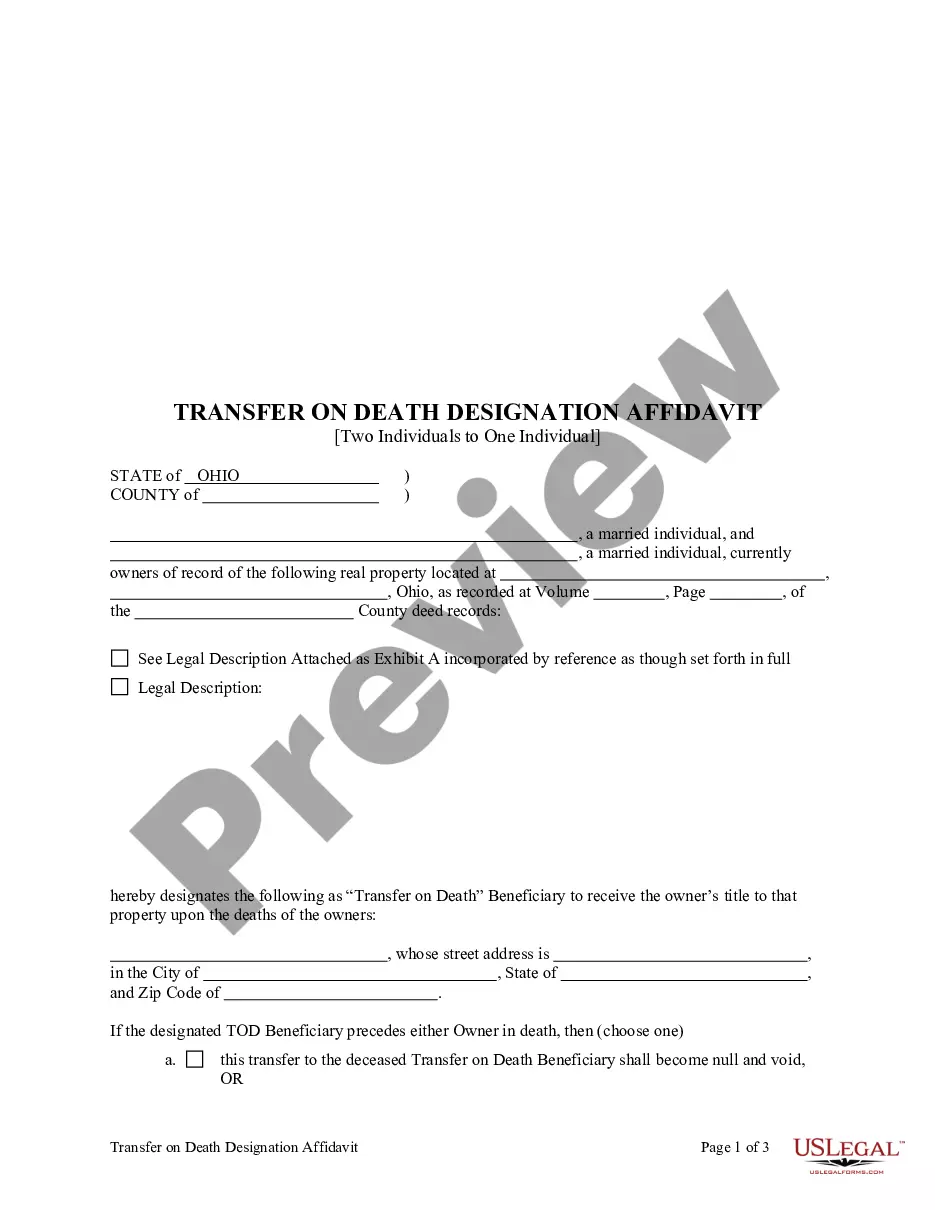
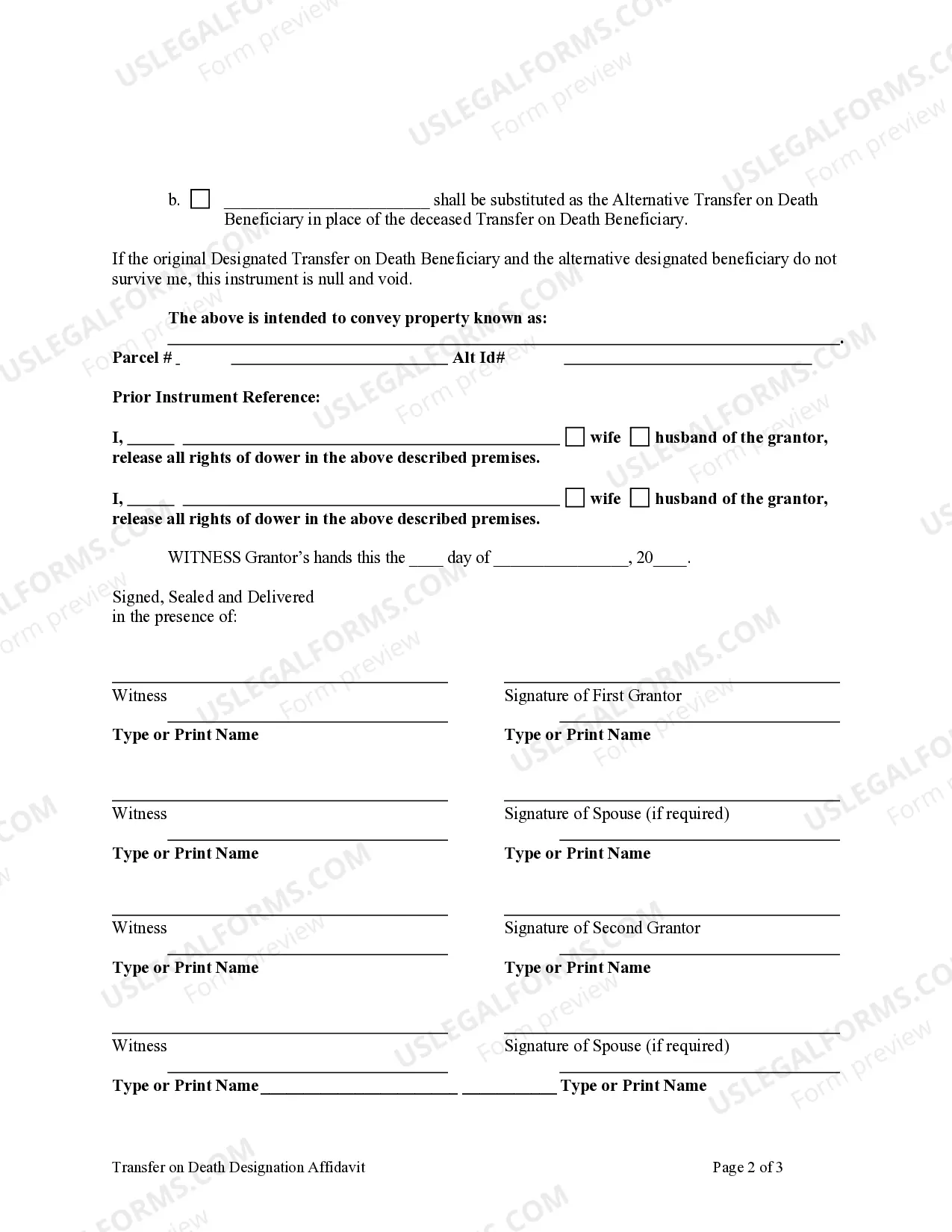
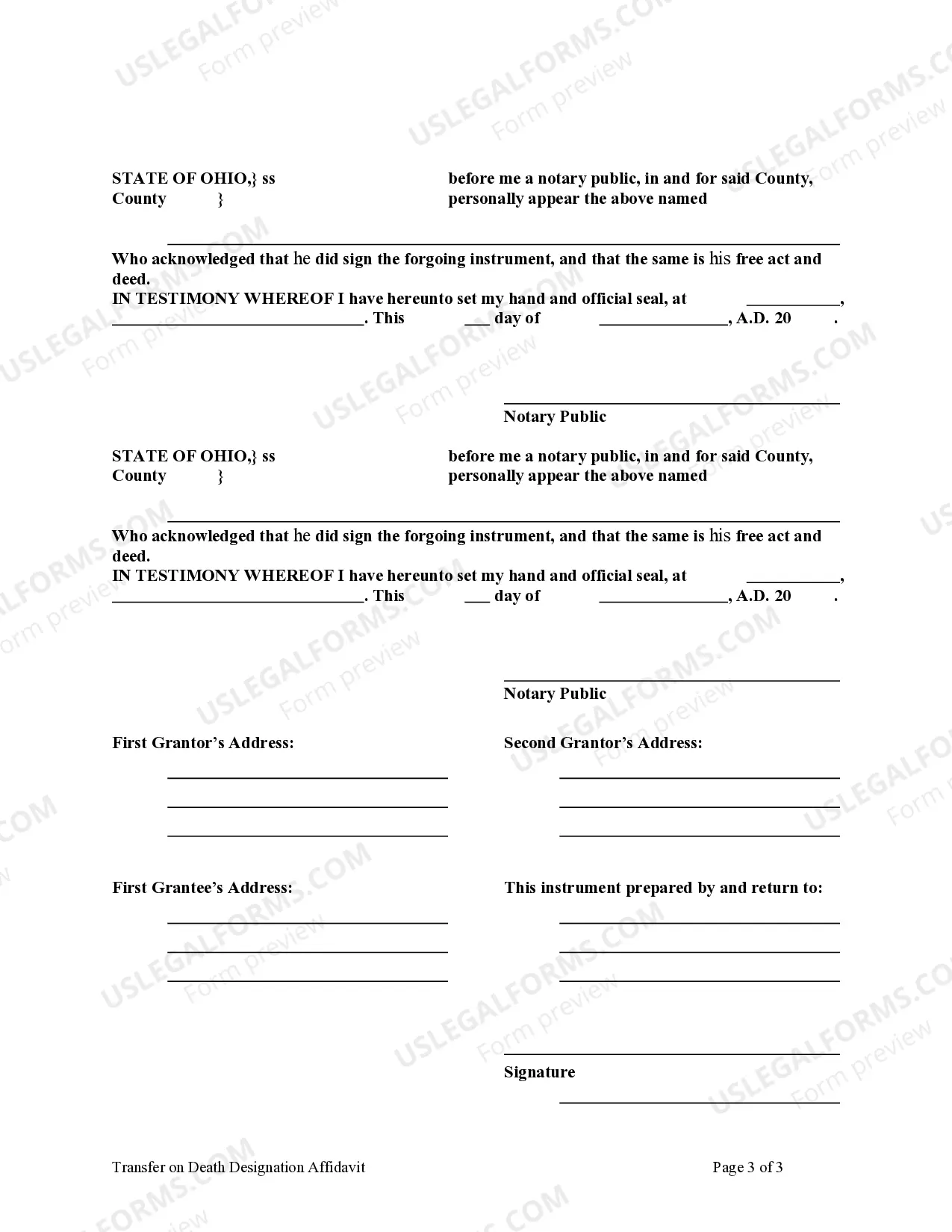
How to fill out Ohio Transfer On Death Designation Affidavit - TOD From Two Individuals To One Individual?
Identifying a reliable source to access the latest and suitable legal documents is a significant part of navigating bureaucracy.
Finding the correct legal files requires precision and careful consideration, which is why it's crucial to obtain Transfer Death Individuals For Injury samples solely from trustworthy origins, such as US Legal Forms.
Once you have the form on your device, you can edit it using the editor or print it to complete manually. Remove the frustration associated with your legal paperwork. Explore the extensive US Legal Forms collection to locate legal templates, assess their applicability to your situation, and download them instantly.
- Employ the catalog navigation or search tool to find your template.
- Examine the form’s description to determine if it aligns with the necessities of your state and locality.
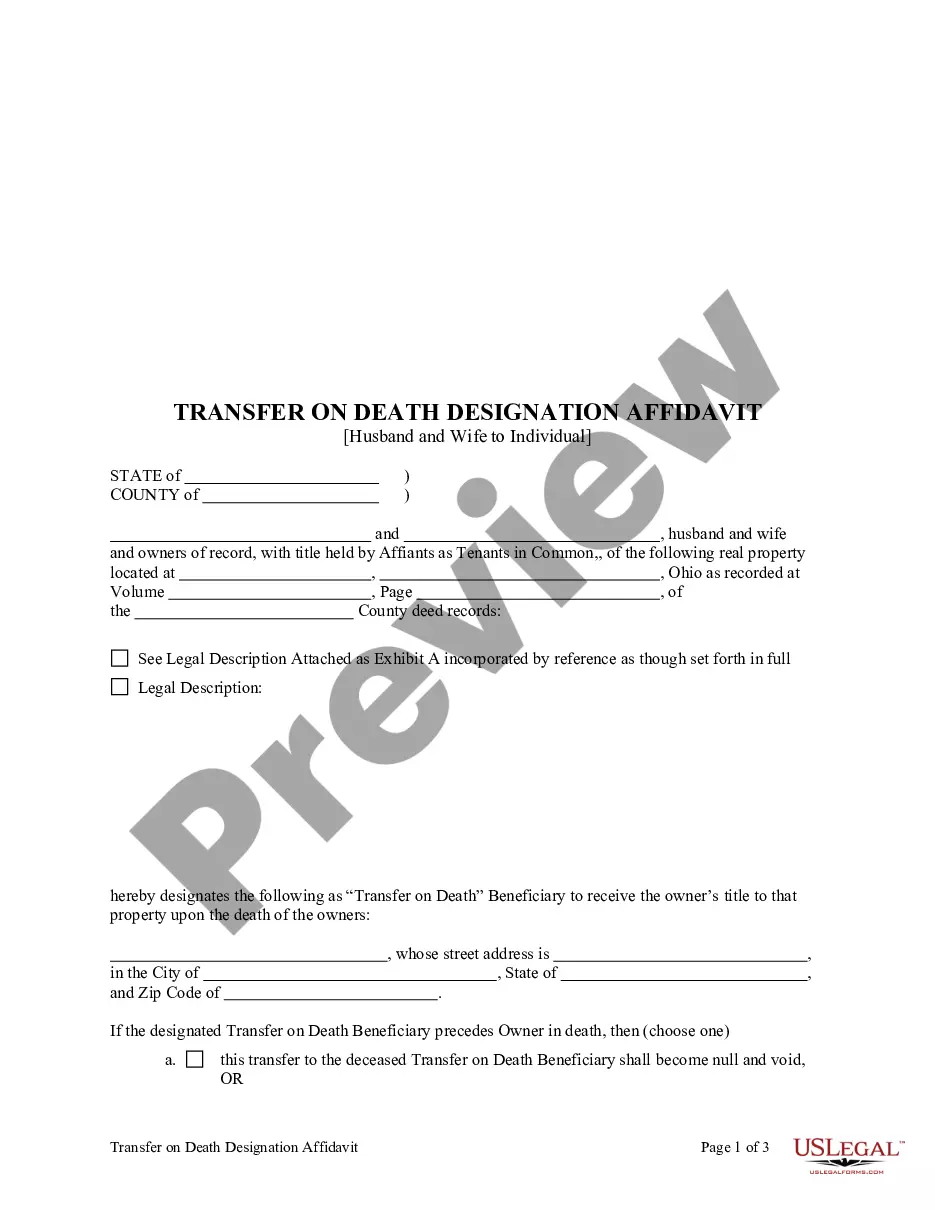
- Inspect the form preview, if available, to confirm that the template is precisely what you seek.
- Continue your search to find the appropriate document if the Transfer Death Individuals For Injury does not meet your requirements.
- If you are confident about the form’s suitability, download it.
- If you are a registered user, click Log in to verify and access your selected templates in My documents.
- If you haven't created an account yet, click Buy now to acquire the form.
- Select the pricing option that suits your needs.
- Proceed to the registration to complete your purchase.
- Finalize your transaction by choosing a payment method (credit card or PayPal).
- Select the document format for downloading Transfer Death Individuals For Injury.
Form popularity
FAQ
Disability: If your beneficiary has a disability or acquires one from an accident or illness before death. In that case, the POD and TOD funds could end up with the government or jeopardize their Medicaid and SSI.
A transfer on death, or TOD, is a designation that allows a creditor's assets to pass directly to their beneficiary after they die. The account owner specifies the percentage of assets each beneficiary is to receive, allowing their executor to distribute the assets without first passing through probate.
There are various components to the titling of assets: One is using a transfer on death (TOD) designation, generally used for investment accounts, or a payable on death (POD) designation, used for bank accounts, which act as beneficiary designations, stating to whom account assets are to pass when the owner dies.
Step 1: Locate the Current Deed for the Property. ... Step 2: Read the ?Common Questions? Listed on Page 2 of the TOD Deed. ... Step 3: Fill Out the TOD Deed (Do Not Sign) ... Step 4: Sign in Front of a Notary; Have Two Witnesses Sign. ... Step 5: Record the Deed at the Recorder's Office within 60 Days of Signing It.
A transfer on death deed can be a useful addition to your estate plan, but it may not address other concerns, like minimizing estate tax or creditor protection, for which you need a trust. In addition to a will or trust, you can also transfer property by making someone else a joint owner, or using a life estate deed.