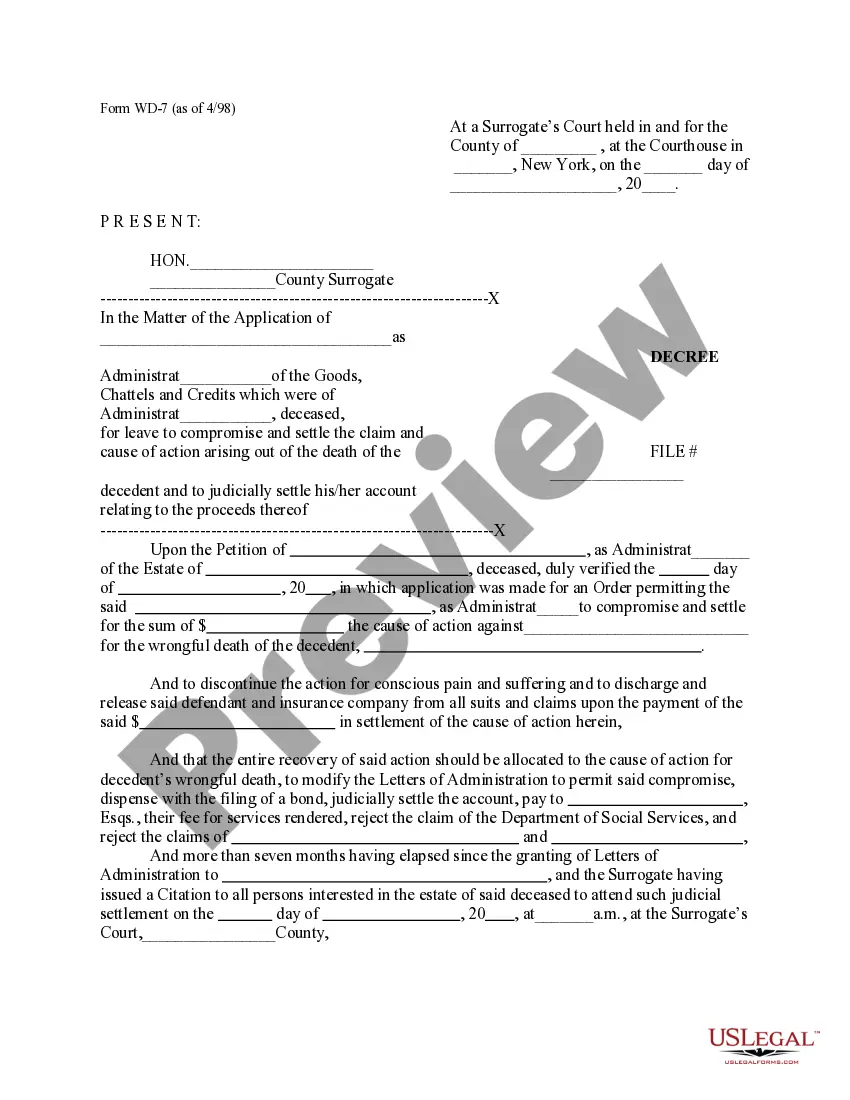
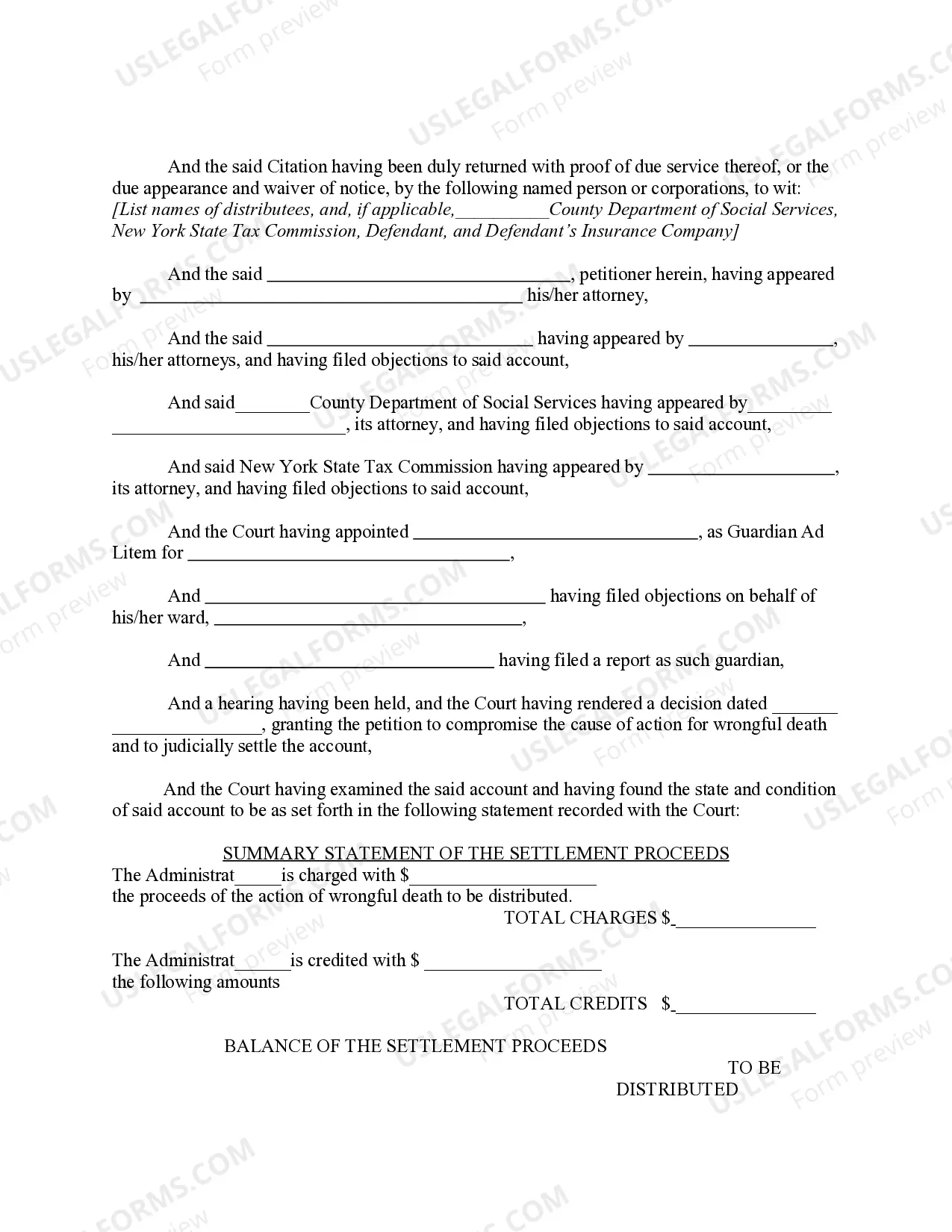
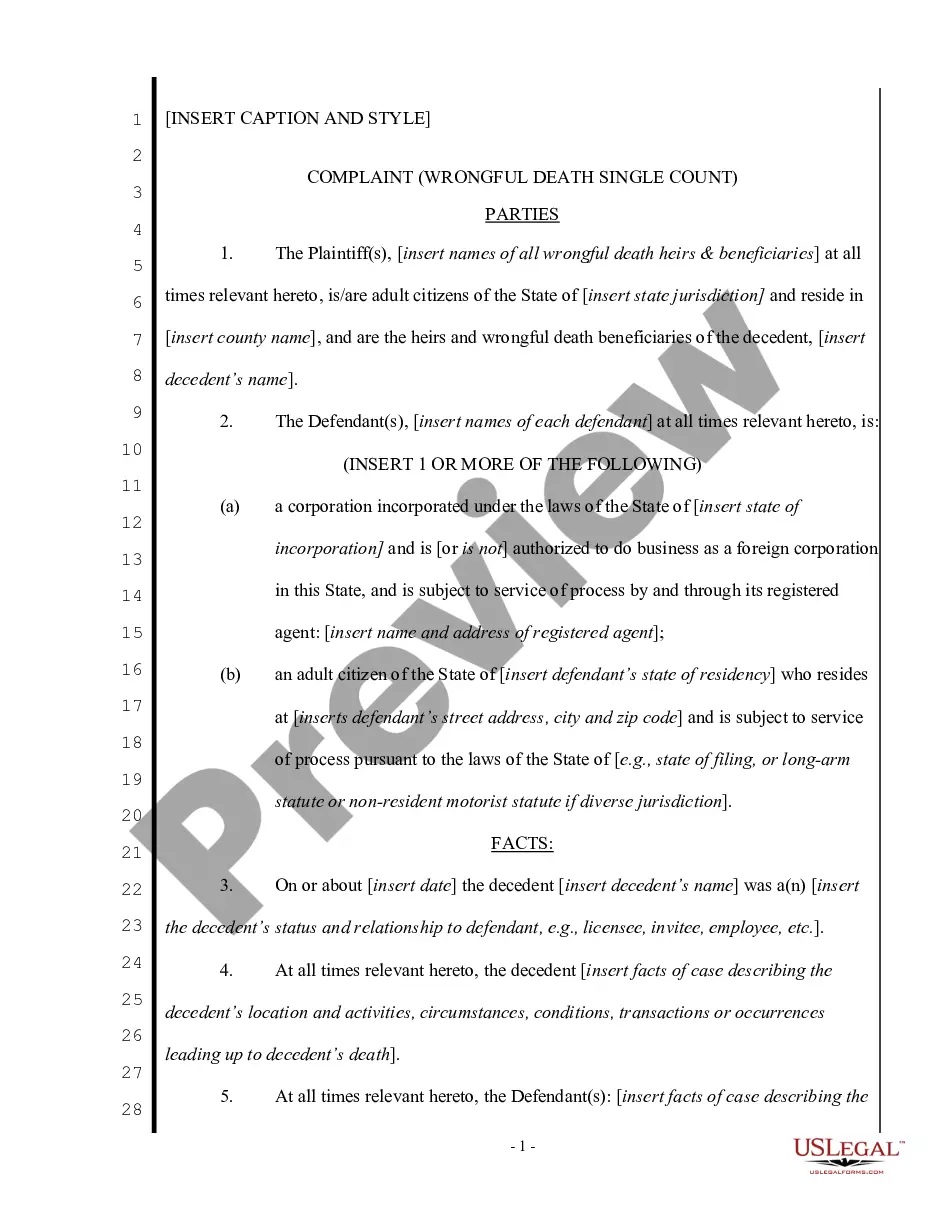
New York Unified Without Power
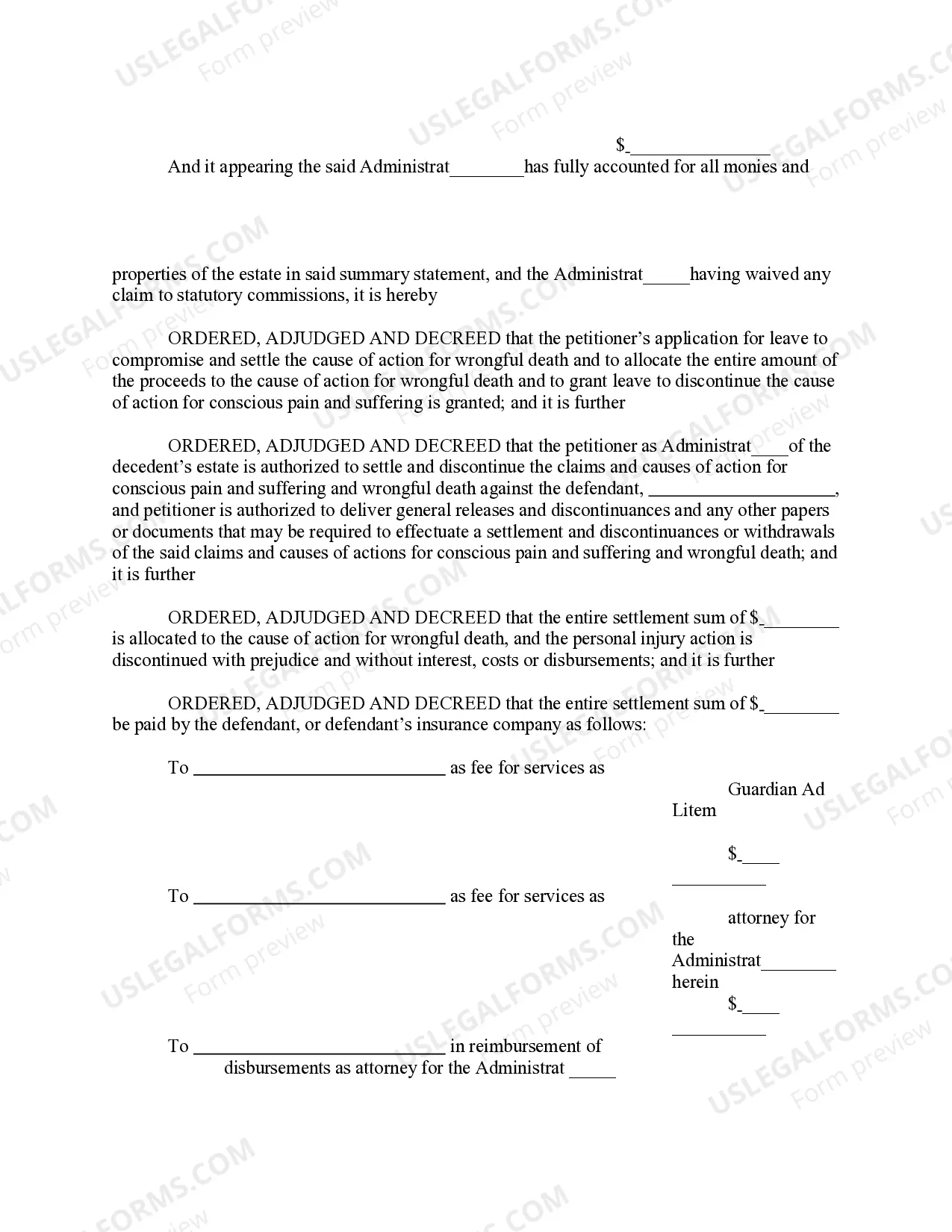
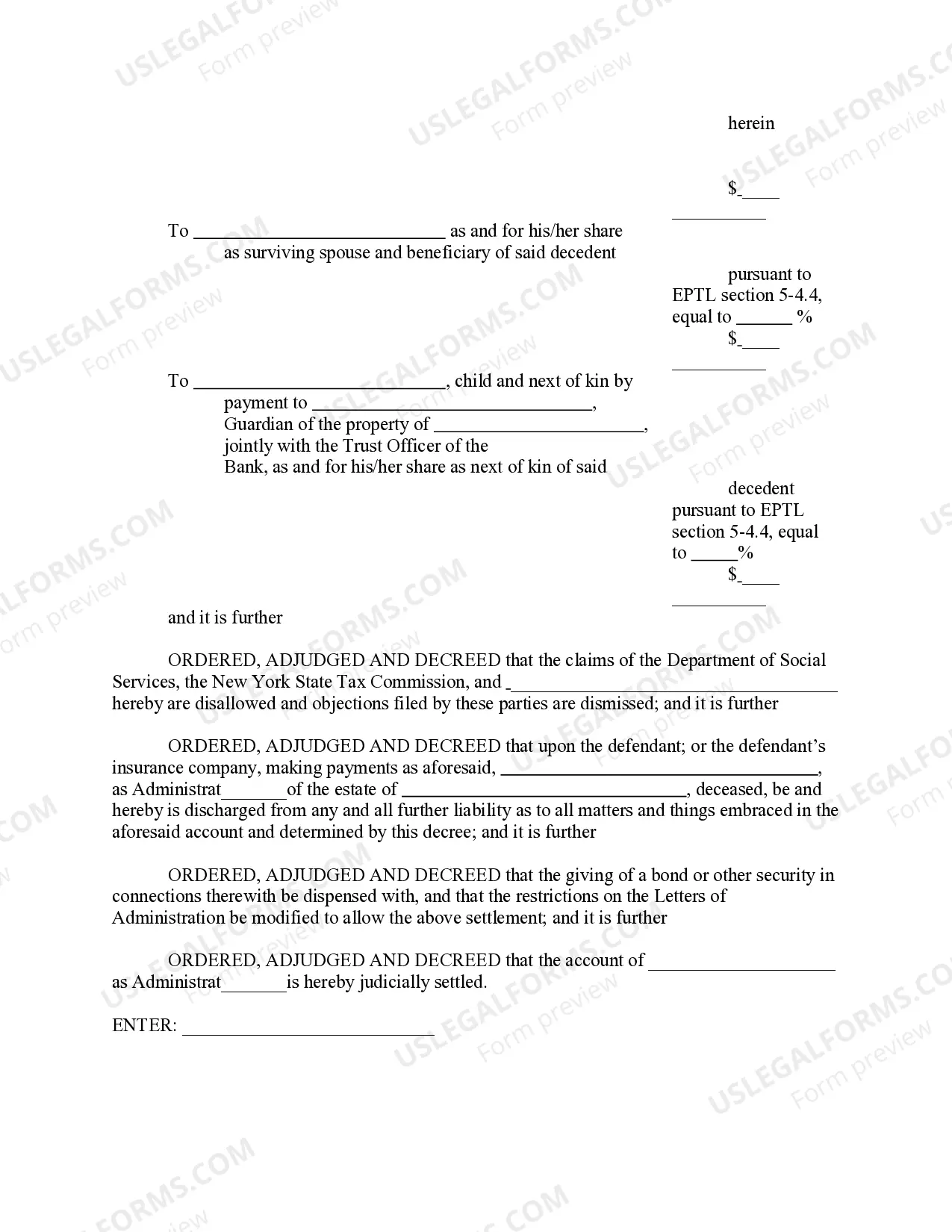
Description
Get your form ready online
Our built-in tools help you complete, sign, share, and store your documents in one place.
Make edits, fill in missing information, and update formatting in US Legal Forms—just like you would in MS Word.
Download a copy, print it, send it by email, or mail it via USPS—whatever works best for your next step.
Sign and collect signatures with our SignNow integration. Send to multiple recipients, set reminders, and more. Go Premium to unlock E-Sign.
If this form requires notarization, complete it online through a secure video call—no need to meet a notary in person or wait for an appointment.
We protect your documents and personal data by following strict security and privacy standards.

Make edits, fill in missing information, and update formatting in US Legal Forms—just like you would in MS Word.

Download a copy, print it, send it by email, or mail it via USPS—whatever works best for your next step.

Sign and collect signatures with our SignNow integration. Send to multiple recipients, set reminders, and more. Go Premium to unlock E-Sign.

If this form requires notarization, complete it online through a secure video call—no need to meet a notary in person or wait for an appointment.

We protect your documents and personal data by following strict security and privacy standards.
Looking for another form?

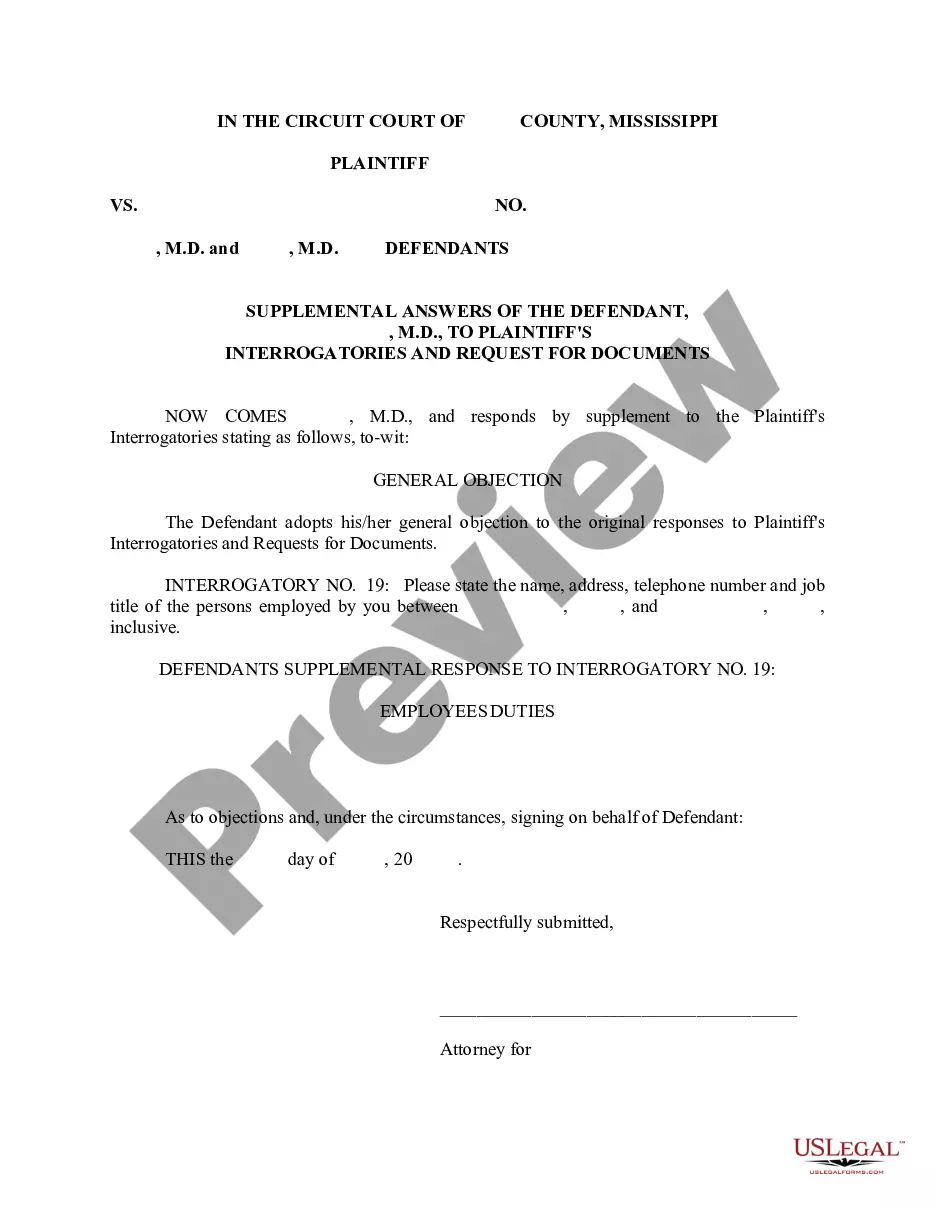








How to fill out New York Decree (Wrongful Death)?
Administration necessitates exactness and correctness.
If you do not manage the completion of documents like New York Unified Without Power on a daily basis, it could lead to some confusion.
Choosing the right sample from the outset will ensure that your document submission proceeds smoothly and avert any hassles of re-submitting a document or repeating the same task from the beginning.
If you are not a registered user, locating the necessary sample will involve a few additional steps: Locate the template using the search box. Confirm that the New York Unified Without Power you’ve found is valid for your state or county. Open the preview or consult the description that contains the details on the use of the sample. When the result meets your search, click the Buy Now button. Select the appropriate choice among the recommended subscription plans. Log In to your account or create a new one. Complete the purchase using a credit card or PayPal account. Receive the form in your preferred format. Acquiring the right and up-to-date samples for your documentation takes just a few minutes with an account at US Legal Forms. Set aside your bureaucratic worries and simplify your paperwork process.
- You can always find the correct sample for your documentation in US Legal Forms.
- US Legal Forms is the largest online library of forms that provides over 85 thousand templates for various fields.
- You can locate the latest and most suitable version of the New York Unified Without Power by simply searching it on the platform.
- Find, save, and download templates in your account or refer to the description to confirm you have the right one handy.
- With an account at US Legal Forms, you can acquire, store in one place, and browse the templates you save to retrieve them in just a few clicks.
- When on the webpage, click the Log In button to authenticate.
- Then, navigate to the My documents page, where your documents are stored.
- Peruse the description of the forms and download the ones you require at any time.
Form popularity
FAQ
In NYS, the Supreme Court is not the highest court in NYS, it is a trial court. This is unique to New York State. Most states call their highest courts the Supreme Court, with the exception of New York State, the State of Maryland, and the District of Columbia.
The New York State Unified Court System is made up of various levels of trial and appellate courts; the highest court is the Court of Appeals. Most legal issues are resolved in our state courts. New York's state court system handles nearly four million cases a year, heard throughout the State's 62 counties.
RULES REQUIRING CITATION TO OFFICIAL REPORTS "New York decisions shall be cited from the official reports, if any." (Rules of App Div, 1st Dept 22 NYCRR § 600.10 a 11.) "New York decisions shall be cited from the official reports, if any." (Rules of App Div, 4th Dept 22 NYCRR A§ 1000.4 f 7.)
Stare decisis is a legal doctrine that obligates courts to follow historical cases when making a ruling on a similar case. Stare decisis ensures that cases with similar scenarios and facts are approached in the same way. Simply put, it binds courts to follow legal precedents set by previous decisions.
Many states, such as Massachusetts and Utah, now have unified court systems that include a Supreme Court, courts of appeals, juvenile or family courts, and district or trial courts located throughout a state.