New York Code Of Professional Responsibility For Attorneys
Description


Get your form ready online
Our built-in tools help you complete, sign, share, and store your documents in one place.
Make edits, fill in missing information, and update formatting in US Legal Forms—just like you would in MS Word.
Download a copy, print it, send it by email, or mail it via USPS—whatever works best for your next step.
Sign and collect signatures with our SignNow integration. Send to multiple recipients, set reminders, and more. Go Premium to unlock E-Sign.
If this form requires notarization, complete it online through a secure video call—no need to meet a notary in person or wait for an appointment.
We protect your documents and personal data by following strict security and privacy standards.

Make edits, fill in missing information, and update formatting in US Legal Forms—just like you would in MS Word.

Download a copy, print it, send it by email, or mail it via USPS—whatever works best for your next step.

Sign and collect signatures with our SignNow integration. Send to multiple recipients, set reminders, and more. Go Premium to unlock E-Sign.

If this form requires notarization, complete it online through a secure video call—no need to meet a notary in person or wait for an appointment.

We protect your documents and personal data by following strict security and privacy standards.
Looking for another form?




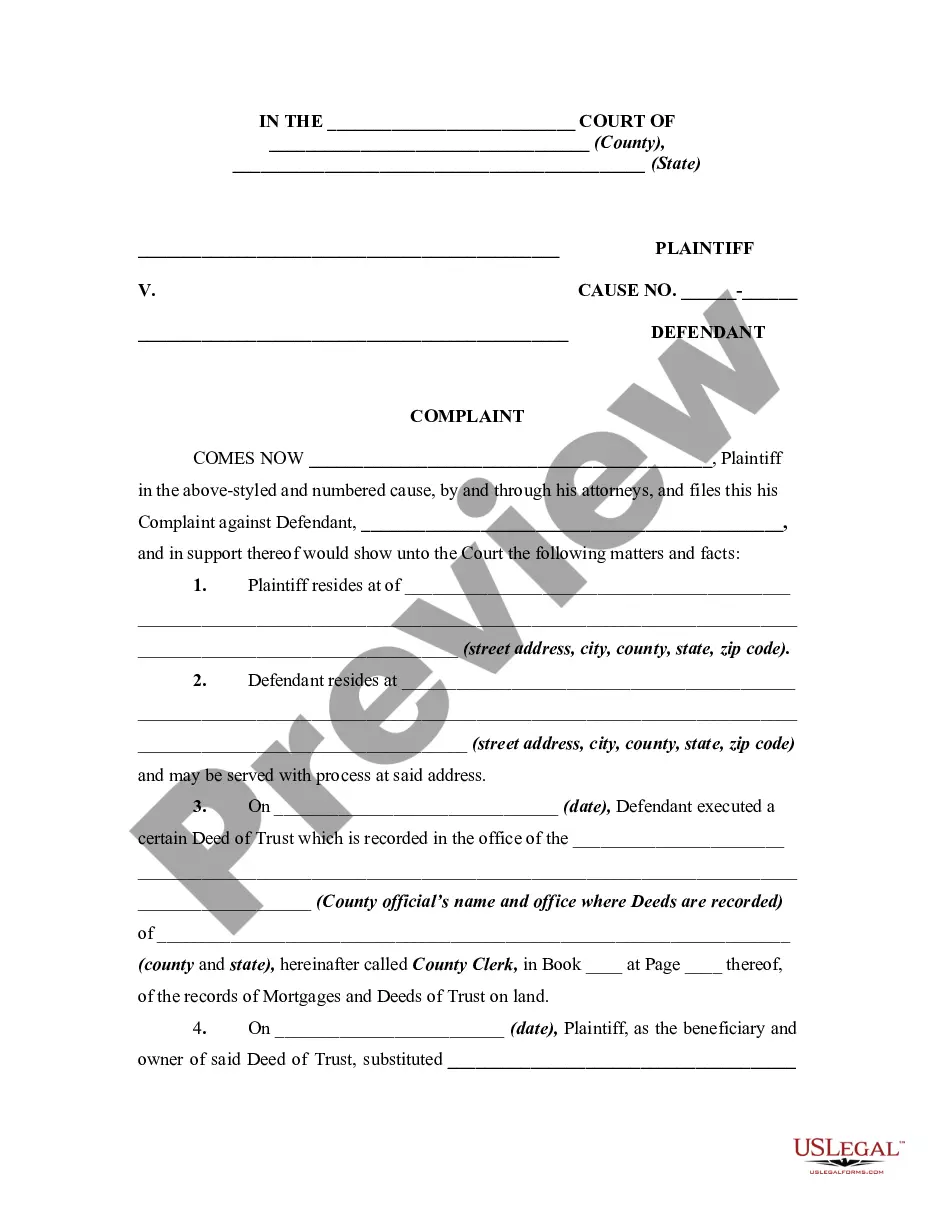

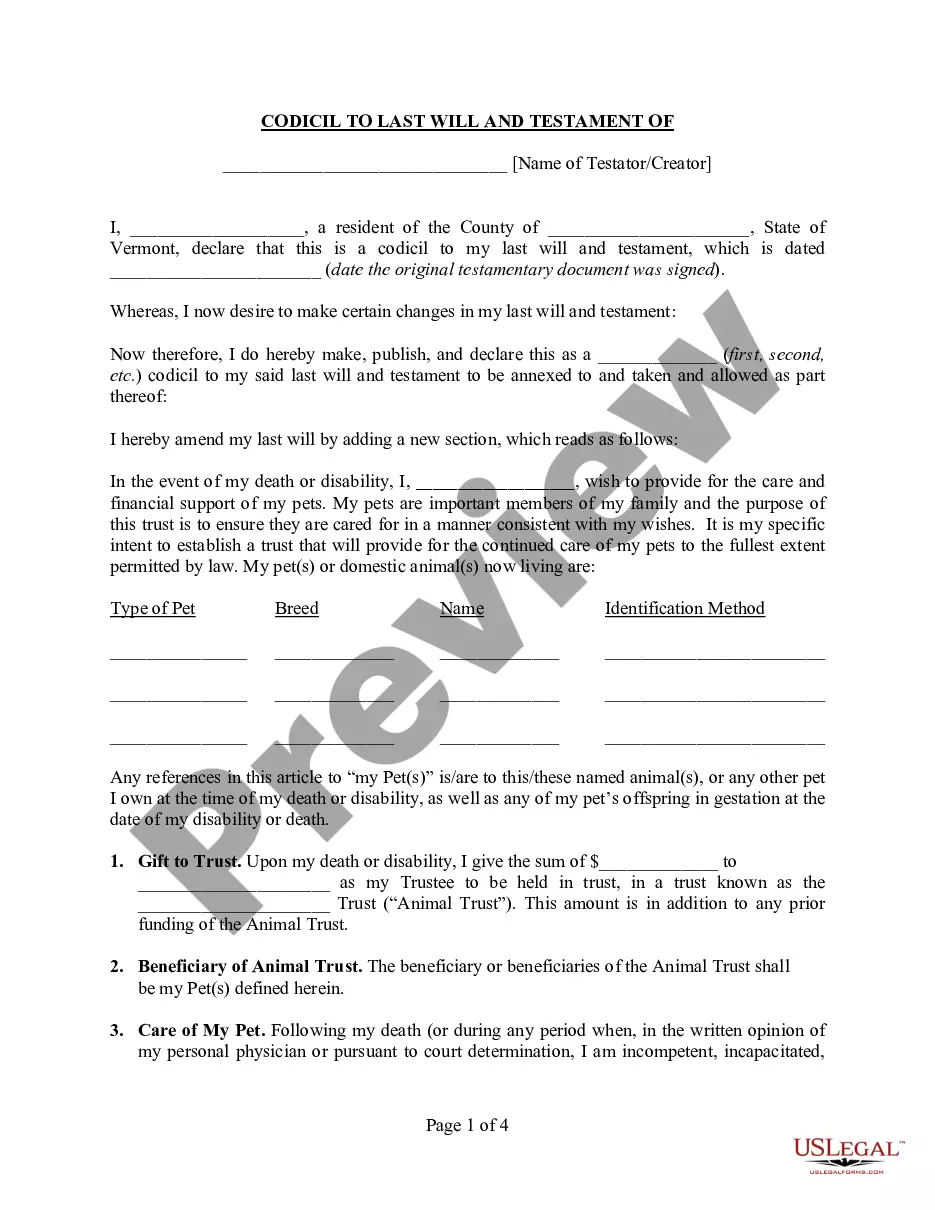
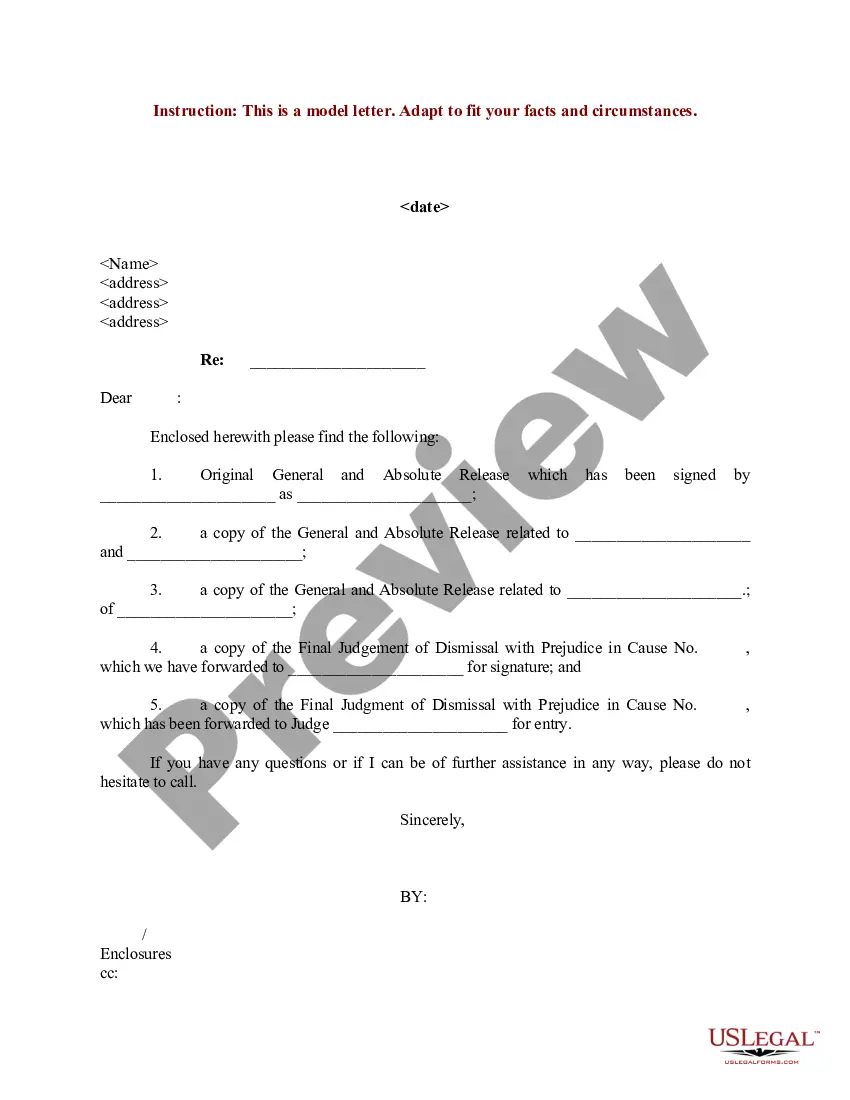
How to fill out Sample Bylaws For A New York Professional Service Corporation?
Regardless of whether it’s for commercial intentions or personal issues, each individual must confront legal circumstances at some stage in their life.
Filling out legal documents requires meticulous care, starting from selecting the appropriate form template.
With an extensive US Legal Forms catalog available, you need not waste time looking for the correct template online. Take advantage of the library’s straightforward navigation to locate the suitable form for any situation.
- Obtain the template you require by using the search box or browsing the catalog.
- Review the form’s description to confirm it aligns with your circumstances, state, and county.
- Click on the form’s preview to inspect it.
- If it is the incorrect form, return to the search option to locate the New York Code Of Professional Responsibility For Attorneys sample you need.
- Acquire the file if it suits your specifications.
- If you possess a US Legal Forms account, simply click Log in to access previously saved templates in My documents.
- If you lack an account, you can procure the form by clicking Buy now.
- Choose the appropriate pricing option.
- Fill out the account registration form.
- Select your payment method: utilize a credit card or PayPal account.
- Choose the document format you prefer and download the New York Code Of Professional Responsibility For Attorneys.
- Once it is saved, you can either complete the form using editing software or print it and fill it out manually.
Form popularity
FAQ
You can hold a lawyer accountable by collecting evidence of their misconduct and reporting it to the appropriate authorities, such as the state bar association. The New York Code of Professional Responsibility for Attorneys sets clear ethical standards that all attorneys must follow. If you believe any guidelines have been violated, taking immediate action will help safeguard your interests.
To hold a lawyer accountable, you can file a complaint with the state bar association, outlining your grievances based on the New York Code of Professional Responsibility for Attorneys. It is also advisable to document all communications and actions related to your case. In some instances, pursuing legal action may be necessary, so consulting with another attorney for guidance is beneficial.
When a lawyer fails to perform their duties effectively, it is commonly referred to as legal malpractice or negligence. Under the guidelines provided by the New York Code of Professional Responsibility for Attorneys, lawyers must act in their clients' best interests, ensuring adequate representation. If you feel your attorney has not fulfilled their obligations, it is important to seek advice on your rights.
To demonstrate ineffective counsel, you must prove that the lawyer's performance fell below an accepted standard of care and that this deficiency negatively impacted the outcome of your case. The New York Code of Professional Responsibility for Attorneys emphasizes the importance of competence and diligence in legal representation. Carefully documenting instances of this ineffectiveness can strengthen your argument.
Yes, you can sue a lawyer for malpractice in New York. To succeed, you must prove that the attorney failed to meet the standard of care outlined in the New York Code of Professional Responsibility for Attorneys and that this failure caused you harm. It is crucial to consult with another attorney to assess your case and gather necessary evidence before proceeding.
One of the most common complaints against lawyers involves a lack of communication with clients. According to the New York Code of Professional Responsibility for Attorneys, lawyers must maintain transparent and timely communication throughout their representation. Inadequate updates or failure to respond can lead clients to feel neglected, significantly impacting their trust in legal counsel.
Certain attorneys may be exempt from CLE requirements in New York, as defined by the New York Code of Professional Responsibility for attorneys. For instance, attorneys who are in their first two years of practice, those with limited licenses, or those on active military duty may qualify for exemption. It's important to review specific circumstances to ensure compliance with the legal education requirements and continue offering quality service to clients.
New York operates on a 60-minute CLE credit hour. This means that, to earn credit, lawyers need to participate in a full hour of education, according to the New York Code of Professional Responsibility for attorneys. Understanding this guideline helps attorneys plan their continuing education efficiently and ensure they meet the required hours for their professional development.
As specified by the New York Code of Professional Responsibility for attorneys, lawyers must complete 24 credit hours of CLE every two years. This training must include at least 1 credit hour focused on ethics and professionalism. Additionally, certain attorneys may have specific needs based on their practice areas, so reviewing the guidelines regularly is essential for compliance and professional growth.
Rule 4.2 of the New York Code of Professional Responsibility pertains to communications with represented parties. It prohibits an attorney from communicating about the subject of the representation with a party known to be represented by another lawyer, unless consent is obtained from that lawyer. Understanding this rule is crucial, as it protects the client-lawyer relationship and maintains professional standards within the legal field.