Living Trust Without Beneficiaries
Description
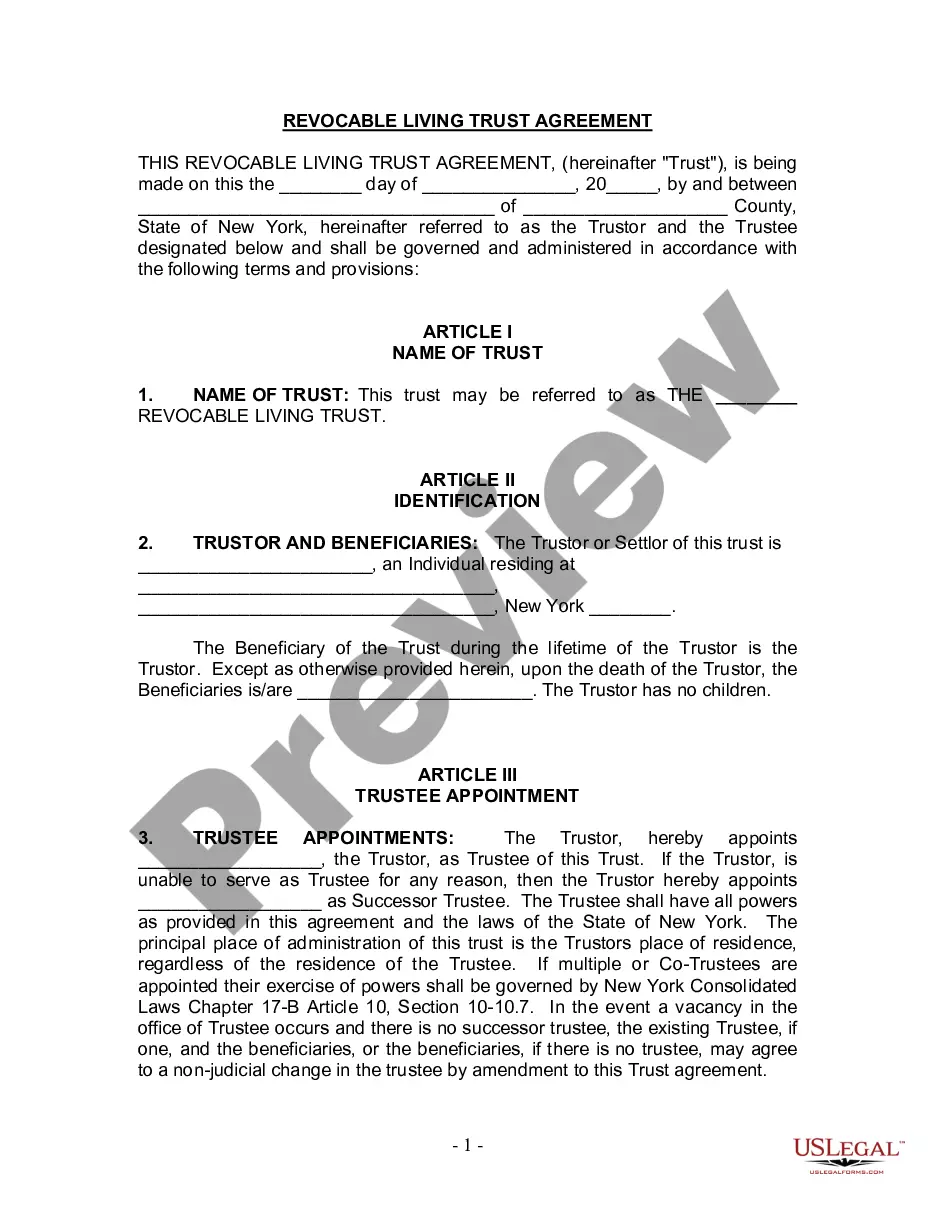
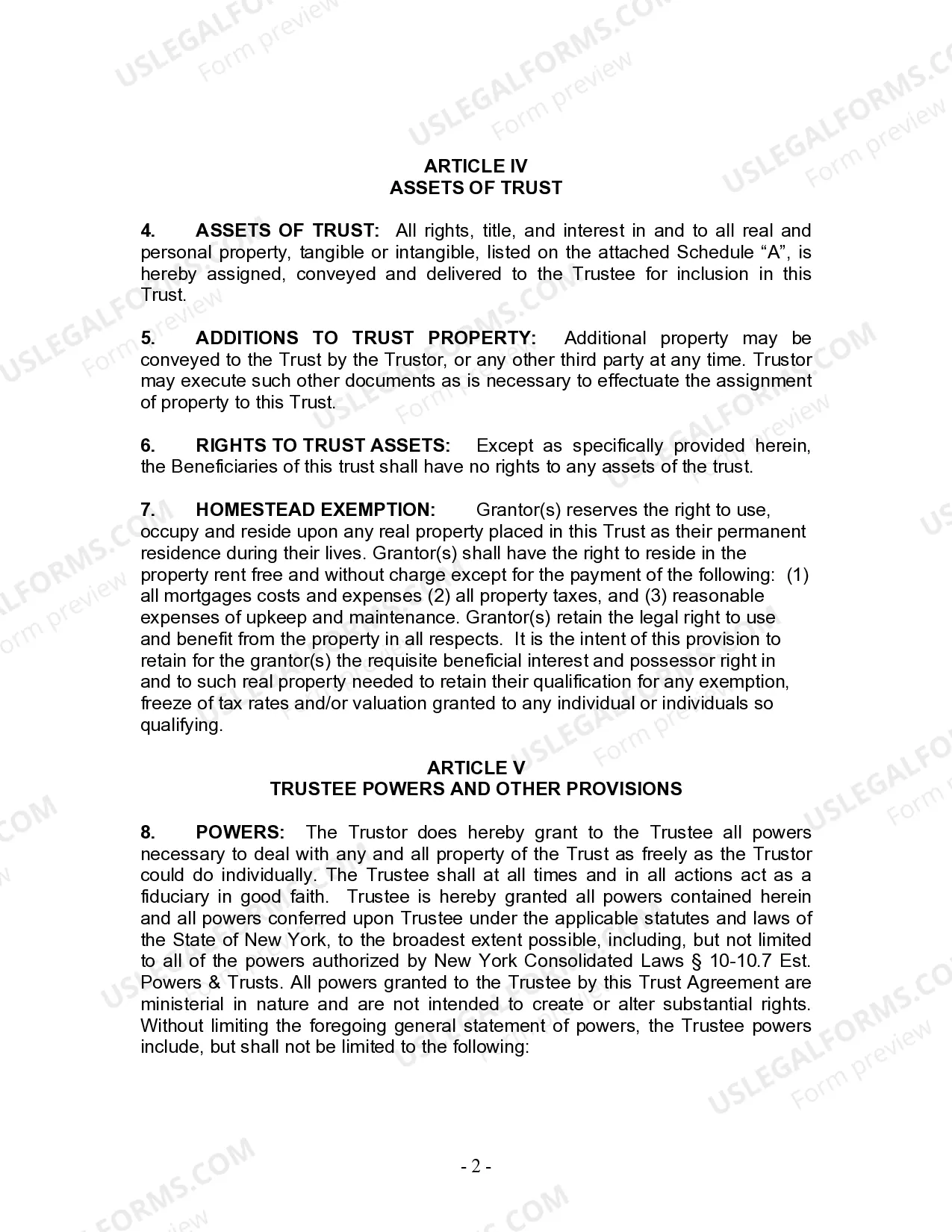
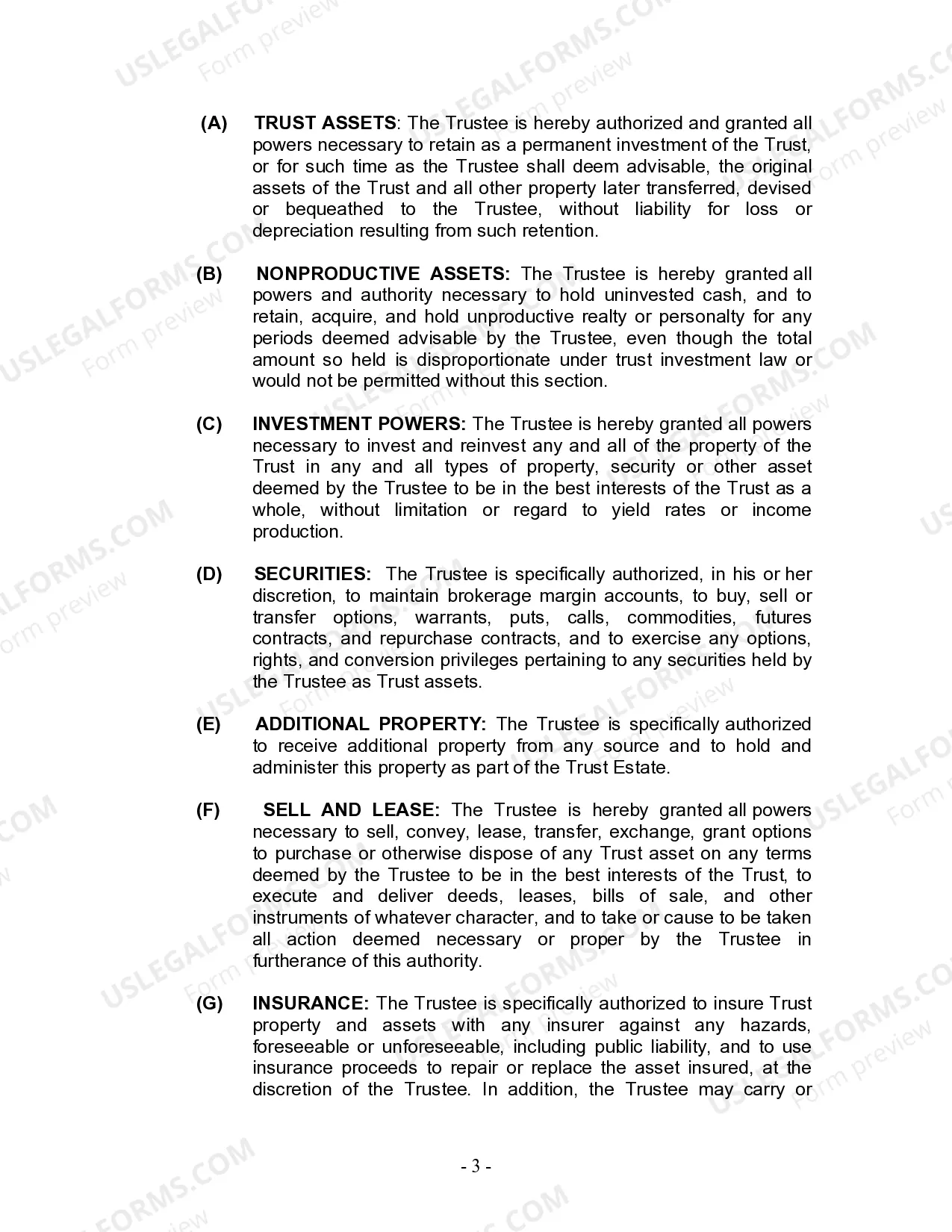
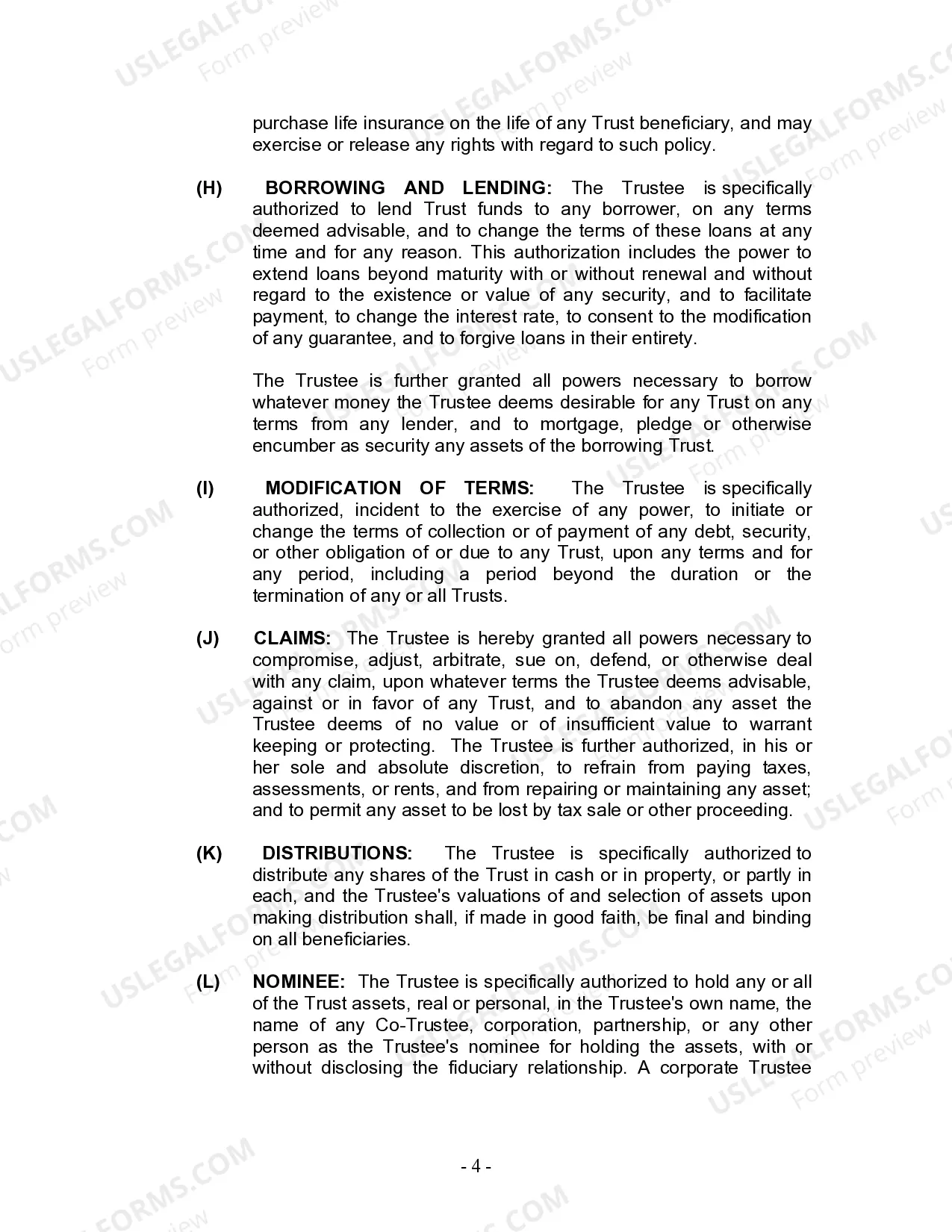
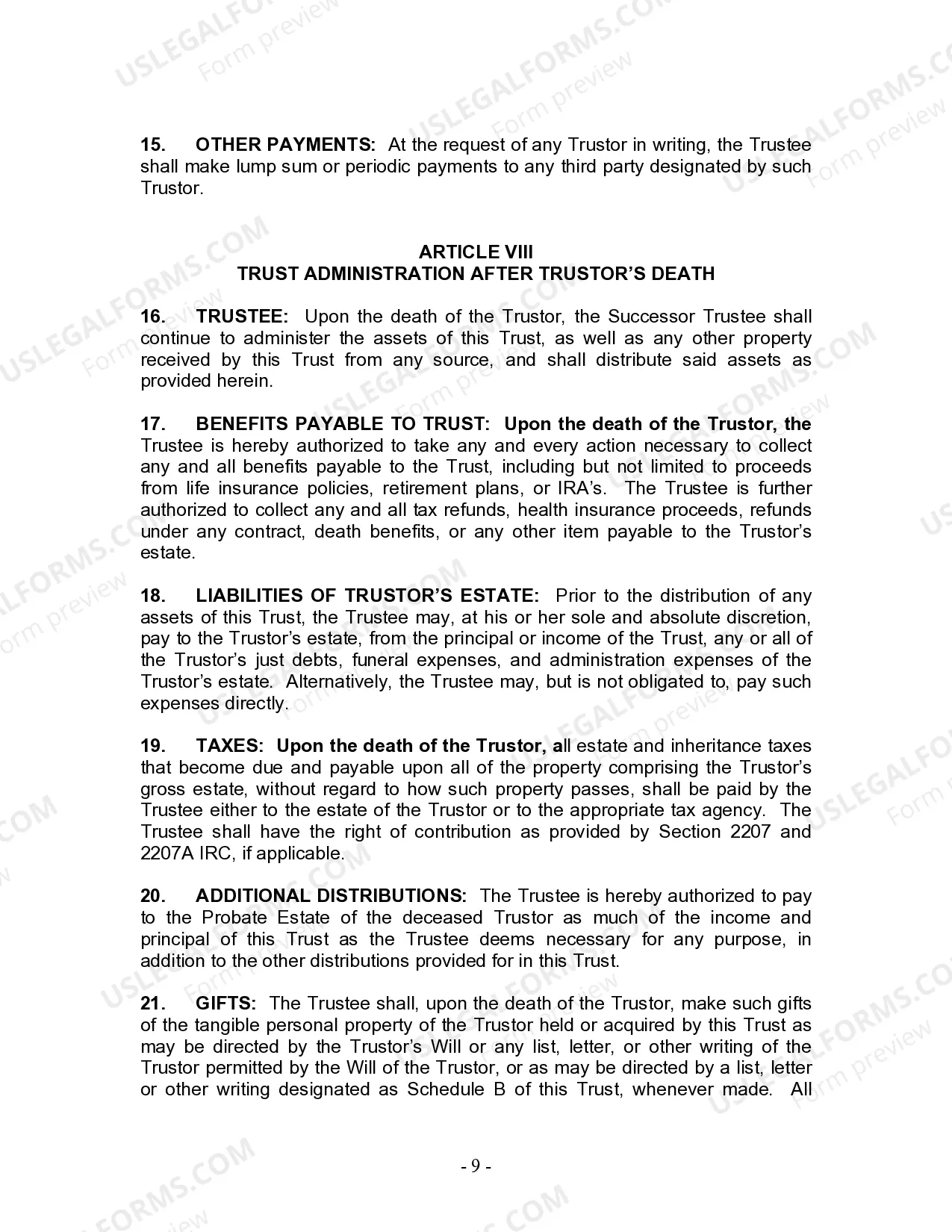
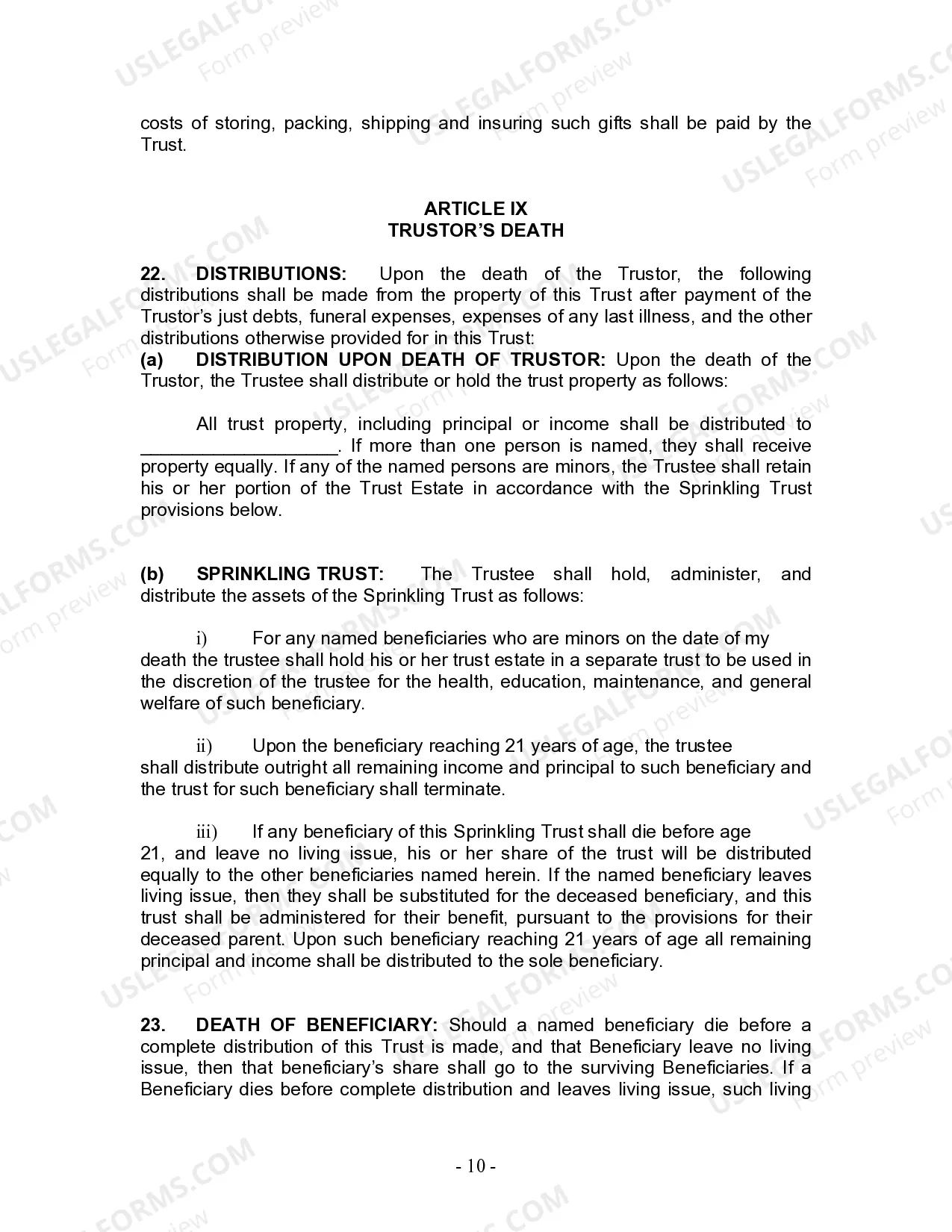



Get your form ready online
Our built-in tools help you complete, sign, share, and store your documents in one place.
Make edits, fill in missing information, and update formatting in US Legal Forms—just like you would in MS Word.
Download a copy, print it, send it by email, or mail it via USPS—whatever works best for your next step.
Sign and collect signatures with our SignNow integration. Send to multiple recipients, set reminders, and more. Go Premium to unlock E-Sign.
If this form requires notarization, complete it online through a secure video call—no need to meet a notary in person or wait for an appointment.
We protect your documents and personal data by following strict security and privacy standards.

Make edits, fill in missing information, and update formatting in US Legal Forms—just like you would in MS Word.

Download a copy, print it, send it by email, or mail it via USPS—whatever works best for your next step.

Sign and collect signatures with our SignNow integration. Send to multiple recipients, set reminders, and more. Go Premium to unlock E-Sign.

If this form requires notarization, complete it online through a secure video call—no need to meet a notary in person or wait for an appointment.

We protect your documents and personal data by following strict security and privacy standards.
Looking for another form?

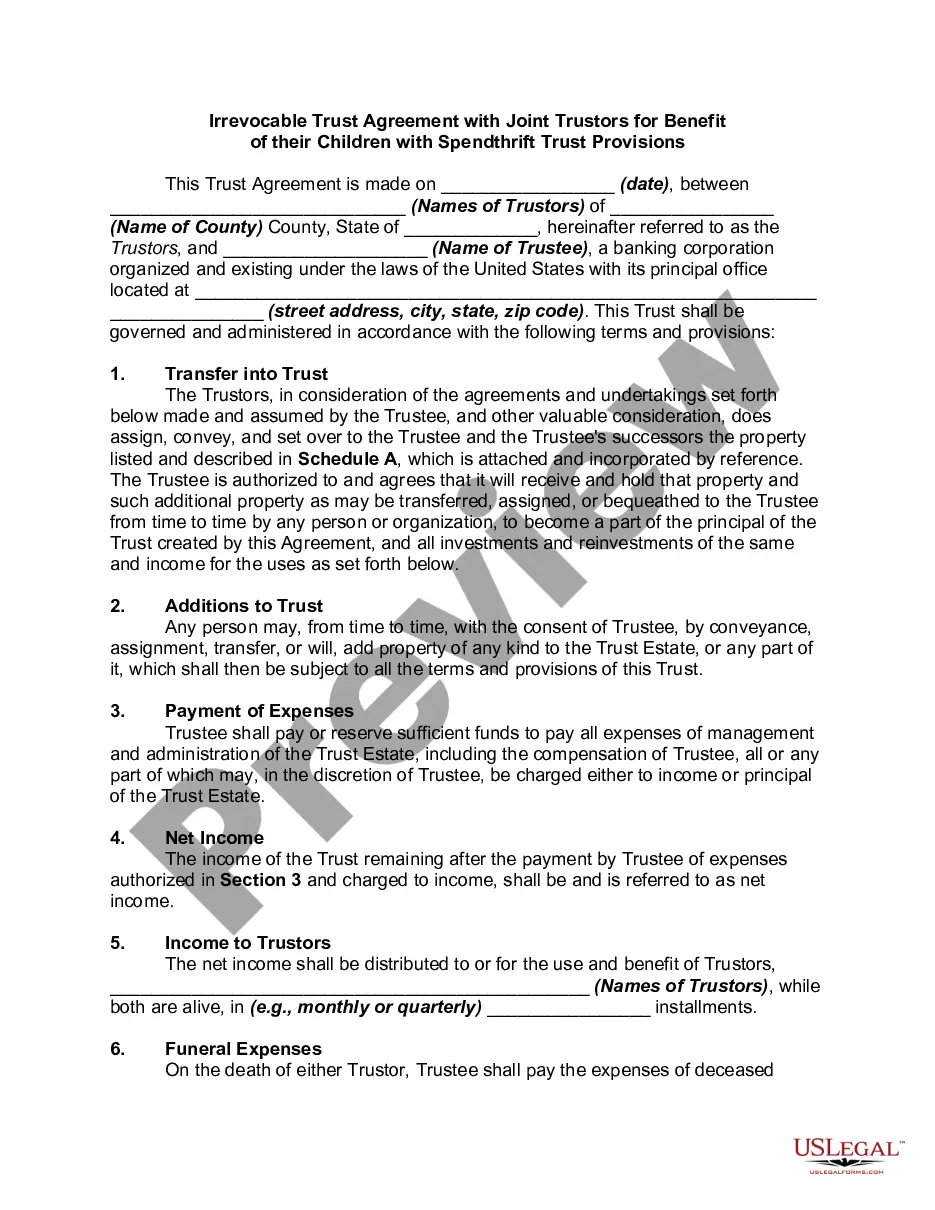




How to fill out New York Living Trust For Individual Who Is Single, Divorced Or Widow Or Widower With No Children?
Identifying a preferred location to obtain the latest and pertinent legal templates is a major part of navigating bureaucracy.
Locating the appropriate legal documents requires accuracy and careful consideration, which is why it’s crucial to acquire samples of Living Trust Without Beneficiaries exclusively from trustworthy sources, such as US Legal Forms. A faulty template will squander your time and hinder your current situation.
Eliminate the hassle associated with your legal documentation. Browse the extensive US Legal Forms collection to discover legal templates, verify their applicability to your situation, and download them instantly.
- Use the library navigation or search option to find your example.
- Access the form’s details to verify if it meets the requirements of your state and county.
- Check the form preview, if available, to make sure the template is precisely what you need.
- Continue your search and identify the correct document if the Living Trust Without Beneficiaries does not suit your requirements.
- If you are confident about the form’s relevance, download it.
- When you are a registered user, click Log in to verify and access your selected forms in My documents.
- If you do not have an account yet, click Buy now to purchase the form.
- Choose the pricing option that best matches your needs.
- Proceed to the registration to finalize your purchase.
- Complete your transaction by selecting a payment method (credit card or PayPal).
- Select the file format for downloading Living Trust Without Beneficiaries.
- Once you have the form on your device, you may edit it with the editor or print it out and complete it manually.
Form popularity
FAQ
A judgment in Minnesota is valid for 10 years. To renew a judgment in Minnesota for another ten year period, a creditor must start a new lawsuit against the debtor before the expiration of the initial ten year period.
You will need to know the names of the parties or the court file number to pull up the court files online. The public can also access court documents from public access computer terminals at any Minnesota district (county) courthouse or at the Minnesota State Law Library.
OFP and HRO? records prior to service on respondent Court records related to OFP and HRO petitions are not accessible by the public until after the respondent has been served. After service, court records related to OFP and HRO petitions are accessible to the public. Minn.
Public Access to Remote Hearings Members of the public who want to view or listen to remote district court proceedings may contact the court to obtain the access information for the public hearing or proceeding. No recording or broadcasting of any remote proceeding is authorized other than as provided by court rules.
Under Minnesota Court Rules, a written transcript is the official record of court proceedings such as hearings or trials. You may purchase a transcript for a fee, which is based on case type and scope of the request. To purchase a transcript, please complete this form and send it to the Court Report Unit.
At a Courthouse Each Minnesota district courthouse offers electronic access to statewide public case records through public access terminals. Each district courthouse also offers in-person counter access to locally-stored, public case records in paper form.