Tenant With Remove Without A Lease
Description

Get your form ready online
Our built-in tools help you complete, sign, share, and store your documents in one place.
Make edits, fill in missing information, and update formatting in US Legal Forms—just like you would in MS Word.
Download a copy, print it, send it by email, or mail it via USPS—whatever works best for your next step.
Sign and collect signatures with our SignNow integration. Send to multiple recipients, set reminders, and more. Go Premium to unlock E-Sign.
If this form requires notarization, complete it online through a secure video call—no need to meet a notary in person or wait for an appointment.
We protect your documents and personal data by following strict security and privacy standards.

Make edits, fill in missing information, and update formatting in US Legal Forms—just like you would in MS Word.

Download a copy, print it, send it by email, or mail it via USPS—whatever works best for your next step.

Sign and collect signatures with our SignNow integration. Send to multiple recipients, set reminders, and more. Go Premium to unlock E-Sign.

If this form requires notarization, complete it online through a secure video call—no need to meet a notary in person or wait for an appointment.

We protect your documents and personal data by following strict security and privacy standards.
Looking for another form?
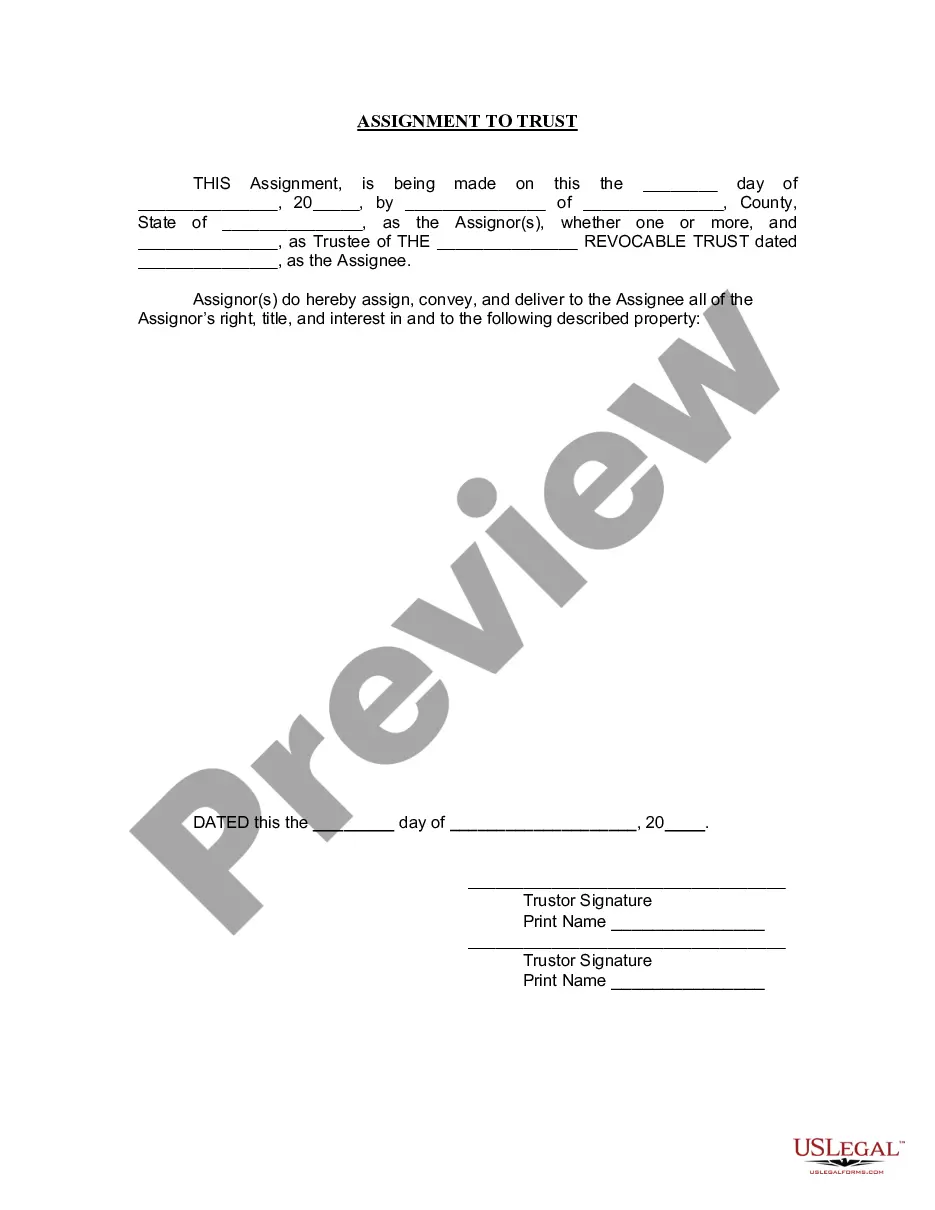






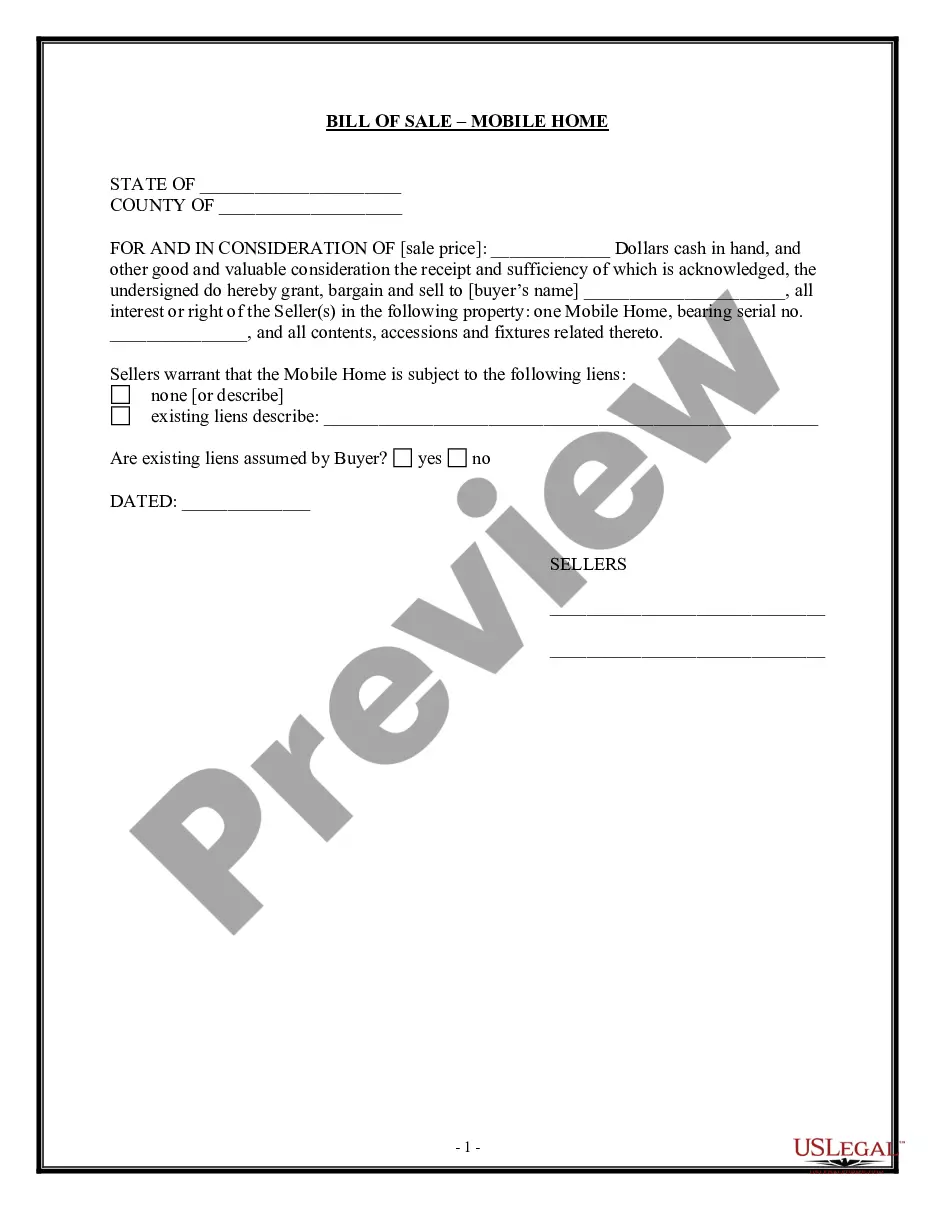


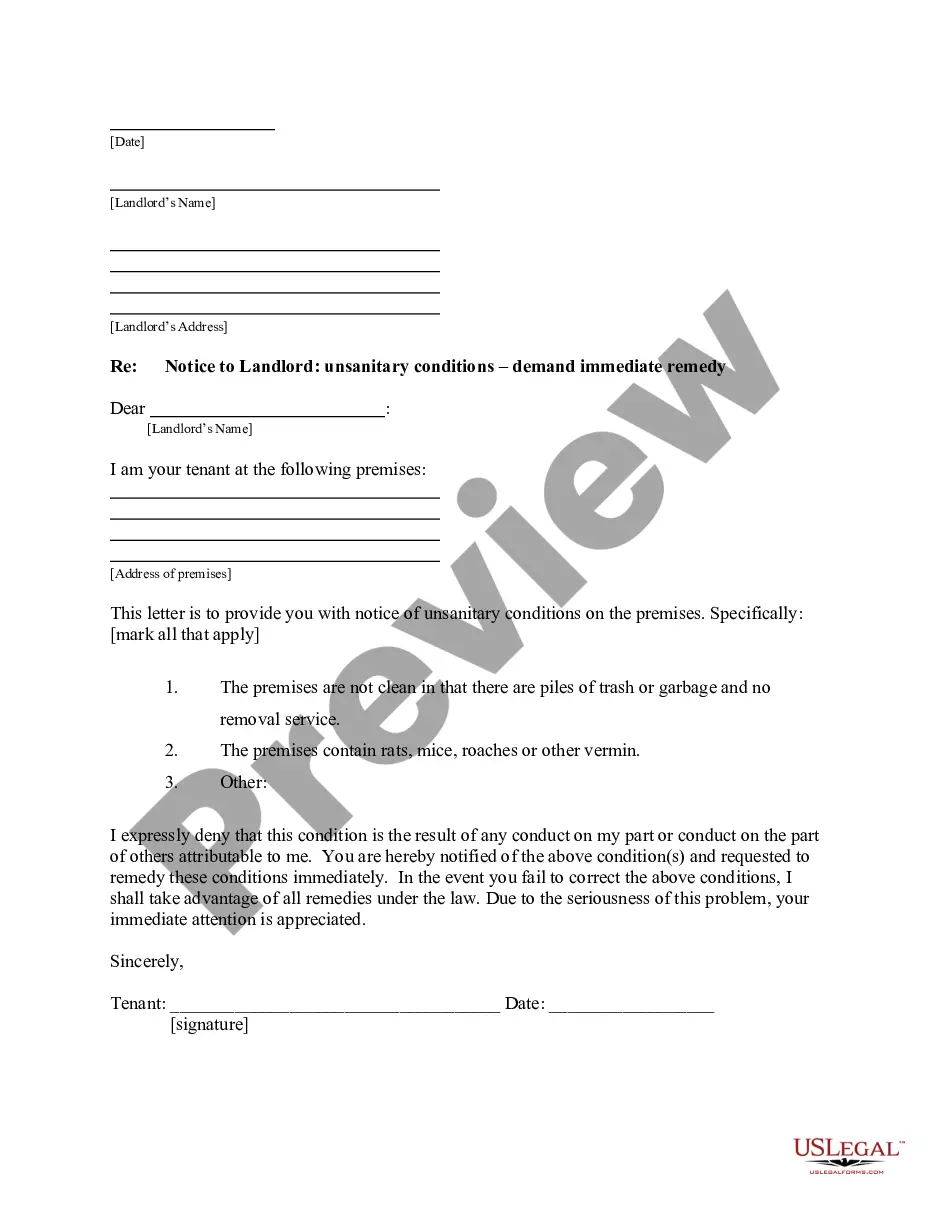
How to fill out New York Letter From Tenant To Landlord With Demand That Landlord Remove Garbage And Vermin From Premises?
It’s clear that you can’t become a legal authority overnight, nor can you comprehend how to swiftly create Tenant With Remove Without A Lease without possessing a specialized skill set.
Drafting legal documents is a lengthy process that necessitates specific training and expertise.
So why not entrust the preparation of the Tenant With Remove Without A Lease to the professionals.
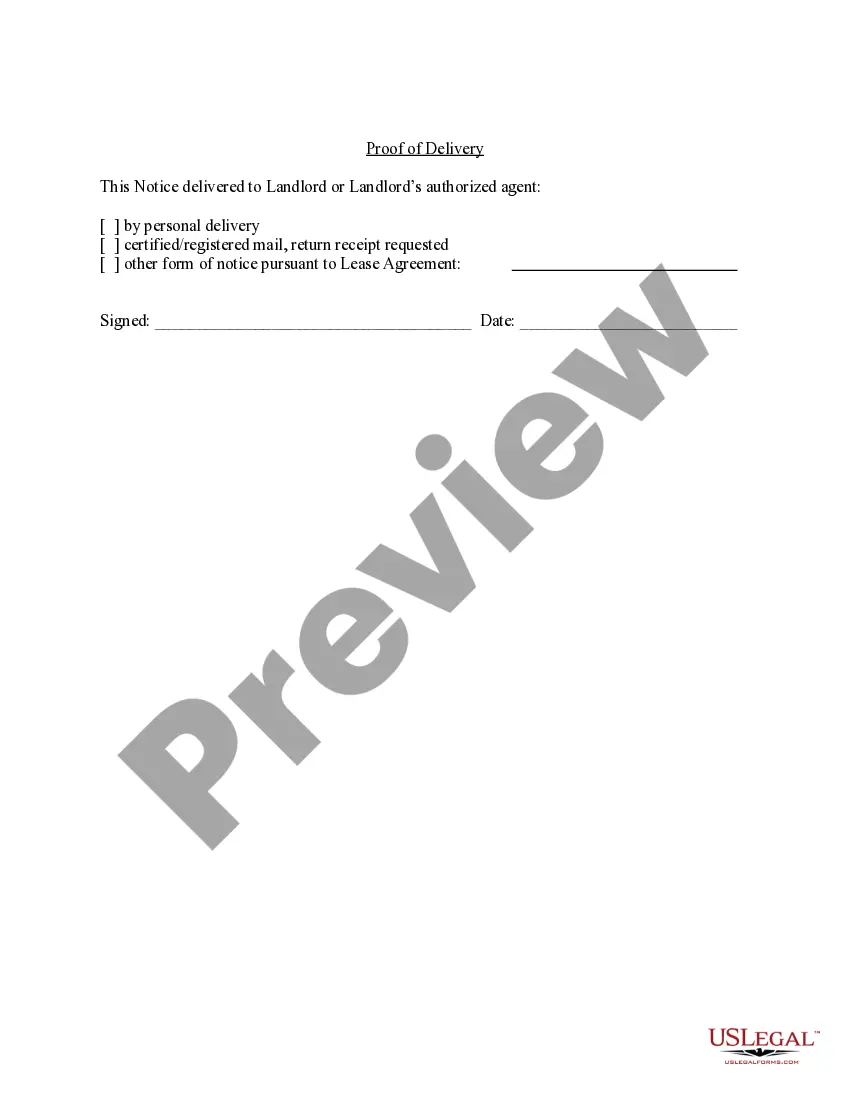
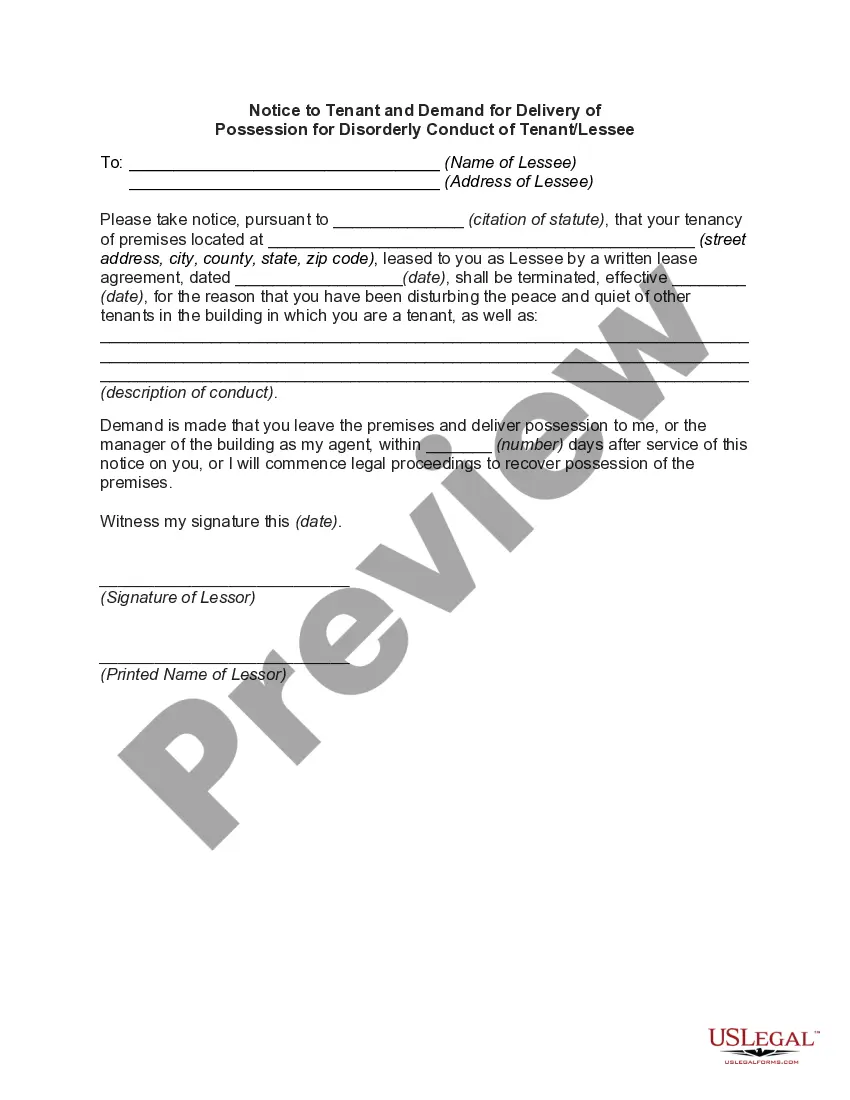
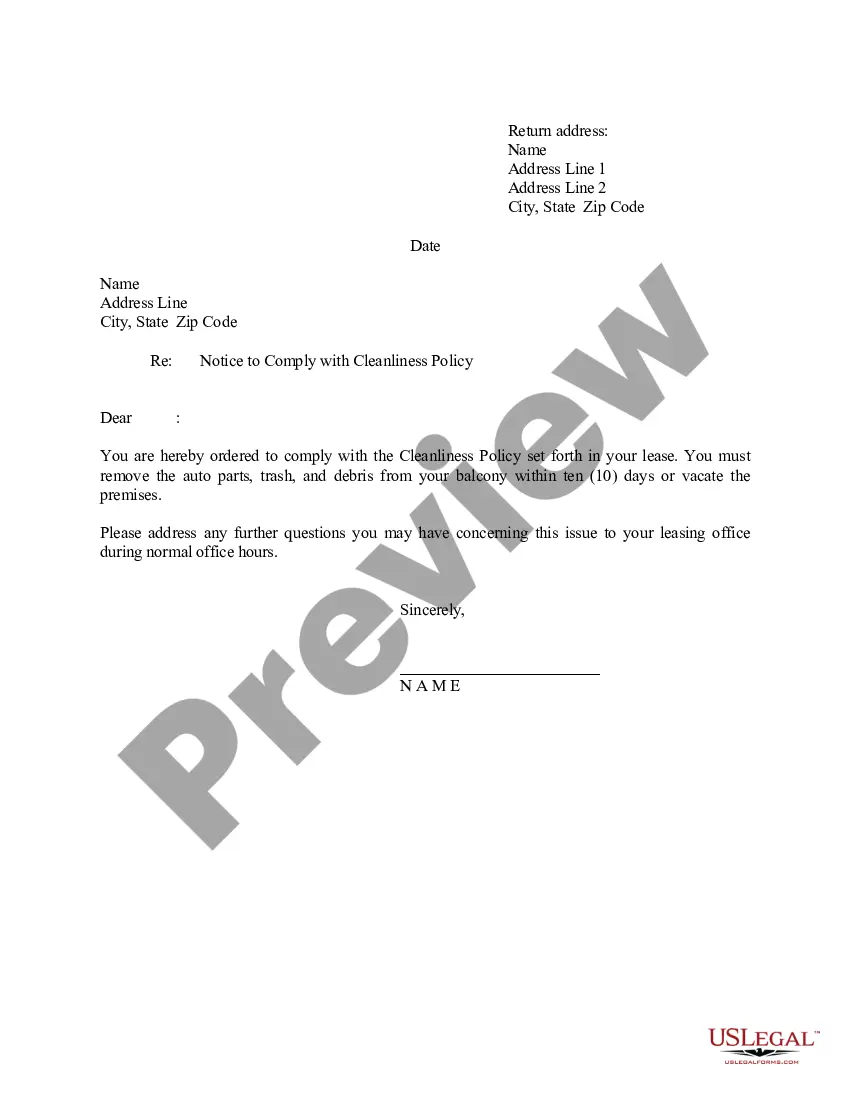
Preview it (if this option is available) and review the supporting description to ascertain whether Tenant With Remove Without A Lease is what you seek.
Start your search anew if you require a different template.
- With US Legal Forms, one of the most comprehensive legal template collections, you can access everything from court documents to templates for internal communication.
- We recognize how vital compliance and adherence to federal and local laws and regulations are.
- That’s why, on our platform, all templates are location-specific and current.
- Here’s how you can initiate your experience with our platform and obtain the document you need in just minutes.
- Search for the document you require using the search bar at the top of the page.
Form popularity
FAQ
Even if you don't have a lease, you still have certain tenant rights. These rights often include the right to a habitable living environment and protection against unlawful eviction. It's essential to know your rights based on local laws. For comprehensive information, consider exploring US Legal Forms, which can guide you through your rights as a tenant without a lease.
The quickest way to get someone out of your house is to provide them a formal written notice to vacate. Follow this up by filing for eviction if they refuse to leave. This process can be expedited by understanding local laws and following the correct procedures. US Legal Forms provides valuable resources to streamline this process for landlords.
Evicting someone from your house without a lease involves several steps. First, you should provide a written notice to the tenant, specifying your intention to terminate their occupancy. After the notice period, if they do not leave, you may need to file an eviction suit. US Legal Forms offers templates and guidance to simplify this process for you.
Yes, you can evict a tenant without a contract. In many cases, a verbal agreement or the tenant's occupancy itself creates a tenancy. However, the eviction process may vary based on state laws. Utilizing resources like US Legal Forms can help you understand your rights and the steps needed to remove a tenant without a lease.
Tenants without a lease agreement also have the right to privacy. The landlord cannot enter your rental property without your consent, except in emergencies or other legally allowed circumstances. The landlord must provide reasonable notice before entering the rental property for repairs, inspections, or other reasons.
If you don't have a lease agreement, though, you can still evict a tenant as long as you follow Texas eviction laws. If there is no lease, a Texas landlord can evict a tenant without providing a reason. Simply give notice to vacate, and follow eviction proceedings if the tenant fails to leave.
Renters who do not have leases and pay rent on a monthly basis are called ?month-to-month? tenants. In localities without rent regulation, tenants who stay past the end of a lease are treated as month-to-month tenants if the landlord accepts their rent (Real Property Law § 232-c).
How do I evict a commercial tenant? Give notice to the tenant. This may be in the form of an Eviction Notice. ... Let the tenant respond. ... File a lawsuit to evict. ... Serve the tenant with the complaint. ... Schedule a court hearing. ... Go to court. ... Start the eviction.
Tenancy at will The landlord or tenant can end a month-to-month tenancy-at-will by giving a written 30 days (minimum) notice to quit that must expire at the end of a rental period. Pay special attention if the notice to quit is given in February, which has less than 30 days.