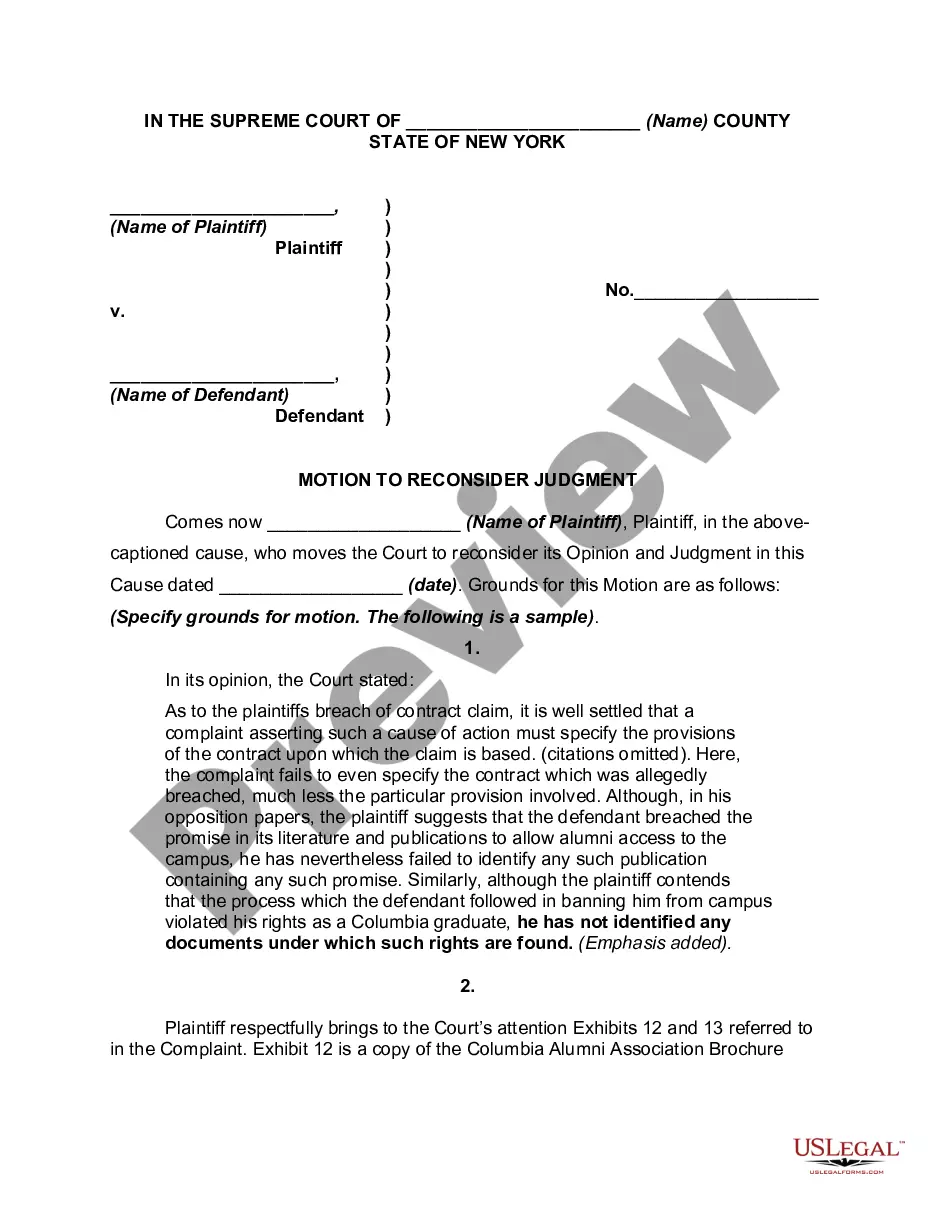
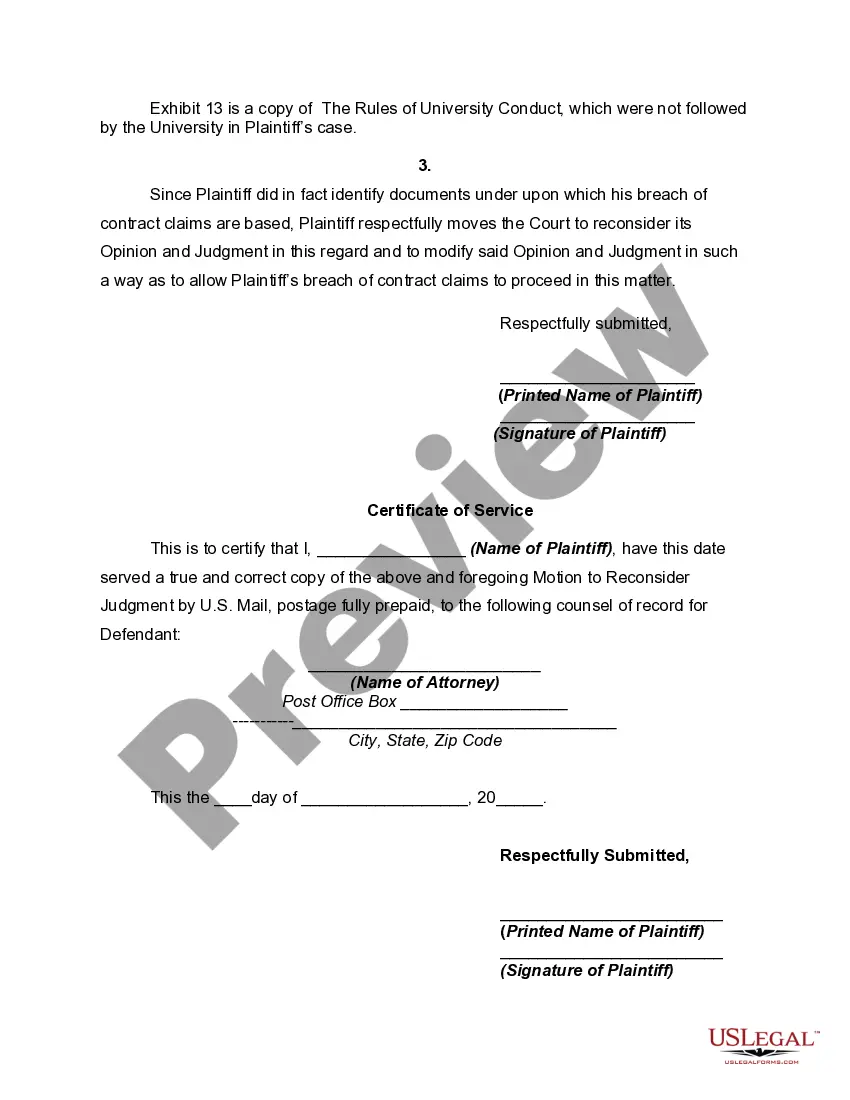
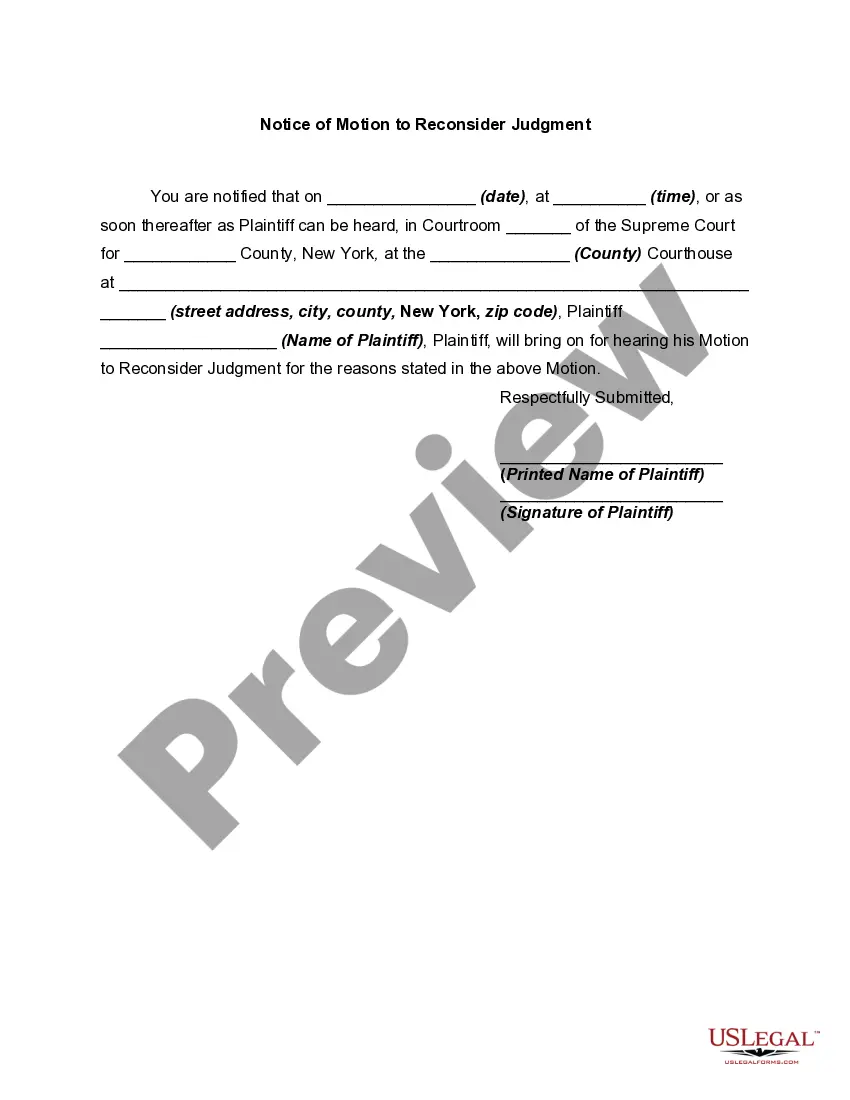
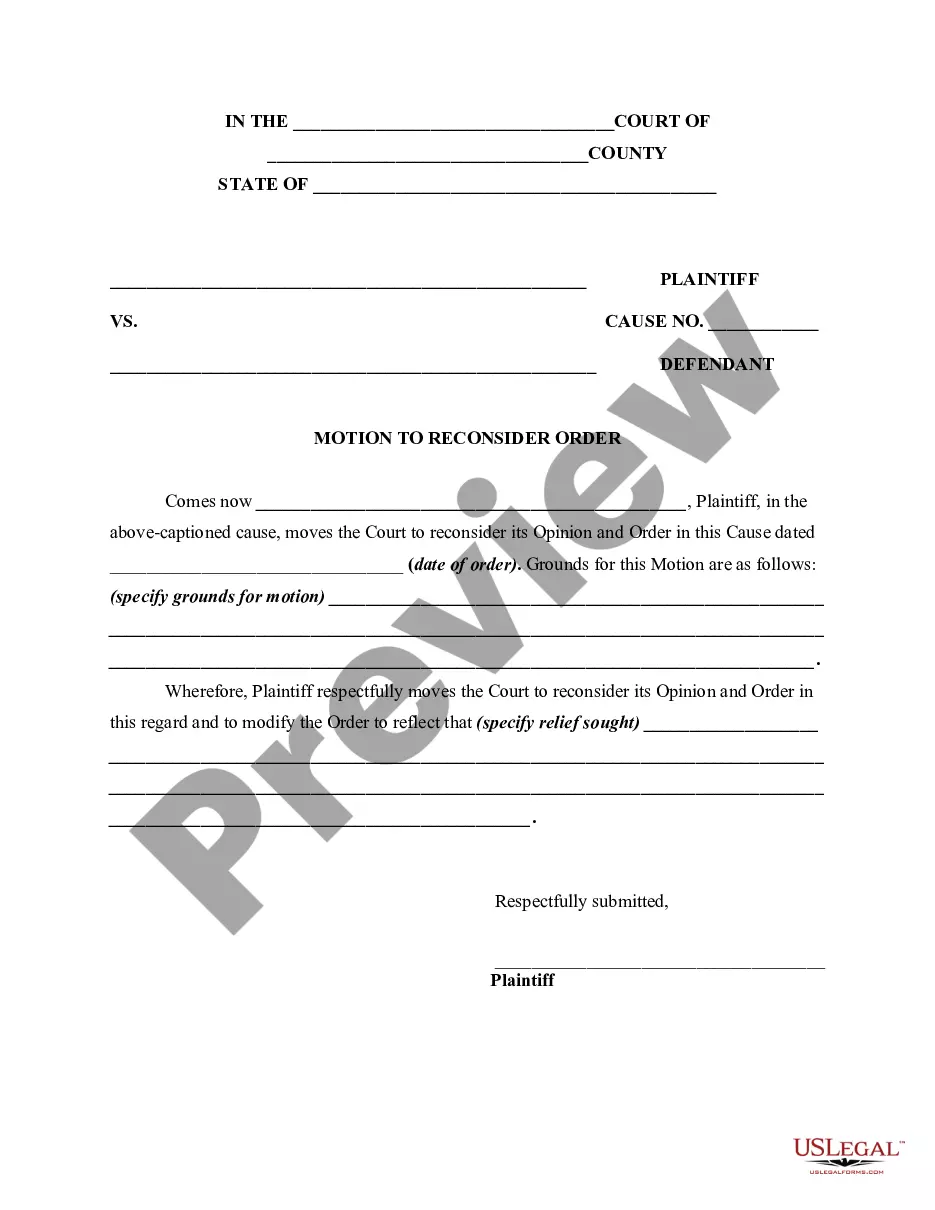
New York Motion For More Definite Statement
Description

Get your form ready online
Our built-in tools help you complete, sign, share, and store your documents in one place.
Make edits, fill in missing information, and update formatting in US Legal Forms—just like you would in MS Word.
Download a copy, print it, send it by email, or mail it via USPS—whatever works best for your next step.
Sign and collect signatures with our SignNow integration. Send to multiple recipients, set reminders, and more. Go Premium to unlock E-Sign.
If this form requires notarization, complete it online through a secure video call—no need to meet a notary in person or wait for an appointment.
We protect your documents and personal data by following strict security and privacy standards.

Make edits, fill in missing information, and update formatting in US Legal Forms—just like you would in MS Word.

Download a copy, print it, send it by email, or mail it via USPS—whatever works best for your next step.

Sign and collect signatures with our SignNow integration. Send to multiple recipients, set reminders, and more. Go Premium to unlock E-Sign.

If this form requires notarization, complete it online through a secure video call—no need to meet a notary in person or wait for an appointment.

We protect your documents and personal data by following strict security and privacy standards.
Looking for another form?
How to fill out New York Motion To Reconsider Judgment?
It’s clear that you cannot become a legal expert instantly, nor can you acquire the ability to swiftly prepare the New York Motion For More Definite Statement without having a specialized foundation.
Crafting legal documents is an extensive undertaking necessitating specific training and expertise.
So why not entrust the creation of the New York Motion For More Definite Statement to the professionals.
Preview it (if this option is available) and review the supporting description to determine if the New York Motion For More Definite Statement is what you’re looking for.
Initiate a new search if you require a different form. Set up a free account and choose a subscription plan to purchase the form. Click Buy now. Once the transaction is completed, you can obtain the New York Motion For More Definite Statement, complete it, print it, and send or mail it to the necessary individuals or entities. You can regain access to your documents from the My documents tab at any time. If you’re a current customer, you can simply Log In, and find and download the template from the same tab. Regardless of the purpose of your documents—be it financial, legal, or personal—our website has you covered. Try US Legal Forms now!
- With US Legal Forms, one of the most extensive libraries of legal documents, you can discover anything from court paperwork to templates for in-office communication.
- We understand how vital compliance and adherence to federal and local laws and regulations are.
- That’s why, on our site, all forms are location-specific and up to date.
- Here’s how to start with our website and acquire the form you require in just minutes.
- Locate the form you need using the search bar at the top of the page.
Form popularity
FAQ
A motion for judgment on the pleadings seeks a ruling based on the pleadings alone, assuming all allegations in the opposing party's pleadings are true. In contrast, a motion to dismiss argues that even if the allegations are true, there are no legal grounds to proceed. Understanding the distinctions between these motions, including the use of a New York motion for a more definite statement, helps develop a strategic approach in legal proceedings. Each motion addresses different aspects of the pleadings.
In New York state court, where the Civil Practice Law and Rules (CPLR) offers more flexibility than the Federal Rules of Civil Procedure, CPLR 3211(a)(1) permits a defendant to introduce on a motion to dismiss documents that ?utterly refute? allegations in a complaint, but it is not boundless.
In New York, a party may move for summary judgment any time ?after issue has been joined,? meaning after service of a responsive pleading. Courts can set a date?no earlier than 30 days after the note of issue is filed?by which summary judgment motions must be made.
If a pleading is so vague or ambiguous that a party cannot reasonably be required to frame a response he may move for a more definite statement. (b) Scandalous or prejudicial matter. A party may move to strike any scandalous or prejudicial matter unnecessarily inserted in a pleading.
The Reply in Support of the Cross Motion. If a cross motion is filed, the party filing the cross motion is authorized to file a reply in response to the affidavit in opposition to the cross motion. It consists of an affidavit, an affirmation, and exhibits, if any.
In New York, a party may move for summary judgment any time ?after issue has been joined,? meaning after service of a responsive pleading. Courts can set a date?no earlier than 30 days after the note of issue is filed?by which summary judgment motions must be made.