Homeowner Forecloses On Bank
Description
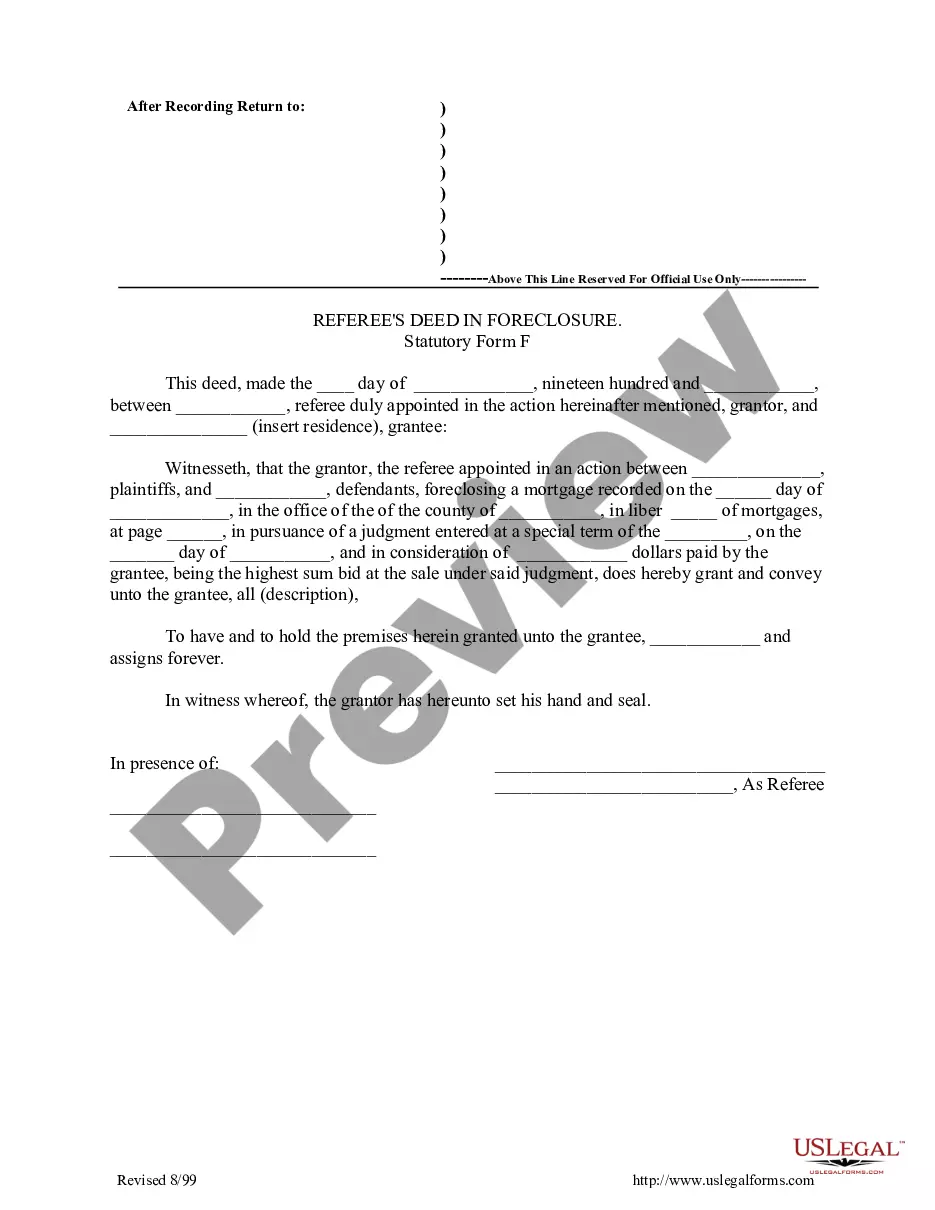
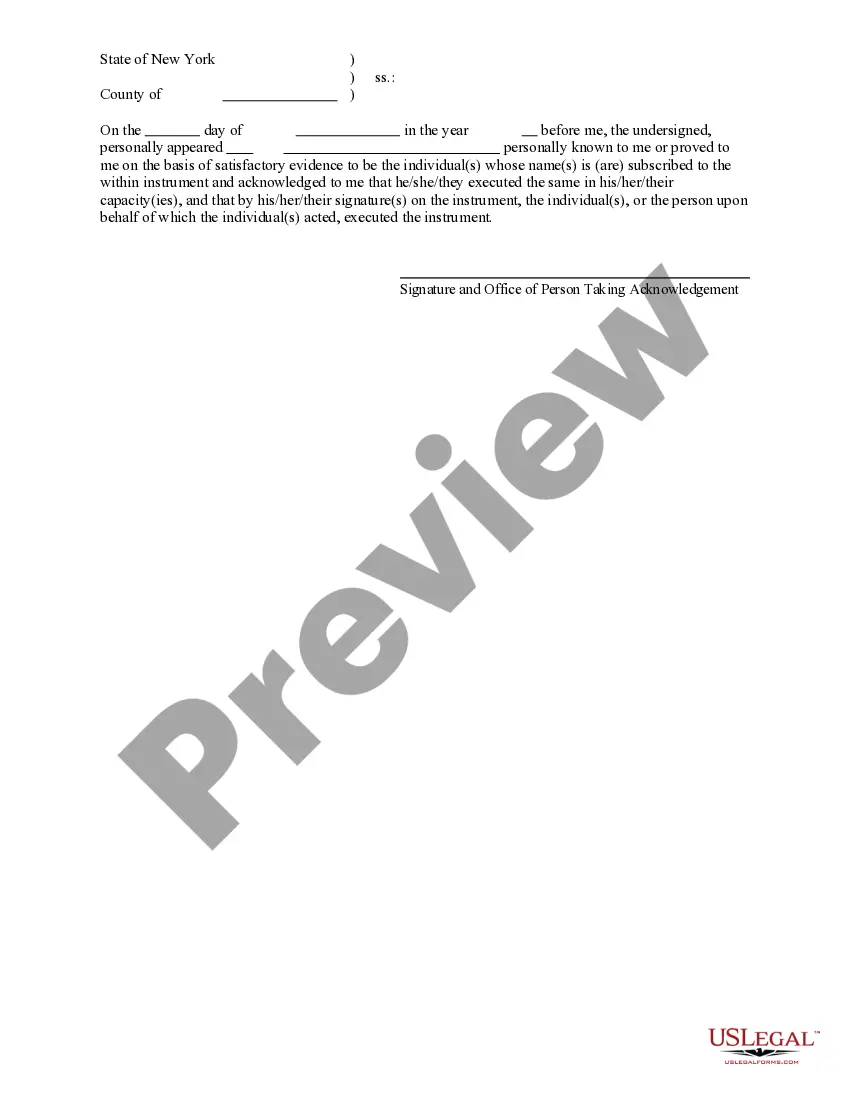

Get your form ready online
Our built-in tools help you complete, sign, share, and store your documents in one place.
Make edits, fill in missing information, and update formatting in US Legal Forms—just like you would in MS Word.
Download a copy, print it, send it by email, or mail it via USPS—whatever works best for your next step.
Sign and collect signatures with our SignNow integration. Send to multiple recipients, set reminders, and more. Go Premium to unlock E-Sign.
If this form requires notarization, complete it online through a secure video call—no need to meet a notary in person or wait for an appointment.
We protect your documents and personal data by following strict security and privacy standards.

Make edits, fill in missing information, and update formatting in US Legal Forms—just like you would in MS Word.

Download a copy, print it, send it by email, or mail it via USPS—whatever works best for your next step.

Sign and collect signatures with our SignNow integration. Send to multiple recipients, set reminders, and more. Go Premium to unlock E-Sign.

If this form requires notarization, complete it online through a secure video call—no need to meet a notary in person or wait for an appointment.

We protect your documents and personal data by following strict security and privacy standards.
Looking for another form?









How to fill out New York Referee's Deed In Foreclosure?
- Log in to your US Legal Forms account, ensuring your subscription is active. If it's not, renew it based on your plan.
- Preview the desired form to verify it meets your specifications and complies with local laws.
- If the form isn't right, utilize the Search feature to find a suitable document.
- Select the 'Buy Now' option and choose a subscription plan that best fits your needs. Registration is required to access the legal library.
- Complete your purchase by providing payment details through a credit card or PayPal.
- Download and save your form to your device, easily accessible anytime through the 'My Forms' section in your profile.
By following these straightforward steps, you can effortlessly secure the legal documents you require. US Legal Forms not only saves you time but also provides access to expert support for ensuring your documents are accurate and compliant.
Start today and take charge of your legal documentation process with US Legal Forms!
Form popularity
FAQ
A house can be foreclosed in a quick manner, often within three to six months, depending on state laws and lender practices. The timeline accelerates if you do not communicate with your lender and fail to adhere to payment plans. Utilizing resources like US Legal Forms can guide you through the complexities of this process.
Following a successful foreclosure, a bank has the authority to lock you out of your house. This is part of the process where the bank reclaims the property. Knowledge about your rights during foreclosure can help you make informed decisions and avoid potential pitfalls.
Yes, once the foreclosure is legally finalized, the bank can legally lock you out of your home. This occurs at the point when the bank regains ownership of the property. It is important to be prepared for this possibility and to address issues as they arise.
The speed of a foreclosure can vary significantly by state but can happen in as little as three months. If you continue to miss payments and do not take action, the bank will proceed quickly. Being proactive and familiarizing yourself with foreclosure laws can provide you with options.
While it may be tempting to stop mortgage payments, doing so can lead to foreclosure in a matter of weeks to months. Most lenders will consider your account delinquent after 30 days of non-payment, and serious repercussions can follow after a few months. Engaging with your lender about your situation can often lead to fewer complications.
Once a foreclosure judgment is finalized, the bank holds the right to lock you out of your house. This action happens typically after you have vacated the property voluntarily or after an eviction letter is served. Being informed of the foreclosure process can empower you to take appropriate steps.
Yes, following a foreclosure, the bank may lock you out of your home. This process occurs after legal proceedings, where the bank reclaims its property. Seeking legal advice and understanding your rights is essential during this time.
Yes, a bank can ultimately remove you from your home if it forecloses on the property. This process is part of regaining ownership of the house after you fail to meet payment obligations. Understanding your rights and options can help you navigate this challenging situation.
Usually, a bank may begin the foreclosure process after you miss three to six mortgage payments. However, this timeline can vary by lender and state laws. It is crucial to communicate with your bank if you foresee difficulties making payments, as they may offer options to avoid foreclosure.
If a homeowner is facing foreclosure, taking over mortgage payments involves several steps. You can contact the bank to discuss options for assuming the mortgage or negotiating a repayment plan. Additionally, seeking support from platforms like US Legal Forms can provide essential resources and legal documents needed for this process. Acting quickly can help you regain control of your financial situation.