Foreclosure Homes
Description
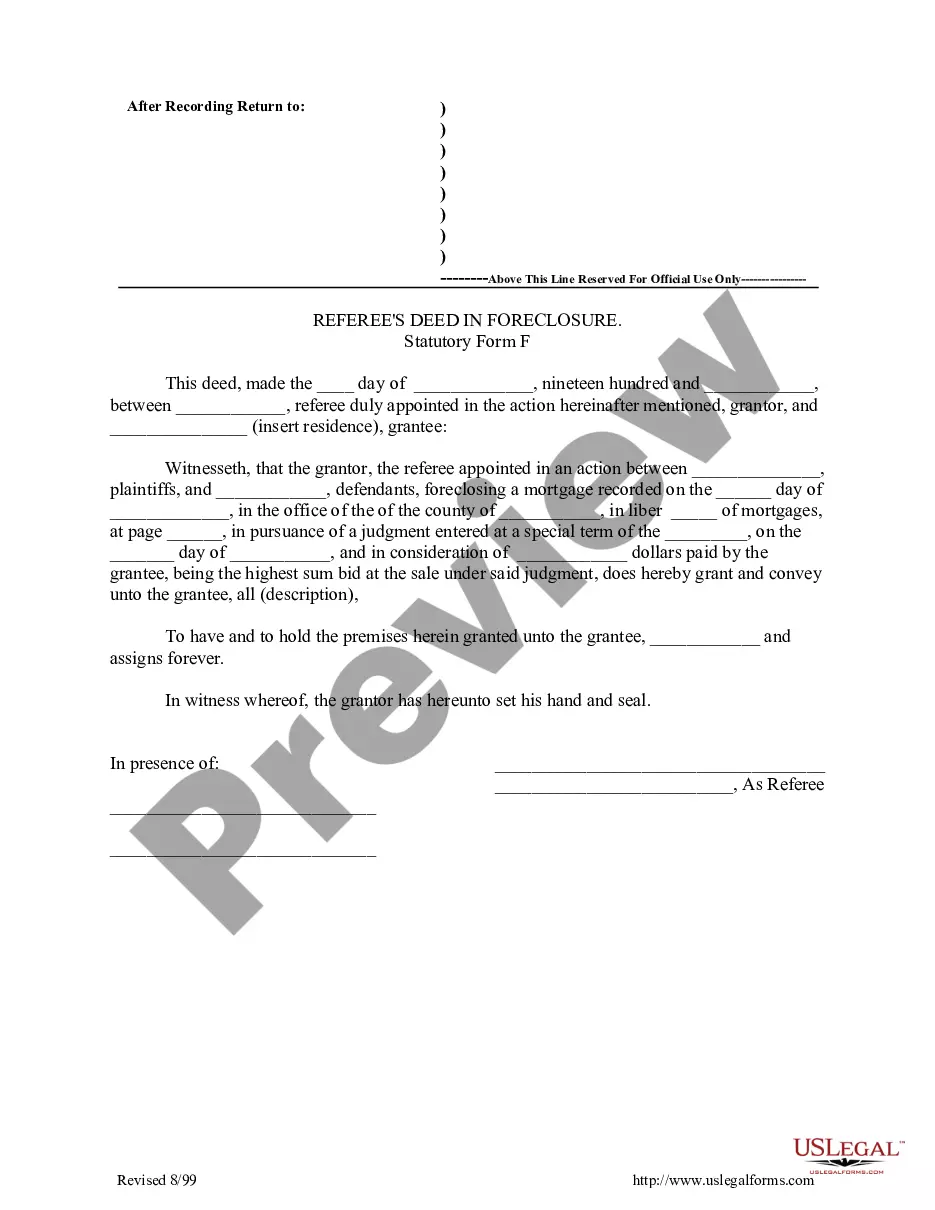
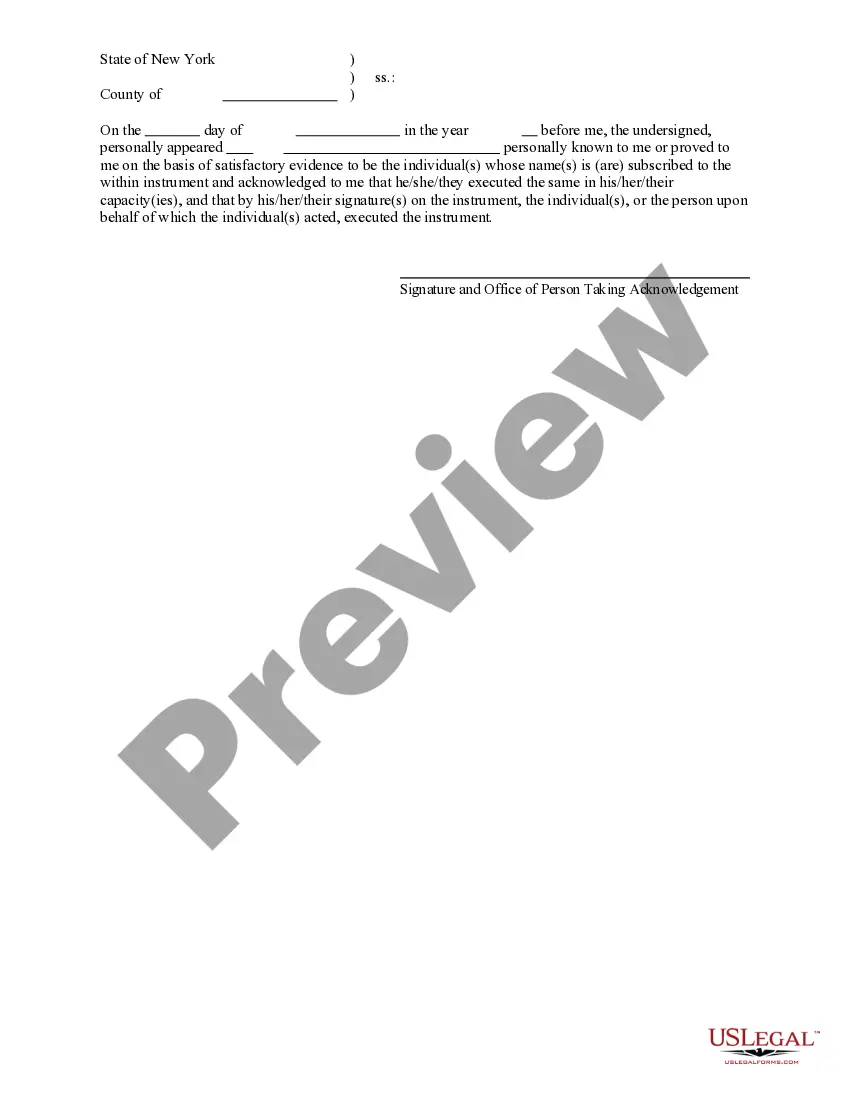

Get your form ready online
Our built-in tools help you complete, sign, share, and store your documents in one place.
Make edits, fill in missing information, and update formatting in US Legal Forms—just like you would in MS Word.
Download a copy, print it, send it by email, or mail it via USPS—whatever works best for your next step.
Sign and collect signatures with our SignNow integration. Send to multiple recipients, set reminders, and more. Go Premium to unlock E-Sign.
If this form requires notarization, complete it online through a secure video call—no need to meet a notary in person or wait for an appointment.
We protect your documents and personal data by following strict security and privacy standards.

Make edits, fill in missing information, and update formatting in US Legal Forms—just like you would in MS Word.

Download a copy, print it, send it by email, or mail it via USPS—whatever works best for your next step.

Sign and collect signatures with our SignNow integration. Send to multiple recipients, set reminders, and more. Go Premium to unlock E-Sign.

If this form requires notarization, complete it online through a secure video call—no need to meet a notary in person or wait for an appointment.

We protect your documents and personal data by following strict security and privacy standards.
Looking for another form?

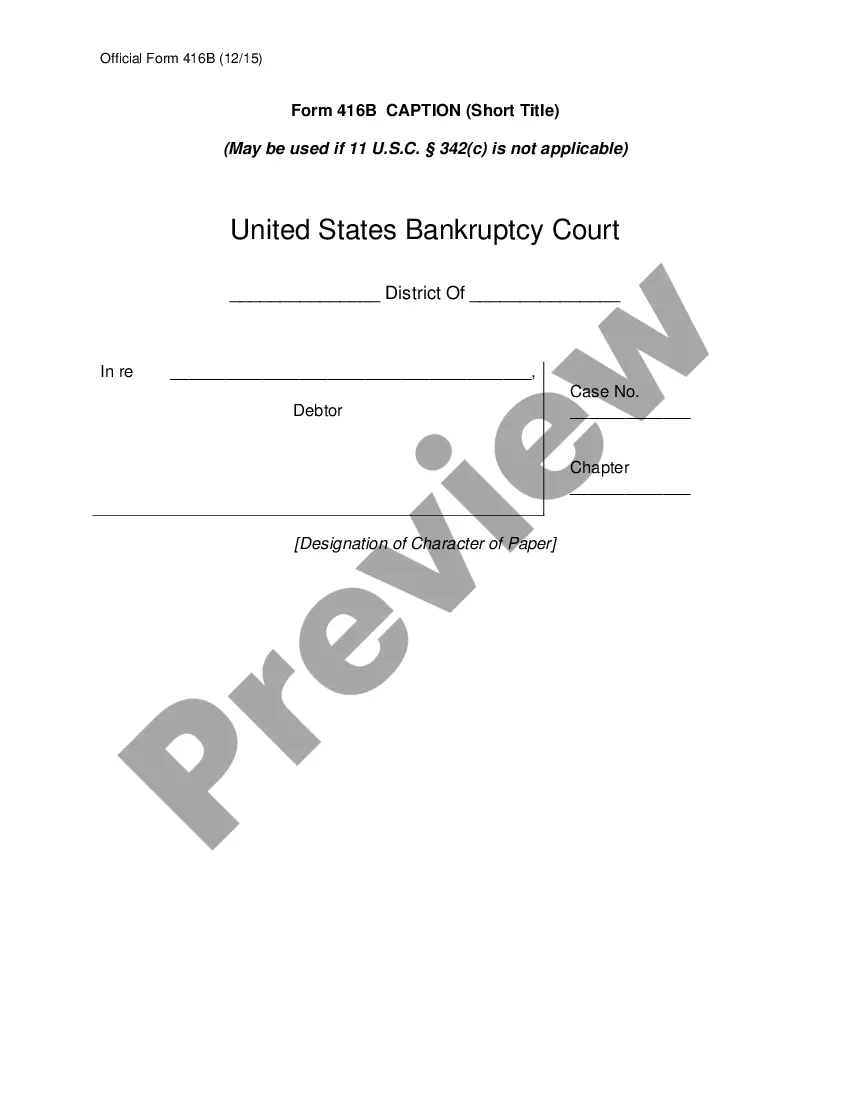




How to fill out New York Referee's Deed In Foreclosure?
- Log into your existing US Legal Forms account. Ensure your subscription is active; if it’s not, renew it per your payment plan.
- Review the Preview mode and description of available forms. Select the template that best fits your requirements and conforms to your local regulations.
- If the initial form doesn't suit your needs, utilize the Search feature to find an alternative template that does.
- Proceed to purchase the document after confirming your selection. Click on the Buy Now button and select a subscription plan that fits your situation.
- Complete your purchase by entering your payment details via credit card or PayPal.
- Once the purchase is confirmed, download your form directly to your device and access it anytime via the My Forms section of your profile.
By following these straightforward steps, you'll be equipped to secure the necessary legal documents related to foreclosure homes effectively. US Legal Forms not only simplifies the process but also provides a vast repository of resources to empower you.
Start your journey now and make use of US Legal Forms for all your legal documentation needs!
Form popularity
FAQ
When considering an offer on foreclosure homes, a good baseline is to start at 70% to 80% of the home's market value. This approach reflects the property's condition and necessary repairs. It's important to conduct thorough research to determine a fair yet competitive offer. Consulting resources like US Legal Forms can provide valuable insights to make informed decisions.
Purchasing foreclosure homes can be challenging but rewarding. The process often involves bidding at auctions or negotiating with banks, which can be competitive. Due diligence is vital; inspections might reveal necessary repairs that require additional investment. Engaging with experienced professionals can simplify the challenges of buying a foreclosed property.
When buying foreclosure homes, the down payment usually ranges from 3% to 20%, depending on the type of financing. Lenders may require a larger down payment for foreclosures due to their perceived risk. Homebuyers should also be prepared for additional costs like repairs or property taxes. Therefore, it’s beneficial to budget carefully before making an offer.
The foreclosure process in Ohio begins when a lender files a complaint in court. After the court reviews the case, a judgment is issued, which allows the lender to sell the property. This process involves several steps, including a notice of sale, and homeowners can redeem their property until the sale occurs. Understanding this process is crucial if you're interested in exploring foreclosure homes.
In Tennessee, foreclosure homes often undergo a non-judicial process, allowing lenders to sell properties without court approval. Typically, this process takes approximately 20 days, following a notice period. As a potential buyer, understanding this streamlined method can help you act quickly when good opportunities arise. Resources like uslegalforms can provide valuable information to help you navigate this process smoothly.
The 120-day rule states that lenders must wait 120 days after a missed payment before initiating the foreclosure process. This period allows borrowers the chance to catch up on payments or seek alternatives. When dealing with foreclosure homes, it’s crucial to understand this rule and its implications on your buying decisions. This grace period can affect the availability of properties you may be interested in.
A house can be foreclosed relatively quickly if it meets certain criteria, sometimes in as little as three months, depending on state laws and the lender's practices. When looking at foreclosure homes, understand that quick foreclosures may mean additional buyers and competition in the market. Lenders often aim to recover their losses swiftly, so staying vigilant and prepared can be beneficial.
In West Virginia, the foreclosure process can take anywhere from four months to over a year, depending on the specific circumstances of each case. As you explore foreclosure homes in this area, it's essential to consider how the timeline may affect your purchasing plans. Factors such as court availability and potential buyer interventions can further extend this timeframe. Stay informed to navigate effectively.
In foreclosure homes, the order of payments usually follows this hierarchy: first, any judicial fees or costs associated with the foreclosure; next, outstanding mortgage payments; and finally, other liens or debts against the property. This order ensures that all financial obligations are addressed before the lender recovers their investments. Knowing this hierarchy can assist you in making informed decisions during the buying process.
To initiate foreclosure, lenders typically require the borrower to be at least 90 days delinquent on payments. When considering foreclosure homes, be aware that different states have varying laws regarding this requirement. For instance, lenders must follow specific procedural rules before officially commencing the foreclosure process. This ensures clarity and fairness for all parties involved.