Ny Warranty Individual Formula
Description
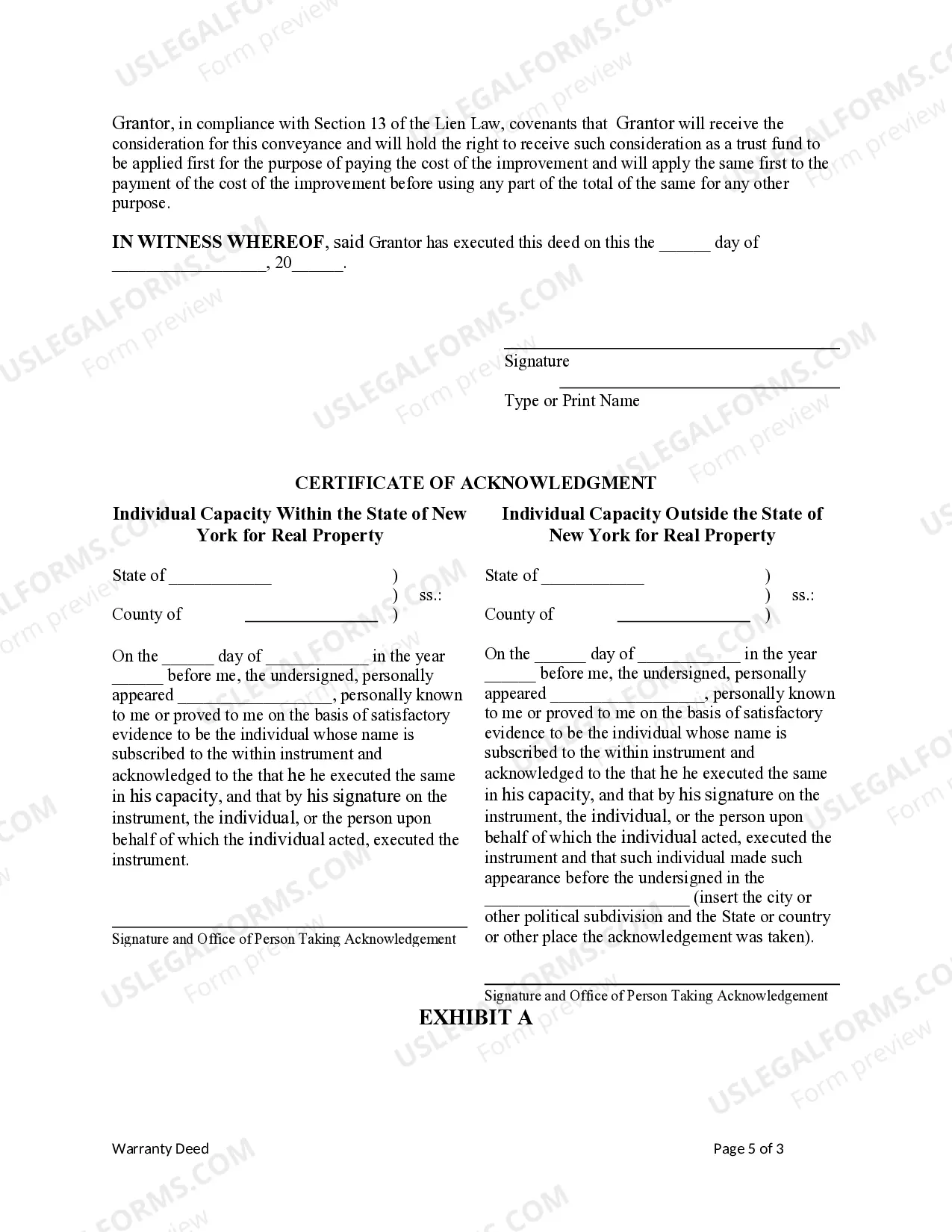
Get your form ready online
Our built-in tools help you complete, sign, share, and store your documents in one place.
Make edits, fill in missing information, and update formatting in US Legal Forms—just like you would in MS Word.
Download a copy, print it, send it by email, or mail it via USPS—whatever works best for your next step.
Sign and collect signatures with our SignNow integration. Send to multiple recipients, set reminders, and more. Go Premium to unlock E-Sign.
If this form requires notarization, complete it online through a secure video call—no need to meet a notary in person or wait for an appointment.
We protect your documents and personal data by following strict security and privacy standards.

Make edits, fill in missing information, and update formatting in US Legal Forms—just like you would in MS Word.

Download a copy, print it, send it by email, or mail it via USPS—whatever works best for your next step.

Sign and collect signatures with our SignNow integration. Send to multiple recipients, set reminders, and more. Go Premium to unlock E-Sign.

If this form requires notarization, complete it online through a secure video call—no need to meet a notary in person or wait for an appointment.

We protect your documents and personal data by following strict security and privacy standards.
Looking for another form?
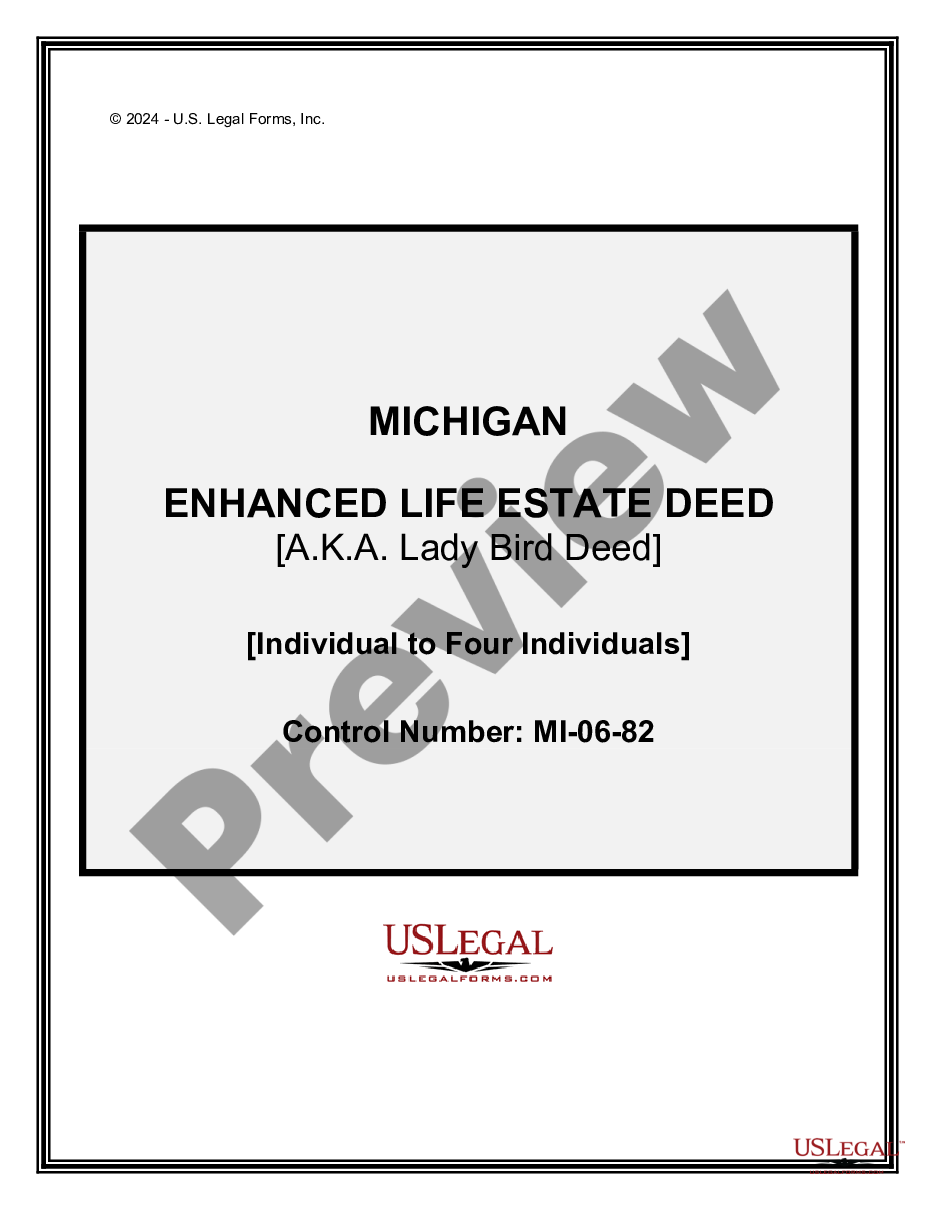








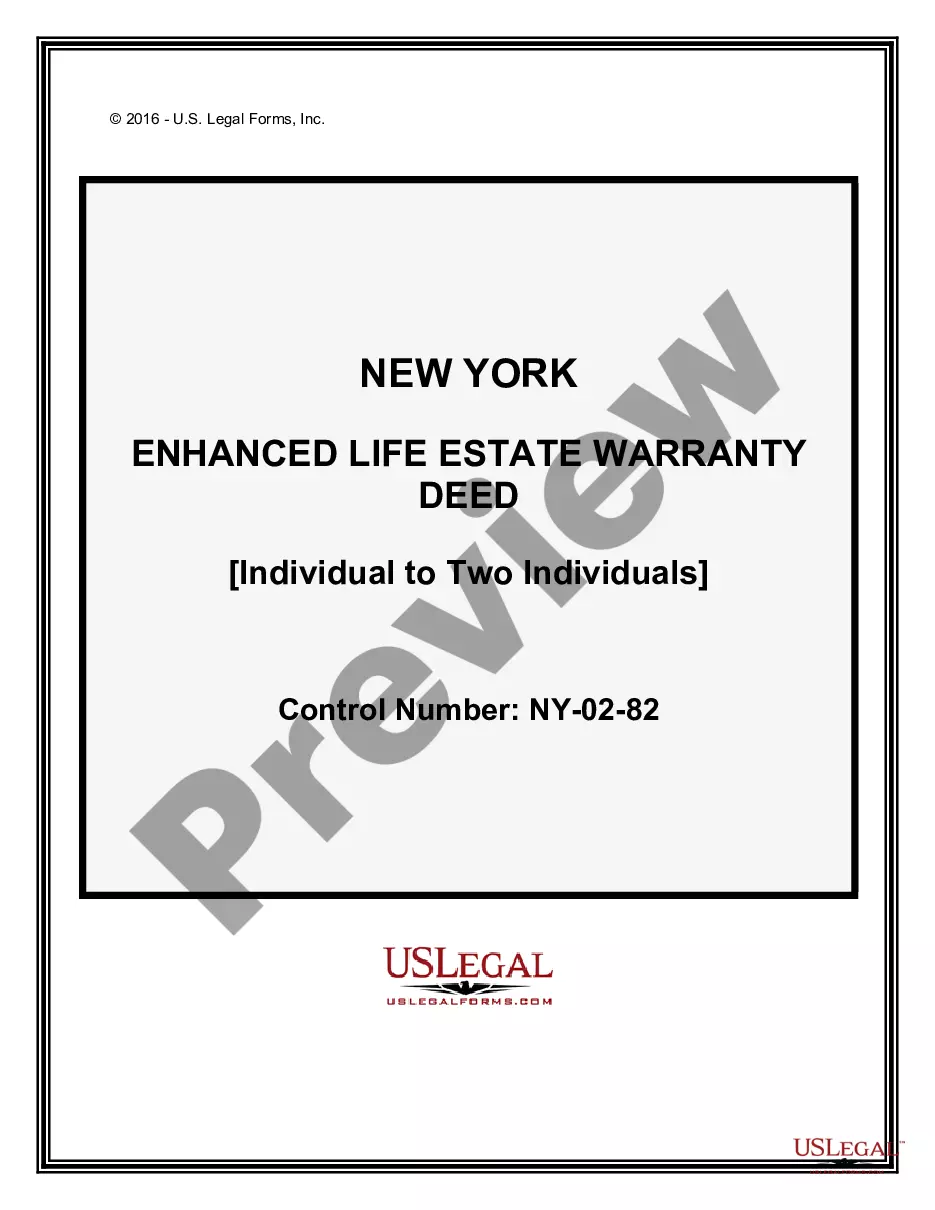
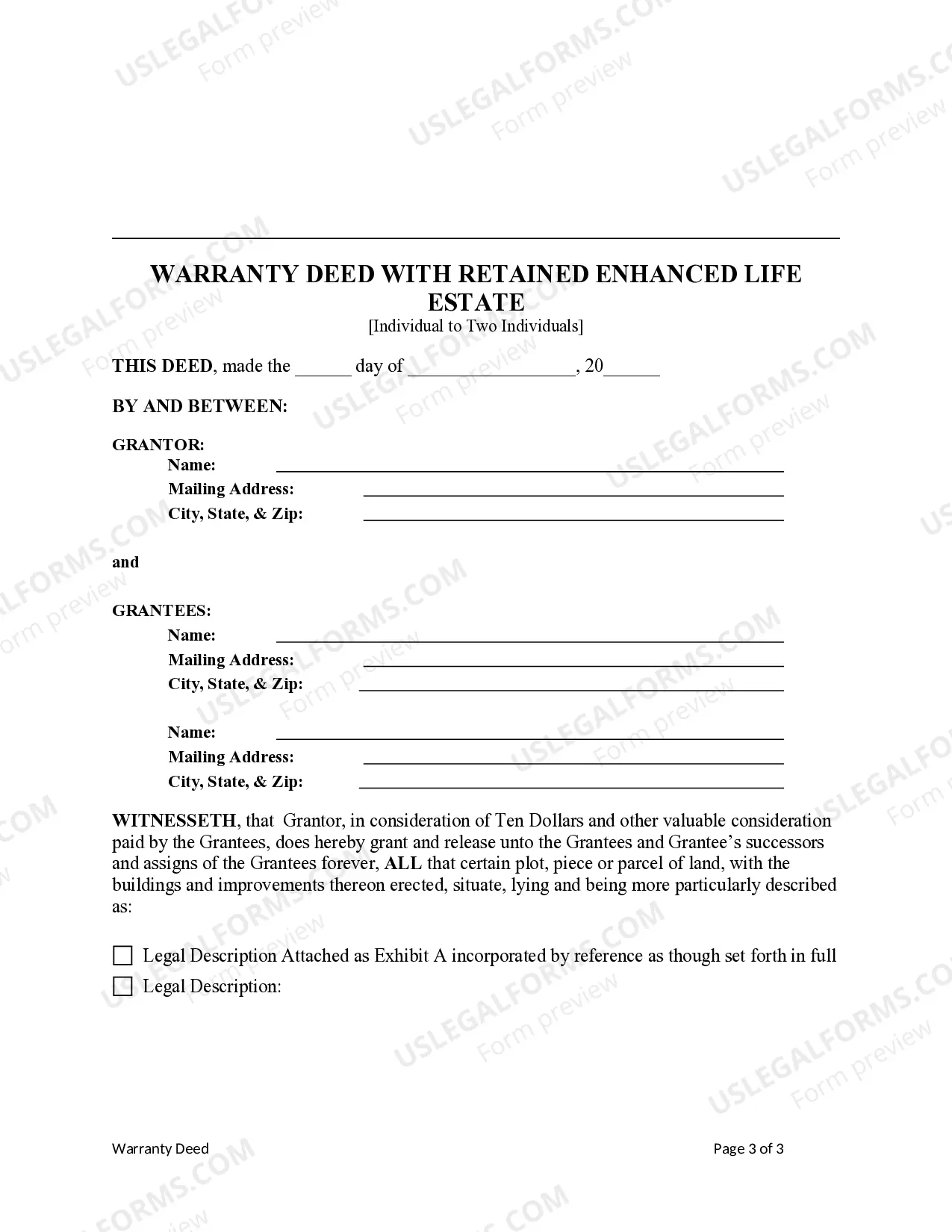
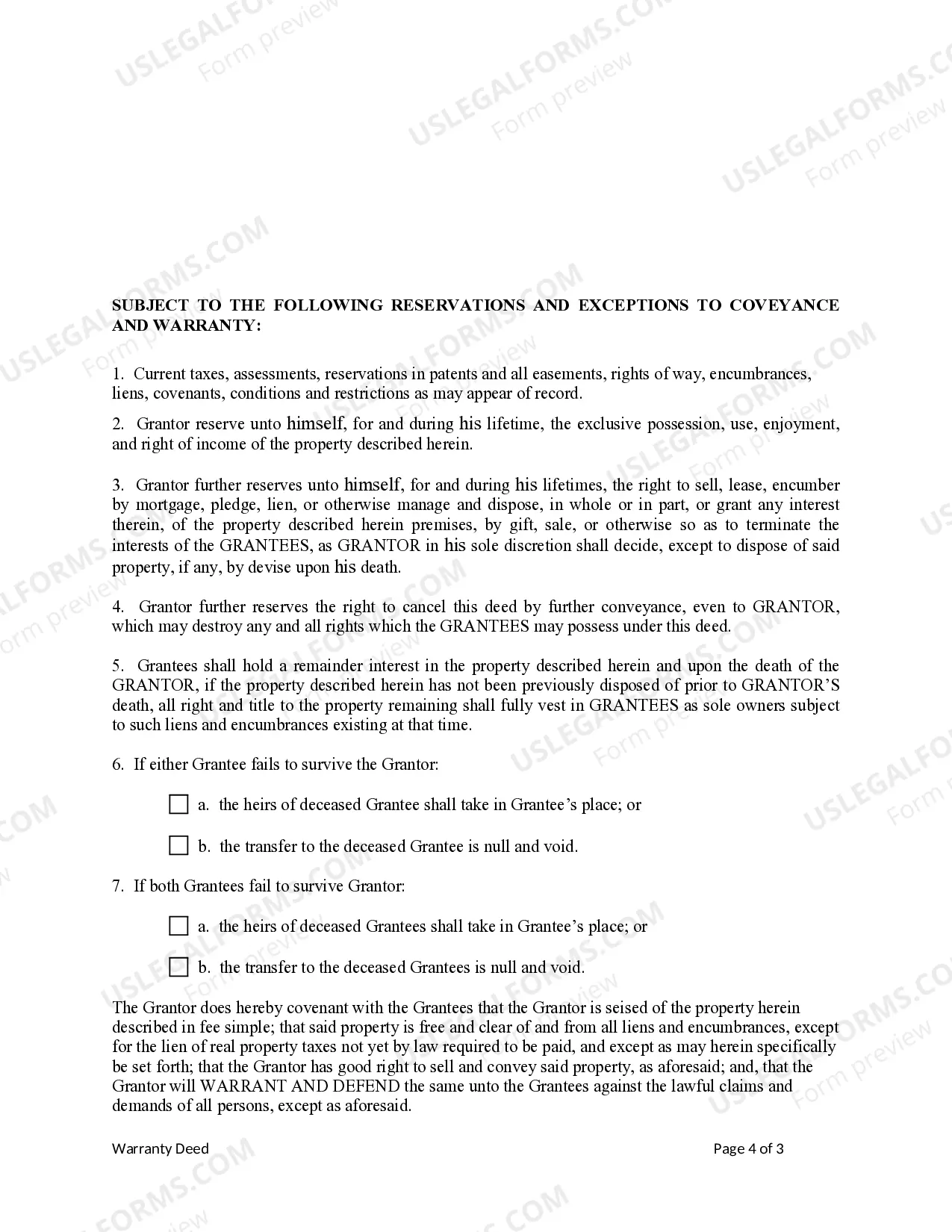
How to fill out New York Enhanced Life Estate Or Lady Bird Warranty Deed From Individual To Two Individuals?
It’s clear that you cannot become a lawful expert instantly, nor can you swiftly learn how to draft the Ny Warranty Individual Formula without a specialized skill set.
Assembling legal documents is a labor-intensive task that necessitates specific training and expertise. So why not entrust the development of the Ny Warranty Individual Formula to the professionals.
With US Legal Forms, one of the most extensive legal template libraries, you can locate everything from court documents to templates for internal business communication.
If you need any other template, start your search again.
Create a free account and choose a subscription plan to buy the form. Select Buy now. Once the transaction is finalized, you can access the Ny Warranty Individual Formula, complete it, print it, and send it by mail to the necessary individuals or entities.
- We recognize how crucial adherence to federal and local laws and regulations is.
- That’s why, on our platform, all forms are tailored to specific locations and current.
- Let’s begin with our website and obtain the document you require in just a few minutes.
- Find the form you need using the search bar at the top of the page.
- Preview it (if this option is available) and read the accompanying description to determine if the Ny Warranty Individual Formula is what you seek.
Form popularity
FAQ
The Magnuson-Moss Warranty Act requires that every written warranty on a consumer product that costs more than $10 have a title that says the warranty is either "full" or "limited" (The Act calls these titles "designations.") The title is intended to provide consumers, at a glance, with a key to some of the important ...
There are many examples of warranties depending on the type of product a consumer is buying. Some examples may include replacing a product such as a mobile phone if it does not the way it is advertised. A consumer may also receive free repair services where a product has been damaged during use.
The Act applies only to products and not to warranties on services. Additionally, the Act covers only warranties on consumer products. In other words, it doesn't apply to warranties on products sold for resale or for commercial purposes.
There are two general types of warranties, expressed and implied. Each category has different sub-types of warranties, with terms, conditions, and guarantees.
By way of background, implied warranties are primarily applied in two contexts in New York: (1) in the breach of contract for goods context; and, (2) where a product was not safe for its intended use, i.e., in the defective consumer products context (for more on the latter category, please see "How to Prove a Breach of ...