Enhanced Life Individual With Medicare
Description

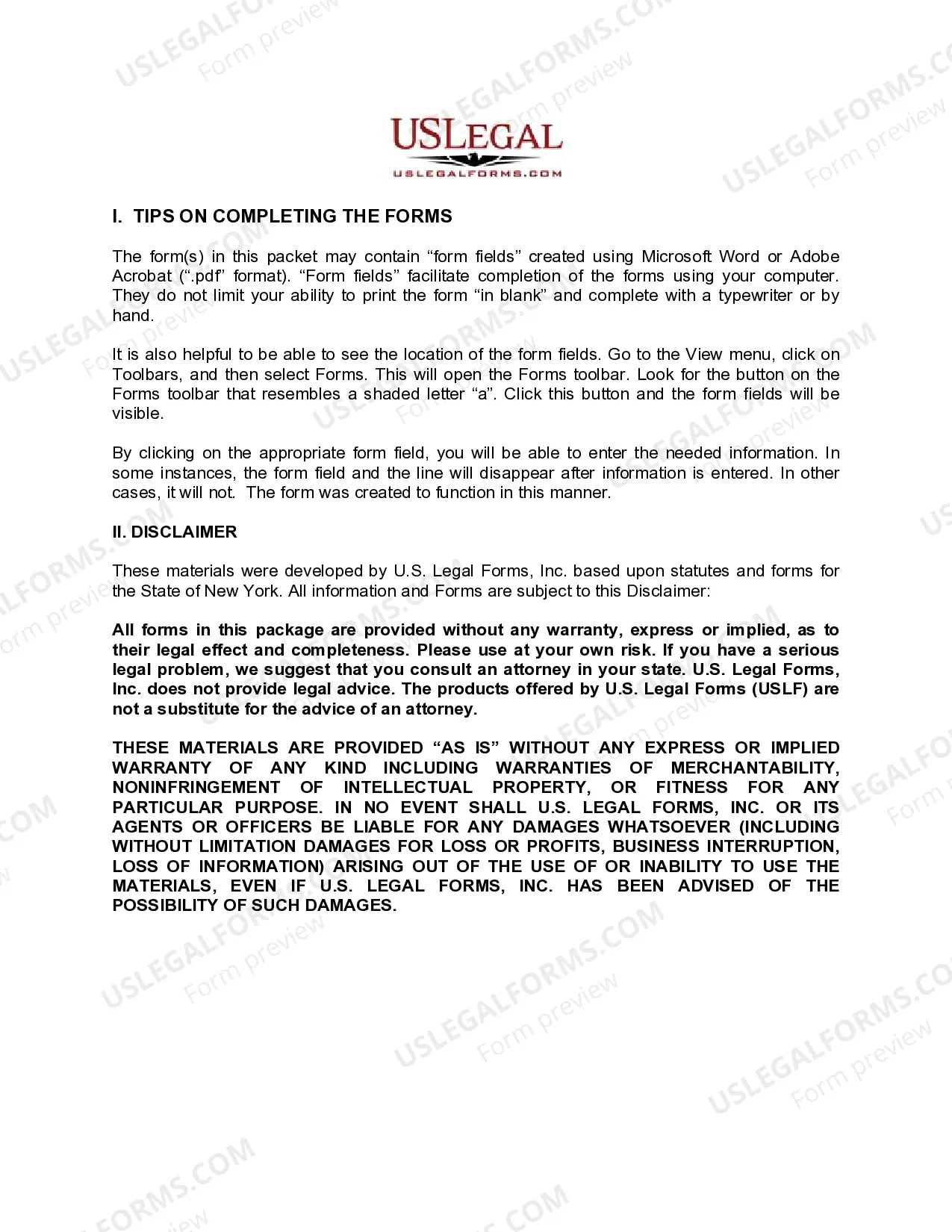

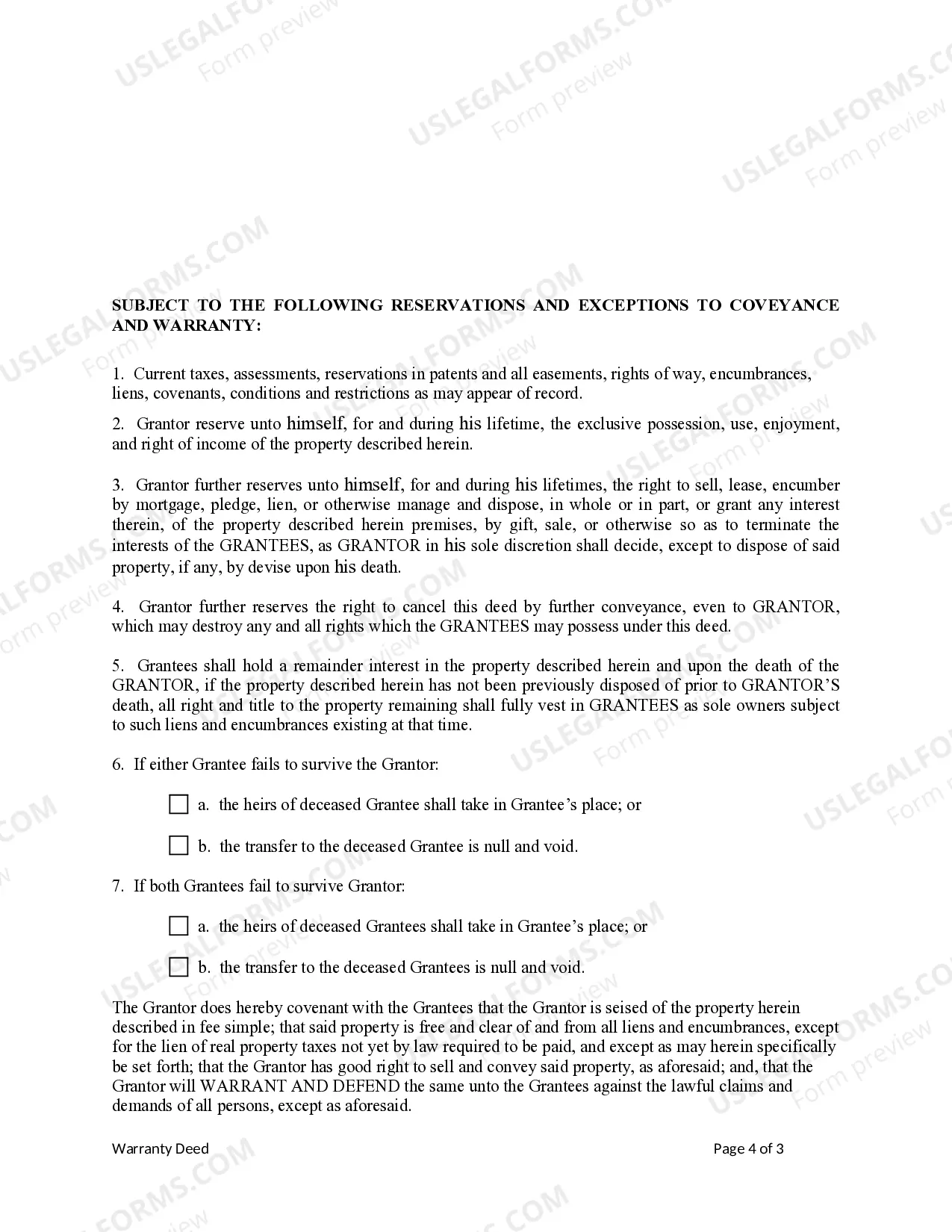
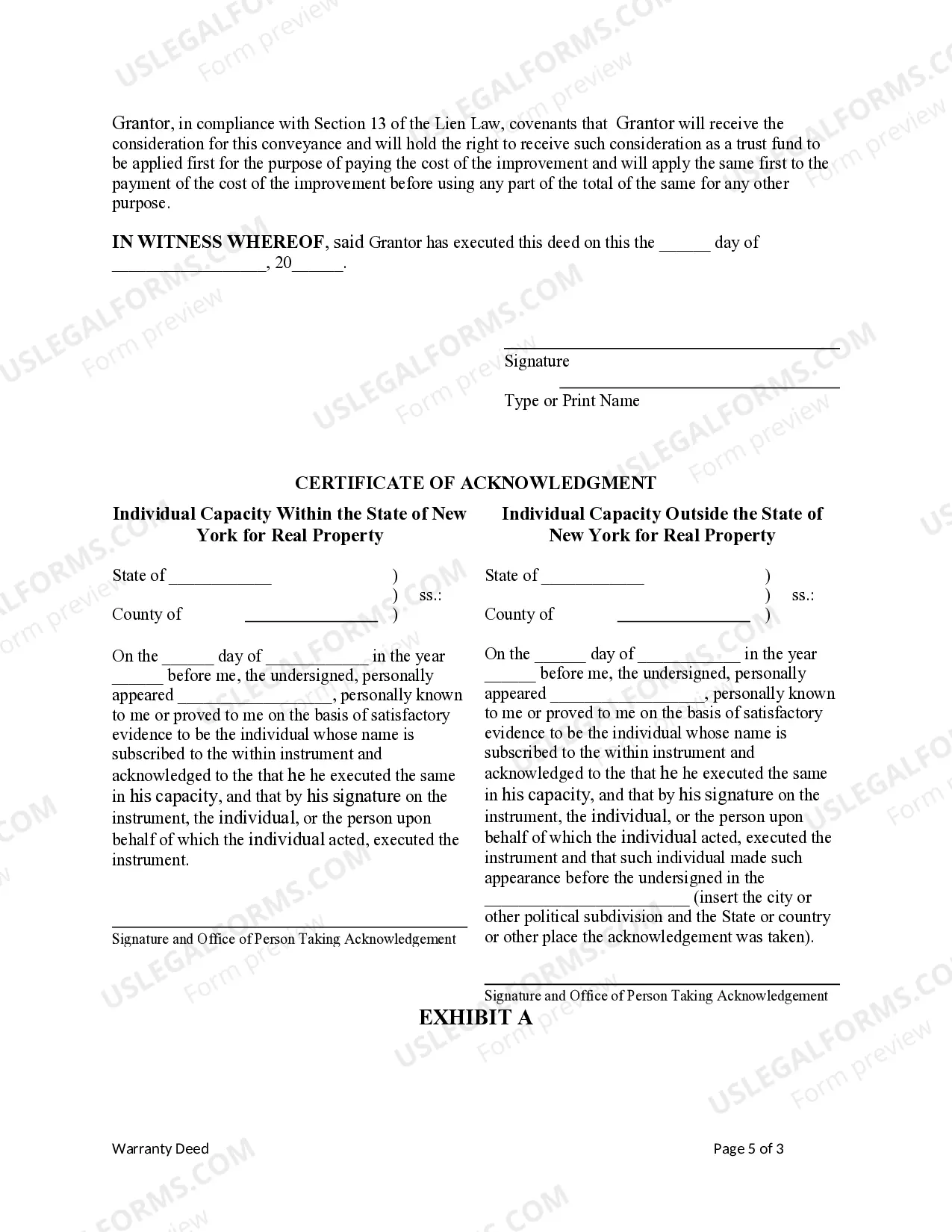

Get your form ready online
Our built-in tools help you complete, sign, share, and store your documents in one place.
Make edits, fill in missing information, and update formatting in US Legal Forms—just like you would in MS Word.
Download a copy, print it, send it by email, or mail it via USPS—whatever works best for your next step.
Sign and collect signatures with our SignNow integration. Send to multiple recipients, set reminders, and more. Go Premium to unlock E-Sign.
If this form requires notarization, complete it online through a secure video call—no need to meet a notary in person or wait for an appointment.
We protect your documents and personal data by following strict security and privacy standards.

Make edits, fill in missing information, and update formatting in US Legal Forms—just like you would in MS Word.

Download a copy, print it, send it by email, or mail it via USPS—whatever works best for your next step.

Sign and collect signatures with our SignNow integration. Send to multiple recipients, set reminders, and more. Go Premium to unlock E-Sign.

If this form requires notarization, complete it online through a secure video call—no need to meet a notary in person or wait for an appointment.

We protect your documents and personal data by following strict security and privacy standards.
Looking for another form?
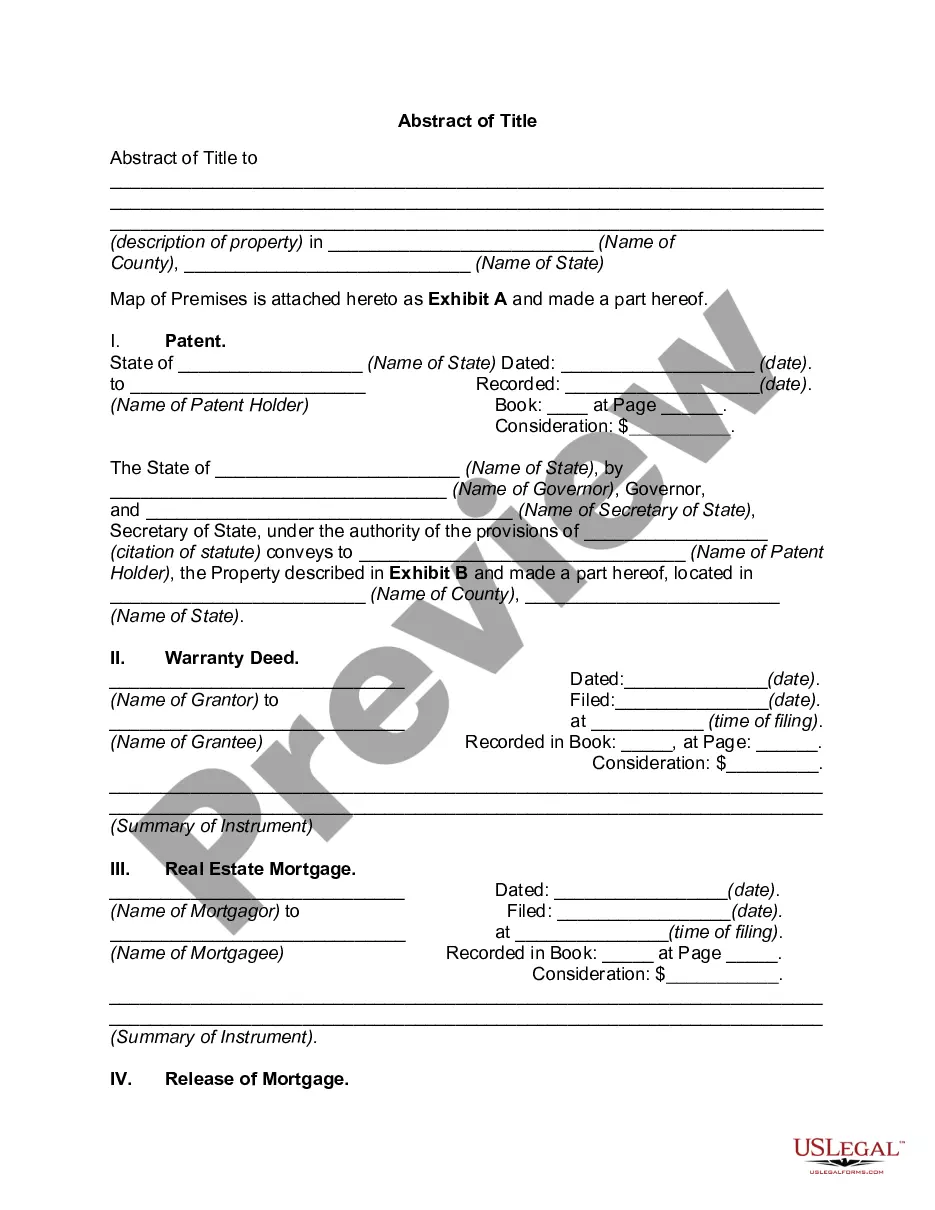






How to fill out New York Enhanced Life Estate Or Lady Bird Warranty Deed From Individual To Two Individuals?
- Log in to your US Legal Forms account if you're a returning user. Ensure that your subscription is active; if not, renew it based on your payment plan.
- Review the Preview mode and detailed form description to confirm that the selected document suits your needs and adheres to local legal requirements.
- If adjustments are necessary, utilize the Search function to find an alternative form that fits your criteria.
- To proceed, click the Buy Now button and choose your preferred subscription plan. Creating an account is essential to access the library.
- After selecting your plan, enter your payment information, either with a credit card or via PayPal.
- Finally, download the form to your device. You can also revisit it in the My Forms section of your account whenever needed.
By following these steps, you can efficiently obtain the necessary legal documents that can empower you in managing your needs as an individual with Medicare.
Start benefiting from the extensive resources available at US Legal Forms today. Visit the site and explore how easy legal document management can be!
Form popularity
FAQ
The key difference between a PPO and a PFFS lies in provider flexibility. PPOs have a network of doctors and hospitals, and using them usually results in lower costs. In contrast, a PFFS allows enrollees to use any provider who agrees to the plan's terms, offering more latitude but potentially at higher costs. For enhanced life individual with Medicare, choosing the right plan can make a significant difference in both access and affordability.
An enhanced Medicare plan refers to coverage that goes beyond basic Medicare benefits, often including additional services like dental and vision care. These plans can provide a more comprehensive approach to healthcare, ensuring that individuals receive the support they need. With an enhanced life individual with Medicare, you may find additional perks that traditional plans might not offer, improving your overall healthcare experience.
The best secondary insurance for someone with Medicare often depends on personal healthcare needs. Many find Medigap policies beneficial, as they cover a range of out-of-pocket expenses. There are also Medicare Advantage plans available that provide additional coverage. When considering enhanced life individual with Medicare coverage, exploring different options can help ensure you choose a plan that fits your requirements.
One downside to a PPO plan is the potential for higher out-of-pocket costs. While PPOs offer flexibility in choosing healthcare providers, this often comes with deductibles and co-pays that can add up. Additionally, if you see an out-of-network provider, you may end up paying more than you would for an in-network visit. For individuals with enhanced life individual with Medicare, it's important to weigh these costs against the plan's benefits.
Basic Medicare Part D plans typically offer essential prescription drug coverage, but they may not cover all medications or impose certain limitations. In contrast, enhanced Medicare Part D plans provide broader coverage and often include lower deductibles, co-pays, and a wider range of medications. For enhanced life individuals with Medicare, choosing an enhanced plan can significantly improve access to necessary drugs and ensure better overall health care management. It's important to assess your medication needs before making a decision.
Medicare offers four primary types of plans that can suit your health needs. First, there's Original Medicare, which includes Part A for hospital insurance and Part B for medical insurance. Second, Medicare Advantage provides an alternative that bundles these services into one plan. Third, Part D coverage focuses solely on prescription drugs. Lastly, Medigap supplements cover costs not fully addressed by Original Medicare. Remember, exploring options designed for enhanced life individuals with Medicare can lead to better health management.
Filling out Medicare form CMS 1763 is straightforward. Begin by downloading the form from the Centers for Medicare & Medicaid Services' website. Clearly enter your personal details, including your Medicare number and the reason for requesting to terminate your Medicare coverage. After completing the form, submit it to your local Social Security office; they can also guide you through the process if needed. For enhanced life individuals with Medicare, proper form submission is crucial for a seamless transition.
To determine whether Medicare or another plan acts as primary or secondary insurance, consider your specific situation as an enhanced life individual with Medicare. Generally, if you have employer coverage, that plan may take priority. However, if you are unsure, consulting the guidelines or a professional can clarify how your benefits coordinate, ensuring optimal coverage.
The COB rule for Medicare outlines the process for determining payment responsibility when multiple insurers are involved. For an enhanced life individual with Medicare, this means understanding which plan pays first based on factors like employment status or type of insurance. This knowledge can help you navigate your healthcare costs more effectively and ensure you receive the benefits you deserve.
changing event can impact your Medicare coverage, especially as an enhanced life individual with Medicare. Events like moving to a new address, losing other insurance, or changes in your marital status are significant. These changes allow you to update your Medicare plan or eligibility, ensuring your healthcare meets your evolving needs.