Business Corporate
Description


Get your form ready online
Our built-in tools help you complete, sign, share, and store your documents in one place.
Make edits, fill in missing information, and update formatting in US Legal Forms—just like you would in MS Word.
Download a copy, print it, send it by email, or mail it via USPS—whatever works best for your next step.
Sign and collect signatures with our SignNow integration. Send to multiple recipients, set reminders, and more. Go Premium to unlock E-Sign.
If this form requires notarization, complete it online through a secure video call—no need to meet a notary in person or wait for an appointment.
We protect your documents and personal data by following strict security and privacy standards.

Make edits, fill in missing information, and update formatting in US Legal Forms—just like you would in MS Word.

Download a copy, print it, send it by email, or mail it via USPS—whatever works best for your next step.

Sign and collect signatures with our SignNow integration. Send to multiple recipients, set reminders, and more. Go Premium to unlock E-Sign.

If this form requires notarization, complete it online through a secure video call—no need to meet a notary in person or wait for an appointment.

We protect your documents and personal data by following strict security and privacy standards.
Looking for another form?







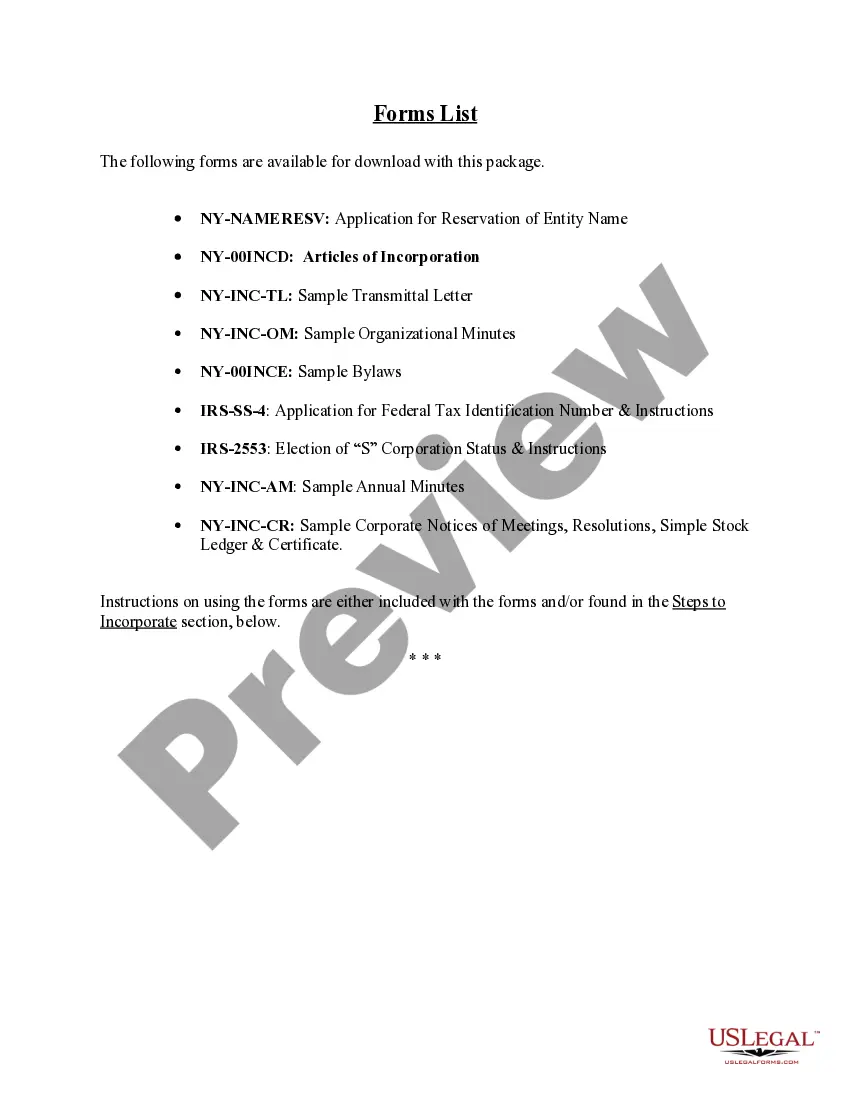
How to fill out New York Business Incorporation Package To Incorporate Corporation?
- If you are a returning user, log in to your account and select the required form template. Ensure your subscription is active; renew if necessary.
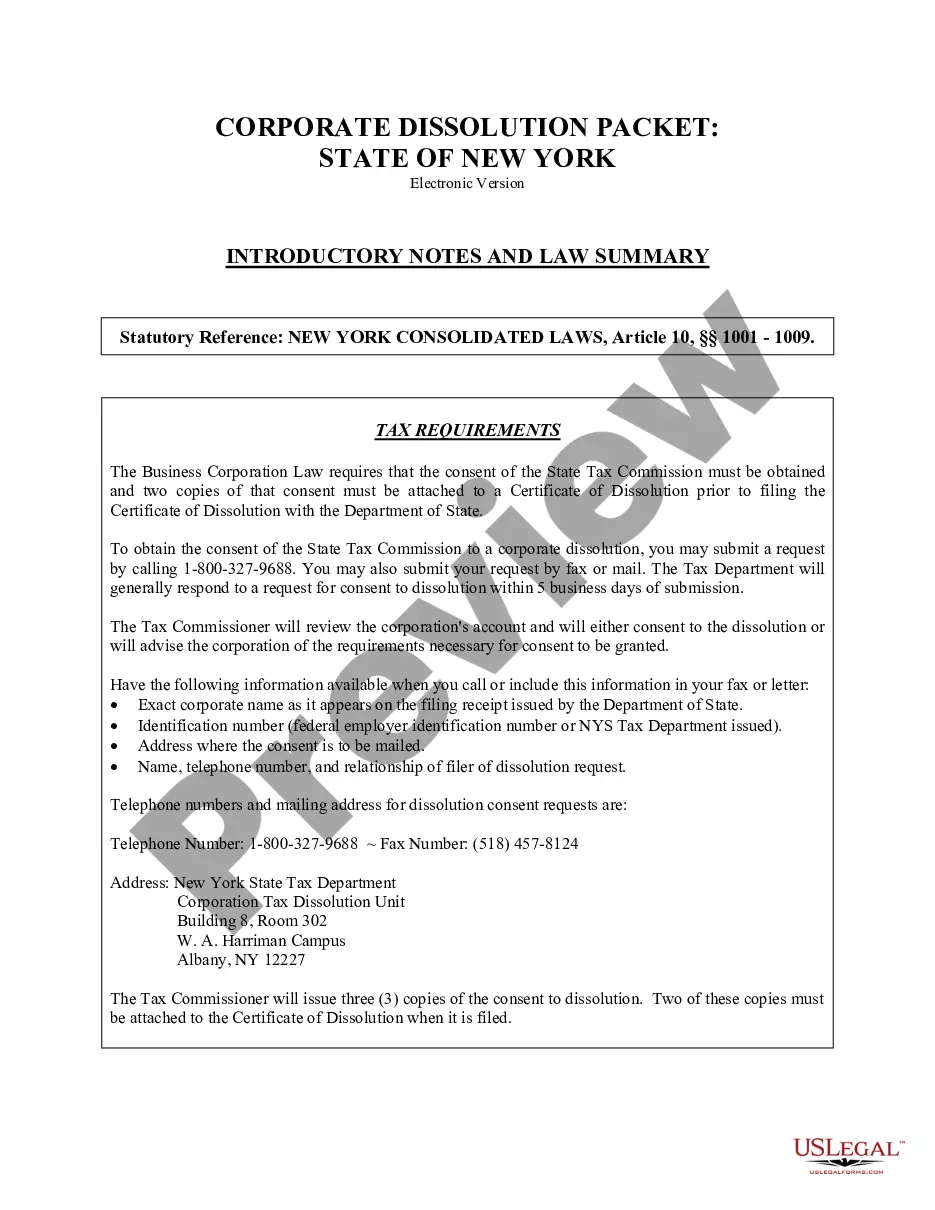
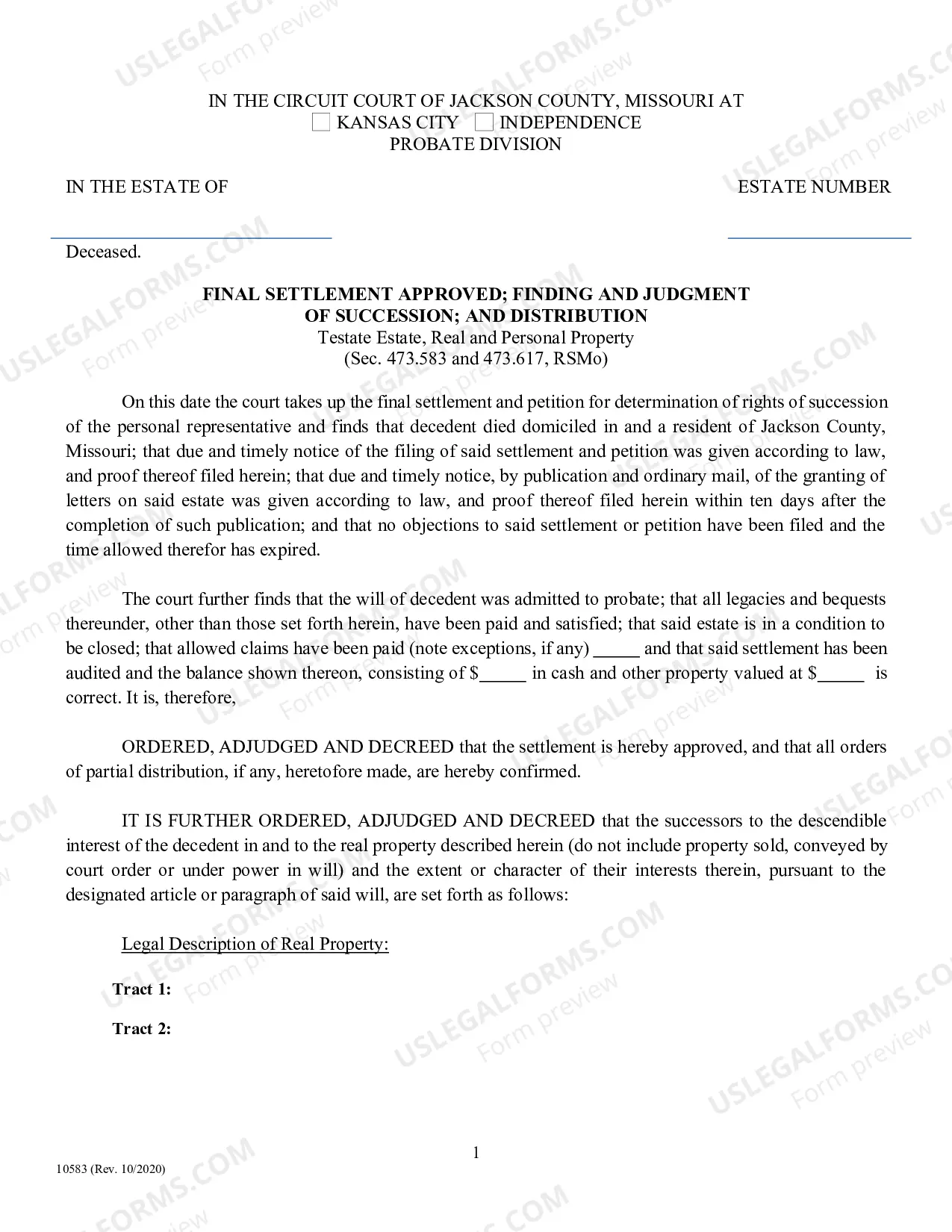
- For first-time users, start by browsing the extensive collection available. Review the preview and form description to ensure the document suits your specific legal needs.
- If the template does not meet your requirements, utilize the Search tab to find a better option. When a suitable form is located, proceed to the next step.
- Select your desired document by clicking the Buy Now button and choose a subscription plan that fits your needs; create an account if you haven't done so.
- Complete the purchase by entering your payment details. US Legal Forms accepts various payment options including credit card and PayPal.
- After payment, instantly download your business corporate form to your device. You can also access it anytime through the My Forms section of your profile.
By using US Legal Forms, you can confidently manage your legal documentation, ensuring that each document is crafted to meet your specific business corporate needs.
Start simplifying your legal processes today and explore the benefits of US Legal Forms. Your next document is just a few clicks away!
Form popularity
FAQ
The entire meaning of business involves the comprehensive activities that organizations engage in to create value and generate profit. It encompasses every aspect, from marketing and sales to finance and operations. To navigate this complex environment effectively, tools and resources, like those offered by US Legal Forms, can provide essential guidance.
In a corporate context, business signifies the structured activities undertaken by the corporation to achieve its goals. This includes efforts to generate revenue, manage resources, and meet legal requirements. A clear grasp of how business operates within a corporate setting is vital for ensuring success.
Business corporate refers to the legal and operational aspects associated with a corporation. It encompasses everything from compliance with regulations to financial operations, providing a framework within which a company can thrive. This understanding is crucial for anyone engaging in corporate strategies or seeking to establish a business.
A corporate business is a company that operates under the laws prevailing in its jurisdiction, typically registered as a corporation. This structure provides numerous advantages, including limited liability, perpetual existence, and enhanced credibility with customers and investors. Learning about corporate business models is beneficial for aspiring entrepreneurs.
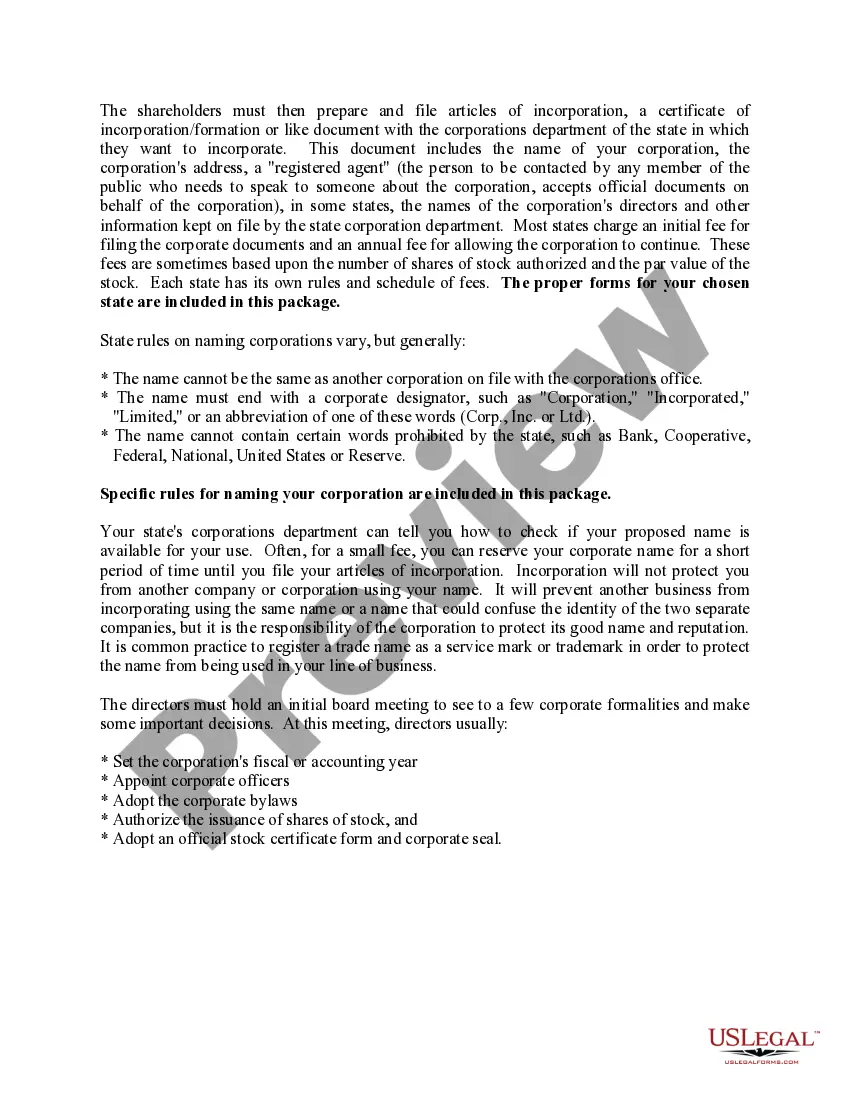
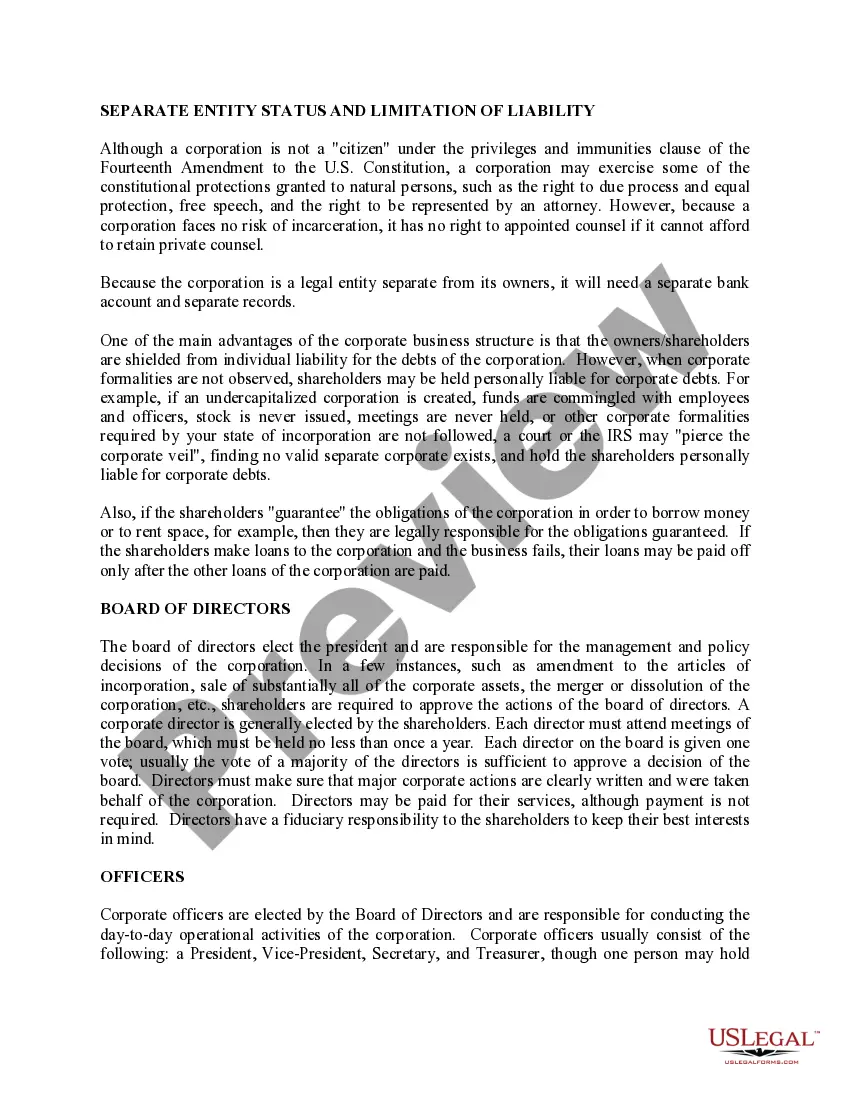
A business corporation is a legal entity that is separate from its owners, offering them limited liability for the company's debts. This structure allows shareholders to invest in a business without risking their personal assets. Hence, a business corporation can facilitate growth and attract investment more efficiently.
Business refers to the organized efforts of individuals to produce and sell goods or services for profit. In a company, this involves various activities such as management, production, and sales. Understanding the structure and purpose of a business is essential, especially for those considering the business corporate landscape.
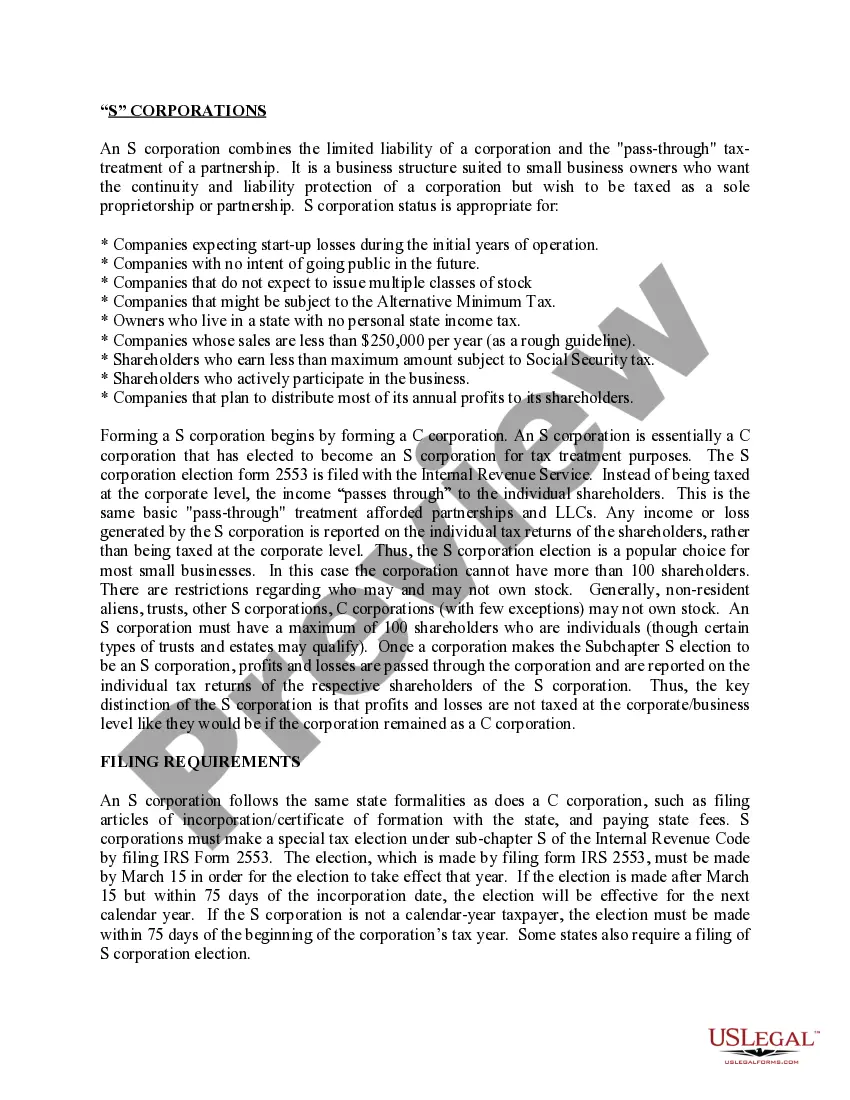
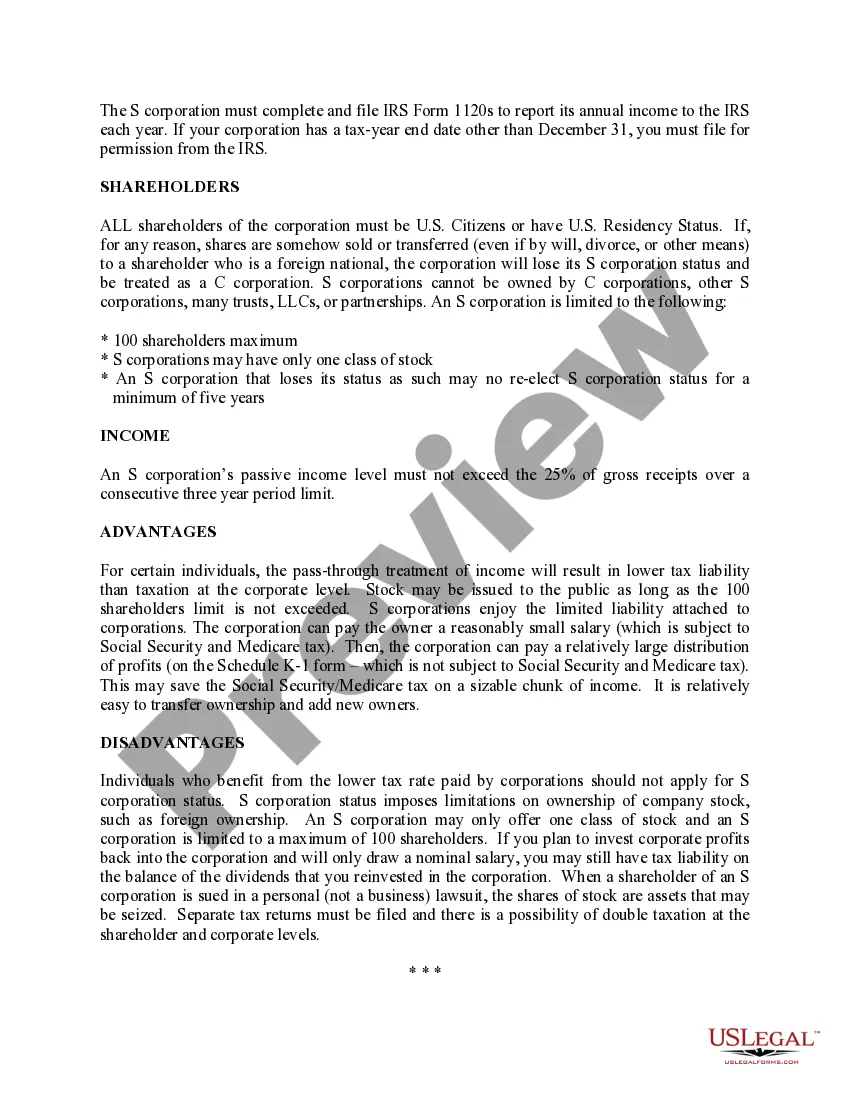
Choosing between filing taxes as an LLC or S Corp largely depends on your business structure and financial goals. S Corps can provide tax advantages, particularly regarding self-employment taxes, while LLCs offer flexibility in management. It's wise to consult with a tax advisor or explore guidance from US Legal Forms to make an informed decision.
Determining if your LLC is an S or C Corp depends on how you've chosen to file your taxes. An LLC can elect to be taxed as an S Corp by filing Form 2553 or remain a C Corp by default. Understanding these designations is critical for optimizing your business corporate tax situation, and platforms like US Legal Forms can offer assistance.
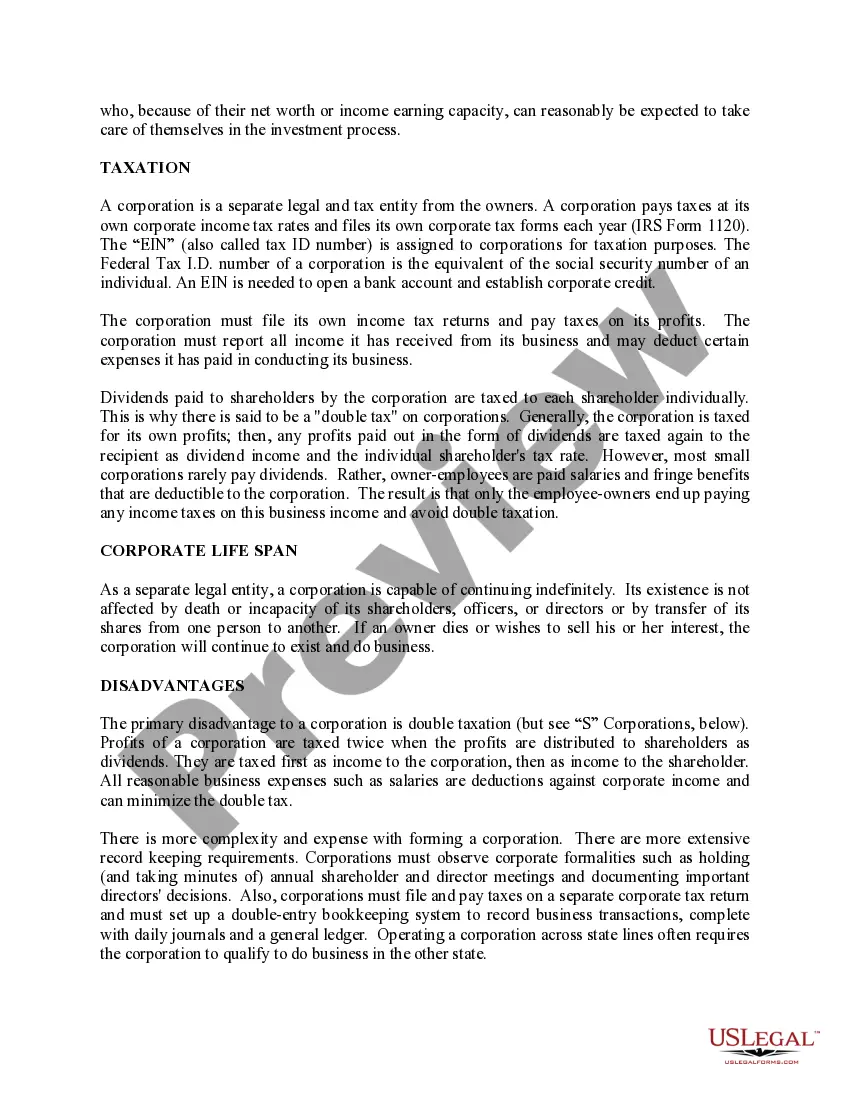
To file taxes for a corporation, you need to gather all financial records and complete IRS Form 1120. This form details your corporation's income, deductions, and credits for the tax year. You might find it helpful to use professional services or tools from US Legal Forms to guide you through the filing process.
A corporation is typically taxed on its profits at the corporate tax rate set by the IRS. This tax is levied separate from its shareholders, meaning the corporation files taxes independently. Understanding this structure is essential for business corporate compliance, and resources like US Legal Forms can provide valuable insights.