Power Of Attorney Tradução
Description
Get your form ready online
Our built-in tools help you complete, sign, share, and store your documents in one place.
Make edits, fill in missing information, and update formatting in US Legal Forms—just like you would in MS Word.
Download a copy, print it, send it by email, or mail it via USPS—whatever works best for your next step.
Sign and collect signatures with our SignNow integration. Send to multiple recipients, set reminders, and more. Go Premium to unlock E-Sign.
If this form requires notarization, complete it online through a secure video call—no need to meet a notary in person or wait for an appointment.
We protect your documents and personal data by following strict security and privacy standards.

Make edits, fill in missing information, and update formatting in US Legal Forms—just like you would in MS Word.

Download a copy, print it, send it by email, or mail it via USPS—whatever works best for your next step.

Sign and collect signatures with our SignNow integration. Send to multiple recipients, set reminders, and more. Go Premium to unlock E-Sign.

If this form requires notarization, complete it online through a secure video call—no need to meet a notary in person or wait for an appointment.

We protect your documents and personal data by following strict security and privacy standards.
Looking for another form?





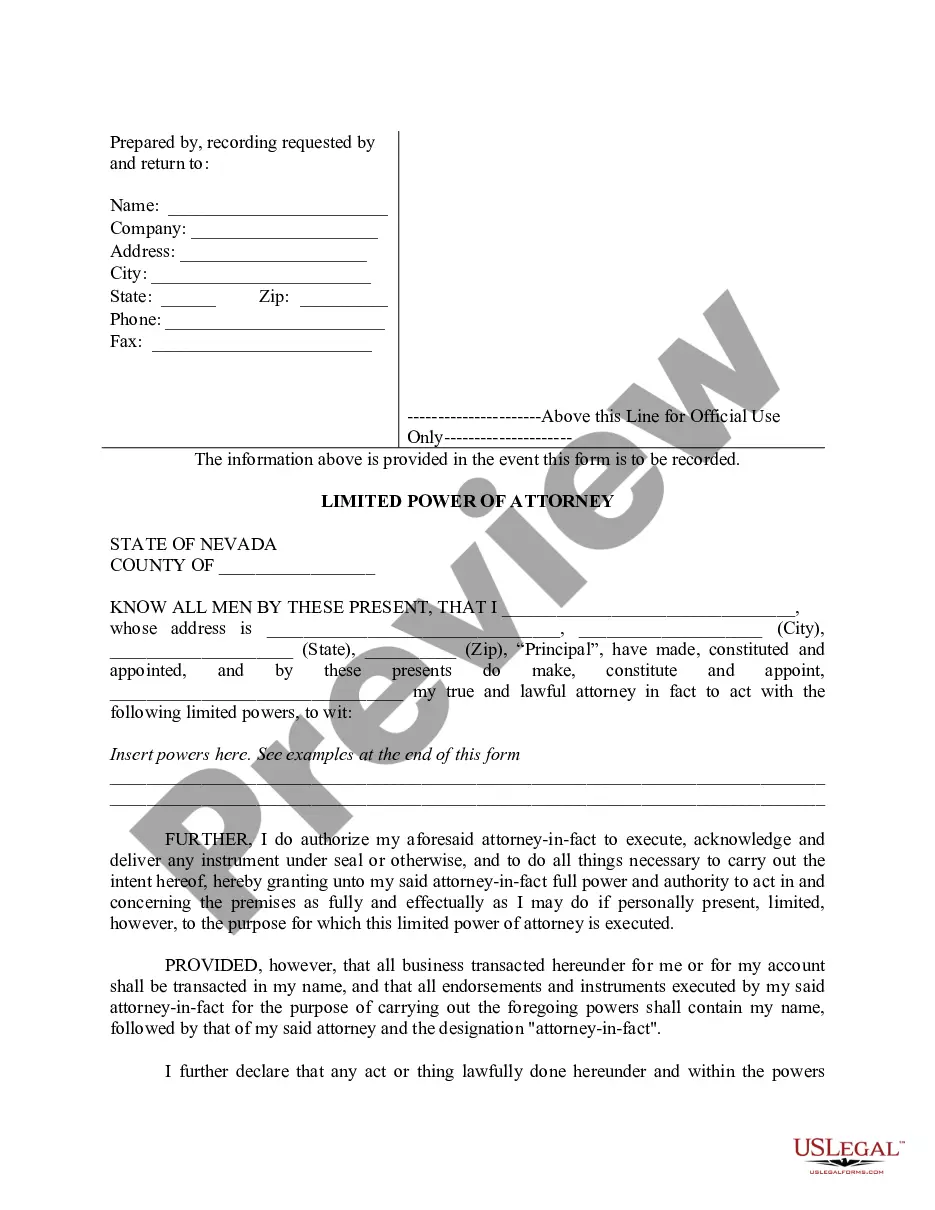
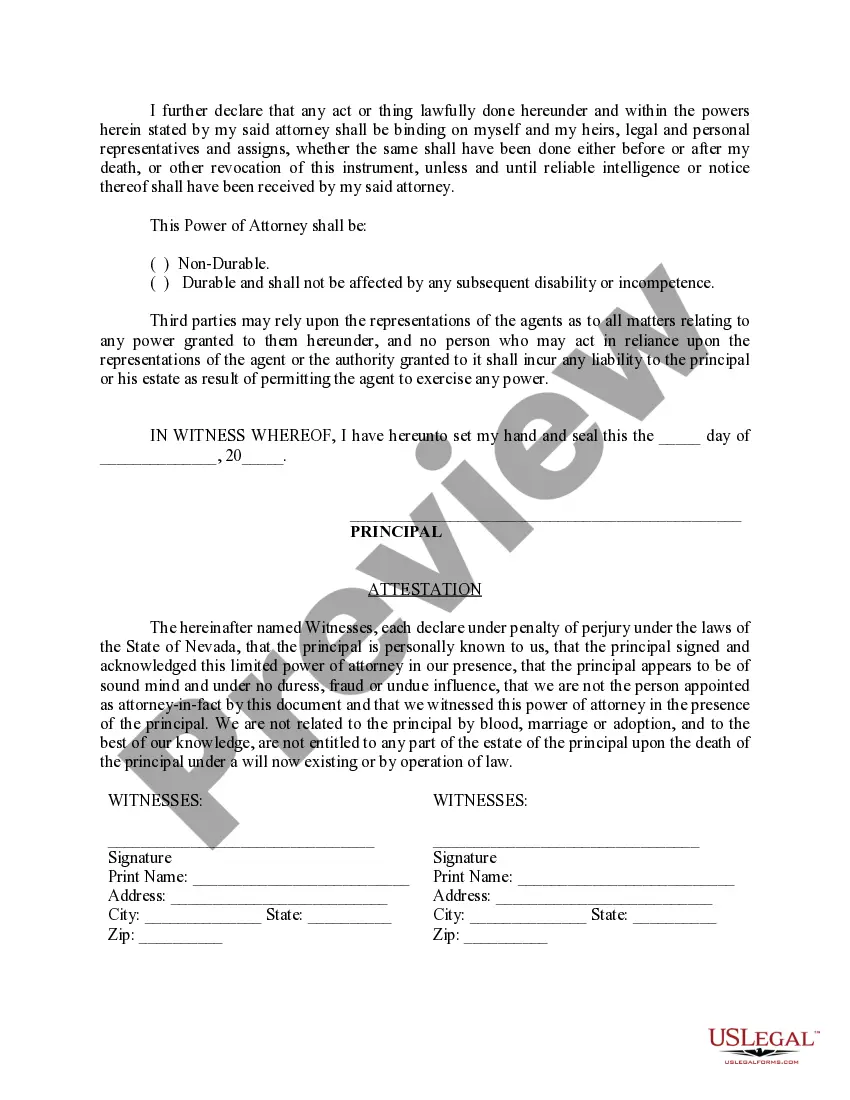
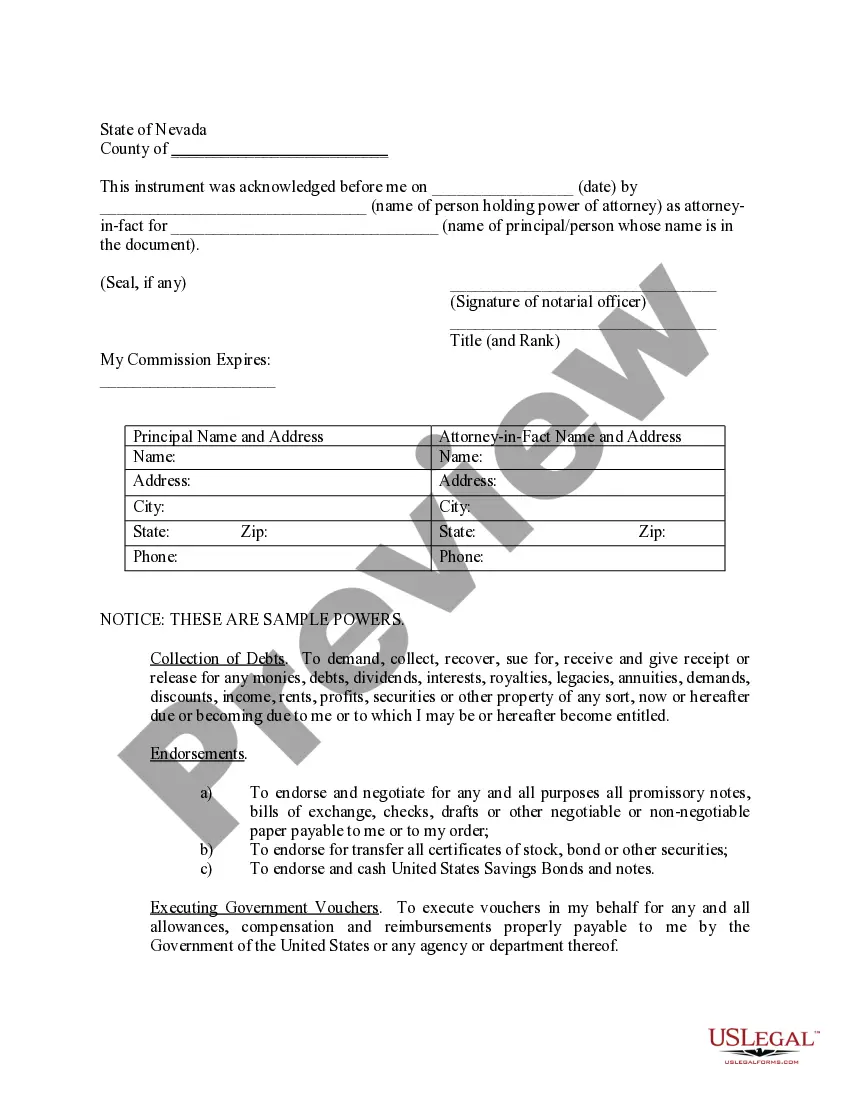
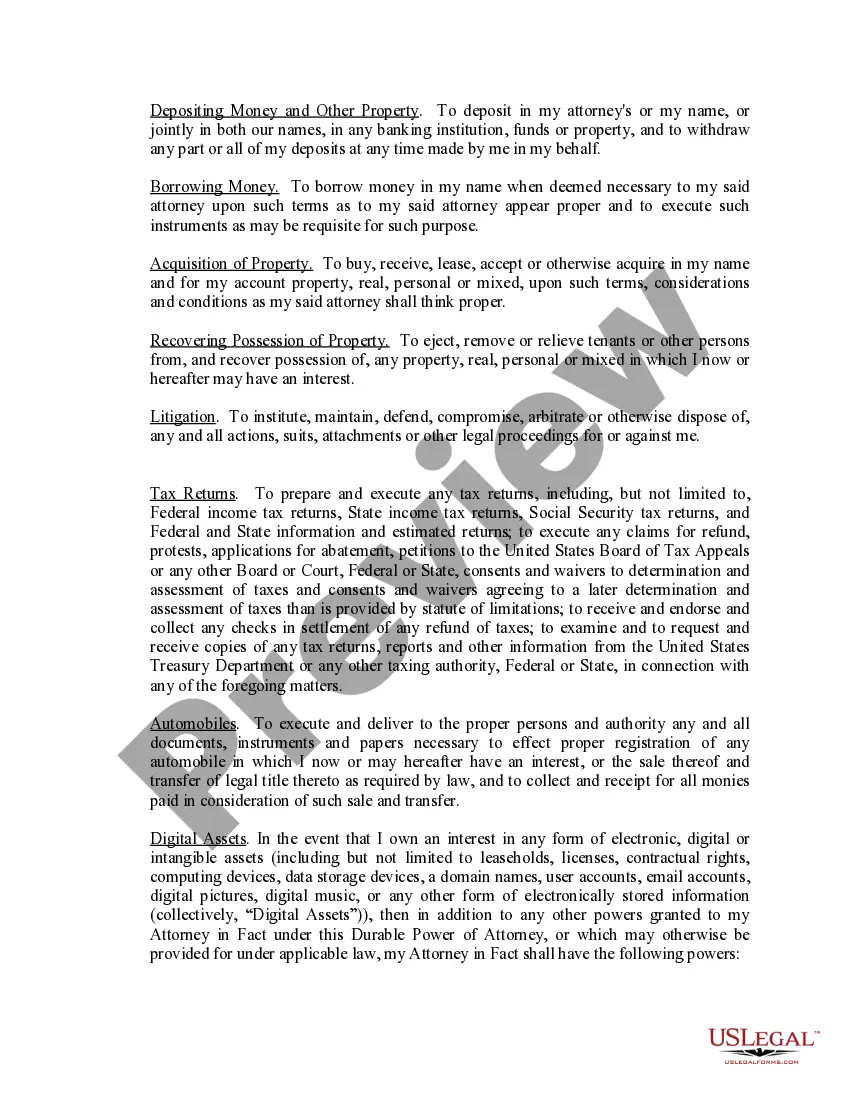
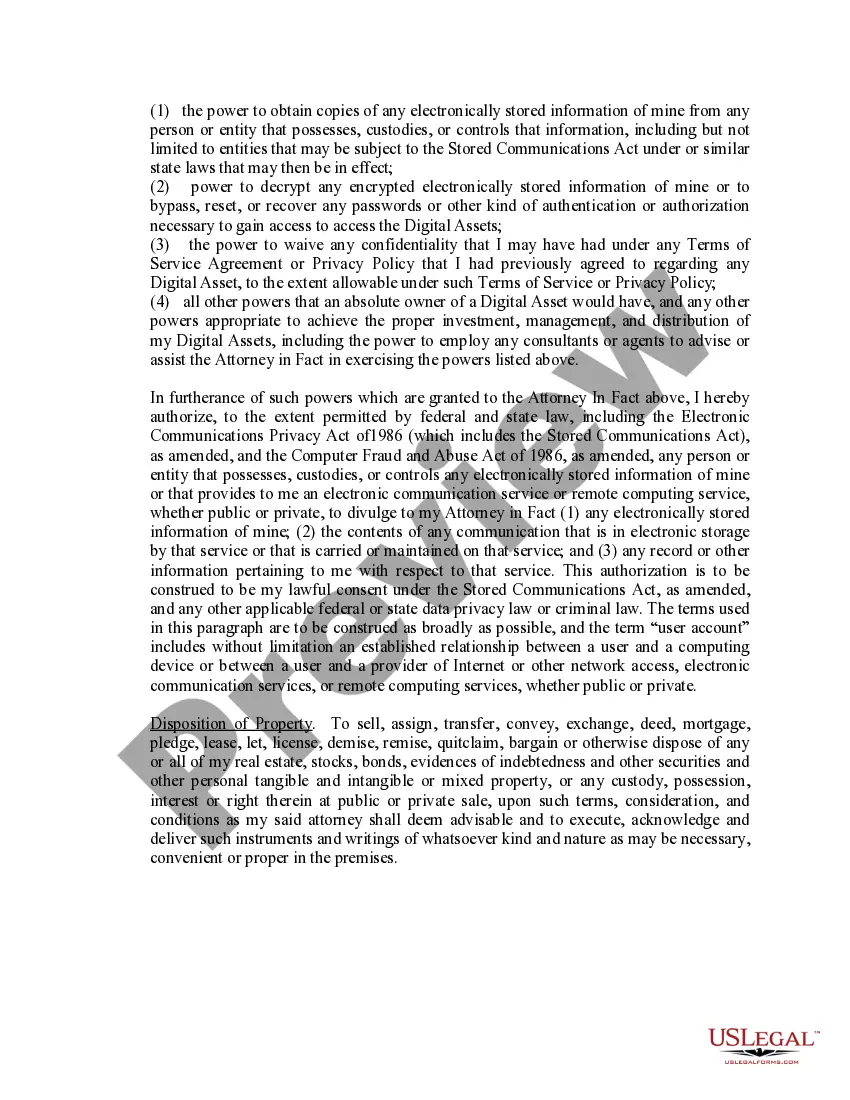
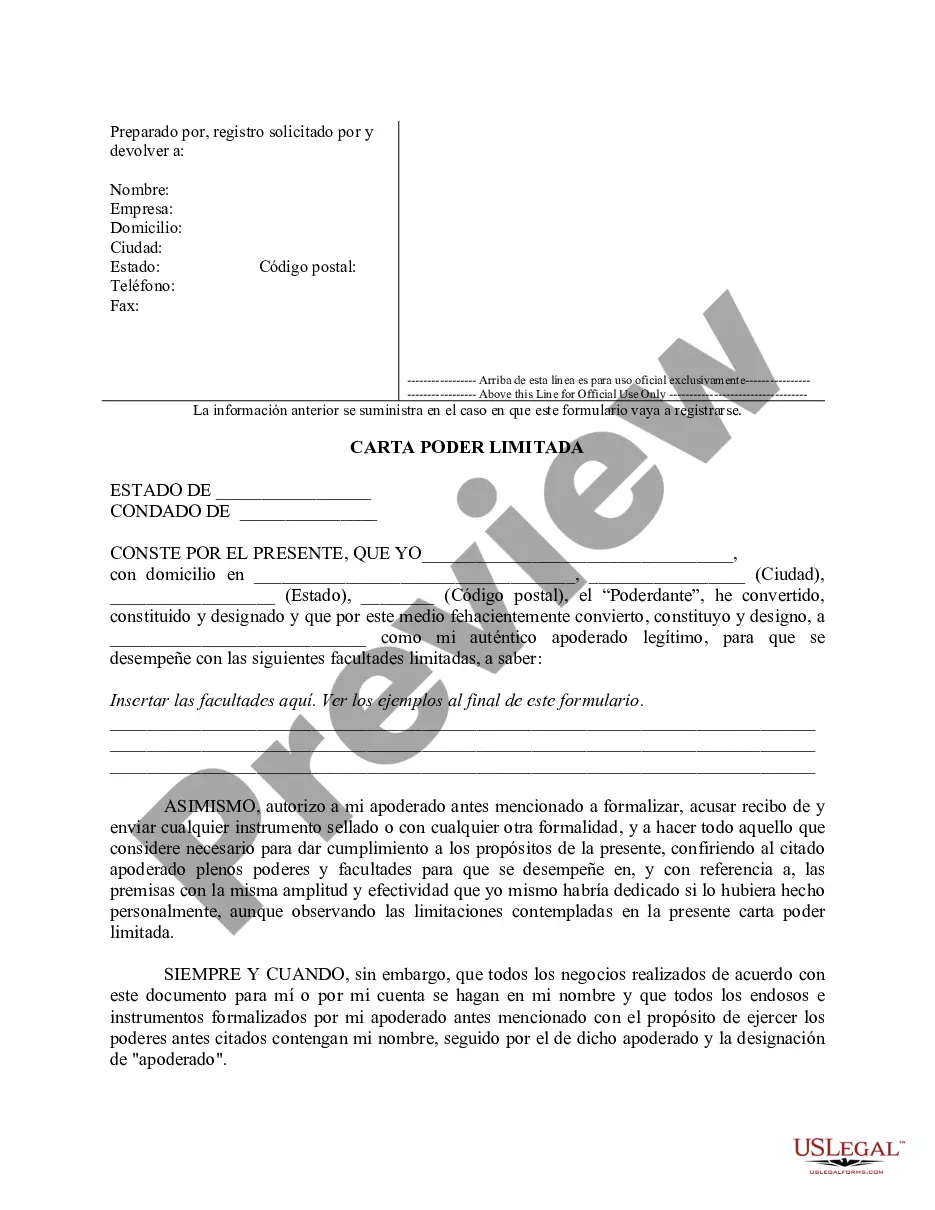
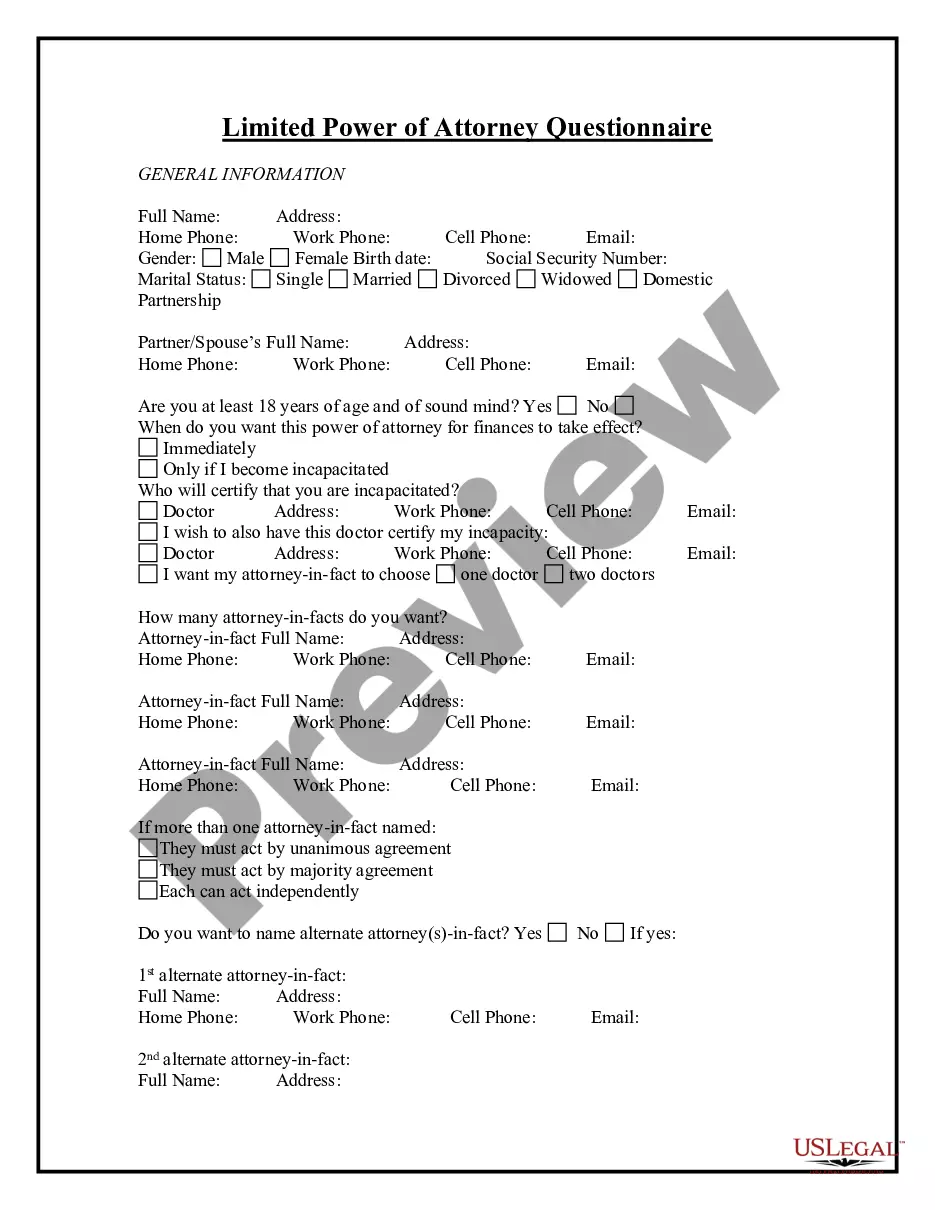
How to fill out Nevada Limited Power Of Attorney Where You Specify Powers With Sample Powers Included?
- If you're returning, log in to your account to access and download the necessary form template directly from the Download button. Verify your subscription is active or renew it based on your current plan.
- For first-time users, start by reviewing the Preview mode and form description to confirm that the selected form meets your needs and complies with local regulations.
- If the form is not suitable, utilize the Search function to find another template that fits your requirements.
- Once you have identified the appropriate document, click the Buy Now button and select a subscription plan that works for you. A user account will be required to access the form library.
- Complete your purchase by providing payment information via credit card or your PayPal account to finalize the subscription.
- After purchasing, download the form to your device and you can find it anytime in the My Forms section of your profile for completion.
US Legal Forms stands out by offering a robust collection of over 85,000 legal documents available for easy editing and filling. Accessible to both individuals and professionals, they ensure that you can complete documents precisely and accurately.
Don't miss out on the extensive resources available at US Legal Forms. Start your journey to legal empowerment today!
Form popularity
FAQ
Filling out a POA check requires you to sign the principal’s name on the payee line, followed by your signature indicating your role. Include 'Power of Attorney' after your name to clarify your authority. It’s essential to use proper phrasing to avoid complications. US Legal Forms can provide check templates and detailed instructions to assist you in this process.
When signing as power of attorney, you should write the principal's name, followed by your signature and then include 'by' or 'as attorney-in-fact for' before your name. For instance, it might look like this: John Smith by Jane Doe, Attorney-in-Fact. This format clearly indicates your authority to act on the principal's behalf. For further clarity, check out US Legal Forms for additional examples.
In Maryland, a power of attorney must be in writing and signed by the principal. It often needs to be notarized or witnessed to meet legal standards. To ensure you meet all necessary requirements, consider utilizing resources from US Legal Forms, which can guide you through state-specific regulations and documentation.
To endorse a check as power of attorney, sign the principal’s name first. Then, add your name followed by ‘Power of Attorney’ to indicate that you are acting on their behalf. This method ensures that financial institutions recognize your authority when processing transactions. If you need further assistance, platforms like US Legal Forms offer detailed guidance.
Listing power of attorney means documenting the authority given to the agent. You typically do this by creating a clear statement within the power of attorney document. Be sure to include the specifics of the powers granted, and sign the document properly. US Legal Forms can provide you with a structured format to ensure everything is correctly outlined.
To properly fill out a power of attorney form, begin by identifying the individuals involved. Next, specify the type of authority you want to grant, whether it’s financial, medical, or legal. Don’t forget to include dates and signatures where required. For more clarity, you can refer to US Legal Forms to access user-friendly templates tailored for your needs.
Filling out power of attorney paperwork involves several steps that ensure clarity and legality. Start by gathering necessary information about both the principal and agent. Then, clearly outline the powers granted, and ensure you sign the document in the presence of a notary. Using a reliable platform like US Legal Forms can simplify this process by providing templates and guidance.
You can find a power of attorney record online by visiting local government databases or their official websites. Many states have online resources that allow you to search for filed powers of attorney. Be aware that access may vary, so having specific details such as names and dates will aid your search. If you need assistance in navigation or documentation, USLegalForms may provide helpful information.
No, someone cannot designate you as their power of attorney without your consent and knowledge. You must willingly accept the responsibility and sign the document. If you find yourself in this situation, it is advisable to review your rights and consider seeking legal advice. Resources on USLegalForms can help clarify your position.
The best way to set up a power of attorney is to first consult with a legal professional who can guide you through the process. Next, clearly define the powers you wish to grant and choose a trustworthy person to act on your behalf. Finally, use a reliable template to create the document, ensuring that it meets all legal requirements. USLegalForms offers resources that simplify this process tremendously.