Power Attorney For Health Care
Description
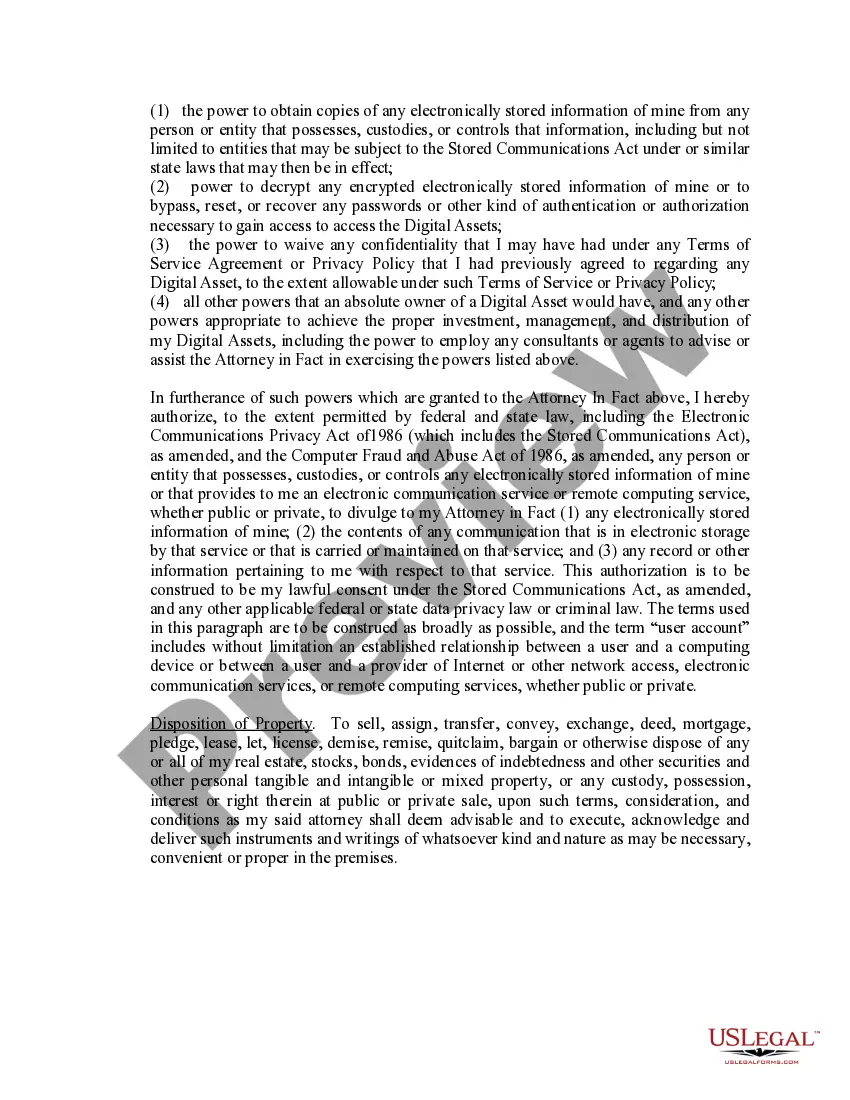
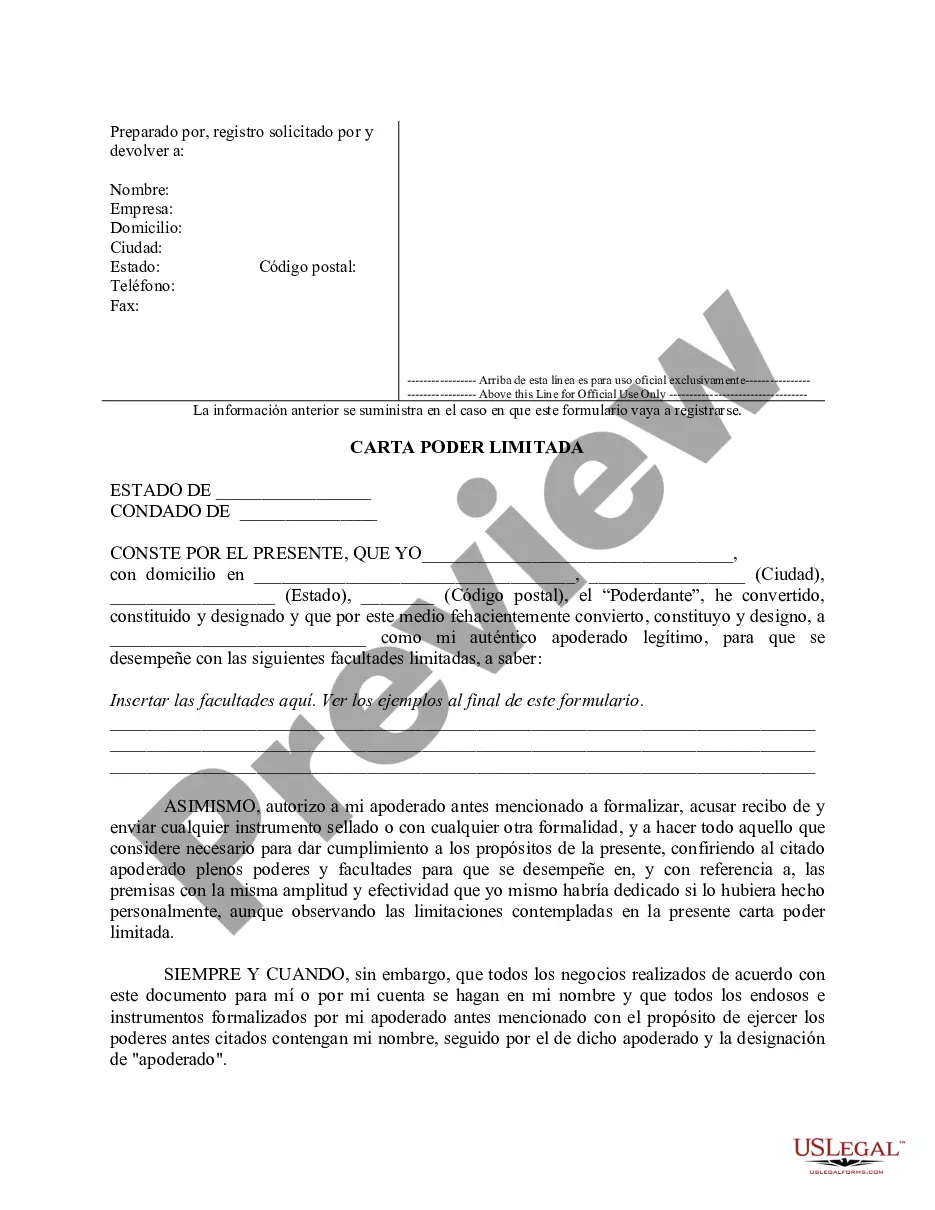
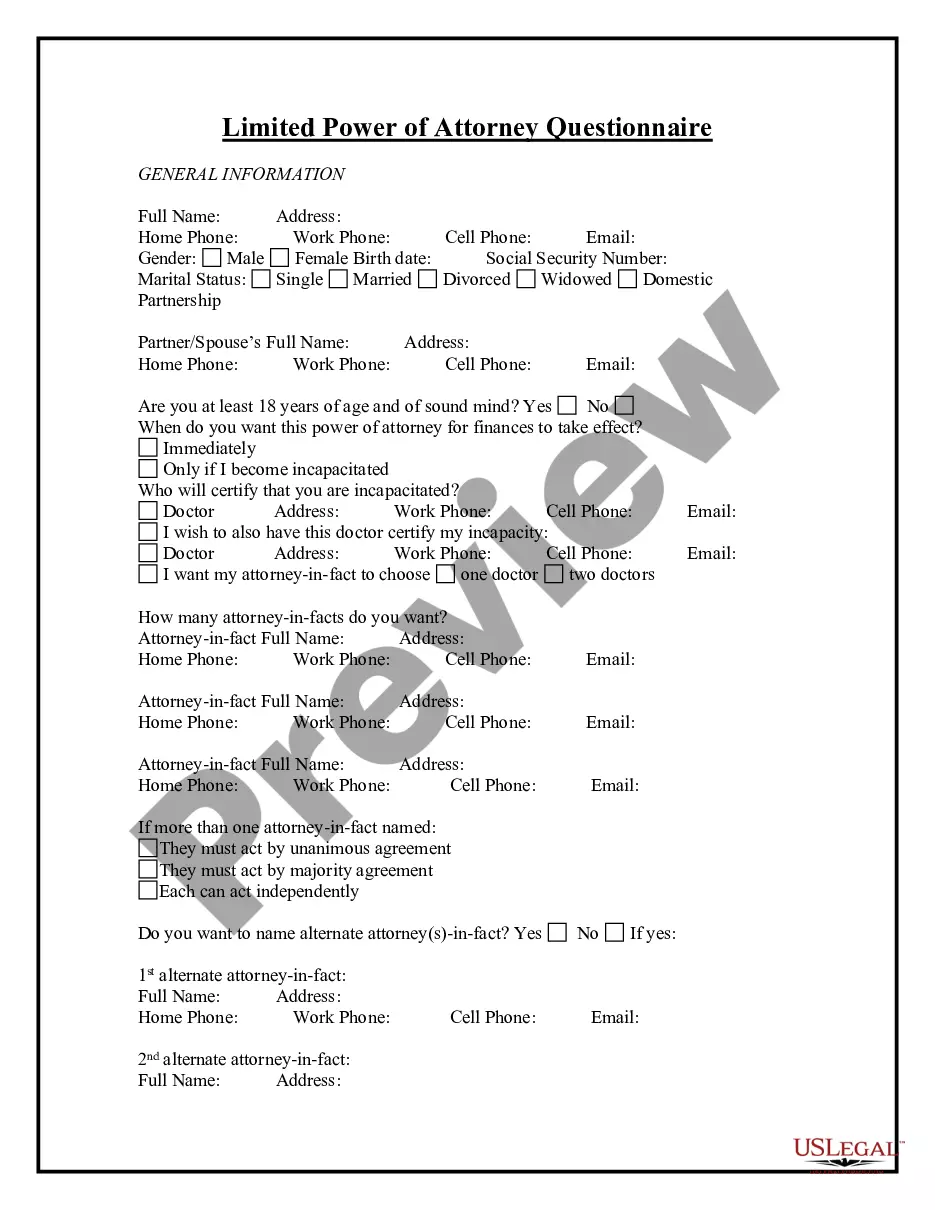
Get your form ready online
Our built-in tools help you complete, sign, share, and store your documents in one place.
Make edits, fill in missing information, and update formatting in US Legal Forms—just like you would in MS Word.
Download a copy, print it, send it by email, or mail it via USPS—whatever works best for your next step.
Sign and collect signatures with our SignNow integration. Send to multiple recipients, set reminders, and more. Go Premium to unlock E-Sign.
If this form requires notarization, complete it online through a secure video call—no need to meet a notary in person or wait for an appointment.
We protect your documents and personal data by following strict security and privacy standards.

Make edits, fill in missing information, and update formatting in US Legal Forms—just like you would in MS Word.

Download a copy, print it, send it by email, or mail it via USPS—whatever works best for your next step.

Sign and collect signatures with our SignNow integration. Send to multiple recipients, set reminders, and more. Go Premium to unlock E-Sign.

If this form requires notarization, complete it online through a secure video call—no need to meet a notary in person or wait for an appointment.

We protect your documents and personal data by following strict security and privacy standards.
Looking for another form?
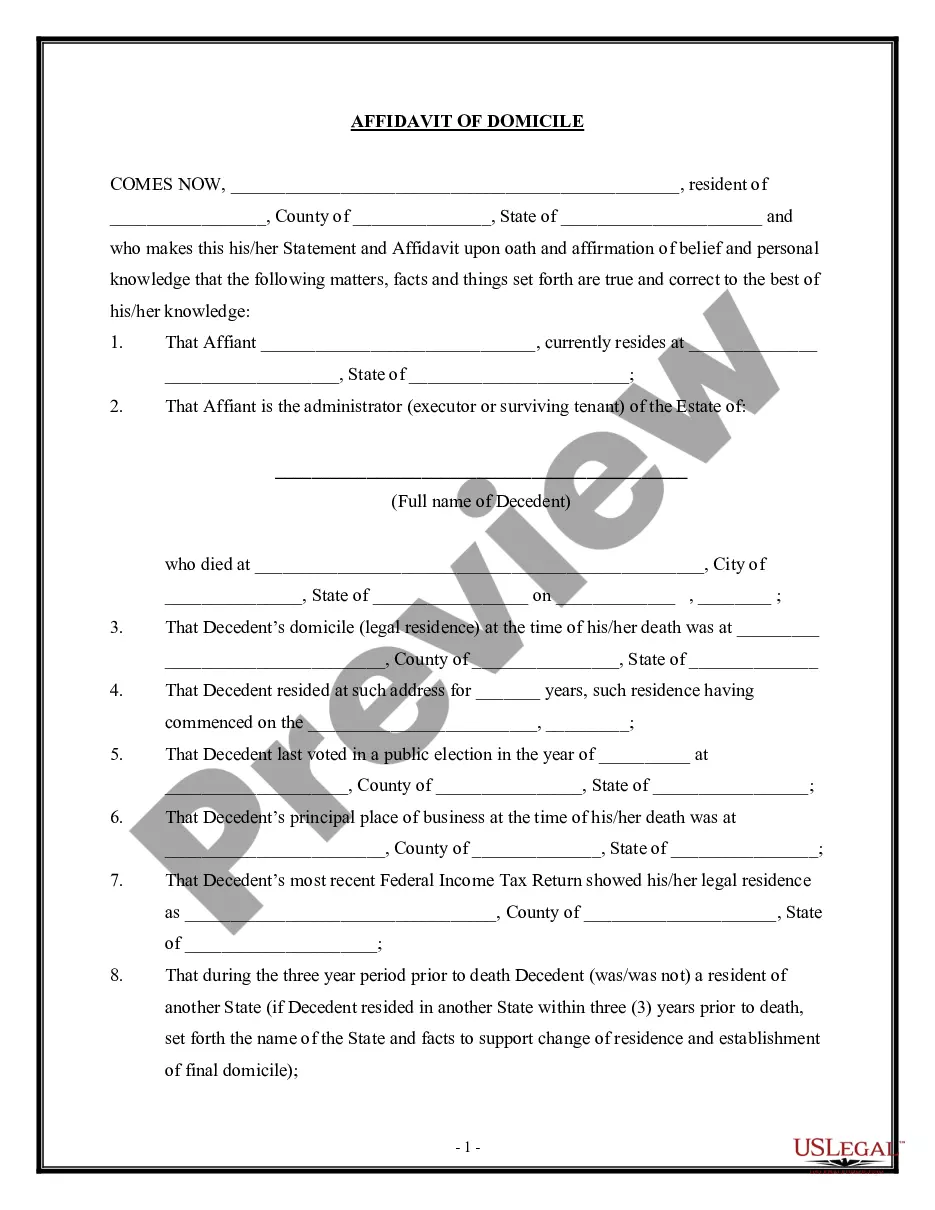





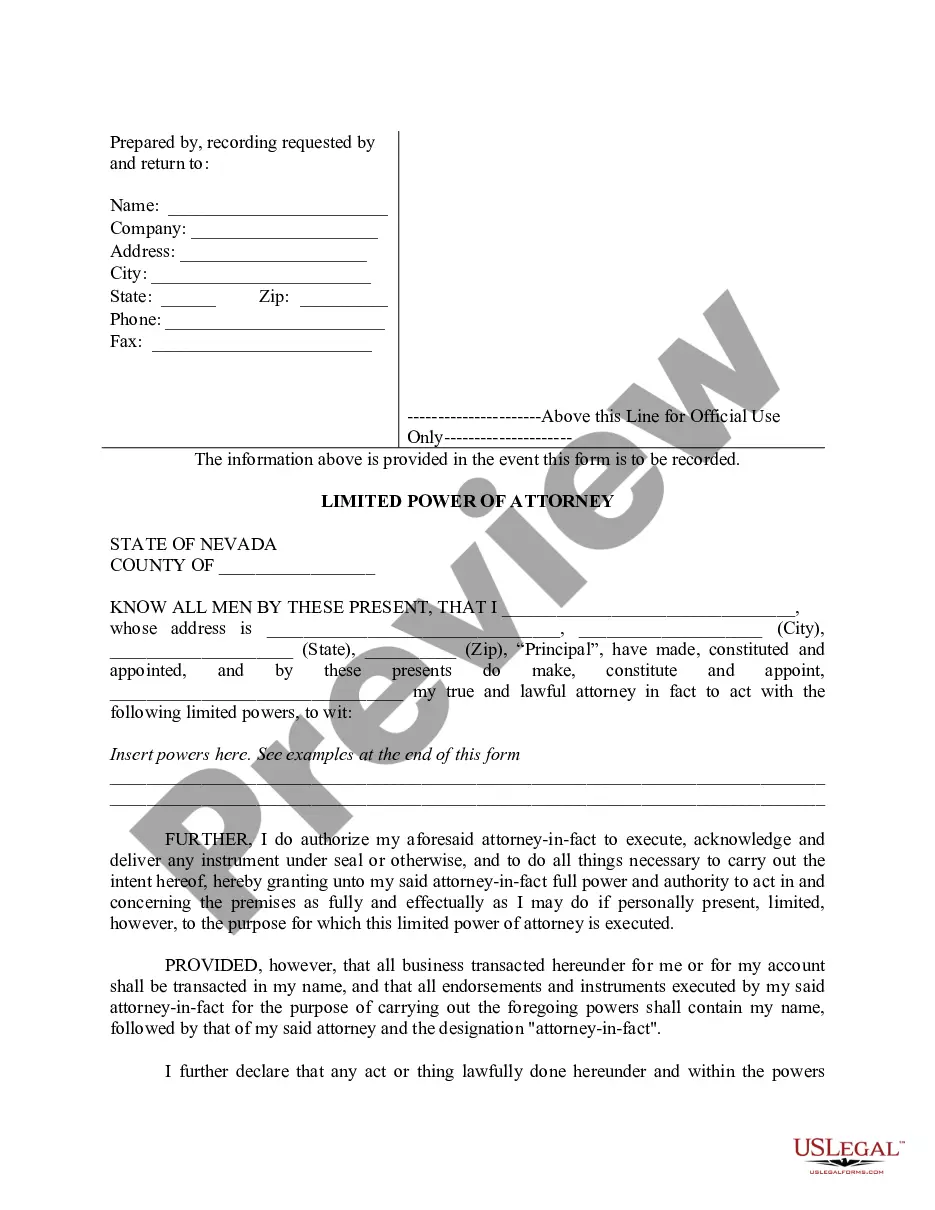
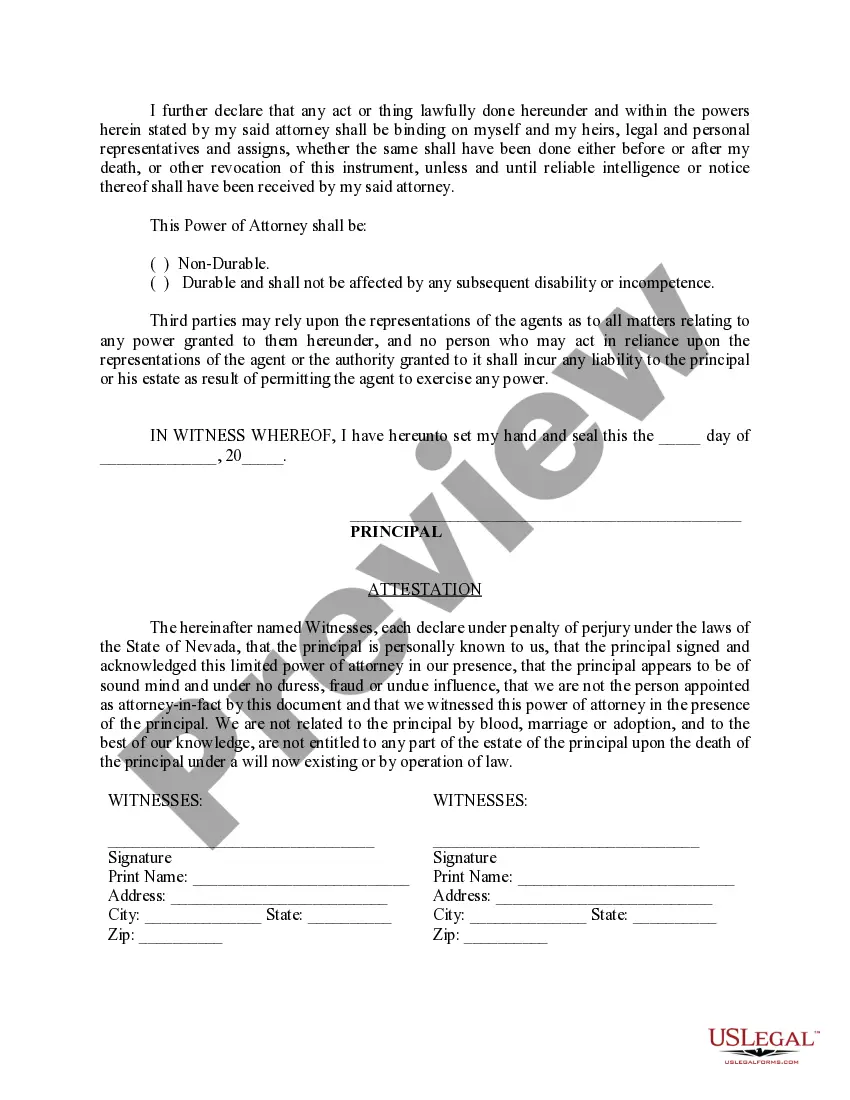
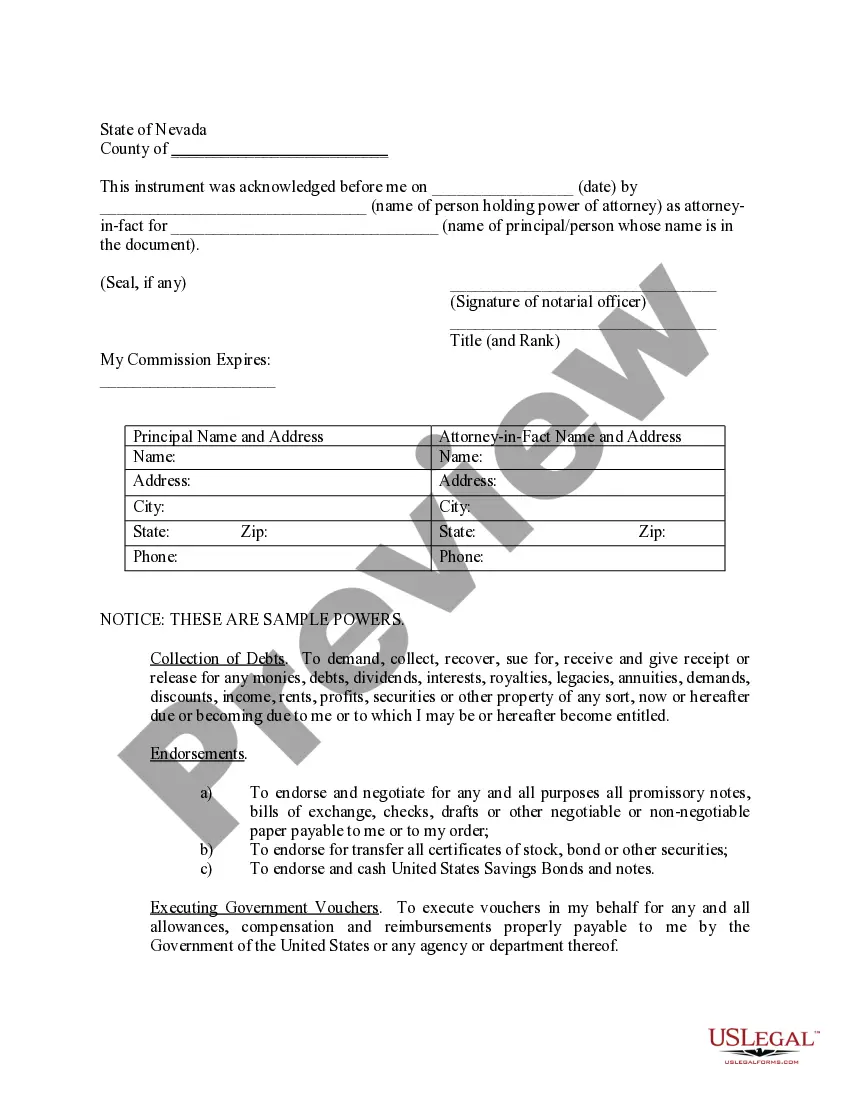
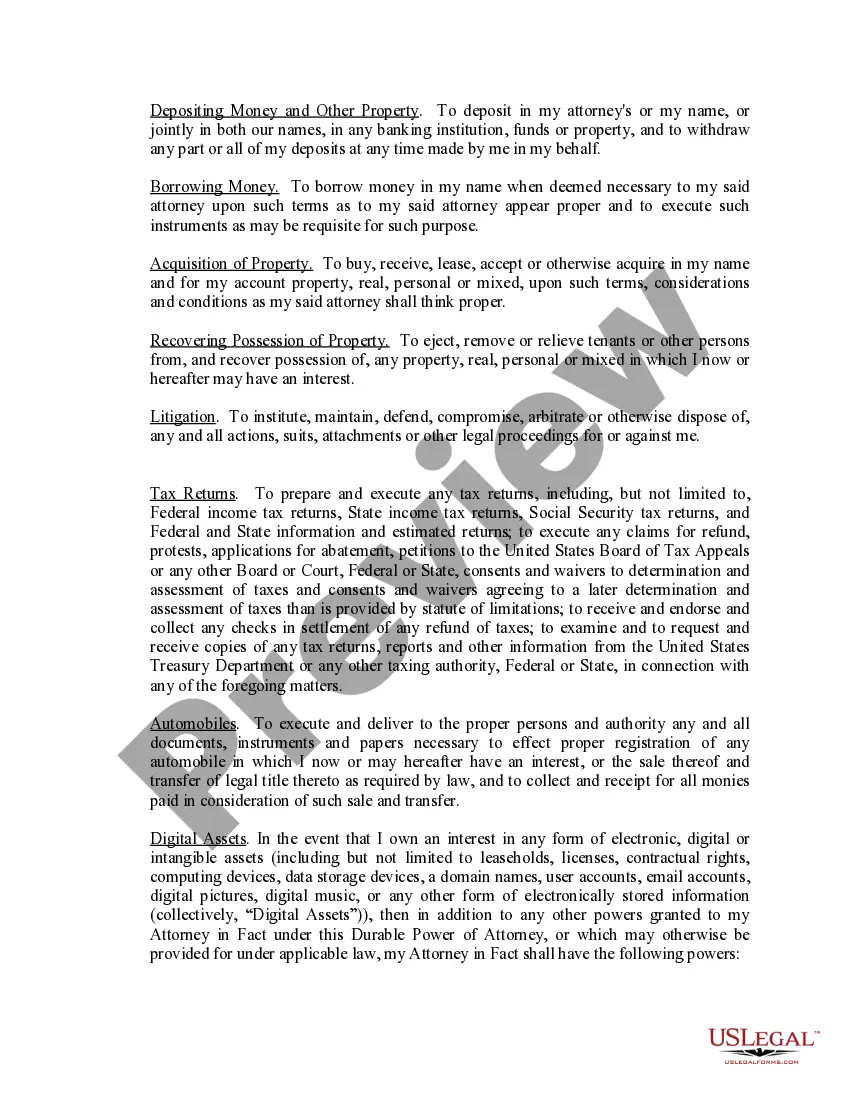
How to fill out Nevada Limited Power Of Attorney Where You Specify Powers With Sample Powers Included?
- If you are an existing user, log in to your account and locate your required form. Ensure your subscription is active, and if necessary, renew it according to your payment plan.
- For new users, begin by previewing the available templates. Check the form descriptions carefully to confirm you are selecting the appropriate power attorney for health care that aligns with your needs.
- If you do not find the right form, utilize the Search tab to find a suitable template that corresponds to your specific jurisdiction requirements.
- Once you've identified the right document, click on the Buy Now button. Choose the subscription plan that best fits your needs and create an account to unlock full access to the form library.
- Proceed to checkout. Enter your payment details to complete the purchase of your selected subscription plan.
- Finally, download your power attorney for health care form directly to your device. You can also access it anytime via the My Forms section of your profile.
By following these steps, you ensure that you have a legally sound Power Attorney for Health Care ready for use. US Legal Forms not only offers a vast collection of forms, but it also connects you with premium experts for additional support in document completion.
Start your legal journey confidently with US Legal Forms today!
Form popularity
FAQ
To give someone power of attorney in Pennsylvania, you must complete a designated form that outlines your intended powers. Once you complete the document, sign it in front of a notary and mention your health care directives if applicable. This formal process ensures that your wishes regarding health care are recognized legally. Resources such as US Legal Forms can help streamline this process.
The new POA law in Pennsylvania, updated in 2015, strengthens the guidelines for powers of attorney, especially those related to health care. It clarifies the responsibilities of agents and ensures that principals have better control over their health care directives. This legislation is crucial in making sure your health care preferences are respected and followed. For more information, platforms like US Legal Forms outline these updates effectively.
A health care power of attorney and a durable power of attorney serve different purposes. The health care version specifically grants your agent authority to make medical decisions on your behalf if you become unable to do so. In contrast, a durable power of attorney encompasses a broader range of financial and legal decisions. Understanding these distinctions helps you choose the right version for your needs.
Yes, a power of attorney document must be notarized in Pennsylvania to be legally binding. This notarization adds an additional level of verification, confirming that you are willingly granting powers to your appointed agent. It is crucial for ensuring the document holds weight in legal situations, particularly when it comes to health care decisions.
In Pennsylvania, creating a power of attorney requires specific components for it to be valid. You need to complete the form, sign it in the presence of a notary, and include the date. Furthermore, if you intend this document for health care decisions, include language that clearly specifies those powers. Utilizing resources like US Legal Forms can guide you through each requirement.
Filling out a power of attorney letter requires you to include specific details. Start by identifying yourself as the principal and the person you are granting authority to, known as the agent. Clearly state the powers you are granting, ensuring they align with your health care decisions. Platforms like US Legal Forms provide templates that simplify this process.
While a power attorney for health care offers many advantages, there are some potential disadvantages to consider. If your assigned agent does not understand your wishes or acts against them, it may lead to unwanted medical decisions. Additionally, if you do not communicate your desires clearly, your agent may face challenges in making the right choices for you. Utilizing a platform like USLegalForms can help you craft a clear and detailed document, minimizing the risk of misunderstandings.
To invoke a power attorney for health care, you need to provide a clear statement of your wishes to your appointed agent. Typically, the agent must present the power of attorney document to healthcare providers when needed. It is essential to communicate your preferences regarding medical treatments clearly and ensure that the document is readily available at the time of need. By using resources from USLegalForms, you can create a valid power of attorney that outlines your specific health care wishes.
You do not necessarily need a lawyer to create a power of attorney for health care in Florida, but having one can be beneficial. A lawyer can help you understand the legal requirements and ensure that your document meets state regulations. Additionally, they can provide guidance on the best practices for selecting an agent for your health care decisions, making the process smoother. If you prefer a more straightforward approach, platforms like USLegalForms can assist you in drafting the document without legal help.
POA stands for Power of Attorney. It is a vital legal document that enables a person to designate another individual to make decisions regarding their health care. Creating a power attorney for health care is important for ensuring that your chosen representative can act according to your wishes during challenging times. For clarity and support in drafting this essential document, consider using US Legal Forms.