Rent Increase Letter For Section 8
Description

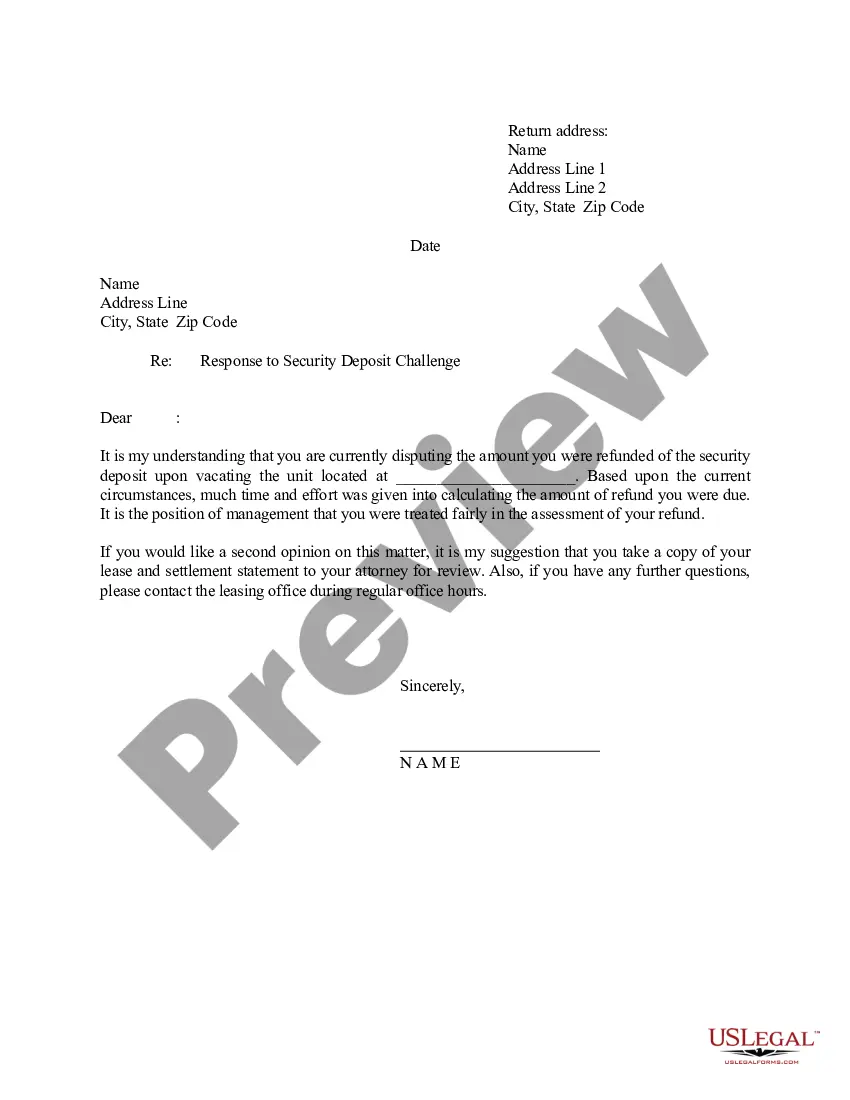
Get your form ready online
Our built-in tools help you complete, sign, share, and store your documents in one place.
Make edits, fill in missing information, and update formatting in US Legal Forms—just like you would in MS Word.
Download a copy, print it, send it by email, or mail it via USPS—whatever works best for your next step.
Sign and collect signatures with our SignNow integration. Send to multiple recipients, set reminders, and more. Go Premium to unlock E-Sign.
If this form requires notarization, complete it online through a secure video call—no need to meet a notary in person or wait for an appointment.
We protect your documents and personal data by following strict security and privacy standards.

Make edits, fill in missing information, and update formatting in US Legal Forms—just like you would in MS Word.

Download a copy, print it, send it by email, or mail it via USPS—whatever works best for your next step.

Sign and collect signatures with our SignNow integration. Send to multiple recipients, set reminders, and more. Go Premium to unlock E-Sign.

If this form requires notarization, complete it online through a secure video call—no need to meet a notary in person or wait for an appointment.

We protect your documents and personal data by following strict security and privacy standards.
Looking for another form?
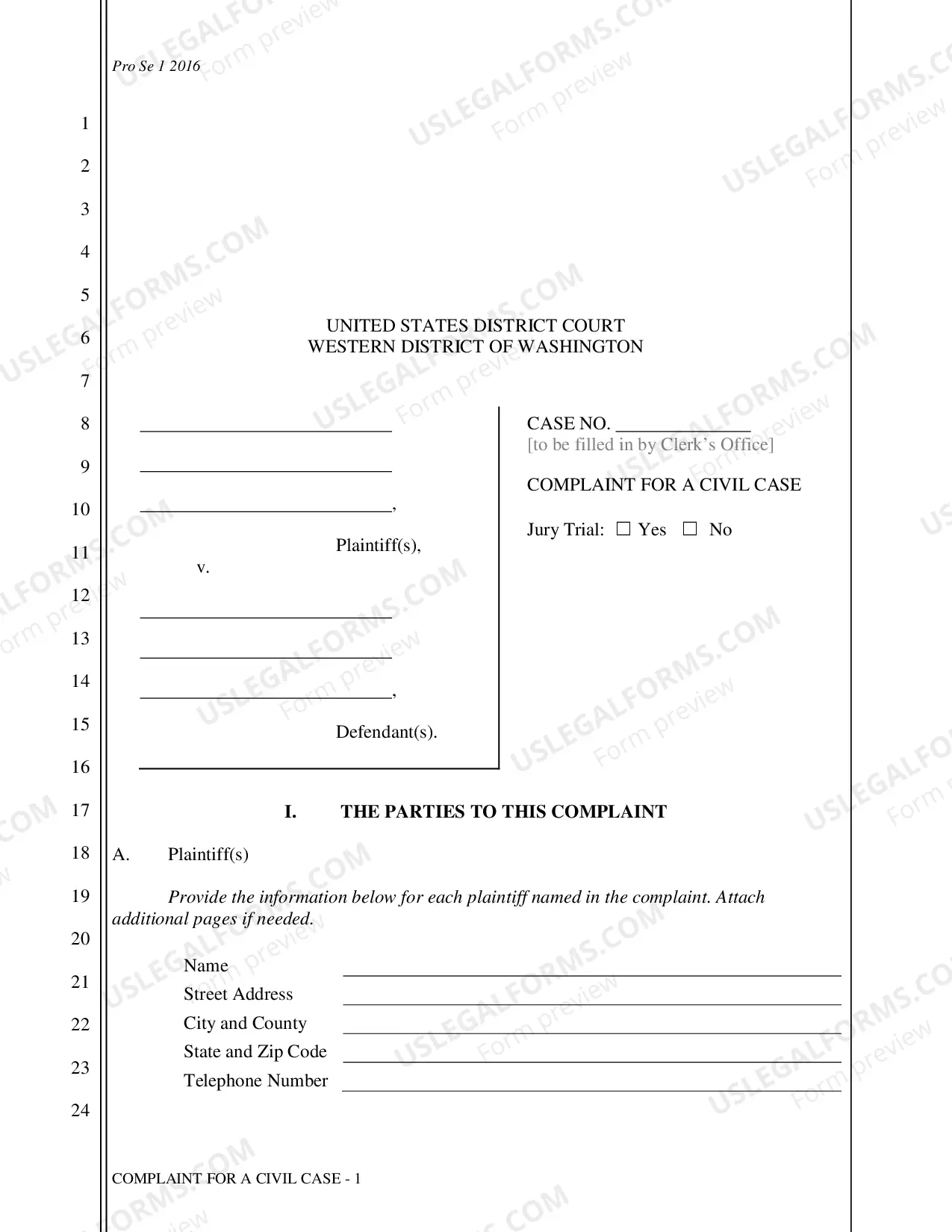
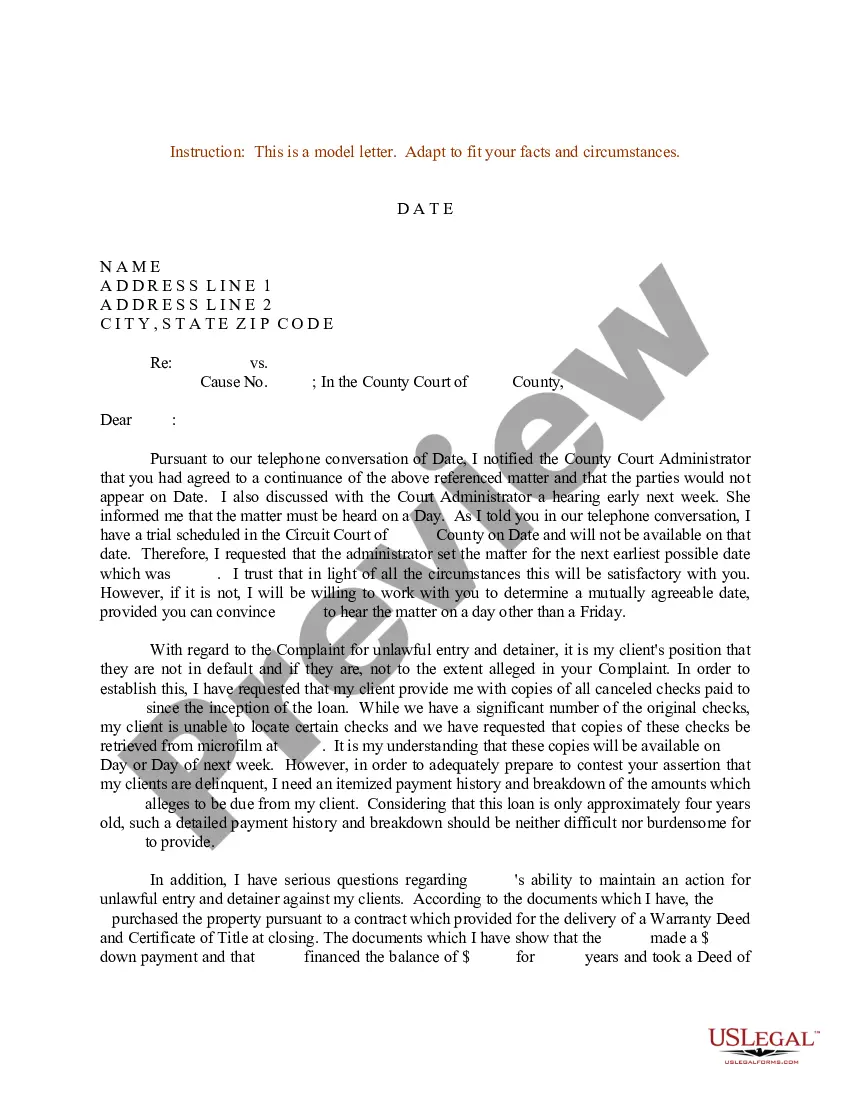

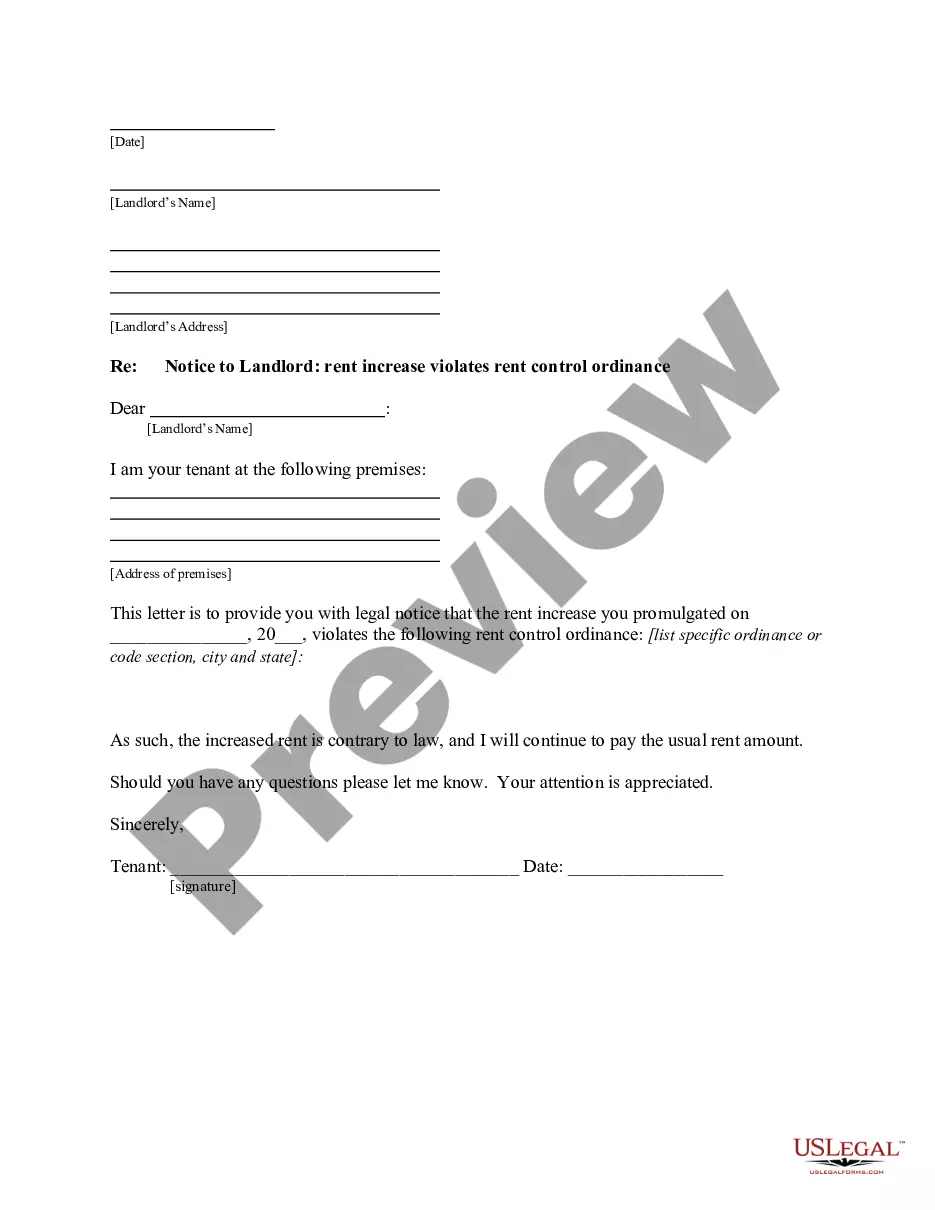
How to fill out Nevada Letter From Tenant To Landlord Containing Notice To Landlord To Withdraw Improper Rent Increase Due To Violation Of Rent Control Ordinance?
- Log in to your US Legal Forms account if you're a returning user. Ensure your subscription is active to access your documents.
- For first-time users, start by reviewing the form preview and description to confirm it meets your requirements and aligns with local jurisdiction.
- Use the search feature if necessary to find the appropriate template that corresponds to your needs.
- Purchase the required document by selecting the 'Buy Now' button and choosing your suitable subscription plan. Remember, you must create an account to access the full library.
- Complete your purchase using your credit card or PayPal for secure payment.
- Finally, download the completed form to your device and access it anytime via the 'My Forms' section in your account.
US Legal Forms empowers you with a robust collection of over 85,000 fillable and editable legal documents that are easy to navigate, ensuring you have the proper resources at your fingertips.
Take advantage of our premium assistance for precise form completion. Start your legal journey today with US Legal Forms and ensure your documents are handled correctly!
Form popularity
FAQ
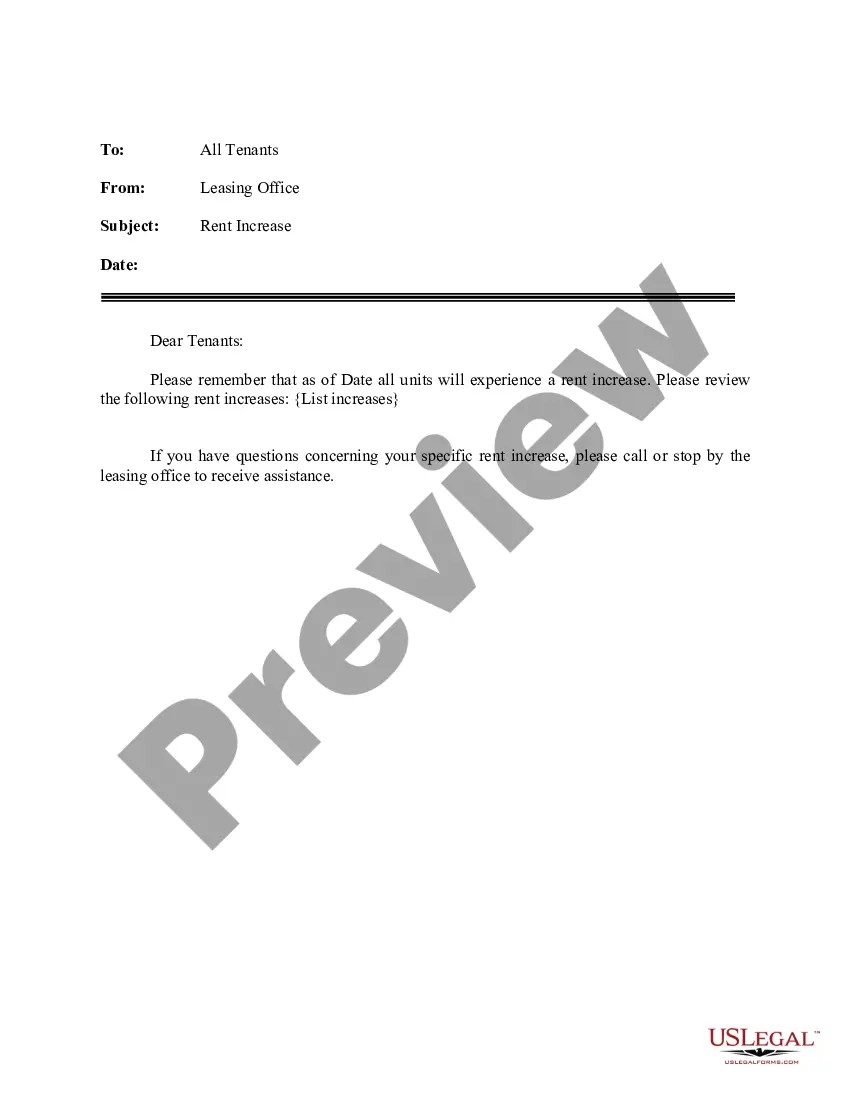
Texas does not impose a specific limit on how much a landlord can increase rent, allowing them to set rates based on the market. Nonetheless, this can lead to significant increases, so awareness is vital for tenants, especially those using Section 8. Therefore, having a clear and concise rent increase letter for Section 8 can ensure that both tenants and landlords are on the same page about expectations.
Texas law mandates that landlords give at least 30 days' written notice for any rent increase. This gives tenants adequate time to prepare for the change. For those on Section 8, a rent increase letter for Section 8 that is properly formatted can make sure your concerns are addressed while adhering to legal requirements.
To write a rent increase letter, start by clearly stating the current rent, the new rent amount, and the effective date of the increase. Make sure to be respectful and professional, and explain the reasons for the increase. This can be particularly important for tenants on Section 8, as a thoughtful rent increase letter for Section 8 can facilitate better communication and understanding between both parties.
If you plan to terminate your lease or make significant changes, Texas law typically requires a 30-day notice to your landlord. This courtesy allows landlords to make necessary arrangements. When writing your notice, consider including a rent increase letter for Section 8 if you anticipate needing to negotiate terms.
In Texas, landlords must provide written notice of a rent increase at least 30 days before the increase takes effect. This requirement applies to most rental agreements. It's essential for tenants to receive this notice in a timely manner so they can review and respond with a rent increase letter for Section 8 if necessary.
In Texas, the average rent increase per year tends to be around 3% to 5%. However, this can vary widely based on location and market conditions. For renters relying on Section 8, understanding these increases is crucial, especially when communicating changes. A well-crafted rent increase letter for Section 8 can help outline these changes clearly.
When informing a tenant about a rent increase, be reassuring and straightforward. Explain the reasons behind the increase, emphasizing any necessary improvements or rising expenses. It helps to let them know how you value their tenancy and encourage them to reach out with any questions or concerns they might have.
The best rent increase letter for Section 8 is one that is clear, respectful, and follows legal requirements. Start with a polite greeting, outline the reasons for the increase, and mention any necessary notifications required by law. This letter should also highlight the communication lines open for the tenant to discuss any questions or concerns they may have about the change.
When writing a rent increase letter for Section 8, clarity and empathy are vital. Start by directly stating the reason for the increase, whether it's due to rising property costs or maintenance needs. Be sure to include the new rent amount, the effective date, and express your willingness to discuss any concerns the tenant may have.
The maximum rent increase allowed typically depends on local regulations and the specific terms of your Section 8 agreement. In many cases, this increase must align with the area's fair market rent limits. It’s essential to consult your local housing authority or review your lease to find specific guidelines that apply to you.