Asset Protection In Florida
Description
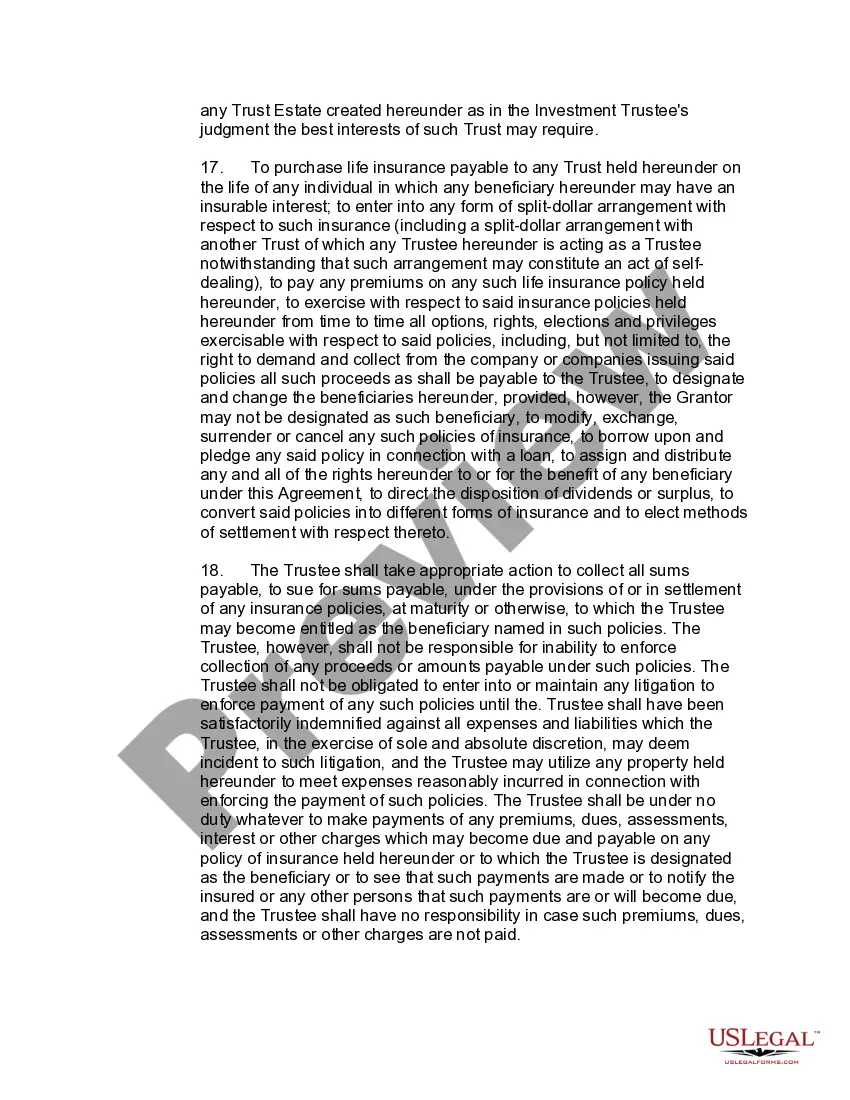
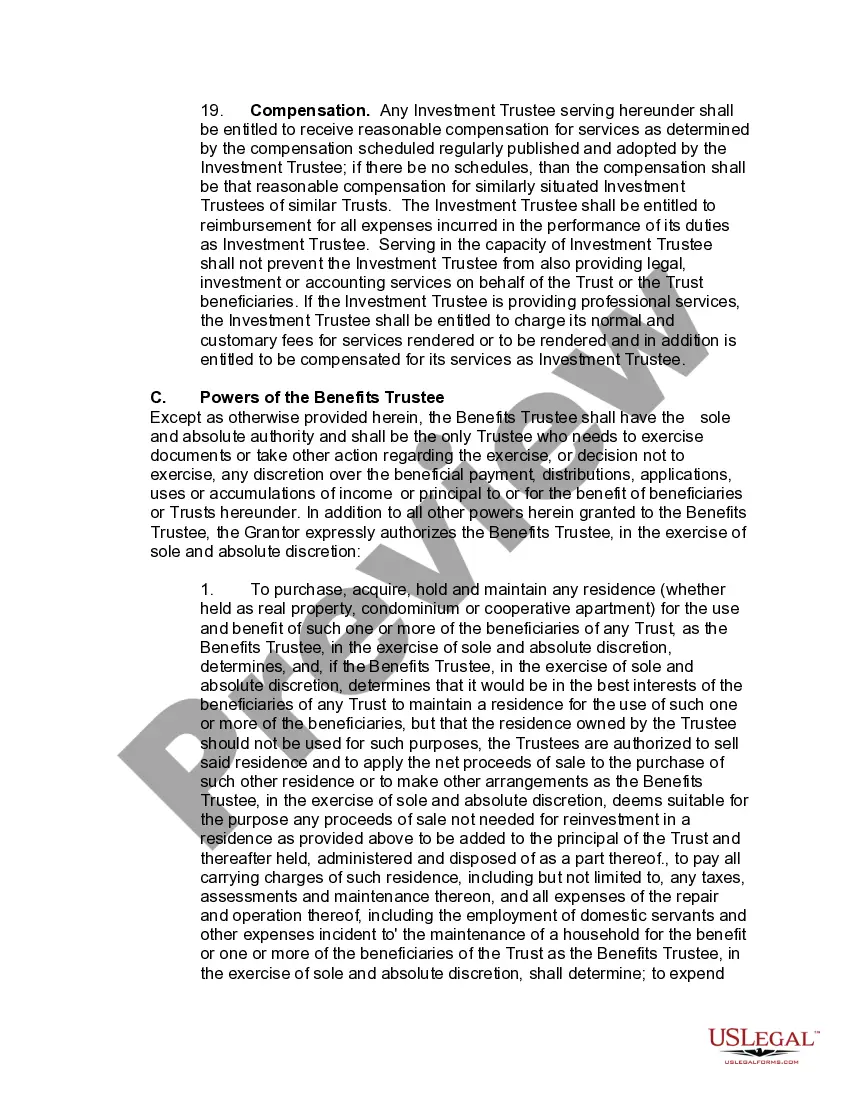

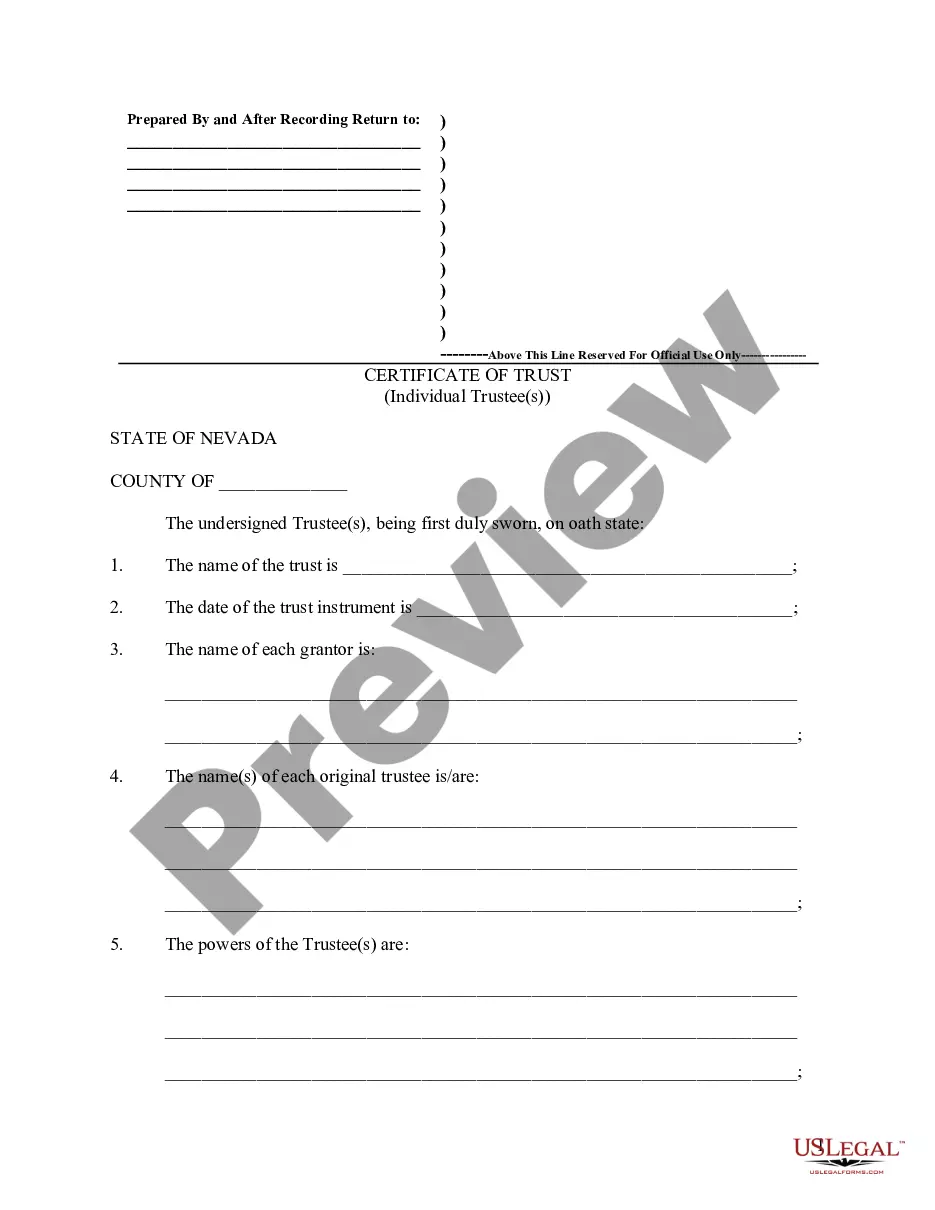
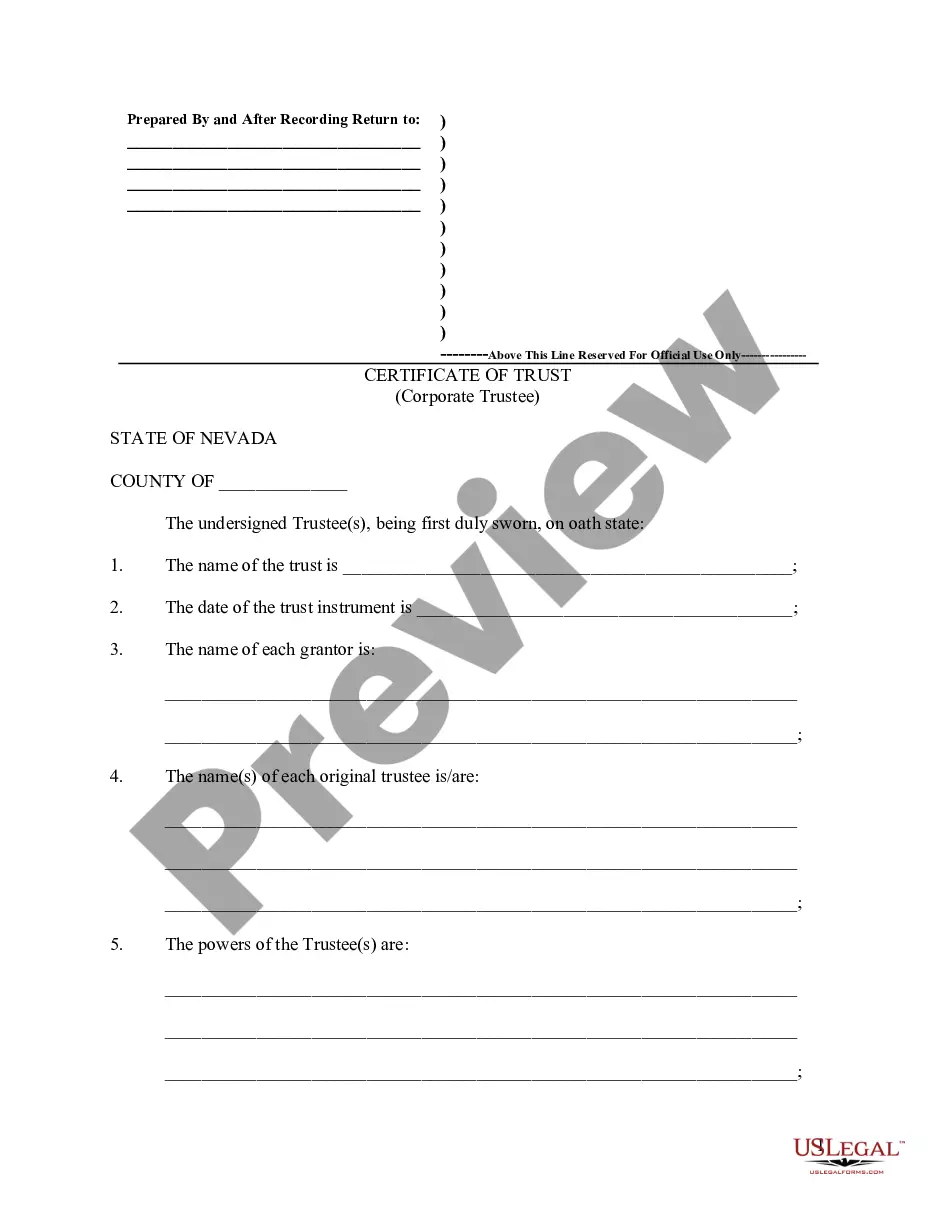
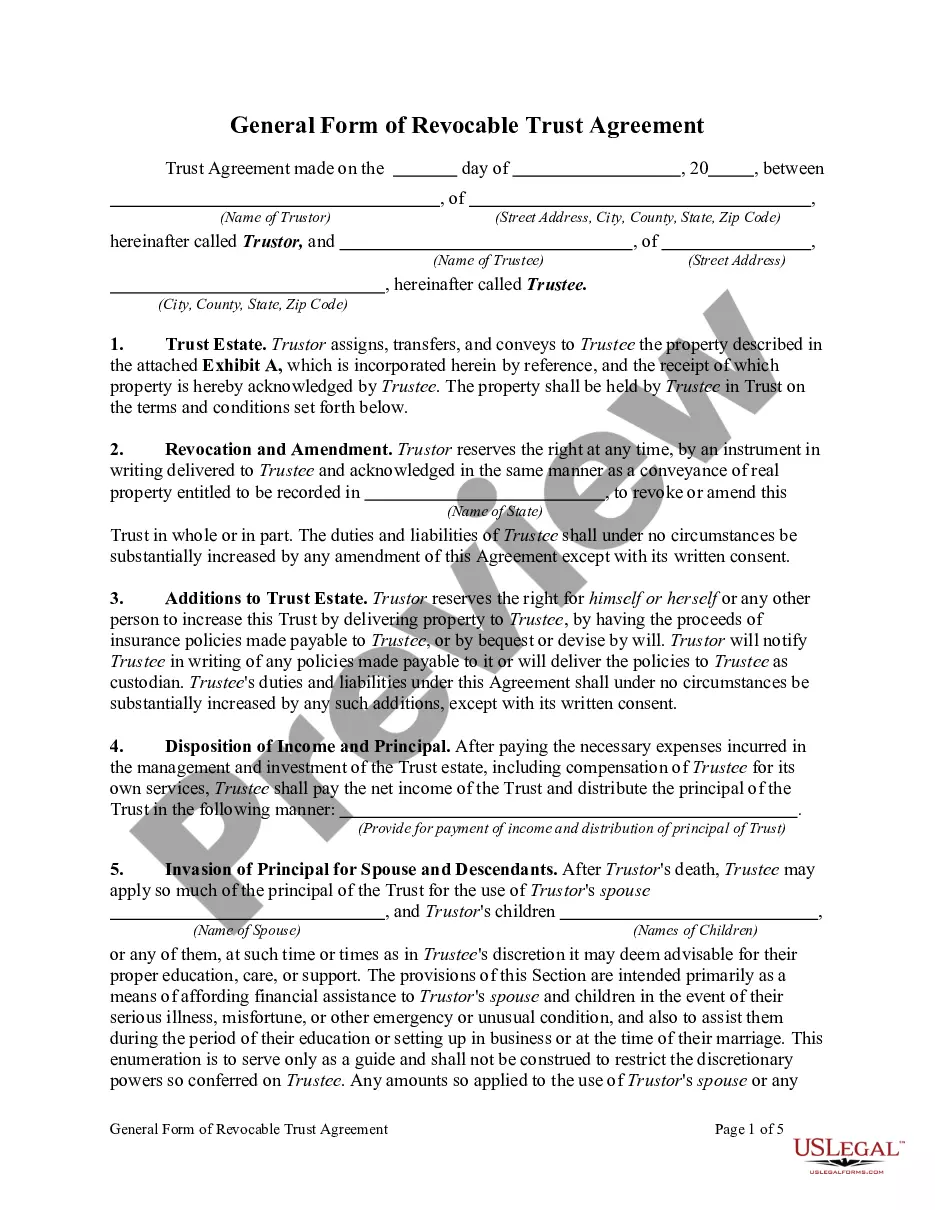
Get your form ready online
Our built-in tools help you complete, sign, share, and store your documents in one place.
Make edits, fill in missing information, and update formatting in US Legal Forms—just like you would in MS Word.
Download a copy, print it, send it by email, or mail it via USPS—whatever works best for your next step.
Sign and collect signatures with our SignNow integration. Send to multiple recipients, set reminders, and more. Go Premium to unlock E-Sign.
If this form requires notarization, complete it online through a secure video call—no need to meet a notary in person or wait for an appointment.
We protect your documents and personal data by following strict security and privacy standards.

Make edits, fill in missing information, and update formatting in US Legal Forms—just like you would in MS Word.

Download a copy, print it, send it by email, or mail it via USPS—whatever works best for your next step.

Sign and collect signatures with our SignNow integration. Send to multiple recipients, set reminders, and more. Go Premium to unlock E-Sign.

If this form requires notarization, complete it online through a secure video call—no need to meet a notary in person or wait for an appointment.

We protect your documents and personal data by following strict security and privacy standards.
Looking for another form?








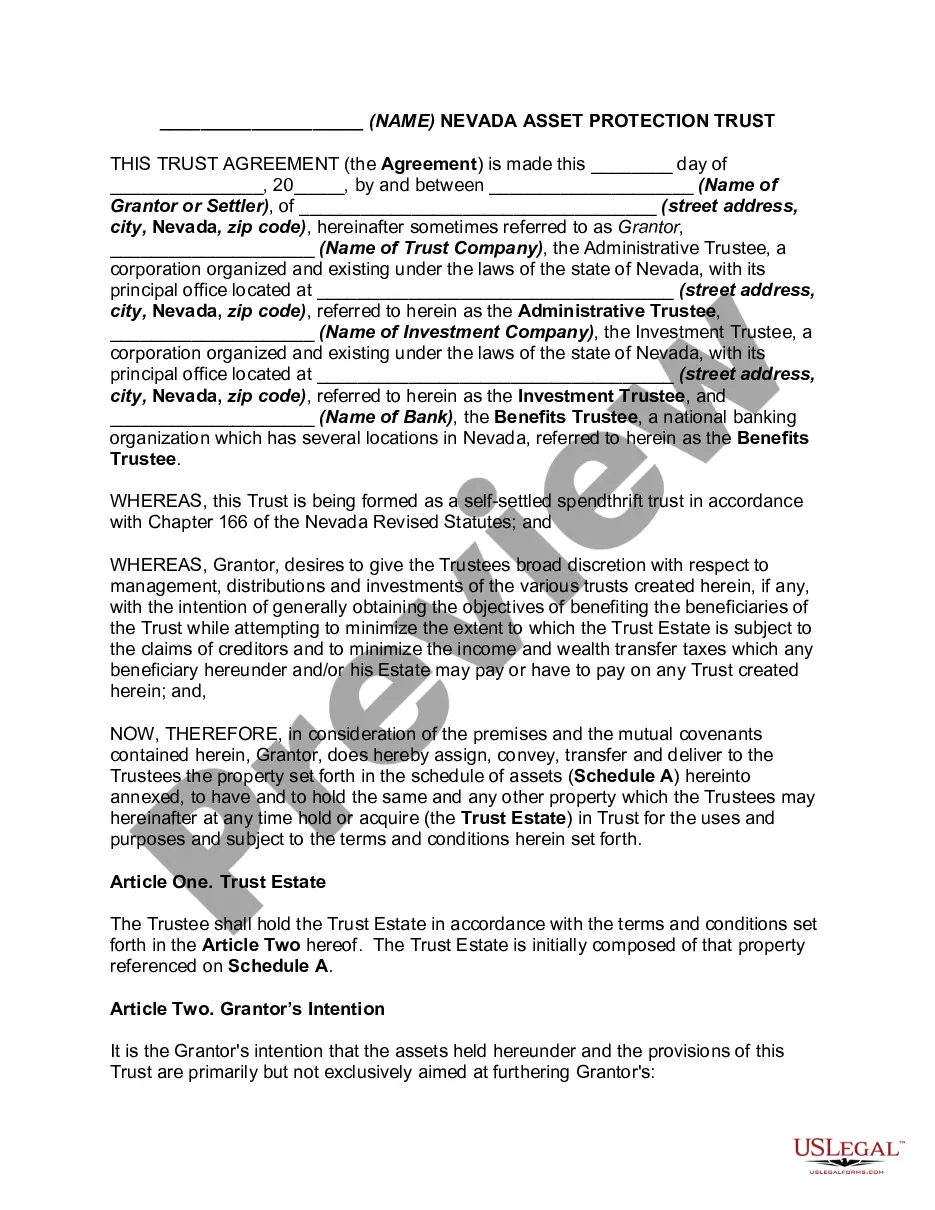
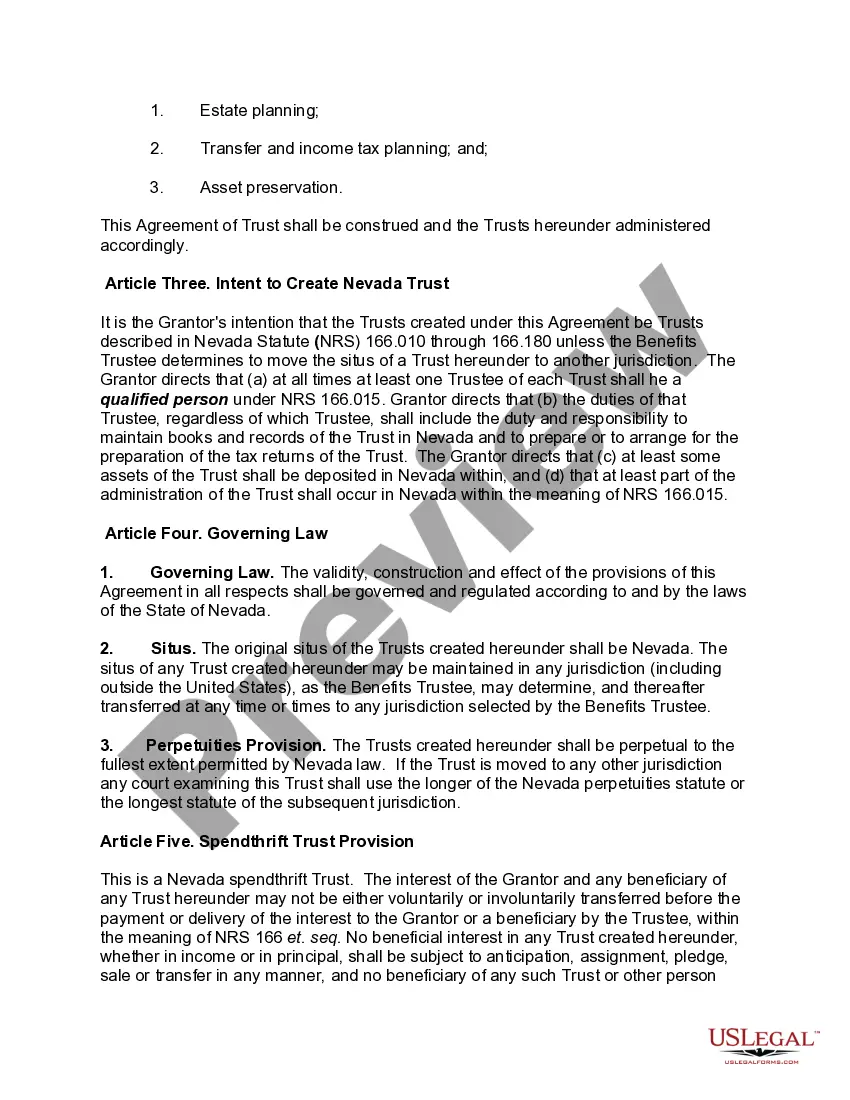
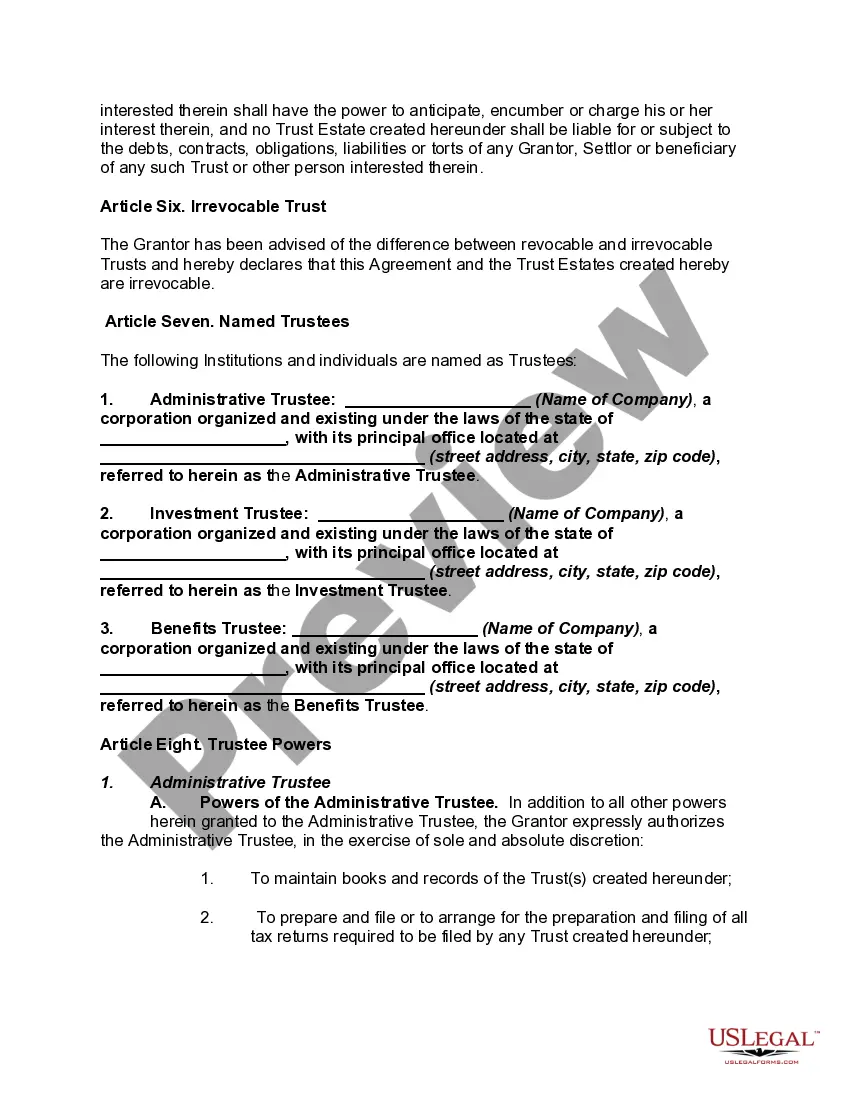
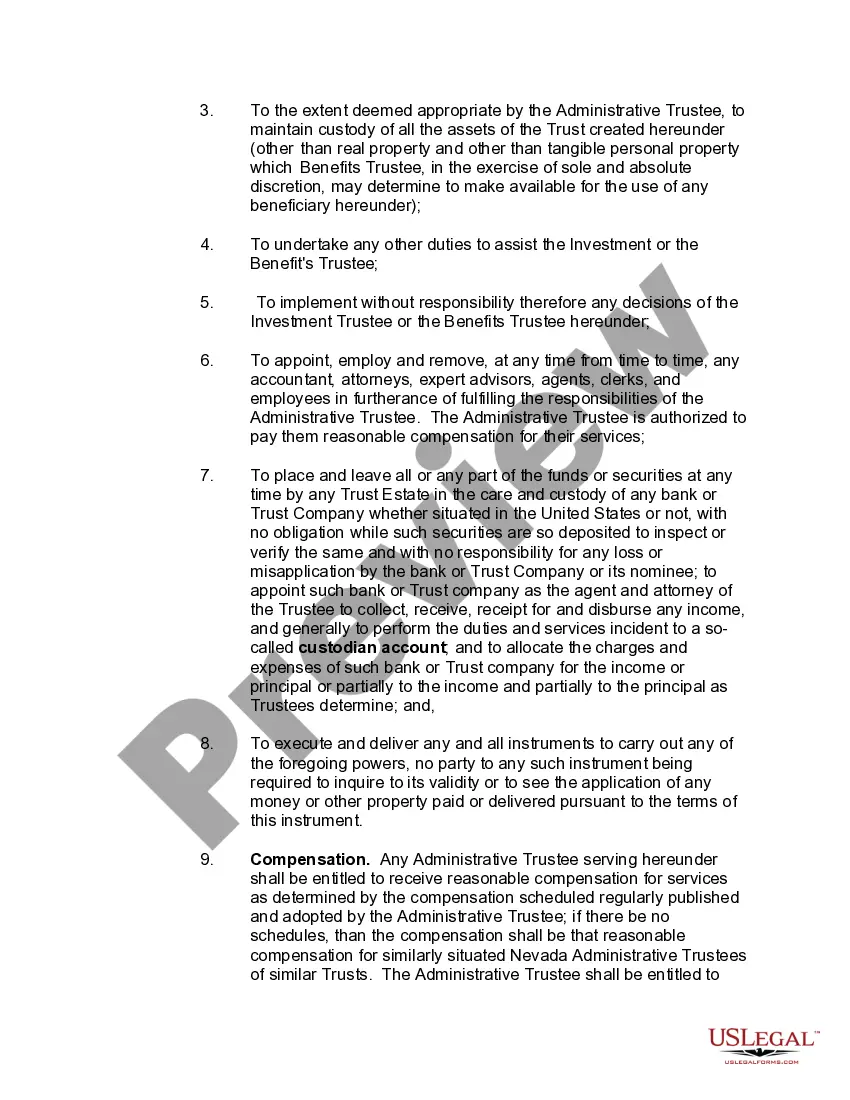
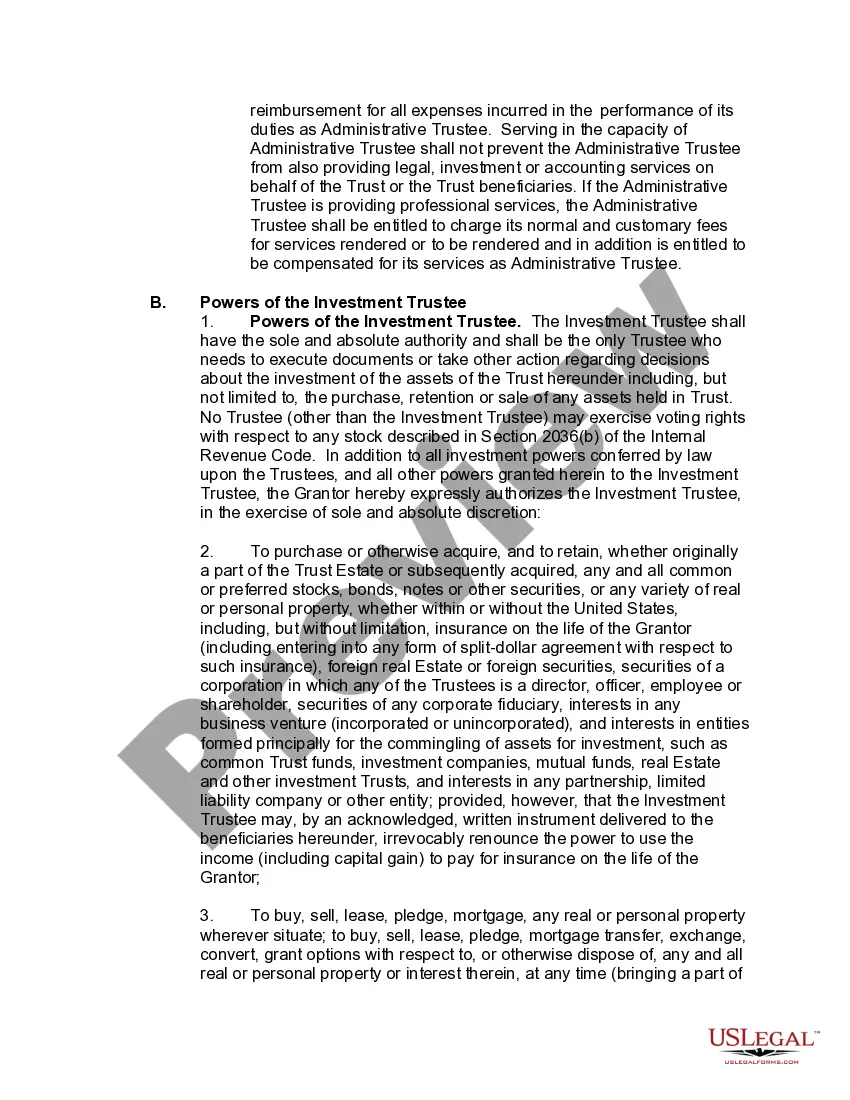
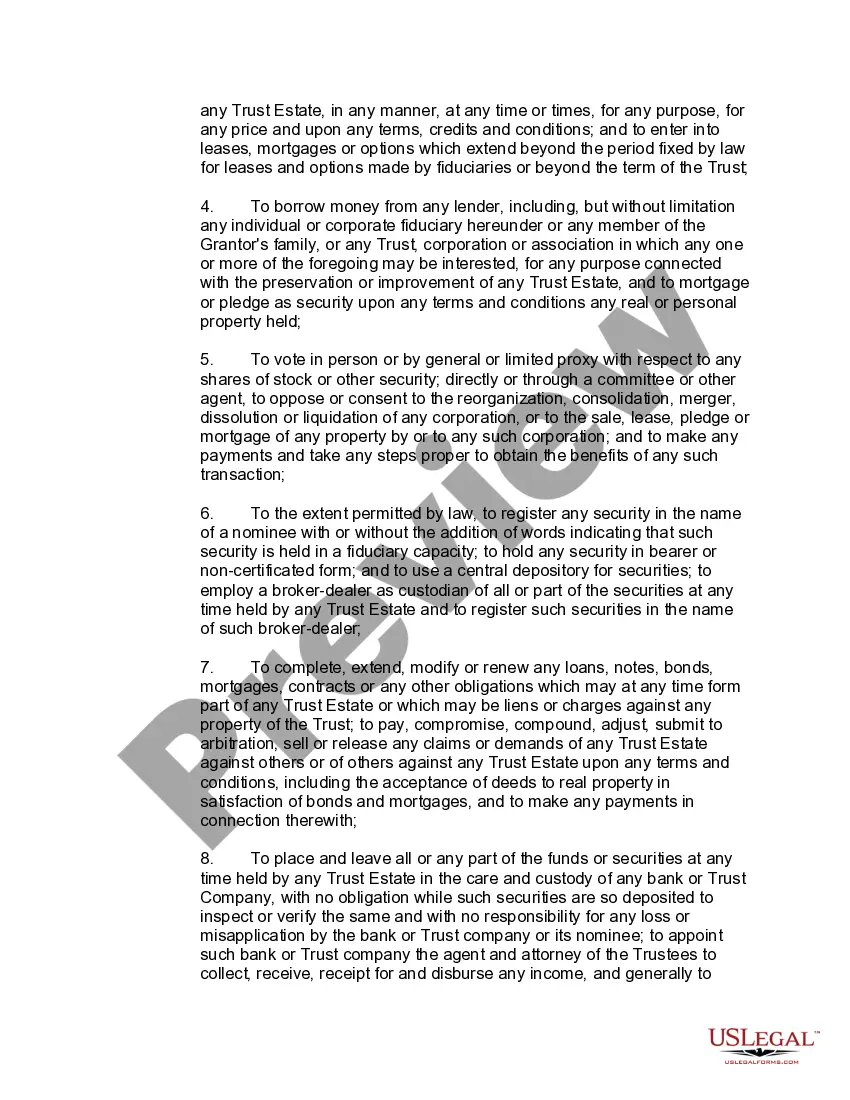
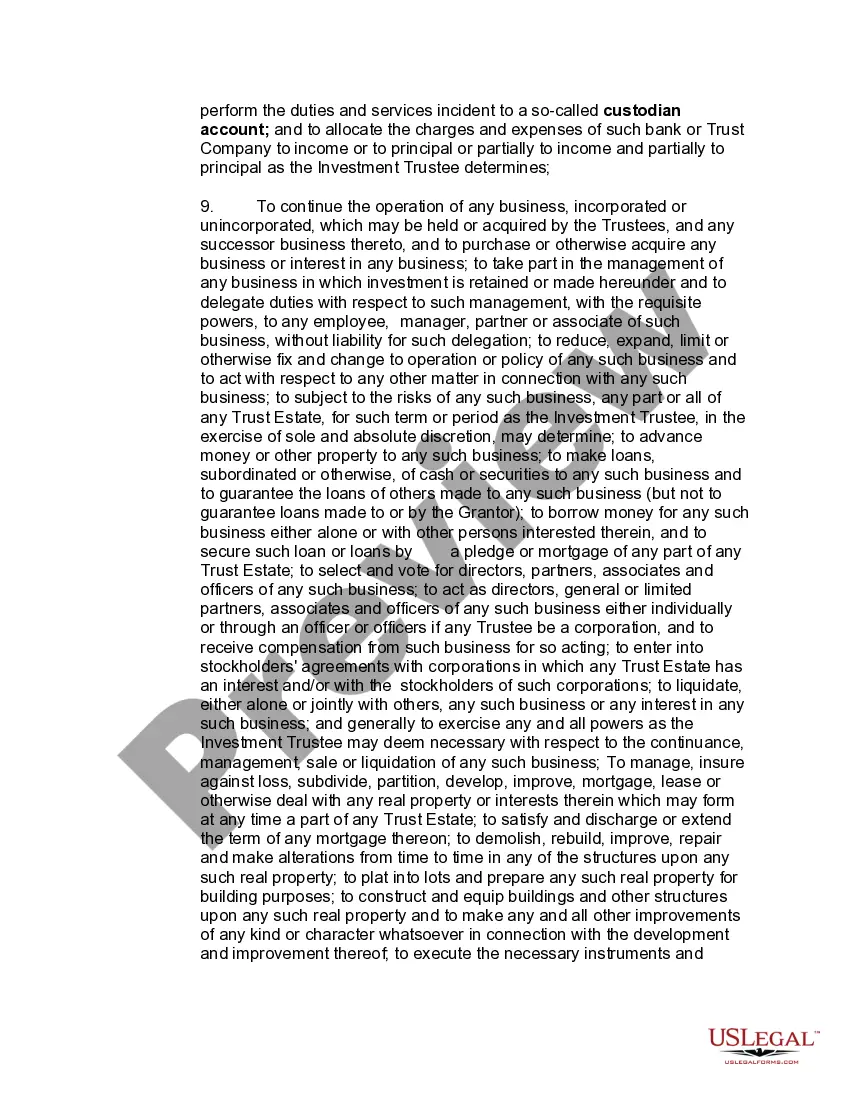
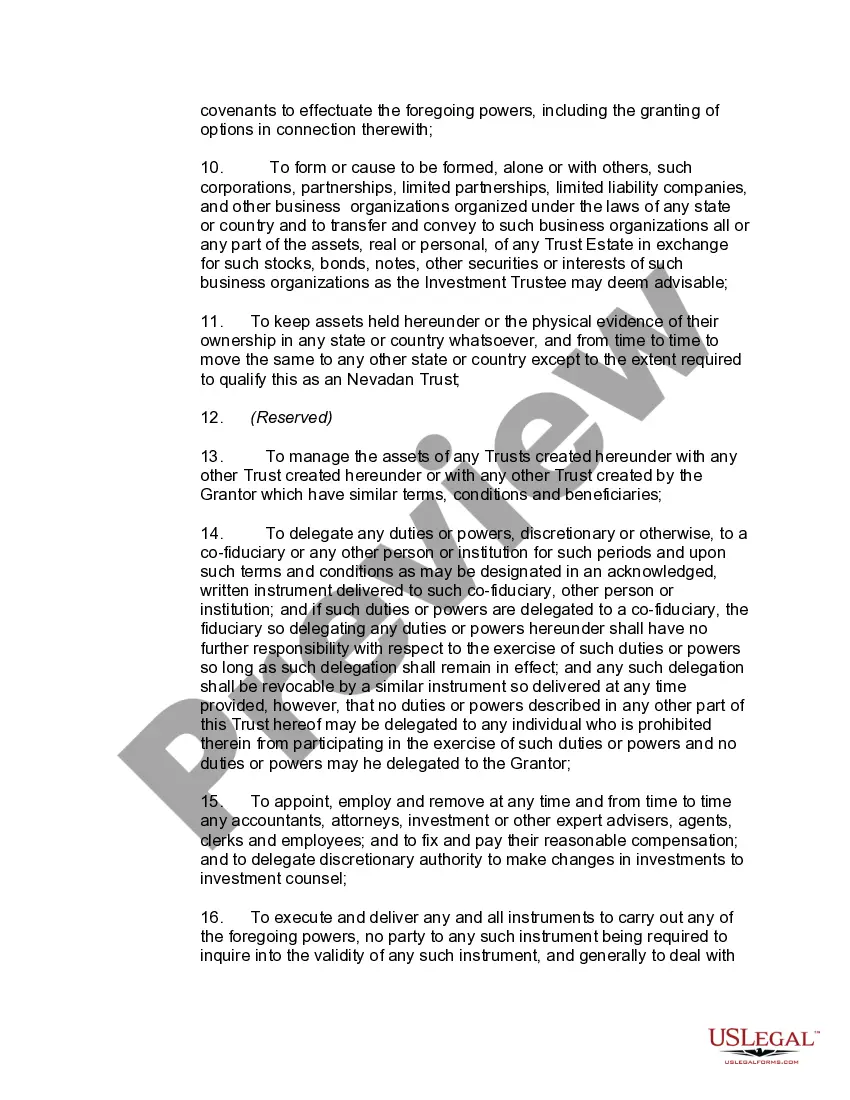
How to fill out Nevada Asset Protection Trust?
It’s well known that becoming a legal authority overnight is unrealistic, nor can you easily learn how to swiftly organize Asset Protection In Florida without a unique skill set.
Crafting legal documents is an intricate process that demands specific training and expertise. So why not entrust the creation of Asset Protection In Florida to the specialists.
With US Legal Forms, one of the most extensive legal document repositories, you can discover anything from judicial papers to templates for internal corporate communication.
You can regain access to your documents from the My documents tab at any time. If you’re a current customer, simply Log In, and find and download the template from the same tab.
Regardless of the reason for your documentation—be it financial, legal, or personal—our platform has you covered. Try US Legal Forms today!
- Begin by locating the form you need with the search bar positioned at the top of the page.
- Preview it (if this option is available) and review the accompanying description to ascertain if Asset Protection In Florida is what you seek.
- Start your search again if a different template is required.
- Create a free account and select a subscription plan to acquire the template.
- Click Buy now. Once the transaction is completed, you can access Asset Protection In Florida, complete it, print it, and send or deliver it to the required individuals or organizations.
Form popularity
FAQ
The security deposit must be returned 14 days after termination of lease. If the landlord must keep any portion of the security deposit, he must give the tenant written notice of any deductions made and the balance as well as the notice must be provided to tenant within 14 days after lease termination.
The Hawaii Notice to Vacate Form must contain the date on which the Notice to Vacate is given, and the time frame in which the rental property should become vacant. Specific details must be clearly stated on the notice, so the other party has reasonable awareness about their responsibilities.
Month-to-Month If the rental period is one month, the law requires that a landlord notify the tenant in writing at least 45 days before the date the landlord wants the tenant to move out. A tenant who wants to end the rental must give written notice to the landlord 28 days before moving.
Step 1 ? Send Eviction Notice to Tenant. Non-Payment of Rent. ... Step 2 ? Wait to Hear from the Tenant. ... Step 3 ? File in Court. ... Step 4 ? Set A Hearing Date. ... Step 5 ? Appear in Court. ... Step 6 ? File a Writ of Possession. ... Step 7 ? Repossess the Property.
If the rental period is between six months and one year, the rental agreement can be ended earlier if both the landlord and tenant agree. A rental agreement may also be ended earlier if either the landlord or the tenant does not do something that is required by the rental agreement.
In Hawaii, a landlord cannot sell, give away, or throw out a tenant's abandoned property without providing a tenant a notice and then wait for fifteen days. (See: Hawaii Revised Statutes § 521-56.) Hawaii forbids landlords from taking the law into their own hands.
How to Evict a Tenant in Hawaii with No Lease? In the case of month-to-month renters, this requires the landlord to provide a 45-Day Notice to Quit, before terminating their holdover or ?at-will? tenancy. In this case, they will need to deliver a 5-Day Notice to Quit, giving the resident 5 days to leave the premises.
Hawaii Lease Agreement with ezSign. Giving notice is the first step in the eviction process. The notice required in Hawaii for lease violations other than non-payment of rent is a 10 Day Notice to Cure or Vacate. Note that this is only to be used for situations in which the tenant has violated a covenant in the lease.