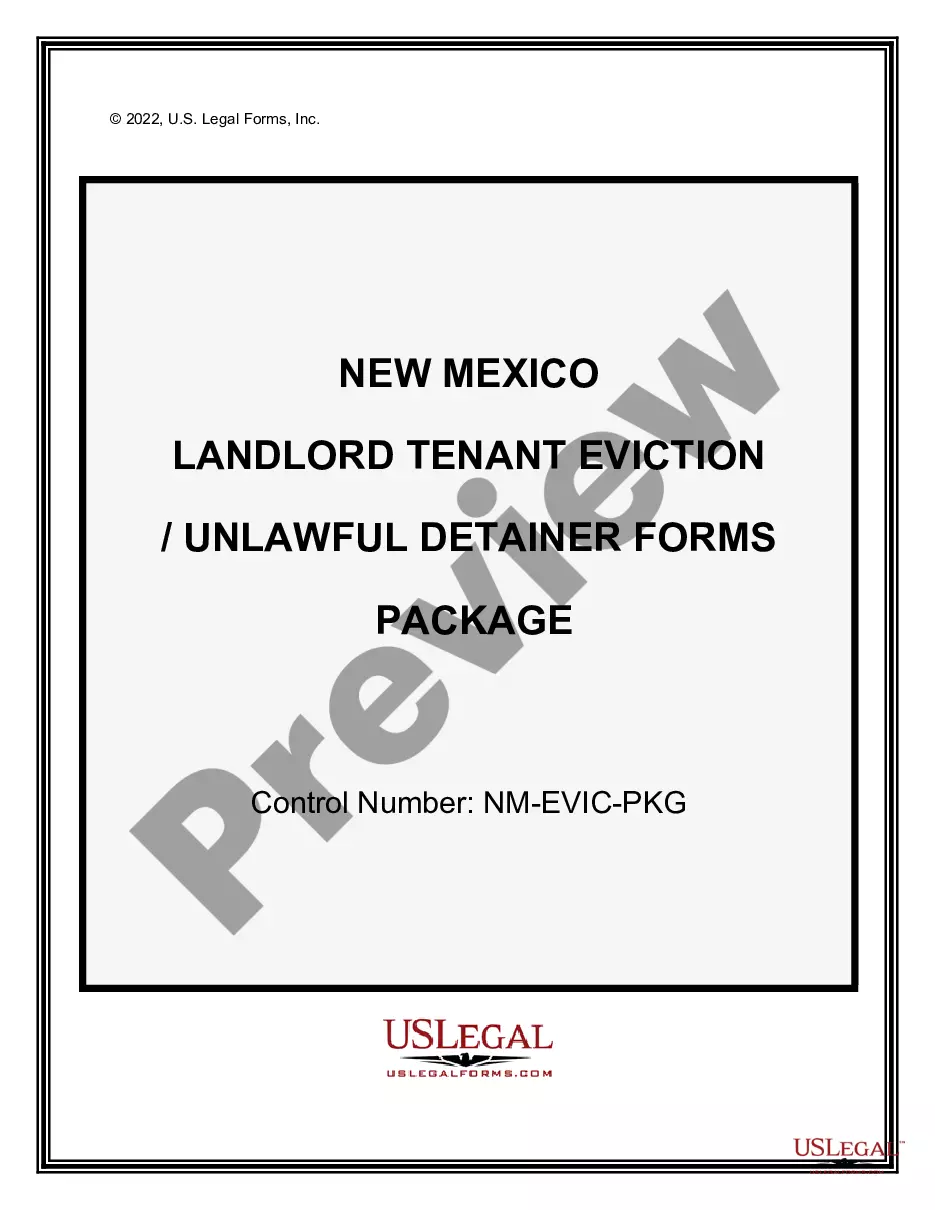
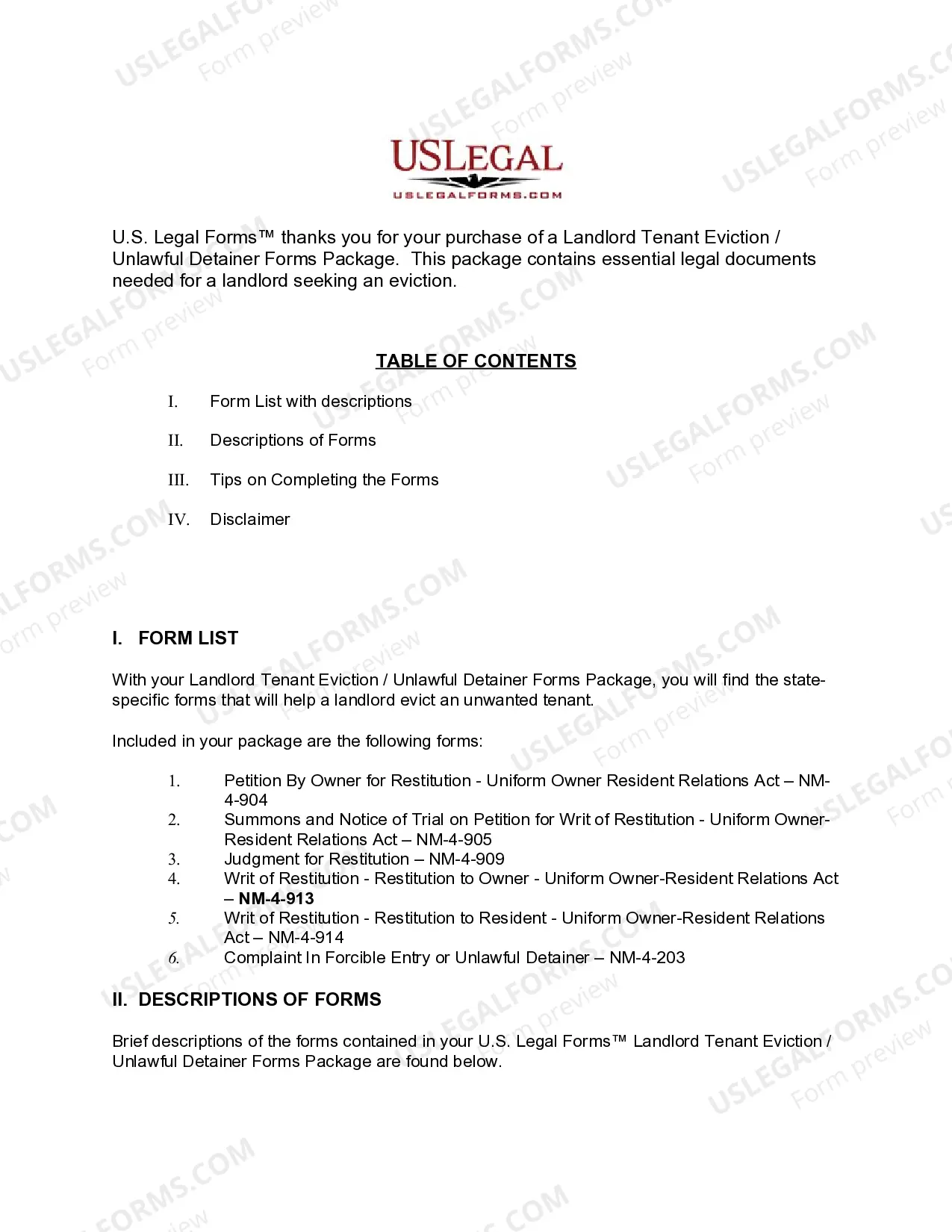
New Mexico Tenant Eviction Laws
Description
Get your form ready online
Our built-in tools help you complete, sign, share, and store your documents in one place.
Make edits, fill in missing information, and update formatting in US Legal Forms—just like you would in MS Word.
Download a copy, print it, send it by email, or mail it via USPS—whatever works best for your next step.
Sign and collect signatures with our SignNow integration. Send to multiple recipients, set reminders, and more. Go Premium to unlock E-Sign.
If this form requires notarization, complete it online through a secure video call—no need to meet a notary in person or wait for an appointment.
We protect your documents and personal data by following strict security and privacy standards.

Make edits, fill in missing information, and update formatting in US Legal Forms—just like you would in MS Word.

Download a copy, print it, send it by email, or mail it via USPS—whatever works best for your next step.

Sign and collect signatures with our SignNow integration. Send to multiple recipients, set reminders, and more. Go Premium to unlock E-Sign.

If this form requires notarization, complete it online through a secure video call—no need to meet a notary in person or wait for an appointment.

We protect your documents and personal data by following strict security and privacy standards.
Looking for another form?







Form popularity
FAQ
In New Mexico, a 30 day notice works by providing tenants with a clear timeline for vacating the property, typically due to lease violations or other reasons. Landlords must ensure the notice meets state requirements to be effective. Utilizing UsLegalForms can simplify this process by providing the necessary templates to ensure compliance with New Mexico tenant eviction laws.
A 30 day notice to vacate in New Mexico is a legal document informing tenants that they must leave the rental property within thirty days. This type of notice is usually served for reasons such as lease expiration or landlord's decision to terminate the rental agreement. Familiarity with New Mexico tenant eviction laws can help tenants understand their rights and responsibilities in such situations.
The eviction process in New Mexico typically takes between 30 to 45 days, depending on the situation. After serving the eviction notice, the landlord must wait for the tenant’s response, which could lead to a court hearing. Understanding the timelines and procedures outlined in New Mexico tenant eviction laws can help landlords prepare and proceed effectively.
Filling out an eviction notice requires clear information about the tenant, property address, and grounds for eviction. You must also specify the deadlines and any necessary details required by New Mexico tenant eviction laws. Utilizing a reliable platform like UsLegalForms can guide you through the process with user-friendly templates and instructions, ensuring accuracy and compliance.
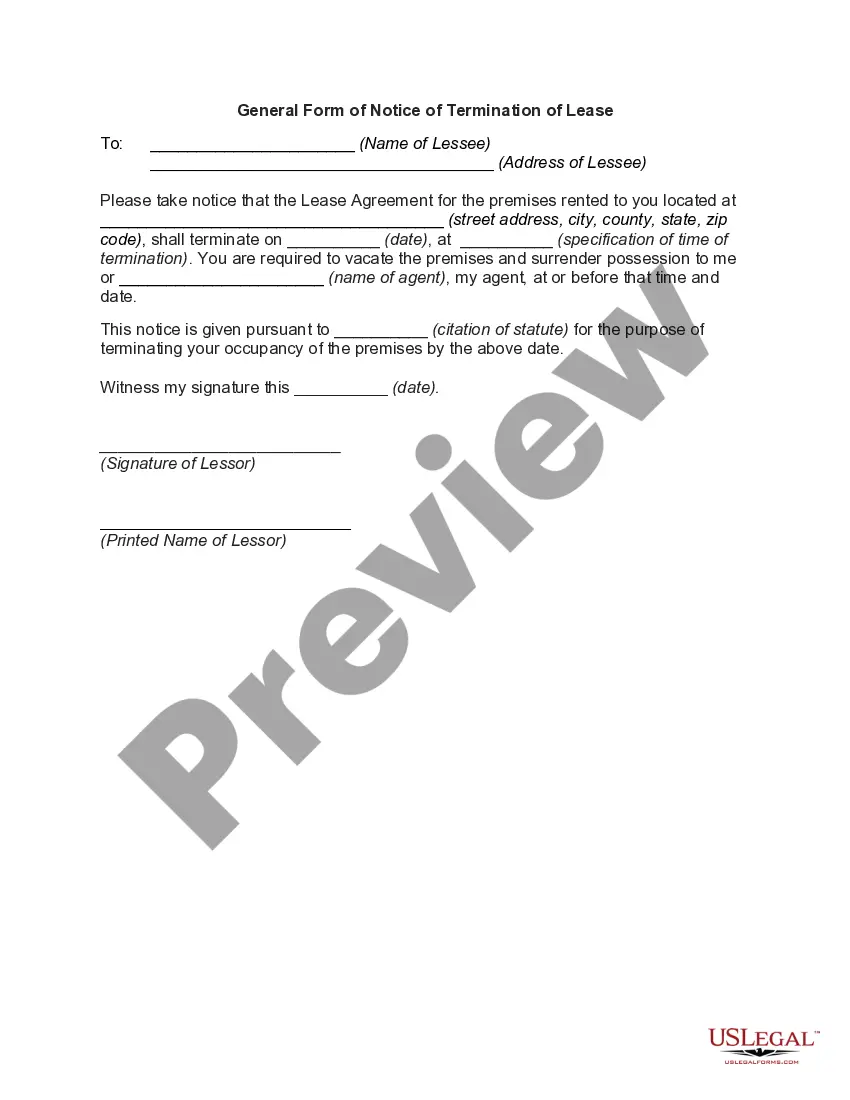
A 30 day notice is a formal document that a landlord provides to a tenant indicating they must vacate the rental property within thirty days. This notice is often related to non-payment of rent or lease violations under New Mexico tenant eviction laws. Understanding this process is crucial for both landlords and tenants to ensure compliance and avoid misunderstandings.
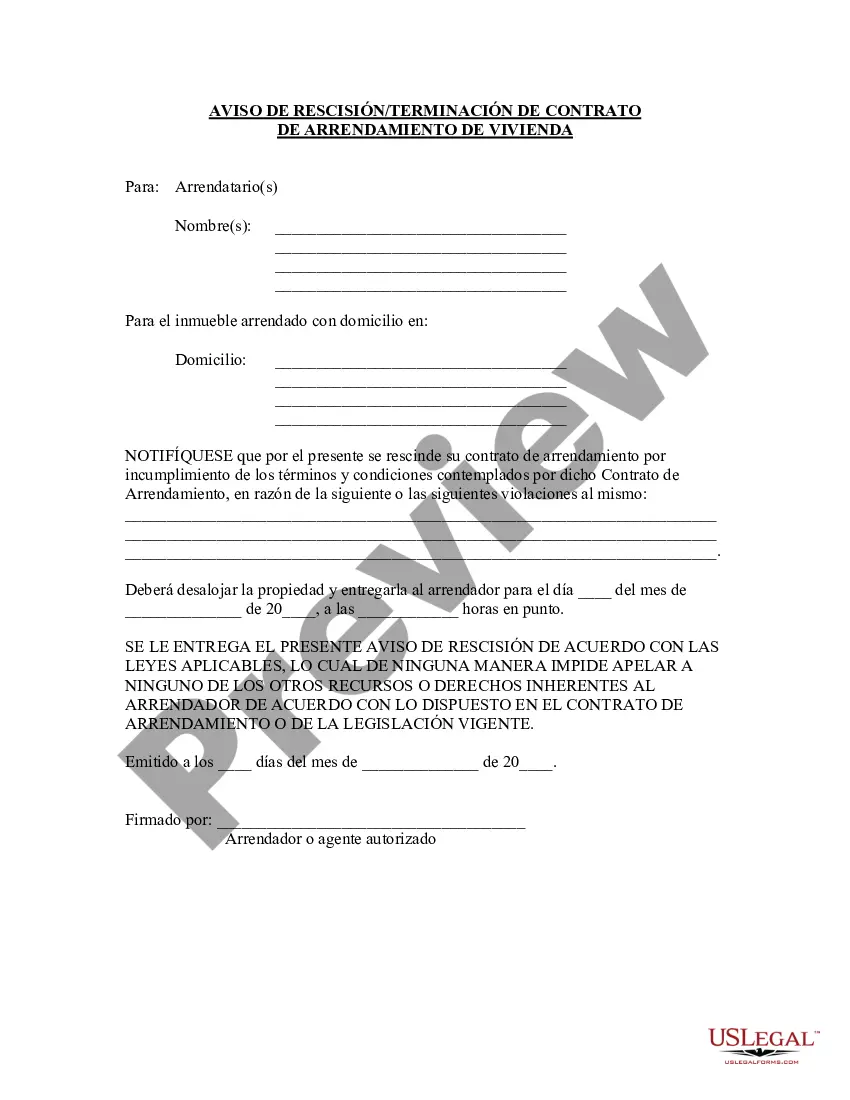
A 3 day notice to vacate in New Mexico is a legal document that informs a tenant they must leave the rental property within three days due to violations such as non-payment of rent. This notice is a crucial step in the New Mexico tenant eviction laws and must be properly served to the tenant. If the tenant does not move out within the specified timeframe, the landlord can proceed with eviction proceedings. Using services like USLegalForms can help ensure you complete this process accurately.
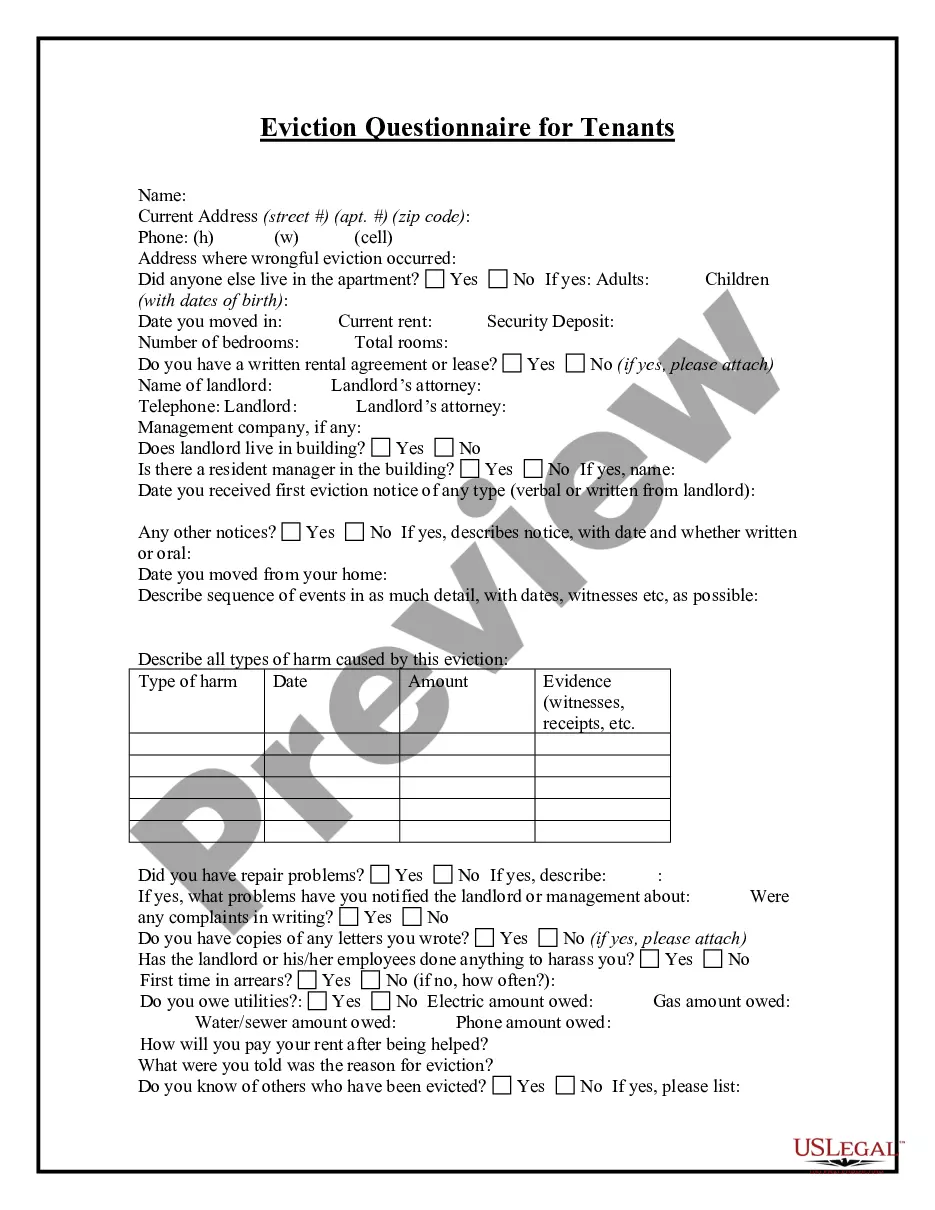
To initiate an eviction on your rental property in accordance with New Mexico tenant eviction laws, you must start by providing a written notice to your tenant. This notice should outline the reason for the eviction and provide a specified time frame for the tenant to vacate. If the tenant does not comply, you can then file an eviction lawsuit in the local court. It's beneficial to consult resources like USLegalForms, which can guide you through the necessary legal processes.
The time it takes to evict a tenant in New Mexico can vary based on several factors, including the type of eviction and court availability. Generally, the total process may take anywhere from a few weeks to a couple of months. Timely actions, such as serving proper notices and filing correctly, can expedite the process. Consulting resources like UsLegalForms can provide essential guidance on managing timelines effectively.
To get someone out of your house in New Mexico, you must follow the legal procedures stated in New Mexico tenant eviction laws. Start by giving a proper eviction notice, detailing the reasons for the eviction. If the tenant refuses to leave, you may need to file for eviction in court. Using a reliable platform like UsLegalForms can help you navigate this process and ensure you have the correct legal documents.
The speed of eviction in New Mexico varies based on the reason for the eviction as outlined in New Mexico tenant eviction laws. For non-payment of rent, the process can take as little as a few weeks. However, factors such as court schedules, tenant responses, and other legal requirements can influence the overall timeline. Understanding these timelines can help you plan accordingly as a landlord.
