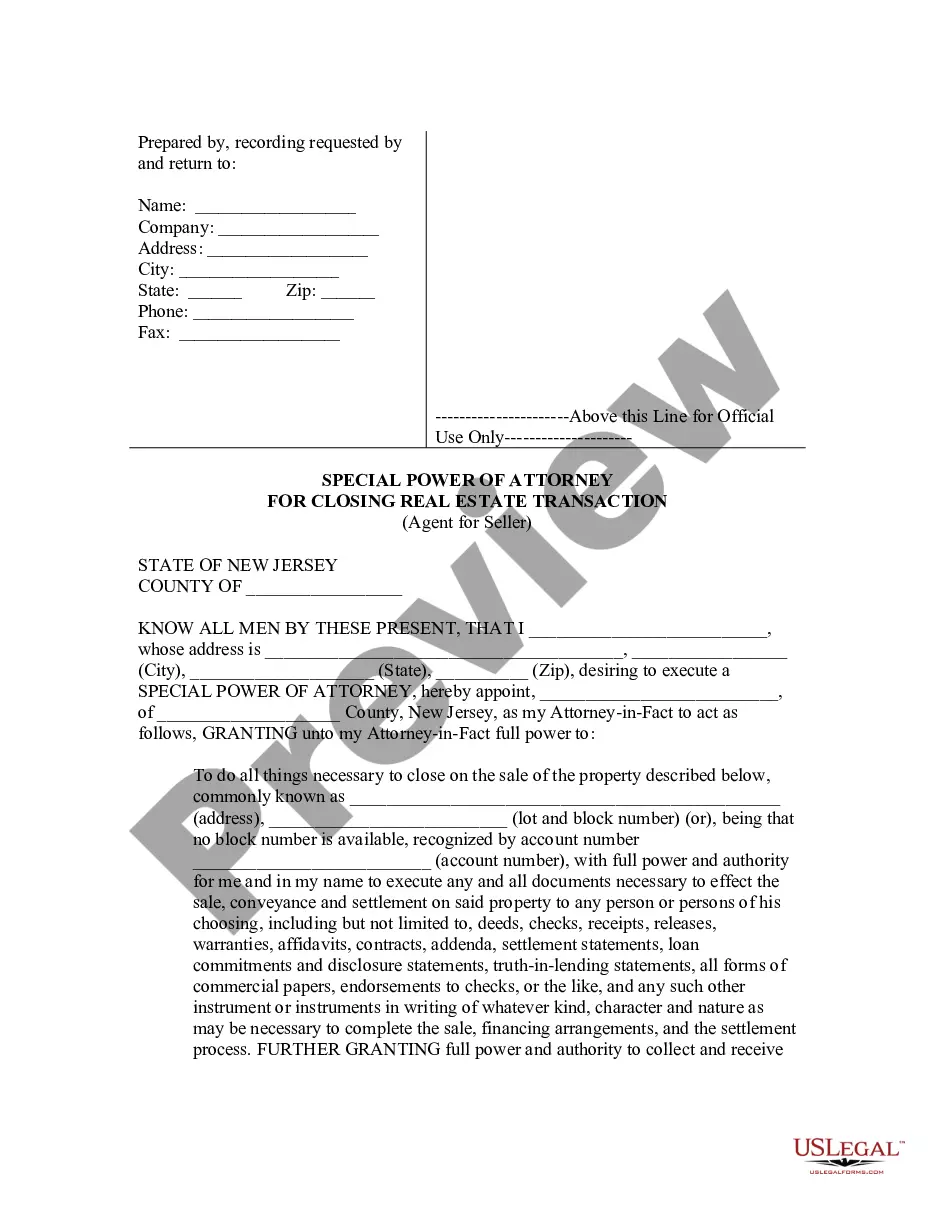
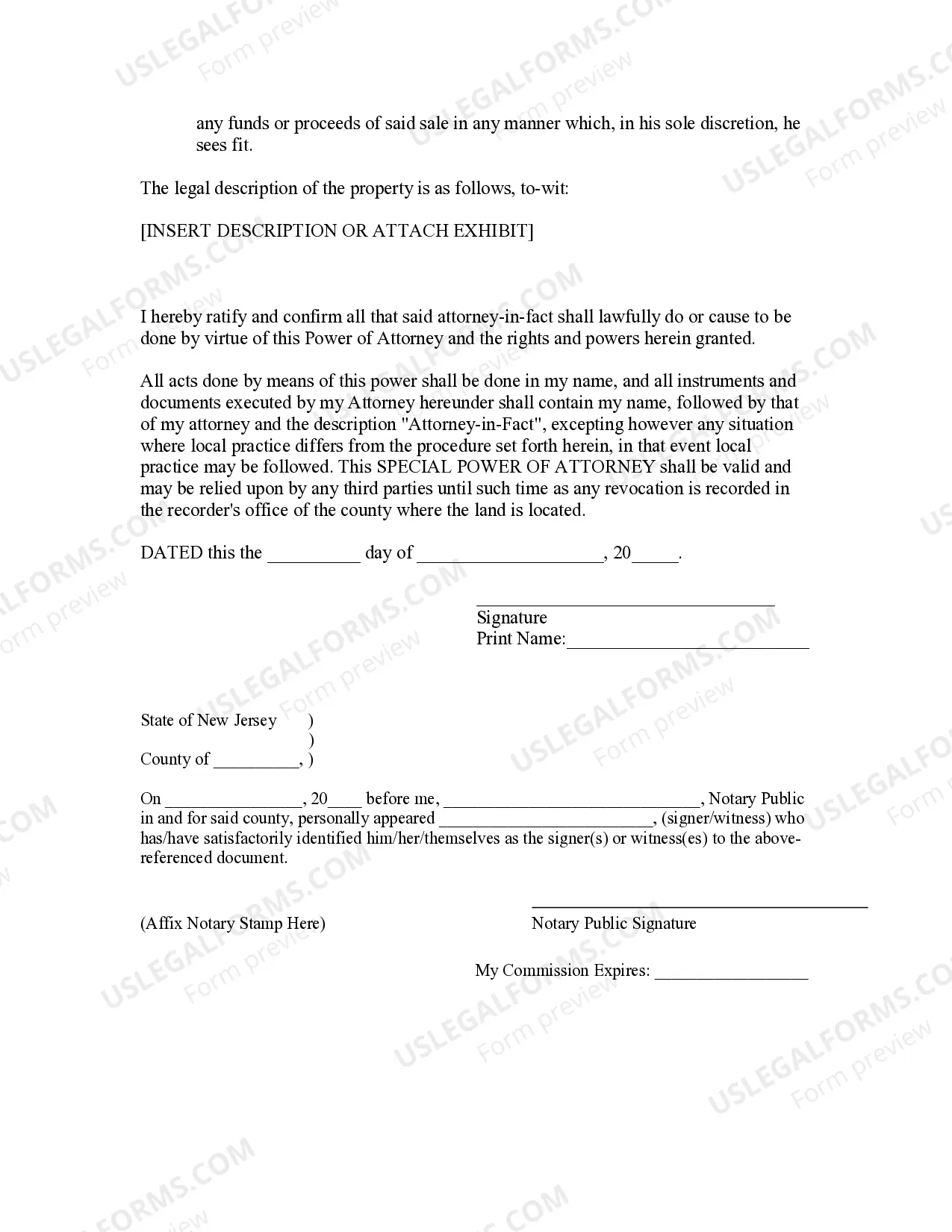
Nj Attorney Real Estate Withdrawal
Description
Get your form ready online
Our built-in tools help you complete, sign, share, and store your documents in one place.
Make edits, fill in missing information, and update formatting in US Legal Forms—just like you would in MS Word.
Download a copy, print it, send it by email, or mail it via USPS—whatever works best for your next step.
Sign and collect signatures with our SignNow integration. Send to multiple recipients, set reminders, and more. Go Premium to unlock E-Sign.
If this form requires notarization, complete it online through a secure video call—no need to meet a notary in person or wait for an appointment.
We protect your documents and personal data by following strict security and privacy standards.

Make edits, fill in missing information, and update formatting in US Legal Forms—just like you would in MS Word.

Download a copy, print it, send it by email, or mail it via USPS—whatever works best for your next step.

Sign and collect signatures with our SignNow integration. Send to multiple recipients, set reminders, and more. Go Premium to unlock E-Sign.

If this form requires notarization, complete it online through a secure video call—no need to meet a notary in person or wait for an appointment.

We protect your documents and personal data by following strict security and privacy standards.
Looking for another form?
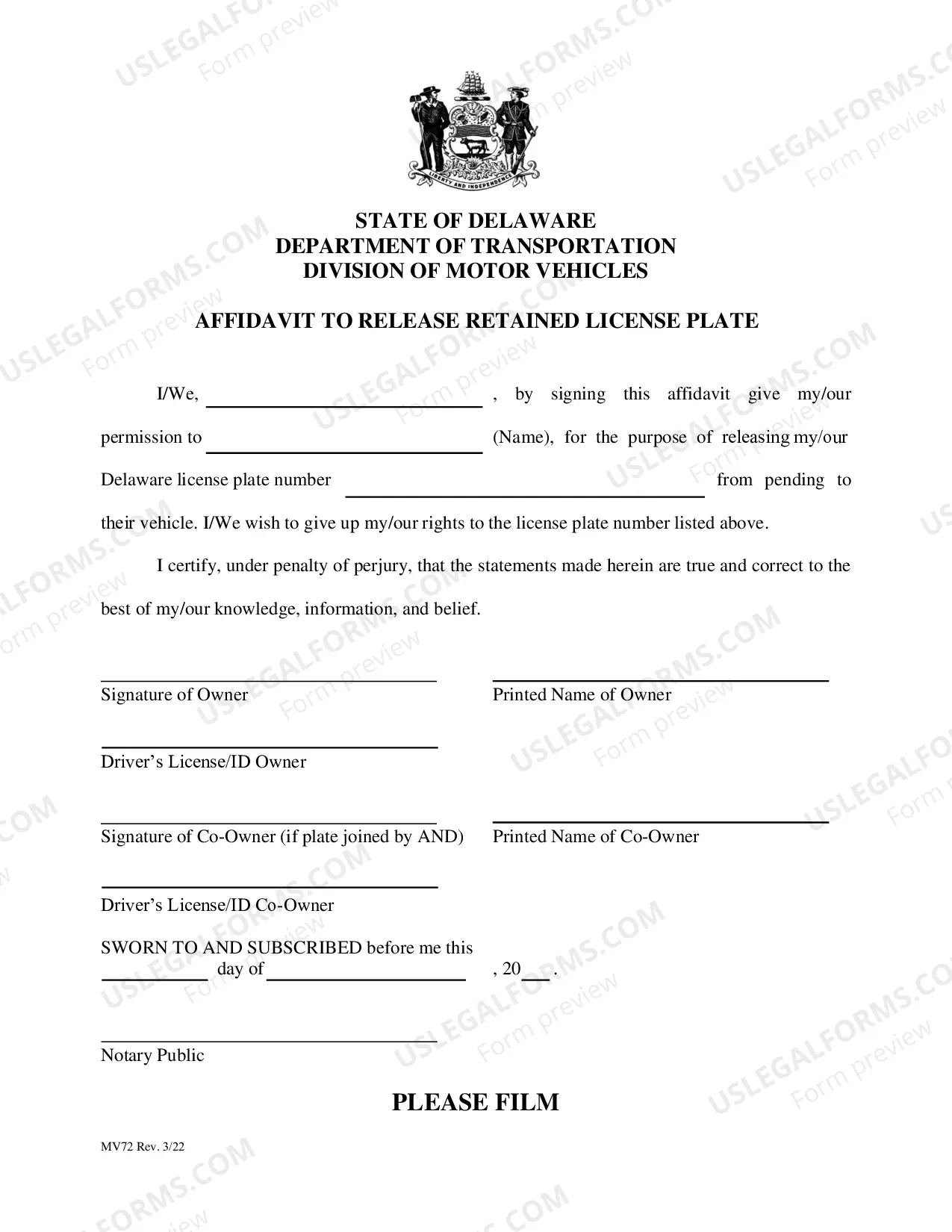
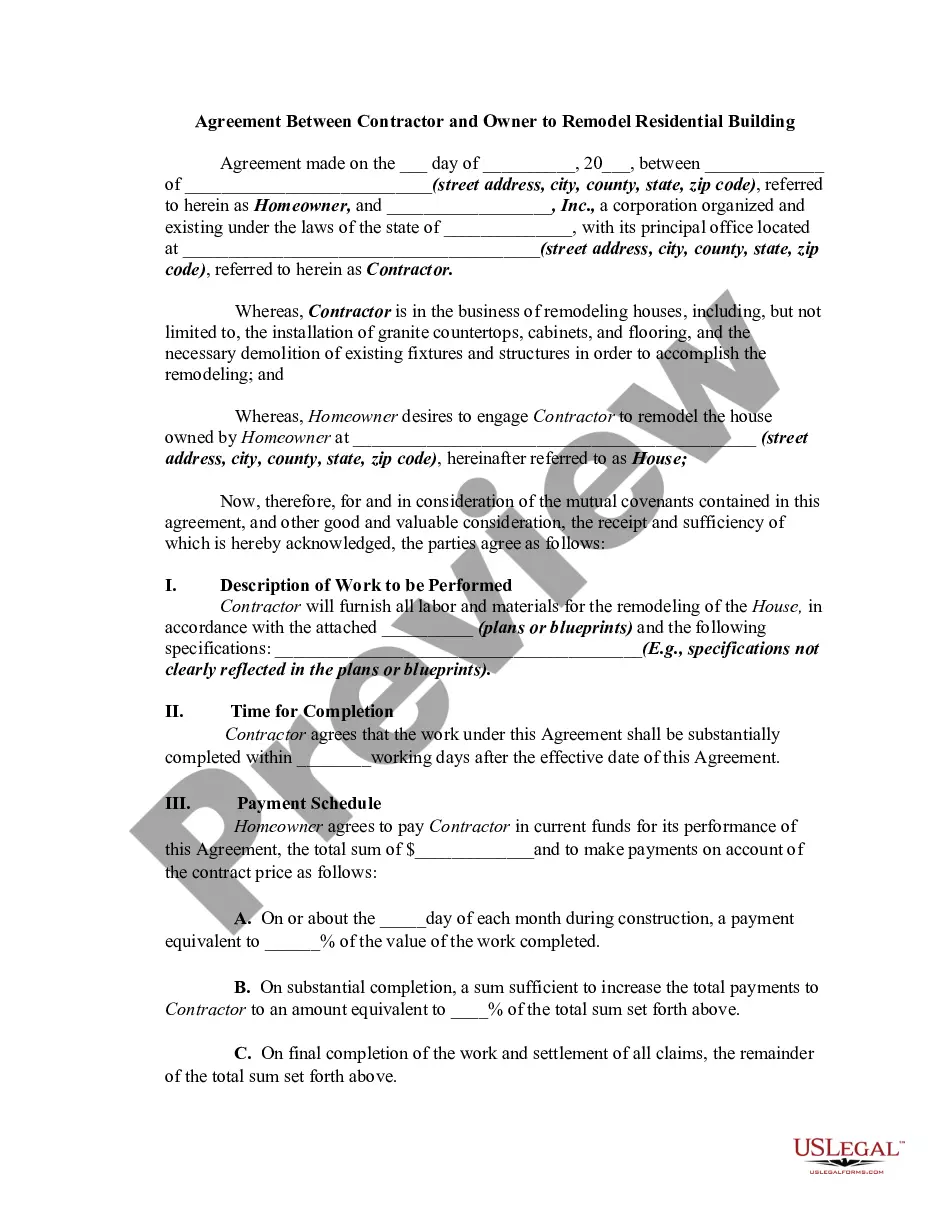
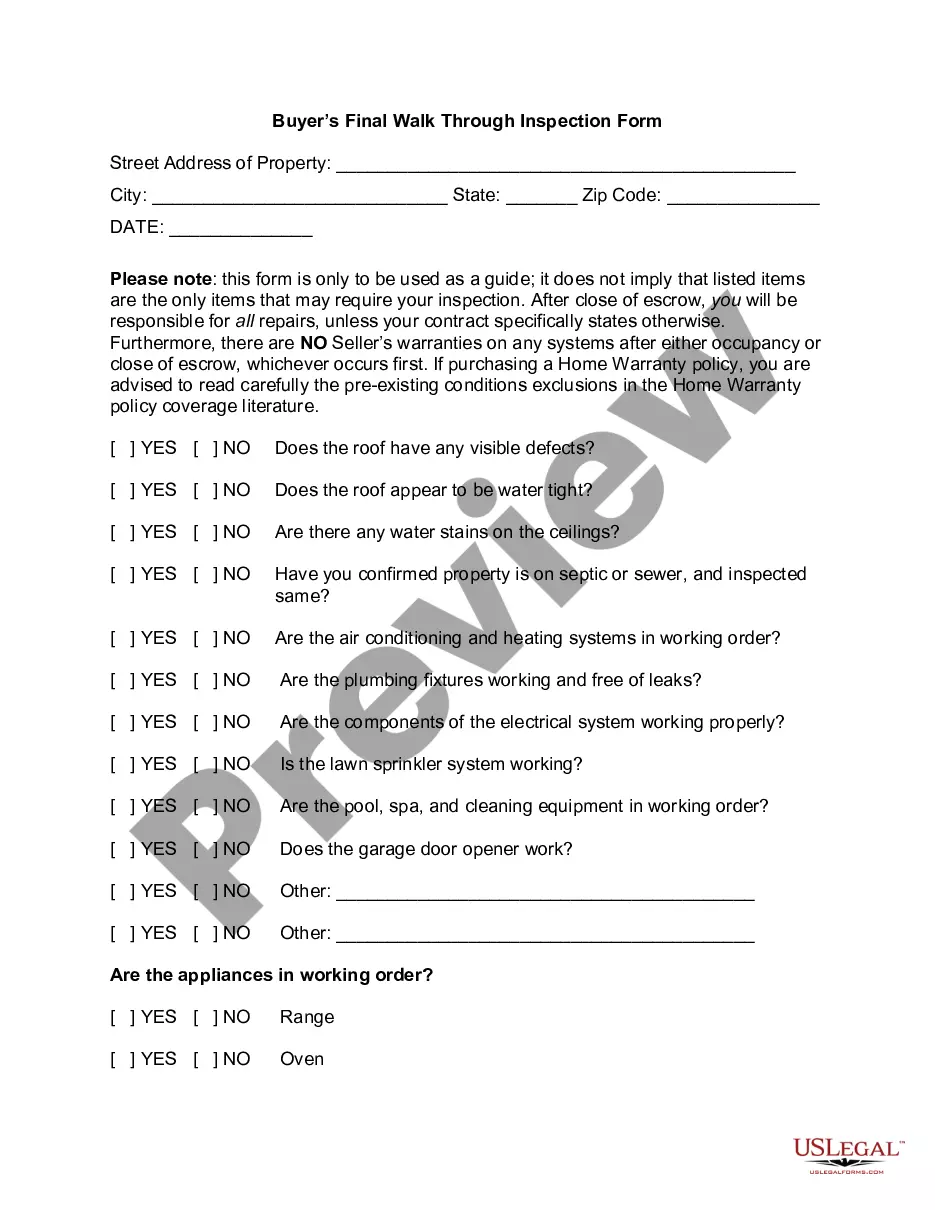
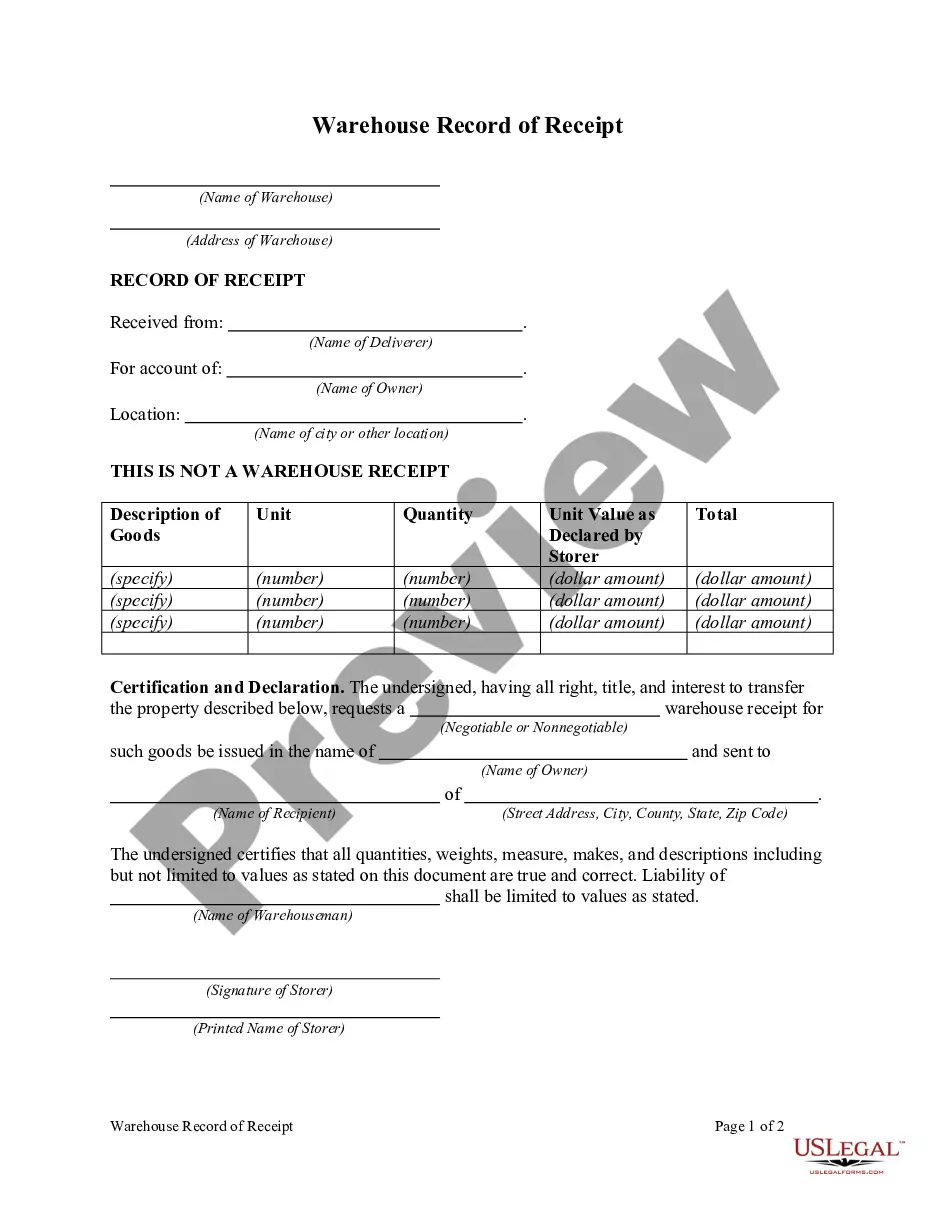
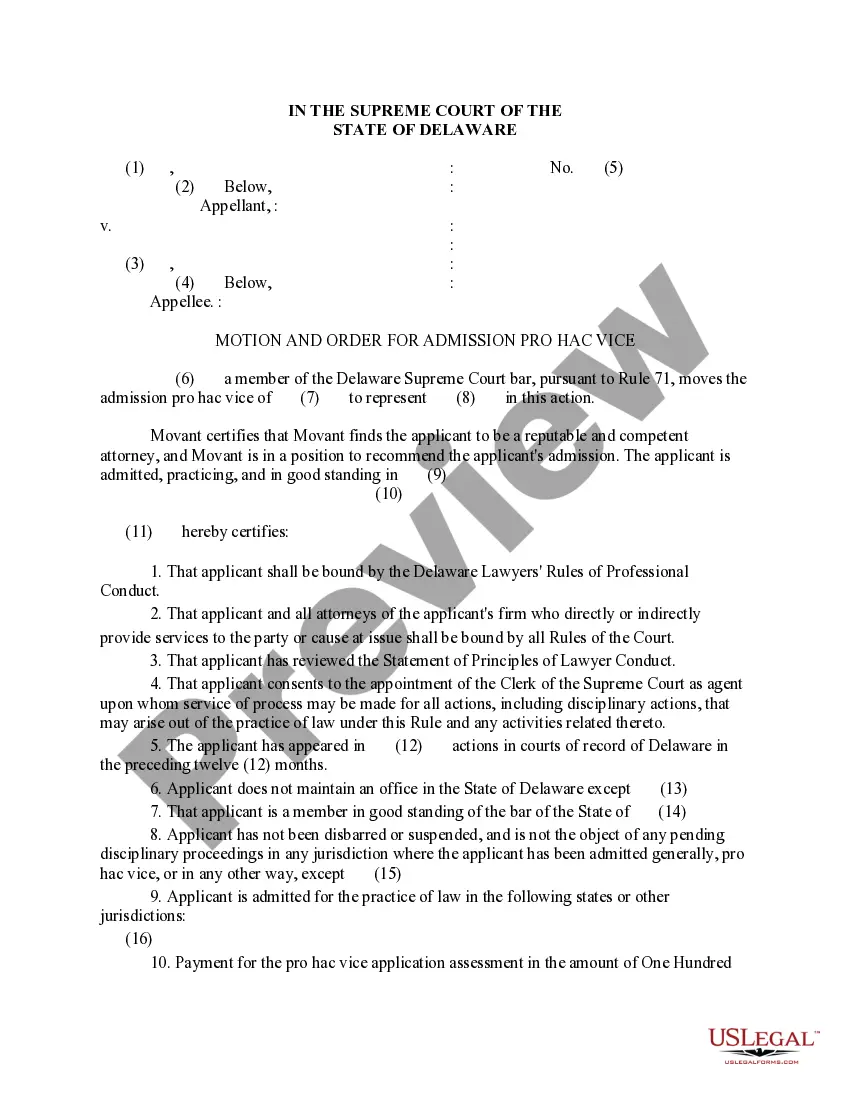
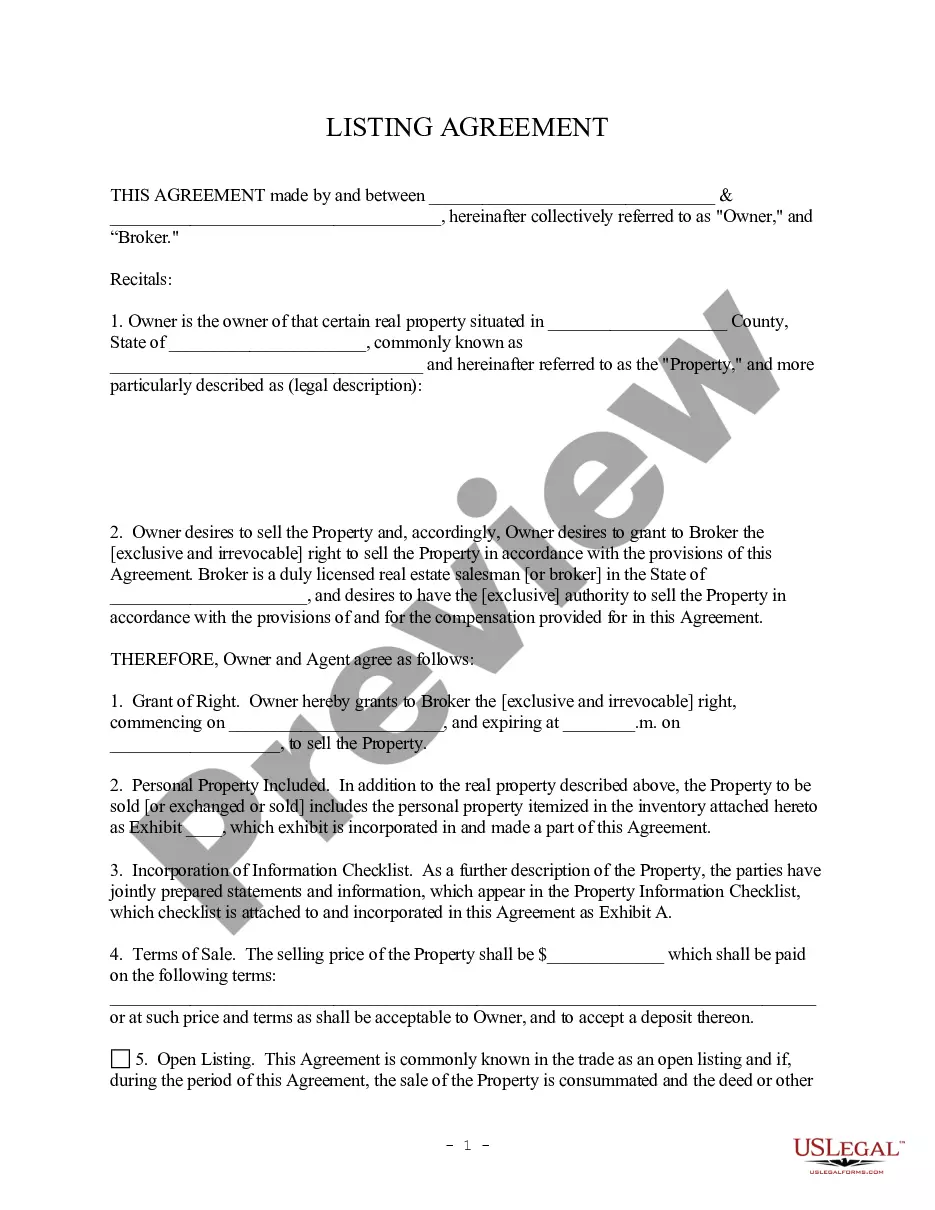
How to fill out New Jersey Special Or Limited Power Of Attorney For Real Estate Sales Transaction By Seller?
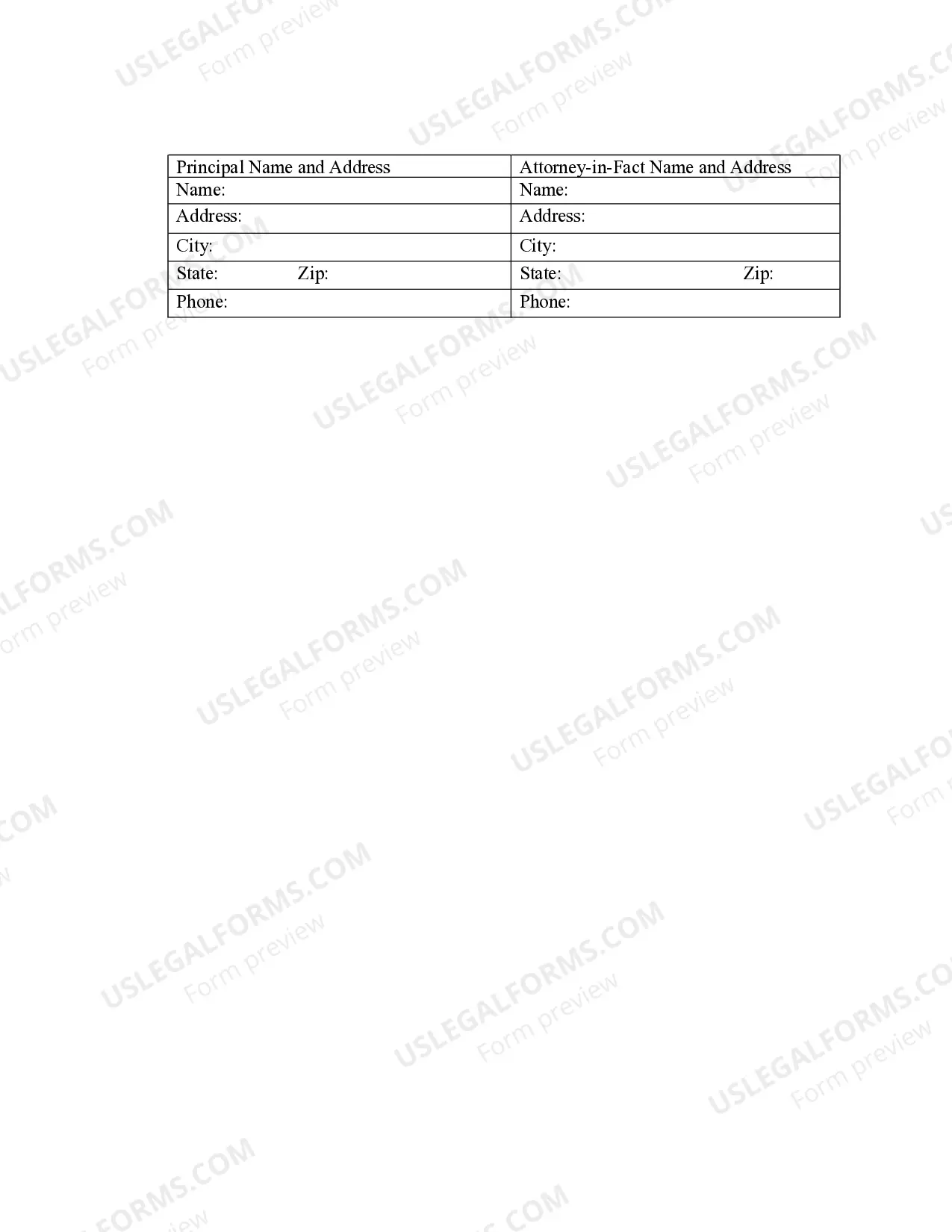
The NJ Attorney Real Estate Withdrawal displayed on this page is a reusable official template created by qualified attorneys in accordance with federal and local regulations.
For over 25 years, US Legal Forms has supplied individuals, businesses, and legal experts with more than 85,000 validated, state-specific documents for any business and personal situation. It’s the quickest, most uncomplicated, and most dependable method to acquire the documents you require, as the service ensures the utmost level of data protection and anti-malware security.
Register for US Legal Forms to have verified legal templates for all of life’s situations at your fingertips.
- Search for the form you need and examine it.
- Browse the document you looked for and preview it or verify the form description to ensure it meets your requirements. If it doesn’t, use the search bar to find the appropriate one. Click Buy Now after locating the template you require.
- Register and Log In.
- Choose the pricing option that fits you and create an account. Use PayPal or a credit card to make a swift payment. If you already possess an account, Log In and check your subscription to proceed.
- Acquire the editable template.
- Select the format you prefer for your NJ Attorney Real Estate Withdrawal (PDF, DOCX, RTF) and save the document on your device.
- Complete and sign the document.
- Print the template to fill it out manually. Alternatively, utilize an online multi-functional PDF editor to quickly and accurately complete and sign your form with a valid signature.
- Download your document again.
- Access the same document again whenever necessary. Open the My documents tab in your profile to redownload any previously acquired documents.
Form popularity
FAQ
Even if the matter is not pending before a tribunal, the ethics rules of most states provide that a lawyer cannot withdraw until he or she has taken reasonable steps to avoid foreseeable prejudice to the rights of his client, such as giving notice to the client, allowing time for employment of other counsel, delivering ...
Under Rule 1.16(a), lawyers are required to either decline to represent a client, or to withdraw, when the representation would result in a violation of the rules of professional conduct or other law; the lawyer's physical or mental condition materially impairs their ability to represent client; or the lawyer has been ...
Mandatory Withdrawal the lawyer is discharged by the client; the lawyer's physical or mental condition materially impairs the lawyer's ability to represent the client; or. the representation will result in a violation of the Rules of Professional Conduct or other law.
I am writing to officially notify you that I am terminating your services immediately. This is because {reason(s) for terminating the representation}. You do not have permission to send any demands on my behalf and I am advising the insurance company that you no longer represent me for this personal injury claim.
Attorneys may withdraw from representation for the client's nonpayment subject to court approval and the specific facts and circumstances. Nonpayment of fees may constitute an unreasonable financial burden or failure to fulfill an obligation. Reasonable warning to the client will be required.