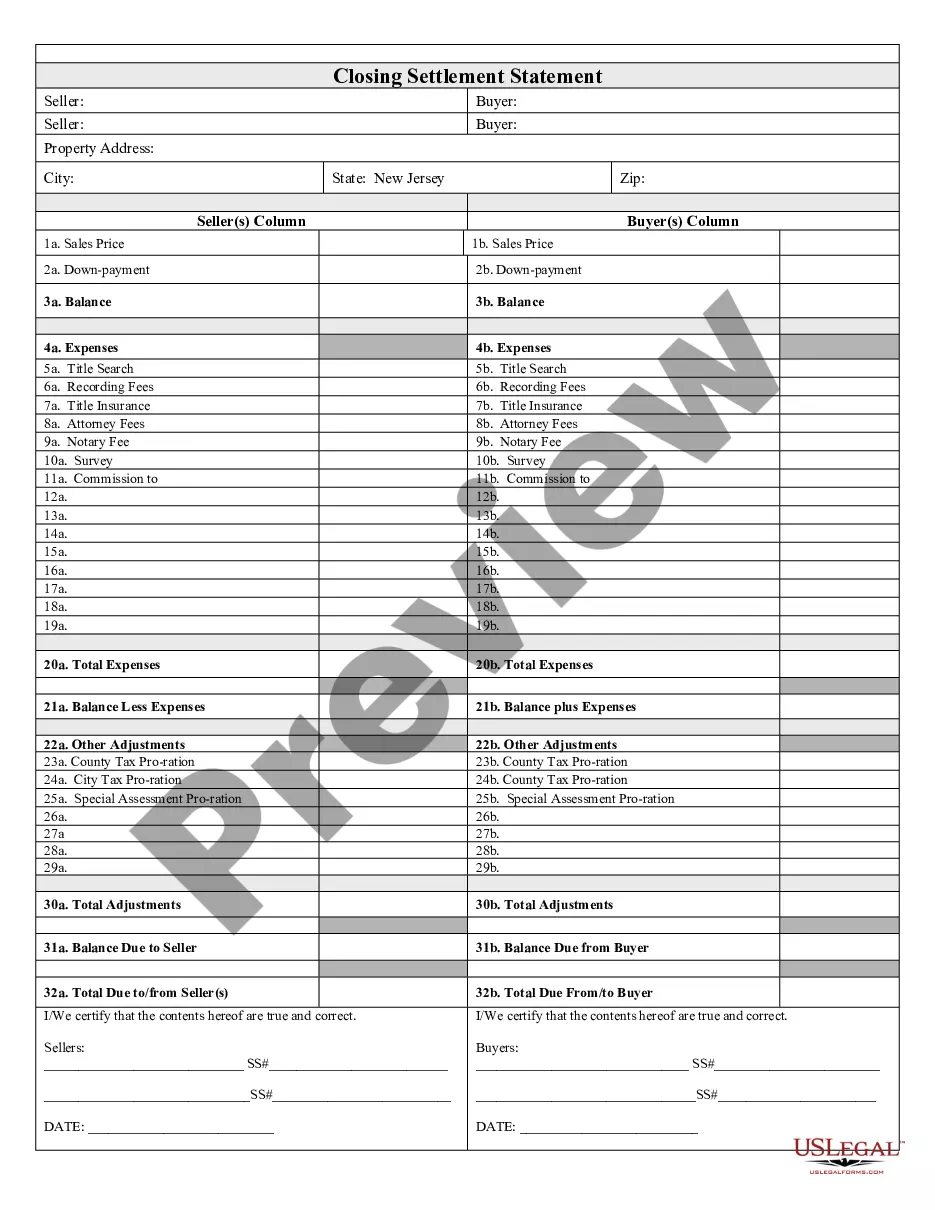
Closing Statement For Conclusion
Description

Get your form ready online
Our built-in tools help you complete, sign, share, and store your documents in one place.
Make edits, fill in missing information, and update formatting in US Legal Forms—just like you would in MS Word.
Download a copy, print it, send it by email, or mail it via USPS—whatever works best for your next step.
Sign and collect signatures with our SignNow integration. Send to multiple recipients, set reminders, and more. Go Premium to unlock E-Sign.
If this form requires notarization, complete it online through a secure video call—no need to meet a notary in person or wait for an appointment.
We protect your documents and personal data by following strict security and privacy standards.

Make edits, fill in missing information, and update formatting in US Legal Forms—just like you would in MS Word.

Download a copy, print it, send it by email, or mail it via USPS—whatever works best for your next step.

Sign and collect signatures with our SignNow integration. Send to multiple recipients, set reminders, and more. Go Premium to unlock E-Sign.

If this form requires notarization, complete it online through a secure video call—no need to meet a notary in person or wait for an appointment.

We protect your documents and personal data by following strict security and privacy standards.
Looking for another form?






How to fill out New Jersey Closing Statement?
- If you're a returning user, simply log in to your account to download the form you need. Be sure your subscription is active—if not, renew it according to your payment plan.
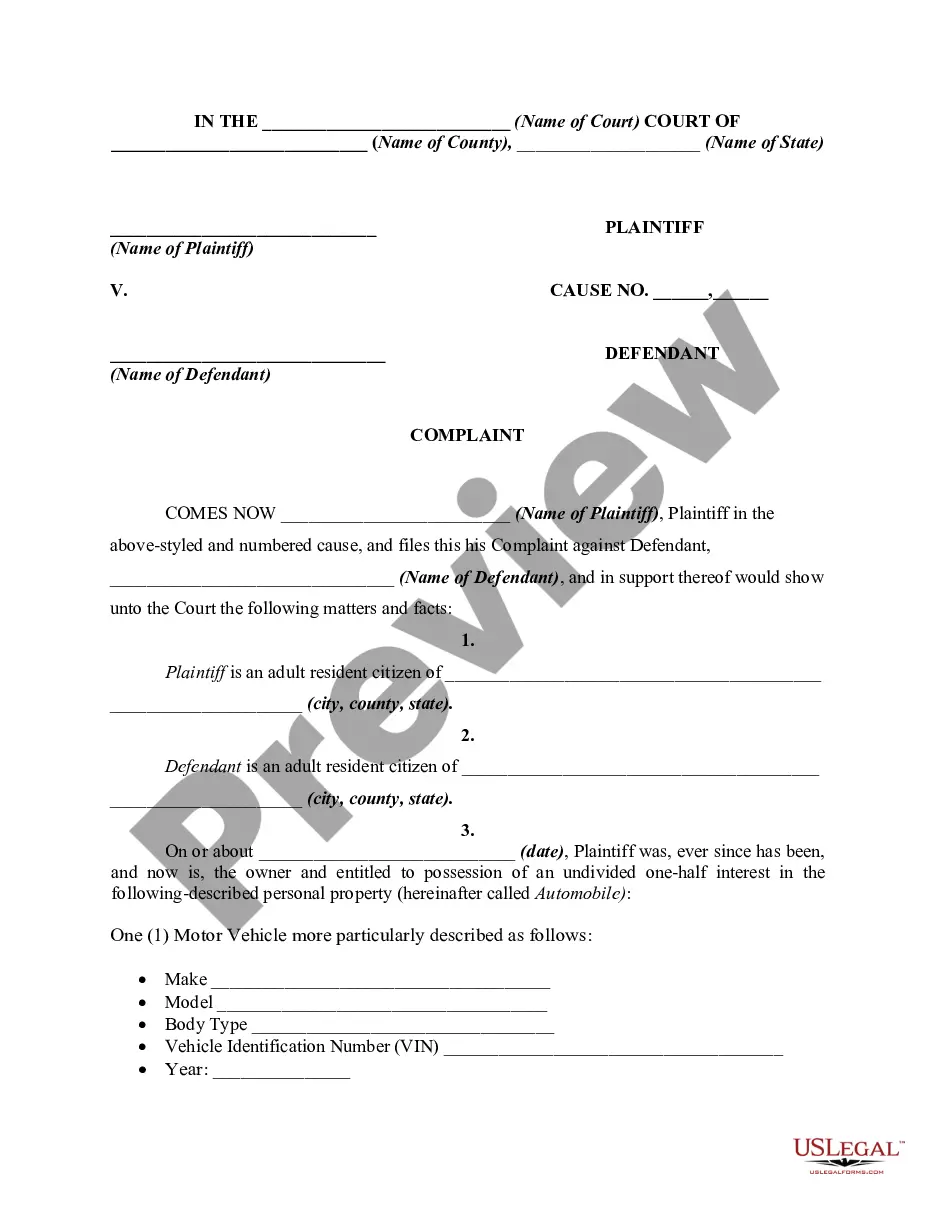
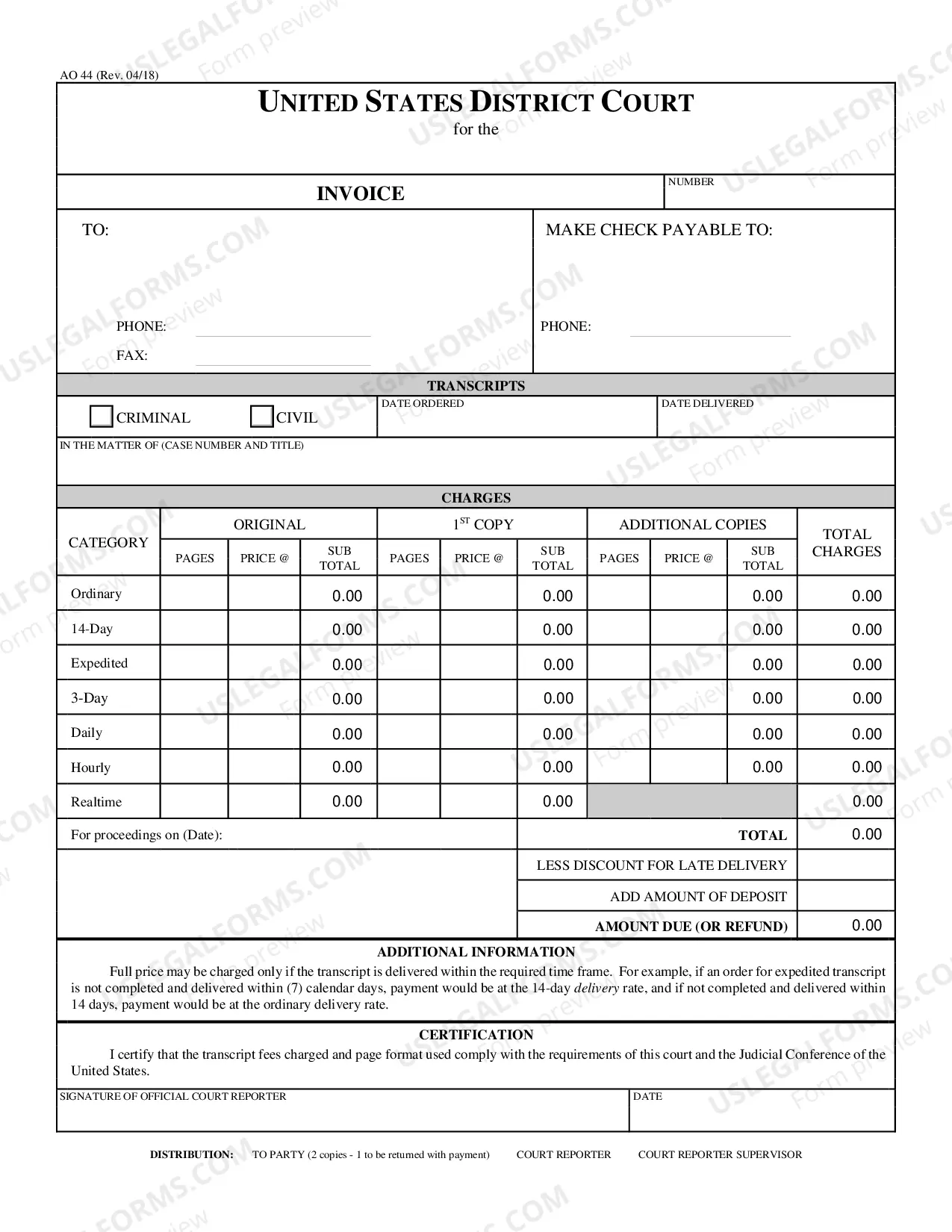
- For first-time users, start by reviewing the templates available. Check the preview and description to confirm the form satisfies your specific needs and complies with local regulations.
- If the desired form isn't found, utilize the Search tab to locate the correct document. Once identified, proceed to the next step.
- Purchase the form by clicking the Buy Now button and selecting your preferred subscription plan. You'll need to create an account to access the library.
- Complete your transaction by entering credit card information or opting for PayPal. After payment, you can download the template directly to your device.
- Access your downloaded form anytime from your profile under My Forms to begin completion.
In conclusion, US Legal Forms offers a robust solution for acquiring legal documents quickly and reliably. Their extensive online library and expert assistance ensure you have legally sound forms tailored to your needs.
Don't hesitate—start your legal journey with US Legal Forms today!
Form popularity
FAQ
An effective example of a conclusion statement could be, 'Ultimately, the fight against climate change relies on collective action and persistent advocacy.' This type of statement serves as a powerful closing statement for conclusion, reminding readers of their role in addressing critical issues.
To write a concluding statement, start by revisiting your main arguments. Then, synthesize this information into a concise summary without introducing new ideas. A strong closing statement for conclusion reinforces the significance of your topic, ensuring that your readers leave with a clear understanding of your message.
Ending a conclusion statement effectively involves summarizing your key points and drawing a final insight. Encourage readers to think about the implications of your argument. An impactful closing statement for conclusion could invite the audience to take action or consider a new perspective based on what they've read.
A compelling last sentence for a conclusion ties together your argument while encouraging further thought. You might say, 'In summary, taking proactive steps to combat climate change is not just a choice, but a necessity for our planet's future.' Using a strong closing statement for conclusion boosts the impact of your writing.
A conclusion offers a summary of your main points and reinforces your argument. For instance, in a research paper discussing the impact of climate change, your closing statement for conclusion could restate the importance of immediate action. This helps to leave a lasting impression on your readers and ensures they understand your perspective.
The last sentence in the conclusion serves as the closing statement for your conclusion. It summarizes the main points and reinforces the key message. By crafting a strong closing statement, you leave a lasting impression on your audience. At US Legal Forms, we provide resources that help you create effective conclusions that resonate.
An effective ending conclusion should summarize your essential points while leaving a lasting impression. A well-crafted closing statement for conclusion serves to encapsulate your main arguments while encouraging your audience to act or reflect on the information presented. Focus on clarity and brevity; avoid introducing new concepts at this stage. This approach ensures that your conclusion resonates with your readers long after they've finished reading.
You can use 'to conclude' as a transitional phrase that signals you are wrapping up your thoughts. For instance, you might say, 'To conclude, it's essential to recognize the impact of effective communication.' This showcases a strong closing statement for conclusion by summarizing your main argument. Such transitions guide the reader smoothly towards the end of your piece, making your writing more cohesive.
To write a compelling closing sentence for a conclusion, aim for a statement that ties back to your introduction. This closing statement for conclusion should encapsulate your key themes and invite the reader to think further. You might emphasize the implications of your findings or propose future directions based on what you have described. Clear and concise communication helps solidify the reader's understanding.
Writing a good closing conclusion involves summarizing your arguments and restating the importance of your topic. A powerful closing statement for conclusion should resonate with your readers, making them reflect on what they have learned. Additionally, leave them with a thought-provoking remark or call to action that encourages further consideration. Doing so reinforces the project’s significance in their lives.