Failure Use Heating For Pools
Description


Get your form ready online
Our built-in tools help you complete, sign, share, and store your documents in one place.
Make edits, fill in missing information, and update formatting in US Legal Forms—just like you would in MS Word.
Download a copy, print it, send it by email, or mail it via USPS—whatever works best for your next step.
Sign and collect signatures with our SignNow integration. Send to multiple recipients, set reminders, and more. Go Premium to unlock E-Sign.
If this form requires notarization, complete it online through a secure video call—no need to meet a notary in person or wait for an appointment.
We protect your documents and personal data by following strict security and privacy standards.

Make edits, fill in missing information, and update formatting in US Legal Forms—just like you would in MS Word.

Download a copy, print it, send it by email, or mail it via USPS—whatever works best for your next step.

Sign and collect signatures with our SignNow integration. Send to multiple recipients, set reminders, and more. Go Premium to unlock E-Sign.

If this form requires notarization, complete it online through a secure video call—no need to meet a notary in person or wait for an appointment.

We protect your documents and personal data by following strict security and privacy standards.
Looking for another form?







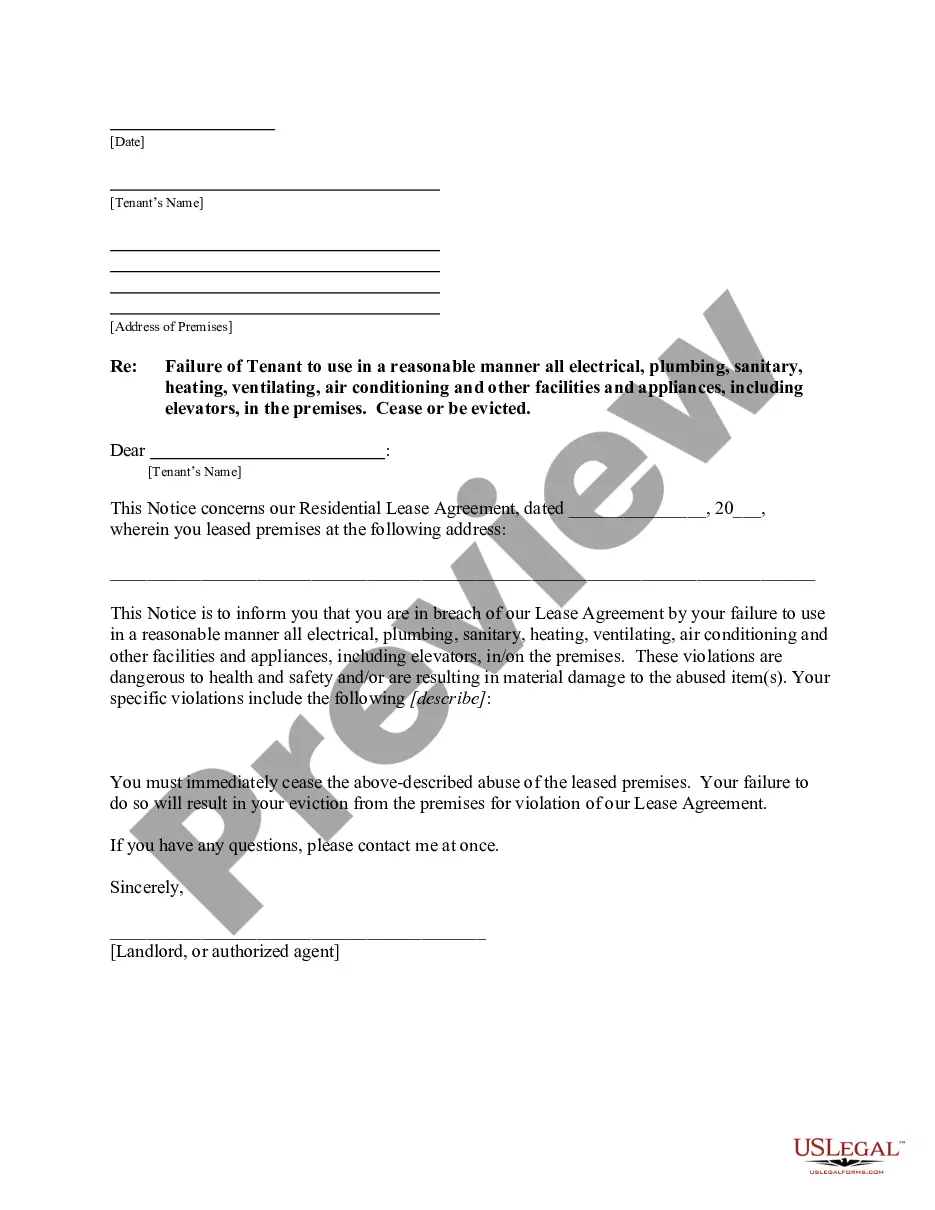
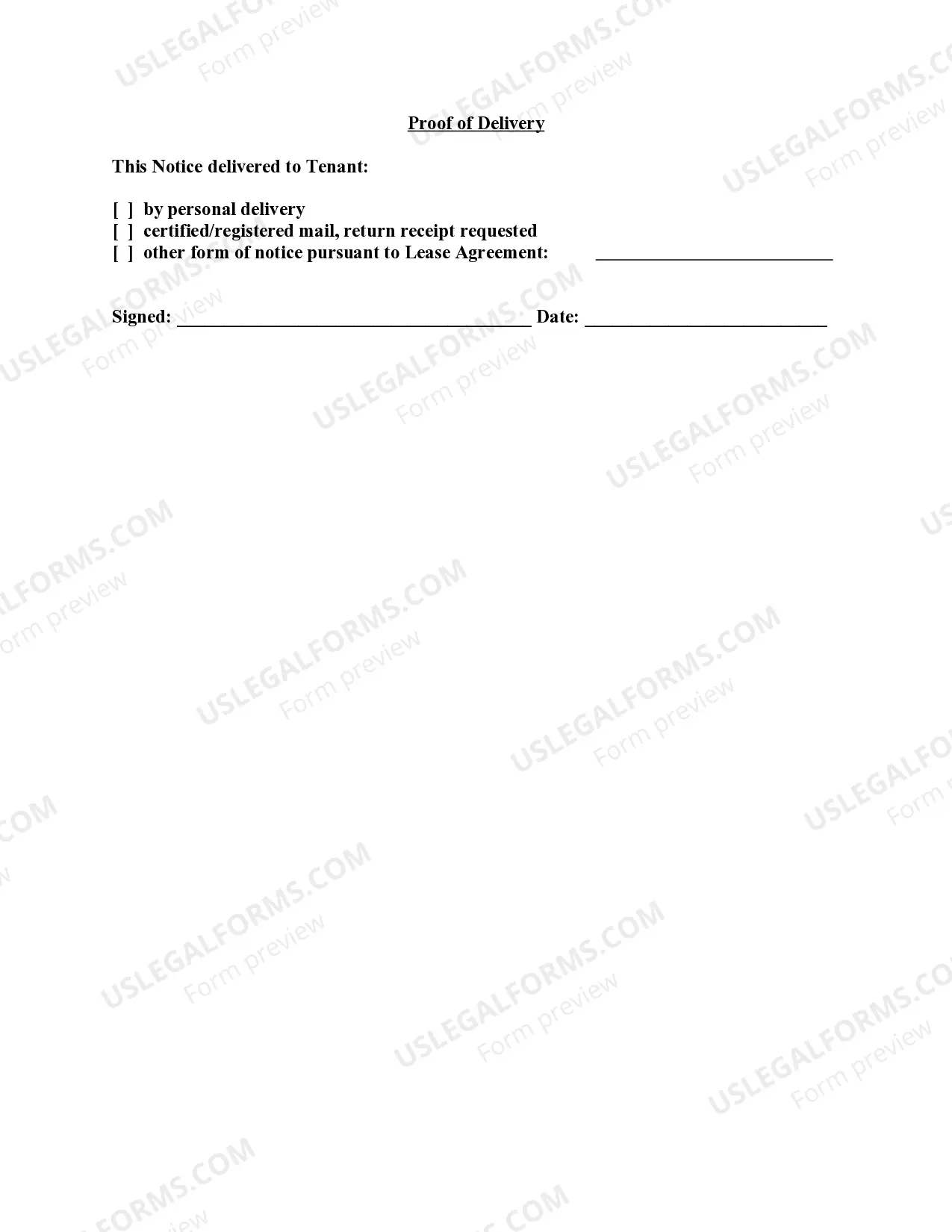
How to fill out New Jersey Letter From Landlord To Tenant For Failure To Use Electrical, Plumbing, Sanitary, Heating, Ventilating, Air Conditioning And Other Facilities In A Reasonable Manner?
- If you are an existing user, log into your account and click the Download button to retrieve your required form template. Ensure your subscription is active; if not, please renew it based on your chosen plan.
- For new users, start by reviewing the preview mode and form description to ensure the selected document aligns with your legal needs and local jurisdiction.
- Should you need a different template, utilize the Search tab to discover additional options that are more suitable for your requirements.
- Purchase the document by clicking on the Buy Now button and select a subscription plan that fits your needs, registering an account to access the full library.
- Complete your purchase by entering your credit card information or using your PayPal account to secure the subscription.
- Finally, download your form and save it for completion, noting that you can access it at any time in the My Forms section of your profile.
In conclusion, US Legal Forms offers a robust library of over 85,000 legal forms designed to simplify the process of creating legally binding documents. With premium expert assistance available, you can ensure your forms are precise and compliant, enhancing your peace of mind.
Start exploring your legal form options today and empower yourself with the tools you need for successful pool management!
Form popularity
FAQ
Typically, water does not run through a pool heater when it is not in use, unless the system is designed to allow for circulation. However, standing water can lead to issues if the heater is not properly drained or maintained. Ensure that your system is designed and maintained correctly to prevent damage. Understanding how your specific system operates can help you avoid the pitfalls of failure use heating for pools.
Pool heaters can fail due to several reasons, including poor maintenance, outdated components, or system overloads. Problems like sediment buildup can affect efficiency, and worn-out parts can lead to complete breakdowns. Regular checks can prevent many of these issues and ensure longevity, supporting consistent heating. Being proactive is vital to avoid the consequences of failure use heating for pools.
Sensor failure on a pool heater typically indicates that the temperature readings are incorrect, leading to overheating or insufficient heating. This can result in discomfort and energy inefficiency, as your pool may not reach the desired temperature. Addressing sensor issues promptly is crucial to ensure proper heating performance. Ignoring these signs can lead to greater problems and even failure use heating for pools.
To replace a hot water heater sensor, you first need to turn off the power and shut off the water supply. Next, remove the old sensor by carefully disconnecting the wiring and twisting it out of its mounting. Install the new sensor by reversing the process, ensuring that all connections are tight and secure. Regular maintenance is key to preventing failure use heating for pools, so consider checking the sensor periodically.
Yes, you can have a pool without a heater, but it may limit your swimming season. Without heating, water temperatures can become uncomfortable, especially in cooler climates. Considering the failure to use heating for pools might restrict your enjoyment, investing in a heater offers more flexibility for year-round swimming.
Pool heating may fail due to electrical issues, mechanical failures, or incorrect settings. Common symptoms include lack of warm water or unusual noises from the heater. A continued failure to use heating for pools may indicate a larger problem, so regular assessments are crucial for maintaining optimal function.
To bypass a Hayward heater, locate the bypass valve in your plumbing system. Closing that valve will allow water to flow around the heater, helping you troubleshoot any issues. If you notice consistent failure to use heating for pools afterward, it might be time to contact a technician for further inspection.
Your pool heater may not start for various reasons, such as a faulty thermostat or issues with the power supply. Inadequate maintenance could also contribute to frequent failure to use heating for pools. Regular checks and maintenance can help ensure your system runs smoothly, providing consistent warmth.
Yes, you can turn off your pool heater when it's not in use. This can save energy and reduce operating costs, which is beneficial if you experience failure to use heating for pools during off-seasons. Just remember to turn it back on ahead of time before swimming to achieve optimal results.
If the bypass valve on your pool heater is closed, water will not circulate through the heater. This closure can lead to failure to use heating for pools effectively, causing cool water in your pool. Ensure that the valve is properly positioned to maintain a comfortable temperature for swimming.