Non-javadoc @see
Description
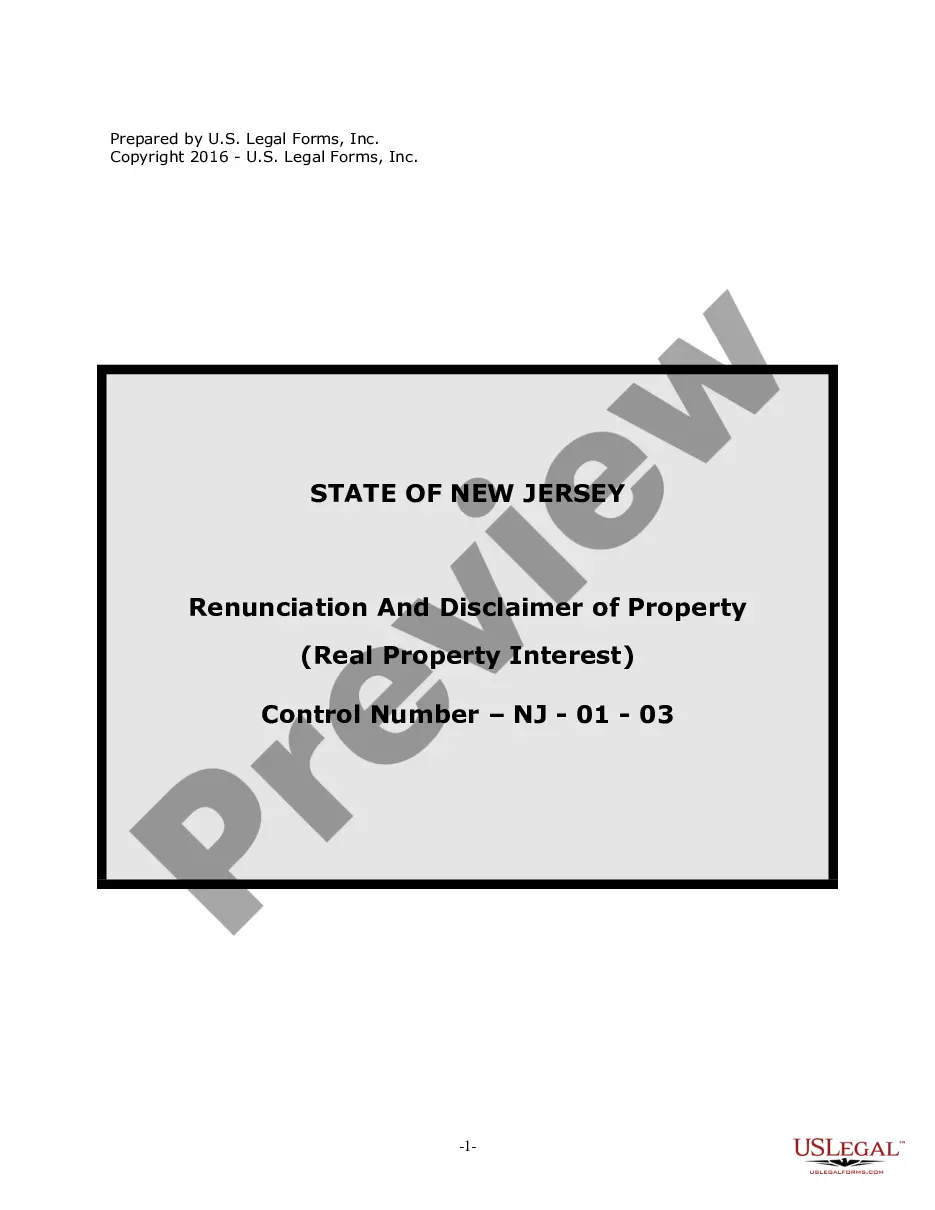
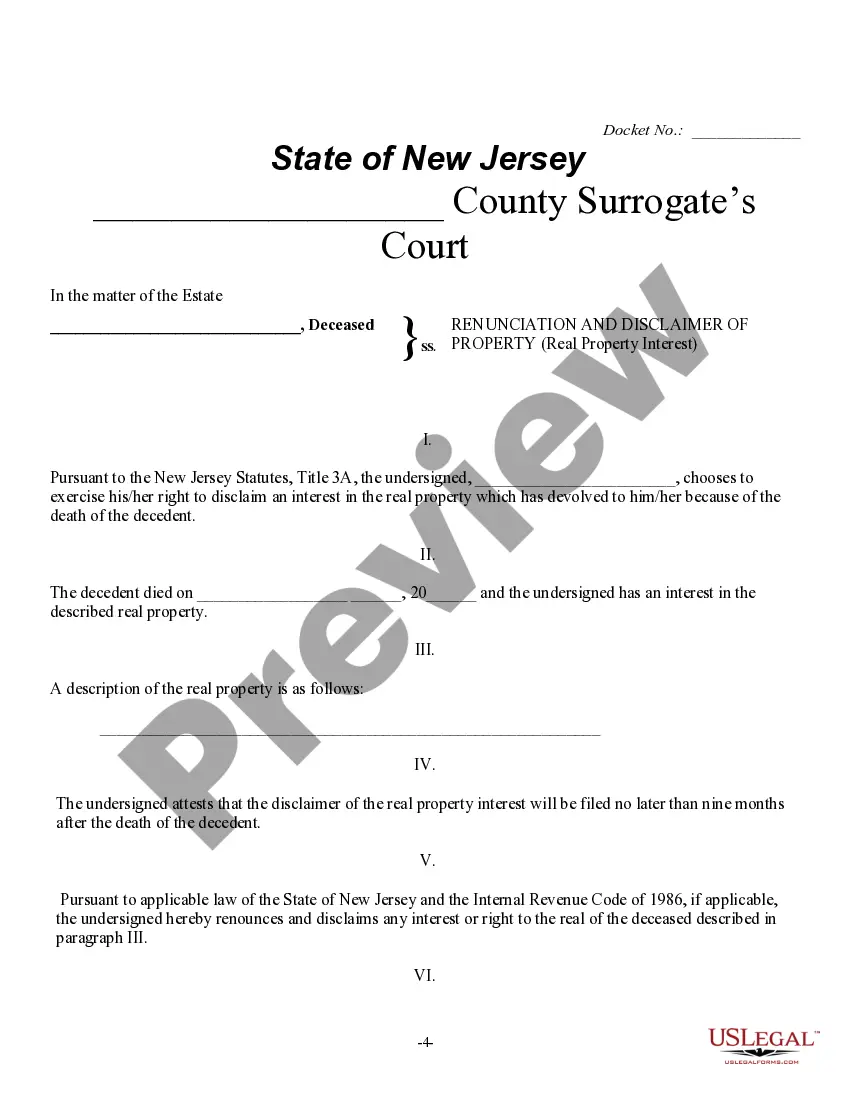
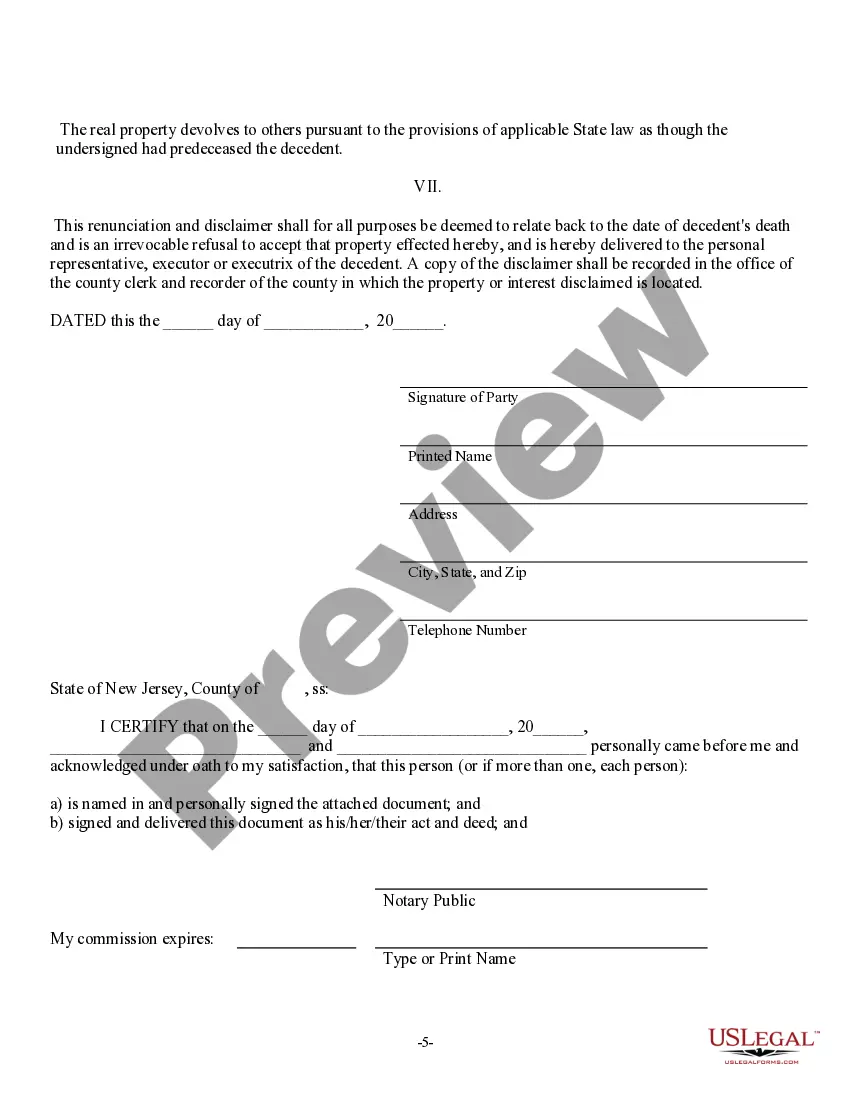


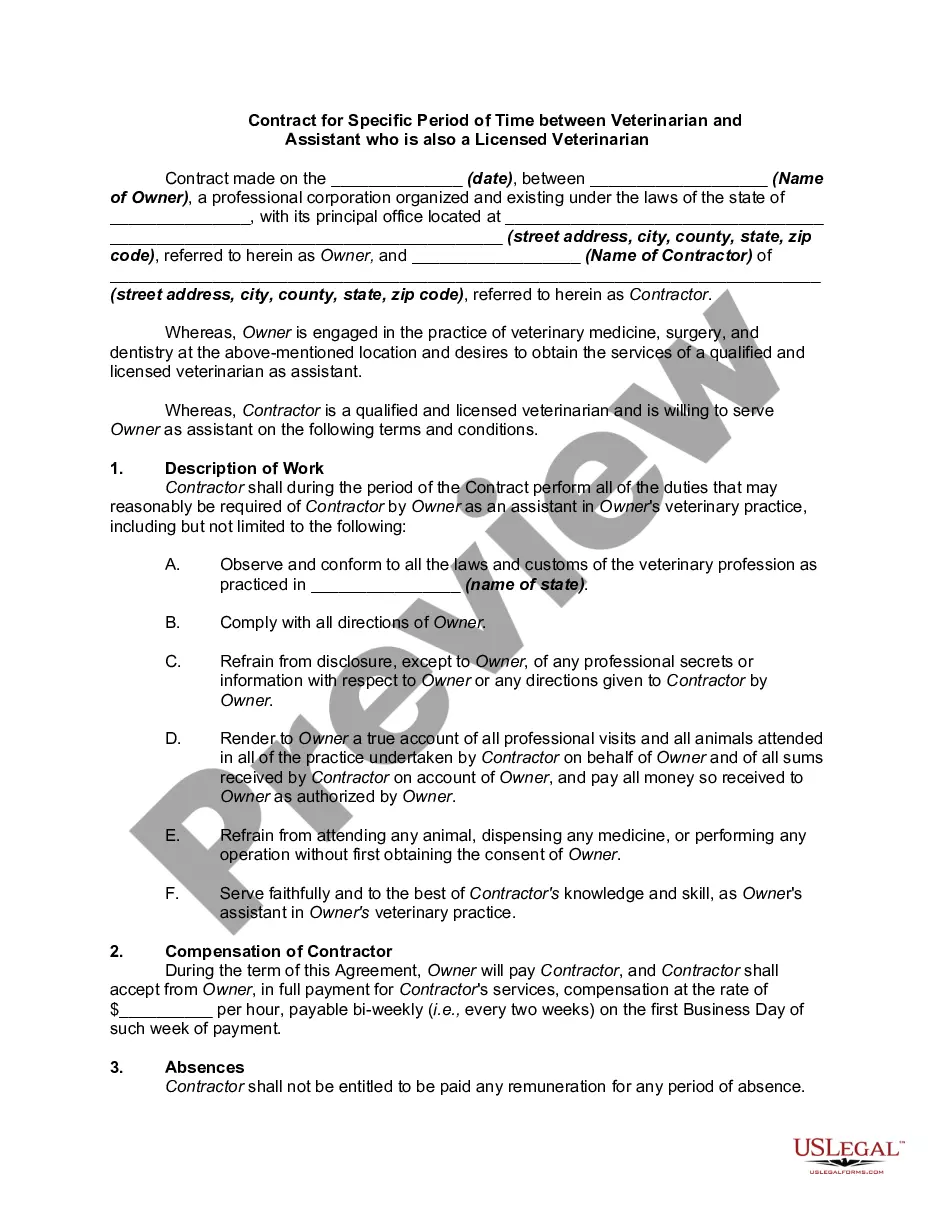
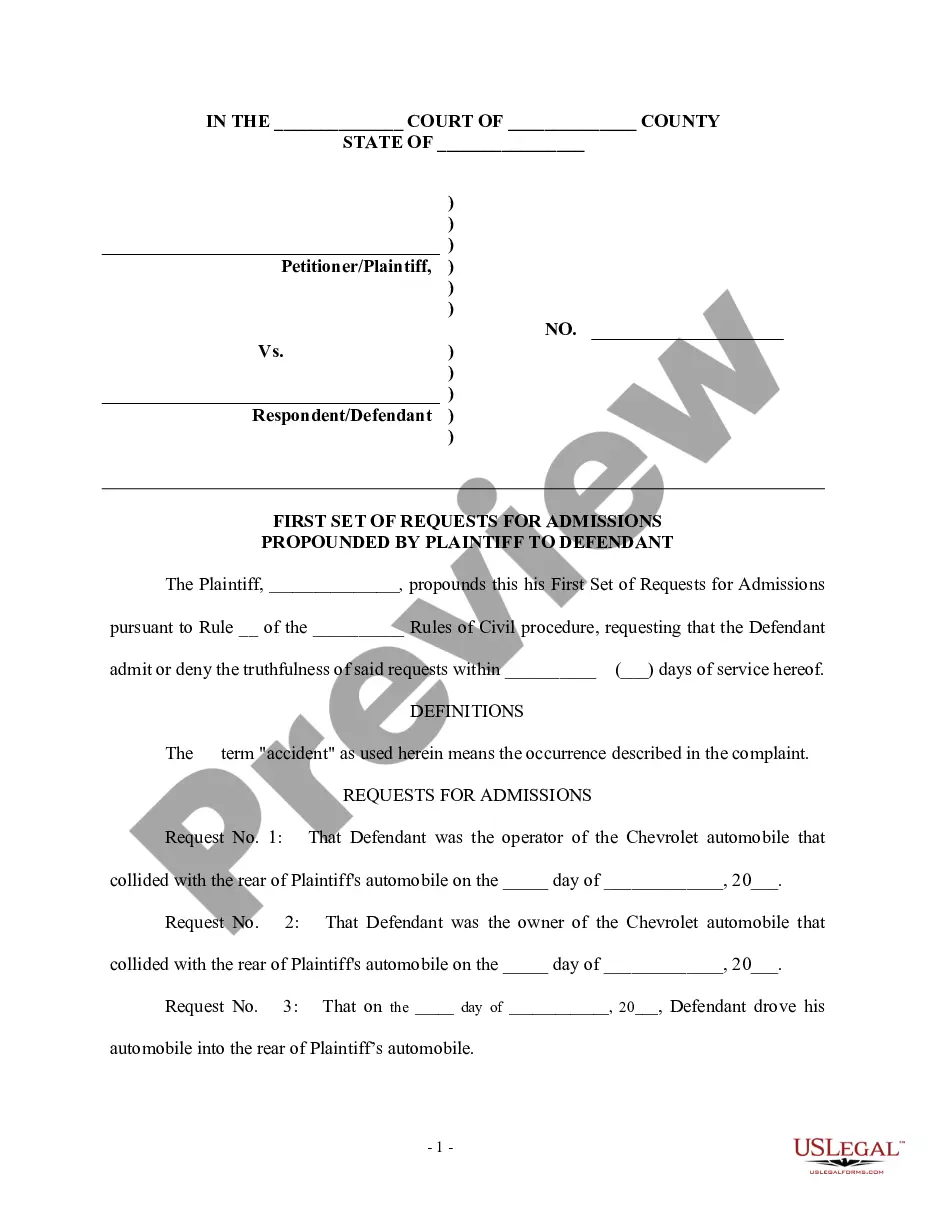
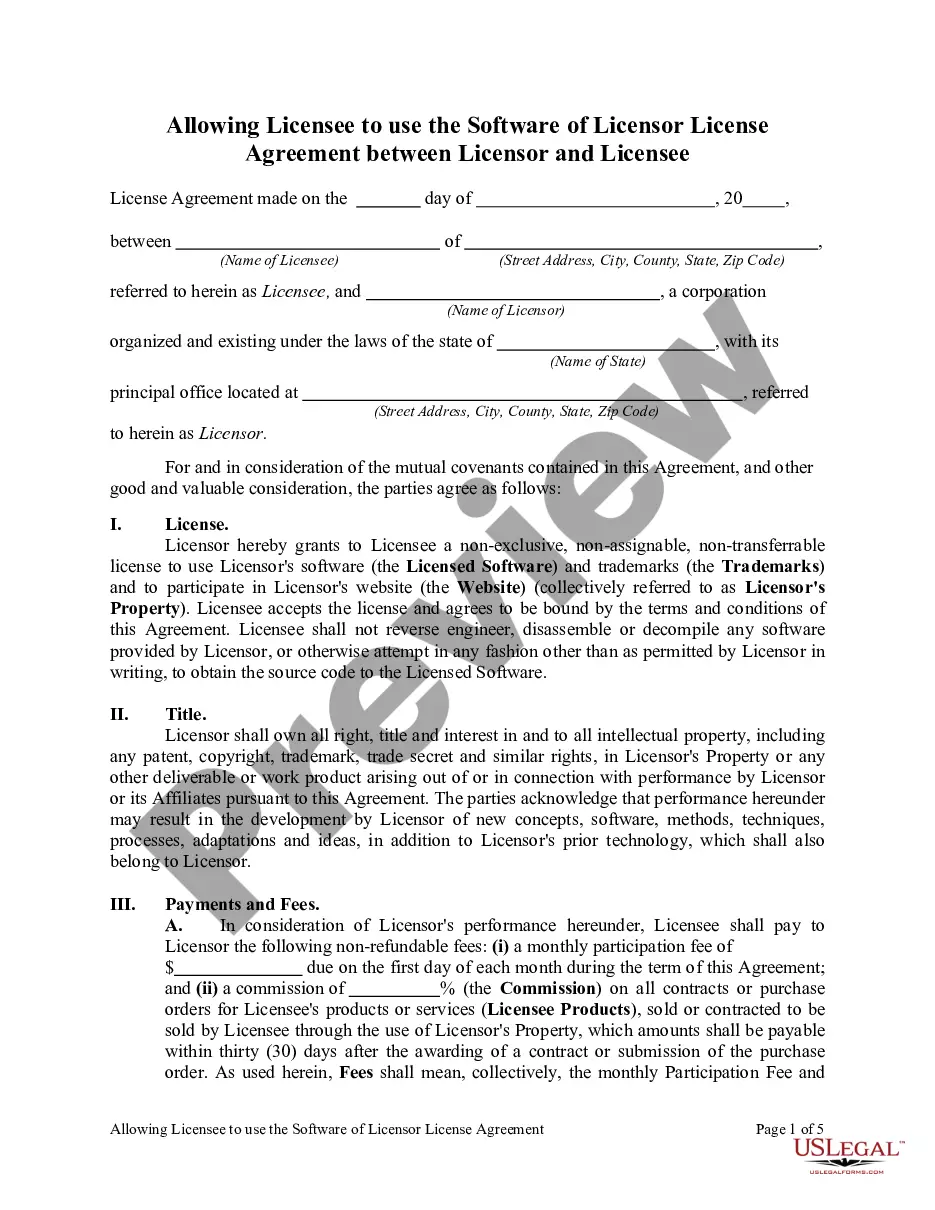
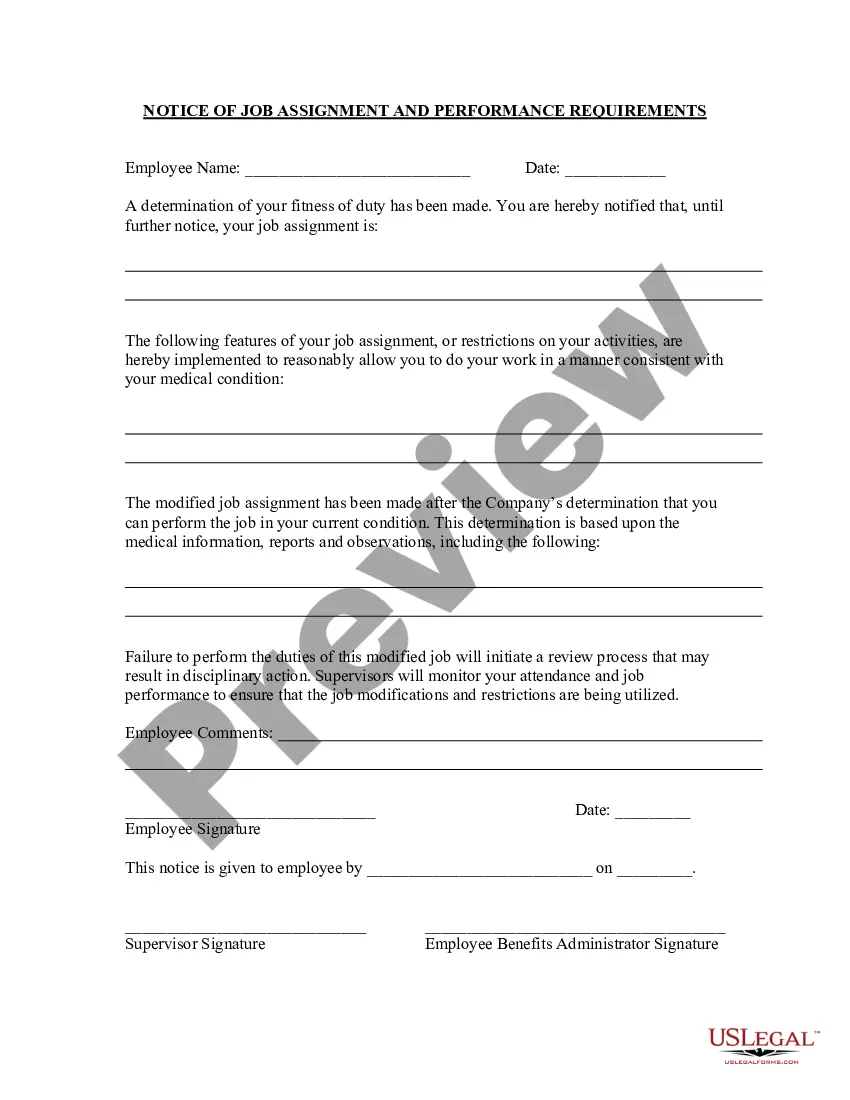
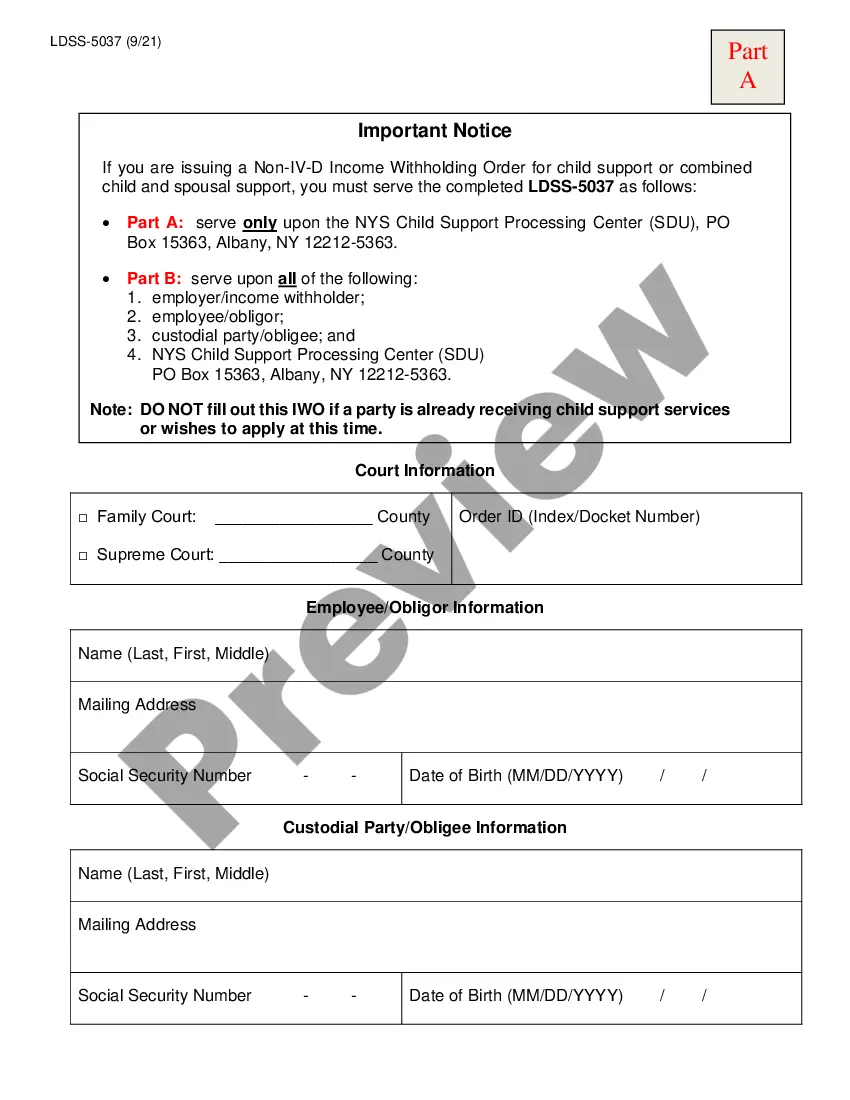
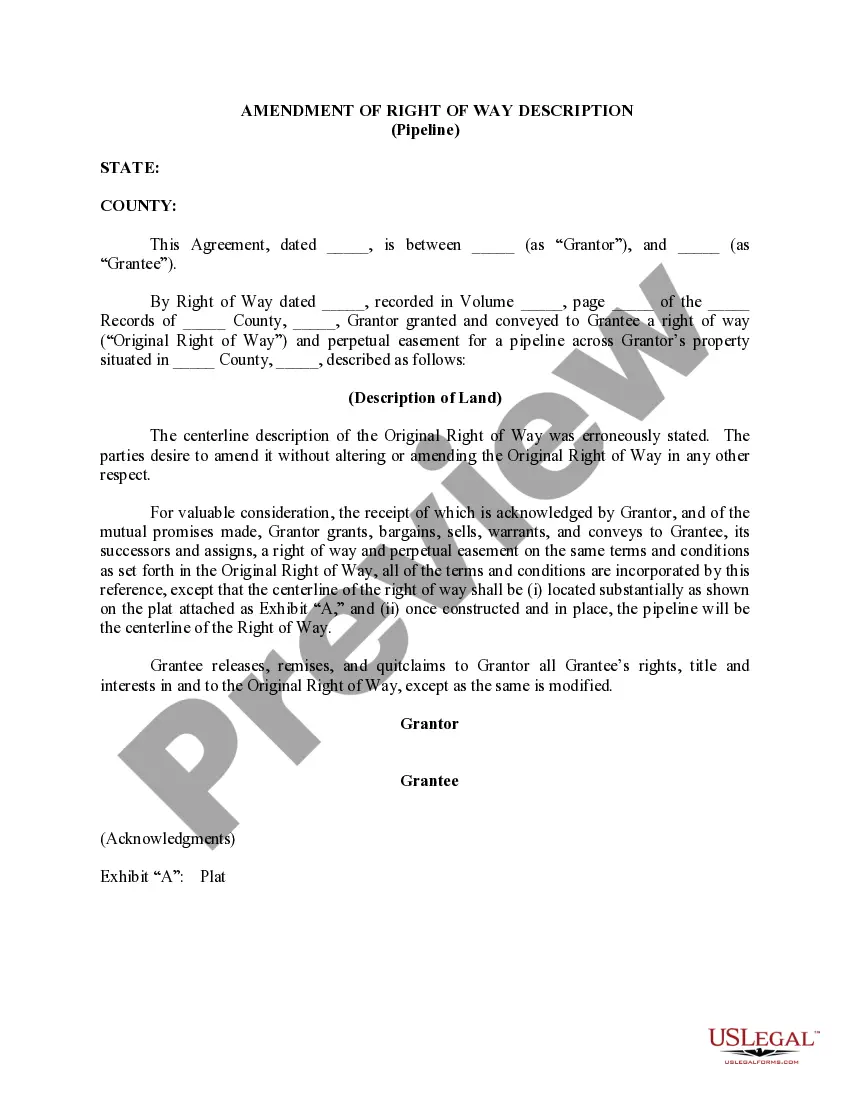
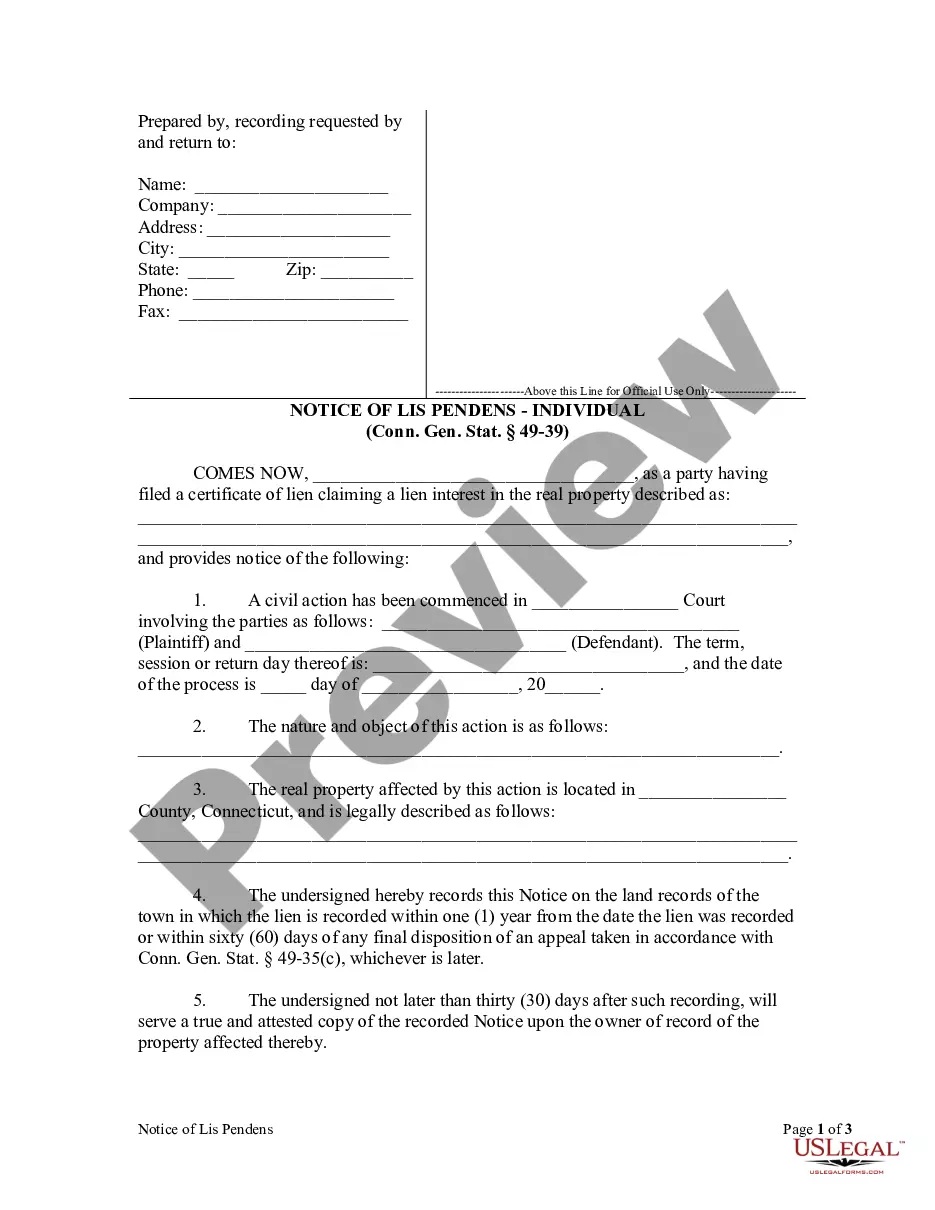
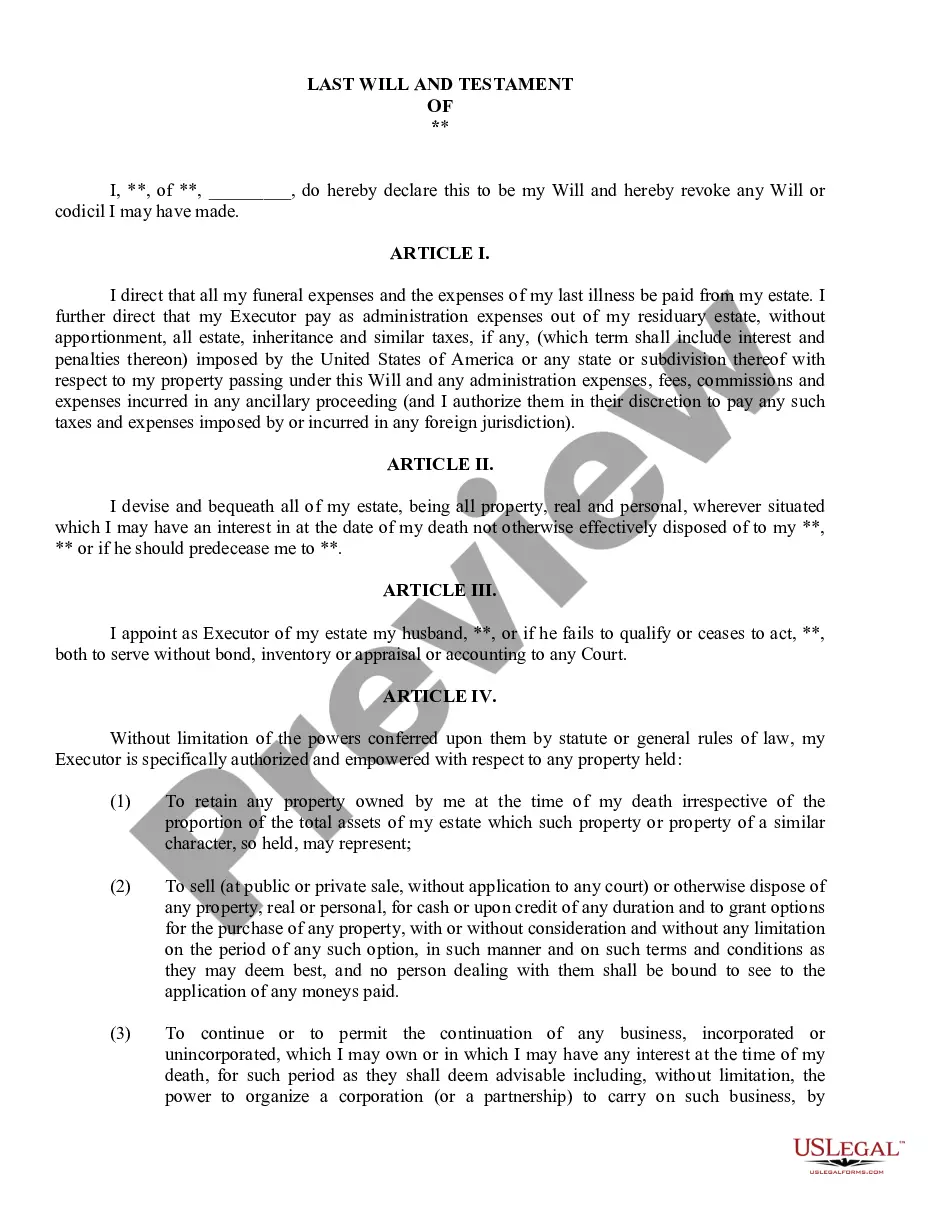
How to fill out New Jersey Renunciation And Disclaimer Of Real Property Interest?
- If you are a returning user, log in to your account and select the required form by clicking on the Download button. Verify that your subscription is active, and renew it if necessary.
- For first-time users, start by reviewing the Preview mode and form description to ensure it meets your needs and complies with local jurisdiction requirements.
- If the selected form does not meet your needs, utilize the Search tab above to find a more appropriate template.
- Once you locate the correct document, click on the Buy Now button and select your preferred subscription plan. You will need to create an account for full access to the library.
- Proceed with your purchase by providing your credit card information or opting for PayPal to complete the transaction.
- Finally, download the form to your device, allowing you to easily complete it as necessary. You can always access it again in the My Forms section of your profile.
In conclusion, US Legal Forms offers a robust solution for legal documentation needs with a comprehensive collection that surpasses most competitors. With the guidance provided, obtaining your necessary legal forms has never been easier.
Start your seamless legal journey today by visiting US Legal Forms and exploring the vast array of resources available to you.
Form popularity
FAQ
@link and @see serve similar purposes but differ in usage. While @see references related classes or methods, @link creates inline links, allowing users to jump directly to those references in the documentation. Choosing between them depends on your needs for contextual clarity and link visibility. Using both judiciously can structure your documentation effectively.
Enabling Javadoc typically involves configuring your Integrated Development Environment to generate documentation automatically. Check your IDE settings, where you can often find Javadoc options under 'Build' settings. You can also use command-line tools for a more manual approach if preferred. Ensuring Javadoc is enabled can significantly improve your documentation quality.
@param in Javadoc is used to describe the parameters a method accepts. It provides essential information about parameter types and purposes, enhancing comprehension for others. Clear usage of @param can prevent misunderstanding and mistakes in code utilization. By documenting parameter specifics, you make your methods easier to understand and use.
@code in Javadoc allows you to display snippets of code within your documentation. It provides a clearer perspective on how to implement certain functionalities directly in your codebase. Utilizing @code responsibly can make your documentation more practical and engaging for users. This beneficial tag offers clarity and reinforces the knowledge shared in your documentation.
The @see method in Javadoc is used to link to related classes, interfaces, or methods that provide additional context. It helps developers make connections between different parts of the code, enhancing their understanding. Incorporating @see can mitigate confusion and promote best practices in code documentation. This way, your documentation becomes interlinked and user-friendly.
@see in Javadoc serves to reference other classes or methods that may be relevant to the current context. It enhances understanding by connecting related components of the code. Using @see judiciously can create a cohesive documentation structure, guiding readers through your project's intricacies. Be consistent in its application to maximize its effectiveness.
Javadoc generation can be executed from within popular IDEs, including Eclipse and IntelliJ IDEA. Additionally, command-line tools are available for creating Javadoc if you prefer more control over the process. You can also explore various online tools that facilitate Javadoc generation. Having multiple options allows you to choose the method that fits your workflow best.
Non-Javadoc refers to any comment or documentation that does not adhere to the Javadoc standards. It may be informal or lack structure, which can lead to confusion for users. It's crucial to differentiate between well-formed Javadoc and non-standard comments, as the latter may not effectively communicate your code's purpose. Ensuring proper usage of tags like @see can bridge this gap effectively.
If you're facing missing Javadoc issues, revisit your code comments and check if all public methods and classes have corresponding Javadoc. Adding the necessary tags will fill in the gaps, enhancing code readability. Tools like Javadoc validators can also help in identifying and rectifying these omissions. By addressing these areas, your documentation will become more comprehensive.
To fix Javadoc errors, start by reviewing the warnings generated during the Javadoc generation process. Ensure all tags, like @see and @param, are correctly used and appropriately formatted. You can also consult IDE documentation for detailed guidance on Javadoc corrections. Implementing these steps will streamline your documentation and minimize errors.