New Hampshire Trust Without Spouse
Description
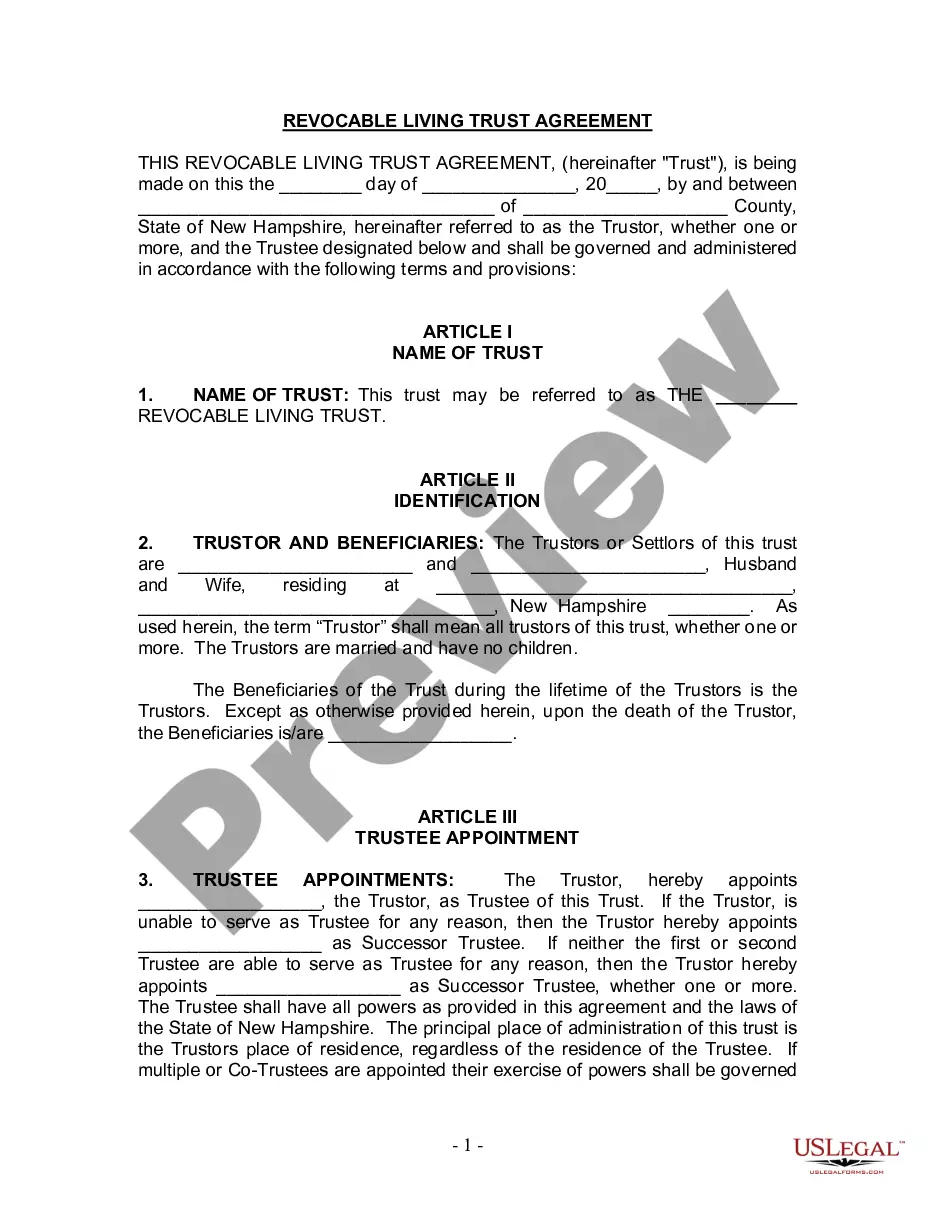
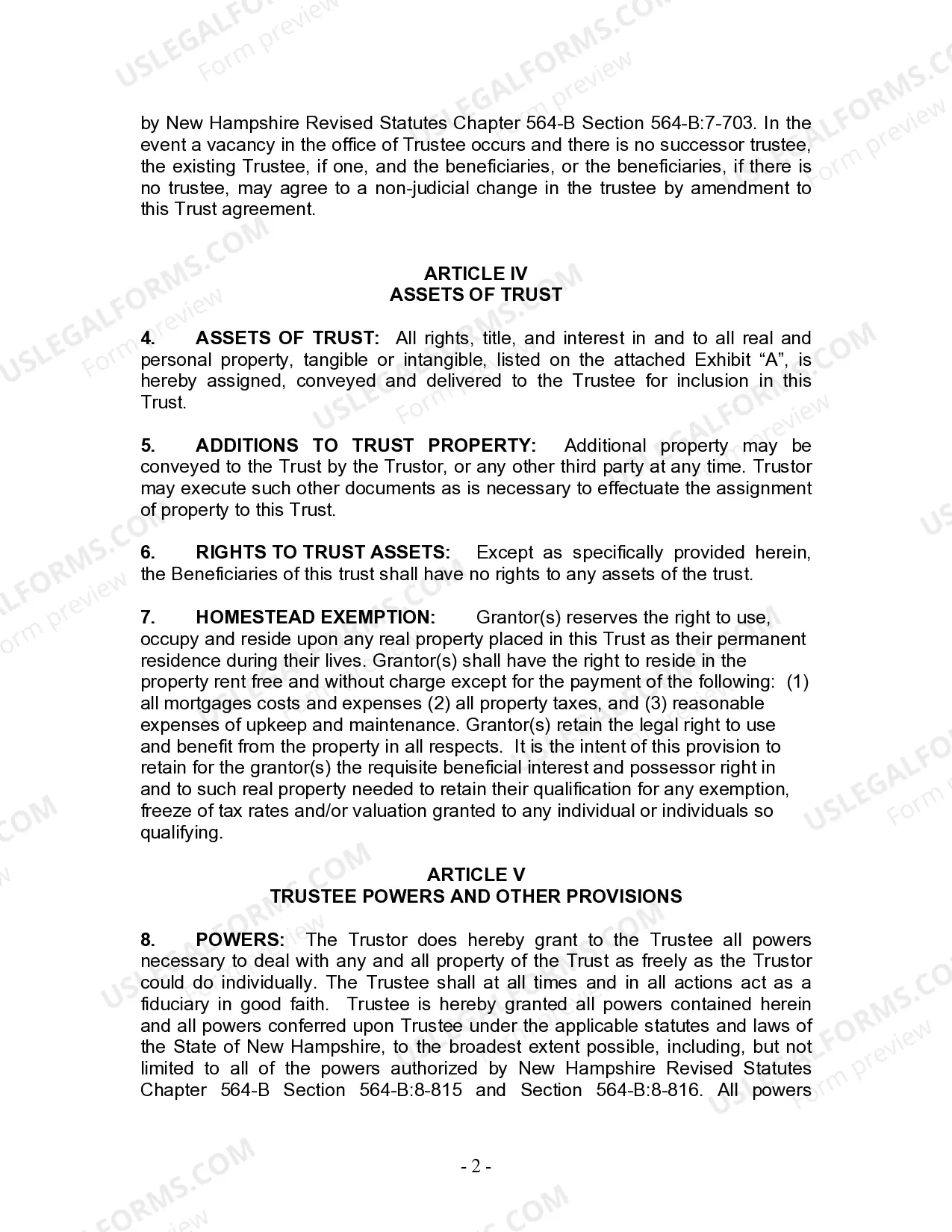
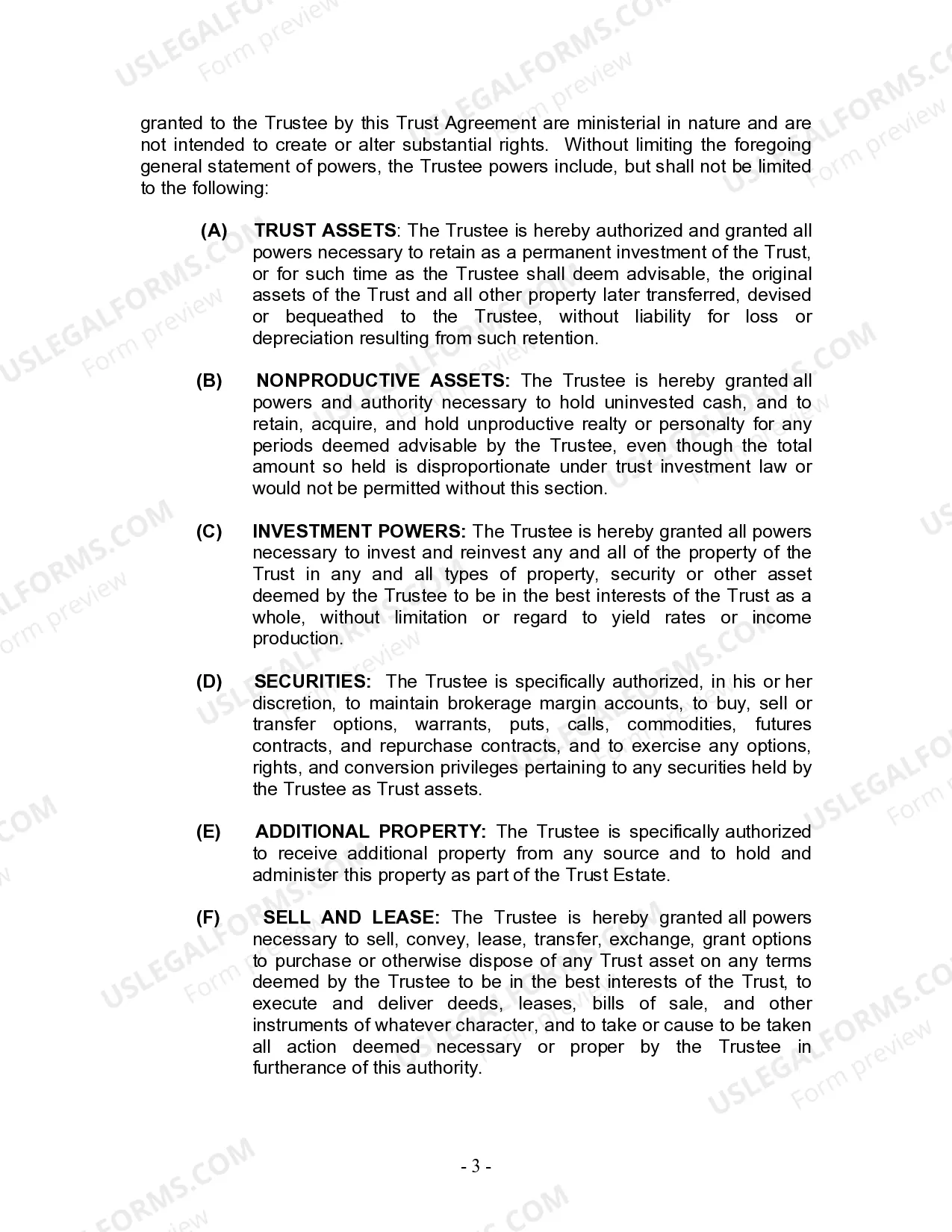
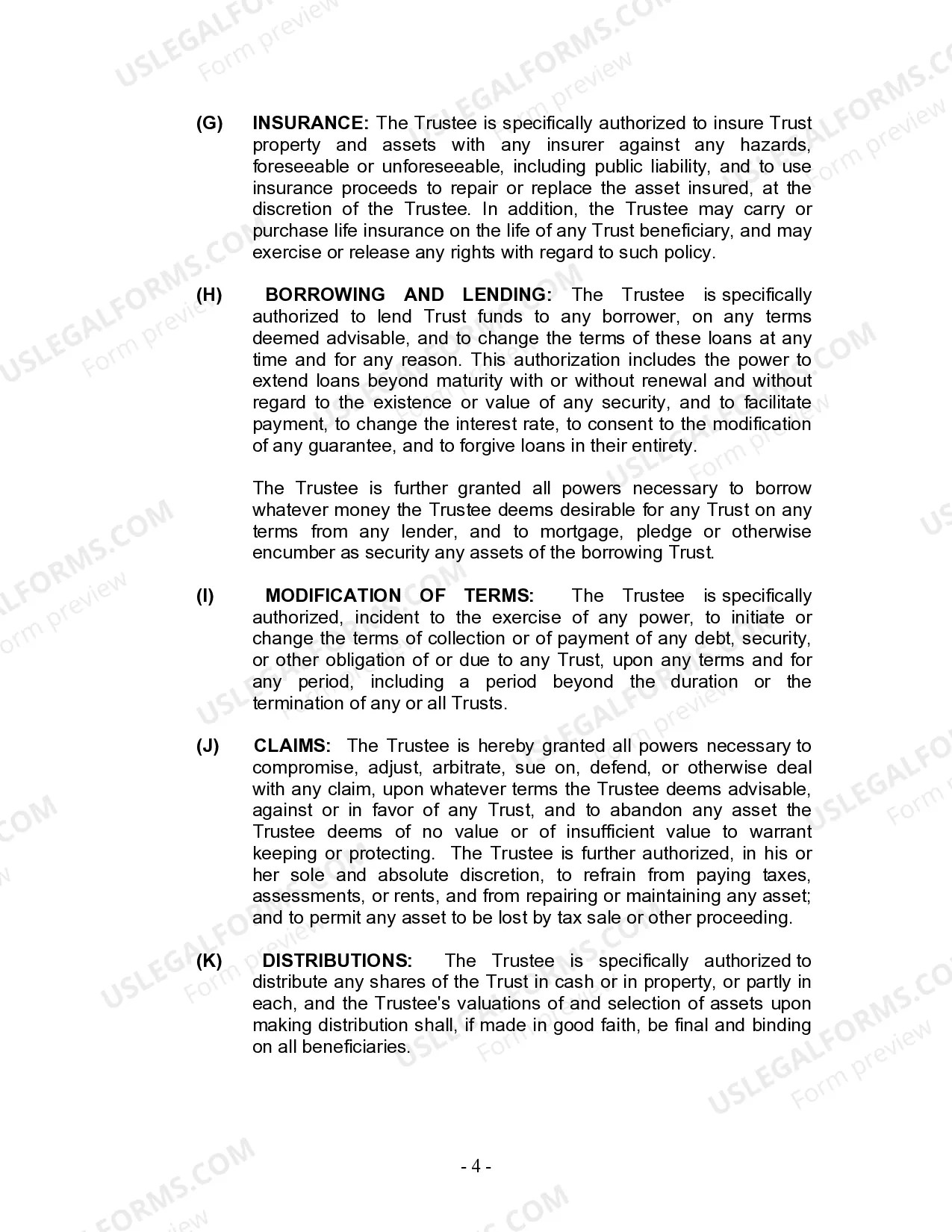


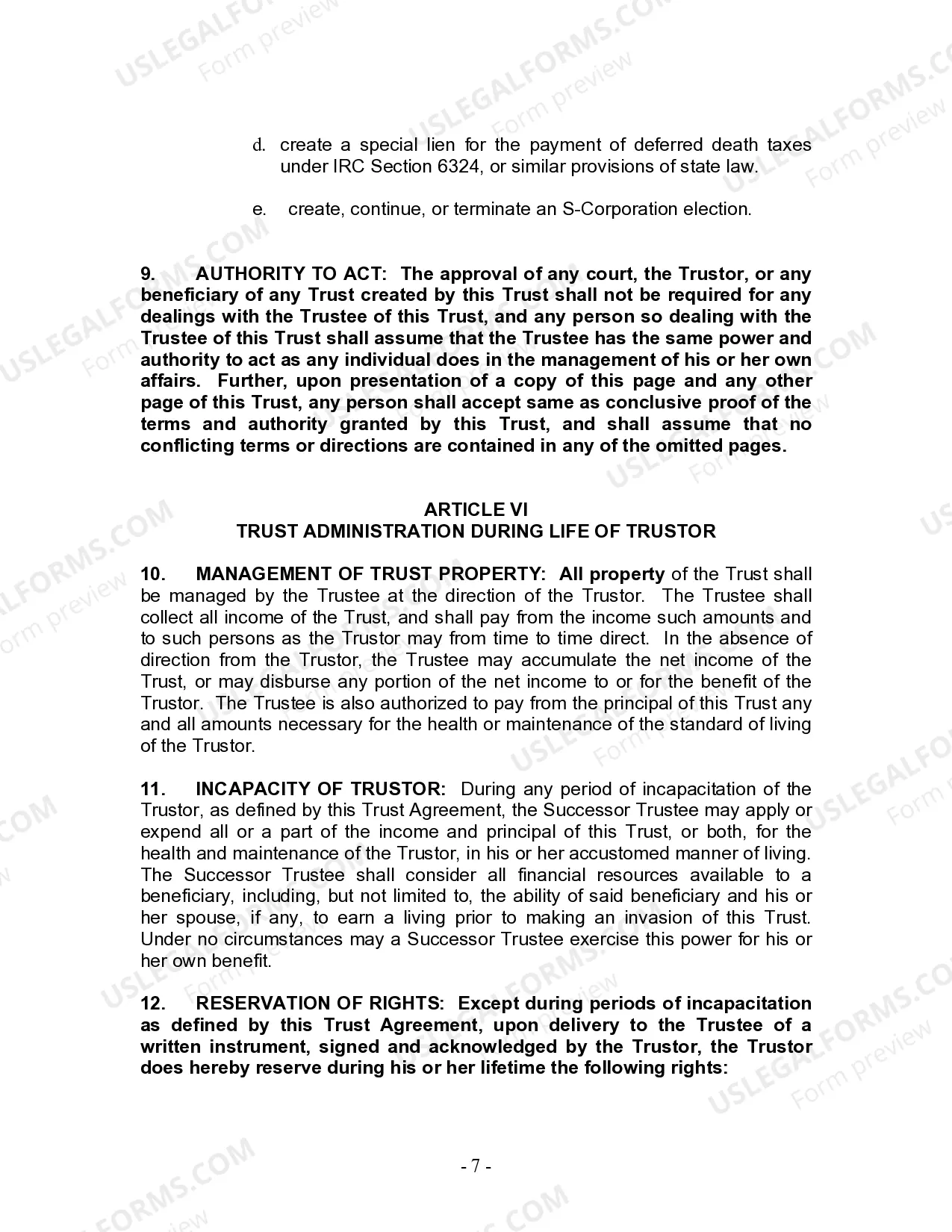
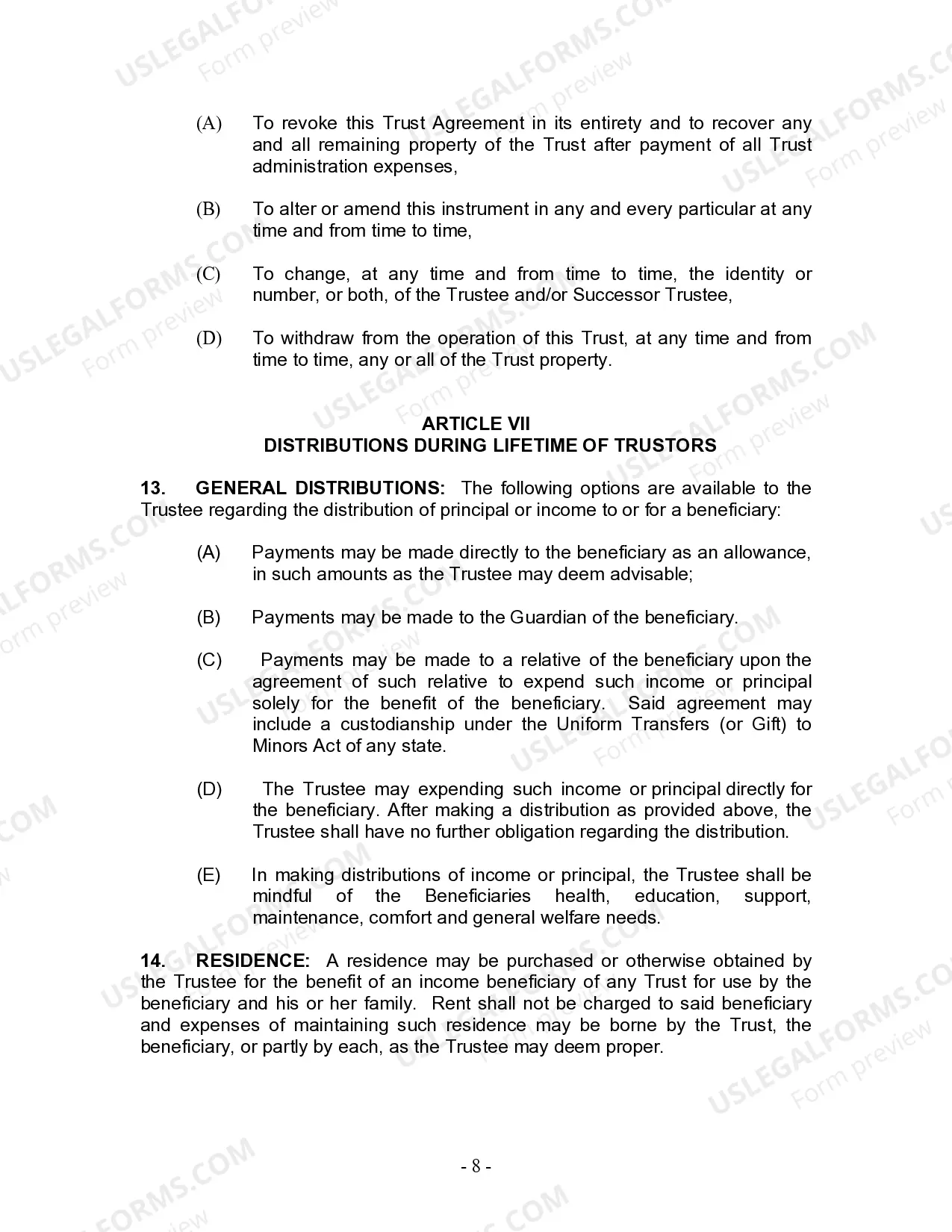

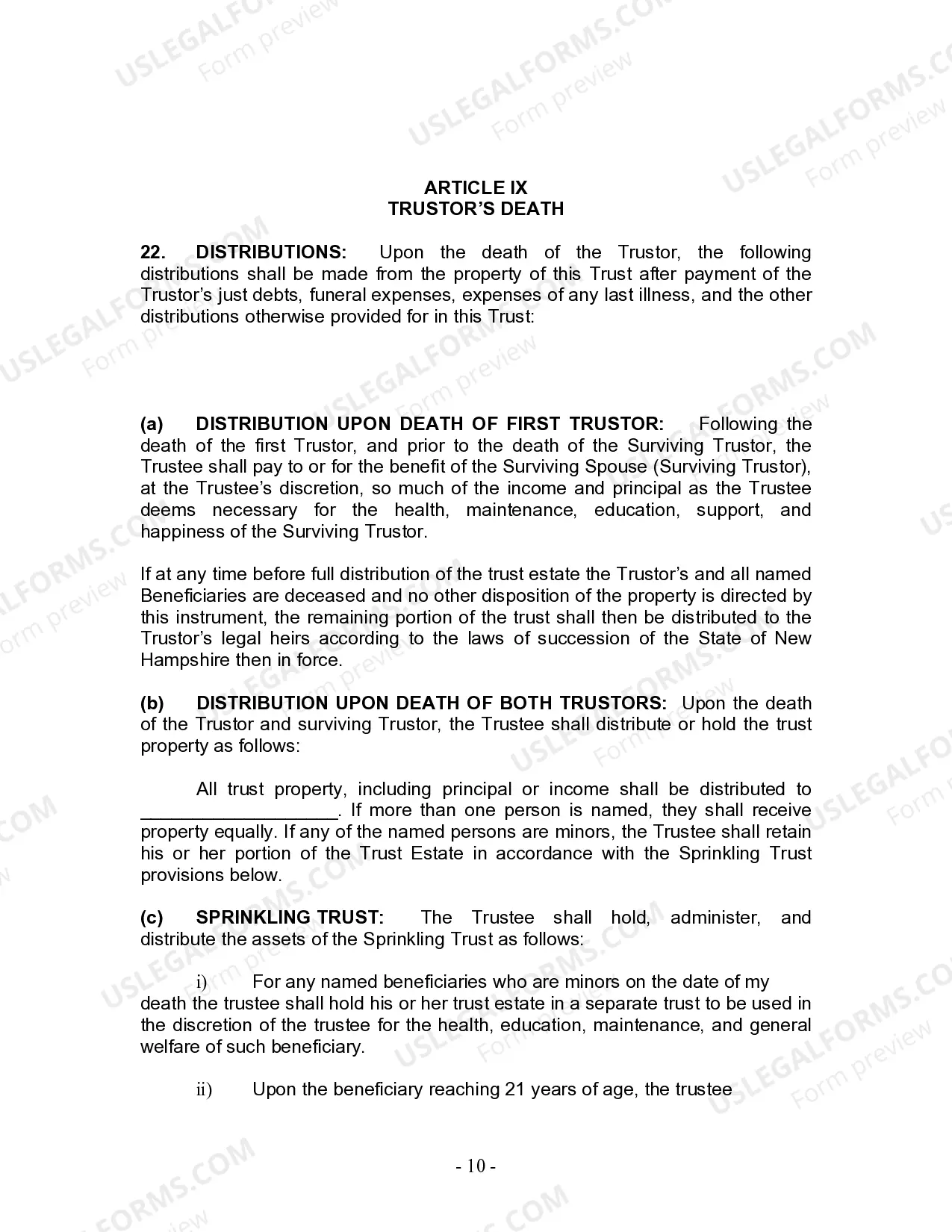




Get your form ready online
Our built-in tools help you complete, sign, share, and store your documents in one place.
Make edits, fill in missing information, and update formatting in US Legal Forms—just like you would in MS Word.
Download a copy, print it, send it by email, or mail it via USPS—whatever works best for your next step.
Sign and collect signatures with our SignNow integration. Send to multiple recipients, set reminders, and more. Go Premium to unlock E-Sign.
If this form requires notarization, complete it online through a secure video call—no need to meet a notary in person or wait for an appointment.
We protect your documents and personal data by following strict security and privacy standards.

Make edits, fill in missing information, and update formatting in US Legal Forms—just like you would in MS Word.

Download a copy, print it, send it by email, or mail it via USPS—whatever works best for your next step.

Sign and collect signatures with our SignNow integration. Send to multiple recipients, set reminders, and more. Go Premium to unlock E-Sign.

If this form requires notarization, complete it online through a secure video call—no need to meet a notary in person or wait for an appointment.

We protect your documents and personal data by following strict security and privacy standards.
Looking for another form?





How to fill out New Hampshire Revocable Living Trust For Husband And Wife With No Children?
Creating legal documents from the ground up can often be somewhat daunting.
Certain situations may require extensive research and significant financial investment.
If you’re searching for a simpler and more cost-effective method of generating New Hampshire Trust Without Spouse or any other documentation without unnecessary complications, US Legal Forms is always available to you.
Our online collection of over 85,000 current legal forms encompasses nearly every facet of your financial, legal, and personal affairs.
However, before diving directly into downloading New Hampshire Trust Without Spouse, consider these suggestions: Review the form preview and descriptions to ensure you are on the correct document. Confirm that the form you select adheres to the specifications of your state and county. Choose the appropriate subscription plan to acquire the New Hampshire Trust Without Spouse. Download the file. Afterwards, complete, sign, and print it. US Legal Forms has a pristine reputation and over 25 years of expertise. Join us now and make form execution a simple and efficient process!
- With just a few clicks, you can quickly access state- and county-compliant forms carefully crafted for you by our legal professionals.
- Utilize our platform whenever you need a dependable and trustworthy service through which you can swiftly find and download the New Hampshire Trust Without Spouse.
- If you’re familiar with our services and have previously registered with us, simply Log In to your account, select the form and download it immediately or re-download it at any time in the My documents section.
- Don’t have an account? No issue.
- It takes only a few minutes to sign up and explore the library.
Form popularity
FAQ
Yes, a spouse can be excluded from a trust, including a New Hampshire trust without spouse, as long as the grantor clearly indicates this intention in the trust document. It is crucial to document this decision to avoid any potential disputes or misunderstandings in the future. Consulting with a legal professional can help ensure that your wishes are clearly expressed and legally binding.
To establish a valid trust in New Hampshire, including a New Hampshire trust without spouse, you must have a clear intention to create the trust, a designated trustee, and identifiable beneficiaries. The trust must comply with New Hampshire laws, which means it should have a written document outlining its terms. Additionally, the trust should be funded with assets to ensure its effectiveness and to meet the needs of the beneficiaries.
Yes, a spouse can be a beneficiary of a non-grantor trust, even in the context of a New Hampshire trust without spouse. However, the grantor must specify this clearly in the trust document. It is important to consult with an attorney to ensure that the trust is structured appropriately to meet your specific goals and to understand how it may affect the spouse's rights.
To establish a New Hampshire trust without spouse, you need three key components: a grantor who creates the trust, a trustee who manages it, and beneficiaries who receive the trust's assets. The grantor must clearly outline the trust terms, which should specify how the assets are to be managed and distributed. Additionally, the trust must be funded with assets to be effective, ensuring that the beneficiaries gain the intended benefits.
Yes, you can set up a New Hampshire trust without spouse involvement. As an individual, you have the right to create a trust that reflects your wishes and goals for asset distribution. It's important to clearly define your objectives in the trust document. Using services like USLegalForms can help you navigate the process smoothly and ensure that your trust meets legal requirements.
To establish a New Hampshire trust without spouse, start by determining the type of trust that fits your needs, such as a revocable or irrevocable trust. Next, you should draft a trust document that outlines the terms and beneficiaries of the trust. It's advisable to consult with an attorney or use a trusted service like USLegalForms to ensure your trust complies with New Hampshire laws. Finally, you need to fund the trust by transferring assets into it.
The surviving spouse is the sole Settlor/Trustee/Beneficiary if one dies. In short, nothing changes. The surviving spouse manages the Trust and its assets as they see fit. For example, if the surviving spouse desires to, they can amend the Trust, add or remove assets, change future beneficiaries, etc.
How to Create a Living Trust in New Hampshire Take stock of your property. It's important to know exactly what you own and what you want to place into your trust. ... Pick a trustee. ... Create a trust document. ... Sign the trust document in the presence of a notary public. Fund your trust by moving your property into it.
In New Hampshire an annual accounting of a trust is required to be filed with the court system once the trust becomes irrevocable (upon your death), so there is some transparency. While a living trust does not technically shield your assets from creditors, in practice, it can help avoid them.
No Income or Capital Gains Tax One potential benefit to administering a trust in New Hampshire is income and capital gains tax savings. Generally, irrevocable trusts that are administered in New Hampshire (and which are not taxed to the grantor) are not subject to state income or capital gains tax.