New Hampshire Trust Withholding
Description


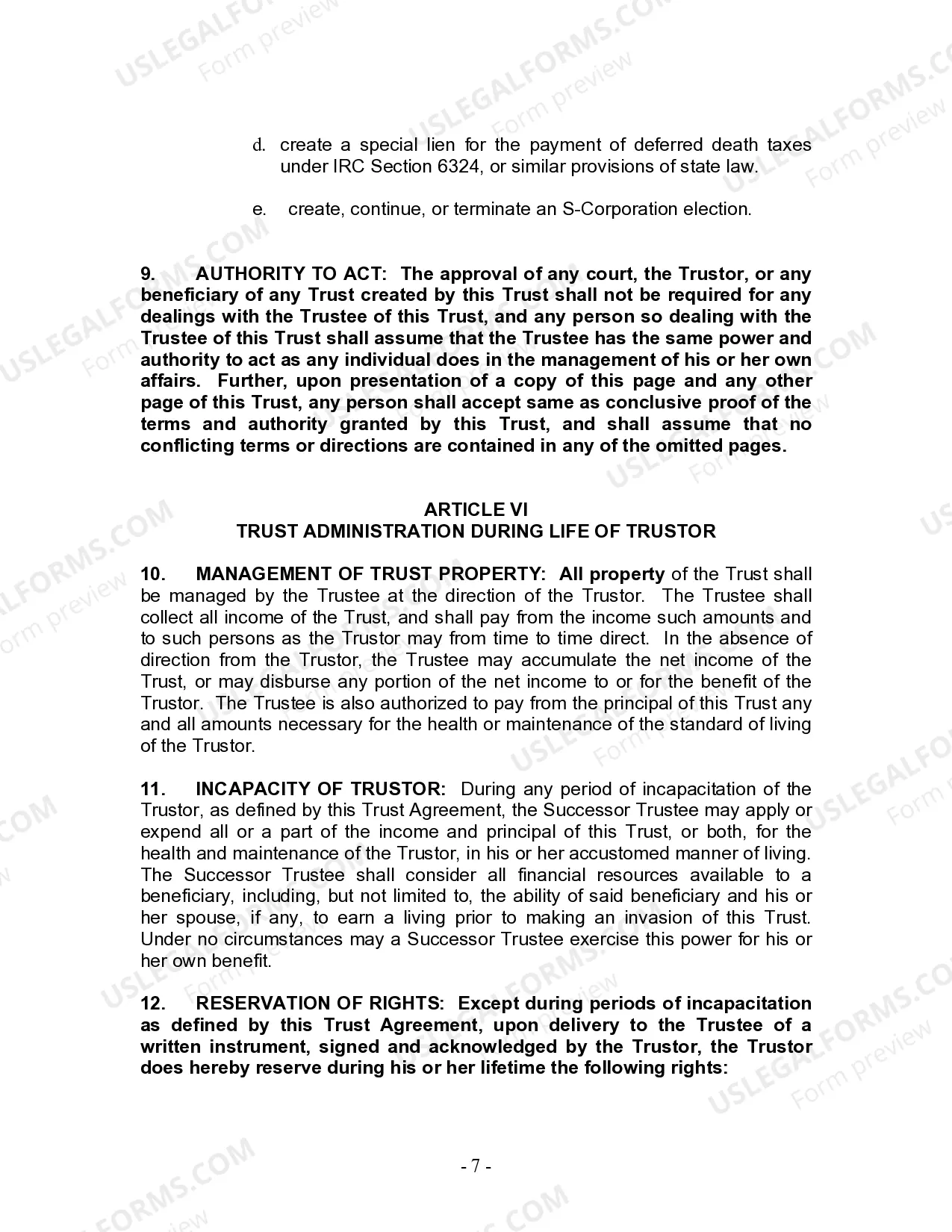
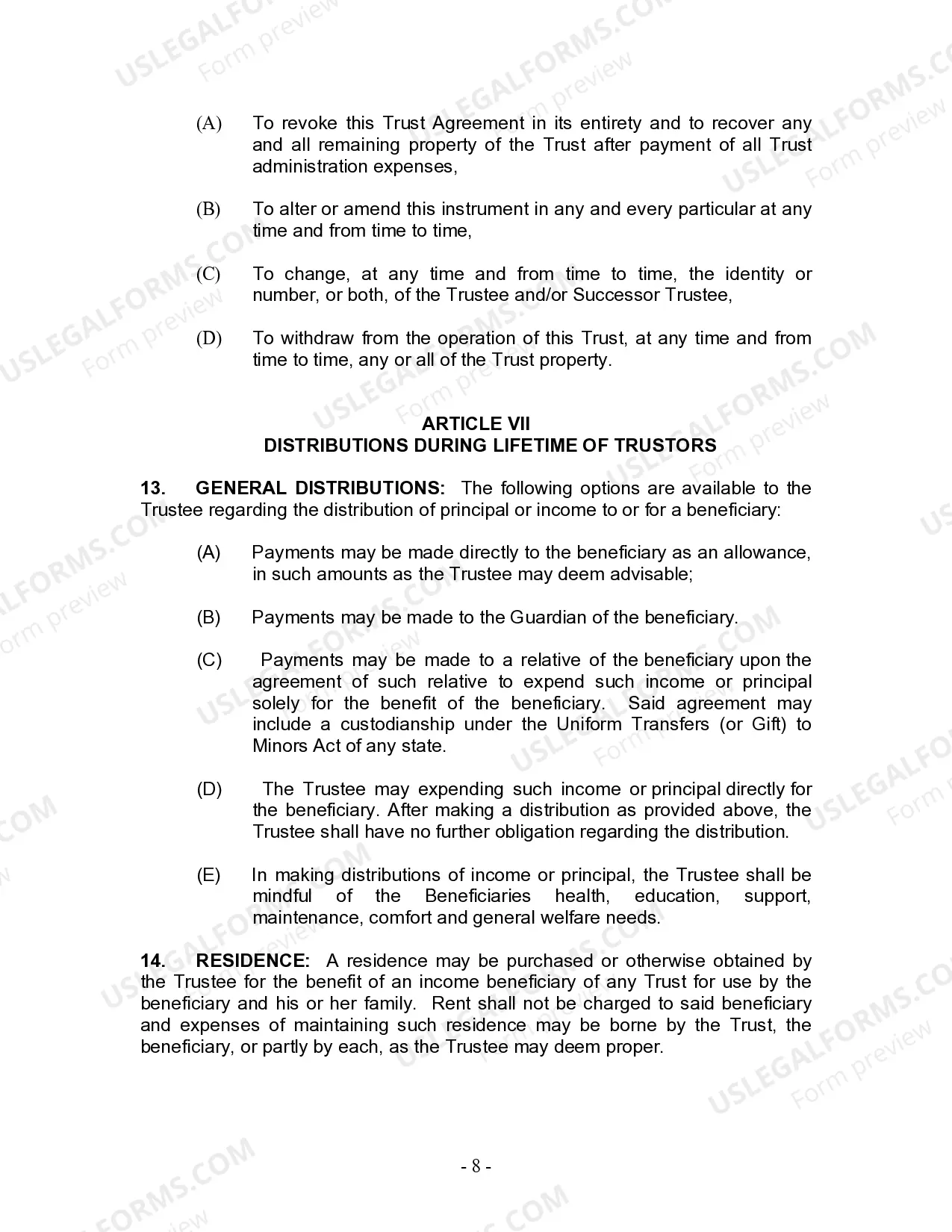

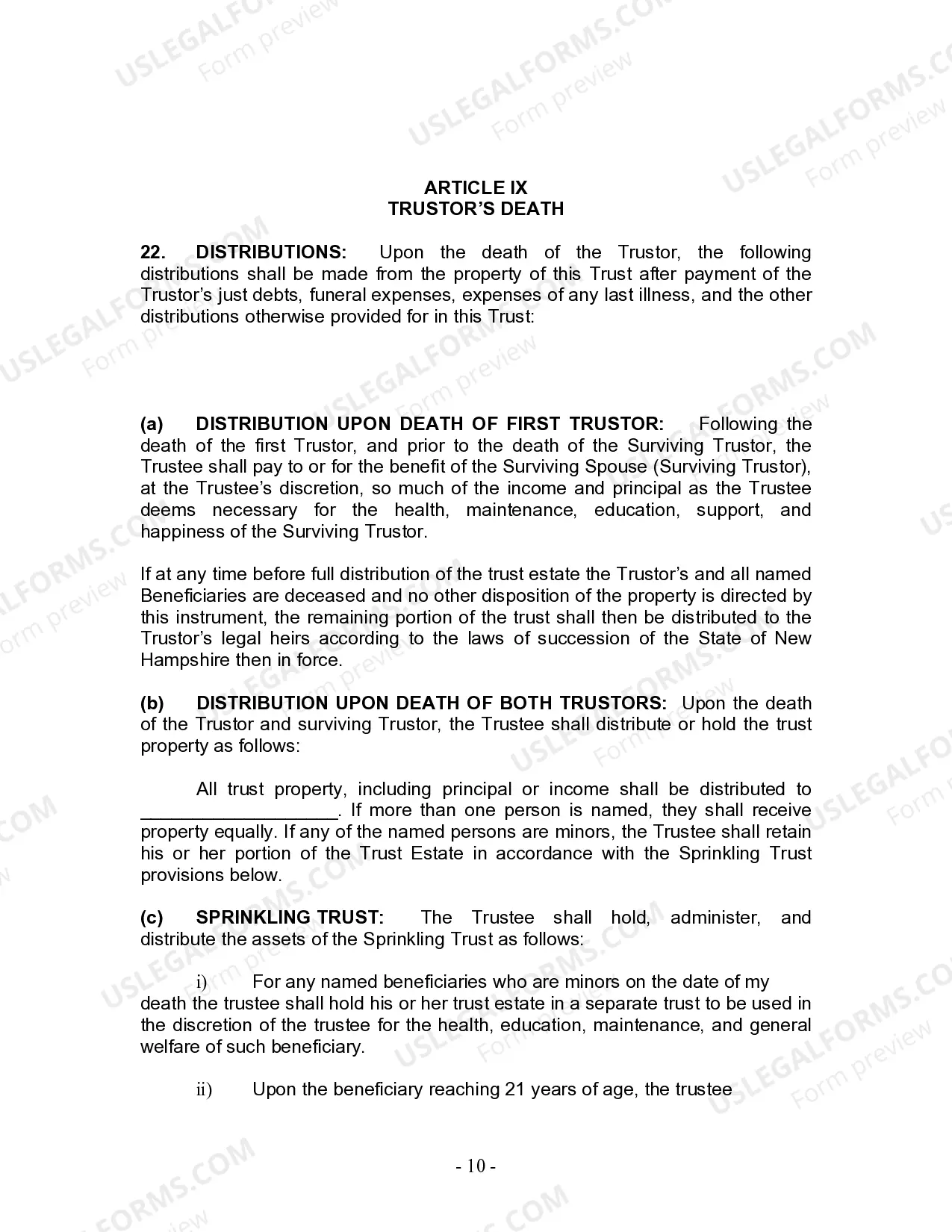




Get your form ready online
Our built-in tools help you complete, sign, share, and store your documents in one place.
Make edits, fill in missing information, and update formatting in US Legal Forms—just like you would in MS Word.
Download a copy, print it, send it by email, or mail it via USPS—whatever works best for your next step.
Sign and collect signatures with our SignNow integration. Send to multiple recipients, set reminders, and more. Go Premium to unlock E-Sign.
If this form requires notarization, complete it online through a secure video call—no need to meet a notary in person or wait for an appointment.
We protect your documents and personal data by following strict security and privacy standards.

Make edits, fill in missing information, and update formatting in US Legal Forms—just like you would in MS Word.

Download a copy, print it, send it by email, or mail it via USPS—whatever works best for your next step.

Sign and collect signatures with our SignNow integration. Send to multiple recipients, set reminders, and more. Go Premium to unlock E-Sign.

If this form requires notarization, complete it online through a secure video call—no need to meet a notary in person or wait for an appointment.

We protect your documents and personal data by following strict security and privacy standards.
Looking for another form?


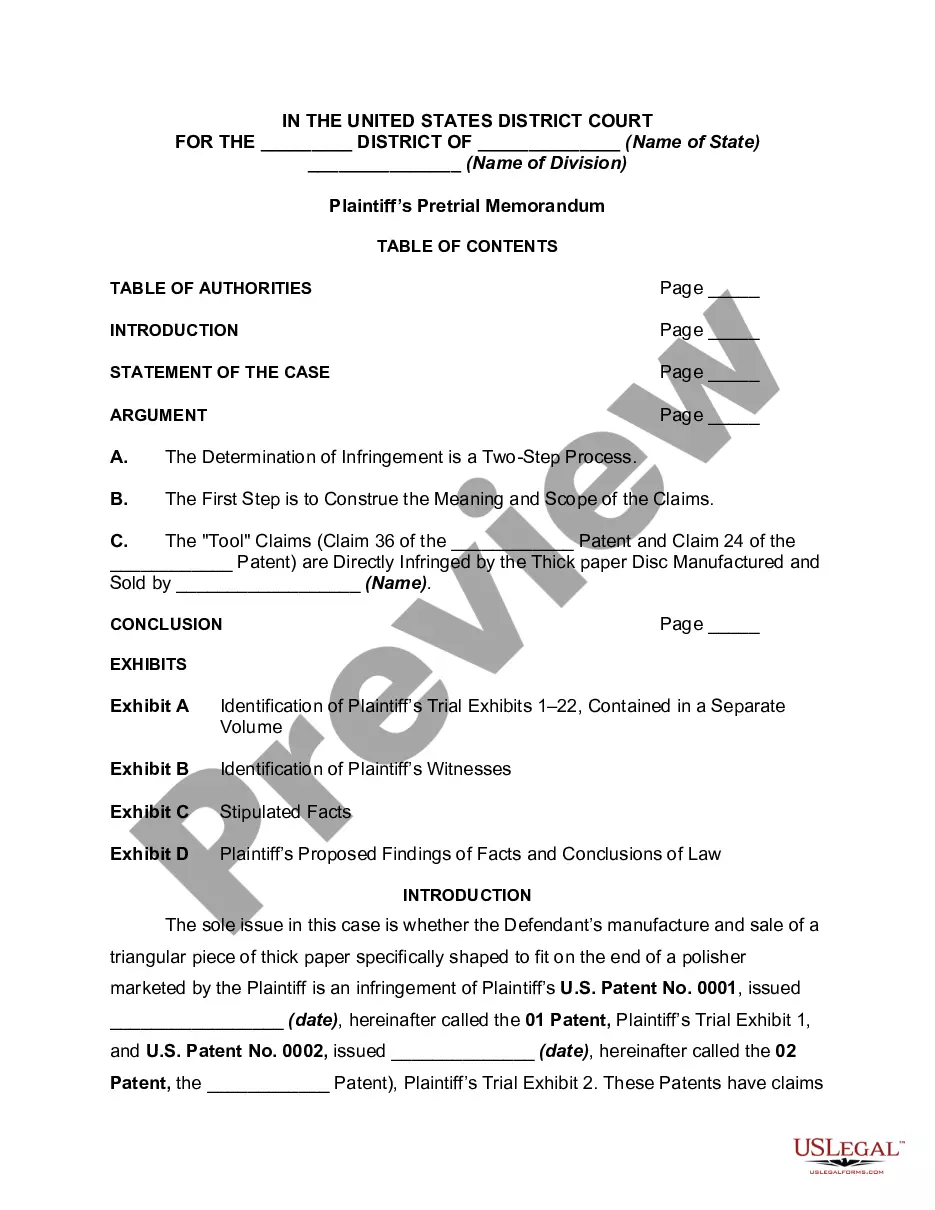




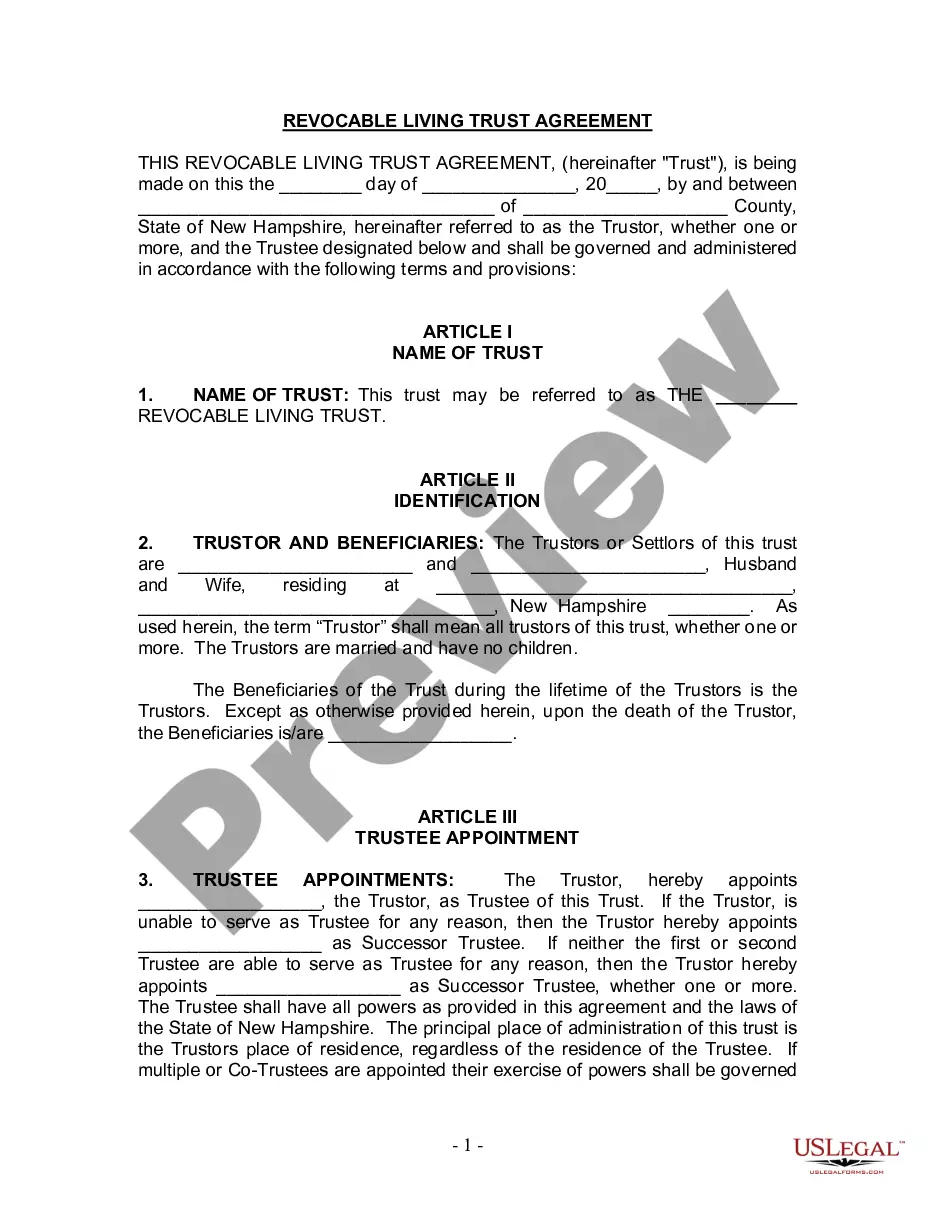
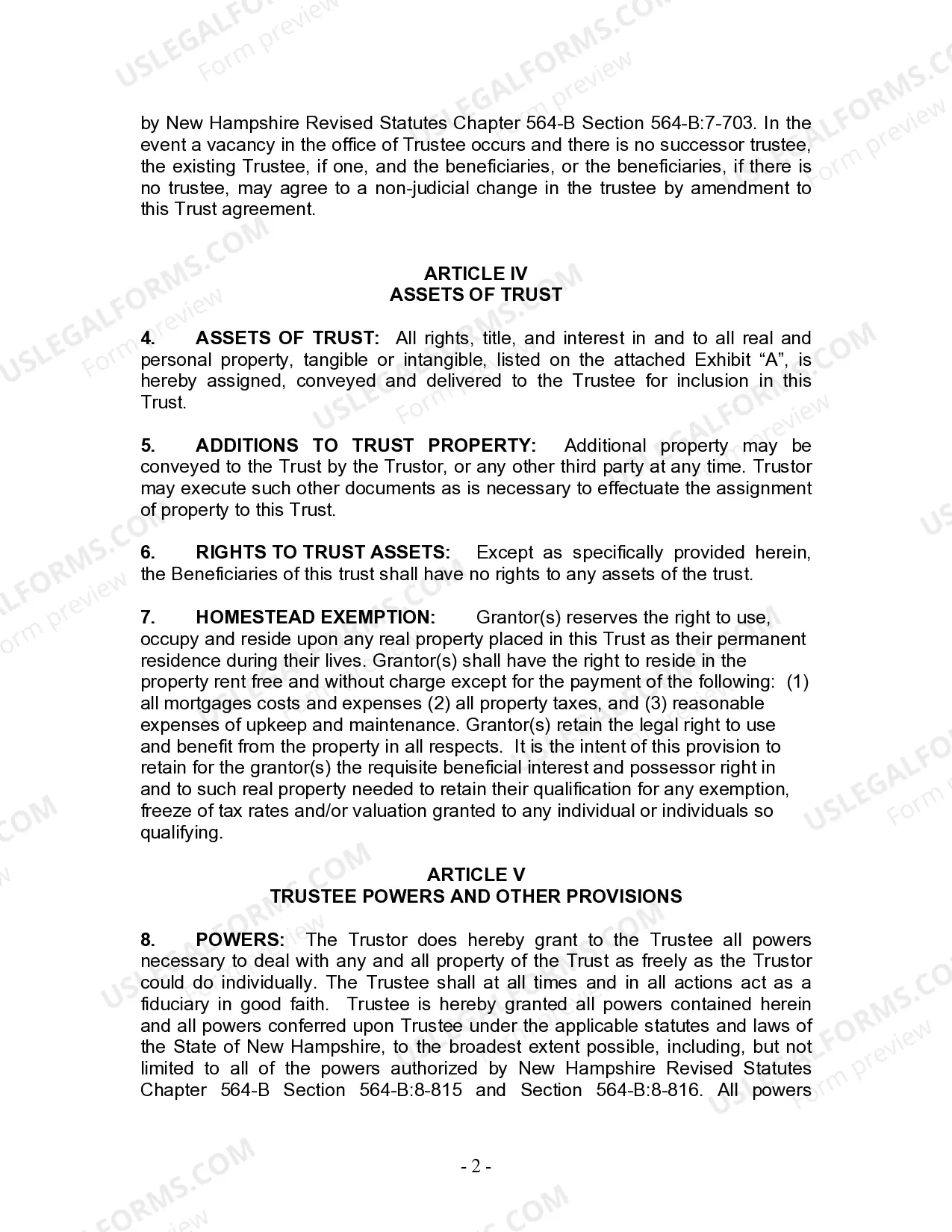
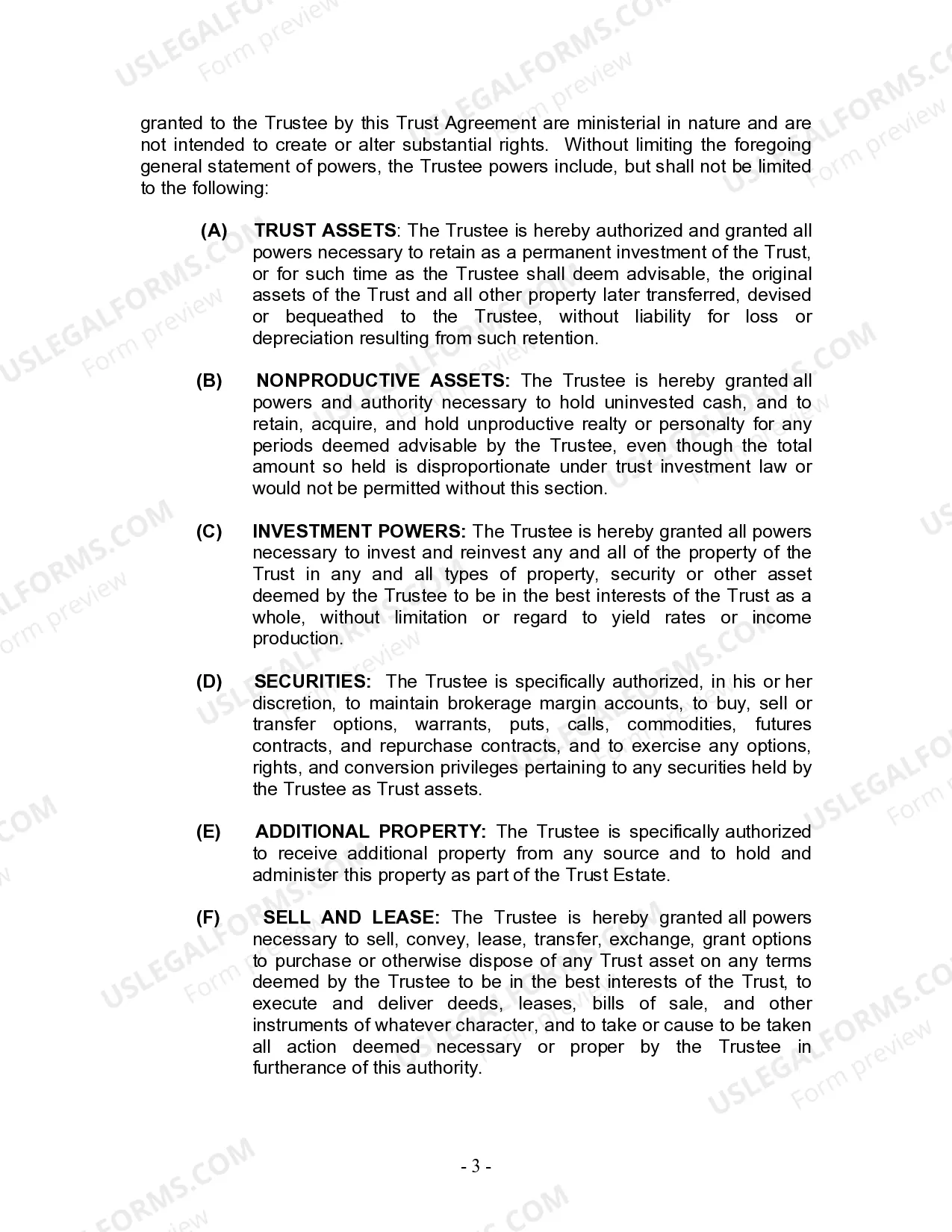
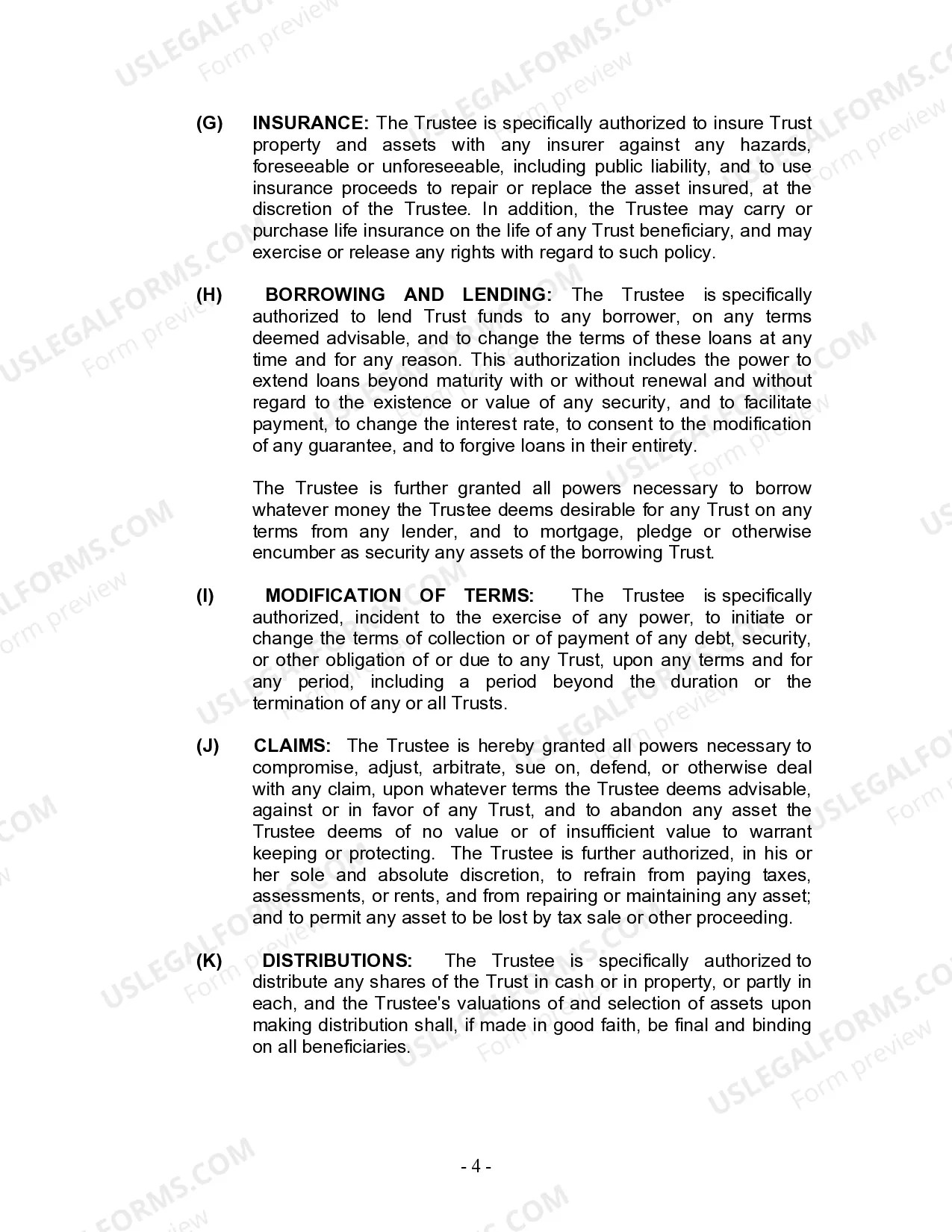
How to fill out New Hampshire Revocable Living Trust For Husband And Wife With No Children?
Legal administration can be exasperating, even for proficient experts.
When you are seeking a New Hampshire Trust Withholding and lack the time to invest in locating the accurate and current version, the process may become taxing.
US Legal Forms addresses all your needs, from personal to business documentation, in a single location.
Utilize sophisticated tools to complete and manage your New Hampshire Trust Withholding.
Here are the steps to follow after acquiring the form you desire: Confirm this is the correct form by previewing it and reviewing its description. Ensure that the template is valid in your state or county. Click Buy Now when you are ready. Choose a monthly subscription plan. Select the file format you prefer, and Download, fill out, eSign, print, and send your document. Enjoy the US Legal Forms online library, backed by 25 years of experience and trustworthiness. Transform your daily document management into a simple and user-friendly process today.
- Access a valuable repository of articles, guides, and materials related to your circumstances and requirements.
- Conserve time and effort searching for the documents you require, and use US Legal Forms’ advanced search and Review tool to find New Hampshire Trust Withholding and download it.
- If you have a subscription, Log In to your US Legal Forms account, look for the form, and download it.
- Check your My documents tab to see the documents you previously saved and manage your folders as needed.
- If it’s your first time with US Legal Forms, create an account and gain unlimited access to all the benefits of the library.
- A robust online form repository can significantly impact anyone aiming to navigate these challenges effectively.
- US Legal Forms stands as a leading provider in digital legal documents, offering over 85,000 state-specific legal templates accessible at any moment.
- With US Legal Forms, you can access state- or county-specific legal and business documents.
Form popularity
FAQ
The DP 10 form is a crucial document used in New Hampshire for trust withholding purposes. This form allows trustees to report and withhold taxes on distributions made from trusts. When dealing with New Hampshire trust withholding, it is important to complete the DP 10 form accurately to ensure compliance with state tax laws. By utilizing the US Legal Forms platform, you can access the DP 10 form and other resources to simplify your trust management process.
Certain types of trusts, such as charitable trusts, may be exempt from taxes in New Hampshire. These exemptions can provide significant tax benefits, allowing you to maximize your estate's value. Understanding the nuances of New Hampshire trust withholding can help you take full advantage of these exemptions.
New Hampshire does not tax trust income directly. However, certain types of income generated by trusts may be subject to federal taxes. To navigate the complexities of New Hampshire trust withholding and ensure compliance, consider using resources like US Legal Forms.
In New Hampshire, there is no inheritance tax, allowing beneficiaries to inherit without immediate tax obligations. This tax structure can be beneficial when planning your estate, as it simplifies the transfer of wealth. However, understanding New Hampshire trust withholding is vital for managing any associated tax implications.
A trust is typically taxed in the state where it is established or where the trustee resides. For New Hampshire trusts, understanding local laws regarding New Hampshire trust withholding is crucial. This ensures that you comply with state regulations and optimize your tax outcomes.
The withholding tax rate for trusts in New Hampshire can vary based on specific circumstances. Generally, the rate is determined by the type of income generated by the trust. It's important to consult with a tax professional or legal expert to understand how New Hampshire trust withholding applies to your situation.
New Hampshire does not impose a state income tax on trusts. However, trusts may be subject to certain taxes depending on their income sources. Familiarizing yourself with New Hampshire trust withholding is essential for proper tax management.
In New Hampshire, a trust operates as a legal arrangement where one party holds property for the benefit of another. The trust's creator, known as the grantor, appoints a trustee to manage the assets according to the trust's terms. This structure allows for efficient estate planning and can minimize New Hampshire trust withholding.
Yes, New Hampshire has specific regulations regarding state withholding for trusts. The state requires certain trusts to withhold taxes on distributions to beneficiaries. Understanding New Hampshire trust withholding can help ensure compliance and avoid penalties.
Trusts typically need to file IRS Form 1041, the U.S. Income Tax Return for Estates and Trusts. This form helps report income, deductions, gains, and losses for the trust. Although New Hampshire does not impose a state income tax, understanding how to complete this form is essential for federal compliance. For assistance with tax forms and legal documents, US Legal Forms provides a user-friendly platform to help you navigate these requirements.