Transfer On Death Deed For Florida

Description
Get your form ready online
Our built-in tools help you complete, sign, share, and store your documents in one place.
Make edits, fill in missing information, and update formatting in US Legal Forms—just like you would in MS Word.
Download a copy, print it, send it by email, or mail it via USPS—whatever works best for your next step.
Sign and collect signatures with our SignNow integration. Send to multiple recipients, set reminders, and more. Go Premium to unlock E-Sign.
If this form requires notarization, complete it online through a secure video call—no need to meet a notary in person or wait for an appointment.
We protect your documents and personal data by following strict security and privacy standards.

Make edits, fill in missing information, and update formatting in US Legal Forms—just like you would in MS Word.

Download a copy, print it, send it by email, or mail it via USPS—whatever works best for your next step.

Sign and collect signatures with our SignNow integration. Send to multiple recipients, set reminders, and more. Go Premium to unlock E-Sign.

If this form requires notarization, complete it online through a secure video call—no need to meet a notary in person or wait for an appointment.

We protect your documents and personal data by following strict security and privacy standards.
Looking for another form?
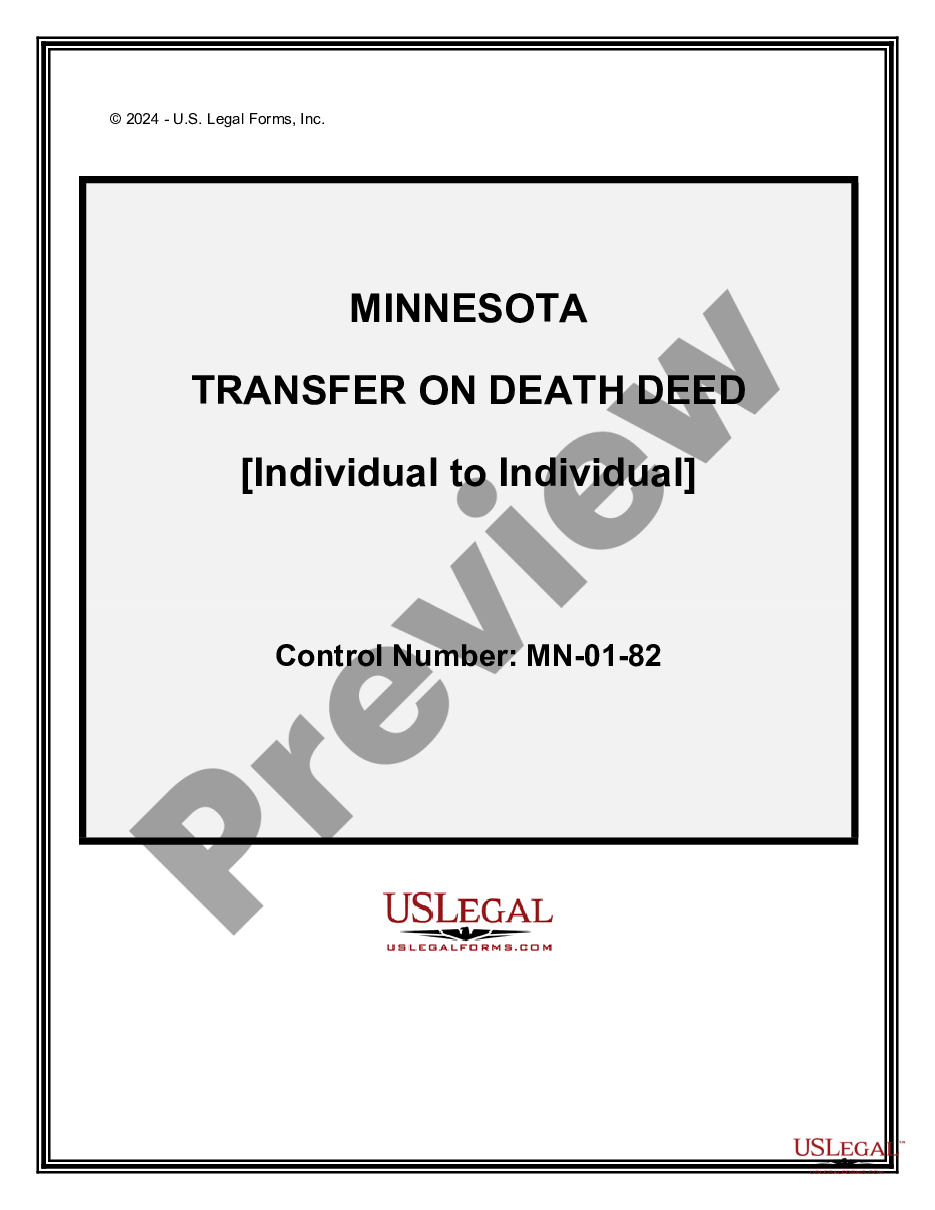
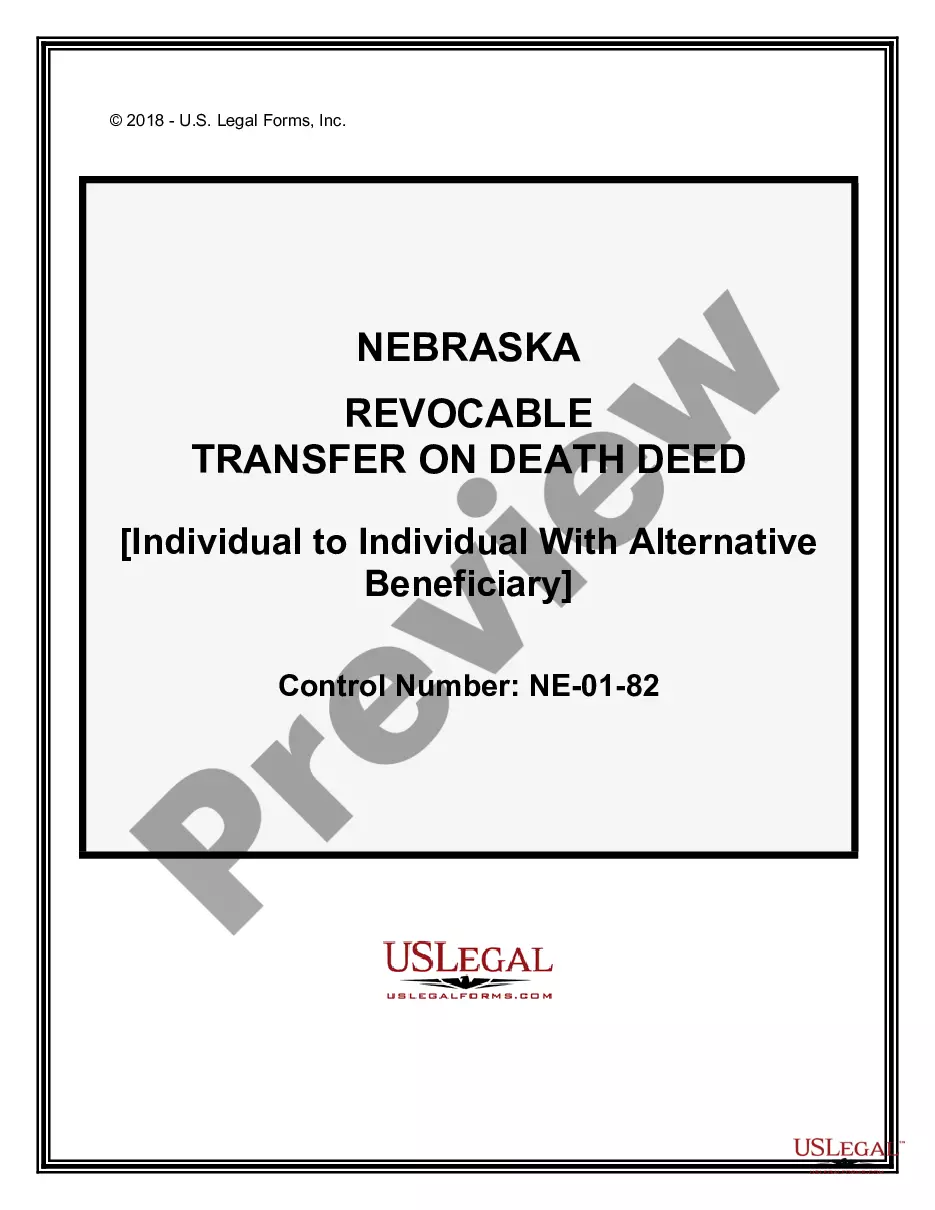
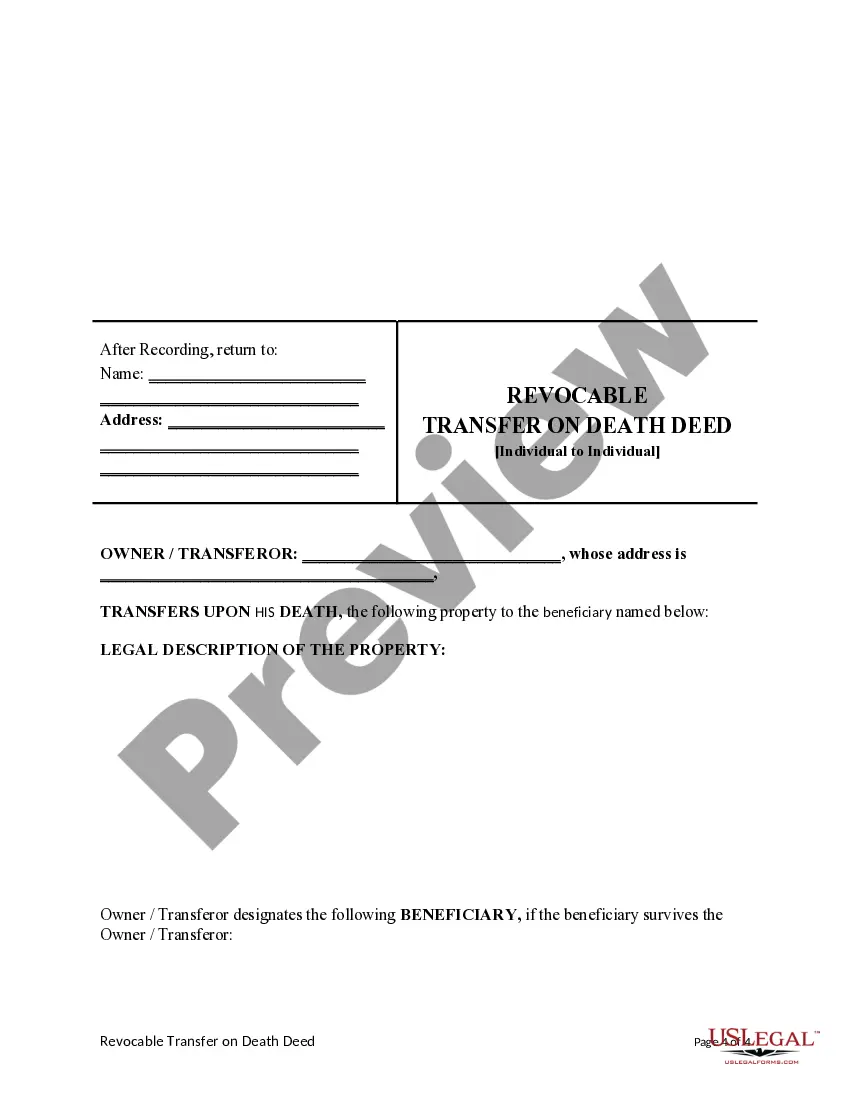
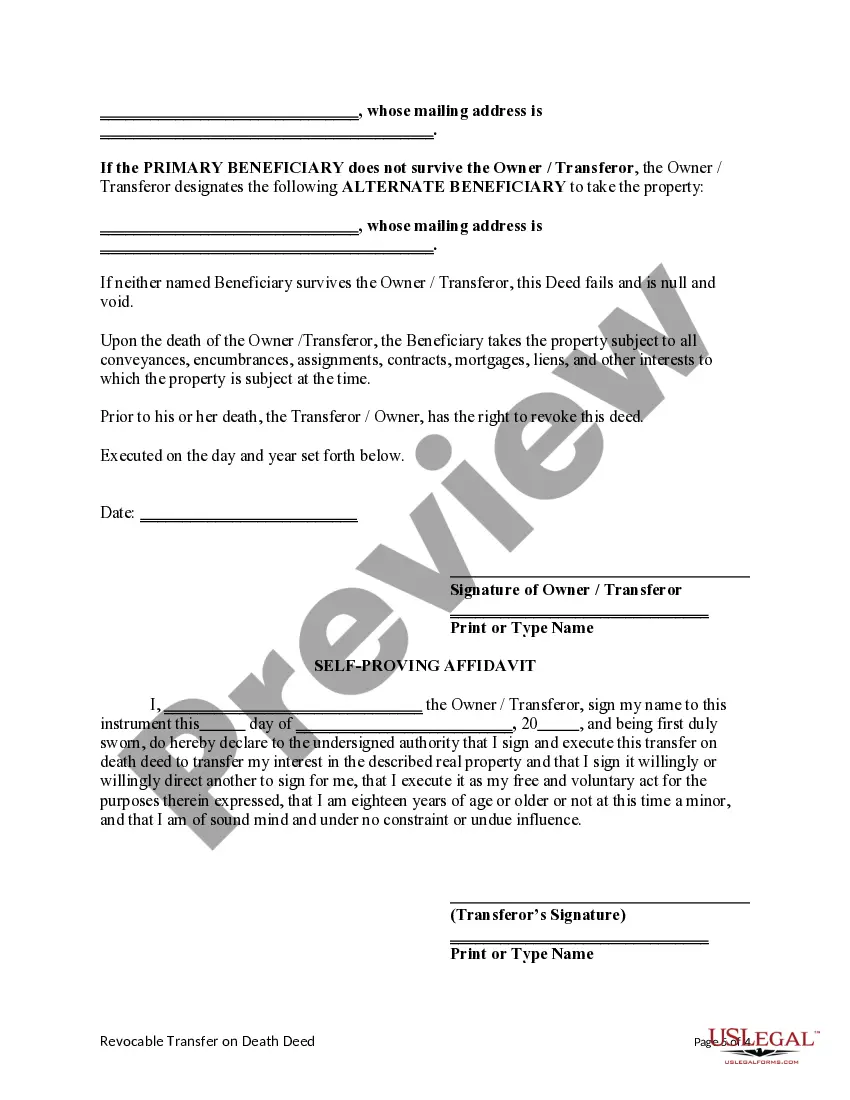
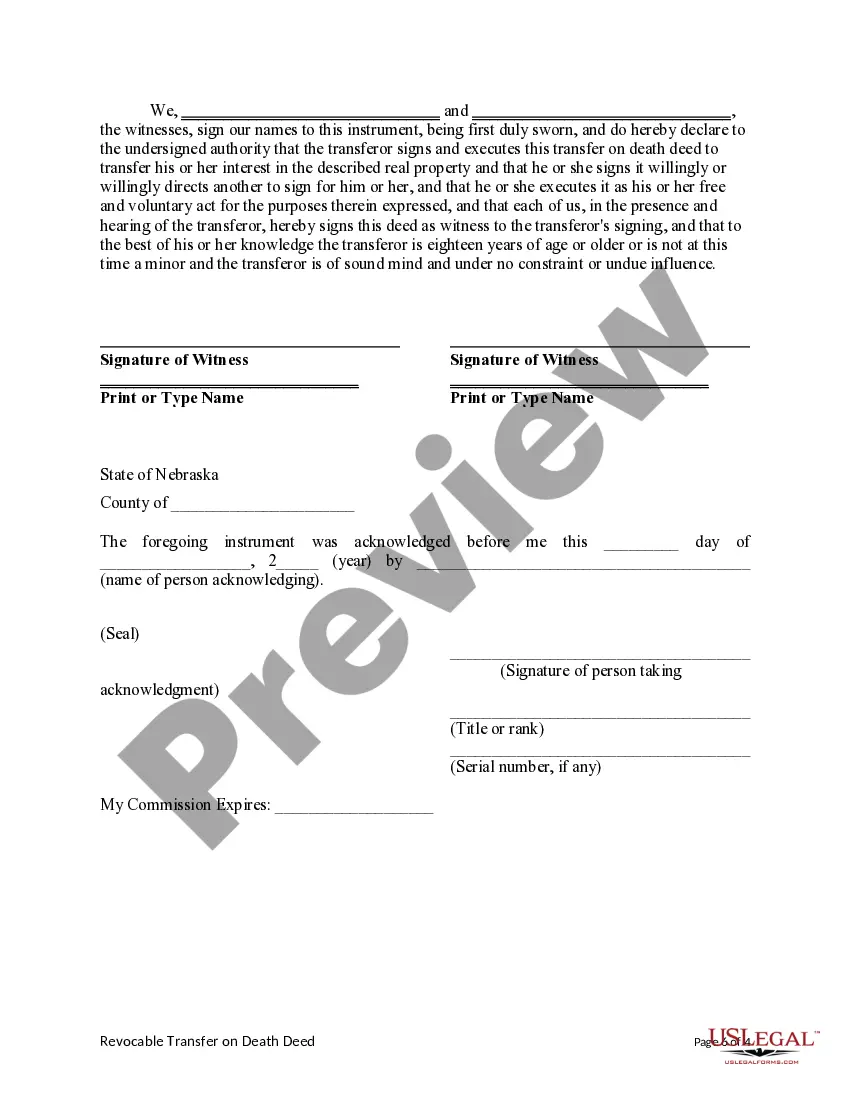
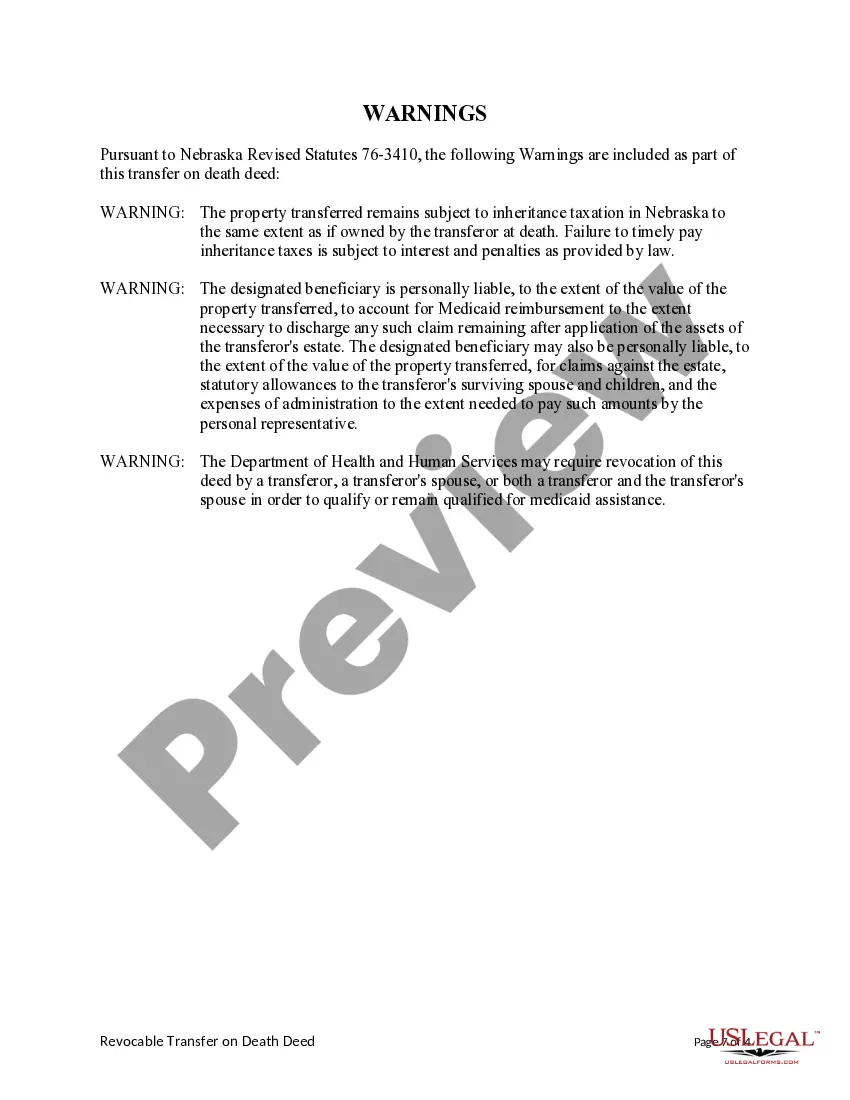
How to fill out Nebraska Transfer On Death Deed Or TOD - Beneficiary Deed - Individual To Individual With Provision For Alternate Beneficiary?
- If you're a returning user, sign in to your account and download the transfer on death deed template by clicking the Download button. Ensure your subscription is active; if not, renew it as per your payment plan.
- For first-time users, start by previewing the form and its description. Confirm that it aligns with your needs and complies with Florida's legal requirements.
- If necessary, search for additional templates using the Search tab above. Find a suitable form before proceeding.
- Purchase the document by clicking the Buy Now button and selecting your preferred subscription plan. You'll need to create an account to access our extensive library of legal resources.
- Complete your purchase by entering your credit card details or using your PayPal account to finalize the subscription.
- Download your finalized form, saving it to your device. You can access it anytime from the My Forms section of your profile.
Using US Legal Forms empowers individuals and attorneys to efficiently handle their legal documentation needs. With an extensive library of over 85,000 easy-to-fill forms, it simplifies the legal process.
Don’t let paperwork overwhelm you. Visit US Legal Forms today to get started on your Transfer on Death Deed and ensure your wishes are carried out smoothly!
Form popularity
FAQ
A transfer on death deed for Florida offers unique benefits compared to a will, but it may not be a complete substitute. Unlike a will, a TOD deed can allow your heirs to inherit property directly, avoiding probate, which can be a lengthy process. However, a will provides more comprehensive coverage for your entire estate and allows for more complex distributions.
A transfer on death deed for Florida can simplify the transfer of assets, but it also has downsides. One potential drawback is that it does not protect the deeded property from creditors' claims after death. Additionally, if you want to change the beneficiaries or the property title, you must revoke the deed, which can complicate your estate planning.
While this FAQ focuses on the transfer on death deed for Florida, it's important to note that rules can differ by state. In Texas, the transfer on death deed allows property owners to transfer their estate upon death without undergoing probate. Each state has its own regulations and requirements, so it's wise to research the laws applicable to your situation, tailored to Florida.
You do not necessarily need a lawyer to create a transfer on death deed for Florida; however, consulting one can provide valuable guidance. A lawyer can help ensure that you meet all legal requirements and that the deed accurately reflects your wishes. Furthermore, having professional assistance can prevent potential mistakes that might complicate the transfer process later.
Yes, Florida allows transfers on death deeds, providing a straightforward way to pass on property after your death. This method, known as a Transfer on Death Deed for Florida, enables homeowners to directly designate beneficiaries, making property transfer easy. By avoiding probate, this deed simplifies estate management and reduces potential costs. Consider using uslegalforms to create a valid transfer on death deed.
To transfer a title after death in Florida, you typically need to file the death certificate and the relevant title documentation with the local tax collector's office. Utilizing a Transfer on Death Deed for Florida can simplify this process by allowing you to designate beneficiaries who automatically inherit the property. This deed bypasses probate, ensuring a smooth transition of ownership. It's advisable to consult with a legal professional for tailored guidance.
Choosing between a transfer on death deed for Florida and a beneficiary designation often depends on your specific situation. A TOD deed allows for just one piece of property to transfer, whereas beneficiary designations can apply to various accounts. Evaluating your goals and the complexity of your estate will help in making the best decision.
The disadvantages of a transfer on death deed include lack of control once it is executed and lack of protection from creditors. It may also complicate relationships among heirs if disagreements arise. Moreover, it doesn't cover all assets and could lead to unintended probate for other properties.
A transfer on death deed for Florida does not automatically avoid inheritance tax. While it allows property to pass outside of probate, it does not exempt the estate from tax obligations. Understanding your state’s tax laws can help you plan effectively and minimize tax liabilities.
While it is not required to have a lawyer for a transfer on death deed for Florida, consulting an attorney can help ensure that the document is properly structured. A lawyer can provide guidance on state laws, potential tax implications, and how to best convey intentions. Having legal assistance may save time and prevent future legal challenges.