Transfer Deed Vs Gift Deed
Description
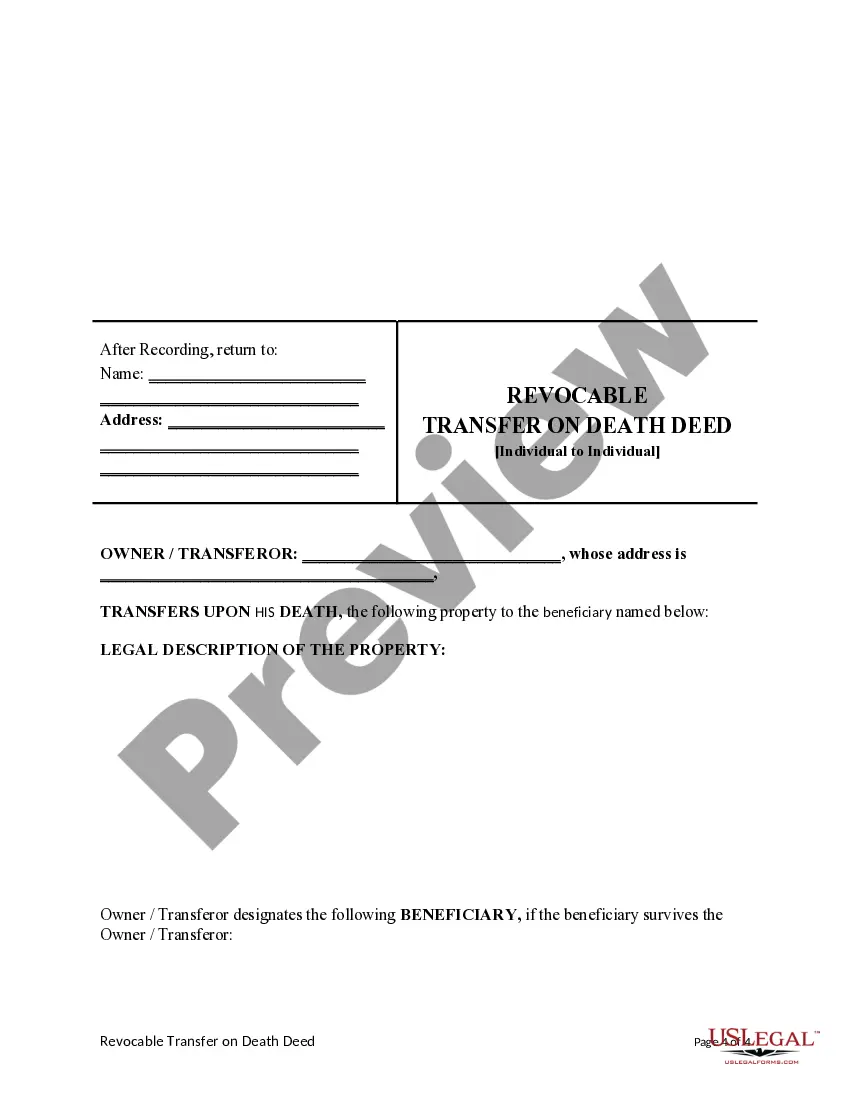
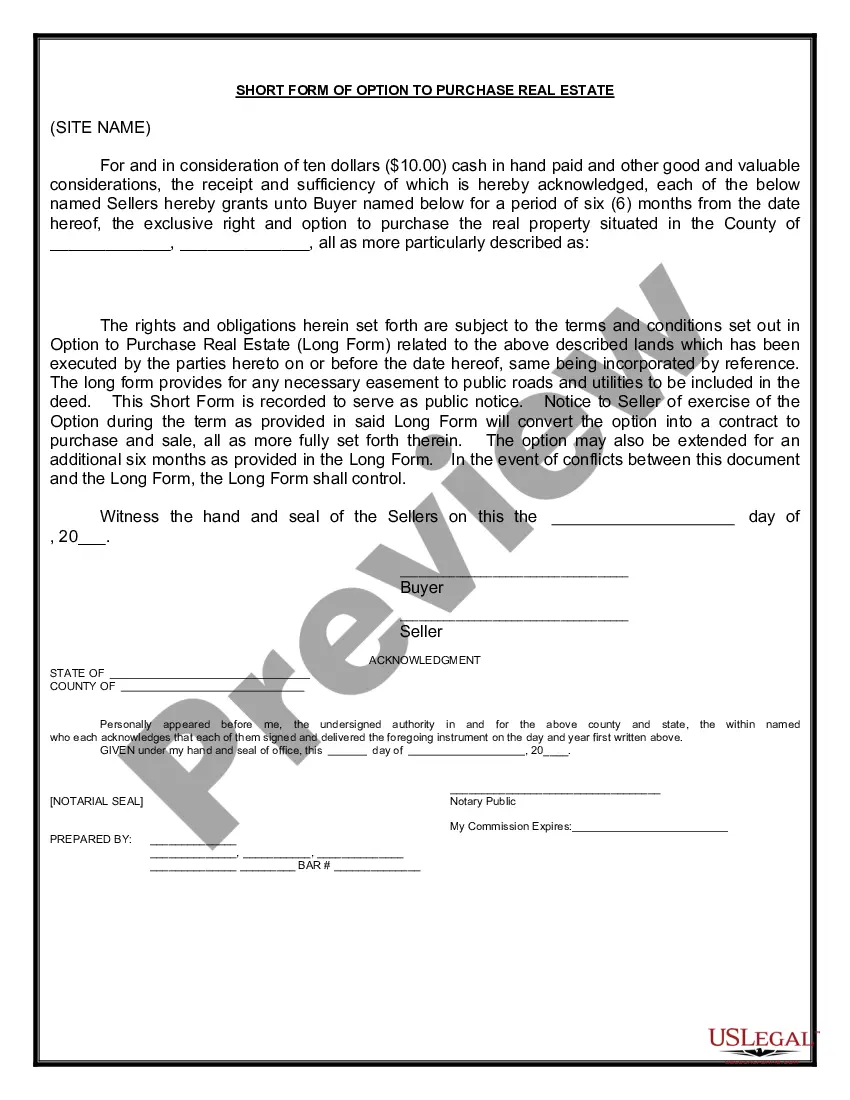
Get your form ready online
Our built-in tools help you complete, sign, share, and store your documents in one place.
Make edits, fill in missing information, and update formatting in US Legal Forms—just like you would in MS Word.
Download a copy, print it, send it by email, or mail it via USPS—whatever works best for your next step.
Sign and collect signatures with our SignNow integration. Send to multiple recipients, set reminders, and more. Go Premium to unlock E-Sign.
If this form requires notarization, complete it online through a secure video call—no need to meet a notary in person or wait for an appointment.
We protect your documents and personal data by following strict security and privacy standards.

Make edits, fill in missing information, and update formatting in US Legal Forms—just like you would in MS Word.

Download a copy, print it, send it by email, or mail it via USPS—whatever works best for your next step.

Sign and collect signatures with our SignNow integration. Send to multiple recipients, set reminders, and more. Go Premium to unlock E-Sign.

If this form requires notarization, complete it online through a secure video call—no need to meet a notary in person or wait for an appointment.

We protect your documents and personal data by following strict security and privacy standards.
Looking for another form?


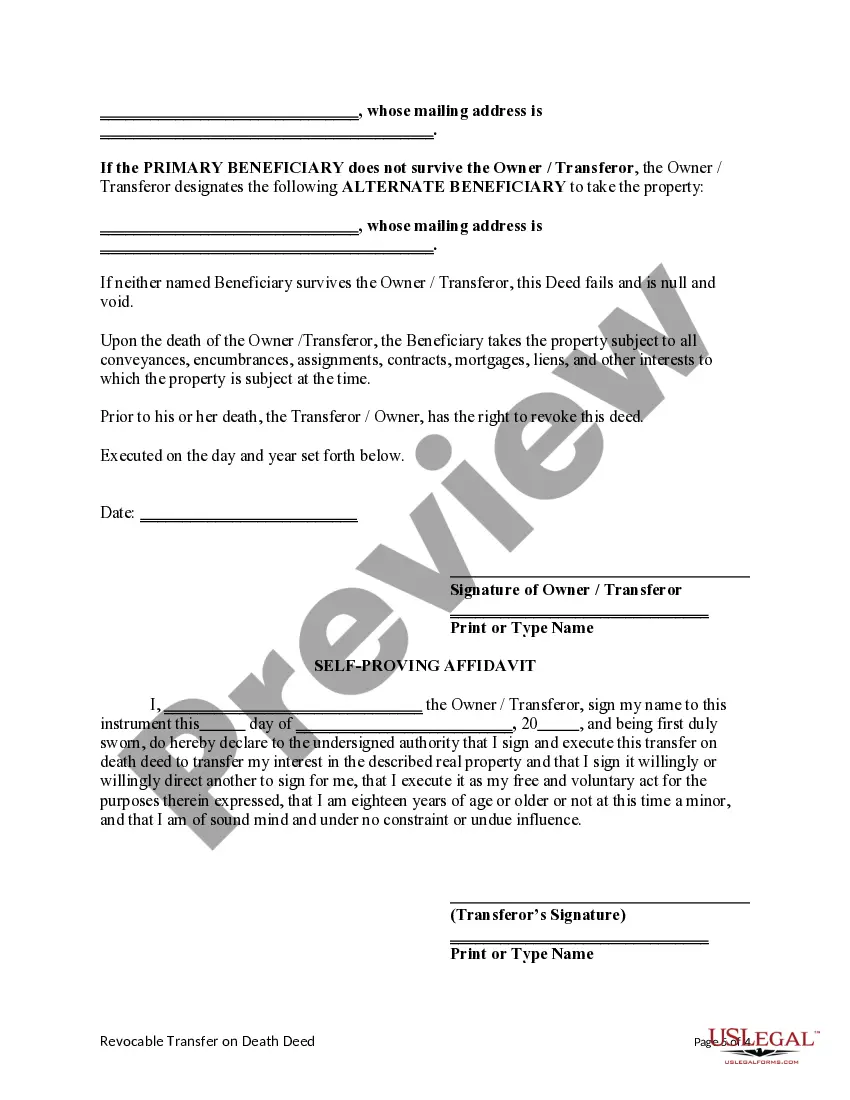
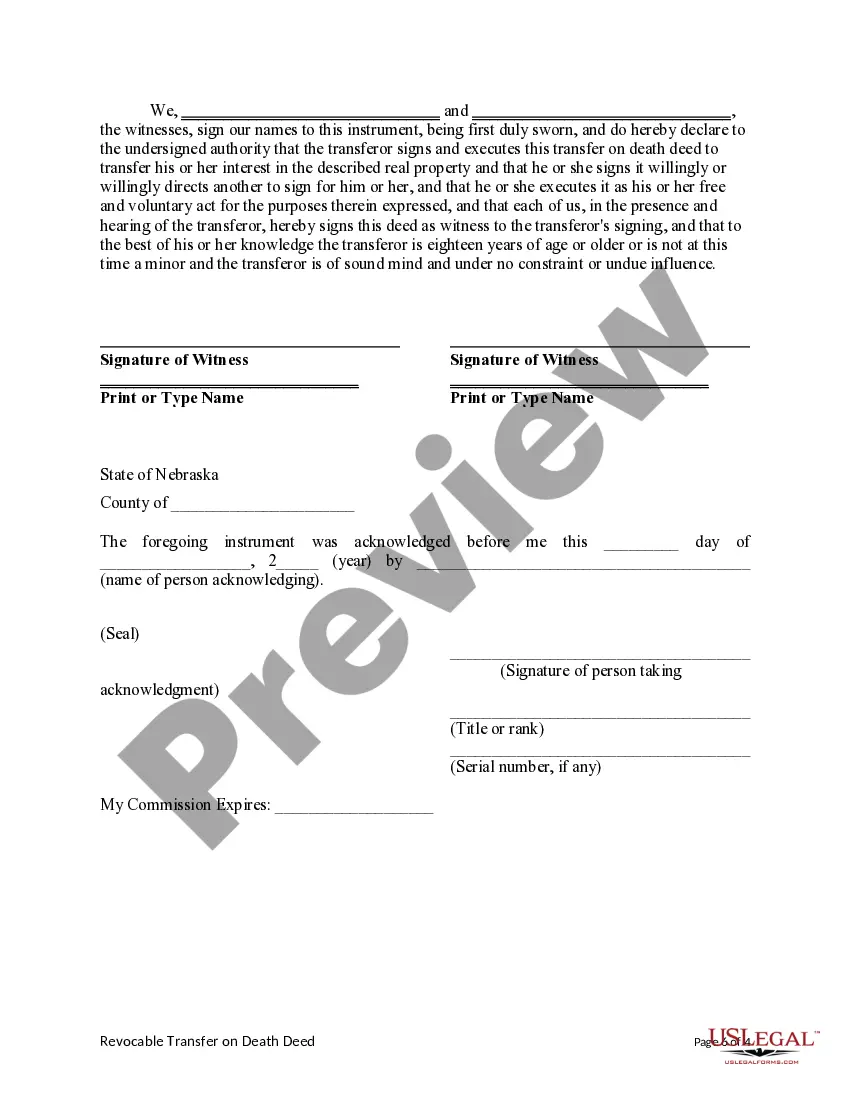
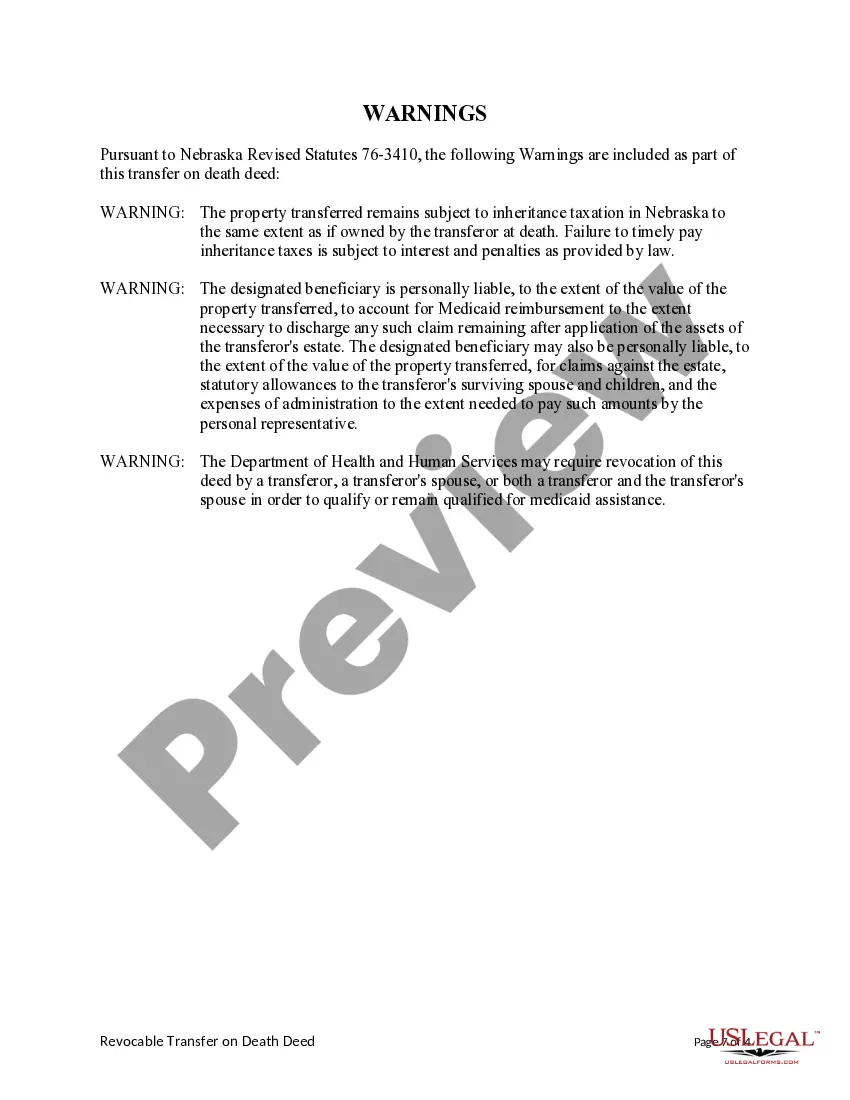
How to fill out Nebraska Transfer On Death Deed Or TOD - Beneficiary Deed - Individual To Individual With Provision For Alternate Beneficiary?
- Check your account if you are a returning user. If you have previously utilized US Legal Forms, log in to download the necessary document template by clicking the Download button. Ensure your subscription is active; if not, renew it based on your selected plan.
- For first-time users, start by reviewing the Preview mode and the form description. Confirm that you select the right document that aligns with your requirements and complies with local jurisdiction regulations.
- If the needed document isn’t available, utilize the Search function at the top to find alternatives that suit your needs better. If you find the appropriate form, proceed to the next step.
- Click the Buy Now button to purchase the document. Choose your subscription plan and create an account to access the extensive library of resources available to you.
- Complete your purchase by entering your payment information, either via credit card or PayPal, to finalize your subscription.
- Download the document directly to your device, ensuring that you have access to it all the time from the My Forms section of your profile.
With US Legal Forms, you have the advantage of an extensive collection of legal documents, surpassing competitors in both quantity and quality. You gain access to over 85,000 customizable legal forms, ensuring you can find exactly what you need.
In conclusion, whether you're dealing with a transfer deed or a gift deed, US Legal Forms equips you with the right tools to navigate your legal requirements confidently. Start your journey today and ensure your documents are both accurate and legally sound.
Form popularity
FAQ
While it is not always necessary to hire a lawyer to transfer a deed, consulting one can help ensure the process goes smoothly. A legal expert can clarify the differences between a transfer deed versus a gift deed and advise on potential tax implications. In many cases, using resources like US Legal Forms can provide you with the necessary documents and guidance to handle the transfer yourself. However, if you feel unsure, seeking legal assistance is always a wise choice.
The most common way to transfer ownership of real estate is through a transfer deed. This legal document provides a clear record of the change in ownership and outlines the rights of the new owner. A gift deed is another option if the transfer is intended as a present, but it may have different tax consequences. For an easy process, consider using US Legal Forms to navigate between the different types of deeds.
The best way to transfer property to a family member often depends on your specific circumstances. You can use a transfer deed to legally move ownership, or a gift deed if you intend to give the property without expecting anything in return. Each option has its implications for taxes and legal responsibilities. Consider using US Legal Forms to simplify the process and ensure you have the correct documentation.
Choosing the best type of deed to get hinges on your intentions regarding the property. A transfer deed is ideal for those planning to buy or sell, as it solidifies ownership with strong legal backing. If you lean more toward gifting property, you might consider a gift deed, but be aware of its limitations and potential issues. Utilizing resources from USLegalForms can help you determine which deed best suits your circumstances while ensuring a smooth process.
The best deed to receive depends on your specific situation. Generally, a transfer deed provides a clear and legally binding transfer of property, making it the most secure option. In comparison, a gift deed may be appropriate in personal circumstances where no payment is exchanged, but it could expose you to certain risks. It's advisable to consult a legal expert or use platforms like USLegalForms to navigate the intricacies of these deeds effectively.
When considering the best deed for a house, it's crucial to evaluate the distinctions between a transfer deed and a gift deed. A transfer deed facilitates the sale or conveyance of property, making it the preferred choice for transactions. In contrast, a gift deed transfers ownership without consideration, which may benefit certain situations but lacks the same legal protections as a transfer deed. For a secure transaction, many individuals opt for a transfer deed to ensure clear ownership and minimize future disputes.
A gift deed is a specific type of legal deed, but it is not synonymous with all deeds. While all gift deeds are deeds, not all deeds function in the same way. Transfer deeds, for example, serve different purposes, often involving monetary exchanges or formal sales. Understanding the distinctions is key when deciding between a transfer deed and a gift deed for your property transactions.
The best way to transfer a property title between family members often involves understanding the legal nuances of both gift deeds and transfer deeds. A transfer deed is typically a safer approach, providing clear documentation and protection for both parties. On the other hand, a gift deed can work if you want to transfer without financial exchange. Utilizing a platform like US Legal Forms can guide you through the process, ensuring you choose the best method for your family's needs.
A gift deed carries certain disadvantages that you should consider. Once a gift deed is executed, you lose ownership and control over the property, which can be problematic if family dynamics change. Additionally, gift deeds often do not provide the same legal protections against future claims as transfer deeds do. Therefore, understanding the intricate details of transfer deeds versus gift deeds is important before making a decision.
The choice between a gift deed and a sale deed depends on your intentions and circumstances. A gift deed allows for the transfer of property without monetary exchange, which can minimize tax implications. Conversely, a sale deed involves a payment and may offer more legal protections. Evaluating the pros and cons of both options can inform your decision to secure the best outcome for your property transfer.