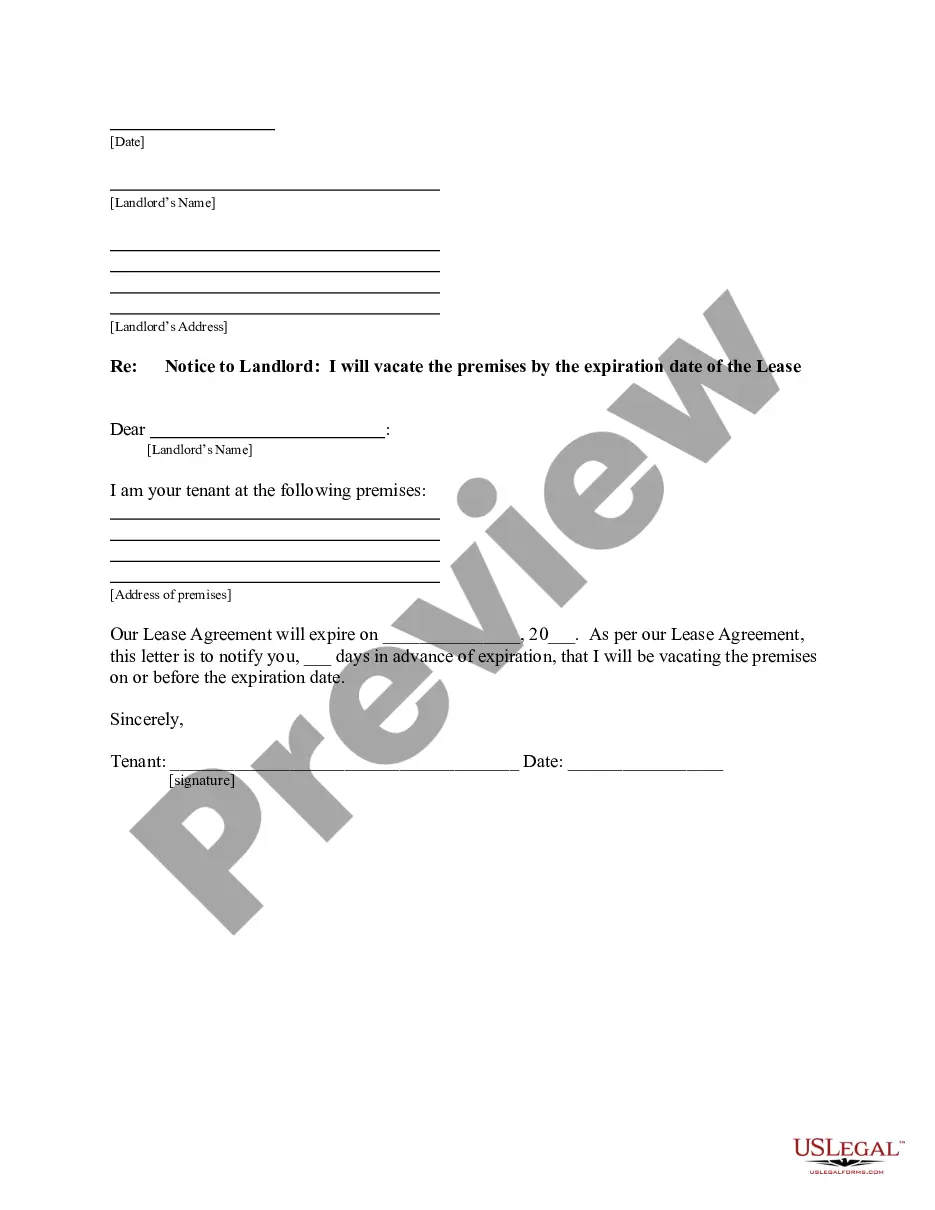
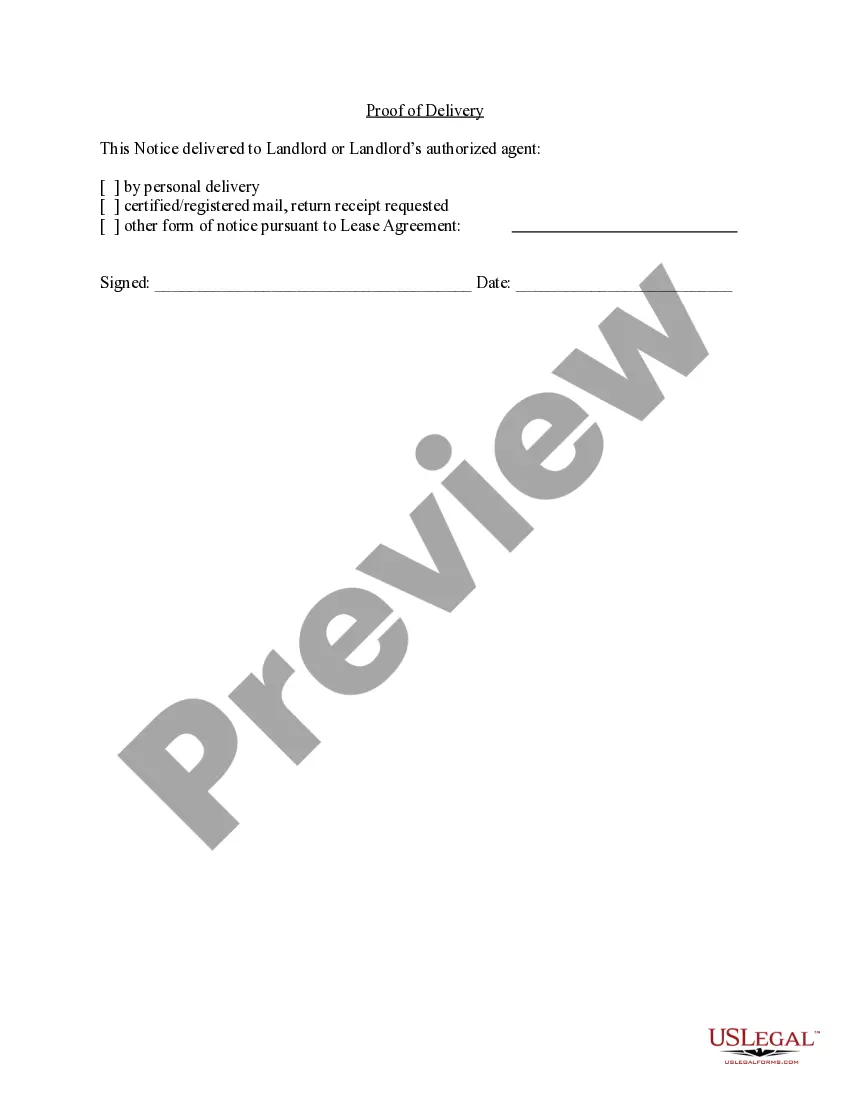
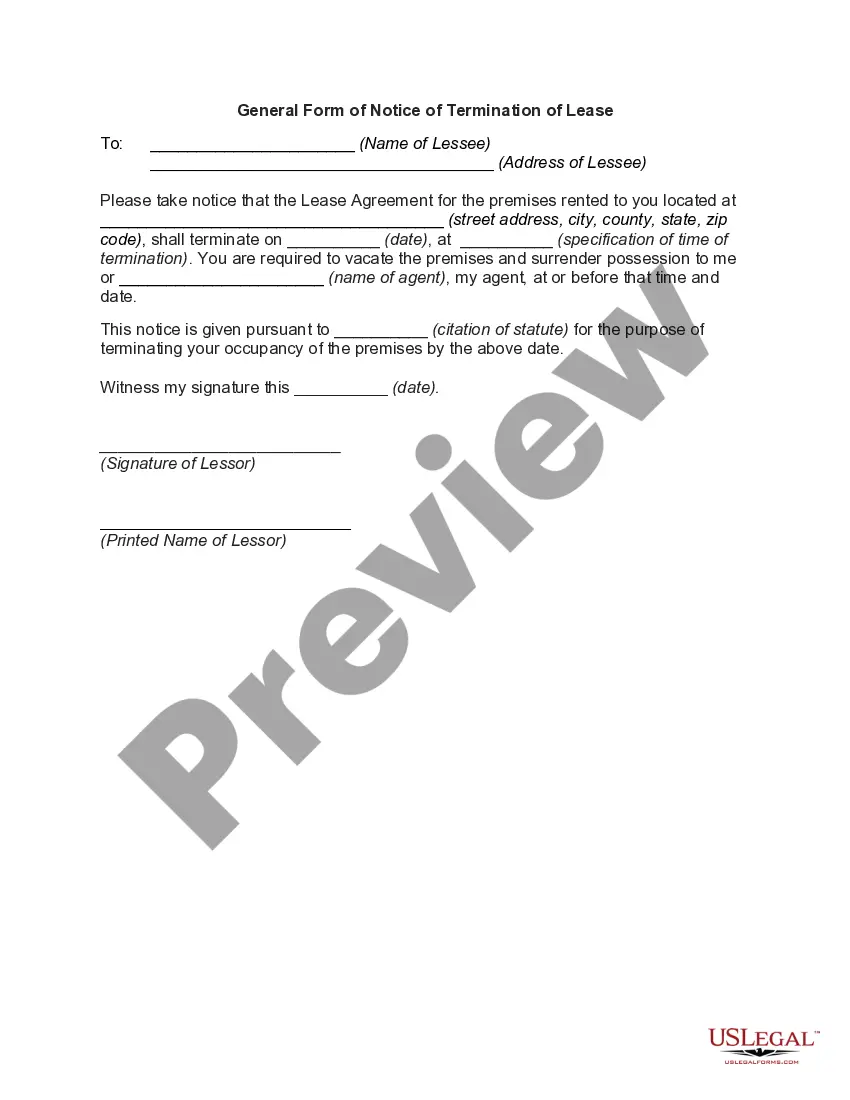
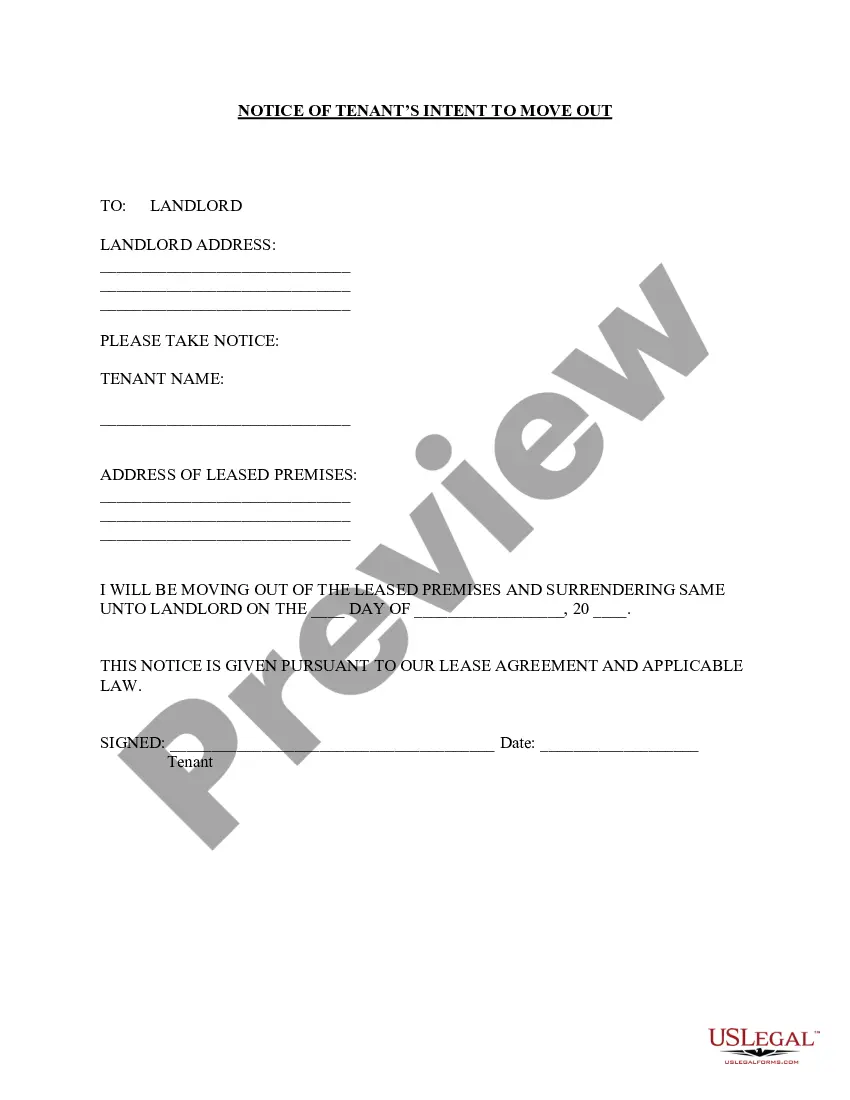
Intent To Vacate Letter With Spanish
Description

Get your form ready online
Our built-in tools help you complete, sign, share, and store your documents in one place.
Make edits, fill in missing information, and update formatting in US Legal Forms—just like you would in MS Word.
Download a copy, print it, send it by email, or mail it via USPS—whatever works best for your next step.
Sign and collect signatures with our SignNow integration. Send to multiple recipients, set reminders, and more. Go Premium to unlock E-Sign.
If this form requires notarization, complete it online through a secure video call—no need to meet a notary in person or wait for an appointment.
We protect your documents and personal data by following strict security and privacy standards.

Make edits, fill in missing information, and update formatting in US Legal Forms—just like you would in MS Word.

Download a copy, print it, send it by email, or mail it via USPS—whatever works best for your next step.

Sign and collect signatures with our SignNow integration. Send to multiple recipients, set reminders, and more. Go Premium to unlock E-Sign.

If this form requires notarization, complete it online through a secure video call—no need to meet a notary in person or wait for an appointment.

We protect your documents and personal data by following strict security and privacy standards.
Looking for another form?

How to fill out North Carolina Letter From Tenant To Landlord For 30 Day Notice To Landlord That Tenant Will Vacate Premises On Or Prior To Expiration Of Lease?
Managing legal paperwork and processes can be a lengthy addition to your schedule.
Intent To Vacate Letter With Spanish and similar forms frequently necessitate searching for them and figuring out how to fill them out accurately.
As a result, whether you are addressing financial, legal, or personal issues, utilizing a thorough and convenient online directory of forms readily available will be very beneficial.
US Legal Forms is the premier online platform for legal templates, offering over 85,000 state-specific forms along with a range of tools to assist you in completing your documents with ease.
Simply Log In to your account, locate Intent To Vacate Letter With Spanish and get it immediately in the My documents section. You can also access previously saved forms.
- Explore the directory of relevant documents accessible with just one click.
- US Legal Forms provides you with state- and county-specific forms available for download at any time.
- Protect your document management processes with exceptional support that enables you to prepare any form within minutes without any added or hidden fees.
Form popularity
FAQ
To write a 30-day notice to vacate, begin by stating your intent to vacate, including your address and the date you plan to leave. It is advisable to be clear and concise, mentioning the end date of your tenancy. Ensure you keep a copy for your records and consider delivering it in person or via certified mail. For those needing a bilingual approach, an intent to vacate letter with Spanish can streamline this process.
In most cases, once you submit a notice to vacate, it is a formal declaration of your intent to leave. However, tenants may be able to withdraw it if they have not yet moved out and their landlord agrees. It's best to discuss any changes directly with your landlord. If you need to communicate your intentions in Spanish, accessing an intent to vacate letter with Spanish from uslegalforms can be beneficial.
In Alabama, landlords must provide a valid reason and notice before evicting a tenant. The law requires a specific notice period, typically seven days for nonpayment of rent. If the tenant does not vacate after the notice, the landlord must file an unlawful detainer action in court. For tenants needing assistance, an intent to vacate letter with Spanish can help communicate intentions clearly and legally.
An eviction notice is a legal document filed by a landlord to start the court process for removing a tenant. Conversely, a notice to vacate is a request for the tenant to leave voluntarily, without legal proceedings. While both documents signal that a tenant must leave, the eviction notice has legal implications that can lead to court involvement. If you need assistance drafting an intent to vacate letter with Spanish, consider using uslegalforms for easy templates.
No, a notice to vacate is not equivalent to an eviction. It simply requests that a tenant leave the property by a specific date. While a notice to vacate initiates the process, eviction involves court action to forcibly remove a tenant. You can find templates for an intent to vacate letter with Spanish on platforms like uslegalforms.
A notice of termination is not the same as an eviction. Instead, it is a formal communication informing a tenant that their lease will end. An eviction involves legal procedures to remove a tenant from a rental property. When you receive an intent to vacate letter with Spanish language support, it typically serves as a precursor to the eviction process.
Certain legal documents, such as wills, real estate deeds, and some contracts, generally need notarization. However, most everyday letters, including a simple notice to vacate, do not require this formality. If you are using an intent to vacate letter with Spanish, it is wise to check if your state mandates notarization for that document. Always ensure compliance with your local laws to safeguard your interests.
A termination letter usually does not require notarization unless specified by local laws or the lease agreement. You can effectively communicate your intent with an intent to vacate letter with Spanish to ensure all parties understand the termination process. This approach can help avoid any potential issues regarding the termination of your lease. Always confirm with local regulations for specific requirements.
Generally, a letter of agreement does not have to be notarized to be valid. The key factor is that both parties must agree to the terms outlined in the letter. If you prefer to have a record of a binding agreement, using an intent to vacate letter with Spanish provides a clear understanding for both parties. Additionally, notarization may be helpful in disputes, adding an extra layer of assurance.
A written notice to vacate does not typically need to be notarized. However, local laws may have specific requirements, so it is essential to check your state’s regulations. Utilizing an intent to vacate letter with Spanish can facilitate communication, especially for Spanish-speaking tenants. This ensures clarity and helps prevent misunderstandings when giving notice to your landlord.