North Carolina Judgment Statute Of Limitations
Description
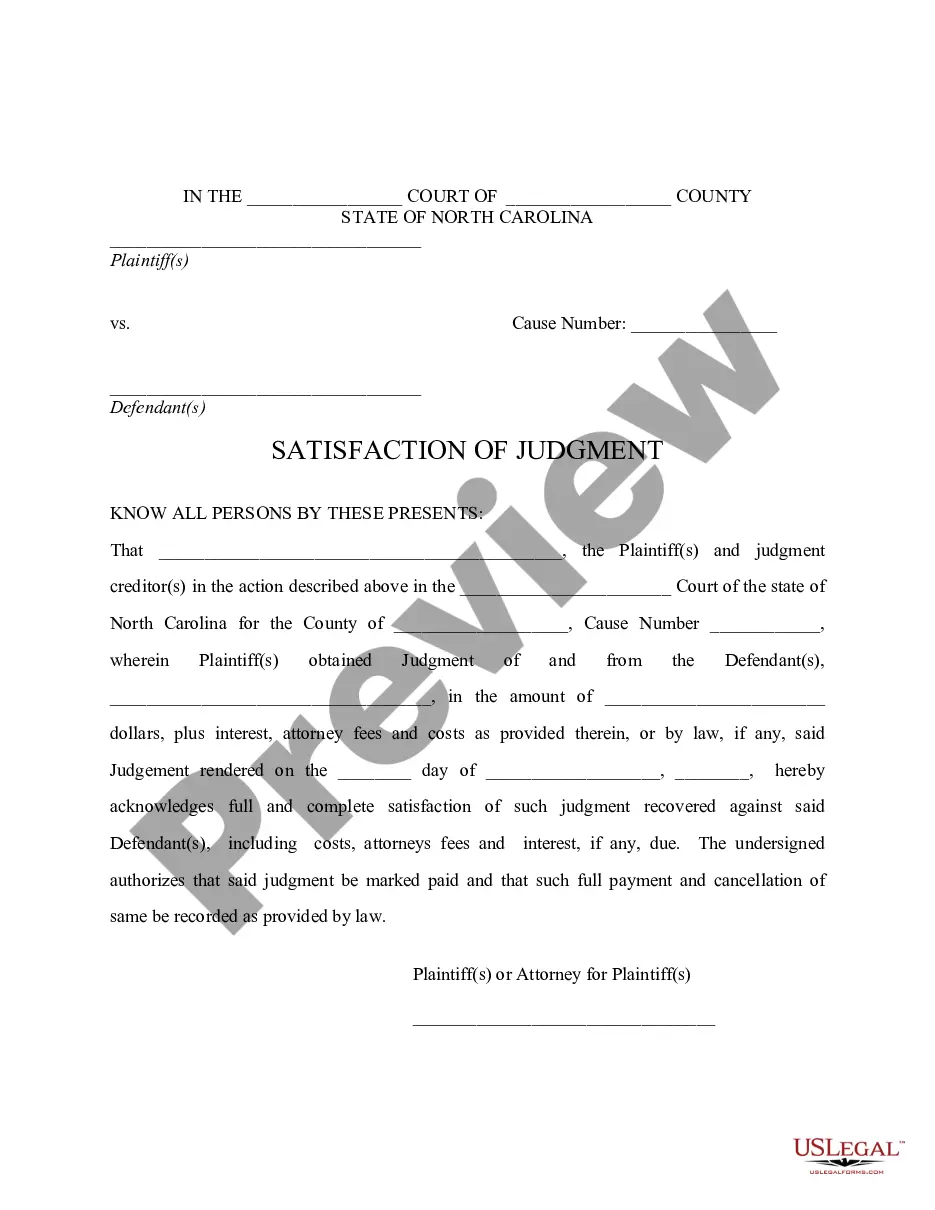
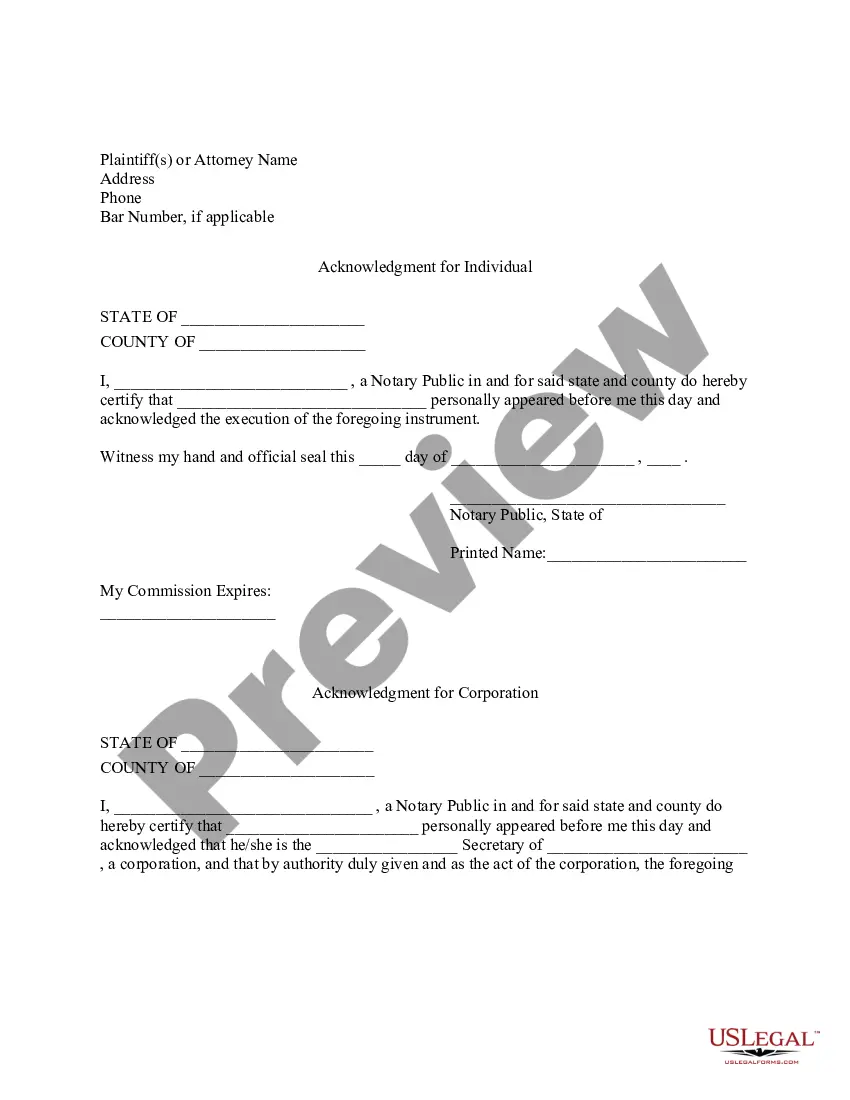
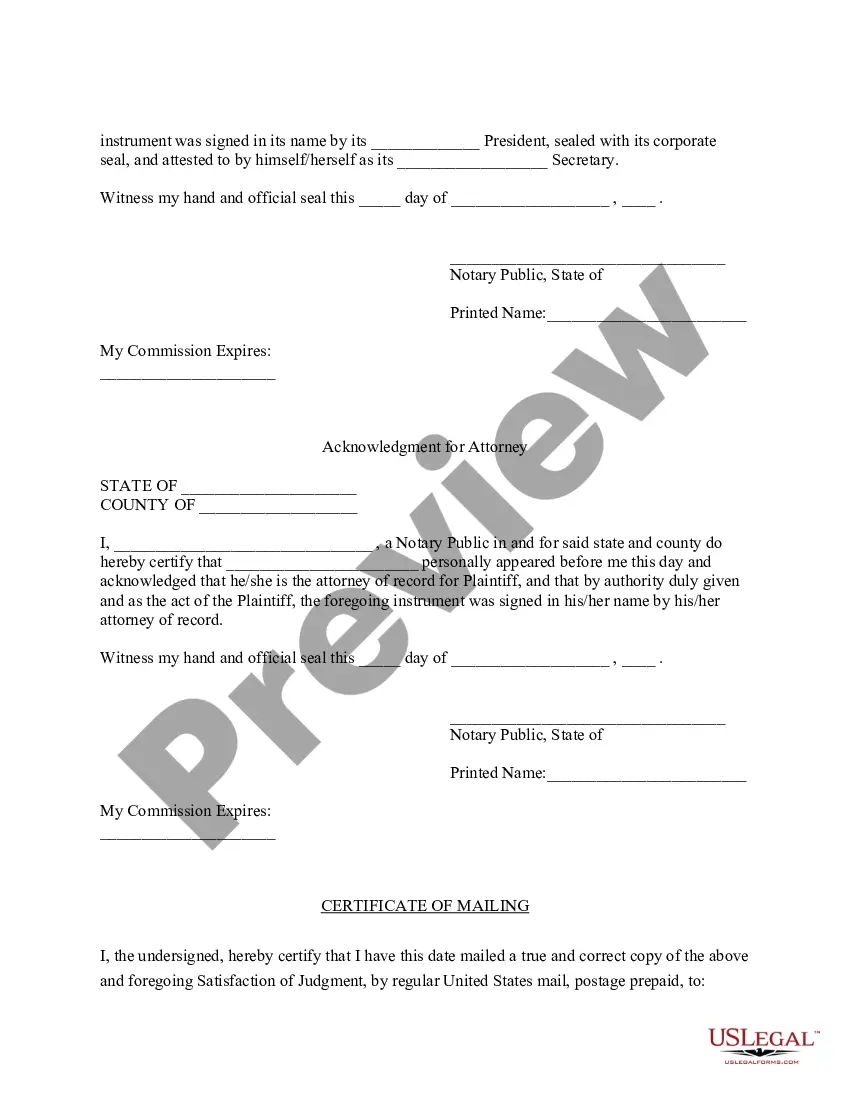
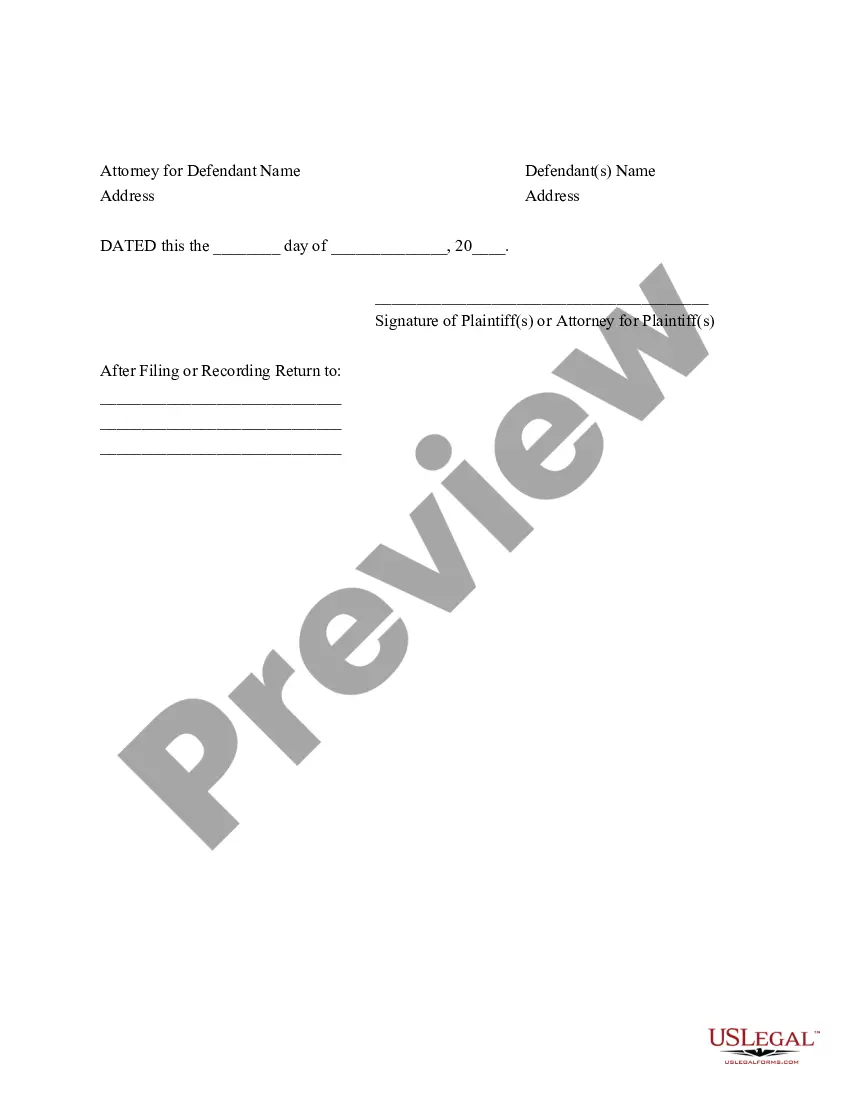
Get your form ready online
Our built-in tools help you complete, sign, share, and store your documents in one place.
Make edits, fill in missing information, and update formatting in US Legal Forms—just like you would in MS Word.
Download a copy, print it, send it by email, or mail it via USPS—whatever works best for your next step.
Sign and collect signatures with our SignNow integration. Send to multiple recipients, set reminders, and more. Go Premium to unlock E-Sign.
If this form requires notarization, complete it online through a secure video call—no need to meet a notary in person or wait for an appointment.
We protect your documents and personal data by following strict security and privacy standards.

Make edits, fill in missing information, and update formatting in US Legal Forms—just like you would in MS Word.

Download a copy, print it, send it by email, or mail it via USPS—whatever works best for your next step.

Sign and collect signatures with our SignNow integration. Send to multiple recipients, set reminders, and more. Go Premium to unlock E-Sign.

If this form requires notarization, complete it online through a secure video call—no need to meet a notary in person or wait for an appointment.

We protect your documents and personal data by following strict security and privacy standards.
Looking for another form?



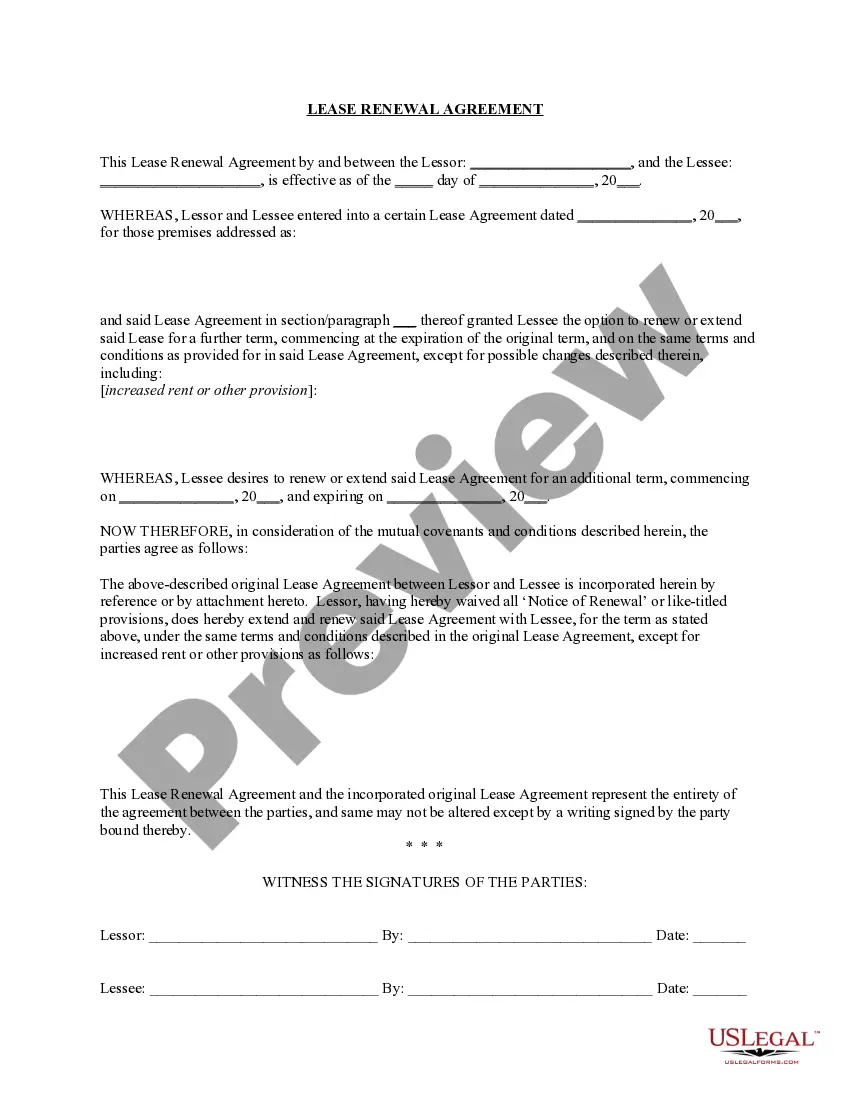

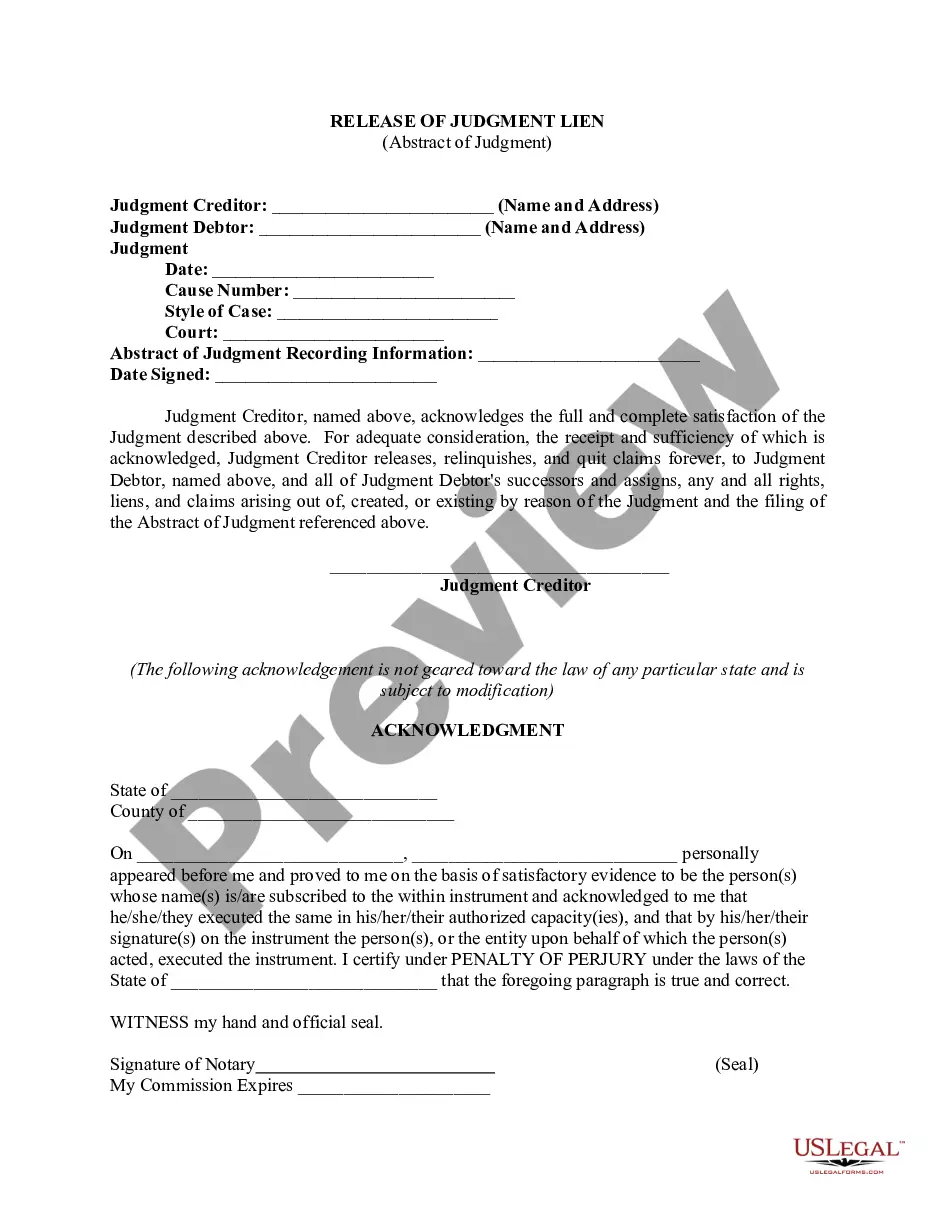
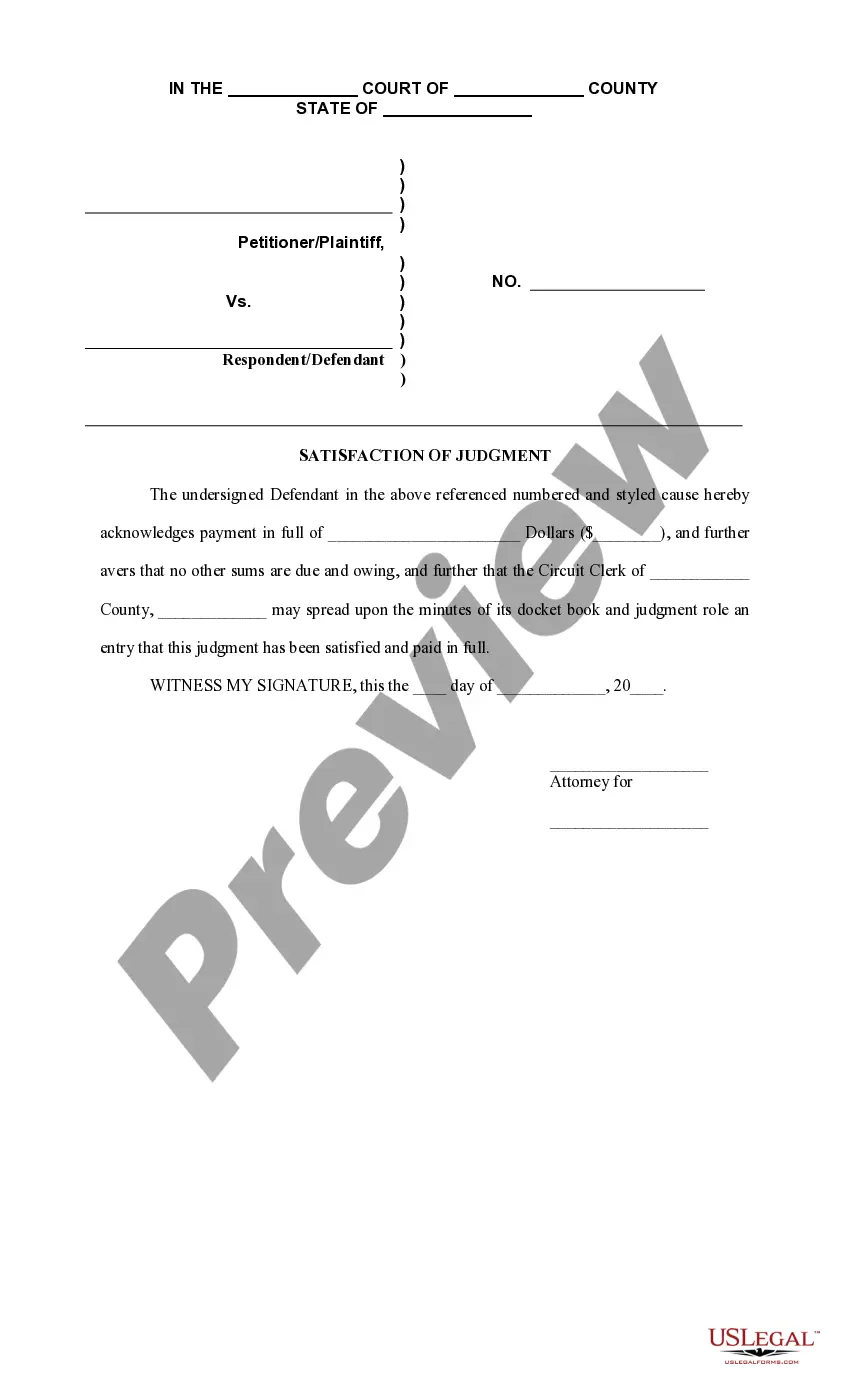
How to fill out North Carolina Satisfaction Of Judgment?
Handling legal documents and processes can be a lengthy extra task in your day.
The North Carolina Judgment Statute Of Limitations and similar forms typically demand you to search for them and navigate how to fill them out correctly.
Consequently, whether you are managing financial, legal, or personal issues, utilizing a comprehensive and user-friendly online repository of forms at your disposal will be of great assistance.
US Legal Forms is the leading online platform for legal templates, providing more than 85,000 forms specific to each state and various tools to help you complete your documents with ease.
Simply Log In to your account, seek out the North Carolina Judgment Statute Of Limitations, and download it directly from the My documents section. Additionally, you can access forms that you have downloaded previously.
- Explore the collection of relevant documents accessible to you with just one click.
- US Legal Forms gives you forms tailored to your state and county that you can access at any moment for quick downloads.
- Safeguard your document management processes with a reliable solution that enables you to prepare any form in mere minutes without any extra or hidden fees.
Form popularity
FAQ
In North Carolina, a judgment remains valid for 10 years, according to the North Carolina judgment statute of limitations. This period allows creditors ample time to collect owed debts, but it also provides debtors a clear timeline regarding their financial liabilities. After 10 years, the judgment may no longer be enforceable, making it crucial to monitor these timelines. For any legal documentation needs related to judgments, US Legal Forms can be an excellent resource.
Yes, a judgment in North Carolina is generally valid for 10 years from the date it is entered. This timeframe is dictated by the North Carolina judgment statute of limitations, which governs how long creditors can pursue collection. After this period, the judgment may become unenforceable, but it is essential to confirm the details to ensure compliance with the law. For detailed legal documents and guidance, you can rely on US Legal Forms to assist you.
The North Carolina statute of limitations outlines the time frame within which legal actions must be initiated. For most debt-related judgments, this period is typically 10 years from the date the judgment was entered. Understanding this timeline is crucial for both creditors and debtors, as it affects the ability to enforce or dispute judgments. US Legal Forms provides valuable templates and information to help navigate these legal timelines effectively.
In North Carolina, judgments do not automatically disappear after 10 years. However, the North Carolina judgment statute of limitations does state that after this period, creditors may not be able to enforce the judgment through collection actions. It is important to keep track of the date of the judgment to understand your legal rights and obligations. If you need assistance managing judgments, consider utilizing the resources available through US Legal Forms.
The statute of limitations sets a legal time limit for how long you have to file a lawsuit for compensation and varies depending on the type of claim and where the lawsuit is filed. The North Carolina personal injury statute of limitations is generally three years, per G.S. §1-52.
North Carolina's civil statute of limitations laws provide a three-year time limit for personal injuries, fraud, and many other causes of action, but just a one-year limit for defamation.
North Carolina law recognizes some situations in which the amount of time allowed for filing a personal injury claim may be extended. They include: Cases involving an injured minor or a plaintiff with some other legal disability at the time of the injury, meaning they are considered temporarily incompetent.
However, it applied the North Carolina statute of limitations to conclude that the claim was timely. In reaching this outcome, the court reasoned that statutes of limitations are procedural and that procedural issues are always governed by the law of the forum.
In North Carolina, a judgment is valid for ten years from the date it was awarded by the Court. The judgment can be renewed for another ten years, giving a judgment creditor additional time to try to collect the money owed.