Mississippi Easement Law For Water
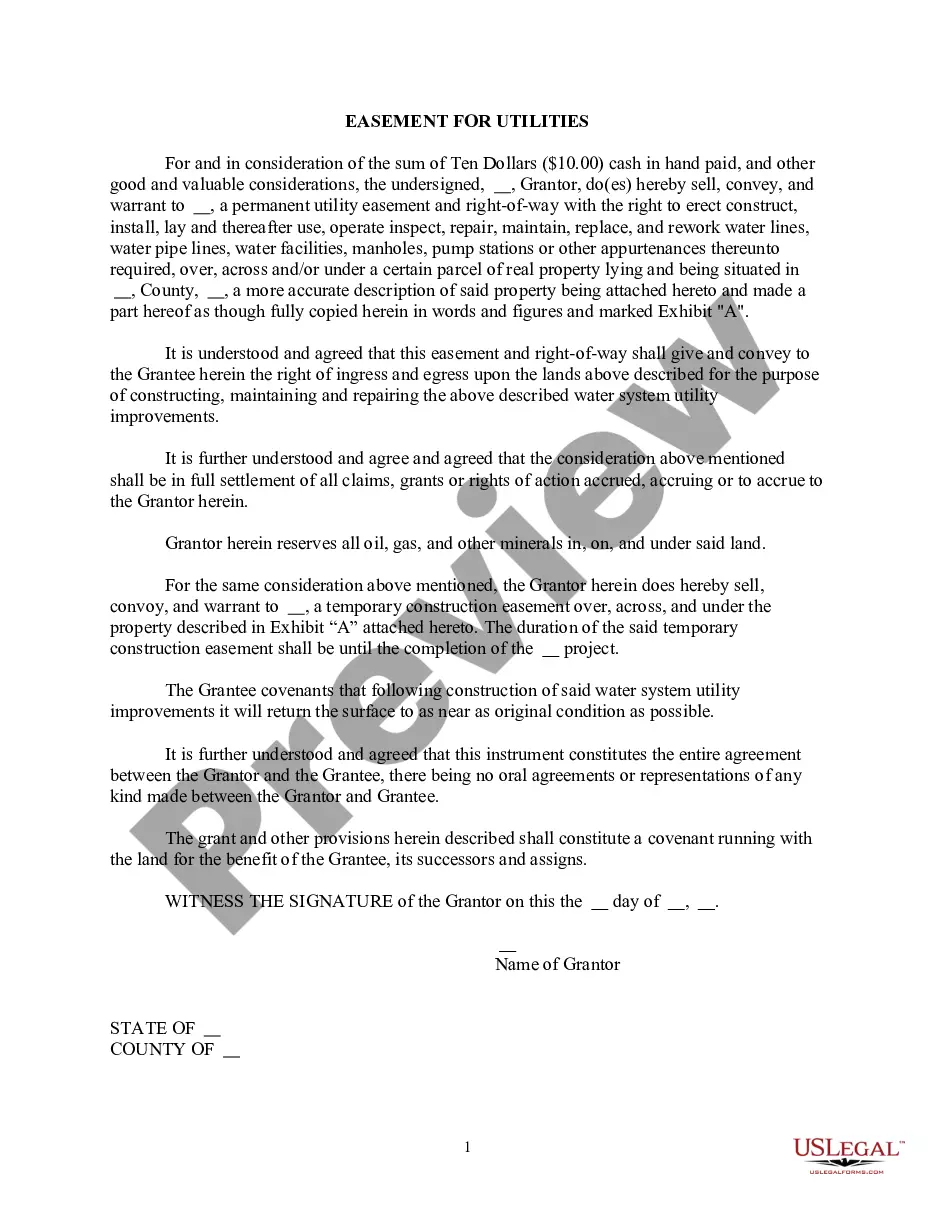
Description
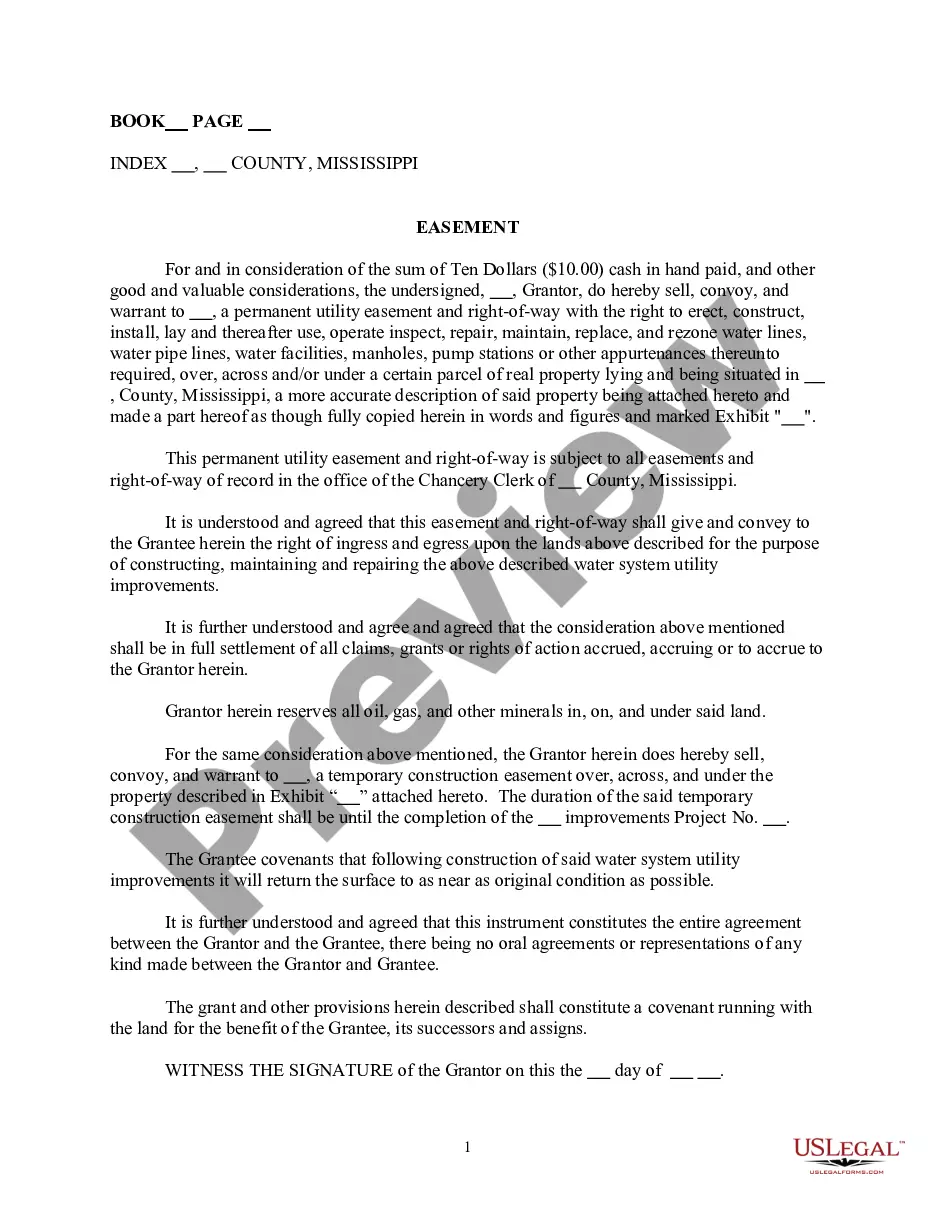
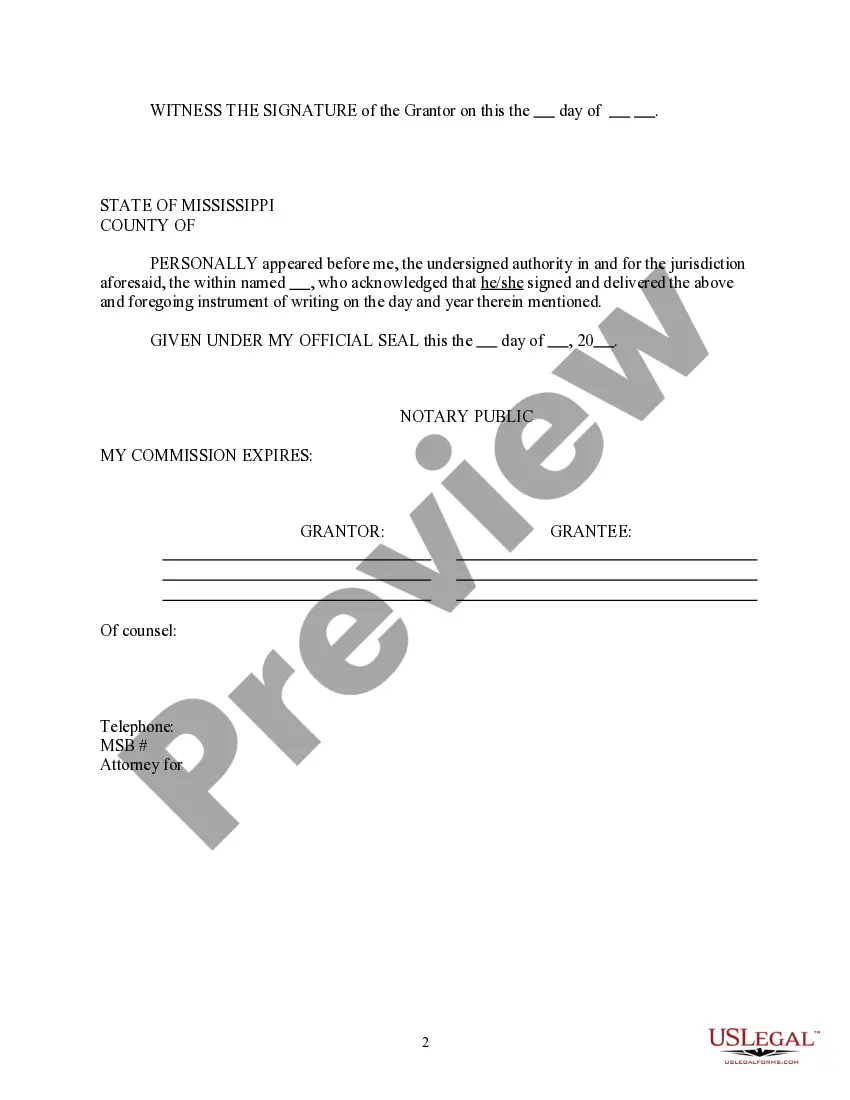
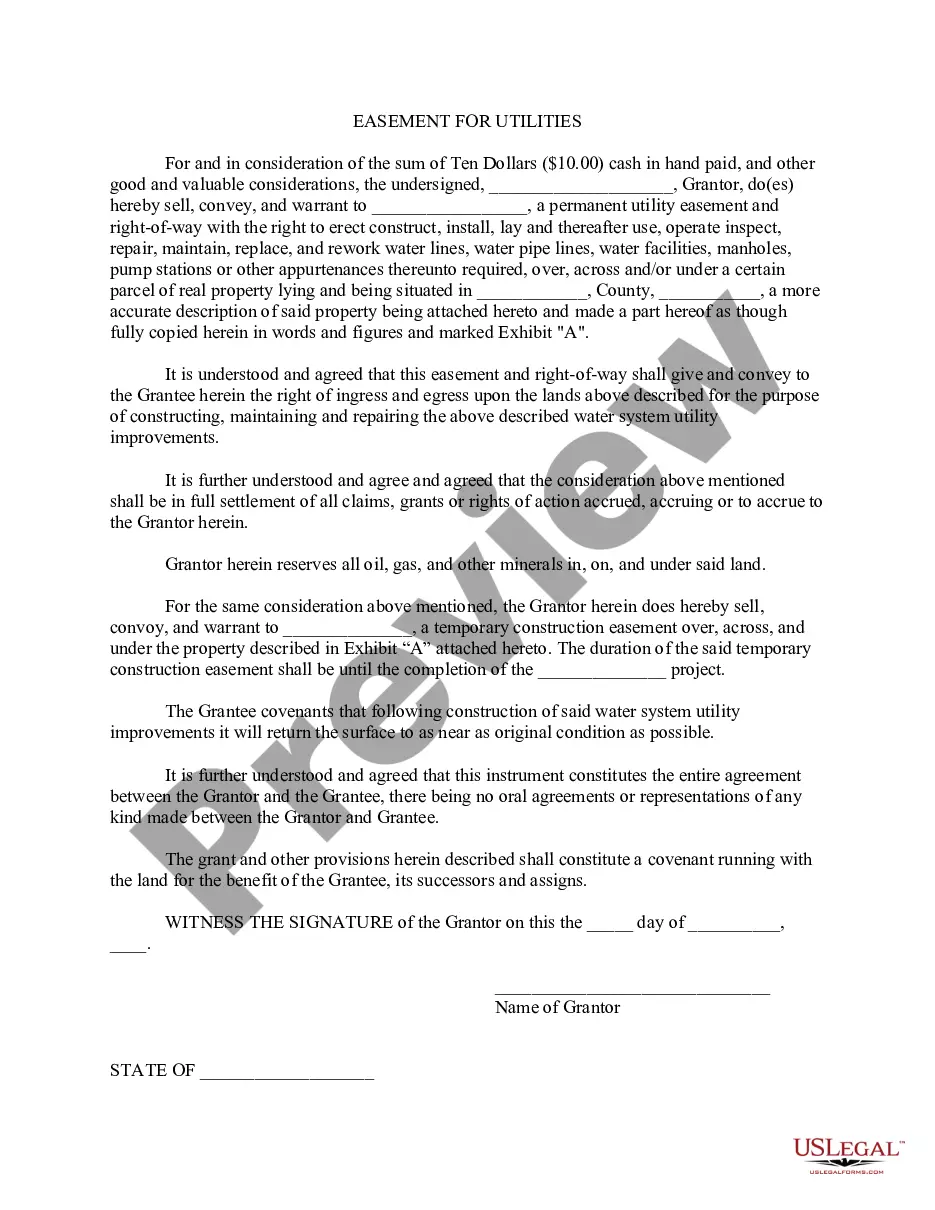
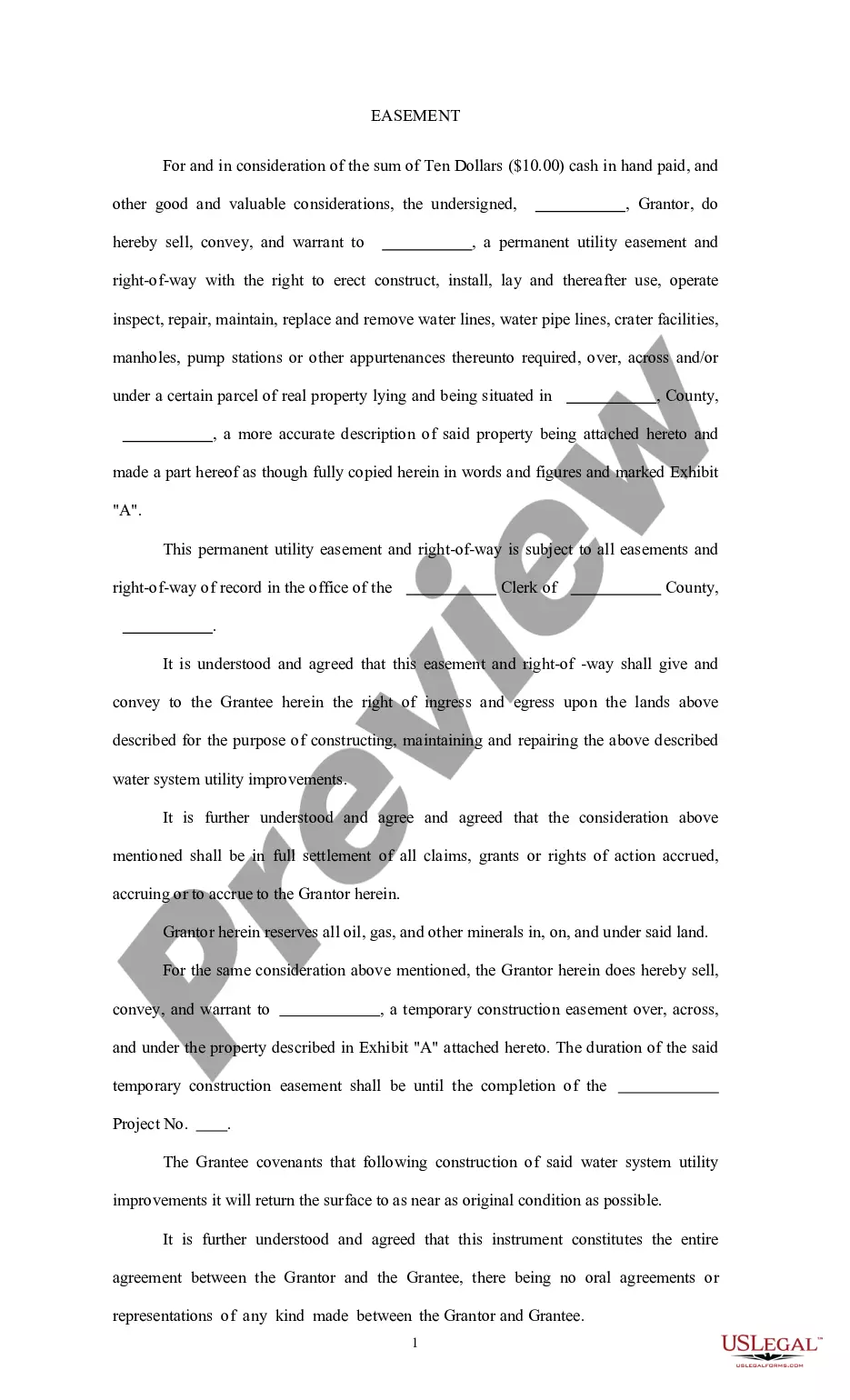
Get your form ready online
Our built-in tools help you complete, sign, share, and store your documents in one place.
Make edits, fill in missing information, and update formatting in US Legal Forms—just like you would in MS Word.
Download a copy, print it, send it by email, or mail it via USPS—whatever works best for your next step.
Sign and collect signatures with our SignNow integration. Send to multiple recipients, set reminders, and more. Go Premium to unlock E-Sign.
If this form requires notarization, complete it online through a secure video call—no need to meet a notary in person or wait for an appointment.
We protect your documents and personal data by following strict security and privacy standards.

Make edits, fill in missing information, and update formatting in US Legal Forms—just like you would in MS Word.

Download a copy, print it, send it by email, or mail it via USPS—whatever works best for your next step.

Sign and collect signatures with our SignNow integration. Send to multiple recipients, set reminders, and more. Go Premium to unlock E-Sign.

If this form requires notarization, complete it online through a secure video call—no need to meet a notary in person or wait for an appointment.

We protect your documents and personal data by following strict security and privacy standards.
Looking for another form?
How to fill out Mississippi Utility Easement?
The Mississippi Easement Law For Water you see on this page is a multi-usable formal template drafted by professional lawyers in line with federal and local regulations. For more than 25 years, US Legal Forms has provided individuals, companies, and attorneys with more than 85,000 verified, state-specific forms for any business and personal situation. It’s the fastest, simplest and most trustworthy way to obtain the paperwork you need, as the service guarantees bank-level data security and anti-malware protection.
Getting this Mississippi Easement Law For Water will take you only a few simple steps:
- Look for the document you need and check it. Look through the file you searched and preview it or review the form description to confirm it suits your requirements. If it does not, make use of the search bar to find the correct one. Click Buy Now when you have found the template you need.
- Subscribe and log in. Choose the pricing plan that suits you and create an account. Use PayPal or a credit card to make a prompt payment. If you already have an account, log in and check your subscription to continue.
- Acquire the fillable template. Pick the format you want for your Mississippi Easement Law For Water (PDF, Word, RTF) and download the sample on your device.
- Complete and sign the document. Print out the template to complete it manually. Alternatively, utilize an online multi-functional PDF editor to rapidly and accurately fill out and sign your form with a valid.
- Download your papers one more time. Use the same document once again whenever needed. Open the My Forms tab in your profile to redownload any previously saved forms.
Sign up for US Legal Forms to have verified legal templates for all of life’s scenarios at your disposal.
Form popularity
FAQ
The public easements intended for road building are called public right-of-way easements. These are clearly intended for the use of the public and are most often have been dedicated to the County. Private easements are granted by a private landowner to a person, persons, or group.
There are eight ways to terminate an easement: abandonment, merger, end of necessity, demolition, recording act, condemnation, adverse possession, and release.
Methods of Termination Release. ... Abandonment. ... Abandoning Easements Created by Prescription. ... Intent to Abandon. ... Abandonment by Statute for Public Streets. ... Prescription. ... End of Necessity. ... Merger.
In fact, the owner of an easement has the right and obligation to maintain the easement. Moreover, they have a duty to keep in the easement in a safe condition to prevent injury to third persons using the easement.
An easement is a non-possessory right of use in the land of another. Easements are typically granted for very specific and limited purposes and the easement holder has no right to expand or change how he uses the easement without the consent of the landowner.