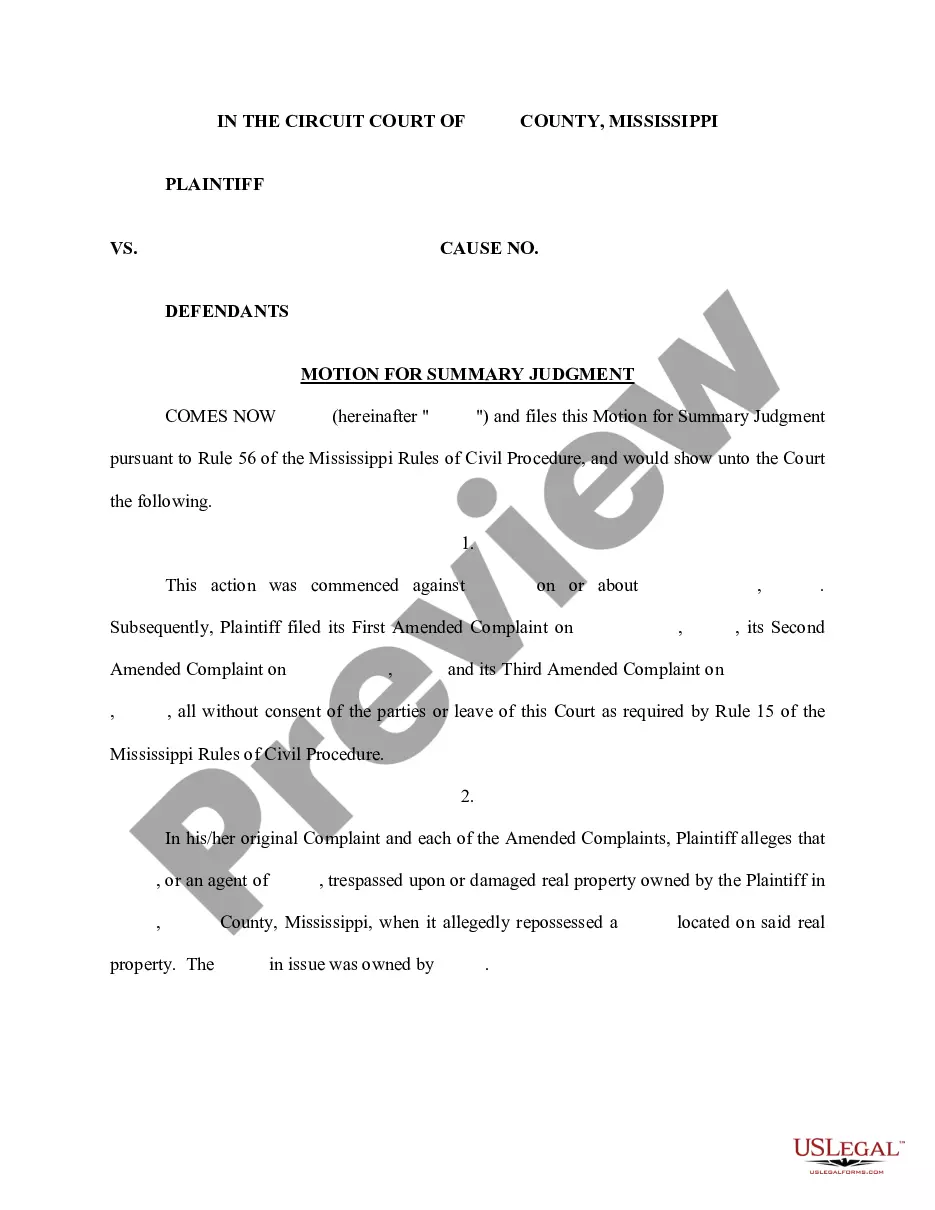
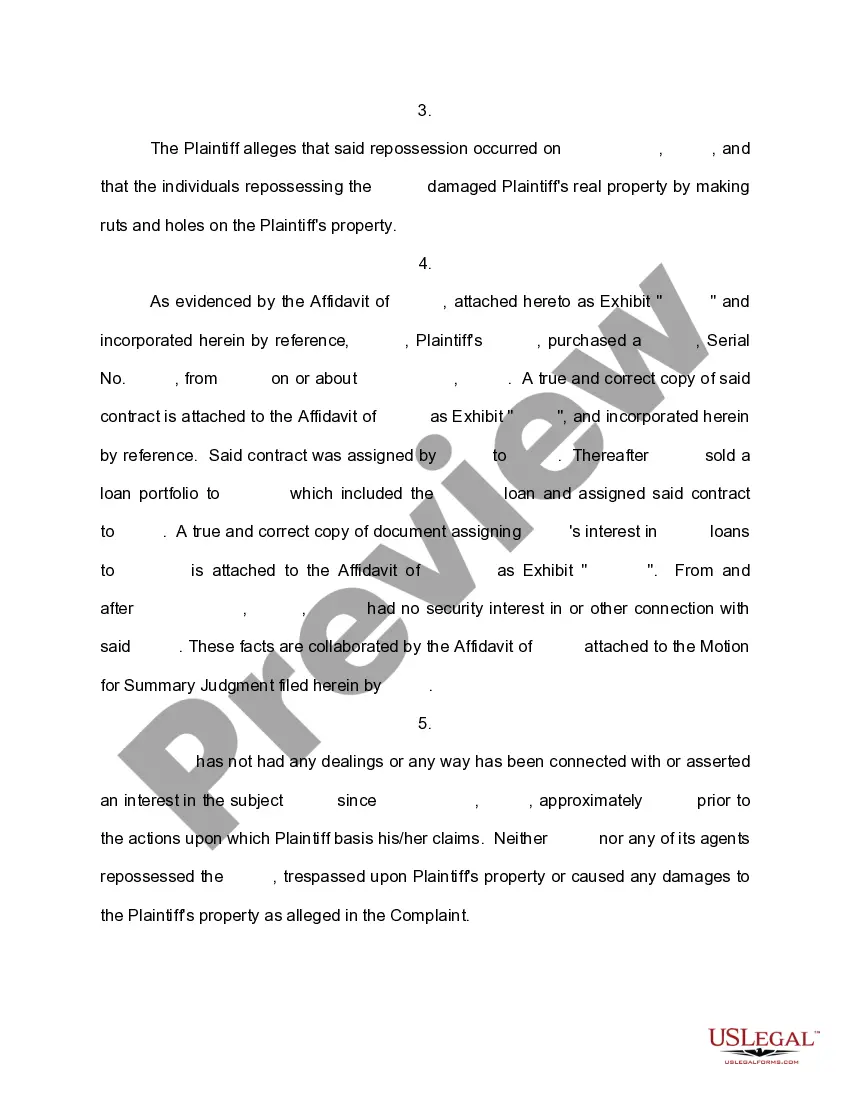
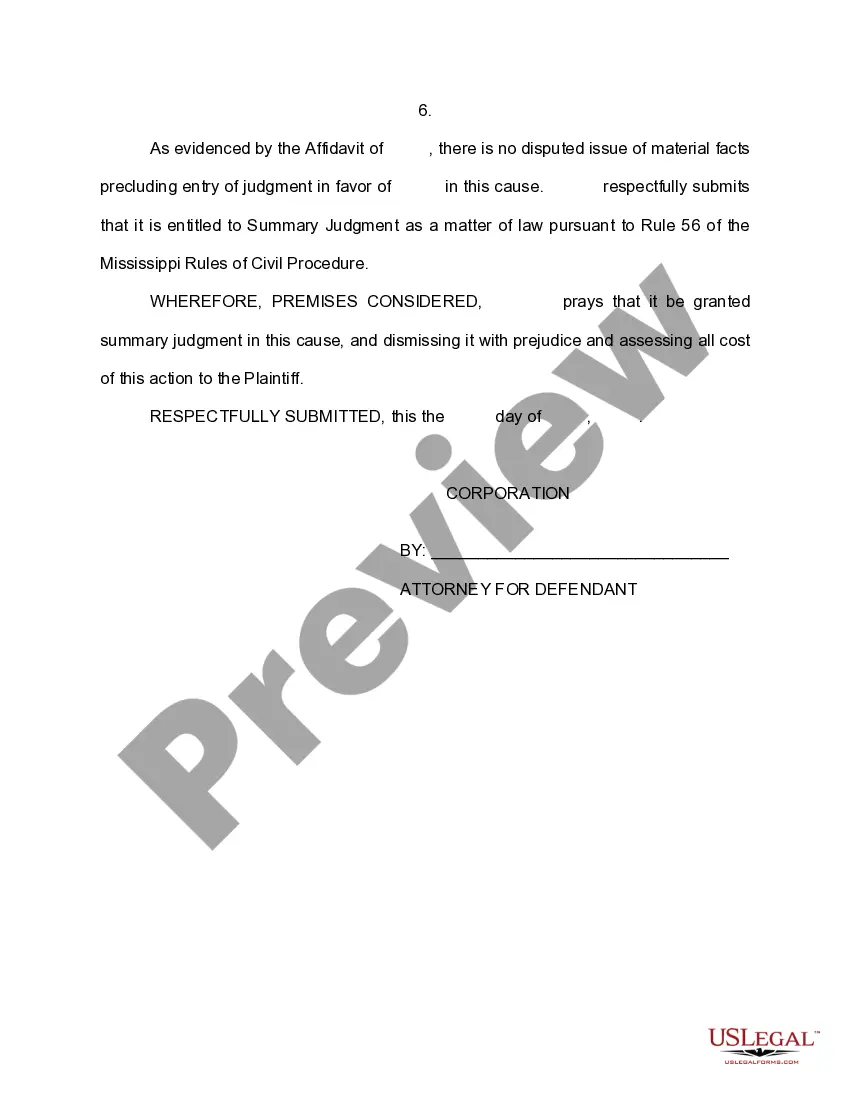
Mississippi Motion To Dismiss
Description
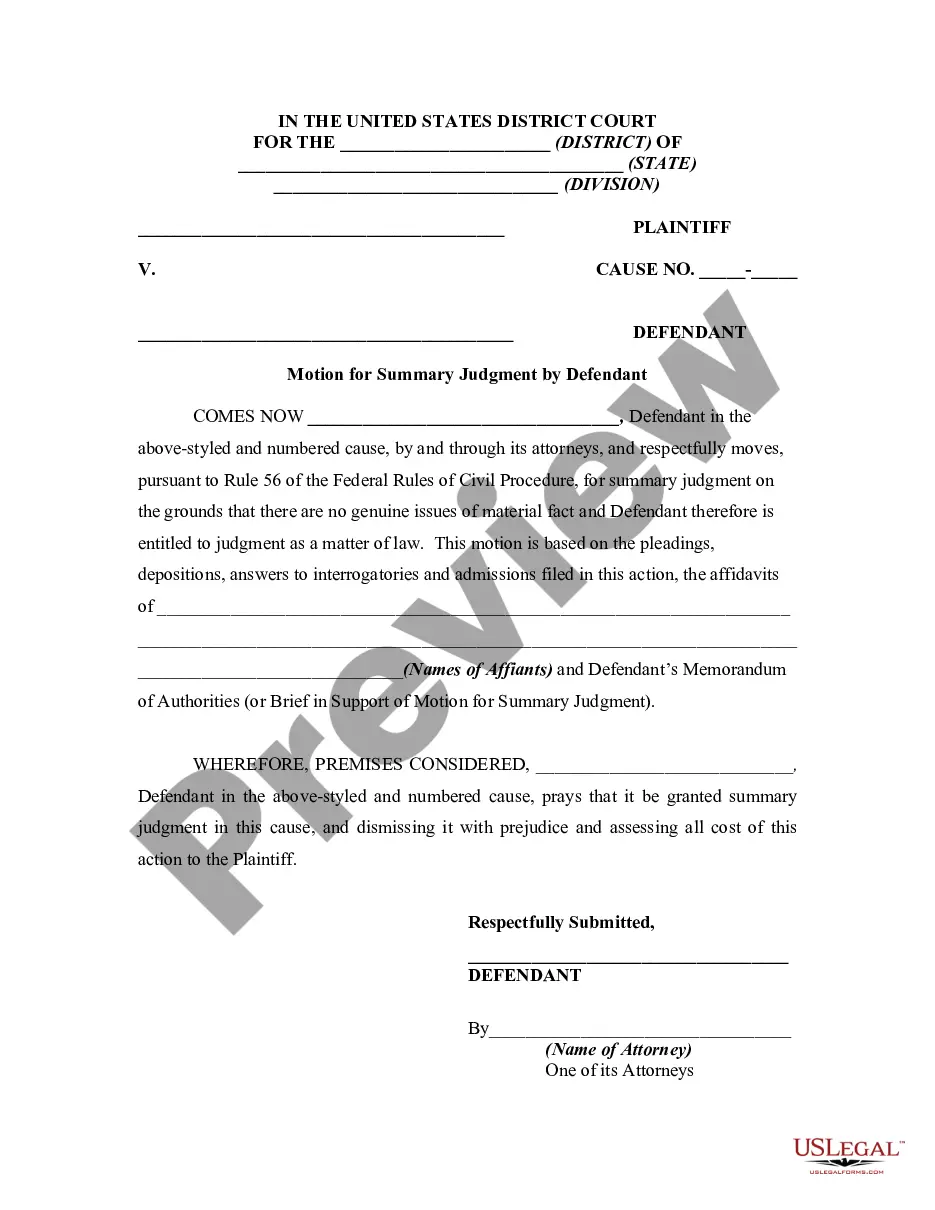
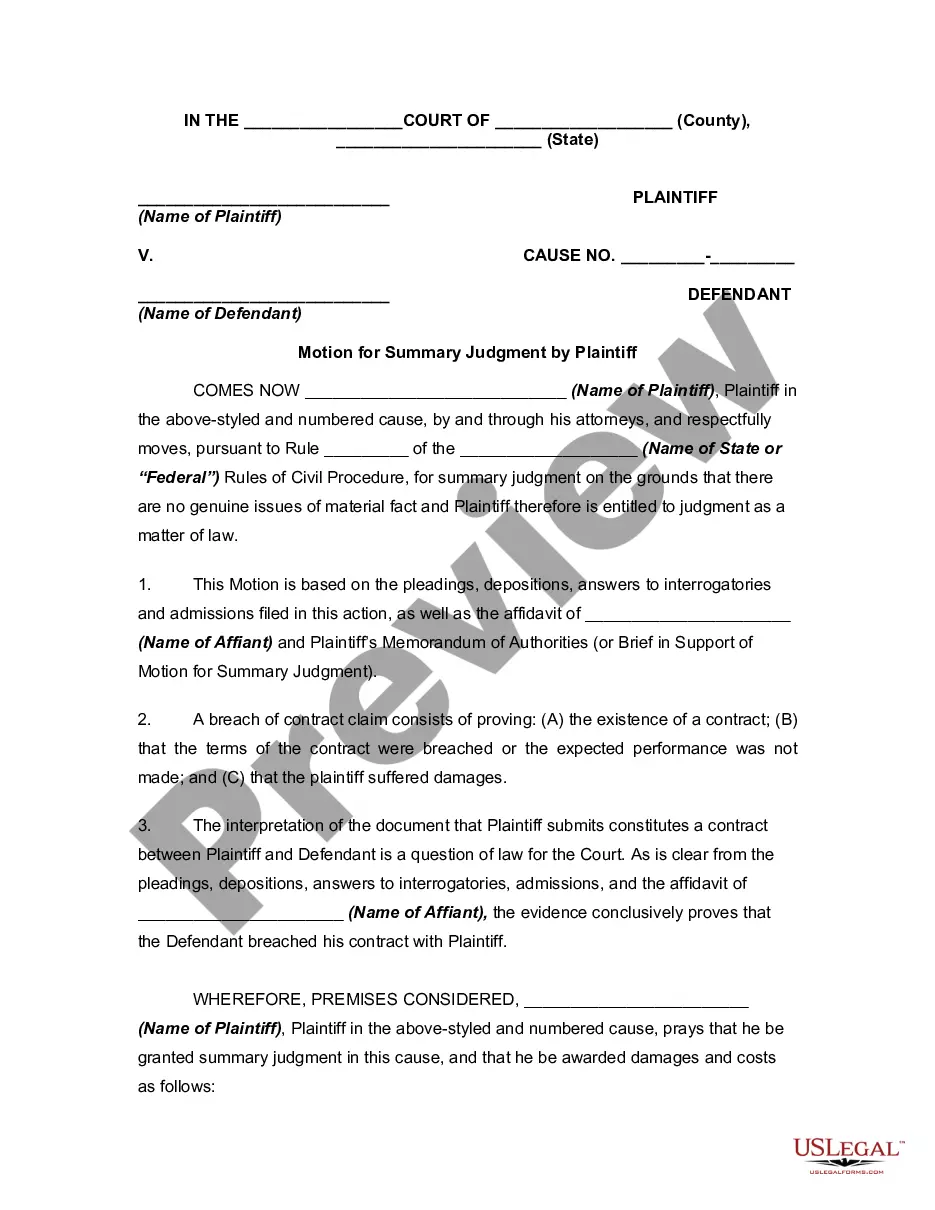
Get your form ready online
Our built-in tools help you complete, sign, share, and store your documents in one place.
Make edits, fill in missing information, and update formatting in US Legal Forms—just like you would in MS Word.
Download a copy, print it, send it by email, or mail it via USPS—whatever works best for your next step.
Sign and collect signatures with our SignNow integration. Send to multiple recipients, set reminders, and more. Go Premium to unlock E-Sign.
If this form requires notarization, complete it online through a secure video call—no need to meet a notary in person or wait for an appointment.
We protect your documents and personal data by following strict security and privacy standards.

Make edits, fill in missing information, and update formatting in US Legal Forms—just like you would in MS Word.

Download a copy, print it, send it by email, or mail it via USPS—whatever works best for your next step.

Sign and collect signatures with our SignNow integration. Send to multiple recipients, set reminders, and more. Go Premium to unlock E-Sign.

If this form requires notarization, complete it online through a secure video call—no need to meet a notary in person or wait for an appointment.

We protect your documents and personal data by following strict security and privacy standards.
Looking for another form?


Form popularity
FAQ
In Mississippi, a judge typically has a reasonable amount of time to rule on a motion, but there is no strict timeline mandated by law. Generally, judges aim to make decisions promptly to avoid delaying the legal process. When dealing with a Mississippi motion to dismiss, understanding this timeframe can help you plan your next steps effectively.
Rule 33 of the Mississippi Rules of Civil Procedure pertains to interrogatories, which are written questions sent by one party to another in a civil case. This rule outlines how many questions can be asked and the timeline for responding. If you're preparing for litigation that may involve a Mississippi motion to dismiss, having ready access to this information can clarify your strategy.
In Mississippi, a judgment generally remains effective for a period of 7 years. After this period, it can be renewed under certain conditions to maintain its enforceability. Knowing the duration of a judgment is crucial when considering motions like a Mississippi motion to dismiss, as it influences your legal standing in ongoing cases.
Rule 12 in Mississippi governs various pre-trial motions, including motions to dismiss based on insufficient claims. This rule allows parties to assert defenses and seek dismissal early in the proceedings if the legal complaint does not establish a valid cause of action. If you find yourself preparing for this kind of motion, USLegalForms can offer guidance and templates tailored to your needs.
Rule 65 of the Mississippi Rules of Civil Procedure addresses injunctions and restraining orders, providing a framework for those seeking to prevent actions that may cause irreparable harm. This rule emphasizes the necessity of showing a legitimate interest for the court to grant such requests. When facing a legal challenge, a well-prepared motion can shine a light on your case, including scenarios involving a Mississippi motion to dismiss.
Rule 81 in Mississippi pertains to the procedures for various civil actions, particularly those involving motions. It specifies the requirements for serving notice of motions and the timelines involved. Understanding this rule is essential for effectively managing your legal responses, especially if you're dealing with a Mississippi motion to dismiss.
In Mississippi, you typically have 14 days to respond to a motion for summary judgment. This timeframe is crucial as it allows you to present your arguments and evidence that counter the claims made. If you need assistance navigating this process, consider using USLegalForms for resources and templates that can simplify your response to a Mississippi motion to dismiss.
Filing a motion in Mississippi involves several steps that can vary by case and court. First, you must prepare the motion, such as a Mississippi motion to dismiss, ensuring you include all necessary information and grounds for your request. Next, file the motion with the appropriate court and serve a copy to all parties involved. Using a platform like USLegalForms can streamline this process, providing templates and guidance tailored to Mississippi's legal requirements.
Rule 4 in Mississippi outlines the process for serving legal documents, including motions. This rule is crucial when filing a Mississippi motion to dismiss because it specifies how a party must deliver these documents to the opposing side. Proper service ensures that the court can uphold the motion properly and that all parties are informed. Understanding Rule 4 can help you navigate the legal system more effectively.
After an indictment in Mississippi, several legal steps will follow. The defendant will be arraigned, where they have the opportunity to enter a plea. Following this, discovery occurs, allowing both sides to examine evidence. Additionally, filing a motion to dismiss may be an option if there are grounds to challenge the indictment. To navigate these procedures smoothly, US Legal Forms can provide helpful templates and guidance.
