Chattel Form Paper For Sale In Montgomery
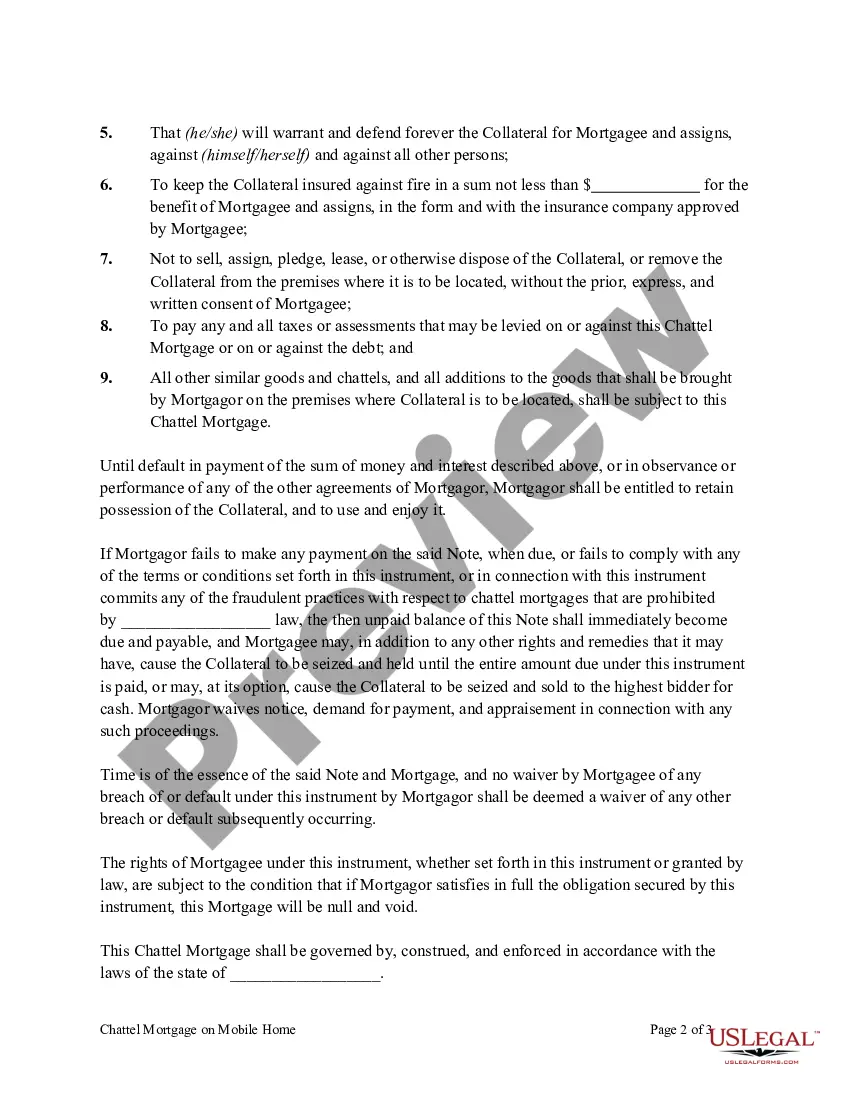
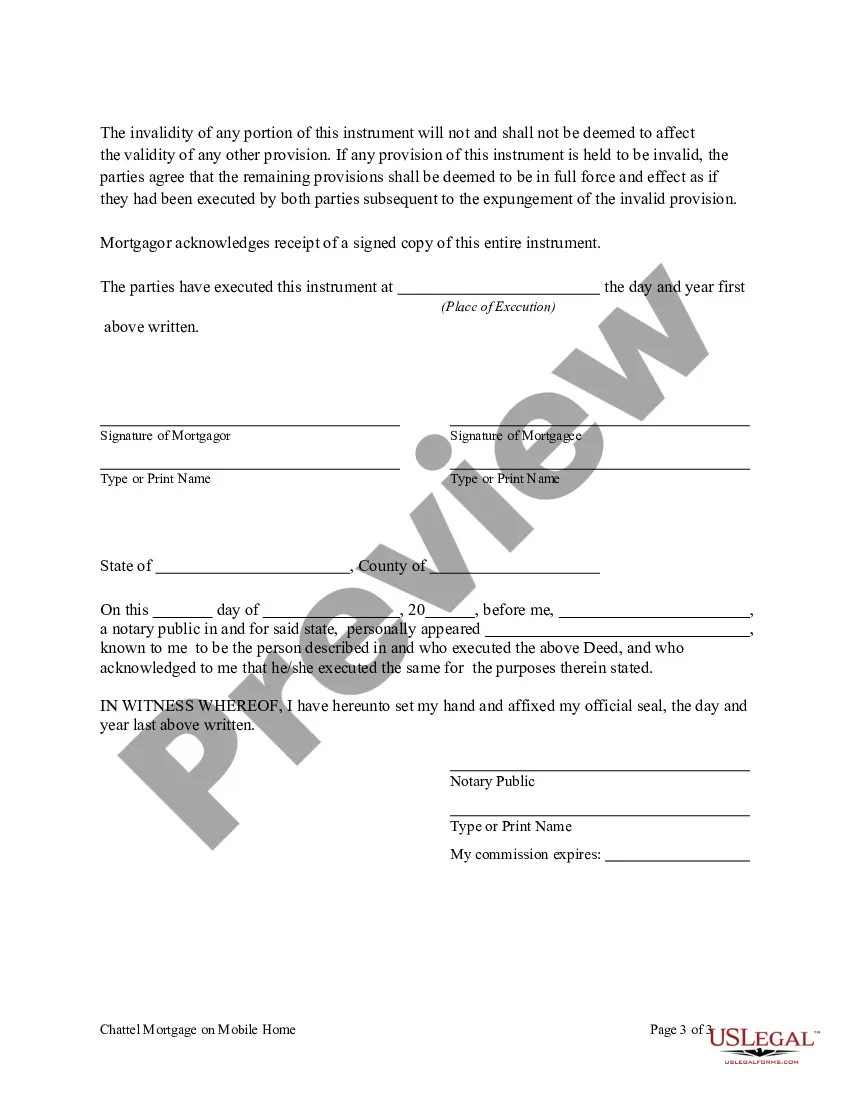
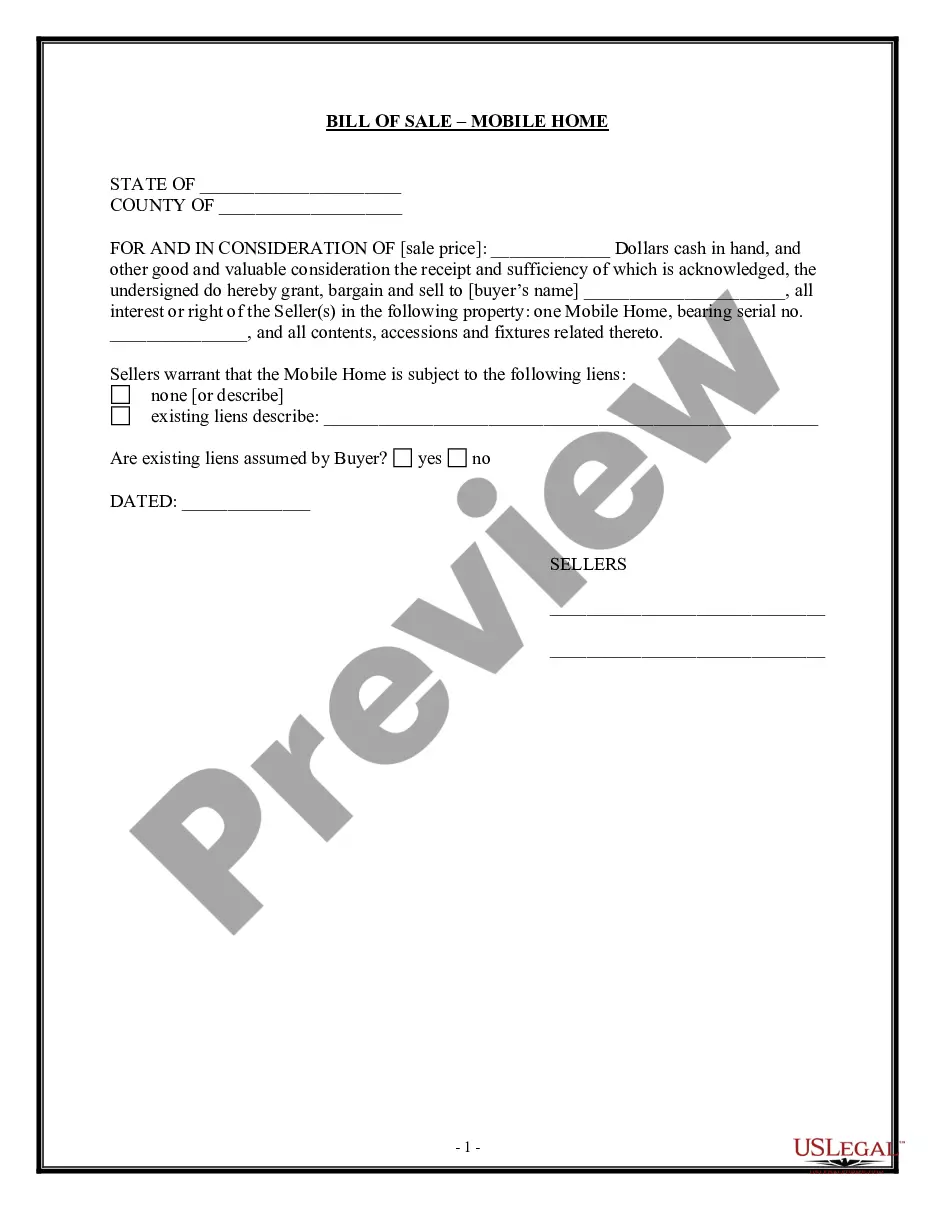
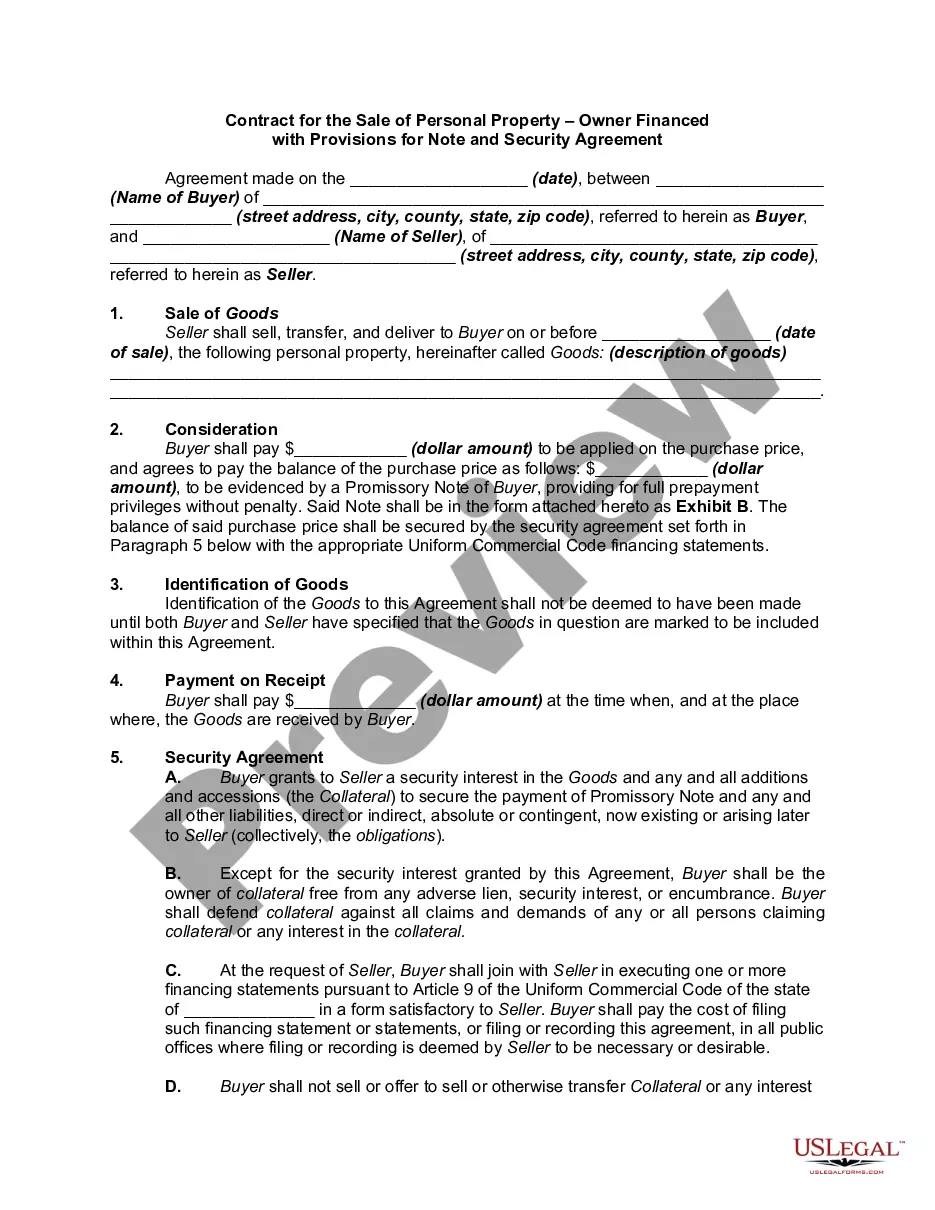
Description

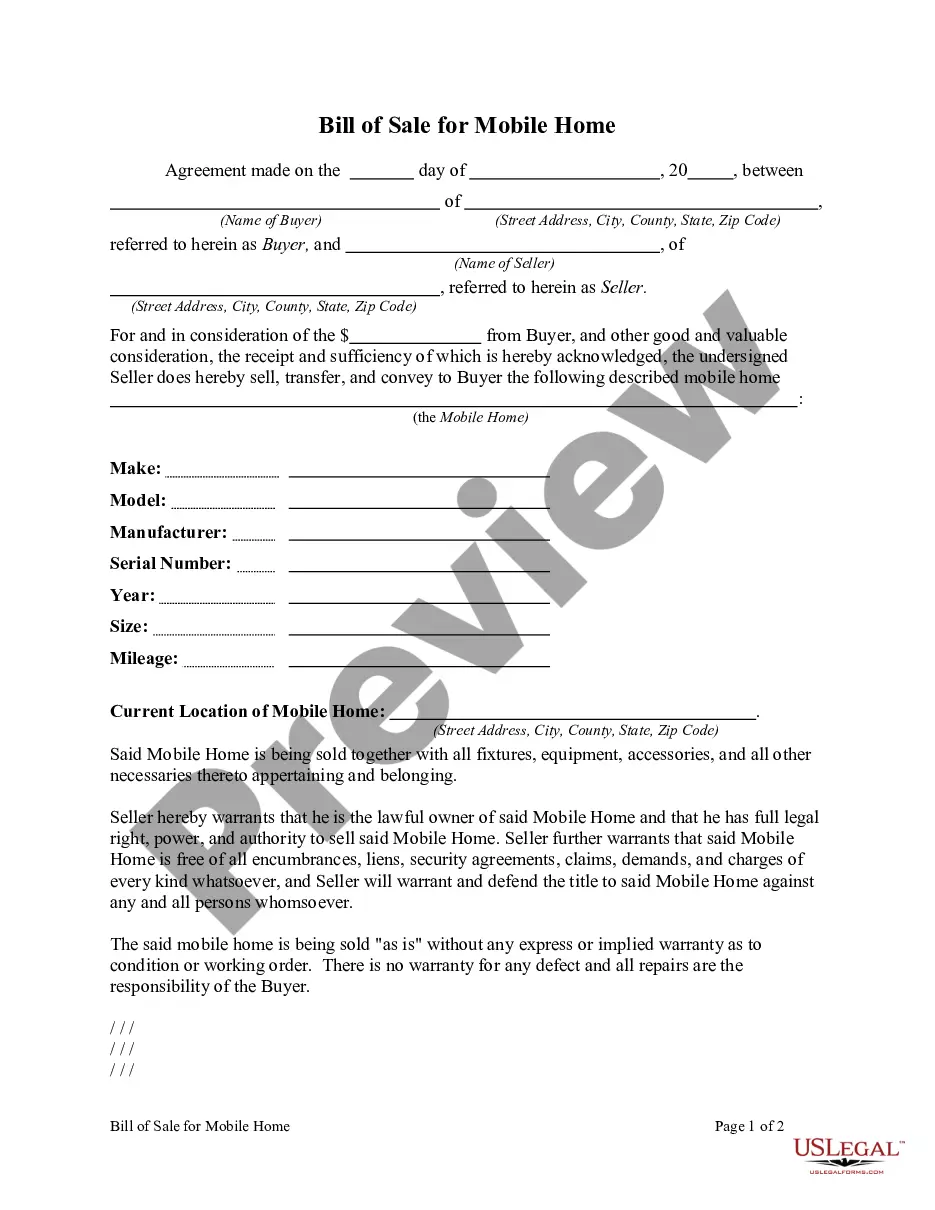
Get your form ready online
Our built-in tools help you complete, sign, share, and store your documents in one place.
Make edits, fill in missing information, and update formatting in US Legal Forms—just like you would in MS Word.
Download a copy, print it, send it by email, or mail it via USPS—whatever works best for your next step.
Sign and collect signatures with our SignNow integration. Send to multiple recipients, set reminders, and more. Go Premium to unlock E-Sign.
If this form requires notarization, complete it online through a secure video call—no need to meet a notary in person or wait for an appointment.
We protect your documents and personal data by following strict security and privacy standards.

Make edits, fill in missing information, and update formatting in US Legal Forms—just like you would in MS Word.

Download a copy, print it, send it by email, or mail it via USPS—whatever works best for your next step.

Sign and collect signatures with our SignNow integration. Send to multiple recipients, set reminders, and more. Go Premium to unlock E-Sign.

If this form requires notarization, complete it online through a secure video call—no need to meet a notary in person or wait for an appointment.

We protect your documents and personal data by following strict security and privacy standards.
Looking for another form?
Form popularity
FAQ
An agreement to buy or sell real property in Maryland must be in writing, and Buyers and Sellers of residential real estate typically use standardized form contracts to document the transaction. The Maryland Association of Realtors Residential Contract of Sale (the “Contract”) is the most used form contract.
How do you write a contract for sale? Title the document appropriately. List all parties involved in the agreement. Detail the product or service, including all rights, warranties, and limitations. Specify the duration of the contract and any important deadlines.
Elements of a sales agreement Buyer and seller names and contact information. Description of goods, services, or property being purchased. Payment amount, dates, and method. Liability of each party in the case of loss, damage, or delivery failure. Ownership information, such as when ownership formally transfers to the buyer.
Chattel property law is defined as any property that is not land or physical items that belong to the land. Chattel is movable goods and land cannot be moved. A house would not be considered chattel property because it is attached to the land.
The se- curity or lease interest is embodied in a writing which evidences the debt. This writing constitutes the "chattel paper," which may consist of a conditional sales contract, a chattel mortgage, a security agreement or a chattel lease,2 with or without an accompanying negotiable instru- ment.
Chattel is personal property that is movable between locations, as opposed to real property, which has a fixed location. Common examples include mobile homes, furniture, and automobiles. This article explains what chattel is and how it is used as security in chattel mortgages.
Chattel paper refers to a document used in secured transactions to sell property on credit while retaining some interest in the property.
Required Elements of a Real Estate Contract To establish legality, a real estate contract must include a legal purpose, legally competent parties, agreement by offer and acceptance, consideration, and consent.
